
Project
Amazon Watch / Maíra Irigaray
The Belo Monte Dam on the Xingu River: 10 years of impacts in the Amazon and the search for reparations
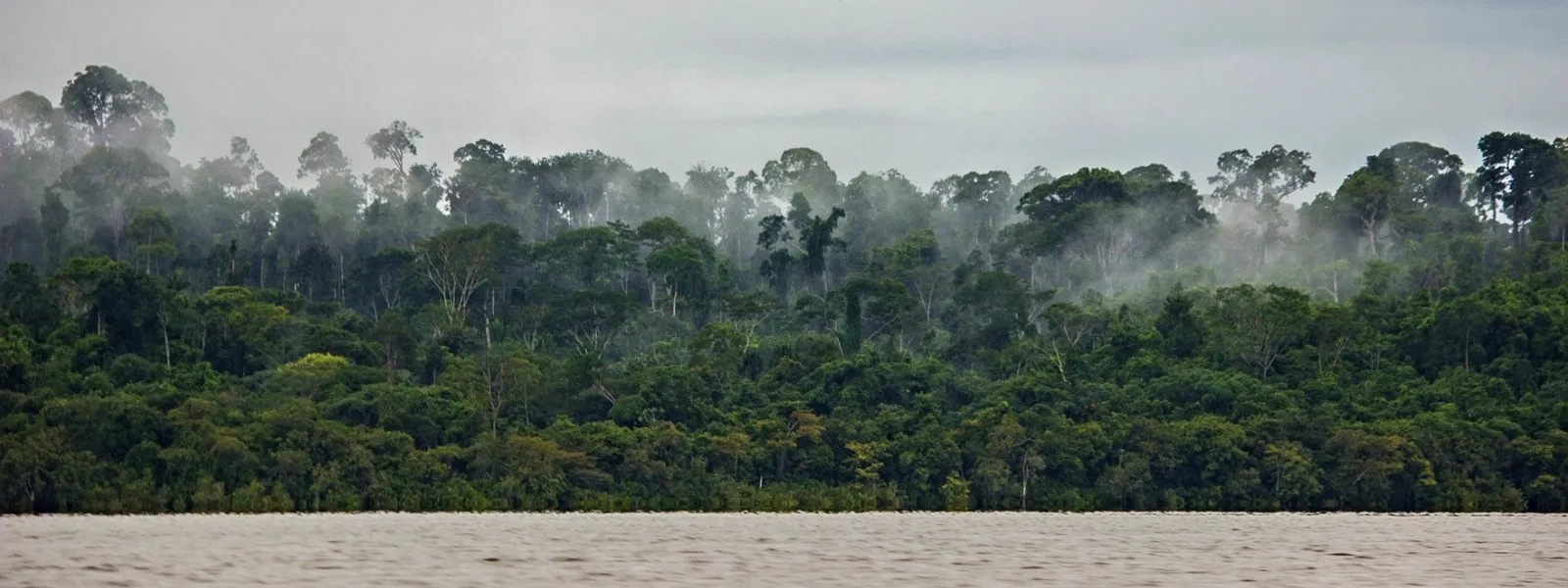
The Belo Monte Dam has caused an environmental and social disaster in the heart of the Amazon—one of the most important ecosystems on the planet.
This situation has only worsened since the hydroelectric plant began operations in 2016. The quest for justice and reparations by the affected indigenous, fishing, and riverine communities continues to this day.
In 2011, the Inter-American Commission on Human Rights (IACHR) granted them protective measures that, to date, have not been fully implemented by the Brazilian State.
Furthermore, since June of that same year, the IACHR has yet to rule on a complaint against the State regarding its international responsibility in the case.
The IACHR may refer the case to the Inter-American Court of Human Rights, which has the authority to issue a ruling condemning the Brazilian State.
After 10 years of the hydroelectric plant's operation and more than 15 years of documented human rights violations, it is time for justice to be served for the affected communities.
Read the open letter from the organizations bringing the case before the IACHR
Background
The Belo Monte hydroelectric plant—the fourth largest in the world by installed capacity (11,233 MW)—was built on the Xingu River in Pará, a state in northern Brazil.
It was inaugurated on May 5, 2016, with a single turbine. At that time, 80% of the river’s course was diverted, flooding 516 km² of land—an area larger than the city of Chicago. Of that area, 400 km² was native forest. The dam began operating at full capacity in November 2019.
Belo Monte was built and is operated by the Norte Energia S.A. consortium, which is composed primarily of state-owned companies. It was financed by the Brazilian Development Bank (BNDES), which provided the consortium with 25.4 billion reais (approximately US$10.16 billion), the largest investment in the bank’s history. Therefore, the BNDES is also legally responsible for the socio-environmental impacts associated with the hydroelectric plant.
Decades of harm to the environment and people
Human rights violations and degradation of the Amazon have been occurring since the project’s inception. In March 2011, Norte Energía began construction of the dam without adequate consultation and without the prior, free, and informed consent of the affected communities.
The construction caused the forced displacement of more than 40,000 people, severing social and cultural ties. The resettlement plan in Altamira—a city directly affected by the hydroelectric dam—involved housing units located on the outskirts, lacking adequate public services and decent living conditions for the relocated families, with no special provisions for those from indigenous communities.
Belo Monte's operations have caused a permanent, man-made drought in the Volta Grande (or "Great Bend") of the Xingu River, exacerbated by the historic droughts in the Amazon in 2023 and 2024. As a result, the deaths of millions of fish eggs were documented for four consecutive years (from 2021 to 2024), and for the past three years, there has been no upstream migration of fish to spawn and reproduce. Thus, artisanal fishing, the main source of protein for indigenous peoples and riverside communities, was severely affected: fish dropped from 50% to 30% of total protein consumed, replaced by processed foods. In summary, there was an environmental and humanitarian collapse that resulted in the breakdown of fishing as a traditional way of life, food insecurity, and access to drinking water for thousands of families, impoverishment, and disease.
Furthermore, the construction of the dam increased deforestation and intensified illegal logging and insecurity on indigenous and tribal lands, putting the survival of these communities at risk. Another consequence was the deepening of poverty and social conflicts, as well as the strain on health, education, and public safety systems in Altamira—a city ranked as the most violent in the country in 2017, where human trafficking and sexual violence increased. Violence was also reported against human rights defenders involved in the case.
In 2025, during the 30th UN Climate Change Conference (COP30), held in Brazil, the Federal Public Prosecutor’s Office labeled the damage caused by the Belo Monte dam as ecocide.
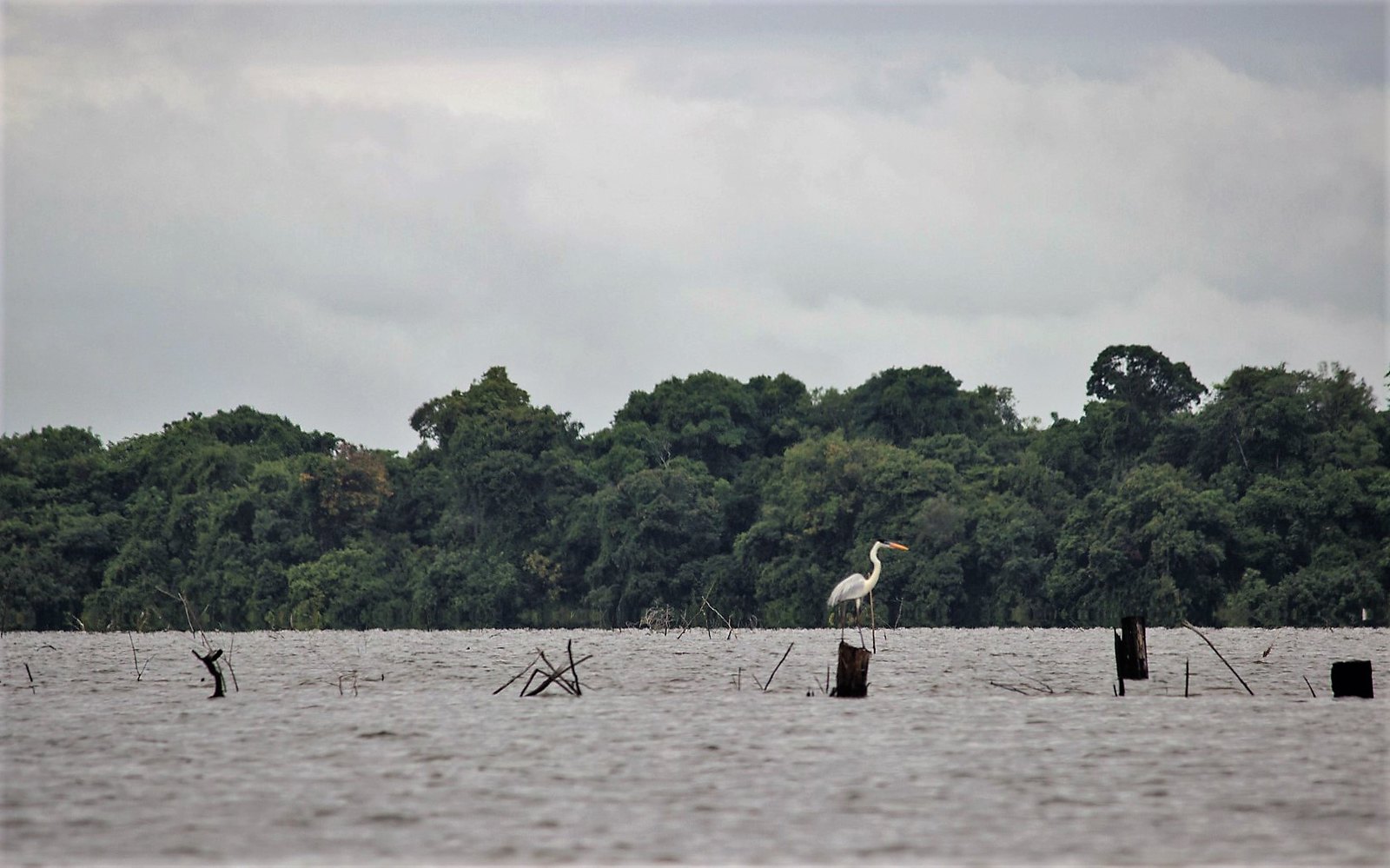
Photo: Amazon Watch / Maíra Irigaray.
The search for justice and reparations
Over the years, the Federal Public Prosecutor’s Office in Pará, the Public Defender’s Office, and civil society organizations have filed dozens of legal actions in Brazilian courts to challenge the project’s various irregularities and its impacts. Most of the claims are still pending resolution, some for more than 10 years.
These efforts have failed because the national government has repeatedly overturned rulings in favor of the affected communities by invoking a mechanism that allowed a court president to suspend a judicial decision based solely on generic arguments such as "the national interest" or "economic order."
In the absence of effective responses at the national level, AIDA, together with a coalition of partner organizations, brought the case before the Inter-American Commission on Human Rights (IACHR) and, in 2010, requested precautionary measures to protect the lives, safety, and health of the affected indigenous communities.
On April 1, 2011, the IACHR granted these measures and requested that the Brazilian government suspend environmental permits and any construction work until the conditions related to prior consultation and the protection of the health and safety of the communities are met.
And on June 16, 2011 —together with the Xingu Vivo Para Sempre Movement, the Coordinating Committee of Indigenous Organizations of the Brazilian Amazon, the Diocese of Altamira, the Indigenous Missionary Council, the Pará Society for the Defense of Human Rights and Global Justice— we filed a formal complaint against the Brazilian State for its international responsibility in the violation of the human rights of the people affected in the case. The case was opened for processing in December 2015.
On August 3, 2011, the IACHR amended the precautionary measures to request, instead of the suspension of permits and construction, the protection of people living in voluntary isolation, the health of indigenous communities, and the regularization and protection of ancestral lands.
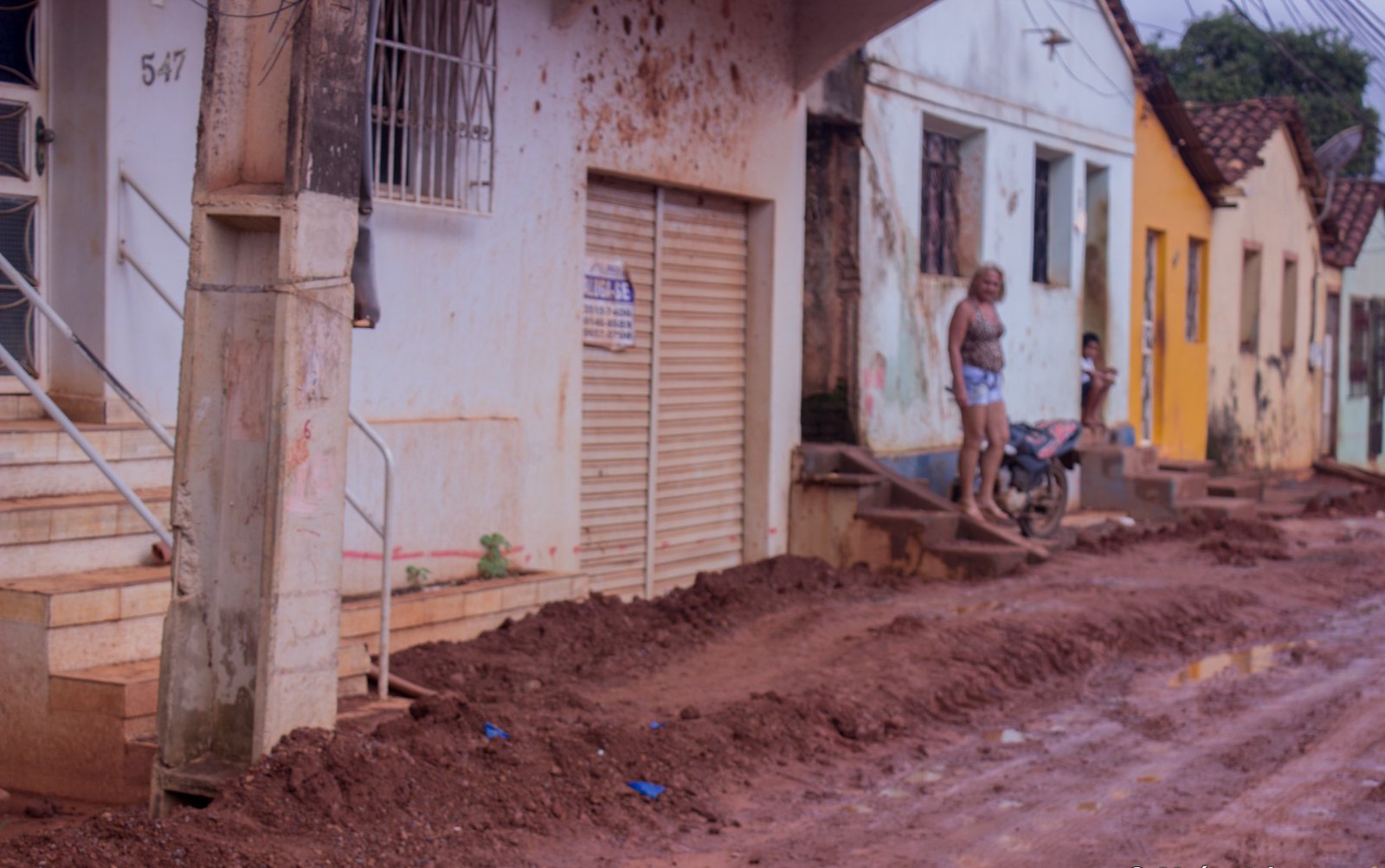
Photo: Amazon Watch / Maíra Irigaray.
Current situation
The protective measures granted by the IACHR remain in effect, but the Brazilian government has not fully complied with them, reporting only on general actions. The communities have documented the ongoing violations of their rights. The situation that prompted the request for these measures—the risk to the lives, physical integrity, and ways of life of the communities—persists and has worsened with the hydroelectric plant operating at full capacity and the recent extreme droughts in the Amazon.
In addition to the impacts of Belo Monte, there is a risk of further social and environmental impacts from the implementation of another mining megaproject in the Volta Grande do Xingu. There, the Canadian company Belo Sun plans to build Brazil’s largest open-pit gold mine.
The combined and cumulative impacts of the dam and the mine were not assessed. The government excluded Indigenous peoples, riverine and peasant communities from the project’s environmental permitting process. Despite protests by Indigenous communities and other irregularities surrounding the project, the government of Pará formally authorized the mine in April 2026.
Like other hydroelectric dams, Belo Monte exacerbates the climate emergency by generating greenhouse gas emissions in its reservoir. And it is inefficient amid the longer, more intense droughts caused by the crisis, as it loses its ability to generate power.
The case before the Inter-American Commission
In October 2017, the IACHR announced that it would rule jointly on the admissibility (whether the case meets the requirements for admission) and the merits (whether a human rights violation actually occurred) of the international complaint against the Brazilian State.
Fifteen years after the complaint was filed, the affected communities and the organizations representing them are still awaiting this decision. If the IACHR concludes that human rights violations occurred and issues recommendations that the Brazilian State fails to comply with, it may refer the case to the Inter-American Court of Human Rights, whose rulings are binding.
A potential ruling by the international court in this case would set a regional legal precedent regarding the rights of indigenous and riverine peoples, public participation in megaprojects, and state responsibility in the context of the climate crisis—a precedent that is particularly relevant in light of the Court’s Advisory Opinion No. 32, which reaffirmed the obligations of States to protect the people and communities of the continent from the climate emergency.
Partners:
Related projects
Brazil & The Olympics: Signs of Danger, Signs of Hope
By Rodrigo da Costa Sales, AIDA attorney As the Brazilian flag was raised at the Rio Olympics to the soft sounds of acoustic guitar, the familiar words of my country’s national anthem struck me: Giant by thine own nature, Thou art beautiful, thou art strong, an intrepid colossus, And thy future mirrors that greatness. For centuries, it’s been easy, a point of pride, to celebrate the natural bounty of our landscape, from the mighty Amazon basin to the thousands of miles of pristine coastline. What’s proved most difficult is defending it. Last year Brazil was the world’s most dangerous country for environmental defenders. At least 50 of us were killed; so far this year, 23 have been assassinated. The Amazon, where I was born and spent my childhood, is the epicenter of these crimes. Plantations and ranches have been built on land where homes once stood. Indigenous and Afro-Brazilian communities, guardians of the natural world, have been evicted from lands passed down through the generations. It’s clear that economics and development have been prioritized above public health and wellbeing. Increasingly, large dams are also becoming agents of dispossession in the Amazon. On the mighty Rio Xingu, the massive Belo Monte hydro dam displaced indigenous communities that depended on and cared for the river basin. Vast amounts of rainforest were destroyed, with disastrous impacts on wildlife. Several plant and animal species are now extinct; literally tons of fish died, likely from contamination. Altamira, the city closest to the dam, is now ranked third in Brazil for violence and inequality. Belo Monte is hardly bringing equitable and just development to Brazil. There are reasons for hope, though. A couple of things that happened last week made me believe we might see some positive changes in the near future. First, the government denied the environmental license for a Tapajós River mega-dam that would have repeated the destruction of Belo Monte, devastating the lands and culture of the Muduruku people. The second is more symbolic – the opening ceremony of the Olympic games. I was particularly moved by the focus on two issues that Brazil must make a priority in coming years: deforestation and climate change. The attention to environmental crisis was powerful. It would have been even stronger, though, if indigenous people hadn’t been portrayed only as relics of Brazil’s ancient origins. In reality, our indigenous groups are crucial players in present and future efforts to achieve sustainability. To a certain extent, hope is what the Olympics are all about. They bring the world together for a common good, and, at their best, aid in the development of a peaceful society concerned with preserving human dignity across all continents. Although I have deep personal disagreements with the execution of the Olympics in Rio, I hope Brazil takes seriously the symbolic commitment demonstrated in the opening ceremony. I hope Belo Monte is the last case of its kind. I hope human rights and environmental defenders can work safely and without fear. I hope future generations grow up in a country that really is “giant by thine own nature.” Only then will our future truly be as great as the magnificent lands we call home. Please consider making a donation to AIDA today to help us make the future great for people in Brazil and throughout Latin America.
Read more
Indigenous People of the Americas Have New Hope for Justice
By Astrid Puentes Riaño (text originally published in Animal Político) June 15 was a historic day. After 17 years of negotiations, the American Declaration on the Rights of Indigenous Peoples was approved. That’s cause for celebration. The Declaration brings advances on many fronts. It means States must commit to respecting the rights of indigenous peoples, including their rights to land, territory, and a healthy environment. It means respecting sustainable development. It recognizes that violence against indigenous women “prevents and nullifies the enjoyment of human rights and fundamental freedoms.” And it reinforces the rights of indigenous peoples to participation; to prior consultation; and to free, prior, and informed consent – particularly when they’re faced with harm to their territories. The need for effective justice As the Organization of American States was approving the Declaration, activists held a Global Day of Action to call for justice for Berta Cáceres, the Honduran indigenous rights defender assassinated on March 3. These simultaneous events demonstrate the lack of effective justice in the region. Latin America yearns for justice, particularly with regard to human rights violations caused by extractive, energy, tourism, and infrastructure projects. The events also highlight the urgent need to put declarations and international obligations into practice. Berta’s death was foreshadowed. The Inter-American Commission on Human Rights asked the Honduran government to take precautionary measures to protect her life, which the government did not do. Two days after her death, the Commission also requested protective measures for the organization she led, the Civic Council of Popular and Indigenous Organizations of Honduras (COPINH). Just days later, however, Nelson García, another of the organization’s members, was assassinated. The primary demand on the Global Day of Action was to create a commission of independent experts to investigate the murders and to help uncover the truth. The assassinations of Berta and Nelson are not exceptions. More than 100 people dedicated to protecting their lands, forests, and rivers have been murdered in Honduras since 2010. And it’s not only there. Brazil, Colombia, Nicaragua, and Peru are four of the five most violent countries in the world for environmental defenders (alongside the Philippines). 2015 has been widely recognized as “the worst year on record” for those who defend the Earth. Towards real development Berta dedicated her life to defending rivers. At the time of her death, she was working to save her people’s territory from being flooded by the Agua Zarca Dam on the Gualquarque River. Indigenous communities there have taken stands against more than 50 extractive and energy projects affecting their land, the majority of which violate national and international law. Her case has thrust into the spotlight the realities of development in Latin America. Although governments—with the help of international financial institutions, national banks, and foreign investors—promote extractive, energy, tourism, and infrastructure projects as essential to development and poverty alleviation, the reality is quite different. Systematically, these projects are built in violation of laws and without adequate planning or evaluation of impacts on the environment and human rights. Sustainable alternatives are rarely evaluated at all. In fact, many of the projects pushed through in Latin America would not be viable in developed countries, where better technologies and safeguards are the norm. Special Rapporteurs to the United Nations have been calling attention to this issue for years. The Inter-American Commission on Human Rights also recognized it in a recent report on extractive industries and their impacts on tribal and indigenous peoples. Unfortunately, the Commission is undergoing an unprecedented financial crisis because States aren’t making sufficient contributions. Some have delayed or withdrawn funding because of conflicts over the Commission’s rulings on extractive and energy projects in their territories. The clearest example can be found in Brazil, which reacted to the Commission’s call to suspend Belo Monte Dam construction by withdrawing its ambassador, initiating a thorough review of the Commission, and freezing financial contributions. Brazil has yet to re-establish a regular contribution to the body. Hope and opportunity For all these reasons, approval of the American Declaration on the Rights of Indigenous Peoples is encouraging news. It’s essential that the rights and obligations it contains be upheld immediately. Starting with Berta’s case, States must demonstrate their seriousness. They must show, through action, that they recognize the problems facing the region; that they’re reaching for truth and justice; and that they favor real development to uplift their people. Latin America has a historic opportunity. Governments can finally join the 21st Century by respecting the rule of law, practicing what they preach, and promoting development that cares for our natural resources and those who most intimately depend on them.
Read more
NGOs call on Mexico to protect Mayan beekeeping communities affected by cultivation of genetically modified soy
The lives, health, and integrity of indigenous people are threatened by deforestation and contamination of their land caused by the cultivation of genetically modified soy. The situation is worsening because the Mexican government has not adopted effective measures to safeguard the rights of the communities. Washington D.C., United States. Traditional Mayan beekeeping communities, alongside a coalition of national and international organizations, have denounced the cultivation of genetically modified soy in the Mexican states of Campeche and Yucatan as damaging to the lives, health, and integrity of Mayan people, and to the health of the environment on which they depend. On July 25, a coalition of organizations filed a complaint on behalf of Mayan communities with the Inter-American Commission on Human Rights (IACHR). The organizations are the Interamerican Association for Environmental Defense (AIDA); Centro Mexicano de Derecho Ambiental (CEMDA); Greenpeace Mexico; Indignación, Promoción y Defensa de los Derechos Humanos, A.C. (Indignación); and Litiga, Organización de Litigio Estratégico de Derechos Humanos A.C. (Litiga OLE). The health and way of life of affected people—especially children, pregnant women, and the elderly—are at increasing risk from deforestation and the use, during planting, of the toxic herbicide glyphosate, which has been proved to contaminate soil and water sources. The crops have been genetically modified to resist the herbicide, which leads growers to apply it in ever greater concentrations. The organizations asked the Commission to grant precautionary measures, an action that would urge the Mexican government to implement actions that protect the rights of communities and effectively halt the cultivation of genetically modified soy in Campeche and Yucatan. Leydy Pech, representative of the Mayan communities, said, “planting genetically modified soy in Mayan territory violates our rights and our culture, which has been passed down to us from our ancestors. Because of the cultivation of soy on our lands, we have lost medicinal plants, vital trees for local bee populations, and animals, and have even seen some of our archeological sites destroyed. This harms our Mayan identity and denies us the possibility of passing that knowledge on to our children; traditional knowledge that allows us to preserve the forest and generate wellbeing for our communities.” AIDA attorney María José Veramendi added, “the Mexican government has an obligation to apply the precautionary principle and take into account the health risks that come with glyphosate and the cultivation of genetically modified soy. By not doing so, the State is failing to comply with its duty to prevent violations of the rights of Mayan communities, who are exposed to the herbicide as it drifts on wind and contaminates water sources.” The affected Mayan communities live in the municipalities of Hopelchén, in the state of Campeche, and Mérida, Tekax and Teabo, in the state of Yucatan. Permits to cultivate genetically modified soy also affect other communities in the seven states of the Mexican Republic. The communities were not consulted, nor did they give their free, prior, and informed consent, before Mexico granted the permits necessary for the cultivation of genetically modified soy in their territory. Under international law, indigenous communities must be guaranteed the right to prior consultation and informed consent. What’s more, the planting has seriously affected traditional beekeeping practices, part of Mayan culture and one of the main sources of livelihood for the communities. In addition to requesting precautionary measures, the organizations filed a petition with the IACHR denouncing violations of the rights to land and communal property, to life and personal integrity, to a healthy environment, to work, and to judicial protection and access to justice. According to the organizations, the State has not taken effective measures to safeguard the rights of affected populations despite their efforts to seek justice in domestic courts. “Although the Mayan communities obtained a favorable ruling from the Second Chamber of the Supreme Court last November, the judgment did not resolve all the human rights violations,” explained Francisco Xavier Martínez Esponda, legal representative of CEMDA. “During the consultation process, authorities neither respect traditional manners of decision-making nor meet Inter-American standards for upholding this fundamental right. Since the Mexican State could not rule on all instances of rights violations or order their rectification, we have now brought the case before the Inter-American Commission on Human Rights.”
Read more