
Project
Amazon Watch / Maíra Irigaray
The Belo Monte Dam on the Xingu River: 10 years of impacts in the Amazon and the search for reparations
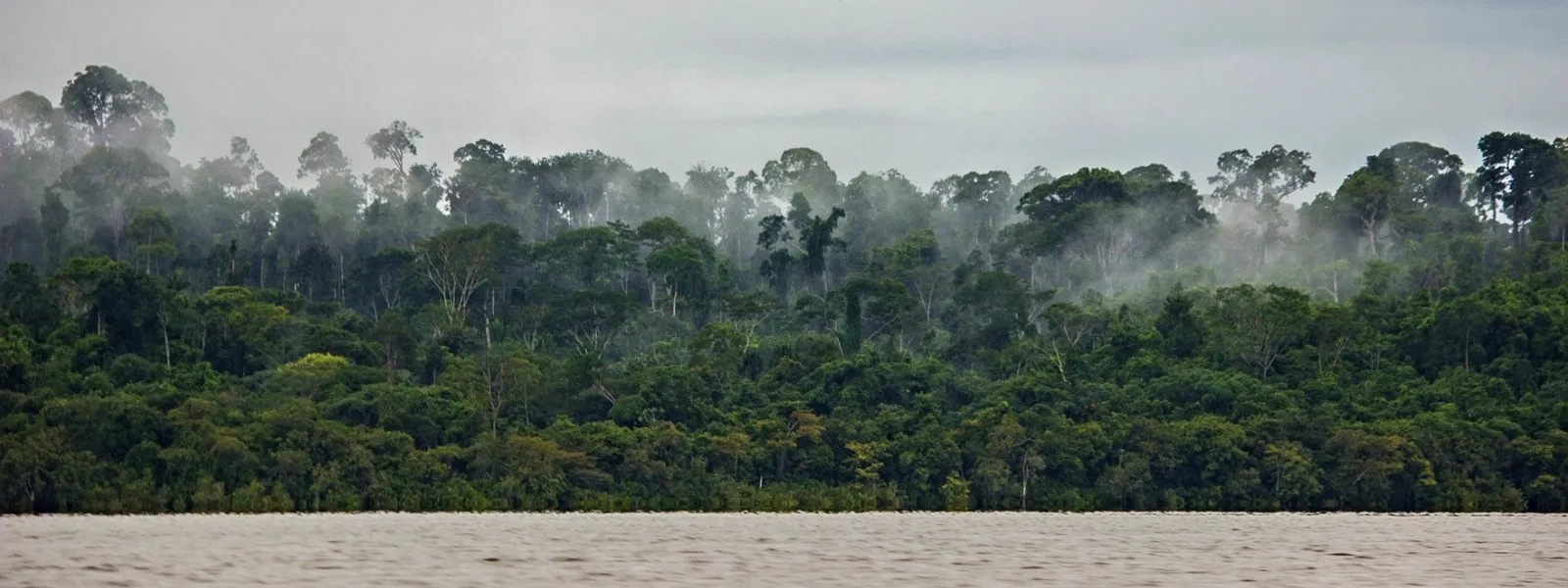
The Belo Monte Dam has caused an environmental and social disaster in the heart of the Amazon—one of the most important ecosystems on the planet.
This situation has only worsened since the hydroelectric plant began operations in 2016. The quest for justice and reparations by the affected indigenous, fishing, and riverine communities continues to this day.
In 2011, the Inter-American Commission on Human Rights (IACHR) granted them protective measures that, to date, have not been fully implemented by the Brazilian State.
Furthermore, since June of that same year, the IACHR has yet to rule on a complaint against the State regarding its international responsibility in the case.
The IACHR may refer the case to the Inter-American Court of Human Rights, which has the authority to issue a ruling condemning the Brazilian State.
After 10 years of the hydroelectric plant's operation and more than 15 years of documented human rights violations, it is time for justice to be served for the affected communities.
Read the open letter from the organizations bringing the case before the IACHR
Background
The Belo Monte hydroelectric plant—the fourth largest in the world by installed capacity (11,233 MW)—was built on the Xingu River in Pará, a state in northern Brazil.
It was inaugurated on May 5, 2016, with a single turbine. At that time, 80% of the river’s course was diverted, flooding 516 km² of land—an area larger than the city of Chicago. Of that area, 400 km² was native forest. The dam began operating at full capacity in November 2019.
Belo Monte was built and is operated by the Norte Energia S.A. consortium, which is composed primarily of state-owned companies. It was financed by the Brazilian Development Bank (BNDES), which provided the consortium with 25.4 billion reais (approximately US$10.16 billion), the largest investment in the bank’s history. Therefore, the BNDES is also legally responsible for the socio-environmental impacts associated with the hydroelectric plant.
Decades of harm to the environment and people
Human rights violations and degradation of the Amazon have been occurring since the project’s inception. In March 2011, Norte Energía began construction of the dam without adequate consultation and without the prior, free, and informed consent of the affected communities.
The construction caused the forced displacement of more than 40,000 people, severing social and cultural ties. The resettlement plan in Altamira—a city directly affected by the hydroelectric dam—involved housing units located on the outskirts, lacking adequate public services and decent living conditions for the relocated families, with no special provisions for those from indigenous communities.
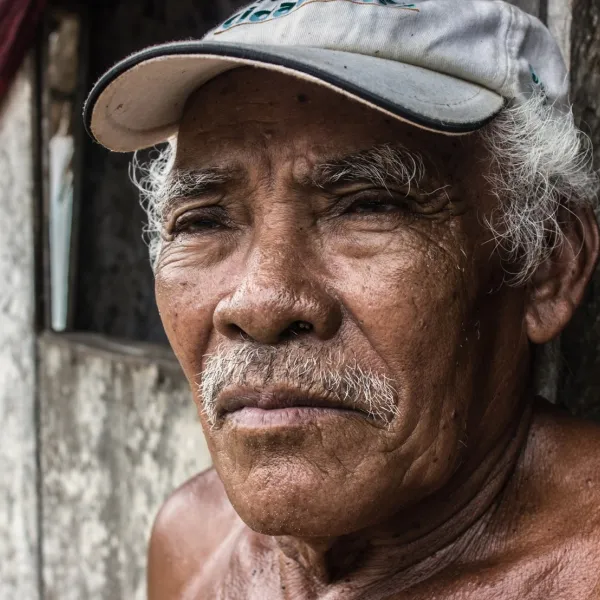
Belo Monte's operations have caused a permanent, man-made drought in the Volta Grande (or "Great Bend") of the Xingu River, exacerbated by the historic droughts in the Amazon in 2023 and 2024. As a result, the deaths of millions of fish eggs were documented for four consecutive years (from 2021 to 2024), and for the past three years, there has been no upstream migration of fish to spawn and reproduce. Thus, artisanal fishing, the main source of protein for indigenous peoples and riverside communities, was severely affected: fish dropped from 50% to 30% of total protein consumed, replaced by processed foods. In summary, there was an environmental and humanitarian collapse that resulted in the breakdown of fishing as a traditional way of life, food insecurity, and access to drinking water for thousands of families, impoverishment, and disease.
Furthermore, the construction of the dam increased deforestation and intensified illegal logging and insecurity on indigenous and tribal lands, putting the survival of these communities at risk. Another consequence was the deepening of poverty and social conflicts, as well as the strain on health, education, and public safety systems in Altamira—a city ranked as the most violent in the country in 2017, where human trafficking and sexual violence increased. Violence was also reported against human rights defenders involved in the case.
In 2025, during the 30th UN Climate Change Conference (COP30), held in Brazil, the Federal Public Prosecutor’s Office labeled the damage caused by the Belo Monte dam as ecocide.
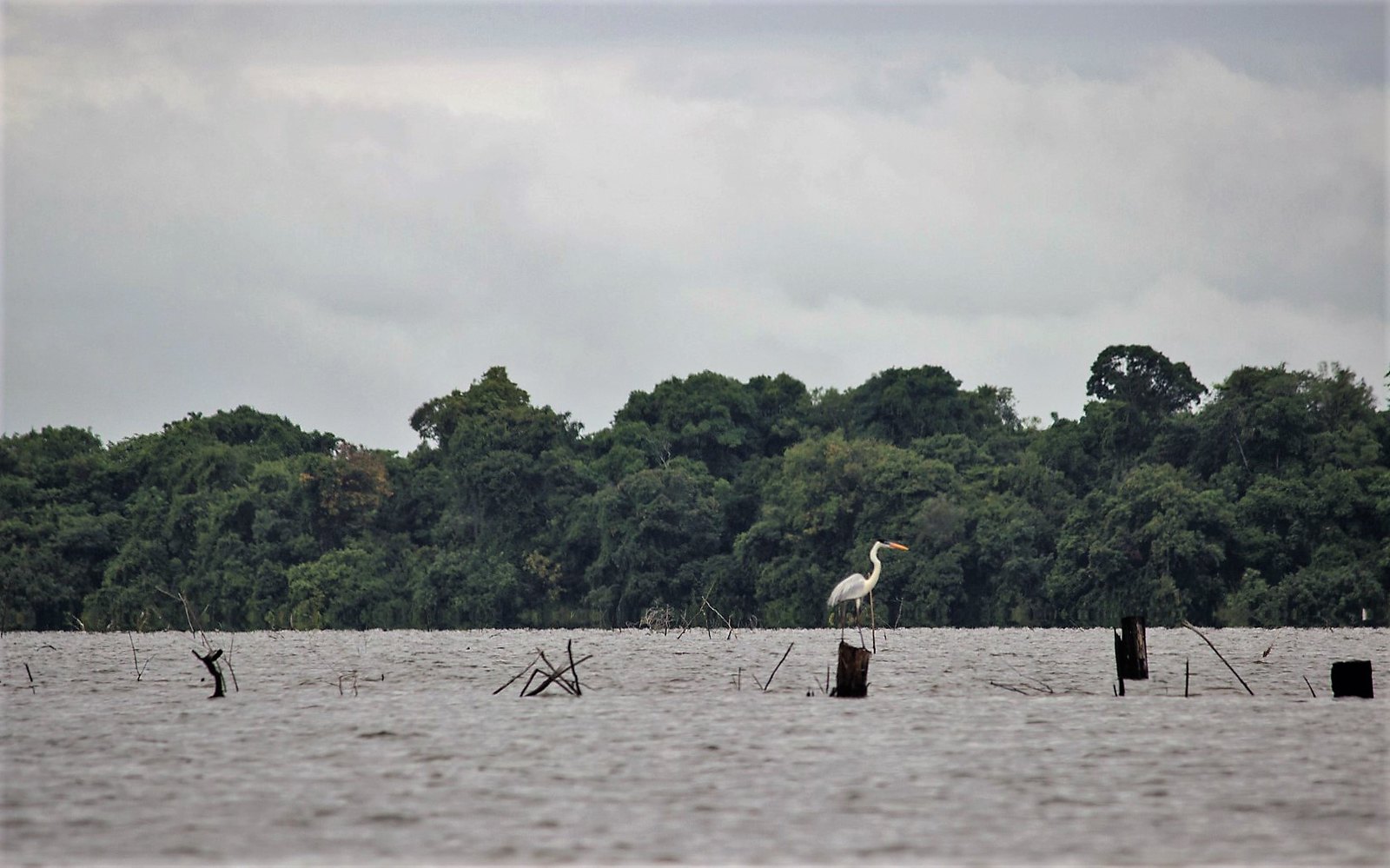
Photo: Amazon Watch / Maíra Irigaray.
The search for justice and reparations
Over the years, the Federal Public Prosecutor’s Office in Pará, the Public Defender’s Office, and civil society organizations have filed dozens of legal actions in Brazilian courts to challenge the project’s various irregularities and its impacts. Most of the claims are still pending resolution, some for more than 10 years.
These efforts have failed because the national government has repeatedly overturned rulings in favor of the affected communities by invoking a mechanism that allowed a court president to suspend a judicial decision based solely on generic arguments such as "the national interest" or "economic order."
In the absence of effective responses at the national level, AIDA, together with a coalition of partner organizations, brought the case before the Inter-American Commission on Human Rights (IACHR) and, in 2010, requested precautionary measures to protect the lives, safety, and health of the affected indigenous communities.
On April 1, 2011, the IACHR granted these measures and requested that the Brazilian government suspend environmental permits and any construction work until the conditions related to prior consultation and the protection of the health and safety of the communities are met.
And on June 16, 2011 —together with the Xingu Vivo Para Sempre Movement, the Coordinating Committee of Indigenous Organizations of the Brazilian Amazon, the Diocese of Altamira, the Indigenous Missionary Council, the Pará Society for the Defense of Human Rights and Global Justice— we filed a formal complaint against the Brazilian State for its international responsibility in the violation of the human rights of the people affected in the case. The case was opened for processing in December 2015.
On August 3, 2011, the IACHR amended the precautionary measures to request, instead of the suspension of permits and construction, the protection of people living in voluntary isolation, the health of indigenous communities, and the regularization and protection of ancestral lands.
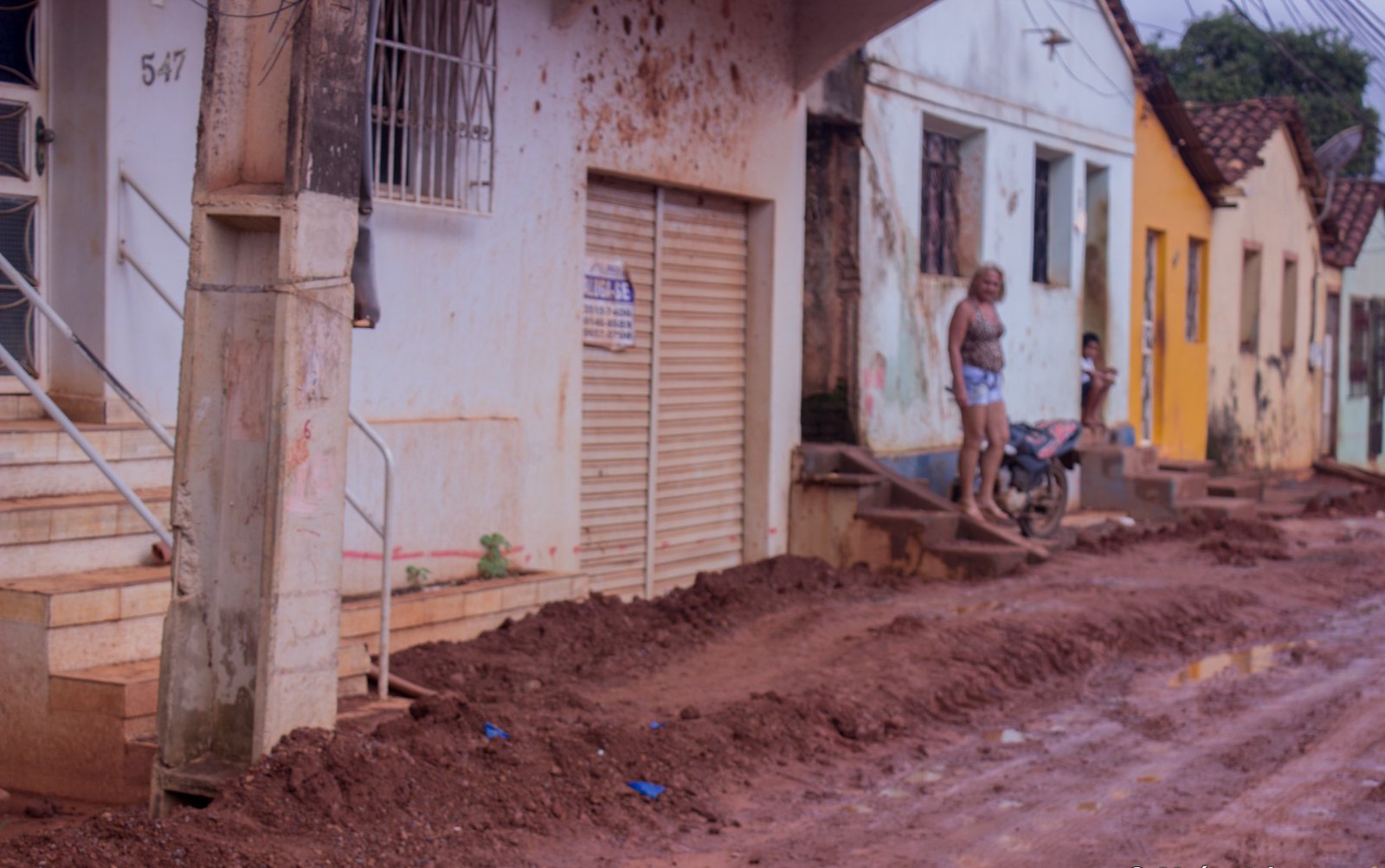
Photo: Amazon Watch / Maíra Irigaray.
Current situation
The protective measures granted by the IACHR remain in effect, but the Brazilian government has not fully complied with them, reporting only on general actions. The communities have documented the ongoing violations of their rights. The situation that prompted the request for these measures—the risk to the lives, physical integrity, and ways of life of the communities—persists and has worsened with the hydroelectric plant operating at full capacity and the recent extreme droughts in the Amazon.
In addition to the impacts of Belo Monte, there is a risk of further social and environmental impacts from the implementation of another mining megaproject in the Volta Grande do Xingu. There, the Canadian company Belo Sun plans to build Brazil’s largest open-pit gold mine.
The combined and cumulative impacts of the dam and the mine were not assessed. The government excluded Indigenous peoples, riverine and peasant communities from the project’s environmental permitting process. Despite protests by Indigenous communities and other irregularities surrounding the project, the government of Pará formally authorized the mine in April 2026.
Like other hydroelectric dams, Belo Monte exacerbates the climate emergency by generating greenhouse gas emissions in its reservoir. And it is inefficient amid the longer, more intense droughts caused by the crisis, as it loses its ability to generate power.
The case before the Inter-American Commission
In October 2017, the IACHR announced that it would rule jointly on the admissibility (whether the case meets the requirements for admission) and the merits (whether a human rights violation actually occurred) of the international complaint against the Brazilian State.
Fifteen years after the complaint was filed, the affected communities and the organizations representing them are still awaiting this decision. If the IACHR concludes that human rights violations occurred and issues recommendations that the Brazilian State fails to comply with, it may refer the case to the Inter-American Court of Human Rights, whose rulings are binding.
A potential ruling by the international court in this case would set a regional legal precedent regarding the rights of indigenous and riverine peoples, public participation in megaprojects, and state responsibility in the context of the climate crisis—a precedent that is particularly relevant in light of the Court’s Advisory Opinion No. 32, which reaffirmed the obligations of States to protect the people and communities of the continent from the climate emergency.
Partners:
Related projects
Six Colombian Wetlands of Global Importance
Colombia is blessed with sweeping mountaintops, rich jungles, and rivers that curve through the heart of it all. The country has three mountain chains, fertile volcanic soils, half of the world’s páramos (high-altitude wetlands), an equatorial climate with constant high temperatures, the Amazon forest, and the waters of the Caribbean Sea and Pacific Ocean. Colombia is first in the world in diversity of birds and orchids, second in plants and amphibians, third in reptiles and palms, and fourth in mammals. To this I would add a long and diverse et cetera. Colombia’s environmental heritage includes six Wetlands of International Importance listed under the Ramsar Convention, a treaty that protects these environments. Their listing indicates their value not only for Colombia, but also for humanity. Where are they? Why are they important? What dangers do they face? 1. Ciénaga Grande de Santa Marta, Magdalena River Delta Estuary System. In the department of Magdalena, the Ciénaga Grande de Santa Marta is Colombia’s largest wetland lagoon. Here the fresh water of the Magdalena River mixes with the salty waters of the Caribbean Sea. It’s a refuge for both migratory and endemic birds. It’s in danger due to infrastructure projects including 27 kilometers of dikes, the burning and clearing of plant life, and drought. AIDA has worked with two Colombia universities to advocate for the protection of the Ciénaga before the Ramsar Secretriat. 2. Chingaza Wetlands System. The Chingaza system of lagoons and páramos hosts many species of endangered plants and animals, such as the spectacled bear and the frailejón, a succulent shrub in the sunflower family. It also serves as a refuge for migratory birds. According to the Humboldt Institute, the Chingaza páramo provides 80 percent of Bogotá’s drinking water. At AIDA, we advocate for the protection of the páramos, unique ecosystems that cover just 1.7 percent of Colombia’s continental territory but provide more than 70 percent of the nation’s drinking water. 3. Otún Lagoon Wetlands Complex. The Otún Lagoon Complex in Los Nevados National Park, in the Central Cordillera of the Colombian Andes, includes interconnected lakes, bogs, marshes, glaciers, and páramos. The area supports 52 species of birds, many of them endangered. The livestock industry, litter, forest fires, invasive species, and illegal tourism activities all threaten the area. 4. Baudó River Delta. Originating in the Serranía del Baudó, the Baudó River runs 180 kilometers through the department of Chocó and empties into the Pacific Ocean. A relatively short river, the Baudó swells from the region’s abundant rains and flows powerfully into the Pacific. The river delta’s main threats include indiscriminate mangrove removal and overfishing. 5. Estrella Fluvial del Inírida Wetlands Complex. This complex of wetlands occupies a transition zone between the Orinoco and Amazon regions, close to the sacred indigenous site of Cerro de Mavicure. According to the Ministry of Environment, the area is home to 903 species of plants, 200 species of mammals, and 40 species of amphibians. Critically endangered species, including otters, jaguars, and pink dolphins, struggle to survive there. These wetlands face threats from the illegal mining of coltan and gold, and the accompanying mercury discharge. The buffer zone also suffers from cultivation of drug crops, the livestock industry, and deforestation. 6. La Cocha Lagoon. In the indigenous language of Quechua, cocha means lagoon. In the Department of Nariño, 2,800 meters above sea level, sits Colombia’s second-largest lagoon. On its banks live fishermen, farmers, and descendants of the indigenous Quillacinga people. Tourists come to spot unique plant and animal species on the small island of La Corota. The livestock industry, intensive agriculture, deforestation, and erosion threaten the lagoon. Valuable Characteristics The Ramsar Convention protects these sites because of their fundamental role in both regulating water cycles and providing habitat for unique plants and animals, particularly aquatic birds. Ramsar also recognizes the wetlands as important sources of fresh water, which recharge aquifers. They even mitigate climate change. The Convention calls worldwide attention to these wetlands, which have “great economic, cultural, scientific and recreational value, whose loss would be irreparable.” Despite their tremendous value, Colombia’s wetlands face a growing number of threats: overexploitation, water loss, burning, deforestation, toxic contamination, large-scale mining, large-scale agriculture, roads that disrupt the natural water cycle, and climate change, among others. In recent years, they’ve been featured in some of Colombia’s most emblematic films, including El Abrazo de la Serpiente (Estrella Fluvial del Indira) and La Sirga (Cocha Lake). It is our moral and social duty—under international environmental law and the Ramsar Convention—to care for the delicate richness of the wetlands that we are so fortunate to have in our diverse little corner of South America.
Read moreSix Colombian Wetlands of Global Importance
Colombia is blessed with sweeping mountaintops, rich jungles, and rivers that curve through the heart of it all. The country has three mountain chains, fertile volcanic soils, half of the world’s páramos (high-altitude wetlands), an equatorial climate with constant high temperatures, the Amazon forest, and the waters of the Caribbean Sea and Pacific Ocean. Colombia is first in the world in diversity of birds and orchids, second in plants and amphibians, third in reptiles and palms, and fourth in mammals. To this I would add a long and diverse et cetera. Colombia’s environmental heritage includes six Wetlands of International Importance listed under the Ramsar Convention, a treaty that protects these environments. Their listing indicates their value not only for Colombia, but also for humanity. Where are they? Why are they important? What dangers do they face? 1. Ciénaga Grande de Santa Marta, Magdalena River Delta Estuary System. In the department of Magdalena, the Ciénaga Grande de Santa Marta is Colombia’s largest wetland lagoon. Here the fresh water of the Magdalena River mixes with the salty waters of the Caribbean Sea. It’s a refuge for both migratory and endemic birds. It’s in danger due to infrastructure projects including 27 kilometers of dikes, the burning and clearing of plant life, and drought. AIDA has worked with two Colombia universities to advocate for the protection of the Ciénaga before the Ramsar Secretriat. 2. Chingaza Wetlands System. The Chingaza system of lagoons and páramos hosts many species of endangered plants and animals, such as the spectacled bear and the frailejón, a succulent shrub in the sunflower family. It also serves as a refuge for migratory birds. According to the Humboldt Institute, the Chingaza páramo provides 80 percent of Bogotá’s drinking water. At AIDA, we advocate for the protection of the páramos, unique ecosystems that cover just 1.7 percent of Colombia’s continental territory but provide more than 70 percent of the nation’s drinking water. 3. Otún Lagoon Wetlands Complex. The Otún Lagoon Complex in Los Nevados National Park, in the Central Cordillera of the Colombian Andes, includes interconnected lakes, bogs, marshes, glaciers, and páramos. The area supports 52 species of birds, many of them endangered. The livestock industry, litter, forest fires, invasive species, and illegal tourism activities all threaten the area. 4. Baudó River Delta. Originating in the Serranía del Baudó, the Baudó River runs 180 kilometers through the department of Chocó and empties into the Pacific Ocean. A relatively short river, the Baudó swells from the region’s abundant rains and flows powerfully into the Pacific. The river delta’s main threats include indiscriminate mangrove removal and overfishing. 5. Estrella Fluvial del Inírida Wetlands Complex. This complex of wetlands occupies a transition zone between the Orinoco and Amazon regions, close to the sacred indigenous site of Cerro de Mavicure. According to the Ministry of Environment, the area is home to 903 species of plants, 200 species of mammals, and 40 species of amphibians. Critically endangered species, including otters, jaguars, and pink dolphins, struggle to survive there. These wetlands face threats from the illegal mining of coltan and gold, and the accompanying mercury discharge. The buffer zone also suffers from cultivation of drug crops, the livestock industry, and deforestation. 6. La Cocha Lagoon. In the indigenous language of Quechua, cocha means lagoon. In the Department of Nariño, 2,800 meters above sea level, sits Colombia’s second-largest lagoon. On its banks live fishermen, farmers, and descendants of the indigenous Quillacinga people. Tourists come to spot unique plant and animal species on the small island of La Corota. The livestock industry, intensive agriculture, deforestation, and erosion threaten the lagoon. Valuable Characteristics The Ramsar Convention protects these sites because of their fundamental role in both regulating water cycles and providing habitat for unique plants and animals, particularly aquatic birds. Ramsar also recognizes the wetlands as important sources of fresh water, which recharge aquifers. They even mitigate climate change. The Convention calls worldwide attention to these wetlands, which have “great economic, cultural, scientific and recreational value, whose loss would be irreparable.” Despite their tremendous value, Colombia’s wetlands face a growing number of threats: overexploitation, water loss, burning, deforestation, toxic contamination, large-scale mining, large-scale agriculture, roads that disrupt the natural water cycle, and climate change, among others. In recent years, they’ve been featured in some of Colombia’s most emblematic films, including El Abrazo de la Serpiente (Estrella Fluvial del Indira) and La Sirga (Cocha Lake). It is our moral and social duty—under international environmental law and the Ramsar Convention—to care for the delicate richness of the wetlands that we are so fortunate to have in our diverse little corner of South America.
Read more
Statement from AIDA and APRODEH on the International Arbitration Ruling in La Oroya
The Peruvian government must adequately address the environmental, public health and employment situation in La Oroya. Lima, Peru. On Monday the International Center for the Settlement of Investment Disputes (ICSID) ruled in favor of the Peruvian government in a case involving the Metallurgical Complex of La Oroya. As organizations representing residents in La Oroya, the Interamerican Association for Environmental Defense (AIDA) and the Asociación Pro Derechos Humanos (APRODEH) welcome the decision, which terminates the legal proceedings against the State. The Renco Group, owner of Doe Run Peru, operator of the smelter in La Oroya, initiated arbitration after the Peruvian government claimed the company failed to comply with its environmental commitments. ICSID, a World Bank-sponsored institution, dismissed Renco’s claim due to lack of jurisdiction. While AIDA and APRODEH celebrate this positive news for the government of Peru, it is our hope that, as a result of this decision, the State concentrates its efforts on providing a sustainable solution to the vast contamination in La Oroya, and that it prioritizes the health, environment and employment situation of residents there. We also urge the government to fully comply with the precautionary measures the Inter-American Commission on Human Rights granted in 2007, and extended in 2016, in favor of a group of residents affected by the pollution. Peru also must accept its international responsibility for the human rights violations committed against the inhabitants of La Oroya in the case that is pending before the Commission. Regarding the decision, AIDA Co-Director Astrid Puentes said: “For years we have worked to dismiss the false premise that our demand for the safe and responsible operation of the Metallurgical Complex of La Oroya somehow violates the rights of workers. Doe Run Peru—or any company—can and must operate the smelter in a way that also protects and respects the basic human rights to life and health, for the workers as well as the entire population of La Oroya.”
Read more