
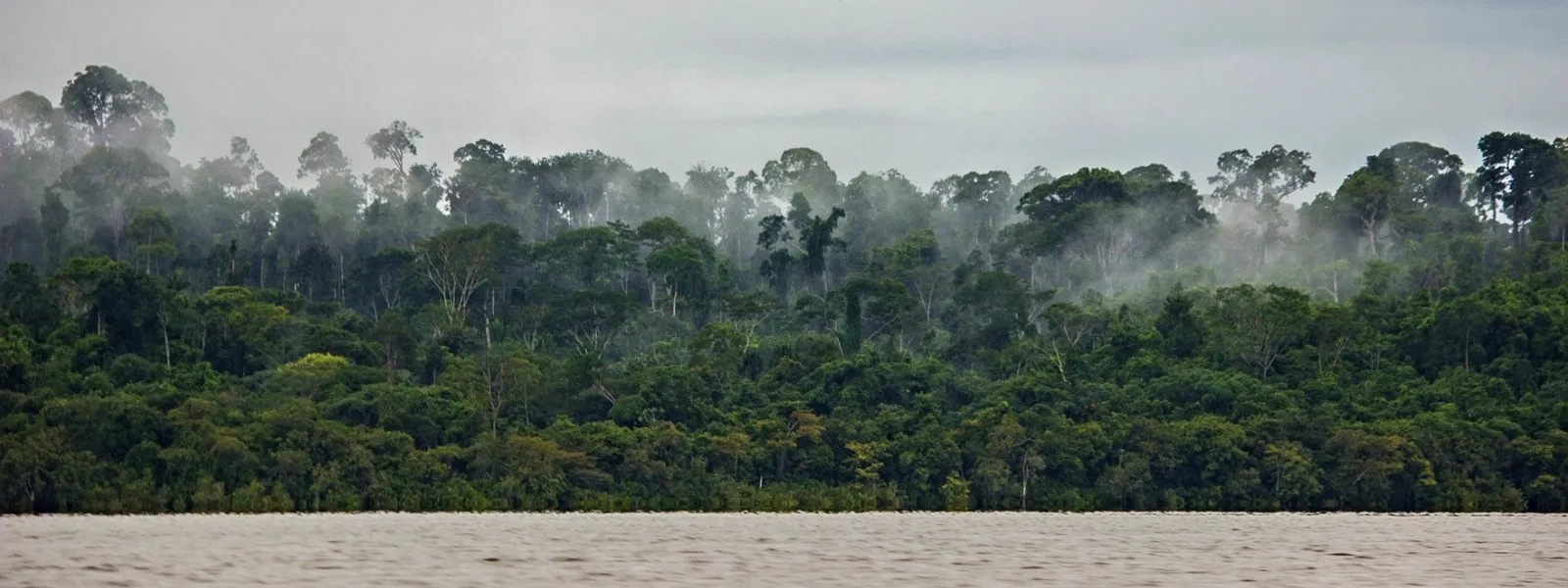
Project
Amazon Watch / Maíra Irigaray
The Belo Monte Dam on the Xingu River: 10 years of impacts in the Amazon and the search for reparations
The Belo Monte Dam has caused an environmental and social disaster in the heart of the Amazon—one of the most important ecosystems on the planet.
This situation has only worsened since the hydroelectric plant began operations in 2016. The quest for justice and reparations by the affected indigenous, fishing, and riverine communities continues to this day.
In 2011, the Inter-American Commission on Human Rights (IACHR) granted them protective measures that, to date, have not been fully implemented by the Brazilian State.
Furthermore, since June of that same year, the IACHR has yet to rule on a complaint against the State regarding its international responsibility in the case.
The IACHR may refer the case to the Inter-American Court of Human Rights, which has the authority to issue a ruling condemning the Brazilian State.
After 10 years of the hydroelectric plant's operation and more than 15 years of documented human rights violations, it is time for justice to be served for the affected communities.
Read the open letter from the organizations bringing the case before the IACHR
Background
The Belo Monte hydroelectric plant—the fourth largest in the world by installed capacity (11,233 MW)—was built on the Xingu River in Pará, a state in northern Brazil.
It was inaugurated on May 5, 2016, with a single turbine. At that time, 80% of the river’s course was diverted, flooding 516 km² of land—an area larger than the city of Chicago. Of that area, 400 km² was native forest. The dam began operating at full capacity in November 2019.
Belo Monte was built and is operated by the Norte Energia S.A. consortium, which is composed primarily of state-owned companies. It was financed by the Brazilian Development Bank (BNDES), which provided the consortium with 25.4 billion reais (approximately US$10.16 billion), the largest investment in the bank’s history. Therefore, the BNDES is also legally responsible for the socio-environmental impacts associated with the hydroelectric plant.
Decades of harm to the environment and people
Human rights violations and degradation of the Amazon have been occurring since the project’s inception. In March 2011, Norte Energía began construction of the dam without adequate consultation and without the prior, free, and informed consent of the affected communities.
The construction caused the forced displacement of more than 40,000 people, severing social and cultural ties. The resettlement plan in Altamira—a city directly affected by the hydroelectric dam—involved housing units located on the outskirts, lacking adequate public services and decent living conditions for the relocated families, with no special provisions for those from indigenous communities.
Belo Monte's operations have caused a permanent, man-made drought in the Volta Grande (or "Great Bend") of the Xingu River, exacerbated by the historic droughts in the Amazon in 2023 and 2024. As a result, the deaths of millions of fish eggs were documented for four consecutive years (from 2021 to 2024), and for the past three years, there has been no upstream migration of fish to spawn and reproduce. Thus, artisanal fishing, the main source of protein for indigenous peoples and riverside communities, was severely affected: fish dropped from 50% to 30% of total protein consumed, replaced by processed foods. In summary, there was an environmental and humanitarian collapse that resulted in the breakdown of fishing as a traditional way of life, food insecurity, and access to drinking water for thousands of families, impoverishment, and disease.
Furthermore, the construction of the dam increased deforestation and intensified illegal logging and insecurity on indigenous and tribal lands, putting the survival of these communities at risk. Another consequence was the deepening of poverty and social conflicts, as well as the strain on health, education, and public safety systems in Altamira—a city ranked as the most violent in the country in 2017, where human trafficking and sexual violence increased. Violence was also reported against human rights defenders involved in the case.
In 2025, during the 30th UN Climate Change Conference (COP30), held in Brazil, the Federal Public Prosecutor’s Office labeled the damage caused by the Belo Monte dam as ecocide.
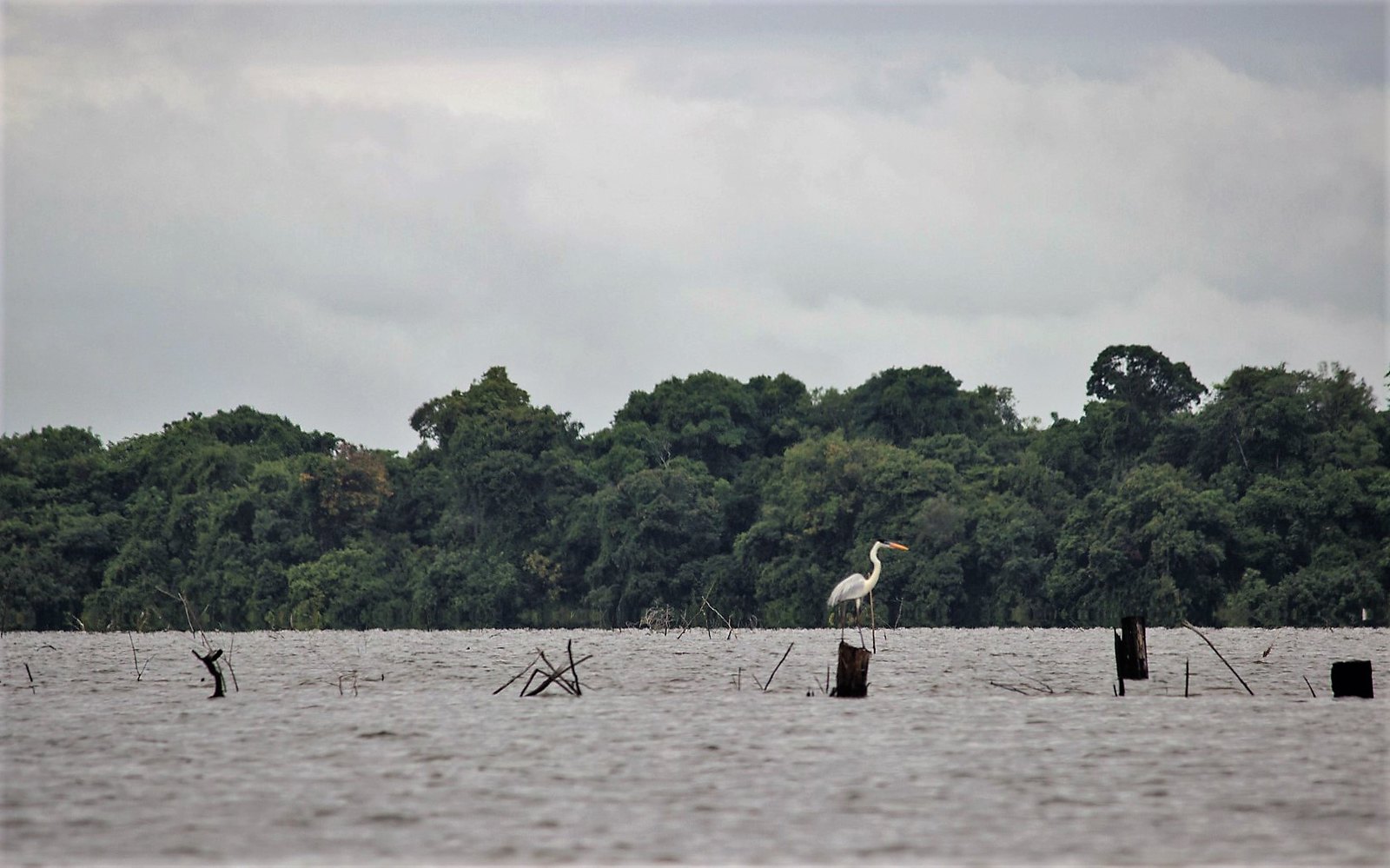
Photo: Amazon Watch / Maíra Irigaray.
The search for justice and reparations
Over the years, the Federal Public Prosecutor’s Office in Pará, the Public Defender’s Office, and civil society organizations have filed dozens of legal actions in Brazilian courts to challenge the project’s various irregularities and its impacts. Most of the claims are still pending resolution, some for more than 10 years.
These efforts have failed because the national government has repeatedly overturned rulings in favor of the affected communities by invoking a mechanism that allowed a court president to suspend a judicial decision based solely on generic arguments such as "the national interest" or "economic order."
In the absence of effective responses at the national level, AIDA, together with a coalition of partner organizations, brought the case before the Inter-American Commission on Human Rights (IACHR) and, in 2010, requested precautionary measures to protect the lives, safety, and health of the affected indigenous communities.
On April 1, 2011, the IACHR granted these measures and requested that the Brazilian government suspend environmental permits and any construction work until the conditions related to prior consultation and the protection of the health and safety of the communities are met.
And on June 16, 2011 —together with the Xingu Vivo Para Sempre Movement, the Coordinating Committee of Indigenous Organizations of the Brazilian Amazon, the Diocese of Altamira, the Indigenous Missionary Council, the Pará Society for the Defense of Human Rights and Global Justice— we filed a formal complaint against the Brazilian State for its international responsibility in the violation of the human rights of the people affected in the case. The case was opened for processing in December 2015.
On August 3, 2011, the IACHR amended the precautionary measures to request, instead of the suspension of permits and construction, the protection of people living in voluntary isolation, the health of indigenous communities, and the regularization and protection of ancestral lands.
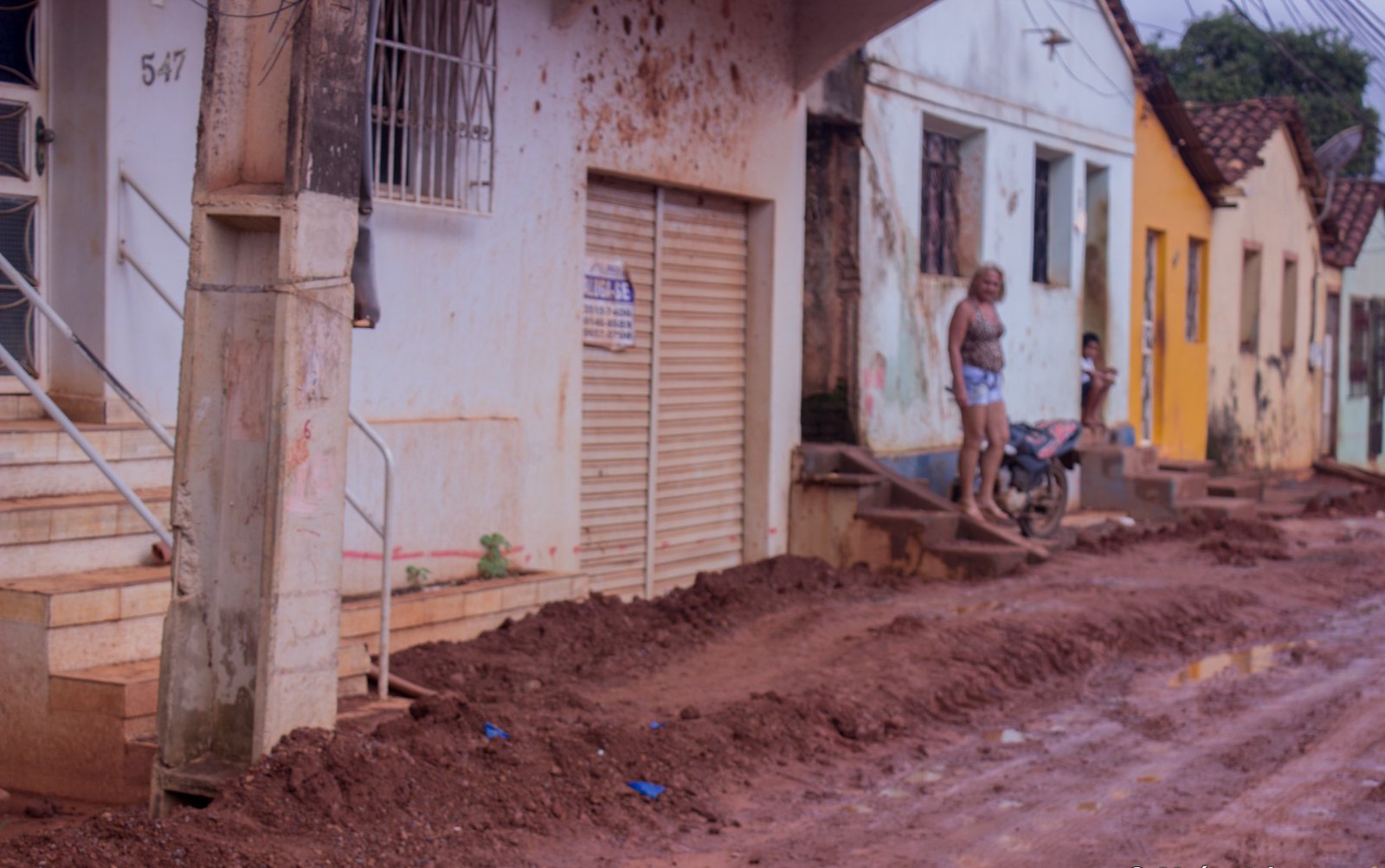
Photo: Amazon Watch / Maíra Irigaray.
Current situation
The protective measures granted by the IACHR remain in effect, but the Brazilian government has not fully complied with them, reporting only on general actions. The communities have documented the ongoing violations of their rights. The situation that prompted the request for these measures—the risk to the lives, physical integrity, and ways of life of the communities—persists and has worsened with the hydroelectric plant operating at full capacity and the recent extreme droughts in the Amazon.
In addition to the impacts of Belo Monte, there is a risk of further social and environmental impacts from the implementation of another mining megaproject in the Volta Grande do Xingu. There, the Canadian company Belo Sun plans to build Brazil’s largest open-pit gold mine.
The combined and cumulative impacts of the dam and the mine were not assessed. The government excluded Indigenous peoples, riverine and peasant communities from the project’s environmental permitting process. Despite protests by Indigenous communities and other irregularities surrounding the project, the government of Pará formally authorized the mine in April 2026.
Like other hydroelectric dams, Belo Monte exacerbates the climate emergency by generating greenhouse gas emissions in its reservoir. And it is inefficient amid the longer, more intense droughts caused by the crisis, as it loses its ability to generate power.
The case before the Inter-American Commission
In October 2017, the IACHR announced that it would rule jointly on the admissibility (whether the case meets the requirements for admission) and the merits (whether a human rights violation actually occurred) of the international complaint against the Brazilian State.
Fifteen years after the complaint was filed, the affected communities and the organizations representing them are still awaiting this decision. If the IACHR concludes that human rights violations occurred and issues recommendations that the Brazilian State fails to comply with, it may refer the case to the Inter-American Court of Human Rights, whose rulings are binding.
A potential ruling by the international court in this case would set a regional legal precedent regarding the rights of indigenous and riverine peoples, public participation in megaprojects, and state responsibility in the context of the climate crisis—a precedent that is particularly relevant in light of the Court’s Advisory Opinion No. 32, which reaffirmed the obligations of States to protect the people and communities of the continent from the climate emergency.
Partners:
Related projects
Climate Litigation Platform for Latin America and the Caribbean: The road traveled
When the world was in a health crisis and COVID-19 made us turn away from everything and everyone, I came across the Climate Litigation Community of Practice in Latin America. In those days of 2020, I was an external collaborator for Greenpeace Mexico, and I was lucky enough to meet Javier, Florencia, and Veronica, who hosted this nascent community from their roles at AIDA. The community facilitated several virtual meetings to share ideas on climate litigation with people from all over the region concerned about the environment, the climate crisis, and the health of the planet and living beings. We affirmed our shared concerns and showed how we were addressing the environmental and social crises from each of our trenches, using strategic climate litigation. Some people were litigating against deforestation, coal mines, and thermoelectric power plants, or for the inclusion of climate change variables in environmental impact studies. Others were trying to stop fossil fuel policies or to improve and meet national climate commitments. It was interesting to see the breadth and versatility of how litigation is being used to advance climate action. AIDA then invited us to a series of meetings with the protagonists of some of the world's most emblematic strategic litigation cases. The experience of being in close contact with these people, in a space of trust, was unparalleled. It certainly reinforced my belief in the importance of the struggle being waged and the need to learn more about climate litigation. Then came another invitation from AIDA, this time to participate in the Advisory Committee to build a platform that would bring together in one place the cases of climate litigation in our region and in our language, as testimonies of a resistance that comes from many different fronts. The goal was to create a website where users could access information, find arguments to support the struggles, develop strategies, and have the possibility of contacting attorneys and academics. All to make visible the efforts of Latin America and the Caribbean in the face of climate conflicts. The Alana Institute of Brazil, the Foundation for Environment and Natural Resources of Argentina, the Office of the Environmental Ombudsman of Chile, and Greenpeace Mexico responded to the call to participate in the design of the tool. The collaborative efforts bore fruit, and in February 2022, the Climate Litigation Platform for Latin America and the Caribbean was officially born, with the goal of strengthening climate litigation in the region, and with it its power to promote the structural changes that are needed. The main challenge was how to collect, systematize, and update the data. The solution was to create a team of rapporteurs. Thus, volunteers—attorneys or law students from different countries with an interest in environmental, climate and human rights advocacy—began to work together virtually to maintain and update the platform and report new cases in their jurisdictions. The Platform started with 49 cases, and currently hosts 61 cases from eight countries. Another 30 are in the process of being added. The cases are identified and categorized in a user-friendly and intuitive way. The team of rapporteurs consists of 24 people from 12 countries. Without their tireless work and enthusiasm, the platform would not be possible. A year and a half after the launch of the Platform, and much longer since its inception, my memories point to the enthusiasm, dedication and commitment of many people to defend our common home, fight against devastation, and the possibility of bequeathing a greener and bluer planet to the future. We have a responsibility to future generations. We must provide tools, initiate and continue actions that will guide future legal actions to protect and care for the environment. I share with you my conviction that the goals set by the Community of Practice at its first meetings in 2020 will be achieved and that this project will continue to move forward by leaps and bounds. The challenge remains: to continue to share the success stories, the valuable lessons learned when things do not go as we expect, the successful regional and international experiences; and to continue to work to make effective the decisions that give reason to the planet. From AIDA, we invite you to learn about and use the Climate Litigation Platform for Latin America and the Caribbean to enter the world of climate litigation, which represents a great opportunity in the fight for climate justice and the protection of human rights in the region and the world. Visit the platform
Read more
Amazon Summit: 6 proposals for preserving the Amazon through regional cooperation
The Amazon is the world's largest tropical forest, a megadiverse ecosystem, and a global climate stabilizer that plays a key role in South America's water cycle. The region is also home to hundreds of indigenous, peasant and local communities. Despite its richness and cultural importance, the Amazon is threatened by colonization and land grabbing, deforestation, fires and extractive activities, among others. Because the Amazon is shared by eight countries – Bolivia, Brazil, Colombia, Ecuador, Guyana, Peru, Suriname and Venezuela – and French Guiana, a French overseas department, its conservation requires a regional effort. The Amazon Cooperation Treaty (ACT), signed in 1978 by the eight Amazonian countries, promotes the sustainable development of the Amazonian territories, with an emphasis on cooperation and scientific research. In 1998, with an amendment to the Treaty, the countries created the Amazon Cooperation Treaty Organization (ACTO) to strengthen and improve the cooperation process. Today, ACTO is the only socio-environmental bloc in Latin America and the most important scenario for establishing solid regional coordination for the conservation of the Amazon biome. However, this intergovernmental organization has not yet reached its potential. On the one hand, it has encountered obstacles in generating funding, and has had to rely on international sources on several occasions. On the other hand, it has not allowed the effective participation of civil society. On August 8 and 9, the city of Belém do Pará in Brazil will host the Amazon Summit 2023, the fourth meeting of the Presidents of the States Parties to the ATT. Given the opportunity that this meeting offers to revitalize the ATT for the benefit of the Amazonian territories, we present below six proposals for the conservation of this ecosystem through regional cooperation. 1. Reform ACTO bodies to allow for public participation There is an urgent need to update the ACT and reinstate ACTO to ensure broad civil society participation, including in the meetings of ACTO's governing bodies and in the drafting of its Strategic Agenda for Amazon Cooperation. The minutes of such meetings should be made public. These and other measures are essential for Amazonian states to fulfill their obligations under the Escazú Agreement, a regional treaty that recognizes the public's right to access information on environmental matters. 2. Promote involvement, dialogue and coordination with Amazonian populations The indigenous, peasant and local communities that inhabit the Amazon have played a fundamental role in its protection. For millennia, their knowledge has enabled its conservation. Therefore, efforts to conserve this ecosystem must begin by recognizing, valuing and protecting these ancestral knowledge systems, promoting their participation in decision-making, and guaranteeing their rights in accordance with international human rights frameworks. 3. Protecting environmental defenders in the Amazon Four of the Amazonian countries – Brazil, Colombia, Ecuador and Peru – are among the countries with the highest risks for environmental and territorial defenders, especially indigenous and peasant women defenders. Despite this, ACTO currently has no strategy to address this serious situation. The organization must guarantee environmental defenders a safe and conducive environment for their work, a task that should include a program for the protection of women defenders in the Amazon. 4. Effectively fight the use of mercury in gold mining The use of mercury in small-scale gold mining is devastating to communities and ecosystems in the Amazon. At the regional level, ACTO should adopt a resolution or program to address this issue directly. And at the international level, member states should act as a bloc to push for amendments to the Minamata Convention on Mercury so that the treaty prohibits the marketing of the heavy metal and its use in small-scale gold mining. 5. Promote compliance with international environmental agreements Based on a regional strategy for the recognition of international environmental law to protect the Amazon and its people, ACTO should advise States Parties on compliance with environmental treaties such as the Convention on Biological Diversity. It should also assist States in the inclusion of threatened sites, knowledge systems, traditions and cultural expressions of peasant communities and indigenous peoples on lists of priority international attention and support, such as UNESCO Biosphere Reserves and Intangible Cultural Heritage, and Wetlands of International Importance under the Ramsar Convention on Wetlands. 6. Promote a different vision of development for the Amazon ACTO should promote a vision of development that considers communities and addresses the problems of deforestation, fires and the expansion of the extractive frontier through international integration. It should also articulate regional efforts to stop the expansion of the oil frontier and advocate for the establishment of a moratorium on fossil fuel extraction in the Amazon. In addition, it should promote legal reforms that discourage the expansion of illegal mining and its impacts. Looking to the future The Amazon rainforest and the potential for regional cooperation to conserve it are at a critical juncture. The point of no return for the Amazon, the point at which the rate of deforestation nullifies its capacity to regenerate, is no longer a future scenario. But at the same time, after several years of little action within ACTO, this year's Amazon Summit and the reactivation of the Amazon Parliament in 2022 renew hope for regional cooperation to conserve the Amazon. In the same vein, the presidents of Brazil and Colombia recently announced their goals to reduce illegal deforestation in the Amazon by 2030. Given the current threats to the Amazon and ACTO's mandate to promote regional cooperation, its member states should seize this moment to provide the organization with more regular and permanent funding. This is necessary to implement effective long-term programs and, in particular, the above-mentioned proposals. Civil society should also take full advantage of opportunities for advocacy with ACTO and its bodies, including participation in the Amazon Dialogues that will take place from August 4 to 6 as a prelude to the Summit. Joint regional and transboundary efforts are powerful enough to save a vital ecosystem for the region and the world.
Read more
Mexican environmental authority violates Mexico’s highest court and international obligations when reissuing a permit for a port expansion that threatens the Veracruz Reef System
In a legal brief, AIDA and Earthjustice argue the Secretary of the Environment failed to properly evaluate the environmental impact of the project to the reef, a UNESCO World Heritage Site, as required by Mexico’s highest court. Mexico City, Mexico – Today, AIDA (Interamerican Association for Environmental Defense) and Earthjustice filed a brief with the Fifth District Court of Veracruz to help protect the Veracruz Reef System from the Veracruz port expansion project. When reauthorizing the project, the Secretary of the Environment and Natural Resources (Semarnat) not only failed to comply with a ruling of the Supreme Court of Justice of the Nation, but also ignored Mexico’s international obligations regarding environmental protection and human rights, including the human right to a healthy environment guaranteed in the Mexican Constitution. This was demonstrated by AIDA and Earthjustice in a legal brief (Amicus Curiae or "Friend of the Court") filed before the Fifth District Court of Veracruz. In it they request that the court -- which is in charge of determining whether the Supreme Court’s ruling was complied with or not -- establish contempt and force Semarnat to re-examine the project based on the environmental impact assessment procedure required by the high court. "The authorities must comply with the Supreme Court ruling and protect this internationally-recognized natural treasure of Mexico. The human right to a healthy environment cannot be ignored," said Guillermo Zúñiga, a Veracruz native and Earthjustice attorney. "The reef not only hosts the greatest biodiversity of species in the central region of the Gulf of Mexico, but also helps mitigate the impact of storm surges and hurricanes. The people who grew up here, as I did, and who live here now, know the value of this sanctuary where land and sea harmonize in unity." On February 9, 2022, residents of Veracruz won a victory before the Supreme Court in an amparo action filed to defend the Veracruz Reef System -- the largest reef in the Gulf of Mexico -- and its environmental services against the Veracruz port expansion project. The Supreme Court ordered the revocation of the permits by determining that Semarnat, by approving the project, violated the right to a healthy environment of the people of Veracruz. Despite the ecological, cultural, and economic importance of the Veracruz Reef System, the environmental authority had authorized the port expansion in a fragmented way, dividing the project into 15 permits and diluting its true impact. In addition, it completely excluded from its analysis a non-emerging reef ("La Loma") located in the area of the Veracruz Reef System National Park. In its ruling, the Supreme Court ordered the environmental authority to reevaluate the project in an integral, holistic and complete manner. In addition, it ordered that the new evaluation be made in accordance with the elements that make up the right to a healthy environment, as well as the principles of prevention and precaution, enshrined in international law. It also requested the support of the National Council of Natural Protected Areas and the International Wetlands Committee of the Ramsar Convention to design a protection scheme for the Veracruz Reef System. "Right now, the court has the opportunity to confirm the transformative effect of the Supreme Court's ruling and set a valuable precedent for the real protection, not just on paper, of Veracruz's reefs and the universal right to a healthy environment," said Sandra Moguel, an attorney with AIDA's Ecosystems Program. "Including the international authorities of the Ramsar Convention would mean strengthening the project's environmental impact assessment with technical knowledge and transparency." As demonstrated in the brief, by granting a second permit to the project -- on December 30, 2022 -- Semarnat failed to comply with the Court's ruling and the Mexican State's obligations because: It did not require a new environmental impact study -- mandatory for projects of this size under international law and national legislation -- to analyze the cumulative impacts of all segments of the original project. On the contrary, the environmental authority based its assessment on the original deficient statements. Even so, it left three of the original segments out of its analysis. It failed to submit its new assessment to a public consultation nor did publish new information on the impacts of the project before authorizing it again. In this way, it ignored the rights of the people of Veracruz to public participation and access to information in environmental decision-making. Semarnat has not yet requested the support of the National Council of Natural Protected Areas or the International Wetlands Committee. The participation of this committee is of particular importance due to its experience and technical knowledge in the protection of protected areas and wetlands. The Veracruz Reef System is a Natural Protected Area designated under national legislation, a wetland of international importance under the international Ramsar Convention, and a UNESCO World Heritage Site. AIDA is an international non-profit organization that has been protecting the human right to a healthy environment in the Americas for 25 years. Earthjustice is the premier nonprofit public interest environmental law organization in the United States. We wield the power of law and the strength of partnership to protect people's health, to preserve magnificent places and wildlife, to advance clean energy, and to combat climate change. press contacts Sandra Moguel, AIDA, [email protected] (Spanish and English) Kathryn McGrath, Earthjustice, [email protected] (English) Guillermo Zúñiga, Earthjustice, [email protected] (Spanish)
Read more