
Project
Amazon Watch / Maíra Irigaray
The Belo Monte Dam on the Xingu River: 10 years of impacts in the Amazon and the search for reparations
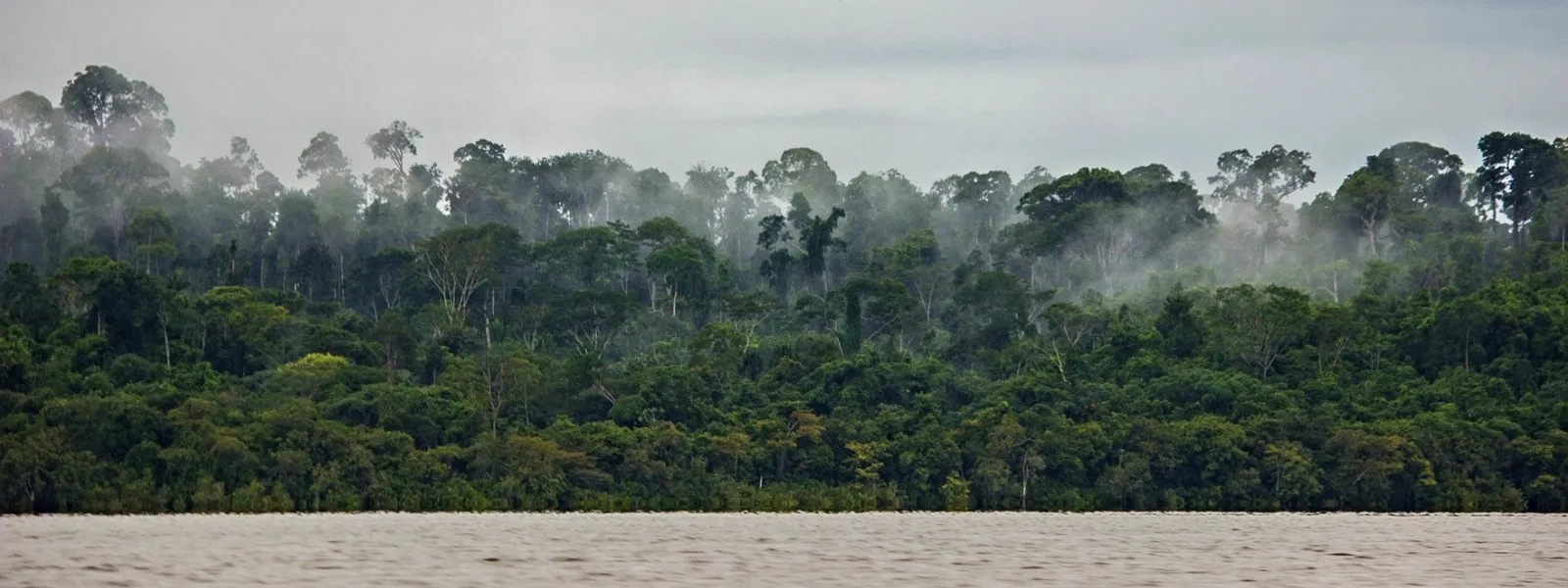
The Belo Monte Dam has caused an environmental and social disaster in the heart of the Amazon—one of the most important ecosystems on the planet.
This situation has only worsened since the hydroelectric plant began operations in 2016. The quest for justice and reparations by the affected indigenous, fishing, and riverine communities continues to this day.
In 2011, the Inter-American Commission on Human Rights (IACHR) granted them protective measures that, to date, have not been fully implemented by the Brazilian State.
Furthermore, since June of that same year, the IACHR has yet to rule on a complaint against the State regarding its international responsibility in the case.
The IACHR may refer the case to the Inter-American Court of Human Rights, which has the authority to issue a ruling condemning the Brazilian State.
After 10 years of the hydroelectric plant's operation and more than 15 years of documented human rights violations, it is time for justice to be served for the affected communities.
Read the open letter from the organizations bringing the case before the IACHR
Background
The Belo Monte hydroelectric plant—the fourth largest in the world by installed capacity (11,233 MW)—was built on the Xingu River in Pará, a state in northern Brazil.
It was inaugurated on May 5, 2016, with a single turbine. At that time, 80% of the river’s course was diverted, flooding 516 km² of land—an area larger than the city of Chicago. Of that area, 400 km² was native forest. The dam began operating at full capacity in November 2019.
Belo Monte was built and is operated by the Norte Energia S.A. consortium, which is composed primarily of state-owned companies. It was financed by the Brazilian Development Bank (BNDES), which provided the consortium with 25.4 billion reais (approximately US$10.16 billion), the largest investment in the bank’s history. Therefore, the BNDES is also legally responsible for the socio-environmental impacts associated with the hydroelectric plant.
Decades of harm to the environment and people
Human rights violations and degradation of the Amazon have been occurring since the project’s inception. In March 2011, Norte Energía began construction of the dam without adequate consultation and without the prior, free, and informed consent of the affected communities.
The construction caused the forced displacement of more than 40,000 people, severing social and cultural ties. The resettlement plan in Altamira—a city directly affected by the hydroelectric dam—involved housing units located on the outskirts, lacking adequate public services and decent living conditions for the relocated families, with no special provisions for those from indigenous communities.
Belo Monte's operations have caused a permanent, man-made drought in the Volta Grande (or "Great Bend") of the Xingu River, exacerbated by the historic droughts in the Amazon in 2023 and 2024. As a result, the deaths of millions of fish eggs were documented for four consecutive years (from 2021 to 2024), and for the past three years, there has been no upstream migration of fish to spawn and reproduce. Thus, artisanal fishing, the main source of protein for indigenous peoples and riverside communities, was severely affected: fish dropped from 50% to 30% of total protein consumed, replaced by processed foods. In summary, there was an environmental and humanitarian collapse that resulted in the breakdown of fishing as a traditional way of life, food insecurity, and access to drinking water for thousands of families, impoverishment, and disease.
Furthermore, the construction of the dam increased deforestation and intensified illegal logging and insecurity on indigenous and tribal lands, putting the survival of these communities at risk. Another consequence was the deepening of poverty and social conflicts, as well as the strain on health, education, and public safety systems in Altamira—a city ranked as the most violent in the country in 2017, where human trafficking and sexual violence increased. Violence was also reported against human rights defenders involved in the case.
In 2025, during the 30th UN Climate Change Conference (COP30), held in Brazil, the Federal Public Prosecutor’s Office labeled the damage caused by the Belo Monte dam as ecocide.
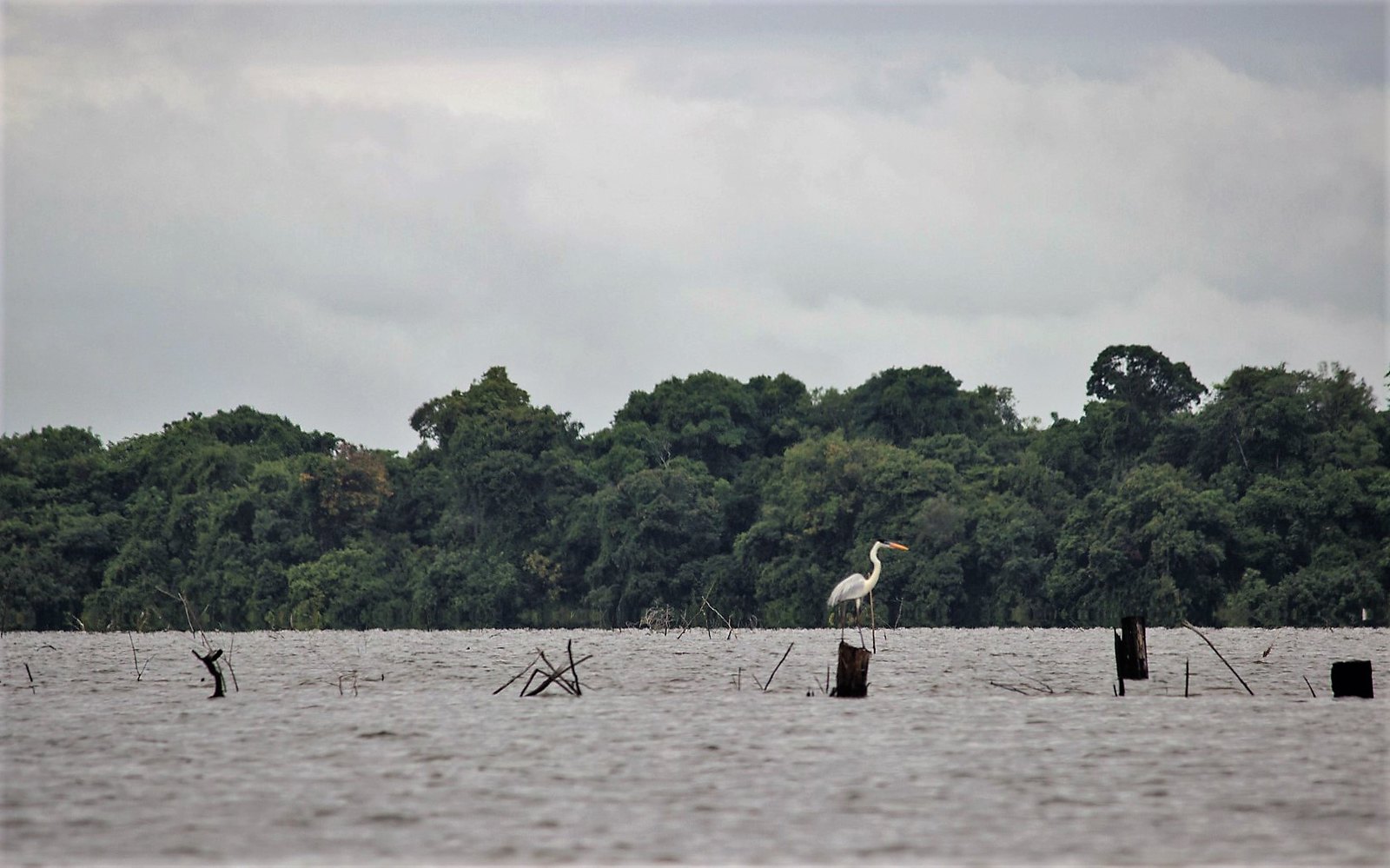
Photo: Amazon Watch / Maíra Irigaray.
The search for justice and reparations
Over the years, the Federal Public Prosecutor’s Office in Pará, the Public Defender’s Office, and civil society organizations have filed dozens of legal actions in Brazilian courts to challenge the project’s various irregularities and its impacts. Most of the claims are still pending resolution, some for more than 10 years.
These efforts have failed because the national government has repeatedly overturned rulings in favor of the affected communities by invoking a mechanism that allowed a court president to suspend a judicial decision based solely on generic arguments such as "the national interest" or "economic order."
In the absence of effective responses at the national level, AIDA, together with a coalition of partner organizations, brought the case before the Inter-American Commission on Human Rights (IACHR) and, in 2010, requested precautionary measures to protect the lives, safety, and health of the affected indigenous communities.
On April 1, 2011, the IACHR granted these measures and requested that the Brazilian government suspend environmental permits and any construction work until the conditions related to prior consultation and the protection of the health and safety of the communities are met.
And on June 16, 2011 —together with the Xingu Vivo Para Sempre Movement, the Coordinating Committee of Indigenous Organizations of the Brazilian Amazon, the Diocese of Altamira, the Indigenous Missionary Council, the Pará Society for the Defense of Human Rights and Global Justice— we filed a formal complaint against the Brazilian State for its international responsibility in the violation of the human rights of the people affected in the case. The case was opened for processing in December 2015.
On August 3, 2011, the IACHR amended the precautionary measures to request, instead of the suspension of permits and construction, the protection of people living in voluntary isolation, the health of indigenous communities, and the regularization and protection of ancestral lands.
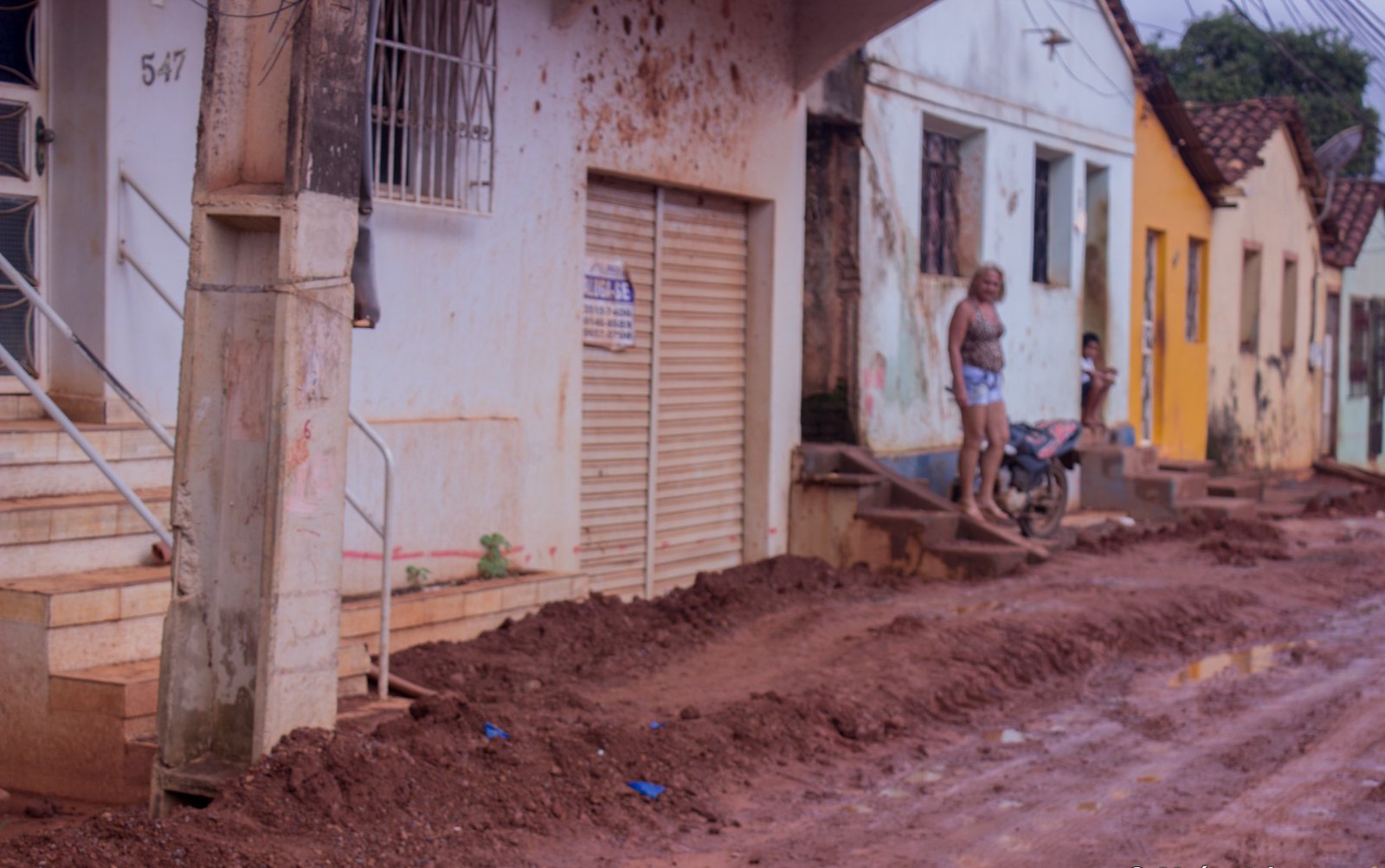
Photo: Amazon Watch / Maíra Irigaray.
Current situation
The protective measures granted by the IACHR remain in effect, but the Brazilian government has not fully complied with them, reporting only on general actions. The communities have documented the ongoing violations of their rights. The situation that prompted the request for these measures—the risk to the lives, physical integrity, and ways of life of the communities—persists and has worsened with the hydroelectric plant operating at full capacity and the recent extreme droughts in the Amazon.
In addition to the impacts of Belo Monte, there is a risk of further social and environmental impacts from the implementation of another mining megaproject in the Volta Grande do Xingu. There, the Canadian company Belo Sun plans to build Brazil’s largest open-pit gold mine.
The combined and cumulative impacts of the dam and the mine were not assessed. The government excluded Indigenous peoples, riverine and peasant communities from the project’s environmental permitting process. Despite protests by Indigenous communities and other irregularities surrounding the project, the government of Pará formally authorized the mine in April 2026.
Like other hydroelectric dams, Belo Monte exacerbates the climate emergency by generating greenhouse gas emissions in its reservoir. And it is inefficient amid the longer, more intense droughts caused by the crisis, as it loses its ability to generate power.
The case before the Inter-American Commission
In October 2017, the IACHR announced that it would rule jointly on the admissibility (whether the case meets the requirements for admission) and the merits (whether a human rights violation actually occurred) of the international complaint against the Brazilian State.
Fifteen years after the complaint was filed, the affected communities and the organizations representing them are still awaiting this decision. If the IACHR concludes that human rights violations occurred and issues recommendations that the Brazilian State fails to comply with, it may refer the case to the Inter-American Court of Human Rights, whose rulings are binding.
A potential ruling by the international court in this case would set a regional legal precedent regarding the rights of indigenous and riverine peoples, public participation in megaprojects, and state responsibility in the context of the climate crisis—a precedent that is particularly relevant in light of the Court’s Advisory Opinion No. 32, which reaffirmed the obligations of States to protect the people and communities of the continent from the climate emergency.
Partners:
Related projects

Commitments to marine conservation: A look back at Our Ocean 2023
"Our ocean, our connection." That was the theme of the eighth Our Ocean Conference, held March 2-3 in Panama, the first Latin American country to host the annual event. The conference began in 2014 as an initiative of the U.S. State Department to draw international attention to the serious global threats to the ocean and to secure to concrete commitments for marine conservation and sustainable development. The event brought together heads of state and representatives of the private sector, civil society and academic institutions under the specific objective of highlighting the urgency of implementing effective area-based management measures as part of interconnected systems including marine protected areas, the development of a global blue economy, and approaching innovative solutions to marine pollution. An AIDA delegation attended the conference and participated in the plenary sessions and side events. The following is a summary of the event. The inspiring The focus of the conference Our Ocean is not a space for sharing knowledge about this vast ecosystem and its biodiversity. The environmental community already knows for certain that the ocean must be effectively protected as soon as possible and that there is no need to present further evidence of the multiple services it has provided to humanity for centuries. The conference brought together leaders and ministers to advance international agreements and pressure nations to commit to taking the necessary steps to protect the ocean. The power of a generation The voice of youth was prominent throughout the conference, represented for example by more than 70 members of the Sustainable Ocean Alliance (SOA), which since 2014 has built the world's largest network of new generations of people working to create solutions to the ocean's greatest challenges. Hearing youth leaders speak passionately about the importance of caring for the planet for generations to come was encouraging. As the youngest member of AIDA, I found inspiration in meeting other young people advocating for the ocean and its biodiversity. In my daily work I’m surrounded by news and numbers about the damage humanity has caused to the ocean and being part of this conference helped me see the other side of the coin. Those of us who are actively working for a healthier, cleaner and more protected ocean are part of the change and, in large part, it is thanks to us that high officials have stopped to look at the evidence and take concrete action. It is this generation that will inherit the management of the ecological crisis, whose voice deserves to be reflected in commitments to improve the way we relate to the ocean. The positive Support for seabed defense AIDA co-hosted a side event on deep-sea mining with the not-so-simple task of bringing together decision-makers to support a moratorium on deep-sea mining and seabed protection. Thanks to the impetus of a group of co-organizers—including young people from Comms Inc, The Oxygen Project, Only One and SOA—Palau President Surangel Whipps Jr. and Fiji Prime Minister Sitiveni Rabuka attended the event. High-level representatives from Latin American and European countries also attended. It was a space for dialogue between civil society and invited authorities that resulted in encouraging commitments, including France's commitment (seconded by Germany) to invest in scientific research of the seabed and to stop investments in industrial processes related to deep-sea mining. World-renowned oceanographer Sylvia Earle touched the audience with her love for the ocean and her undying commitment to its protection. Those who attended reaffirmed their commitment to the moratorium and the search for alternatives. Commitments to marine biodiversity Overall, the conference provided a unique platform for several nations to make valuable commitments. Participating government delegations made 341 commitments worth nearly $20 billion, including funds to expand and enhance marine protected areas and biodiversity corridors. In Latin America, Panama announced the expansion of Banco Volcán, a marine reserve in the Caribbean, from 14,212 to 93,000 square kilometers. With this, Panama will be protecting 54 percent of its exclusive economic zone, meeting the goal of protecting 30 percent of its territory by 2030. And Ecuador committed to protecting its first eighty nautical miles (14,800 square kilometers), allowing for only artisanal fishing. This decision positions Ecuador as a Latin American leader in marine conservation and sustainable natural resource management. Ecuador called on the other countries that make up the Pacific Marine Corridor—Costa Rica, Panama and Colombia—to take similar measures to preserve one of the most biodiverse spaces in the ocean. What's next? Nations are now expected to comply with their announced commitments. In the region, Panama and Ecuador must expand their protected territories, ensuring the adequate monitoring of biodiversity and the sustainable management of resources. Similarly, it is expected that the countries of the Pacific, Latin America and the European Union that have declared their support for halting deep-sea mining will continue with actions consistent with that position, including active participation in meetings of the Seabed Authority, supporting the moratorium or precautionary pause on extractive activity. While there is certainly a long way to go, each decision announced at the conference in favor of preserving marine biodiversity provides some hope and motivation for our work. We will continue to collaborate with governments and communities to preserve the ocean, the planet's largest and most diverse ecosystem.
Read more
The Transformative Water Pact
In March 2023, world leaders and stakeholders across sectors will gather in New York for the UN Water Conference, dedicated to address the global water crisis. From countless experiences of people around the globe, and supported by substantial scientific evidence, it is obvious that major changes are needed in the way we share and care for water. In the decades since the last UN Water Conference in 1977, water sources have been further exploited and polluted for the economic gains of a few. As a result, ecosystems have deteriorated and the majority of the world’s people have been left with too little and unsafe water to rely on.The Transformative Water Pact (TWP) was launched at the 2023 Conference and has been developed in response to the continued exploitation of nature, neglect of human rights and the extreme power-imbalances that characterize contemporary water governance throughout the world. It details an alternative vision of water governance based on the tenets of environmental justice, equality and care. The TWP spans two sections of key principles and a framework for action, that provide anchor-points and strategic priorities to guide decision-making for transformative change in water governance.The TWP was initiated by the Dutch environmental justice organization Both ENDS and the international water knowledge institute IHE-Delft. It was developed and authored by a diverse group of 40+ environmental justice advocates from civil society and academia, notably from the Global South, who work extensively on water-related issues throughout the world. It’s content was defined through a process of online round-tables and writing from December 2022 to February 2023. The TWP is a living document that can serve as a basis for further discussion and refinement.The TWP can be endorsed by any actor that supports the transformative principals and is committed to implementing the framework of action within their own area of expertise and sphere of influence, including Non Governmental Organizations (NGOs), policy-makers, academics, private sector actors, community groups and governmental organizations. Download the document
Read more
Agreement reached to advance High Seas Treaty
New Treaty agreed to protect half the planet but formal adoption still required. Late this evening governments meeting at the United Nations in New York reached agreement on key substantive issues for a new treaty to protect high seas marine life. To ensure this hard won progress is not lost, The High Seas Alliance is calling for the UN to conclude the formalities of adoption as soon as possible in the final resumed session. "Following a two week long rollercoaster ride of negotiations and super-hero efforts in the last 48 hours, governments reached agreement on key issues that will advance protection and better management of marine biodiversity in the high seas," said Rebecca Hubbard, Director of the High Seas Alliance. The high seas, the area of ocean that lies beyond countries’ national waters, is the largest habitat on Earth and home to millions of species. With currently just over 1% of the high seas protected, the new treaty will provide a pathway to establish marine protected areas in these waters. It is also a key tool to help deliver the recently agreed Kunming-Montreal target of at least 30% protection of the world’s ocean by 2030 that was just agreed in December- the minimum level of protection scientists warn is necessary to ensure a healthy ocean. But time is of the essence. The new Treaty will bring ocean governance into the 21st century, including establishing modern requirements to assess and manage planned human activities that would affect marine life in the high seas as well as ensuring greater transparency. This will greatly strengthen the effective area-based management of fishing, shipping and other activities that have contributed to the overall decline in ocean health. The issue of sufficient financing to fund the implementation of the treaty, as well as equity issues surrounding the sharing of benefits from marine genetic resources was one of the key sticking points between North and South throughout the meeting. However, right up to the final hours of the meeting, governments were able to land an agreement that provided for equitable sharing of these benefits from the deep sea and high seas. "It’s been a very long journey to get to a treaty. We will be looking to the 52 states that make up the High Ambition Coalition to lead the charge to adopt, ratify and identify important high seas areas to protect," said Hubbard. High Seas Alliance Member Quotes Gladys Martínez de Lemos, Executive Director, Interamerican Association for Environmental Defense (AIDA): "Governments have taken an important step that strengthens the legal protection of two-thirds of the ocean and with it marine biodiversity, the livelihoods of coastal communities and global food sovereignty. The agreement sets out a path for establishing areas of high and full protection on the High Seas, as well as for the environmental assessment of projects and activities that may harm this vast area." Laura Meller, oceans campaigner, Greenpeace Nordic: "This is a historic day for conservation and a sign that in a divided world, protecting nature and people can triumph over geopolitics. We praise countries for seeking compromises, putting aside differences and delivering a treaty that will let us protect the oceans, build our resilience to climate change and safeguard the lives and livelihoods of billions of people. We can now finally move from talk to real change at sea. Countries must formally adopt the treaty and ratify it as quickly as possible to bring it into force, and then deliver the fully protected ocean sanctuaries our planet needs. The clock is still ticking to deliver 30x30. We have half a decade left, and we can’t be complacent." Matthew Collis, Deputy Vice President for Policy, IFAW: "The agreement of a new Treaty to conserve the high seas is a wonderful way to celebrate World Wildlife Day for ocean animals and their high seas homes. IFAW congratulates governments on this significant step, which charts a course to protect 30% of the ocean by 2030. To achieve 30x30, governments must now adopt, ratify and implement the new Treaty without delay." Minna Epps, Director of Global Marine and Polar Programme, IUCN: "The High Seas Treaty opens the path for humankind to finally provide protection to marine life across our one ocean. Its adoption closes essential gaps in international law and offers a framework for governments to work together to protect global ocean heath, climate resilience, and the socioeconomic wellbeing and food security of billions of people." Lance Morgan, President, Marine Conservation Institute: "Coming on the heels of the Global Biodiversity Framework, this historic agreement is a huge step towards ensuring marine protected areas in the High Seas and reaching 30x30." Lisa Speer, Director of the International Ocean program, Natural Resources Defense Council (NRDC): "This text provides the basis for protecting key biodiversity hotspots in the high seas. We now have a pathway to achieve the goal of meaningfully protecting at least 30% of the ocean by 2030, a goal that scientists tell us is crucial to maintaining ocean health in the face of ocean warming, acidification and other impacts of climate change. Now let’s get started." Fabienne McLellan, Managing Director, OceanCare: "This Treaty will be the game-changer the ocean urgently needs. We particularly welcome the conservation focused elements, such as environmental impact assessments. EIAs are one of the most effective and important mechanisms to prevent, mitigate and manage harmful activities in cases where there is severe harm to marine life through, for instance, underwater noise pollution. While we advocated for more ambition in the EIA provisions, these requirements will nevertheless strengthen ocean conservation." Susanna Fuller, VP Conservation and Projects, Oceans North: "Following the Kunming Montreal Agreement, which sets out a global path for biodiversity protection, this treaty will bring a similar ambition to the high seas. Because Canada’s waters are bounded by three international ocean basins, it has an outsized role in ensuring that the treaty is fully implemented, once formally adopted." Liz Karan, Director of Ocean Governance project, Pew: "The effective implementation of this landmark treaty is the only pathway to safeguard high seas biodiversity for generations to come and provides a pathway for nations to fulfill the 30 by 30 target. Governments and civil society must now ensure that the agreement is adopted and rapidly enters into force." Christopher Chin, Executive Director, The Center for Oceanic Awareness, Research, and Education (COARE): "With this finalized text, the world is now one great step closer to embracing the importance of the High Seas, and to achieving the 30x30 objectives. Once adopted, however, member States must still ratify the treaty, and we call upon them to do so swiftly." Andrew Deutz, Director of Global Policy, Institutions & Conservation Finance, The Nature Conservancy: "While the treaty leaves room for improvement, we should nevertheless celebrate the fact that –after more than a decade of discussions and three concerted attempts to wrestle it across the line – we finally have a global framework in place for the conservation and sustainable use of biodiversity for almost half of our planet’s surface. Whether this has arrived in time to slow the accelerating ecological crisis happening in our ocean will depend on how quickly countries can ratify the treaty at national level and start mainstreaming ambitions like 30x30 into both their own decision-making, and that of the global bodies which manage human activity on the high seas. If they can do so swiftly, putting people and planet above politics, we may yet have a chance to move beyond the damaging status quo and into a new era of nature-positive stewardship for this most critical of ecosystems." Farah Obaidullah, Ocean Advocate and Founder, Women4Oceans: "This is an historic moment for humanity and for the protection of all living beings in our global ocean. A rare and welcome moment of hope for all of us rightfully concerned with the state of the world. Almost half our planet will now have a chance of some sort of protection from the ever-increasing onslaughts to the ocean. This treaty comes not a moment too soon. With the climate and global wildlife crises worsening and a reckless new industry of deep-sea mining on the horizon, we cannot afford any delays in putting this treaty into force." Press contacts: Patricia Roy (EU), +34 696 905 907 Michael Crocker (US), +1 (207) 522-1366 Mirella von Lindenfels, + 44 7717 844 352 Julio Whalen-Valeriano (UN), +1 (850) 292-4689
Read more