
Project
Amazon Watch / Maíra Irigaray
The Belo Monte Dam on the Xingu River: 10 years of impacts in the Amazon and the search for reparations
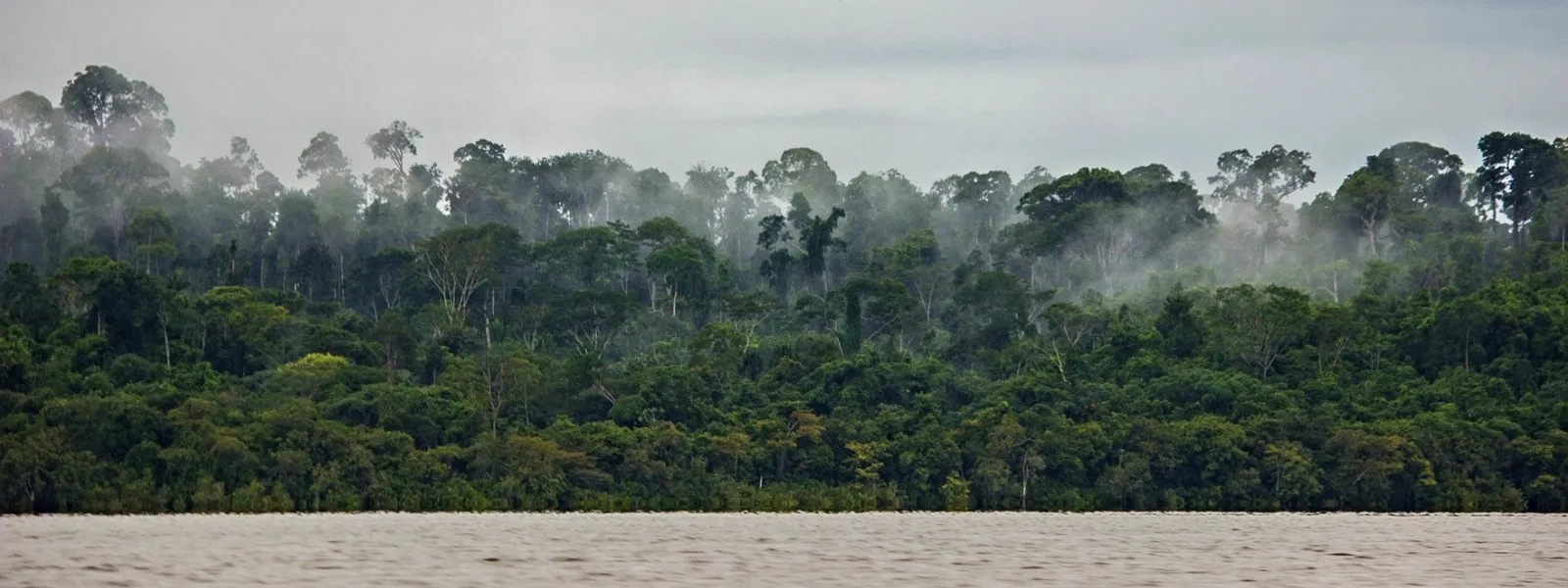
The Belo Monte Dam has caused an environmental and social disaster in the heart of the Amazon—one of the most important ecosystems on the planet.
This situation has only worsened since the hydroelectric plant began operations in 2016. The quest for justice and reparations by the affected indigenous, fishing, and riverine communities continues to this day.
In 2011, the Inter-American Commission on Human Rights (IACHR) granted them protective measures that, to date, have not been fully implemented by the Brazilian State.
Furthermore, since June of that same year, the IACHR has yet to rule on a complaint against the State regarding its international responsibility in the case.
The IACHR may refer the case to the Inter-American Court of Human Rights, which has the authority to issue a ruling condemning the Brazilian State.
After 10 years of the hydroelectric plant's operation and more than 15 years of documented human rights violations, it is time for justice to be served for the affected communities.
Read the open letter from the organizations bringing the case before the IACHR
Background
The Belo Monte hydroelectric plant—the fourth largest in the world by installed capacity (11,233 MW)—was built on the Xingu River in Pará, a state in northern Brazil.
It was inaugurated on May 5, 2016, with a single turbine. At that time, 80% of the river’s course was diverted, flooding 516 km² of land—an area larger than the city of Chicago. Of that area, 400 km² was native forest. The dam began operating at full capacity in November 2019.
Belo Monte was built and is operated by the Norte Energia S.A. consortium, which is composed primarily of state-owned companies. It was financed by the Brazilian Development Bank (BNDES), which provided the consortium with 25.4 billion reais (approximately US$10.16 billion), the largest investment in the bank’s history. Therefore, the BNDES is also legally responsible for the socio-environmental impacts associated with the hydroelectric plant.
Decades of harm to the environment and people
Human rights violations and degradation of the Amazon have been occurring since the project’s inception. In March 2011, Norte Energía began construction of the dam without adequate consultation and without the prior, free, and informed consent of the affected communities.
The construction caused the forced displacement of more than 40,000 people, severing social and cultural ties. The resettlement plan in Altamira—a city directly affected by the hydroelectric dam—involved housing units located on the outskirts, lacking adequate public services and decent living conditions for the relocated families, with no special provisions for those from indigenous communities.
Belo Monte's operations have caused a permanent, man-made drought in the Volta Grande (or "Great Bend") of the Xingu River, exacerbated by the historic droughts in the Amazon in 2023 and 2024. As a result, the deaths of millions of fish eggs were documented for four consecutive years (from 2021 to 2024), and for the past three years, there has been no upstream migration of fish to spawn and reproduce. Thus, artisanal fishing, the main source of protein for indigenous peoples and riverside communities, was severely affected: fish dropped from 50% to 30% of total protein consumed, replaced by processed foods. In summary, there was an environmental and humanitarian collapse that resulted in the breakdown of fishing as a traditional way of life, food insecurity, and access to drinking water for thousands of families, impoverishment, and disease.
Furthermore, the construction of the dam increased deforestation and intensified illegal logging and insecurity on indigenous and tribal lands, putting the survival of these communities at risk. Another consequence was the deepening of poverty and social conflicts, as well as the strain on health, education, and public safety systems in Altamira—a city ranked as the most violent in the country in 2017, where human trafficking and sexual violence increased. Violence was also reported against human rights defenders involved in the case.
In 2025, during the 30th UN Climate Change Conference (COP30), held in Brazil, the Federal Public Prosecutor’s Office labeled the damage caused by the Belo Monte dam as ecocide.
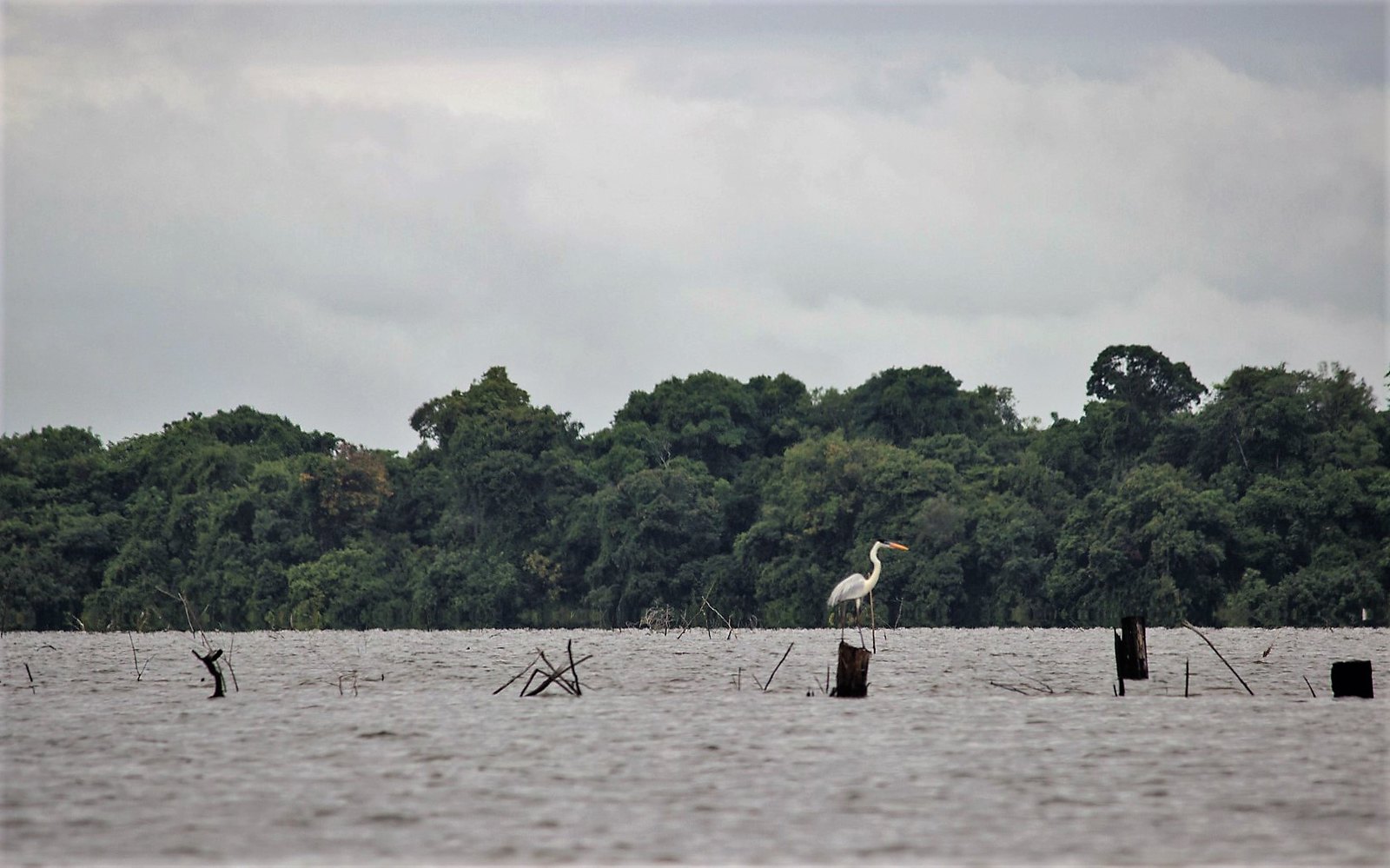
Photo: Amazon Watch / Maíra Irigaray.
The search for justice and reparations
Over the years, the Federal Public Prosecutor’s Office in Pará, the Public Defender’s Office, and civil society organizations have filed dozens of legal actions in Brazilian courts to challenge the project’s various irregularities and its impacts. Most of the claims are still pending resolution, some for more than 10 years.
These efforts have failed because the national government has repeatedly overturned rulings in favor of the affected communities by invoking a mechanism that allowed a court president to suspend a judicial decision based solely on generic arguments such as "the national interest" or "economic order."
In the absence of effective responses at the national level, AIDA, together with a coalition of partner organizations, brought the case before the Inter-American Commission on Human Rights (IACHR) and, in 2010, requested precautionary measures to protect the lives, safety, and health of the affected indigenous communities.
On April 1, 2011, the IACHR granted these measures and requested that the Brazilian government suspend environmental permits and any construction work until the conditions related to prior consultation and the protection of the health and safety of the communities are met.
And on June 16, 2011 —together with the Xingu Vivo Para Sempre Movement, the Coordinating Committee of Indigenous Organizations of the Brazilian Amazon, the Diocese of Altamira, the Indigenous Missionary Council, the Pará Society for the Defense of Human Rights and Global Justice— we filed a formal complaint against the Brazilian State for its international responsibility in the violation of the human rights of the people affected in the case. The case was opened for processing in December 2015.
On August 3, 2011, the IACHR amended the precautionary measures to request, instead of the suspension of permits and construction, the protection of people living in voluntary isolation, the health of indigenous communities, and the regularization and protection of ancestral lands.
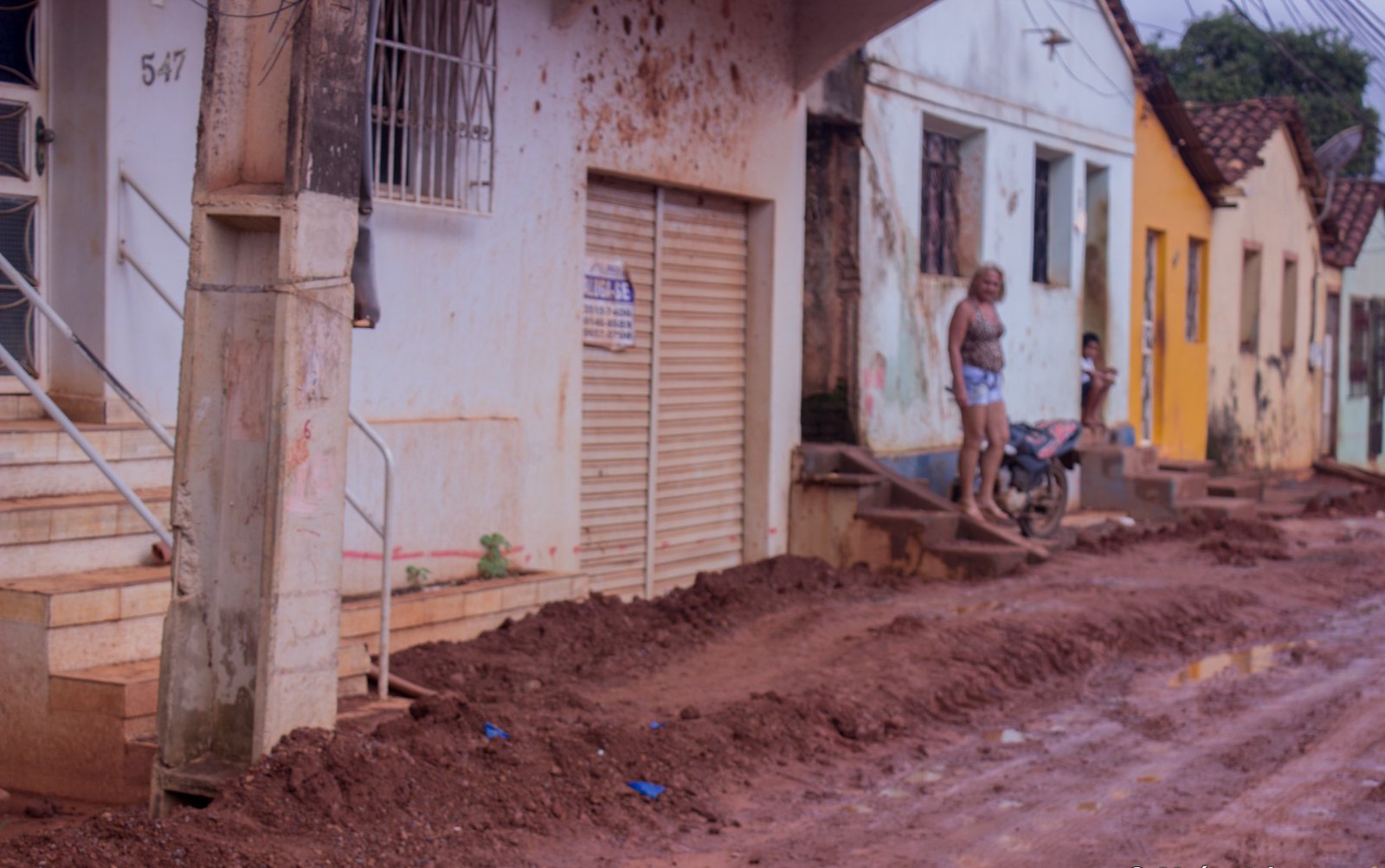
Photo: Amazon Watch / Maíra Irigaray.
Current situation
The protective measures granted by the IACHR remain in effect, but the Brazilian government has not fully complied with them, reporting only on general actions. The communities have documented the ongoing violations of their rights. The situation that prompted the request for these measures—the risk to the lives, physical integrity, and ways of life of the communities—persists and has worsened with the hydroelectric plant operating at full capacity and the recent extreme droughts in the Amazon.
In addition to the impacts of Belo Monte, there is a risk of further social and environmental impacts from the implementation of another mining megaproject in the Volta Grande do Xingu. There, the Canadian company Belo Sun plans to build Brazil’s largest open-pit gold mine.
The combined and cumulative impacts of the dam and the mine were not assessed. The government excluded Indigenous peoples, riverine and peasant communities from the project’s environmental permitting process. Despite protests by Indigenous communities and other irregularities surrounding the project, the government of Pará formally authorized the mine in April 2026.
Like other hydroelectric dams, Belo Monte exacerbates the climate emergency by generating greenhouse gas emissions in its reservoir. And it is inefficient amid the longer, more intense droughts caused by the crisis, as it loses its ability to generate power.
The case before the Inter-American Commission
In October 2017, the IACHR announced that it would rule jointly on the admissibility (whether the case meets the requirements for admission) and the merits (whether a human rights violation actually occurred) of the international complaint against the Brazilian State.
Fifteen years after the complaint was filed, the affected communities and the organizations representing them are still awaiting this decision. If the IACHR concludes that human rights violations occurred and issues recommendations that the Brazilian State fails to comply with, it may refer the case to the Inter-American Court of Human Rights, whose rulings are binding.
A potential ruling by the international court in this case would set a regional legal precedent regarding the rights of indigenous and riverine peoples, public participation in megaprojects, and state responsibility in the context of the climate crisis—a precedent that is particularly relevant in light of the Court’s Advisory Opinion No. 32, which reaffirmed the obligations of States to protect the people and communities of the continent from the climate emergency.
Partners:
Related projects
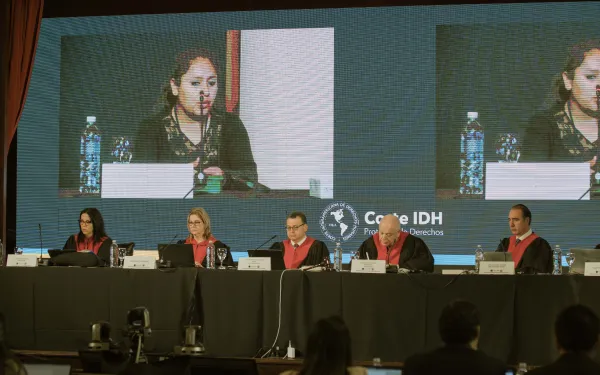
Organizations, coalitions, academia, and specialists support victims of toxic contamination in La Oroya
Experts filed 15 amicus briefs before the Inter-American Court of Human Rights upholding the central argument of the case: that the government of Peru is responsible for violating the human rights of residents of La Oroya for the lack of urgent and effective actions to address pollution from a metal smelter, and its harmful effects. San José, Costa Rica. Organizations, coalitions, academia, and specialists presented 15 legal briefs (Amicus curiae) before the Inter-American Court of Human Rights to support the case of residents of La Oroya against the government of Peru, for human rights resulting from a metal plant spewing toxic pollution into the Andean city for nearly 90 years. The briefs contain solid evidence that support the central argument of the case: that the Peruvian government—by not taking urgent and effective action to address the pollutions and its effects—is responsible for the violation of the rights to life, health, personal integrity, childhood, and a healthy environment of the residents of La Oroya. This argument as expressed in a public audience on October 12 and 13, when the international court heard from witnesses, experts, victims, and government representatives. The briefs, sent to the Court between October 11 and 28, demonstrate that the importance of the case surpasses the Peruvian context and represents a historic opportunity to establish a key precedent in Latin America, and the world, that strengthens the right to a healthy environment and government’s role supervising business activities. One of the briefs was presented by the University Network for Human Rights in partnership with a panel of experts: five former authorities from the Inter-American Commission on Human Rights (Tracy Robinson, James Cavallaro, Paulo de Tarso Vannuchi, Flávia Piovesan and Paulo Abrão) and three former Special Rapporteurs to the United Nations (John Knox, James Anaya, and Juan Méndez). Briefs were presented by Peruvian organizations— including the Technical Committee for Environmental and Human Health and the Civil Society Platform on Business and Human Rights—as well as from other countries in Latin America—the Mexican Center for Environmental Law (Mexico), Defensoria Ambiental (Chile), and Justice for Nature (Costa Rica)—and international organizations such as Earthjustice and The Center for Justice and Environmental Law. Furthering the international scope of the hearing, The Working Group for Strategic Litigation of Red-DESC and the United Nations Working Group on Business and Human Rights. From the academic sector, support came from the Human Rights Research and Education Center of the University of Ottawa (Canada), the Clinic for Human Rights of the Postgraduate Law School of the Pontificia Catholic University of Paraná (Brazil), and the Legal Clinic of Environmental and Public Health of the University of the Andes (Colombia). Other writings were presented by experts on the issues that the case addresses: David R. Boyd, Special Rapporteur to the UN on human rights and the environment, medical anthropologist Susana Ramírez, and attorneys Carla Luzuriaga-Salinas, Macarena Martinic Cristensen, and Ezio Costa Cordella. Following the hearing and the briefs, the next step in the legal process is to present written closing arguments a potential visit to La Oroya by the judges from the Court. The sentence, which cannot be appealed, is expected within six months. press contact Víctor Quintanilla (Mexico), AIDA, [email protected], +525570522107
Read more
Global South statement on climate finance ahead of COP27
COP27 must reach agreements for an equitable, sufficient and sustainable finance that ensures a just transition. The 26th Conference of the Parties (COP26) of the United Nations Framework Convention on Climate Change (UNFCCC), held in Glasgow, Scotland, was one of the most important conferences for the climate finance agenda. Relevant issues of climate finance, such as access, balance and long-term vision, were at the heart of the finance agenda. Moreover, the already complex discussions were exacerbated in the context of COVID-19 pandemic, causing a growing need for financing in developing countries, particularly in the most vulnerable regions. In this regard, COP27 must take up and agree on pending discussions to move forward with firm steps towards the implementation of the Paris Agreement, which mandates "to make financial flows consistent with a pathway towards low greenhouse gas emissions and climate-resilient development ". The most important aspects that countries must agree on at COP27 in Sharm el-Sheikh, Egypt, are: 1. Financing for a just transition, with a climate justice and gender focus: The Glasgow Pact integrates the concept of climate justice for the first time, but does not associate it with the issue of financing. Therefore, it is essential for COP 27 to recognize that finance is a fundamental means of implementation to achieve a just transition. Resources must be allocated with a climate justice and gender focus to foster an adequate distribution of finance that does not increase gender gaps, that is equitable across regions with a thematic balance. 2. Delivering on the $100 billion goal: At COP26, developed countries presented a progress report on the delivery of the $100 billion goal, which shows that the pledge is still not being met. COP27 should serve not only to present the progress made, but also to agree on a delivery plan that will make it possible to know the timing and instruments through which the financing will be transferred, which should not be less than US$500 billion for the period between 2020-2024. 3. Global stocktake and finance: Discussions at COP 27 on the global stocktake should lead to a better connection between needs and financial flows, as well as access to finance schemes, and address all the obstacles that allowed the adequate mobilization of resources in developing countries. 4. Increased funding for adaptation: At COP26, countries agreed to double adaptation finance by 2025, based on 2019 levels. At COP27, developed countries must present a satisfactory plan regarding how financing for adaptation will be doubled, and establish an ambitious goal to achieve a balance between mitigation and adaptation finance. This goal should aim for at least a 10-fold increase in adaptation finance and the plan should clearly include targeted support for the Adaptation Fund. 5. Financing for loss and damage: COP27 should be a milestone for loss and damage finance, achieving agreement on mechanisms to transfer financial resources to countries with the highest needs. On one hand, it is necessary to agree on the creation of a facility that will allow the establishment of medium and long-term goals in this matter. On the other hand, it is also necessary to establish a programmatic scheme in which the countries commit a percentage of their annual allocations to finance losses and damages. This funding should be additional to that earmarked for mitigation and adaptation. 6. A new collective quantified goal based on needs: The technical and high-level deliberations on the new collective quantified goal on climate finance should be based on the recognition of the current financial needs of developing countries. Support schemes for those that have not quantified their needs should be agreed, so that this information can be incorporated in the next 12 months, towards the 2024 negotiations. 7. Improved access to climate finance: At COP27, mandates should be established for multilateral financial mechanisms to make access to climate finance by local actors easier, faster, and more efficient, creating emergency windows in the event of crises, such as the COVID-19 pandemic. Financial mechanisms such as the Green Climate Fund should innovate in their access schemes, particularly for the most vulnerable populations. 8. Decarbonization of public finances: COP27 must recognize that achieving a just transition and complying with Article 2.1.c of the Paris Agreement entail decarbonizing public finances, both in developed and developing countries. For developing countries, this means accelerating the reduction of their dependence on carbon-intensive revenues, such as those from oil, gas and mining concessions, and the sale of gasoline, diesel and natural gas. A fundamental step is to end fossil fuel subsidies and diversify revenues by promoting domestic investments that support a just economic transition, generating new jobs and revenues to invest in national and local needs 9. Debt restructuring and debt-for-nature swaps: At COP27, the importance of mechanisms such as debt-for-nature and climate swaps should be recognized as a way to mobilize more climate finance. The external debt burden is preventing many countries from investing domestic resources to address the problem. International financial institutions and developed countries should facilitate debt restructuring, including debt-for-protection schemes, as a way to mobilize more climate finance, allowing developing countries to invest these resources to reduce emissions and increase resilience by protecting biodiversity, ecosystems and all livelihoods for global benefit. 10. Towards transformational finance: COP27 should mark a milestone in the understanding and mobilization of climate finance, starting with the assumption that current climate finance schemes will not help change the condescending dynamics that have existed within the framework of international cooperation. Combating climate change requires the transformation of economic systems, real collaboration and solidarity, in which it is not only the amount of finance mobilized that matters. The quality of these resources should beequally important to ensure finance reaches those that need it the most, without generating additional burdens on women and vulnerable groups. It is time to transform the finance paradigm to make it more effective, fair and truly sustainable. Adhere to: AIDA Barranquilla +20 CEMDA Chile Sustentable Defensoría Ambiental Fernando Aguilera Fundación Hábitat Verde Fundación Plurales GFLAC Hub’s de Finanzas Sostenibles de GFLAC Instituto de Derecho Ambiental y Desarrollo Sustentable (IDEADS) Instituto Talanoa La Corporación La Caleta OLAC Plataforma CIPÓ Red Mundial de Jóvenes Políticos - Santa Cruz Bolivia
Read more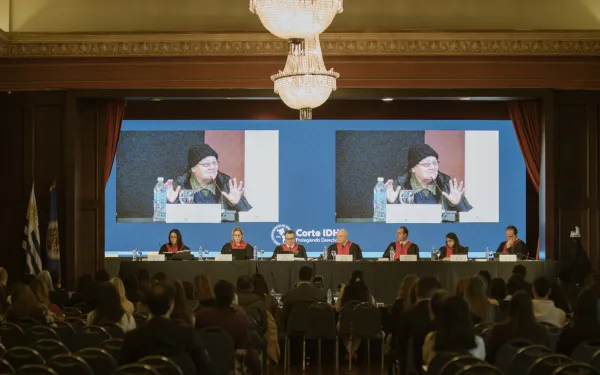
Victims of toxic contamination in La Oroya take their voice before the Inter-American Court
There’s no deadline that won’t be met. And so, after a 20-year quest for justice, the habitants of the small Andean city of La Oroya, Peru appeared before the Inter-American Court of Human Rights. On October 12 and 13, the judges of the high international court heard their complaint against the government of Peru for the serious violation of human rights derived from a metal smelter that has contaminated La Oroya for almost 90 years. The city has been documented as one of the most polluted places on the planet. "The contamination from the La Oroya Metallurgical Complex has permeated every component of its inhabitants' environment: the water they drink, the soil they walk on, the air they breathe, the schoolyards and the mountains that frame their living environment," said AIDA's attorney Liliana Avila, as she presenting closing arguments in the case. Brave Testimonies At the hearing in Montevideo, Uruguay, three affected former residents of La Oroya gave their testimony. They are just a few of the more than 80 courageous people who filed the lawsuit—those residents willing to defend their right to live in a healthy environment despite the context of harassment they have faced because of it. "The period in which the metal smelter developed was disastrous. The toxic gases emanating from the complex created a thick mist that turned into a dandruff that coated the faces of the children,” recalled Rosa Amaro, a 74-year-old mother who chaired the Movement for Health in La Oroya, where she lived until 2017. “We tried to survive, but the government was like a father who turned his back to us.” Dressed in warm clothes and a woolen hat, Rosa's face, body and voice bore the indelible marks of the passing years, deteriorating health and the fear that forced her to leave her hometown. "They call us enemies of La Oroya." In tears, Rosa expressed to the court her desire to return home and to see her name cleared of all stigmas. "Our struggle is not for one, it is for an entire population". The case represents many more residents of La Oroya who, for fear of reprisals, are not named in the lawsuit. After testifying, Rosa felt relieved of a heavy burden and with enough strength to continue. The population of La Oroya has breathed multiple toxic substances that, according to scientific evidence, cause serious risks to human health. The contamination with lead and other heavy metals has burst into their respiratory system, traveled through their bloodstream and has been deposited imperceptibly in their vital organs. "I didn’t have a childhood because I spent it locked up in four walls, not because they wouldn’t let me go out, but because of the discomfort, because our throats were itchy,” Maricruz Aliaga, 28, told the court. “When we went to school, my mother protected us [from the ashes] with a hat." The contamination has affected her memory and is the reason why, even today, her body is paralyzed several times a year. “In Huancayo, I could breathe.” As a child, Maricruz’s vacations to the neighboring city made her realize that it was not normal to watch the plants she took to school die after just 15 days. Following a lifetime of hostility due to her family’s activism, she now lives in another city, and the effects on their health were her main motivation to study nursing. The toxic elements from the smelter remain in the bodies of those who lived and grew in La Oroya. Their presence has caused health problems, many of them irreversible, and may generate new illnesses in the future. "The only thing we want, since we are no longer going to enjoy good health—that is already done, my health is already destroyed—is for future generations to enjoy good health," Yolanda Zurita added in her testimony before the court. "That will be our reward, our satisfaction; that is what we are looking for." The road to justice Reaching this point has not been easy. On behalf of the victims, and with the support of the Asociación Pro Derechos Humanos (APRODEH), in 2006 AIDA filed the international complaint against the Peruvian government. Finally, in October 2021—15 years after the process began—the Inter-American Commission on Human Rights (IACHR) established the government's responsibility for right violations and referred the case to the Inter-American Court. Preparation for the hearing began at that time and intensified in the weeks leading up to it. The long hours of work were reflected in the solidity with which we demonstrated that the government is responsible for violating the rights to life, health, personal integrity, children and a healthy environment of the inhabitants of La Oroya. At the hearing we presented four main arguments: The existence of serious environmental contamination, The risk and causal link with the damages derived from that contamination, The government’s knowledge of that situation, and The absence of urgent and effective measures to respond to it. In addition, we called in experts whose testimony amply supported our allegations. Two of them presented their findings at the hearing. "The duty of care does not arise with clinical harm, but with the risk of harm," emphasized Marcos Orellana, UN Special Rapporteur on the human rights implications of exposure to hazardous substances and toxic waste. In addition, Marisol Yañez, a psychosocial expert, demonstrated based on 61 in-depth interviews, four focus groups and psychometric tests the existence of "environmental suffering," aggravated by impunity and stigmatization. After the hearing, there remains the written presentation of the arguments and a potential visit to La Oroya by the judges of the Court. The sentence, which cannot be appealed, is expected within the next six months. The importance of the case goes beyond the Peruvian context and represents a historic opportunity to establish a key precedent for all of Latin America. "This is the first case before this court with the potential to develop in-depth violations of the right to a healthy environment as the result of government action regarding public and private companies,” explained Jorge Meza Flores, deputy executive secretary of the IACHR's Petitions and Cases System. Taking into account what is at stake is undoubtedly fundamental when the national debate around La Oroya has prioritized, even in these days, the possible reactivation of the metal smelter over the protection of the fundamental rights and health of an entire population.
Read more