
Project
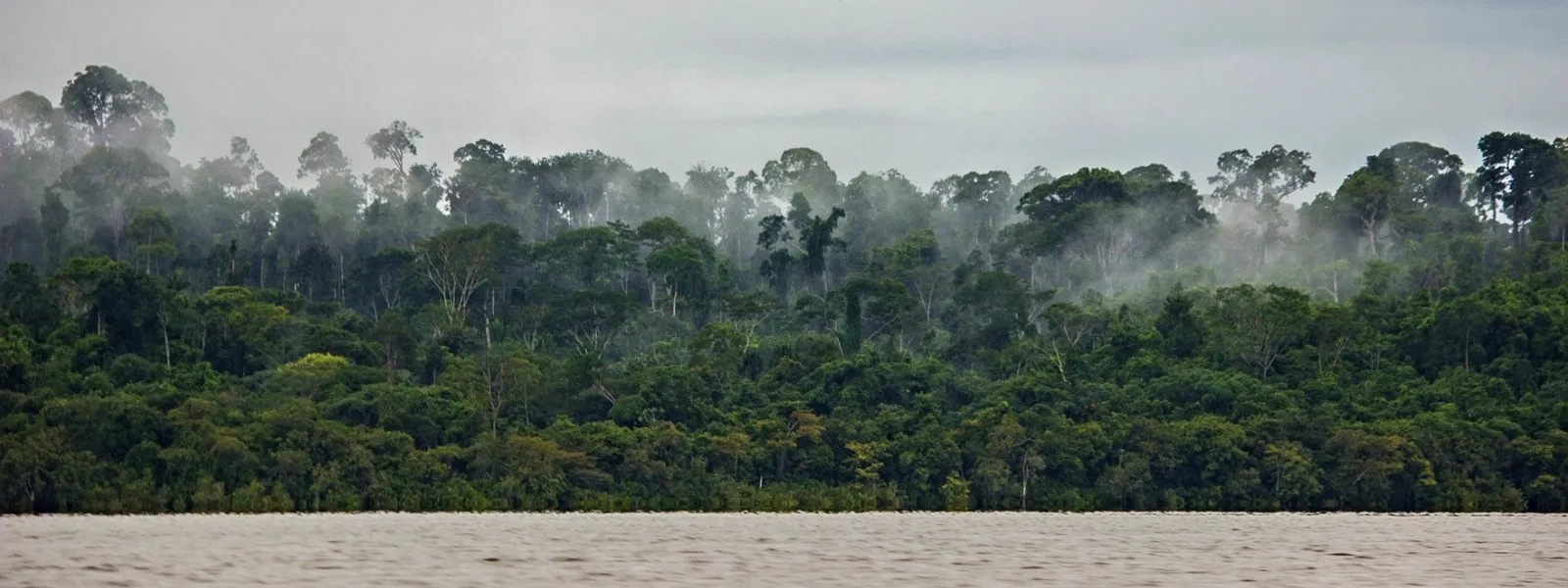
Amazon Watch / Maíra Irigaray
The Belo Monte Dam on the Xingu River: 10 years of impacts in the Amazon and the search for reparations
The Belo Monte Dam has caused an environmental and social disaster in the heart of the Amazon—one of the most important ecosystems on the planet.
This situation has only worsened since the hydroelectric plant began operations in 2016. The quest for justice and reparations by the affected indigenous, fishing, and riverine communities continues to this day.
In 2011, the Inter-American Commission on Human Rights (IACHR) granted them protective measures that, to date, have not been fully implemented by the Brazilian State.
Furthermore, since June of that same year, the IACHR has yet to rule on a complaint against the State regarding its international responsibility in the case.
The IACHR may refer the case to the Inter-American Court of Human Rights, which has the authority to issue a ruling condemning the Brazilian State.
After 10 years of the hydroelectric plant's operation and more than 15 years of documented human rights violations, it is time for justice to be served for the affected communities.
Read the open letter from the organizations bringing the case before the IACHR
Background
The Belo Monte hydroelectric plant—the fourth largest in the world by installed capacity (11,233 MW)—was built on the Xingu River in Pará, a state in northern Brazil.
It was inaugurated on May 5, 2016, with a single turbine. At that time, 80% of the river’s course was diverted, flooding 516 km² of land—an area larger than the city of Chicago. Of that area, 400 km² was native forest. The dam began operating at full capacity in November 2019.
Belo Monte was built and is operated by the Norte Energia S.A. consortium, which is composed primarily of state-owned companies. It was financed by the Brazilian Development Bank (BNDES), which provided the consortium with 25.4 billion reais (approximately US$10.16 billion), the largest investment in the bank’s history. Therefore, the BNDES is also legally responsible for the socio-environmental impacts associated with the hydroelectric plant.
Decades of harm to the environment and people
Human rights violations and degradation of the Amazon have been occurring since the project’s inception. In March 2011, Norte Energía began construction of the dam without adequate consultation and without the prior, free, and informed consent of the affected communities.
The construction caused the forced displacement of more than 40,000 people, severing social and cultural ties. The resettlement plan in Altamira—a city directly affected by the hydroelectric dam—involved housing units located on the outskirts, lacking adequate public services and decent living conditions for the relocated families, with no special provisions for those from indigenous communities.
Belo Monte's operations have caused a permanent, man-made drought in the Volta Grande (or "Great Bend") of the Xingu River, exacerbated by the historic droughts in the Amazon in 2023 and 2024. As a result, the deaths of millions of fish eggs were documented for four consecutive years (from 2021 to 2024), and for the past three years, there has been no upstream migration of fish to spawn and reproduce. Thus, artisanal fishing, the main source of protein for indigenous peoples and riverside communities, was severely affected: fish dropped from 50% to 30% of total protein consumed, replaced by processed foods. In summary, there was an environmental and humanitarian collapse that resulted in the breakdown of fishing as a traditional way of life, food insecurity, and access to drinking water for thousands of families, impoverishment, and disease.
Furthermore, the construction of the dam increased deforestation and intensified illegal logging and insecurity on indigenous and tribal lands, putting the survival of these communities at risk. Another consequence was the deepening of poverty and social conflicts, as well as the strain on health, education, and public safety systems in Altamira—a city ranked as the most violent in the country in 2017, where human trafficking and sexual violence increased. Violence was also reported against human rights defenders involved in the case.
In 2025, during the 30th UN Climate Change Conference (COP30), held in Brazil, the Federal Public Prosecutor’s Office labeled the damage caused by the Belo Monte dam as ecocide.
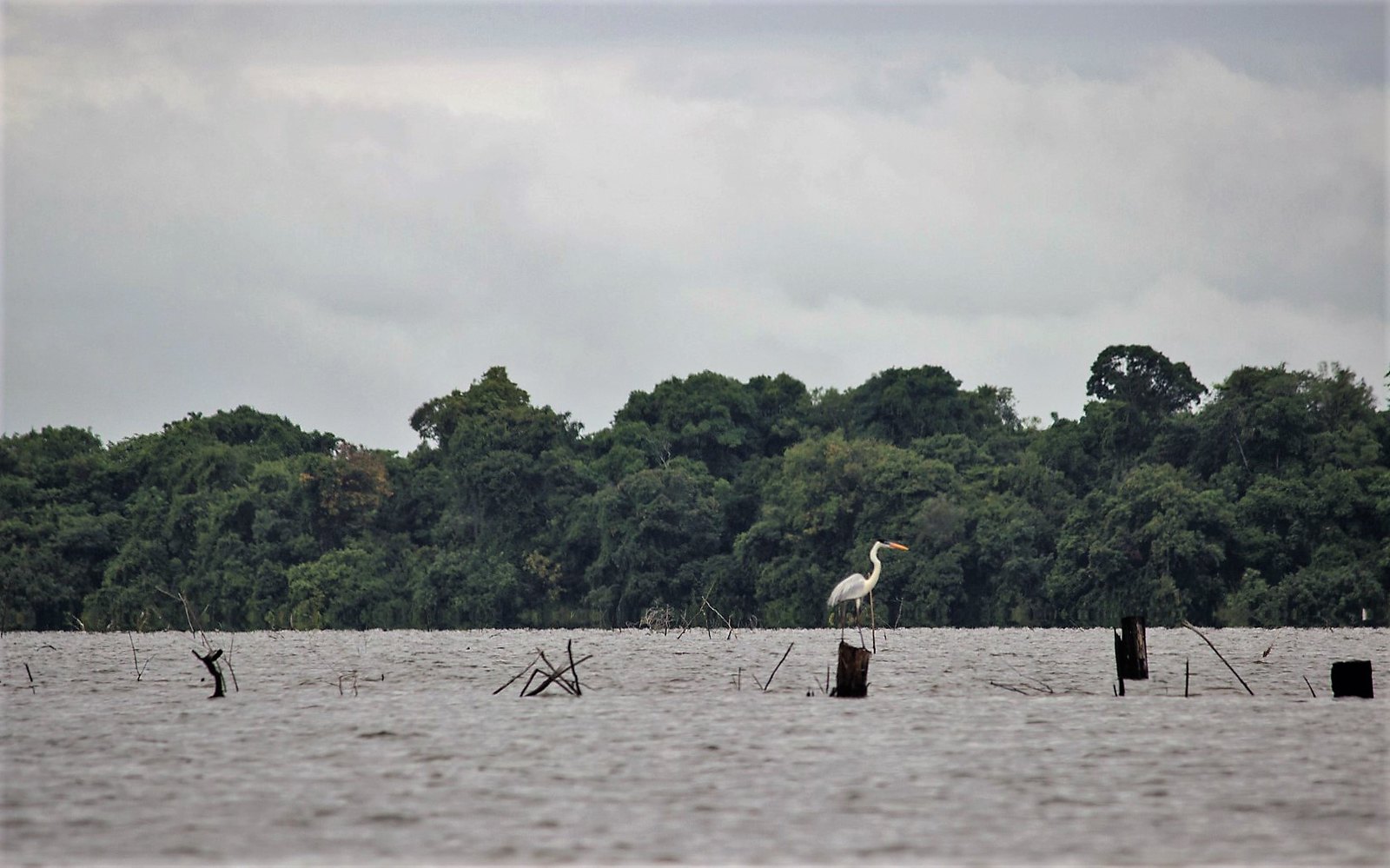
Photo: Amazon Watch / Maíra Irigaray.
The search for justice and reparations
Over the years, the Federal Public Prosecutor’s Office in Pará, the Public Defender’s Office, and civil society organizations have filed dozens of legal actions in Brazilian courts to challenge the project’s various irregularities and its impacts. Most of the claims are still pending resolution, some for more than 10 years.
These efforts have failed because the national government has repeatedly overturned rulings in favor of the affected communities by invoking a mechanism that allowed a court president to suspend a judicial decision based solely on generic arguments such as "the national interest" or "economic order."
In the absence of effective responses at the national level, AIDA, together with a coalition of partner organizations, brought the case before the Inter-American Commission on Human Rights (IACHR) and, in 2010, requested precautionary measures to protect the lives, safety, and health of the affected indigenous communities.
On April 1, 2011, the IACHR granted these measures and requested that the Brazilian government suspend environmental permits and any construction work until the conditions related to prior consultation and the protection of the health and safety of the communities are met.
And on June 16, 2011 —together with the Xingu Vivo Para Sempre Movement, the Coordinating Committee of Indigenous Organizations of the Brazilian Amazon, the Diocese of Altamira, the Indigenous Missionary Council, the Pará Society for the Defense of Human Rights and Global Justice— we filed a formal complaint against the Brazilian State for its international responsibility in the violation of the human rights of the people affected in the case. The case was opened for processing in December 2015.
On August 3, 2011, the IACHR amended the precautionary measures to request, instead of the suspension of permits and construction, the protection of people living in voluntary isolation, the health of indigenous communities, and the regularization and protection of ancestral lands.
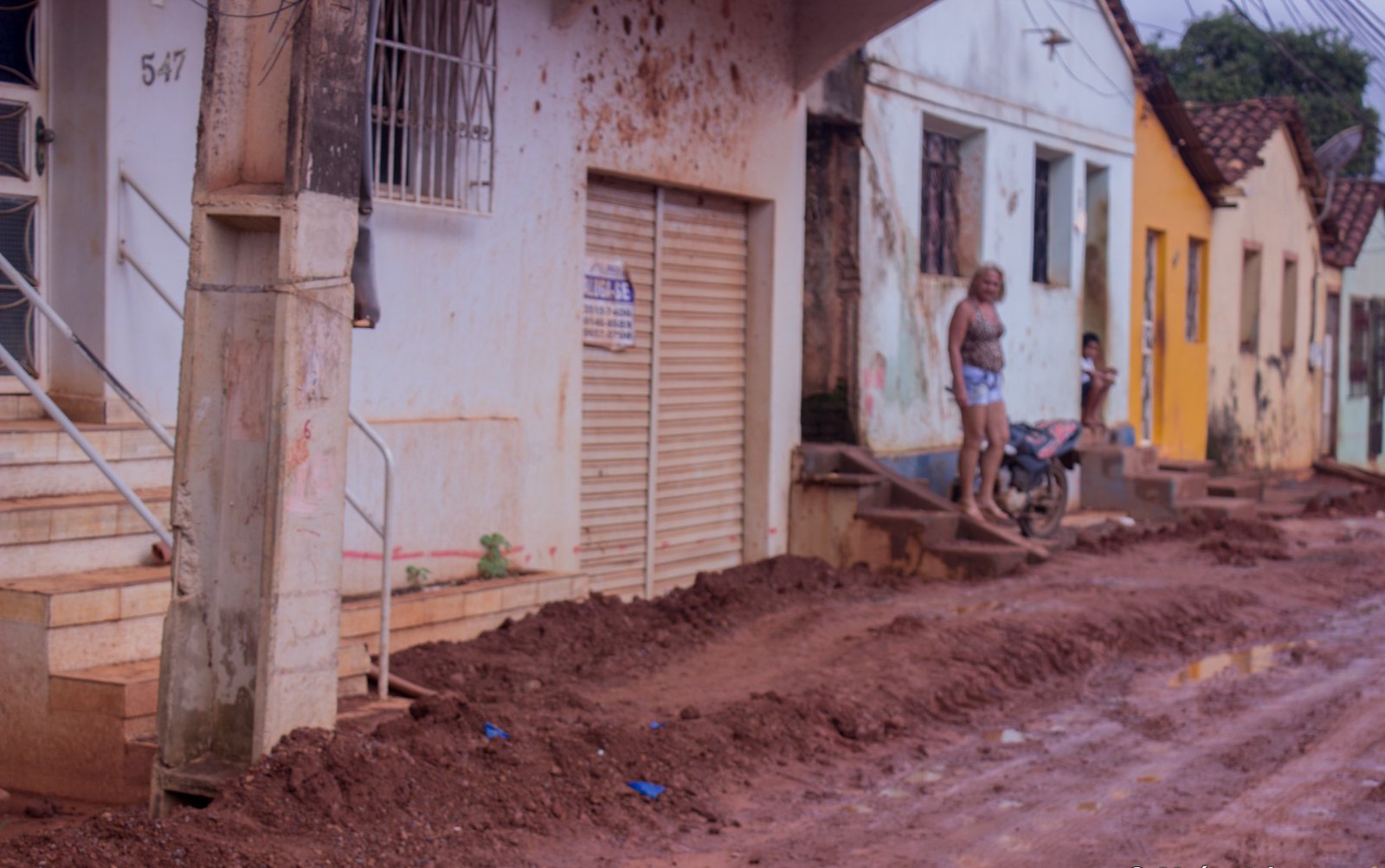
Photo: Amazon Watch / Maíra Irigaray.
Current situation
The protective measures granted by the IACHR remain in effect, but the Brazilian government has not fully complied with them, reporting only on general actions. The communities have documented the ongoing violations of their rights. The situation that prompted the request for these measures—the risk to the lives, physical integrity, and ways of life of the communities—persists and has worsened with the hydroelectric plant operating at full capacity and the recent extreme droughts in the Amazon.
In addition to the impacts of Belo Monte, there is a risk of further social and environmental impacts from the implementation of another mining megaproject in the Volta Grande do Xingu. There, the Canadian company Belo Sun plans to build Brazil’s largest open-pit gold mine.
The combined and cumulative impacts of the dam and the mine were not assessed. The government excluded Indigenous peoples, riverine and peasant communities from the project’s environmental permitting process. Despite protests by Indigenous communities and other irregularities surrounding the project, the government of Pará formally authorized the mine in April 2026.
Like other hydroelectric dams, Belo Monte exacerbates the climate emergency by generating greenhouse gas emissions in its reservoir. And it is inefficient amid the longer, more intense droughts caused by the crisis, as it loses its ability to generate power.
The case before the Inter-American Commission
In October 2017, the IACHR announced that it would rule jointly on the admissibility (whether the case meets the requirements for admission) and the merits (whether a human rights violation actually occurred) of the international complaint against the Brazilian State.
Fifteen years after the complaint was filed, the affected communities and the organizations representing them are still awaiting this decision. If the IACHR concludes that human rights violations occurred and issues recommendations that the Brazilian State fails to comply with, it may refer the case to the Inter-American Court of Human Rights, whose rulings are binding.
A potential ruling by the international court in this case would set a regional legal precedent regarding the rights of indigenous and riverine peoples, public participation in megaprojects, and state responsibility in the context of the climate crisis—a precedent that is particularly relevant in light of the Court’s Advisory Opinion No. 32, which reaffirmed the obligations of States to protect the people and communities of the continent from the climate emergency.
Partners:
Related projects

AIDA applauds recognition of healthy environment as a universal human right
The decision adopted by the UN General Assembly is a call for States to recognize that the defense of the environment is essential for existence on the planet. The historic resolution strengthens longtime efforts to guarantee this right in practice. New York, USA. In a landmark resolution, the UN General Assembly recognized a safe, healthy, clean and sustainable environment as a universal human right. Since this right was absent from then Universal Declaration of Human Rights in 1948, the decision marks a milestone for international human rights law. The resolution endorses language similar to that proposed in October 2021 by the UN Human Rights Council, which issued a draft resolution in June to the 193 members of the General Assembly. Sponsored by Costa Rica, Maldives, Morocco, Slovenia and Switzerland, the universal recognition of the right to a healthy environment was unanimously approved today, by a vote of 161-0. Liliana Avila, senior attorney of AIDA’s Human Rights and Environment Program, responds: "The United Nations recognition is a very important call for States to recognize that the environment involves essential elements without which our existence on the planet would not be possible. Most of the Constitutions in the continent already recognize the healthy environment as a right and citizens claim it daily through different mechanisms. The step taken today undoubtedly strengthens these efforts and advances us towards the construction of societies where this right is a reality." Gladys Martinez de Lemos, Executive Director, states: “Today marks a historic moment, one that enables citizens to demand the creation of measures to guarantee in practice a right that is now universally recognized. At AIDA we celebrate this new tool and reaffirm our 25-year commitment to protecting a healthy environment as a fundamental human right. The UN recognition represents a hope for justice for those who suffer from environmental degradation around the world—people like the residents of La Oroya, Peru, who have for decades breathed polluted air; families in Central America, forced to migrate due to the impacts of the climate crisis; coastal communities in the Caribbean who lost their homes due to the destruction of mangroves and reefs, natural barriers against storms and hurricanes; and the thousands of environmental defenders risking their lives to protect their territories." As a regional organization, AIDA would like to highlight the fact that a Latin American nation, Costa Rica, has led the proposal for recognition before the General Assembly. Its role was key to the result we are celebrating today. We also highlight the hard work of civil society organizations, social movements, local communities and indigenous peoples to promote this recognition. A healthy environment – recognized as a right by more than 150 States around the world – is a prerequisite for the realization of other human rights. Its recognition as a universal human right can lead to more effective laws and policies, and can help to empower local communities in the protection of their territory. Press ConTACT: Victor Quintanilla (Mexico), [email protected], +525570522107
Read more
Irish company buying Colombian coal to be investigated for lack of due diligence with regard to human rights
The OECD accepted a complaint filed by civil society against the Irish state-owned company ESB for its failure of responsible business conduct in the purchase of coal from Cerrejón. The National Contact Point (NCP) for the Organization for Economic Cooperation and Development (OECD) in Ireland agreed to evaluate the complaint filed against an Irish state-owned company, The Electricity Supply Board (ESB), for its lack of due diligence on human rights. ESB is a buyer of coal from Carbones del Cerrejón, the operator of the largest open-pit coal mine in Latin America. The complaint was filed in January 2021 by a coalition of national and international organizations, including CAJAR, CINEP, AIDA, GLAN, ABColombia, Ask, and Christian Aid. The complaint also had the support of several leaders of Wayuu and Afro-Campesino indigenous communities that have been historically affected by this extractive coal mining megaproject. For years ESB, considered Ireland's largest energy company, has purchased coal from the Cerrejón mine, located in La Guajira, Colombia, for use in its Moneypoint power plant in County Clare. The complaint alleges non-compliance by the company, as the purchaser, with the OECD's standards of due diligence and responsible business conduct in environmental and human rights matters. In addition, the complaint alleges that ESB has failed to take the necessary actions to influence Carbones de Cerrejón's own due diligence in identifying, mitigating, and preventing human rights abuses linked to the mine. This failure comes despite well-documented evidence of serious violations against Wayuu and Afro-Colombian indigenous communities, including environmental impacts and threats to human rights defenders. Following an initial assessment of the complaint, the Irish government's NCP released an initial statement on Monday, July 18, stating that it found sufficient grounds for further examination of the issues raised. From the perspective of the denouncing organizations, the purchase of Colombian coal by ESB has been made in spite of the company having been aware of ample evidence of serious human rights violations and environmental impacts in the territory of indigenous Wayuu and Afro-descendant communities. The company itself, on its official website, stated: "ESB is well aware of Colombia's difficult history that has had serious impacts on its population for many years. We are also aware of the issues reported in the media regarding the Cerrejón mine, many of which are related to Colombia's past. We are committed to remaining attentive to all of these issues and will continue to work with Bettercoal to influence and drive improvements. We bring these issues to Bettercoal for assessment as a matter of course." Although ESB had indicated that it stopped buying coal from Cerrejón in 2018 because of human rights violations, it recently announced that in the wake of the Russia-Ukraine war it was resuming its purchase of this coal for the coming months. "Six years ago, Ireland stopped buying Colombian coal, citing human rights concerns, and turned to Russia for the fossil fuel. Now, the European nation has resumed purchases from Colombia." On his recent visit to La Guajira in April of this year, Irish TD Gary Gannon criticized ESB for restarting coal imports from Cerrejón. Gary Gannon, who traveled to Colombia in April as part of the parliamentary delegation, said he had seen with his own eyes the devastating environmental impact of the mine and the pain of the indigenous communities displaced from their land for its expansion. "There is a disturbing double standard in this return to Cerrejón," he said. "We rightly say no to Russian coal after the invasion of Ukraine, recognizing the impact our business decisions can have on human rights. But that standard must apply everywhere, including Colombia." In the words of Wayuu leader Jakeline Romero Epiayu: "European countries, with total hypocrisy, send us messages of decarbonization, of abandoning the use of fossil fuels; but suddenly they put Colombia and La Guajira back in their focus to buy this coal that they continue to need, this coal that we have tirelessly said is stained with blood, stained with the lives of Wayuu men, women, boys, and girls." The complaint requested, among other recommendations, that ESB: end its commercial relationship with the purchase of Colombian coal, issue a public statement acknowledging the need for its cessation, request the mine's parent companies initiate progressive closure of the mine and remediate its impacts, compile and publish an effective human rights policy, and issue a formal apology to the affected communities. Following the issuance of this initial assessment, the Irish NCP will formally ask the parties if they are willing to participate in mediation, with the objective of reaching a resolution to the issues raised in the complaint. The goodwill offer is voluntary for both parties. If a mediated solution is not possible, the Irish NCP will conduct a review of the complaint. The outcome will be reflected in a Final Statement which may include recommendations on the implementation of the OECD guidelines. The Irish NCP also noted that it is still processing another complaint against CMC Coal Marketing Company, a Dublin-based company responsible for the marketing and sale of coal from the Cerrejón mine. In the wake of the war between Russia and Ukraine and the current context of increasing demand for Cerrejón coal, this complaint sends an important message that countries and companies that buy this coal must continue meeting their obligations with respect to human rights and corporate due diligence duties. José Alvear Restrepo Lawyers' Collective Center for Research and Popular Education Interamerican Association for Environmental Defense (AIDA) press contact: Víctor Quintanilla (Mexico), AIDA, [email protected], +525570522107
Read more
In regressive decision, high court endorses fracking in Colombia
Bogotá, Colombia. Colombia’s highest administrative court, the Council of State, on Thursday ruled against a lawsuit that sought to nullify the government’s regulation of fracking, effectively endorsing the controversial technique’s implementation in the Andean nation. The nullity lawsuit was filed by the Public Interest Law Clinic of the Universidad del Norte—which was jointly advised by AIDA, Corporación Podion, and the legal clinics of Universidad Javeriana and Universidad de los Andes—in an attempt to challenge the legality of the rules that would allow for fracking operations in the country, found in 2013’s Decree 3004 and 2014’s Resolution 90341. This decision means the suspension of Colombia’s judicial moratorium on fracking, which has been in place since 2018, when the when the Council preventively suspended the rules based on the precautionary principle and due to the lack of certainty about the risks of irreversible damage that the technique implies for the environment, climate and public health. Fracking has been assessed by national and international academics and scientists as an experimental technique that threatens air, water, human health, democratic participation, social fabric and culture, traditional knowledge systems, biodiversity and, in the long term, economic, seismic and climatic stability. In addition, it creates atmospheric pollution due to the emission of methane—a potent gas whose warming potential is 84 to 87 times greater than carbon dioxide on a 20-year scale. While the Council of State's ruling ratifies the government's regulations and lifts the moratorium, it does not exonerate national and local authorities from protecting the environment and respecting the fundamental rights of the population as they consolidate the mining and energy policy. Legal experts who brought the case before the Court respond to the ruling: "In Latin America and around the world, many countries have banned fracking because of its impacts on the environment and on the protection of human rights. The ruling of Colombia’s Council of State is regressive and goes against international advances on environmental, climate and human rights issues.” - Yeny Rodríguez, attorney with the Interamerican Association for Environmental Defense (AIDA) "The Council of State has issued a decision contrary to the facts proven in the litigation. They have ignored the survey conducted by the National University of Colombia, the report of the expert commission, the concept of the Attorney General's Office, and the rest of the documentary evidence and scientific texts that clearly demonstrated the need to prohibit this technique under the precautionary principle. In addition, the ruling ignores Colombia's international climate commitments and the principle of intergenerational solidarity, as it ignores the fundamental rights of future generations." - Juan Pablo Sarmiento, plaintiff’s attorney in the case. “The Council of State lost a great opportunity to strengthen, through the courts, a regulation that many experts considered too weak to protect the environment and public health. Its now is in the hands of the national government and the legislature to guarantee society the protection of the precautionary principle and democratic participation in environmental matters" - Juan Felipe García, attorney with the Law and Territory Clinic of the Universidad Javeriana “The decision of the highest administrative court in the country is not an open invitation to carry out fracking in Colombia. The government must fully guarantee the right to participation and the voice of communities in decision-making about projects that may generate environmental impacts in their territories, as well as guarantee the safety and protection of environmental leaders who defend their territories". - Silvia Quintero, legal advisor to the Environmental and Public Health Legal Clinic of the Universidad de Los Andes “The lifting of the judicial moratorium on fracking leaves open the possibility of moving forward with such projects whose contracts were previously suspended. It’s necessary that fracking have a social license because several regions of the country have been considered as potential areas for its implementation." - Lizeth Gómez, attorney with Corporación Podion Contactos de prensa: Juan Pablo Sarmiento, [email protected], +573005514583 Yeny Rodríguez, AIDA, [email protected], +573107787601 Juan Felipe García, Clínica en Derecho y Territorio de la Universidad Javeriana, [email protected], +573125588889 Lizeth Gómez, PODION, [email protected], +573176430036
Read more