
Project
Amazon Watch / Maíra Irigaray
The Belo Monte Dam on the Xingu River: 10 years of impacts in the Amazon and the search for reparations
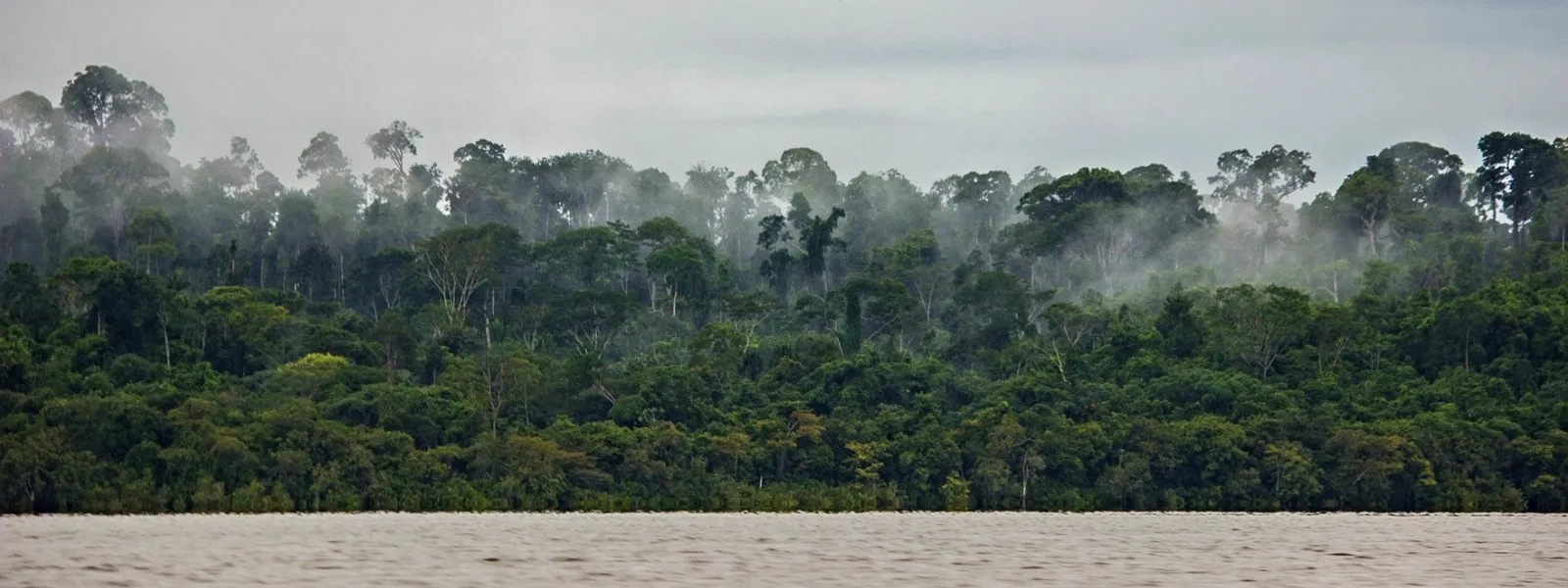
The Belo Monte Dam has caused an environmental and social disaster in the heart of the Amazon—one of the most important ecosystems on the planet.
This situation has only worsened since the hydroelectric plant began operations in 2016. The quest for justice and reparations by the affected indigenous, fishing, and riverine communities continues to this day.
In 2011, the Inter-American Commission on Human Rights (IACHR) granted them protective measures that, to date, have not been fully implemented by the Brazilian State.
Furthermore, since June of that same year, the IACHR has yet to rule on a complaint against the State regarding its international responsibility in the case.
The IACHR may refer the case to the Inter-American Court of Human Rights, which has the authority to issue a ruling condemning the Brazilian State.
After 10 years of the hydroelectric plant's operation and more than 15 years of documented human rights violations, it is time for justice to be served for the affected communities.
Read the open letter from the organizations bringing the case before the IACHR
Background
The Belo Monte hydroelectric plant—the fourth largest in the world by installed capacity (11,233 MW)—was built on the Xingu River in Pará, a state in northern Brazil.
It was inaugurated on May 5, 2016, with a single turbine. At that time, 80% of the river’s course was diverted, flooding 516 km² of land—an area larger than the city of Chicago. Of that area, 400 km² was native forest. The dam began operating at full capacity in November 2019.
Belo Monte was built and is operated by the Norte Energia S.A. consortium, which is composed primarily of state-owned companies. It was financed by the Brazilian Development Bank (BNDES), which provided the consortium with 25.4 billion reais (approximately US$10.16 billion), the largest investment in the bank’s history. Therefore, the BNDES is also legally responsible for the socio-environmental impacts associated with the hydroelectric plant.
Decades of harm to the environment and people
Human rights violations and degradation of the Amazon have been occurring since the project’s inception. In March 2011, Norte Energía began construction of the dam without adequate consultation and without the prior, free, and informed consent of the affected communities.
The construction caused the forced displacement of more than 40,000 people, severing social and cultural ties. The resettlement plan in Altamira—a city directly affected by the hydroelectric dam—involved housing units located on the outskirts, lacking adequate public services and decent living conditions for the relocated families, with no special provisions for those from indigenous communities.
Belo Monte's operations have caused a permanent, man-made drought in the Volta Grande (or "Great Bend") of the Xingu River, exacerbated by the historic droughts in the Amazon in 2023 and 2024. As a result, the deaths of millions of fish eggs were documented for four consecutive years (from 2021 to 2024), and for the past three years, there has been no upstream migration of fish to spawn and reproduce. Thus, artisanal fishing, the main source of protein for indigenous peoples and riverside communities, was severely affected: fish dropped from 50% to 30% of total protein consumed, replaced by processed foods. In summary, there was an environmental and humanitarian collapse that resulted in the breakdown of fishing as a traditional way of life, food insecurity, and access to drinking water for thousands of families, impoverishment, and disease.
Furthermore, the construction of the dam increased deforestation and intensified illegal logging and insecurity on indigenous and tribal lands, putting the survival of these communities at risk. Another consequence was the deepening of poverty and social conflicts, as well as the strain on health, education, and public safety systems in Altamira—a city ranked as the most violent in the country in 2017, where human trafficking and sexual violence increased. Violence was also reported against human rights defenders involved in the case.
In 2025, during the 30th UN Climate Change Conference (COP30), held in Brazil, the Federal Public Prosecutor’s Office labeled the damage caused by the Belo Monte dam as ecocide.
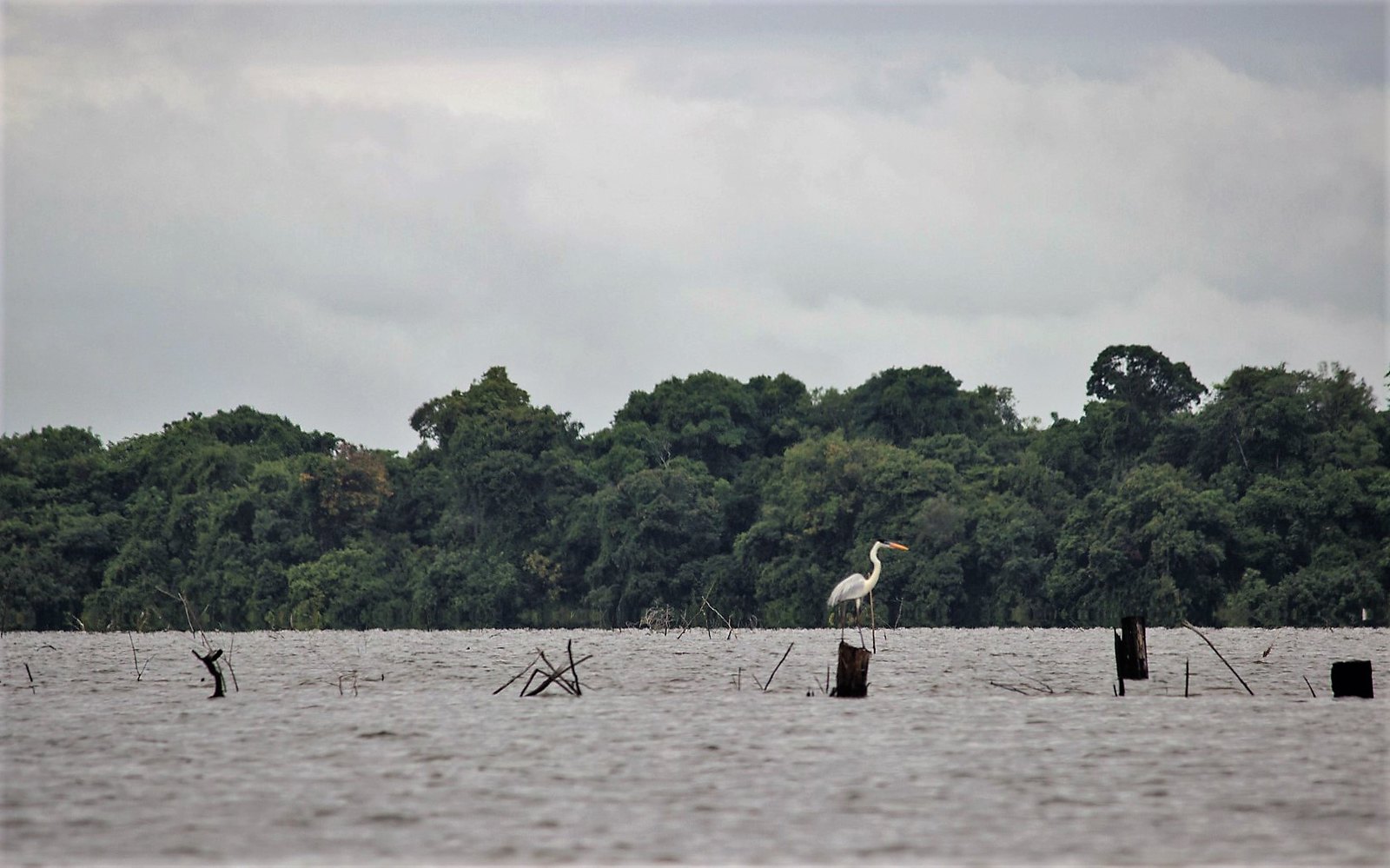
Photo: Amazon Watch / Maíra Irigaray.
The search for justice and reparations
Over the years, the Federal Public Prosecutor’s Office in Pará, the Public Defender’s Office, and civil society organizations have filed dozens of legal actions in Brazilian courts to challenge the project’s various irregularities and its impacts. Most of the claims are still pending resolution, some for more than 10 years.
These efforts have failed because the national government has repeatedly overturned rulings in favor of the affected communities by invoking a mechanism that allowed a court president to suspend a judicial decision based solely on generic arguments such as "the national interest" or "economic order."
In the absence of effective responses at the national level, AIDA, together with a coalition of partner organizations, brought the case before the Inter-American Commission on Human Rights (IACHR) and, in 2010, requested precautionary measures to protect the lives, safety, and health of the affected indigenous communities.
On April 1, 2011, the IACHR granted these measures and requested that the Brazilian government suspend environmental permits and any construction work until the conditions related to prior consultation and the protection of the health and safety of the communities are met.
And on June 16, 2011 —together with the Xingu Vivo Para Sempre Movement, the Coordinating Committee of Indigenous Organizations of the Brazilian Amazon, the Diocese of Altamira, the Indigenous Missionary Council, the Pará Society for the Defense of Human Rights and Global Justice— we filed a formal complaint against the Brazilian State for its international responsibility in the violation of the human rights of the people affected in the case. The case was opened for processing in December 2015.
On August 3, 2011, the IACHR amended the precautionary measures to request, instead of the suspension of permits and construction, the protection of people living in voluntary isolation, the health of indigenous communities, and the regularization and protection of ancestral lands.
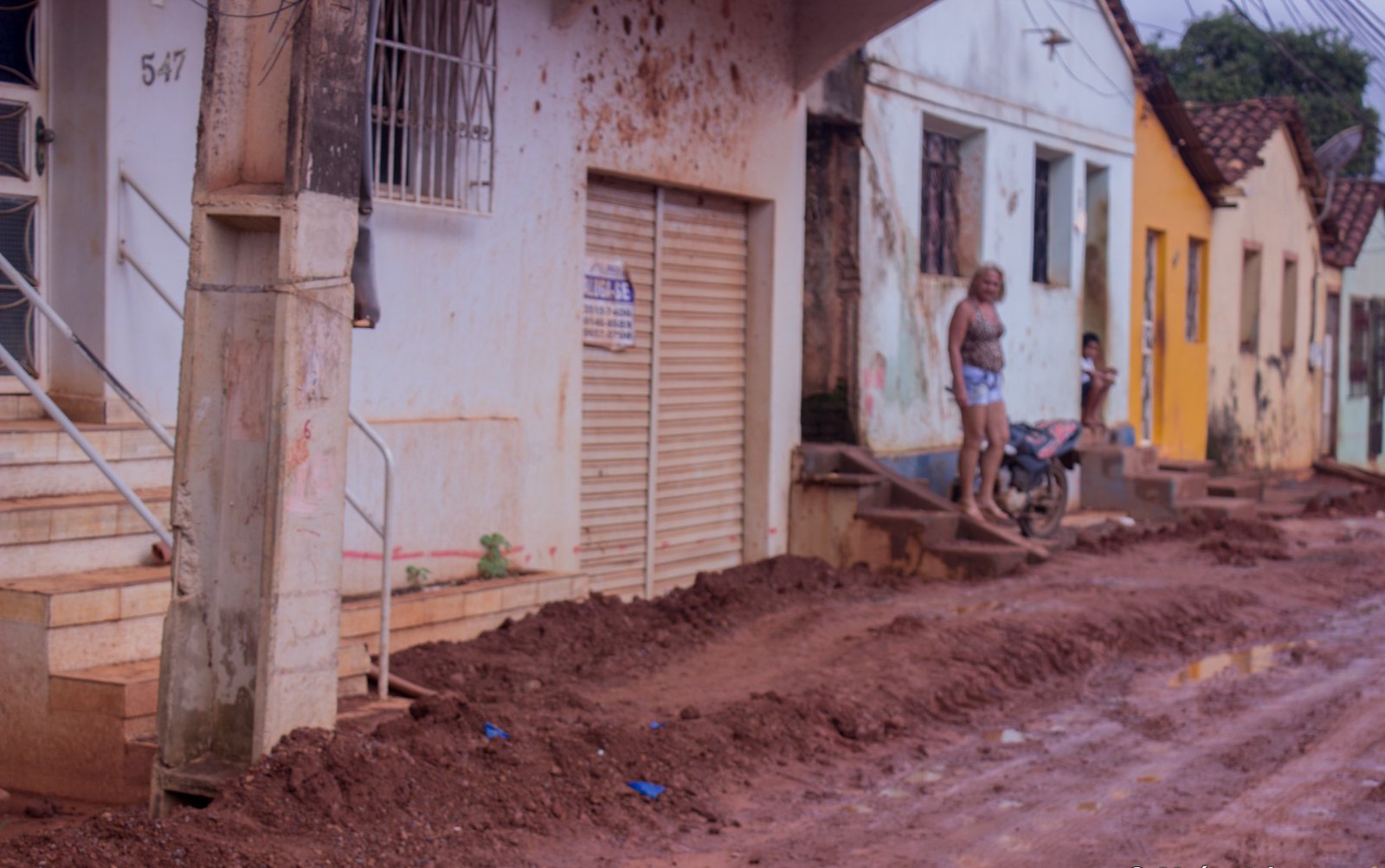
Photo: Amazon Watch / Maíra Irigaray.
Current situation
The protective measures granted by the IACHR remain in effect, but the Brazilian government has not fully complied with them, reporting only on general actions. The communities have documented the ongoing violations of their rights. The situation that prompted the request for these measures—the risk to the lives, physical integrity, and ways of life of the communities—persists and has worsened with the hydroelectric plant operating at full capacity and the recent extreme droughts in the Amazon.
In addition to the impacts of Belo Monte, there is a risk of further social and environmental impacts from the implementation of another mining megaproject in the Volta Grande do Xingu. There, the Canadian company Belo Sun plans to build Brazil’s largest open-pit gold mine.
The combined and cumulative impacts of the dam and the mine were not assessed. The government excluded Indigenous peoples, riverine and peasant communities from the project’s environmental permitting process. Despite protests by Indigenous communities and other irregularities surrounding the project, the government of Pará formally authorized the mine in April 2026.
Like other hydroelectric dams, Belo Monte exacerbates the climate emergency by generating greenhouse gas emissions in its reservoir. And it is inefficient amid the longer, more intense droughts caused by the crisis, as it loses its ability to generate power.
The case before the Inter-American Commission
In October 2017, the IACHR announced that it would rule jointly on the admissibility (whether the case meets the requirements for admission) and the merits (whether a human rights violation actually occurred) of the international complaint against the Brazilian State.
Fifteen years after the complaint was filed, the affected communities and the organizations representing them are still awaiting this decision. If the IACHR concludes that human rights violations occurred and issues recommendations that the Brazilian State fails to comply with, it may refer the case to the Inter-American Court of Human Rights, whose rulings are binding.
A potential ruling by the international court in this case would set a regional legal precedent regarding the rights of indigenous and riverine peoples, public participation in megaprojects, and state responsibility in the context of the climate crisis—a precedent that is particularly relevant in light of the Court’s Advisory Opinion No. 32, which reaffirmed the obligations of States to protect the people and communities of the continent from the climate emergency.
Partners:
Related projects
What you should know about the trinational alert to save the Pantanal from wildfires
In recent years, fires have seriously damaged and endangered the largest freshwater wetland in the world, the Pantanal, which sits at the shared border of Brazil, Bolivia and Paraguay. Given the urgency of the situation, civil society organizations alerted the Secretariat of the Ramsar Convention, the intergovernmental treaty for the protection of wetlands, about the damages to the Pantanal and requested its support in the search for solutions. In the current context of climate crisis, the protection of key ecosystems like wetlands and the curbing of large carbon dioxide emissions caused by forest fires is an urgent task. Here's what you need to know about the crisis facing the Pantanal wetlands and recent efforts to bring about their recovery through transboundary cooperation. An epicenter of biodiversity at risk In its nearly 20 million hectares, the Pantanal is home to species of at least 3,500 plants, 600 birds, 150 mammals, 175 reptiles, 40 amphibians and 300 freshwater fish. Some of these species are endangered in other regions. It is home to the highest concentration of jaguars and caimans in the Americas. The destructive force of fire In 2019 and 2020, the Pantanal burned at an unprecedented rate. In 2020, fires devastated 4 million 300 thousand hectares of the Pantanal region, the highest number recorded since 1998. That same year, 100 percent of Brazil's Pantanal Matogrossense National Park burned. Fires there have become a transboundary problem. Aggravating the global climate crisis In addition to the loss of forests, the death of animals and the direct impact on the health and livelihoods of local communities, fires in the Pantanal aggravate the climate crisis. A study published by the Brazilian Academy of Sciences estimates that the 2020 fires in the Pantanal region of that country released around 115 million tons of carbon dioxide into the atmosphere, more than 20 percent of the carbon dioxide emissions generated in Colombia during that same year. International alert for urgent measures On February 2, World Wetlands Day, AIDA—together with the Center for Biological Diversity and Ecologia e Ação (ECOA)—requested the Ramsar Convention Secretariat to send an advisory mission to six Pantanal wetlands located in Bolivia, Brazil and Paraguay. The organizations also requested that the sites, considered internationally important under the treaty, be inscribed on the Montreux Record, the global list of wetlands at serious risk. They urged the three governments to implement measures to preserve the Pantanal as a transboundary ecosystem. Specialized support for rescue "The advisory mission consists of a visit by international experts who would provide highly specialized recommendations to Brazil, Bolivia and Paraguay to overcome the conditions that generate risk for the conservation and wise use of the Pantanal, as well as to develop innovative management and protection measures," explained AIDA attorney Claudia Velarde. The inscription of the sites on the Montreux Record implies financial assistance, as well as support and technical advice, for the recovery of the Pantanal in the three countries. In July 2021, in the Brazilian state of Mato Grosso alone, the burned area of the Pantanal was five times larger than that of São Paulo. With appropriate and timely actions, it may be possible to prevent the degradation of the ecosystem from recurring in June and July of this year, when forest fires season begins. The alert represents an important opportunity for the countries that share the Pantanal to manage its ecological wealth in a collaborative and sustainable manner, joining efforts for its preservation.
Read more
Indigenous victory as development bank withdraws investment and drafts exit plan following rights violation in Guatemala
In a historic advance, the Inter-American Development Bank has designed a responsible exit plan to accompany their divestment from two controversial large dams in the Yichk'isis micro-region of Guatemala. Affected Mayan communities celebrate the decision, a response to their 2018 complaint, while acknowledging that the Bank has several challenges left to confront. Washington, DC, U.S.A. The Inter-American Development Bank (IDB) announced its decision to withdraw financing from the San Mateo and San Andrés hydroelectric projects, run by the company Energía y Renovación S.A. in the micro-region of Yichk'isis (Ixquisis) in northern Guatemala. The Bank designed a responsible exit and institutional strengthening plan to address the weaknesses the case revealed. The Bank’s decision stems from a complaint affected Mayan communities filed in 2018 before the IDB Group's Independent Consultation and Investigation Mechanism (MICI, for it’s Spanish initials). In resolving the complaint, the accountability office concluded that IDB Invest failed to comply with the bank’s operational policies and safeguards in the framework of project financing, and opened the possibility of a withdrawal of investment. "It’s an opportunity for the bank to take into account the lessons learned from the case: among them the relevance of understanding the local contexts of projects, the socio-cultural dynamics of the populations that will be directly affected, and the local perspective of development to determine the viability of the financing," says Liliana Avila, senior attorney of the Human Rights and Environment Program of the Interamerican Association for Environmental Defense (AIDA). "It is also an opportunity for the bank to strengthen the monitoring and supervision of the projects it supports in order to prevent non-compliance.” The divestment was finalized in October 2021, when IDB Invest and Energía y Renovación S.A. signed settlement agreements. Notably, this is the first time that the IDB Group, as a result of a complaint, has drawn up a plan to make its exit responsible. However, there are still challenges and pending issues that the financial institution must address in the process of exiting hydroelectric projects. "In order to prepare the responsible exit plan, IDB Invest must carry out consultation processes with the affected communities, which will largely define the plan's capacity to effectively address and offer viable solutions to the damages recognized in the MICI report, such as the increase in conflict, the lack of knowledge of the existence of indigenous peoples and their rights, the effects on ancestral cultural heritage, the differentiated impacts on women and the lack of prevention and consequent environmental degradation," said Carolina Juaneda, of the Bank Information Center. "If these issues are not addressed and included in the responsible exit plan, all this effort will not have been worthwhile since, ultimately, it will not lead to any improvement or reconstitution of living conditions for the affected people and the environment." The action plan proposed by the entity establishes that IDB Invest will create a transition plan translated into the native languages of the affected communities, as well as a gender-differentiated impact assessment, and an investment to promote financial inclusion and women's empowerment in the area. In addition, the plan contains actions to address MICI's recommendations for structural changes at the institutional level. In this regard, the bank plans to strengthen the environmental and social safeguards unit of IDB Invest in the area of indigenous peoples, as well as to establish a zero tolerance policy for gender-based violence, which will be included in the contractual conditions of operations approved by the bank. Existing protocols will include tools to follow up on acts of violence associated with projects financed by IDB Invest. Regarding the categorization of projects, an update will be made so that the internal supervision classification will be modified to a higher one when circumstances are identified that raise the risks and impacts of a project after its financing was approved. "The bank's responsibility in the investment process and in the non-compliance with its social and environmental safeguards is evident; therefore, it must promote during the exit process the effectiveness of the actions in a participatory manner, free of manipulation and in an inclusive manner with the community to reduce the risks of re-victimization and violation of the affected population," indicates Mara Bocaletti, Director of the International Platform against Impunity. "This experience is a first step to maximize the benefits in the territories so as to make amends for the damage caused." The communities submitted their complaint to MICI in August 2018 with the accompaniment of AIDA, the International Platform against Impunity and the Plurinational Ancestral Government of the Akateko, Chuj, Q'anjob'al and Popti' Native Nations. In it, they requested that IDB Invest withdraw its investment due to the damage that the implementation of the projects has caused to the environment, indigenous peoples and women of Ixquisis. In September 2021, the IDB Group Board of Directors approved the MICI report, which concluded that IDB Invest failed to comply with its own operational policies and safeguards for at least five reasons: 1) validating an inadequate characterization of the affected population, which denied the existence of indigenous peoples; 2) failing to verify the completion of an identification of gender-differentiated impacts on women; 3) failing to ensure that the client made an adequate identification and management of environmental impacts; 4) failing to ensure that the communities were properly informed and consulted; and 5) failing to carry out adequate monitoring of local conflict risks that could be generated in the area because of the projects. "The MICI report confirms that IDB Invest failed to comply with its policies, generating adverse impacts on the lives of the communities. The company Energía y Renovación did not act with due diligence in the framework of its operations and, on the contrary, has implemented strategies contrary to the respect of human rights. Currently, several indigenous authorities and human rights defenders are criminalized, making undeniable the continued risk for the communities," says Rigoberto Juárez, General Coordinator of the Plurinational Ancestral Government. "Given this evidence, it’s important that IDB Invest guarantee actions aimed at repairing the damages caused to the communities in the framework of the financing of these projects, and more strongly recognize its responsibility." press contacts: Victor Quintanilla (México), AIDA, [email protected], +521 5570522107 Camila Castellanos, Plataforma Internacional contra la Impunidad, [email protected]
Read more
In Chile, progress for indigenous participation in decisions affecting their territories
In January, Chile’s Supreme Court ruled that indigenous communities have the right to be informed of and participate in decisions affecting their territory and way of life. The high court ordered industrial salmon farmer Nova Austral to engage in public participation processes prior to authorizing the relocation of four farms into the Kawésqar National Reserve. The government's Environmental Evaluation Service had authorized the relocation of those farms without implementing mechanisms for consultation with the Kawésqar communities, and later rejecting their requests for public participation. It did so by arguing that the farms posed no harmful environmental impacts. The case at hand Since 2018, AIDA has been working in strategic alliance with Greenpeace Chile and FIMA to exclude industrial salmon farming from protected areas in the Magallanes Region, in the heart of Chilean Patagonia, and to defend the rights of the Kawésqar peoples, ancestral inhabitants of the area's canals and fjords. By approving the relocation, the environmental authority ignored the effects that salmon farms have had in the Los Lagos region, in the extreme north of Patagonia, demonstrating the serious risks posed by the industry's expansion into the extreme south of Patagonia, still a pristine natural area. These effects include biological contamination from the introduction of exotic species, the indiscriminate use of antibiotics, and frequent mass salmon escapes, as well as the accumulation of food and feces on the seabed, generating total or partial loss of oxygen and red tides. The environmental agency also overlooked the fact that salmon farming is incompatible with the protection objectives of the Kawésqar National Reserve, one of which is "to comply with the fundamental demands of the Kawésqar people." In fact, when the reserve was created in 2018, an indigenous consultation process chose to exclude industrial aquaculture, considering the fragility of the ecosystems of the area and the indigenous cultural legacy, closely linked to the sea. An appeal for improvement Faced with the government’s authorization of salmon farming in their territory, Kawésqar communities—with the support of the coalition formed by AIDA, Greenpeace Chile and FIMA—filed an appeal before the Supreme Court for the protection of constitutional guarantees. The judgment in favor of public participation was significant due to the fact that Chile has often been questioned for its low standard of compliance with ILO Convention 169, the most important international instrument for guaranteeing indigenous rights, including the right to prior consultation. One of the main criticisms is that the regulation for incorporating indigenous consultation into the environmental assessment encourages this not to take place. This is particularly relevant in projects evaluated by Environmental Impact Statements, for which a consultative mechanism of lesser incidence is applied and which is subject to a great deal of discretion on the part of the authority to be carried out. Moreover, in precisely those cases—including the relocation of salmon farms— public participation is not mandatory, as it is for projects evaluated by environmental impact studies. This further diminishes the possibility for communities to have their voices heard in this type of procedure. The future of participation in Chile The Supreme Court’s decision in this case is a contribution to the deepening of public participation as a tool to improve environmental decision-making. It highlights the voice of indigenous communities in matters affecting their ancestral territory. It also broadens the geographic scope of citizen participation by recognizing that these communities exercise a legitimate interest in environmental conservation, thus breaking with the idea that direct involvement depends only on their proximity to where people live. We hope that this is the first step to completely rejecting the installation of salmon farms in the Kawésqar National Reserve, in any protected area and, in general, in the seas of Chilean Patagonia.
Read more