
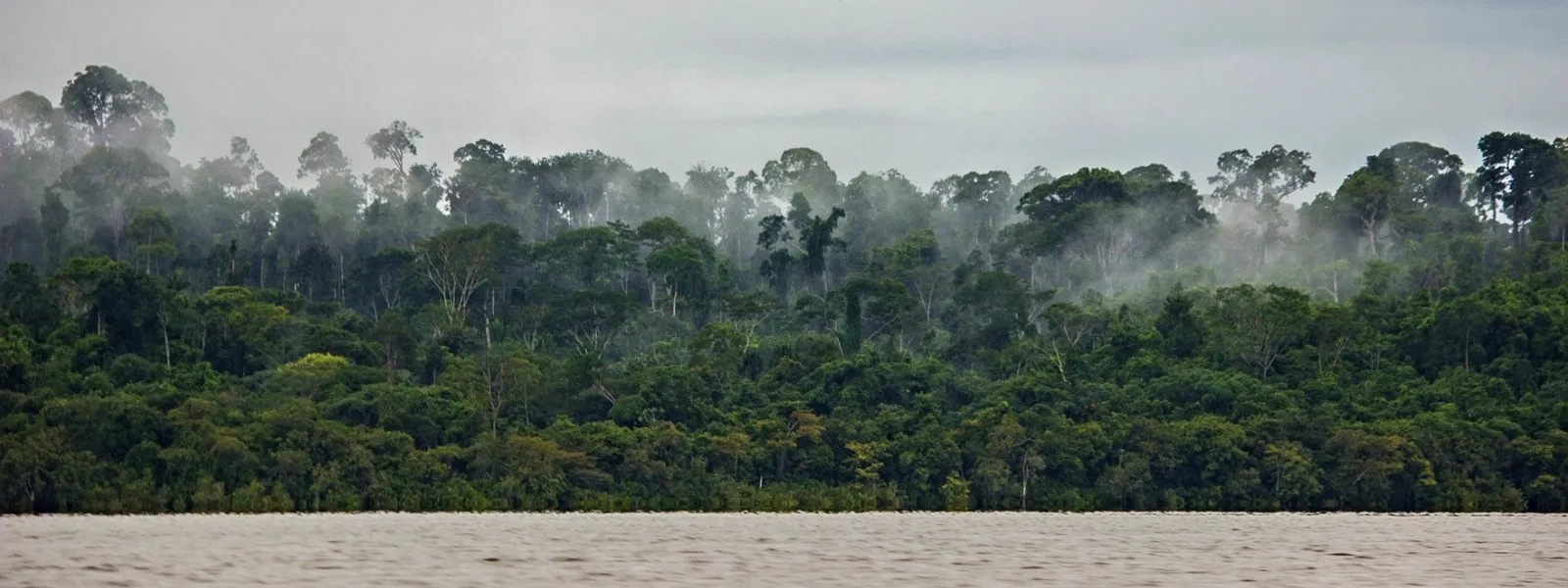
Project
Amazon Watch / Maíra Irigaray
The Belo Monte Dam on the Xingu River: 10 years of impacts in the Amazon and the search for reparations
The Belo Monte Dam has caused an environmental and social disaster in the heart of the Amazon—one of the most important ecosystems on the planet.
This situation has only worsened since the hydroelectric plant began operations in 2016. The quest for justice and reparations by the affected indigenous, fishing, and riverine communities continues to this day.
In 2011, the Inter-American Commission on Human Rights (IACHR) granted them protective measures that, to date, have not been fully implemented by the Brazilian State.
Furthermore, since June of that same year, the IACHR has yet to rule on a complaint against the State regarding its international responsibility in the case.
The IACHR may refer the case to the Inter-American Court of Human Rights, which has the authority to issue a ruling condemning the Brazilian State.
After 10 years of the hydroelectric plant's operation and more than 15 years of documented human rights violations, it is time for justice to be served for the affected communities.
Read the open letter from the organizations bringing the case before the IACHR
Background
The Belo Monte hydroelectric plant—the fourth largest in the world by installed capacity (11,233 MW)—was built on the Xingu River in Pará, a state in northern Brazil.
It was inaugurated on May 5, 2016, with a single turbine. At that time, 80% of the river’s course was diverted, flooding 516 km² of land—an area larger than the city of Chicago. Of that area, 400 km² was native forest. The dam began operating at full capacity in November 2019.
Belo Monte was built and is operated by the Norte Energia S.A. consortium, which is composed primarily of state-owned companies. It was financed by the Brazilian Development Bank (BNDES), which provided the consortium with 25.4 billion reais (approximately US$10.16 billion), the largest investment in the bank’s history. Therefore, the BNDES is also legally responsible for the socio-environmental impacts associated with the hydroelectric plant.
Decades of harm to the environment and people
Human rights violations and degradation of the Amazon have been occurring since the project’s inception. In March 2011, Norte Energía began construction of the dam without adequate consultation and without the prior, free, and informed consent of the affected communities.
The construction caused the forced displacement of more than 40,000 people, severing social and cultural ties. The resettlement plan in Altamira—a city directly affected by the hydroelectric dam—involved housing units located on the outskirts, lacking adequate public services and decent living conditions for the relocated families, with no special provisions for those from indigenous communities.
Belo Monte's operations have caused a permanent, man-made drought in the Volta Grande (or "Great Bend") of the Xingu River, exacerbated by the historic droughts in the Amazon in 2023 and 2024. As a result, the deaths of millions of fish eggs were documented for four consecutive years (from 2021 to 2024), and for the past three years, there has been no upstream migration of fish to spawn and reproduce. Thus, artisanal fishing, the main source of protein for indigenous peoples and riverside communities, was severely affected: fish dropped from 50% to 30% of total protein consumed, replaced by processed foods. In summary, there was an environmental and humanitarian collapse that resulted in the breakdown of fishing as a traditional way of life, food insecurity, and access to drinking water for thousands of families, impoverishment, and disease.
Furthermore, the construction of the dam increased deforestation and intensified illegal logging and insecurity on indigenous and tribal lands, putting the survival of these communities at risk. Another consequence was the deepening of poverty and social conflicts, as well as the strain on health, education, and public safety systems in Altamira—a city ranked as the most violent in the country in 2017, where human trafficking and sexual violence increased. Violence was also reported against human rights defenders involved in the case.
In 2025, during the 30th UN Climate Change Conference (COP30), held in Brazil, the Federal Public Prosecutor’s Office labeled the damage caused by the Belo Monte dam as ecocide.
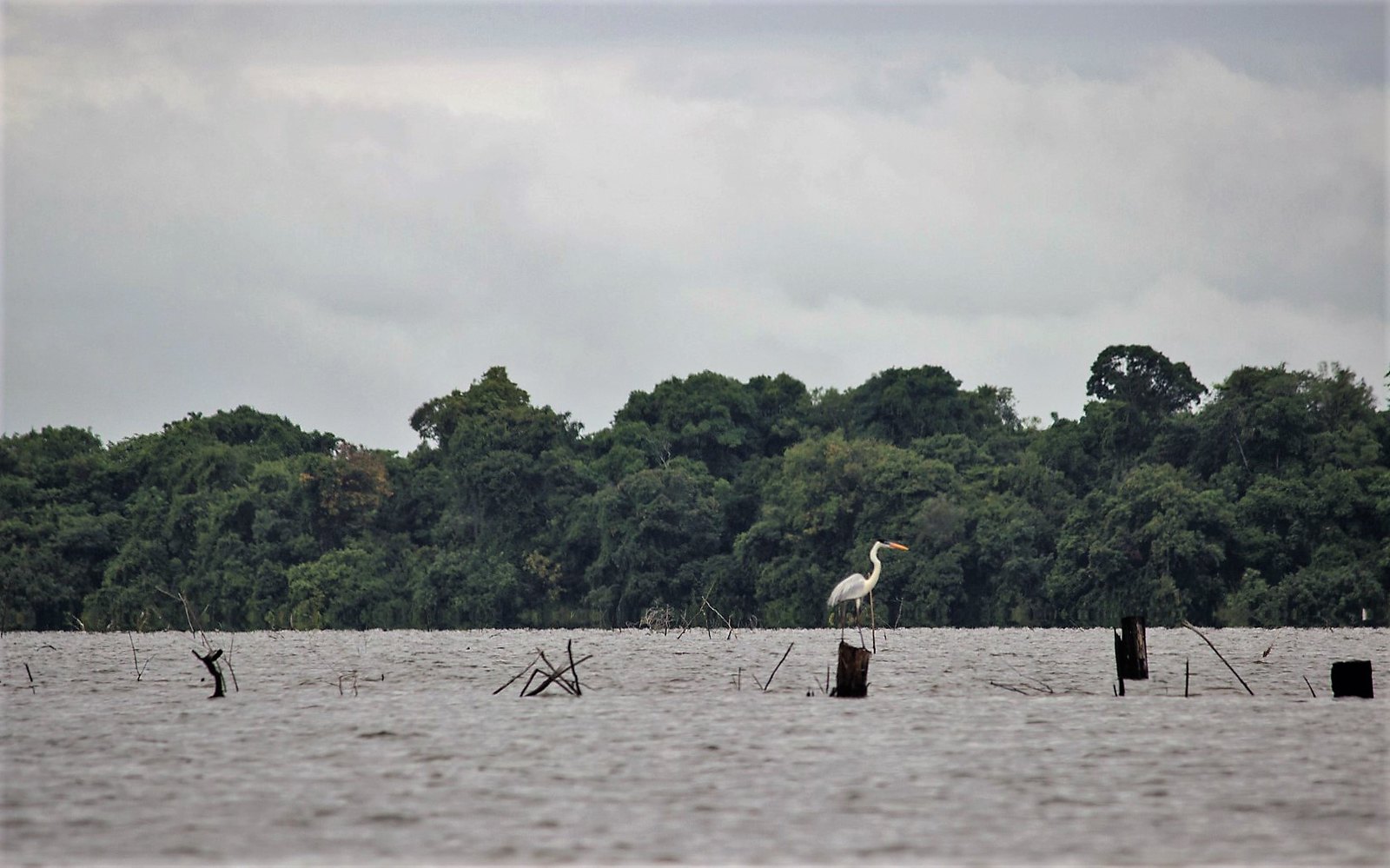
Photo: Amazon Watch / Maíra Irigaray.
The search for justice and reparations
Over the years, the Federal Public Prosecutor’s Office in Pará, the Public Defender’s Office, and civil society organizations have filed dozens of legal actions in Brazilian courts to challenge the project’s various irregularities and its impacts. Most of the claims are still pending resolution, some for more than 10 years.
These efforts have failed because the national government has repeatedly overturned rulings in favor of the affected communities by invoking a mechanism that allowed a court president to suspend a judicial decision based solely on generic arguments such as "the national interest" or "economic order."
In the absence of effective responses at the national level, AIDA, together with a coalition of partner organizations, brought the case before the Inter-American Commission on Human Rights (IACHR) and, in 2010, requested precautionary measures to protect the lives, safety, and health of the affected indigenous communities.
On April 1, 2011, the IACHR granted these measures and requested that the Brazilian government suspend environmental permits and any construction work until the conditions related to prior consultation and the protection of the health and safety of the communities are met.
And on June 16, 2011 —together with the Xingu Vivo Para Sempre Movement, the Coordinating Committee of Indigenous Organizations of the Brazilian Amazon, the Diocese of Altamira, the Indigenous Missionary Council, the Pará Society for the Defense of Human Rights and Global Justice— we filed a formal complaint against the Brazilian State for its international responsibility in the violation of the human rights of the people affected in the case. The case was opened for processing in December 2015.
On August 3, 2011, the IACHR amended the precautionary measures to request, instead of the suspension of permits and construction, the protection of people living in voluntary isolation, the health of indigenous communities, and the regularization and protection of ancestral lands.
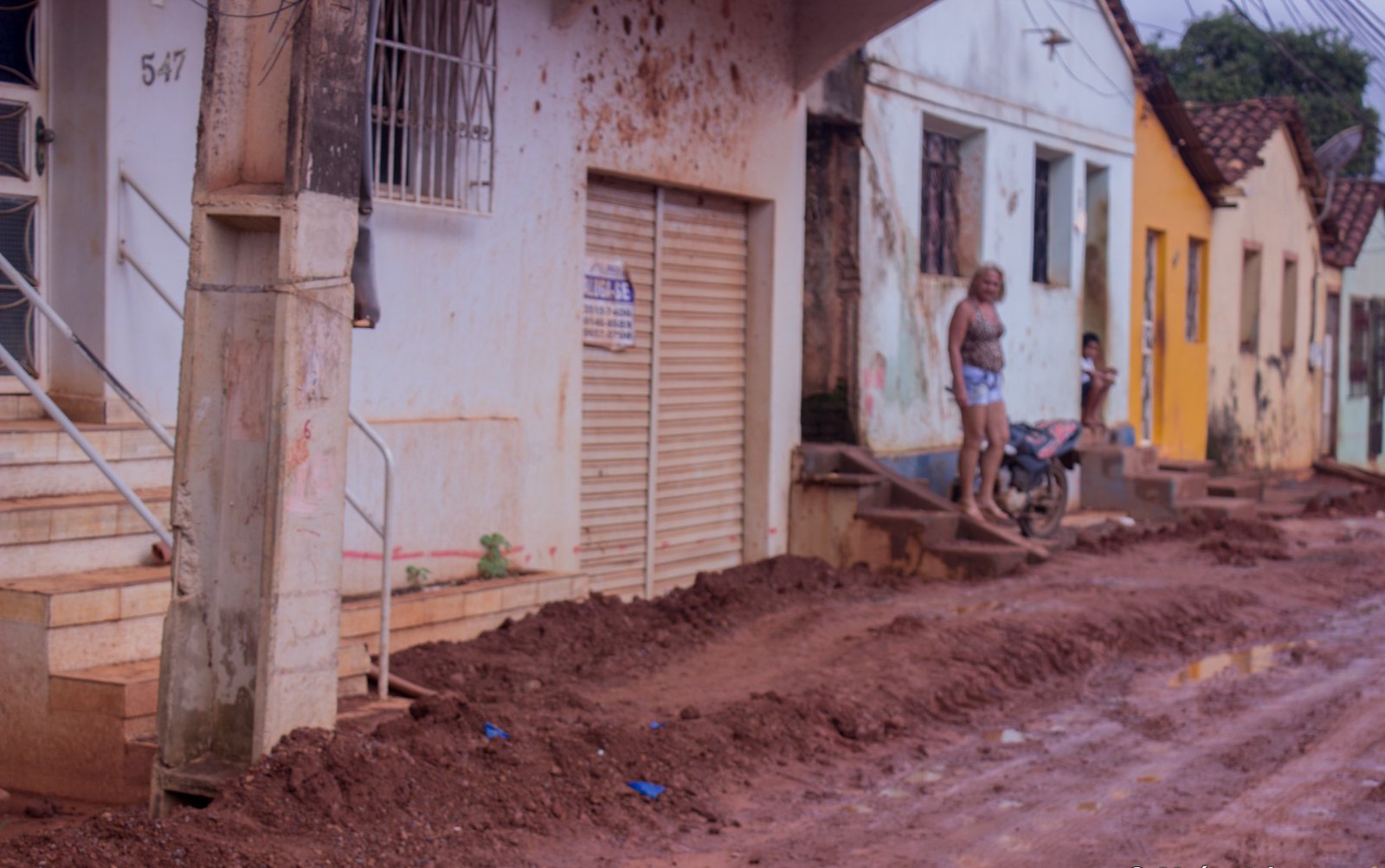
Photo: Amazon Watch / Maíra Irigaray.
Current situation
The protective measures granted by the IACHR remain in effect, but the Brazilian government has not fully complied with them, reporting only on general actions. The communities have documented the ongoing violations of their rights. The situation that prompted the request for these measures—the risk to the lives, physical integrity, and ways of life of the communities—persists and has worsened with the hydroelectric plant operating at full capacity and the recent extreme droughts in the Amazon.
In addition to the impacts of Belo Monte, there is a risk of further social and environmental impacts from the implementation of another mining megaproject in the Volta Grande do Xingu. There, the Canadian company Belo Sun plans to build Brazil’s largest open-pit gold mine.
The combined and cumulative impacts of the dam and the mine were not assessed. The government excluded Indigenous peoples, riverine and peasant communities from the project’s environmental permitting process. Despite protests by Indigenous communities and other irregularities surrounding the project, the government of Pará formally authorized the mine in April 2026.
Like other hydroelectric dams, Belo Monte exacerbates the climate emergency by generating greenhouse gas emissions in its reservoir. And it is inefficient amid the longer, more intense droughts caused by the crisis, as it loses its ability to generate power.
The case before the Inter-American Commission
In October 2017, the IACHR announced that it would rule jointly on the admissibility (whether the case meets the requirements for admission) and the merits (whether a human rights violation actually occurred) of the international complaint against the Brazilian State.
Fifteen years after the complaint was filed, the affected communities and the organizations representing them are still awaiting this decision. If the IACHR concludes that human rights violations occurred and issues recommendations that the Brazilian State fails to comply with, it may refer the case to the Inter-American Court of Human Rights, whose rulings are binding.
A potential ruling by the international court in this case would set a regional legal precedent regarding the rights of indigenous and riverine peoples, public participation in megaprojects, and state responsibility in the context of the climate crisis—a precedent that is particularly relevant in light of the Court’s Advisory Opinion No. 32, which reaffirmed the obligations of States to protect the people and communities of the continent from the climate emergency.
Partners:
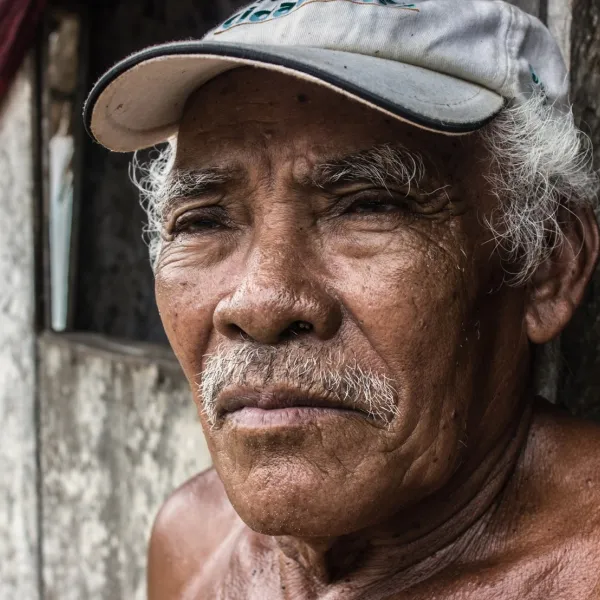
Related projects

5 reasons to end coal extraction and use
The use of coal to generate energy began two thousand years ago. Today, its role as a fuel must come to an end: the negative impacts of its exploitation and use far outweigh the benefits. The solution to the climate crisis lies, in large part, in ending dependence on coal. Across the region, we’re seeing a growth in coal projects that conflicts with global emissions reduction targets. In a post-pandemic context, nations must commit to an economic recovery that keeps coal in the ground. As governments and companies across Latin America continue to promote the industry and ignore the true costs of coal, we’re offering them five reasons why the mining and burning of coal is a bad decision – economically, politically, environmentally, for human rights and the climate. 1. Coal is economically unviable due to the high costs of its impacts. The current production chain fails to consider the external costs derived from coal’s climate and environmental impacts, and social damages and it causes, which could double or even triple the price of electricity generated. For example, exporting a ton of coal from Colombia to Europe, the United States or Asia entails estimated external costs between $144.64 and $210.95 per ton, three times the market price of coal (which was $47.80 per ton in August 2019) (1). The exploitation and use of coal becomes economically unviable because the market price is not enough to cover the repair of the damage caused. The most serious aspect is that since the companies in the industry do not assume these costs, they are left in the hands of States, communities and ecosystems. 2. Coal projects create unemployment Arguments that coal mining stimulates development wherever it is carried out are a myth. The pollution created by coal mining impacts the health of the people exposed to it, affecting their work effectiveness and putting them at a disadvantage in accessing other work options. This results in up an unemployment rate of up to 40 percent in populations located near coalmines. In addition, the non-conventional renewable energy industry currently employs many more people than the coal industry. According to the International Renewable Energy Agency, that industry generated 11 million jobs worldwide in 2018, while the 10 countries with the most coal-dependent labor sources only generate approximately 225 thousand jobs. According to UN estimates, switching to renewable energies could generate up to 35 million additional jobs between 2020 and 2050. 3. Investing in coal is increasingly risky Both banks and insurance companies are ceasing to invest in the coal sector because of its high costs, high risks and low profitability. Today, 26 of the world's 35 largest banks have policies restricting financing for projects related to coal mining or coal-fired power generation. In fact, a group of OECD countries recently announced that they will end financial support for coal-fired power plants. Similarly, at least 18 of the world's largest insurance companies have decided to restrict activities linked to the coal industry. This shows that, thanks to public pressure, the industry is being de-financed and its market is no longer insurable. 4. Coal use aggravates the global climate crisis The extraction and burning of coal aggravates the climate crisis and causes vast human rights impacts: among them floods that displace residents, fires that destroy villages and ecosystems, and droughts that destroy crops. According to the Intergovernmental Panel on Climate Change, coal is responsible for 44 percent of carbon dioxide (C02) emissions from fossil fuels. Just nine countries are responsible for 85 percent of global emissions from its combustion. Coal mining also emits methane, a gas with 67 times more power than CO2 to warm the planet over a 20-year period and whose emissions are responsible for about 25 percent of global warming. Building new coal-fired power plants implies catastrophic climate change. This is why the UN proposed urgently accelerating the decarbonization of all aspects of the economy. To stay on track toward limited warming just 1.5°C by 2050, 90 percent of coal must remain in the ground. 5. Coal mining and use violate essential human rights, such as health. The entire cycle of coal—from its extraction, transport and export, to its burning or combustion—causes irreversible damage to people. One of the main impacts of coal mining is the degradation of air quality, which in turn violates the rights to health, life and a healthy environment, generating high rates of morbidity and mortality. The damages caused by coal mining include pneumoconiosis (black lung), known as "the miner's disease", which considerably reduces the life expectancy of those who work in mines and the surrounding communities, where children are the most affected. Likewise, pollutant emissions from coal-fired power plants are mainly responsible for the formation of microscopic particles (PM10 and PM2.5) capable of penetrating the respiratory and blood systems, increasing the rates of serious diseases such as lung cancer, and causing premature deaths. These five reasons are at the same time arguments for the decarbonization of Latin America's energy matrix. The region can and should direct its efforts towards a matrix based on non-conventional renewable energies that are environmentally friendly, people-friendly and sustainable over time. For more information, see our report Carbón, un combustible condenado al entierro. El final de una era y la promesa de una transición justa. (1) Precios actualizados a 2019 tomados de Cardoso A. Behind the life cycle of coal: Socio-environmental liabilities of coalmining in Cesar, Colombia. Ecological Economics 120 (2015) 71- 82, y Cardoso A., Santamaria R,. Peñalver L. (2019). Thetrue cost of coal in Colombia.
Read more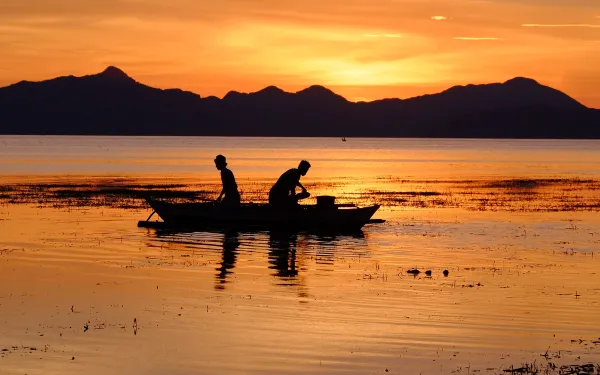
Latin American fisheries are at risk
By Magie Rodríguez (AIDA) and Ernesto Fernández Monge (The Pew Charitable Trusts) Fishing is fundamental to the Latin American economy and, for of our region’s people, their way of life. It’s a centuries-old industry at risk. According to the Food and Agriculture Organization of the United Nations, the region produces 21.5 million metric tons of fish each year, a quarter of the world's annual production. Roughly 2.3 million people are involved in fishing activities. However, the industry is losing out to aggressive foreign fleets, mostly from Europe and Asia, fishing within Latin America's exclusive economic zones (EEZs) and in areas just outside them. Unlike domestic vessels, these fleets often benefit from substantial funding from their home governments, which allows them to fish outside their own countries' waters. These fishing subsidies, intended to increase capacity, are harmful. They pay for fuel and other expenses, artificially reduce the cost of fishing, and allow fleets to fish in areas where it would otherwise be unprofitable to do so. After more than two decades of talks, the 164 member governments of the World Trade Organization (WTO) are closer than ever to agreeing on a new globally binding treaty that would curb harmful subsidies that allow fleets to fish both in other countries' waters and on the high seas. Fishing offshore, on the periphery of another nation's waters, can harm a country's fisheries in part because it allows foreign vessels to catch migratory species, such as tuna or billfish, before they enter the EEZ. As trade ministers prepare to meet in Geneva for a WTO ministerial conference June 12-15, Latin American leaders must push for a fisheries subsidies agreement that will help their countries' fishermen better compete with foreign fleets. To do so, the agreement should eliminate all capacity-enhancing subsidies that prop up so-called distant-water fishing and allow more fishing than the market would otherwise sustain. Each year, governments around the world dole out $22 billion in harmful subsidies to fisheries and, of that amount, nearly two-thirds comes from just six countries and the European Union. About one-third of that amount, $7.2 billion, is targeted to help countries fish in other nations' EEZs and offshore at the edge of those territorial waters, according to a new research-based tool developed by scientists at the University of California, Santa Barbara, with funding from The Pew Charitable Trusts. The increase in distant-water fishing is driven by a sad reality: having depleted fish stocks in their own waters, major fishing nations are looking elsewhere to fill their nets. Ecuador's Galapagos Islands made headlines last year when research revealed that in just one month, 300 Chinese vessels spent 73 thousand hours fishing off the EEZ surrounding the Galapagos. In addition, the tool shows that, for example, 180 vessels from just four countries (China, South Korea, Chinese Taipei and Spain) spent a total of 84 thousand hours fishing in Argentina's EEZ in 2018. That's the equivalent of 9.6 years on the water. That undertaking was made possible by nearly $92 million in harmful subsidies. Encouragingly, leaders across the region have long supported reducing subsidies in distant waters: Argentina, Chile and Uruguay co-sponsored a WTO proposal in 2019 to ban such subsidies and, in July 2021, Uruguay's foreign minister stated that such a ban would have "enormous potential to have a significant impact on the state of the oceans and the livelihoods of fishing communities." However, major fishing nations are seeking to water down the text of the potential WTO agreement so that they can continue fishing in other countries' waters. That’s why Latin American trade ministers must continue to push for the elimination of subsidies in distant waters, helping to ensure that fish from their waters primarily reach their vessels, restore competitive advantage to the region's fishermen, and sustain a vital industry—and livelihood—across the continent.
Read more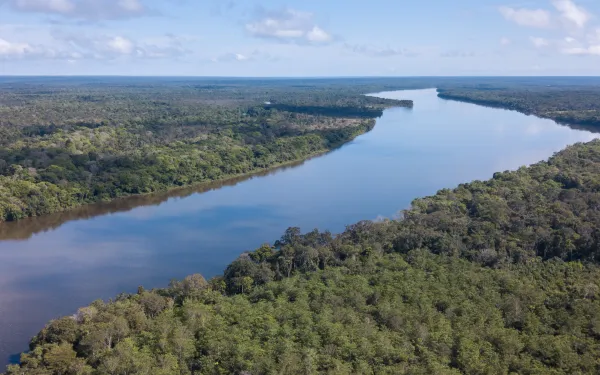
Court ruling may approve licensing for Belo Sun's mining project in the Amazon
Environmental licensing for the largest open-pit gold mine project in Brazil has been challenged by eight lawsuits exposing flaws in environmental impact studies. A possible decision in favor of Belo Sun may set a precedent that illegally restricts consultation of traditional peoples and sanctions human rights violations. Altamira (Pará), April 22, 2022 — On Monday, April 25, the Regional Federal Court of the 1st Region (TRF1) will rule on two decisive cases that could pave the way for the beginning of the project by Canadian mining company Belo Sun in Pará, in the Brazilian Amazon. The company plans to build the largest open-pit gold mine in Brazil, at Volta Grande do Xingu, one of the most biodiverse sites in the world and a region that has already suffered the impacts of the Belo Monte dam and hydroelectric plant. In 2017, the Regional Federal Court of the 1st Region (TRF1) revoked a second license granted by the state of Pará for the installation of the project, prompting the mining company to undergo a process of prior consultation with affected Indigenous peoples, in accordance with Convention 169 of the International Labor Organization (ILO). The Court also required the company to prepare an Indigenous Component Study (ECI) within the parameters required by Funai (Brazilian National Indigenous Foundation), on the impacts of the project on Indigenous peoples. At the hearing on April25, 2022, the court will revisit the case. Belo Sun claims it has complied with the requirements, but the Federal Prosecution Office (MPF) is contesting this assertion. The Prosecution Office says that Belo Sun performed no actual consultation with affected populations, and that the ECI study is flawed — researchers have considered the project to be environmentally unfeasible, with a high likelihood of dam failure. The Prosecution Office's claims are based on a report published in February by researchers from the Observatory of Community Protocols of Consultation and Prior, Free and Informed Consent, at the request of the Prosecution Office itself. “If the TRF-1 upholds Belo Sun's request, we will be facing a dangerous precedent, which illegally restricts the content of the consultation provided for in Articles 6, 15, and 16 of Convention 169 of the International Labor Organization (ILO), and sanctions the violation of the human rights of Indigenous peoples and traditional communities in Volta Grande do Xingu. Such decision would legitimize the lawless actions undertaken by Belo Sun and would open the doors to the exploration of the newest gold frontier in the Amazon, which, if made possible, will surely drive the ecocide and systematic destruction of the already-fragile region of Volta Grande,” declares Ana Carolina Alfinito, legal advisor at Amazon Watch, an organization that is part of the Volta Grande do Xingu Alliance. Belo Sun’s Volta Grande Project would affect multiple Indigenous peoples, including the Jurunas of the Paquiçamba Indigenous Land, the Araras of the Arara da Volta Grande Indigenous Territory, the isolated peoples of the Ituna-Itatá Indigenous Territory, and “desaldeados”—Indigenous groups who traditionally occupy territories that haven’t yet been formally demarcated by the Brazilian government. These groups inhabit territories very close to the site the project would occupy. Such is the case of the population that lives on Ilha da Fazenda, Ressaca, and Galo, in addition to the communities of São Francisco (Juruna), Iawa (Kuruaya), Jericoá II (Xipaia), Kanipá (Xipaia), and Kaniamã (Xipaia). The São Francisco community, for example, is located only 600 meters from the project area, so it would suffer serious and direct impacts, which makes its exclusion from the impact assessment and consultation process even more serious. According to the document from the Prosecution Office, Belo Sun only collected testimonies from the affected communities, leaving no room for Indigenous people to express their views and influence the project, as should occur in an effective consultation process. The report also suggests that the mining company is attempting to classify meetings with the desaldeado communities as consultations—although the company’s initial and expressed goal was merely to collect information. There are no records that Indigenous people who attended these meetings were informed that they were attending a prior consultation process for deliberation on the gold mine. A 2012 ruling by the Inter-American Court of Human Rights upholds that consultations must take place “at all stages of planning and from the earliest phases.” The same ruling by the Court determined that prior consultation is a responsibility of the government, which cannot be delegated to private companies, “much less to those interested in extracting the resources. There are records of meetings in which only representatives of Belo Sun and some of the Indigenous communities participated, without the presence of governmental agencies,” the Observatory's report points out. In a statement to Repórter Brasil, Lorena Kuruaya says that the Iawá community, made up of members of the Xipaia and Kuruaia peoples and one of those affected by Belo Sun’s project, sent several consultation requests to Funai but got no response. “We need to know about the project, about explosions and the use of cyanide, because we fear what happened in Brumadinho and Mariana. To date, we have been treated as if we were invisible in the consultation process,” reads a letter from 2020 signed by community members. In another joint communiqué, according to Repórter Brasil, residents of Iawá and the Kanipá, Jericoá I, and Jericoá II communities informed Funai that none of them had been “sought, consulted, let alone informed” about the implications of the project, and requested mediation from the agency so the mining company could present explanations, execution plans, and potential environmental impacts. “A decision in favor of Belo Sun means that the Brazilian government, as in the case of Belo Monte, will once again side with big companies, completely ignoring the socio-environmental impacts that will result from this project,” points out lawyer Marcella Ribeiro, from the Human Rights program of AIDA (Inter-American Association for Environmental Defense). “The polygons under scrutiny go beyond the river area and extend to Indigenous regions. Within a few years we will likely see gold exploration in adjoining areas. And if Bill 191 is approved, these Indigenous lands will become a large mine,” she proclaims. Failures and impacts of Belo Sun’s project According to experts, the Belo Sun mining project in Volta Grande do Xingu has serious structural flaws which were not clearly presented to the impacted communities during the consultation process. Environmental impact studies carried out by the mining company disregard both the potential seismic impacts on the tailings dam that needs to be built and the cumulative impacts it would cause along with the dam of the Belo Monte plant. The dam designed for the mine would be similar in size to the Vale dam that collapsed in Mariana in 2015, causing Brazil's biggest environmental disaster. A report by an expert in geology and mining, Dr. Steven H. Emerman, claims that at least nine million cubic meters of toxic mining waste could reach the Xingu River and travel more than 40 kilometers in two hours, causing irreversible damage. These tailings could contain highly toxic metals, such as cyanide, arsenic, and mercury, which could lead to ecocide of the Xingu River. Furthermore, Belo Sun’s project is only ten kilometers from the main dam on the Xingu River, built for the Belo Monte hydroelectric power plant. The exploration conducted by the mining company expects explosions 24 hours a day to extract gold from the earth, for at least 12 years. There is a risk that the explosions will impact the stability of the Belo Monte dam, as well as that of the Volta Grande project, something that has not been considered until now. Belo Monte itself, in a recent statement, warned of the risks of implementing a minint megaproject in the area. Other studies point to impacts such as changes in the reproductive cycle of fauna, deforestation and/or burning, pollution of water resources, and soil contamination. Volta Grande do Xingu Alliance This is a communiqué by the Volta Grande do Xingu Alliance, which includes organizations and social movements from Brazil and the world. The Alliance supports the defense of life and dignity in the Volta Grande do Xingu region and its permanent protection against infrastructure projects such as the Belo Monte hydroelectric plant and Belo Sun’s mine. The Alliance comprises: AIDA, Amazon Watch, Earthworks, International Rivers, Instituto Socioambiental – ISA, Mining Watch, Movimento Xingu Vivo para Sempre, and Rede Xingu+.
Read more