
Project
Amazon Watch / Maíra Irigaray
The Belo Monte Dam on the Xingu River: 10 years of impacts in the Amazon and the search for reparations
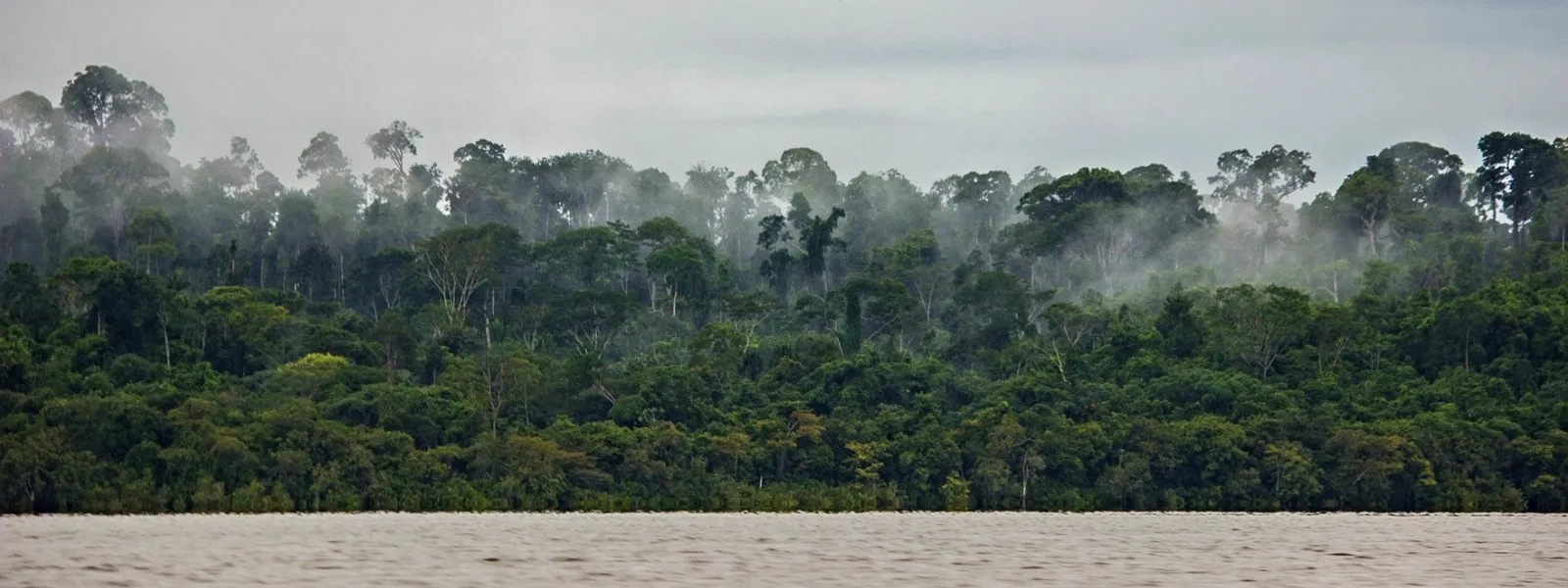
The Belo Monte Dam has caused an environmental and social disaster in the heart of the Amazon—one of the most important ecosystems on the planet.
This situation has only worsened since the hydroelectric plant began operations in 2016. The quest for justice and reparations by the affected indigenous, fishing, and riverine communities continues to this day.
In 2011, the Inter-American Commission on Human Rights (IACHR) granted them protective measures that, to date, have not been fully implemented by the Brazilian State.
Furthermore, since June of that same year, the IACHR has yet to rule on a complaint against the State regarding its international responsibility in the case.
The IACHR may refer the case to the Inter-American Court of Human Rights, which has the authority to issue a ruling condemning the Brazilian State.
After 10 years of the hydroelectric plant's operation and more than 15 years of documented human rights violations, it is time for justice to be served for the affected communities.
Read the open letter from the organizations bringing the case before the IACHR
Background
The Belo Monte hydroelectric plant—the fourth largest in the world by installed capacity (11,233 MW)—was built on the Xingu River in Pará, a state in northern Brazil.
It was inaugurated on May 5, 2016, with a single turbine. At that time, 80% of the river’s course was diverted, flooding 516 km² of land—an area larger than the city of Chicago. Of that area, 400 km² was native forest. The dam began operating at full capacity in November 2019.
Belo Monte was built and is operated by the Norte Energia S.A. consortium, which is composed primarily of state-owned companies. It was financed by the Brazilian Development Bank (BNDES), which provided the consortium with 25.4 billion reais (approximately US$10.16 billion), the largest investment in the bank’s history. Therefore, the BNDES is also legally responsible for the socio-environmental impacts associated with the hydroelectric plant.
Decades of harm to the environment and people
Human rights violations and degradation of the Amazon have been occurring since the project’s inception. In March 2011, Norte Energía began construction of the dam without adequate consultation and without the prior, free, and informed consent of the affected communities.
The construction caused the forced displacement of more than 40,000 people, severing social and cultural ties. The resettlement plan in Altamira—a city directly affected by the hydroelectric dam—involved housing units located on the outskirts, lacking adequate public services and decent living conditions for the relocated families, with no special provisions for those from indigenous communities.
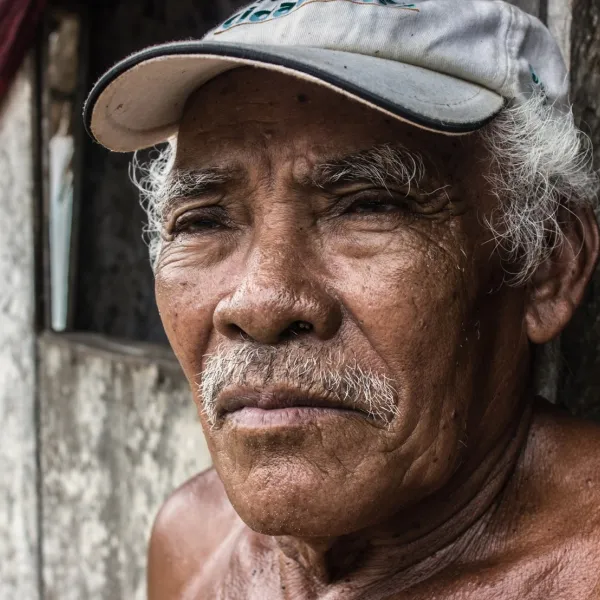
Belo Monte's operations have caused a permanent, man-made drought in the Volta Grande (or "Great Bend") of the Xingu River, exacerbated by the historic droughts in the Amazon in 2023 and 2024. As a result, the deaths of millions of fish eggs were documented for four consecutive years (from 2021 to 2024), and for the past three years, there has been no upstream migration of fish to spawn and reproduce. Thus, artisanal fishing, the main source of protein for indigenous peoples and riverside communities, was severely affected: fish dropped from 50% to 30% of total protein consumed, replaced by processed foods. In summary, there was an environmental and humanitarian collapse that resulted in the breakdown of fishing as a traditional way of life, food insecurity, and access to drinking water for thousands of families, impoverishment, and disease.
Furthermore, the construction of the dam increased deforestation and intensified illegal logging and insecurity on indigenous and tribal lands, putting the survival of these communities at risk. Another consequence was the deepening of poverty and social conflicts, as well as the strain on health, education, and public safety systems in Altamira—a city ranked as the most violent in the country in 2017, where human trafficking and sexual violence increased. Violence was also reported against human rights defenders involved in the case.
In 2025, during the 30th UN Climate Change Conference (COP30), held in Brazil, the Federal Public Prosecutor’s Office labeled the damage caused by the Belo Monte dam as ecocide.
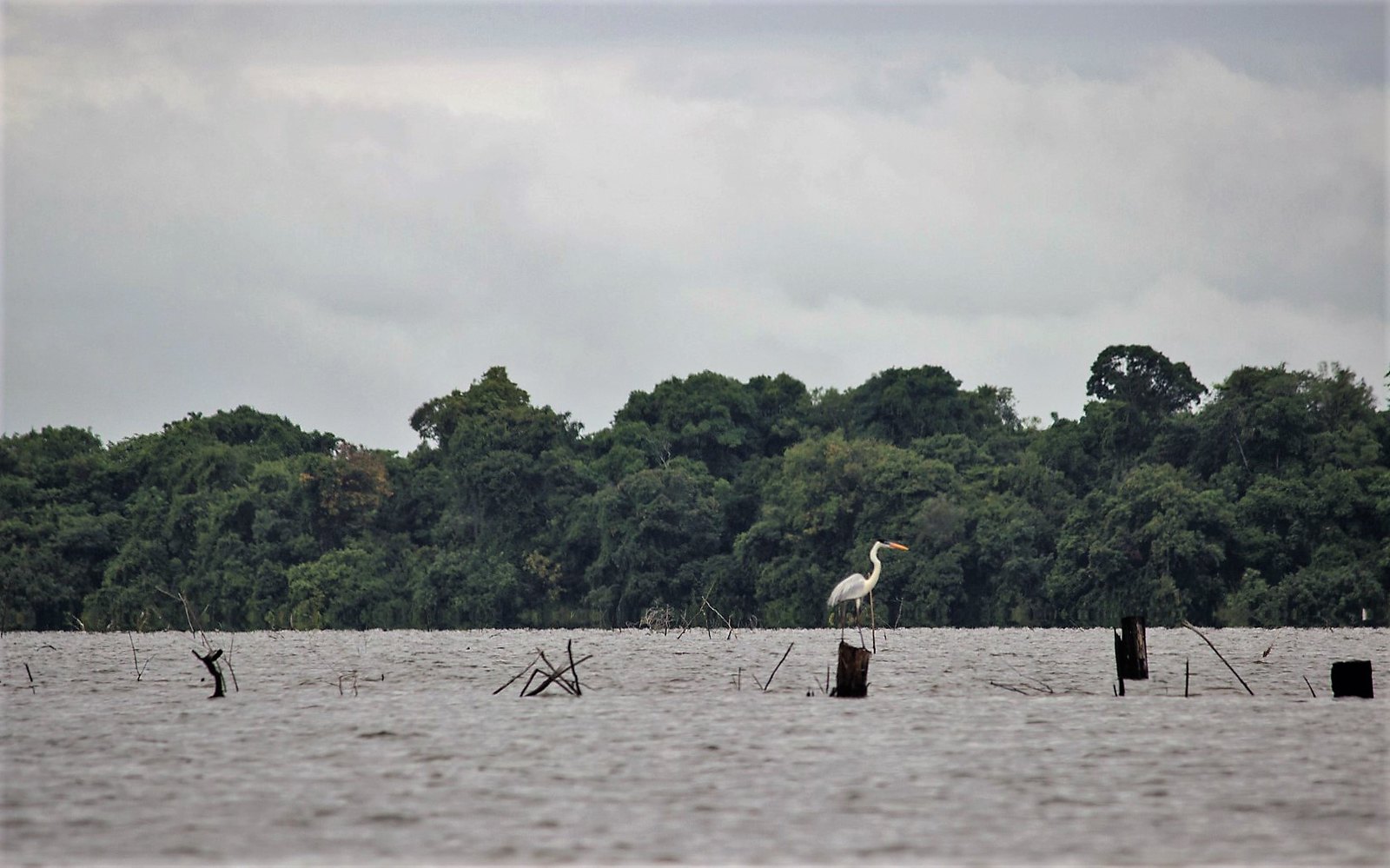
Photo: Amazon Watch / Maíra Irigaray.
The search for justice and reparations
Over the years, the Federal Public Prosecutor’s Office in Pará, the Public Defender’s Office, and civil society organizations have filed dozens of legal actions in Brazilian courts to challenge the project’s various irregularities and its impacts. Most of the claims are still pending resolution, some for more than 10 years.
These efforts have failed because the national government has repeatedly overturned rulings in favor of the affected communities by invoking a mechanism that allowed a court president to suspend a judicial decision based solely on generic arguments such as "the national interest" or "economic order."
In the absence of effective responses at the national level, AIDA, together with a coalition of partner organizations, brought the case before the Inter-American Commission on Human Rights (IACHR) and, in 2010, requested precautionary measures to protect the lives, safety, and health of the affected indigenous communities.
On April 1, 2011, the IACHR granted these measures and requested that the Brazilian government suspend environmental permits and any construction work until the conditions related to prior consultation and the protection of the health and safety of the communities are met.
And on June 16, 2011 —together with the Xingu Vivo Para Sempre Movement, the Coordinating Committee of Indigenous Organizations of the Brazilian Amazon, the Diocese of Altamira, the Indigenous Missionary Council, the Pará Society for the Defense of Human Rights and Global Justice— we filed a formal complaint against the Brazilian State for its international responsibility in the violation of the human rights of the people affected in the case. The case was opened for processing in December 2015.
On August 3, 2011, the IACHR amended the precautionary measures to request, instead of the suspension of permits and construction, the protection of people living in voluntary isolation, the health of indigenous communities, and the regularization and protection of ancestral lands.
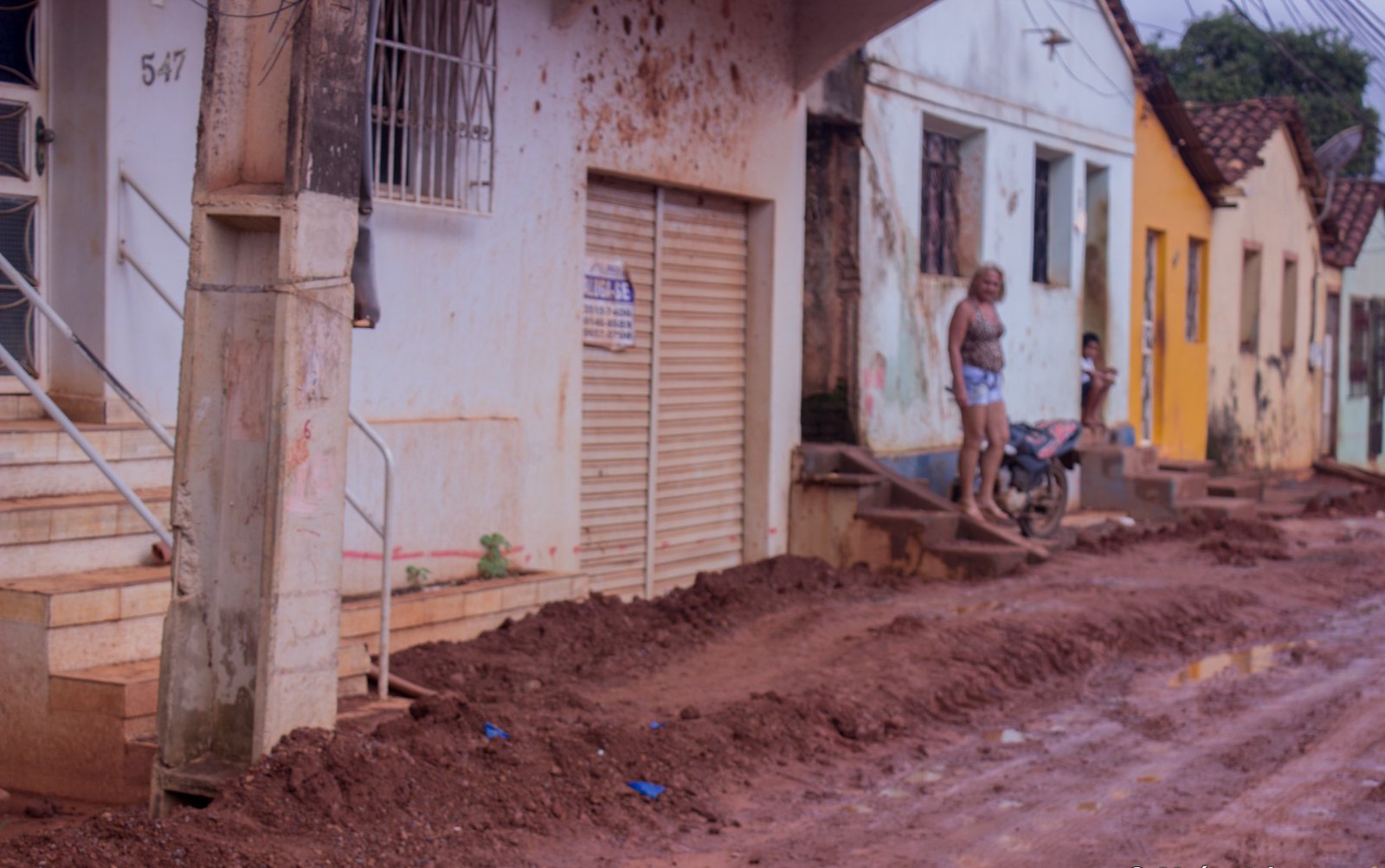
Photo: Amazon Watch / Maíra Irigaray.
Current situation
The protective measures granted by the IACHR remain in effect, but the Brazilian government has not fully complied with them, reporting only on general actions. The communities have documented the ongoing violations of their rights. The situation that prompted the request for these measures—the risk to the lives, physical integrity, and ways of life of the communities—persists and has worsened with the hydroelectric plant operating at full capacity and the recent extreme droughts in the Amazon.
In addition to the impacts of Belo Monte, there is a risk of further social and environmental impacts from the implementation of another mining megaproject in the Volta Grande do Xingu. There, the Canadian company Belo Sun plans to build Brazil’s largest open-pit gold mine.
The combined and cumulative impacts of the dam and the mine were not assessed. The government excluded Indigenous peoples, riverine and peasant communities from the project’s environmental permitting process. Despite protests by Indigenous communities and other irregularities surrounding the project, the government of Pará formally authorized the mine in April 2026.
Like other hydroelectric dams, Belo Monte exacerbates the climate emergency by generating greenhouse gas emissions in its reservoir. And it is inefficient amid the longer, more intense droughts caused by the crisis, as it loses its ability to generate power.
The case before the Inter-American Commission
In October 2017, the IACHR announced that it would rule jointly on the admissibility (whether the case meets the requirements for admission) and the merits (whether a human rights violation actually occurred) of the international complaint against the Brazilian State.
Fifteen years after the complaint was filed, the affected communities and the organizations representing them are still awaiting this decision. If the IACHR concludes that human rights violations occurred and issues recommendations that the Brazilian State fails to comply with, it may refer the case to the Inter-American Court of Human Rights, whose rulings are binding.
A potential ruling by the international court in this case would set a regional legal precedent regarding the rights of indigenous and riverine peoples, public participation in megaprojects, and state responsibility in the context of the climate crisis—a precedent that is particularly relevant in light of the Court’s Advisory Opinion No. 32, which reaffirmed the obligations of States to protect the people and communities of the continent from the climate emergency.
Partners:
Related projects
Peru’s Constitutional Court to hear case on Amazonian oil spills
The Court expects to resolve an amparo that communities of the Peruvian Amazon filed requesting the maintenance of the Norperuvian oil pipeline to prevent further spills. The lawsuit was supported with arguments on the international obligations of the Peruvian State to guarantee the rights to a dignified life and a healthy environment, among others. Lima, Peru. The Constitutional Court can stop the oil spills in the Peruvian Amazon and, with them, the systematic violation of the fundamental human rights of the indigenous peoples who live there. On Thursday, March 4, the Court is scheduled to hear and resolve an amparo filed by community members from Quebrada de Cuninico, Urarinas district of Loreto province, demanding the maintenance of the Norperuano oil pipeline, which would prevent new spills. In 2014, due to a leak in the pipeline, 2,500 barrels of oil were spilled into the creek, which negatively impacted the health and natural environment of the native communities of San Francisco, Nueva Esperanza, Cuninico and Santa Rosa. The unconstitutional amparo, filed in June 2018 with support from the Instituto de Defensa Legal (IDL), seeks a final judicial decision requiring the state-owned company Petroperu to oversee and monitor the operations of the Norperuvian Pipeline, the longest in the country, as well as to maintain all its pipelines in safe working order to prevent further spills. "It is urgent that the Peruvian authorities put an end to this structural problem that has affected the Peruvian Amazon for decades," said Juan Carlos Ruiz, IDL's lawyer. Recently, the Interamerican Association for Environmental Defense (AIDA) presented an amicus brief supporting the communities’ demand, using international human rights law to outline the State’s obligation to guarantee the adoption of administrative, legal, political and cultural measures necessary to protect the rights to a dignified life and a healthy environment. "The Amazon is an indispensable ecosystem for conserving the planet's climate," said Liliana Avila, coordinator of AIDA's Human Rights and Environment Program. "In contexts of climate crisis, the protection of this ecosystem and the indigenous peoples who inhabit it is an urgent and vital mandate." The brief also highlights the toxicity of oil to the environment and the duties of the Peruvian State and Petroperu to guarantee the health and integrity of those most vulnerable to hazardous substances, such as children, women and traditional communities. "There is evidence that the oil spills in the Peruvian Amazon, which directly affect indigenous peoples, are mostly caused by the corrosion of pipelines," says Connie Espinoza, Regional Technical Coordinator of the All Eyes on the Amazon Program (TOA). "The volume spilled is so large that se are finding it impossible to attend to all the remediation needs derived from each and every spill." According to The Shadow of Oil, an OXFAM report, pipeline corrosion and operational failures caused 65 percent of the 474 spills that occurred in Amazonian oil lots and in the Norperuvian Pipeline between 2000 and 2019—which affected the territory of 41 indigenous peoples—, while third parties caused just 28 percent. Pipeline operators are responsible for the vast majority of spills. The document also shows that, of the 2,000 sites impacted and contaminated by oil activity in Block 192, only 32 were prioritized for remediation, and that the volume of contamination, on average, would fill 231 national soccer stadiums. The lack of maintenance of the Norperuvian oil pipeline gravely impacts the Peruvian Amazon and violates the fundamental rights of native communities to enjoy a balanced environment, health, physical integrity, natural resources, territory and other rights of constitutional importance. press contacts: Gerardo Saravia, IDL, +51 997 574 695, [email protected] Nora Sánchez, HIVOS, +593 99 821 5617, [email protected] Victor Quintanilla, AIDA, +521 5570522107, [email protected]
Read more
Reaffirming the legitimate protection of the right to a healthy environment
In December 2016, two women from Veracruz decided to defend the Veracruz Reef System in court. They sought to protect the largest coral ecosystem in the Gulf of Mexico from the expansion of the port of Veracruz, which would cause serious and irreversible impacts on the reef’s biodiversity and, by extension, the local population. Residents of the Veracruz metropolitan area, represented by the Centro Mexicano de Derecho Ambiental (CEMDA), filed an injunction against the project because its environmental permit resulted from a fragmented impact assessment that did not consider the full range of risks to the reefs. AIDA supported our partners at CEMDA by filing an amicus brief with detailed information on the important services the reefs provide: sequestering carbon, generating oxygen, producing food, and protecting coastal areas from storms and hurricanes, among others. In April 2017, the court that heard the case rejected the injunction and, with it, the request to suspend work on the port expansion. The court argued that the plaintiffs failed to demonstrate that the project had "a real and relevant impact" on their rights and that they lacked a "legitimate interest" in the case. Legitimate interest—also known as legal standing—refers to a person’s capacity to claim damages before a court of law, in any scope. In a traffic accident, for example, only you have the legitimate interest to claim the damages your vehicle may have suffered, which must be individual and quantifiable. However, in matters of environmental damage, the situation is more complex. The degradation of an ecosystem affects more than one person and even transcends generations. The residents of Veracruz appealed the judicial setback and their case arrived before Mexico’s highest court, the Supreme Court of Justice of the Nation. Given the lower court’s limitations in recognizing in its ruling the right of all people to equal access to justice in environmental matters, AIDA and Earthjustice filed a second legal brief before the Supreme Court, requesting an expansion of the requirements for legitimate interest. We provided legal and technical evidence regarding the human right to a healthy environment and access to justice, enshrined in international law. These rights mean that the Mexican government must ensure that anyone whose fundamental rights are threatened by environmental degradation has the possibility of achieving justice, regardless of whether their connection to the threatened ecosystem is indirect or remote. The Environmental Law Alliance Worldwide also contributed a brief that analyzes court decisions from various jurisdictions recognizing the right of any person, civil society organization, or local resident to file lawsuits against projects and decisions that may negatively affect the environment. Finally, on February 9, 2022, more than five years after the original lawsuit was filed, the residents of Veracruz won an important victory for the area’s reefs. In a unanimous decision, the Supreme Court found that government authorities violated the right to a healthy environment of the people of Veracruz by authorizing the port’s expansion. Since it was unopposed, the ruling creates a binding precedent for all courts of the nation. The Veracruz decision is a landmark ruling, valuable for not just Mexico but for the entire region because it: Ratifies that proximity to a project does not define who the affected people are or who can claim protection of their right to a healthy environment before the courts. Reaffirms that it is not necessary to prove quantifiable and individualized damage in order to have access to environmental justice; it is sufficient to demonstrate that a project or activity, by degrading an ecosystem, damages or threatens to cause damage (economic, social, cultural, health, etc.) to a community. Recognizes an expanded legitimate interest, as well as the collective nature of the right to a healthy environment and public participation in environmental assessment processes. Sets a precedent with the capacity to transform the way in which environmental impact assessments are carried out in Mexico, incorporating the principles of prevention and precaution. Points to Mexico's international obligations, including those acquired under the Regional Agreement on Access to Information, Public Participation and Access to Justice in Environmental Matters in Latin America and the Caribbean (Escazú Agreement). As an organization and individuals, we are celebrating this important step toward strengthening the defense of the right to a healthy environment in the region. We are proud to have contributed to this achievement, and hopeful that the implementation of the ruling will be carried out according to the highest standards.
Read more
Climate litigation in Latin America and the Caribbean: Launching a regional platform
By Maria Antonia Tigre, Florencia Ortúzar and Javier Dávalos* With the largest rainforest in the world, the largest freshwater reserves on the planet and the most significant amount of arable land where food is produced, the importance of Latin America and the Caribbean in the fight against climate change is undeniable. Unfortunately, however, the region is also highly vulnerable to the damaging effects of the climate crisis, despite not being significant emitters of greenhouse gasses. As a result, human and environmental rights are being threatened in a context where defenders are constantly at risk. Sadly, the region has been recognized as the most dangerous for environmental and human rights defenders. Strategic climate litigation has slowly grown in the region as a critical tool to complement the work for the defense of the environment, the territory, and the protection of the rights of peoples and communities. Litigating in the Global South and Latin America is different from litigating in the Global North, with particular challenges that must be addressed strategically. Cases in some of the most dangerous countries for environmental defenders might render them more vulnerable to attacks and threats. A lack of resources might leave plaintiffs, who bravely stand up for the cause, unprotected, and not only from violence but from subtler maladies, such as emotional stress or stigmatization. Another huge obstacle is the grave corruption that affects the region, which implies excessive power for extractive companies. Corruption is a widespread and deeply rooted phenomenon, especially in multimillion-dollar industries such as fossil fuels and extractivism. There’s a risk that companies or governments might co-opt academics, and proving and battling corruption is extremely difficult and dangerous. Finally, one of the most severe obstacles to making climate litigation effective in Latin America and the Caribbean is the difficulty litigators face when implementing favorable decisions. LAC presents some encouraging but at the same time alarming statistics around climate litigation. Although the vast majority of cases that have been resolved so far have had favorable decisions, the implementation of these has, so far, been unsatisfactory. There is much to be done on this front, including identifying administrative deficiencies of States that influence the difficulty of enforcing decisions; and considering, from the planning stage of cases, which remedies are sought and how implementation will be demanded. Despite these challenges, climate litigation is already showing the power it beholds in promoting change. In Peru, a group of young people sued the government for failing to formulate and execute a national policy and plan to curb deforestation in the Peruvian Amazon (Álvarez et al. v Peru). In Colombia, the Wayúu indigenous communities promoted an action to annul the environmental permit of a colossal coal mine (Mina Cerrejon). In Mexico, Greenpeace promoted an injunction to stop atmospheric pollution and improve air quality in the State of Mexico (Greenpeace v Secretaría de Medio Ambiente). In Argentina, the Organización de Ambientalistas Organizados demanded that the Ministry of Environment halts the approval of offshore exploration of fossil fuels for its impacts on whales and climate change (Organización de Ambientalistas Organizados v Ministry of Environment and Sustainable Development). In Ecuador, a group of nine girls questions the Ecuadorian State for authorizing oil companies to burn gas in the Ecuadorian Amazon (Caso Mecheros). In Chile, the NGO Defensoría Ambiental sued the government and all the companies operating in an emblematic sacrifice zone for the environmental damage caused after years of operations (Daño Ambiental en Ventanas). And these are only some examples. The Climate Litigation Platform for Latin America and the Caribbean has been created in this context. The Interamerican Association for Environmental Defense (AIDA), a regional NGO that uses the law to protect the environment and the human rights of communities, has been leading the effort in close collaboration with regional organizations and litigators who have been behind some of the cases in the region. AIDA launched the platform in a webinar, the recording of the event is available here. The Platform, which is maintained in Spanish, offers information on the judicial cases in the region that use climate arguments in a friendly and intuitive manner. It also includes a section of downloadable resources that might be useful for stakeholders who are planning on using the law to advance their cases. The goal is to promote more cases and better outcomes. Thus, the Platform is a tool to deliver, share strategies, experiences, and arguments on climate litigation, help create and strengthen alliances and facilitate contact between people who work in favor of the environment and climate. This initiative emanates from a collaboration with different organizations. It is a cross-cutting and participatory initiative that feeds on collective work. AIDA’s initiative fits well within the collaborative endeavors of the Sabin Center. In December 2021, the Sabin Center launched the Peer Review Network of Global Climate Litigation to enhance the field of study and practice in climate litigation and ensure broad and equal geographic representation in our Global Climate Litigation Database. The Network includes national rapporteurs who help us ensure the database is comprehensive and up-to-date. In addition, the Sabin Center is continuously partnering with regional initiatives that specifically analyze climate litigation within a national or regional context. As part of this ongoing effort, the Sabin Center has partnered with AIDA to share information and facilitate the exchange between collaborators of the two projects. The launch of this regional Climate Litigation Platform is not only great news for Latin America and the Caribbean but also for the whole active global community that uses the Courts in favor of the planet. Visit the Platform *Maria Antonia Tigre is Global Climate Litigation Fellow at the Sabin Center for Climate Change Law, Florencia Ortúzar is a senior attorney at AIDA and Javier Dávalos is coordinator of AIDA's Climate Program.
Read more