
Project
Amazon Watch / Maíra Irigaray
The Belo Monte Dam on the Xingu River: 10 years of impacts in the Amazon and the search for reparations
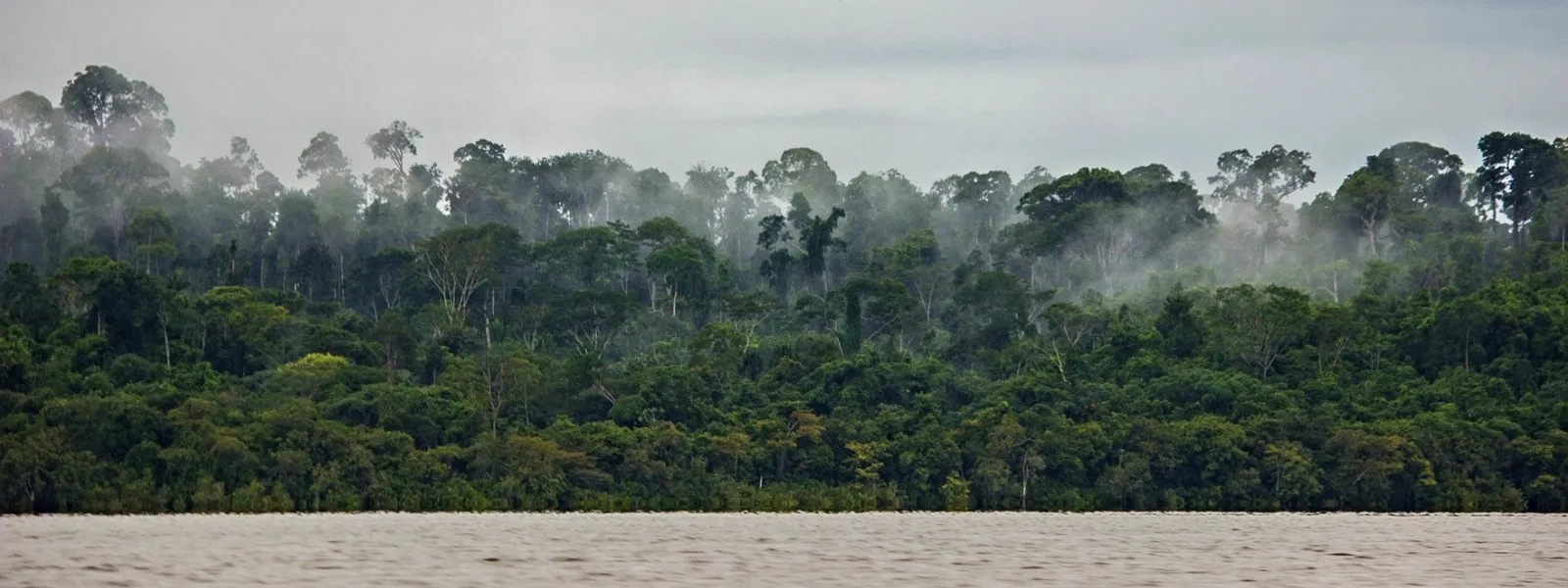
The Belo Monte Dam has caused an environmental and social disaster in the heart of the Amazon—one of the most important ecosystems on the planet.
This situation has only worsened since the hydroelectric plant began operations in 2016. The quest for justice and reparations by the affected indigenous, fishing, and riverine communities continues to this day.
In 2011, the Inter-American Commission on Human Rights (IACHR) granted them protective measures that, to date, have not been fully implemented by the Brazilian State.
Furthermore, since June of that same year, the IACHR has yet to rule on a complaint against the State regarding its international responsibility in the case.
The IACHR may refer the case to the Inter-American Court of Human Rights, which has the authority to issue a ruling condemning the Brazilian State.
After 10 years of the hydroelectric plant's operation and more than 15 years of documented human rights violations, it is time for justice to be served for the affected communities.
Read the open letter from the organizations bringing the case before the IACHR
Background
The Belo Monte hydroelectric plant—the fourth largest in the world by installed capacity (11,233 MW)—was built on the Xingu River in Pará, a state in northern Brazil.
It was inaugurated on May 5, 2016, with a single turbine. At that time, 80% of the river’s course was diverted, flooding 516 km² of land—an area larger than the city of Chicago. Of that area, 400 km² was native forest. The dam began operating at full capacity in November 2019.
Belo Monte was built and is operated by the Norte Energia S.A. consortium, which is composed primarily of state-owned companies. It was financed by the Brazilian Development Bank (BNDES), which provided the consortium with 25.4 billion reais (approximately US$10.16 billion), the largest investment in the bank’s history. Therefore, the BNDES is also legally responsible for the socio-environmental impacts associated with the hydroelectric plant.
Decades of harm to the environment and people
Human rights violations and degradation of the Amazon have been occurring since the project’s inception. In March 2011, Norte Energía began construction of the dam without adequate consultation and without the prior, free, and informed consent of the affected communities.
The construction caused the forced displacement of more than 40,000 people, severing social and cultural ties. The resettlement plan in Altamira—a city directly affected by the hydroelectric dam—involved housing units located on the outskirts, lacking adequate public services and decent living conditions for the relocated families, with no special provisions for those from indigenous communities.
Belo Monte's operations have caused a permanent, man-made drought in the Volta Grande (or "Great Bend") of the Xingu River, exacerbated by the historic droughts in the Amazon in 2023 and 2024. As a result, the deaths of millions of fish eggs were documented for four consecutive years (from 2021 to 2024), and for the past three years, there has been no upstream migration of fish to spawn and reproduce. Thus, artisanal fishing, the main source of protein for indigenous peoples and riverside communities, was severely affected: fish dropped from 50% to 30% of total protein consumed, replaced by processed foods. In summary, there was an environmental and humanitarian collapse that resulted in the breakdown of fishing as a traditional way of life, food insecurity, and access to drinking water for thousands of families, impoverishment, and disease.
Furthermore, the construction of the dam increased deforestation and intensified illegal logging and insecurity on indigenous and tribal lands, putting the survival of these communities at risk. Another consequence was the deepening of poverty and social conflicts, as well as the strain on health, education, and public safety systems in Altamira—a city ranked as the most violent in the country in 2017, where human trafficking and sexual violence increased. Violence was also reported against human rights defenders involved in the case.
In 2025, during the 30th UN Climate Change Conference (COP30), held in Brazil, the Federal Public Prosecutor’s Office labeled the damage caused by the Belo Monte dam as ecocide.
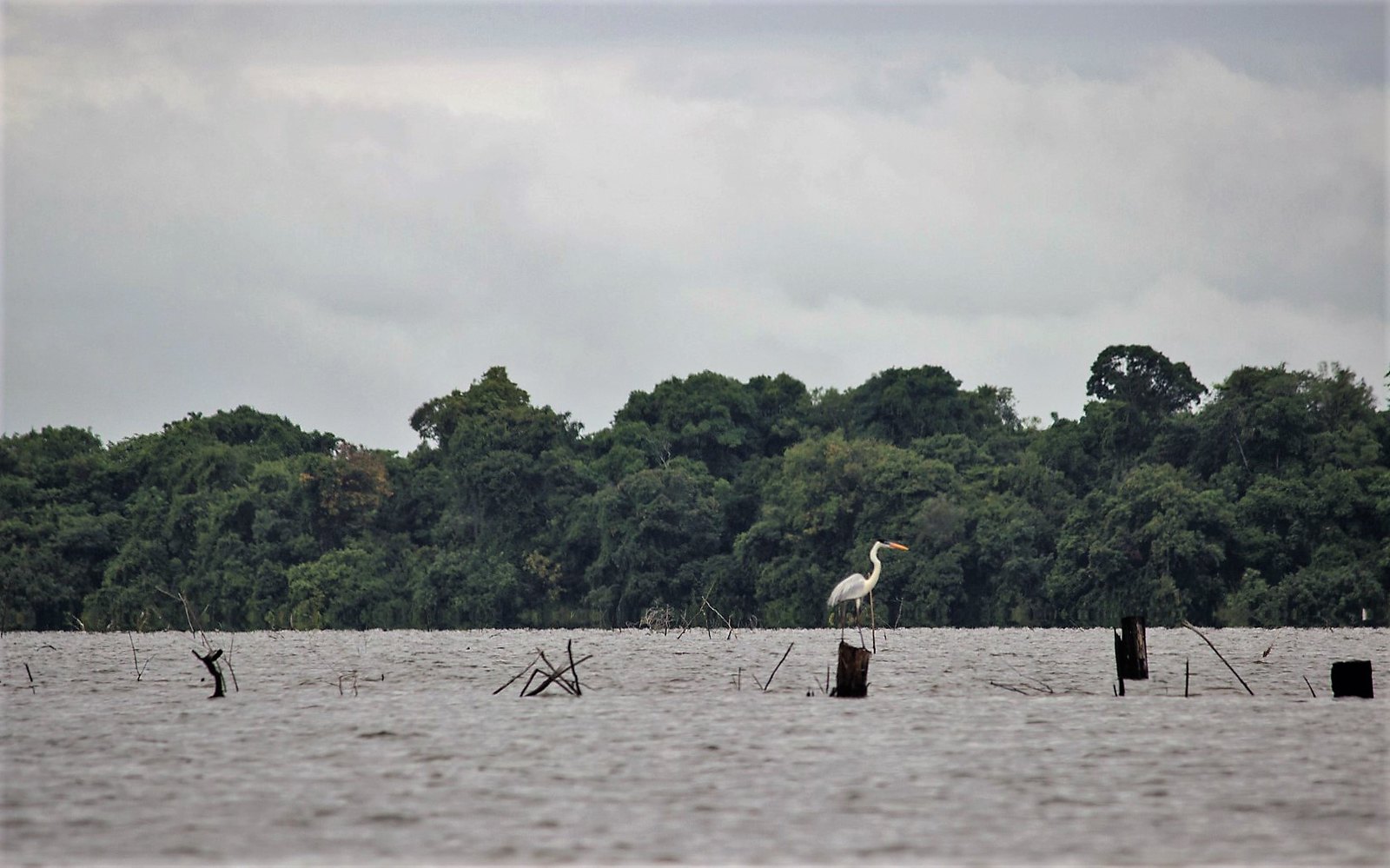
Photo: Amazon Watch / Maíra Irigaray.
The search for justice and reparations
Over the years, the Federal Public Prosecutor’s Office in Pará, the Public Defender’s Office, and civil society organizations have filed dozens of legal actions in Brazilian courts to challenge the project’s various irregularities and its impacts. Most of the claims are still pending resolution, some for more than 10 years.
These efforts have failed because the national government has repeatedly overturned rulings in favor of the affected communities by invoking a mechanism that allowed a court president to suspend a judicial decision based solely on generic arguments such as "the national interest" or "economic order."
In the absence of effective responses at the national level, AIDA, together with a coalition of partner organizations, brought the case before the Inter-American Commission on Human Rights (IACHR) and, in 2010, requested precautionary measures to protect the lives, safety, and health of the affected indigenous communities.
On April 1, 2011, the IACHR granted these measures and requested that the Brazilian government suspend environmental permits and any construction work until the conditions related to prior consultation and the protection of the health and safety of the communities are met.
And on June 16, 2011 —together with the Xingu Vivo Para Sempre Movement, the Coordinating Committee of Indigenous Organizations of the Brazilian Amazon, the Diocese of Altamira, the Indigenous Missionary Council, the Pará Society for the Defense of Human Rights and Global Justice— we filed a formal complaint against the Brazilian State for its international responsibility in the violation of the human rights of the people affected in the case. The case was opened for processing in December 2015.
On August 3, 2011, the IACHR amended the precautionary measures to request, instead of the suspension of permits and construction, the protection of people living in voluntary isolation, the health of indigenous communities, and the regularization and protection of ancestral lands.
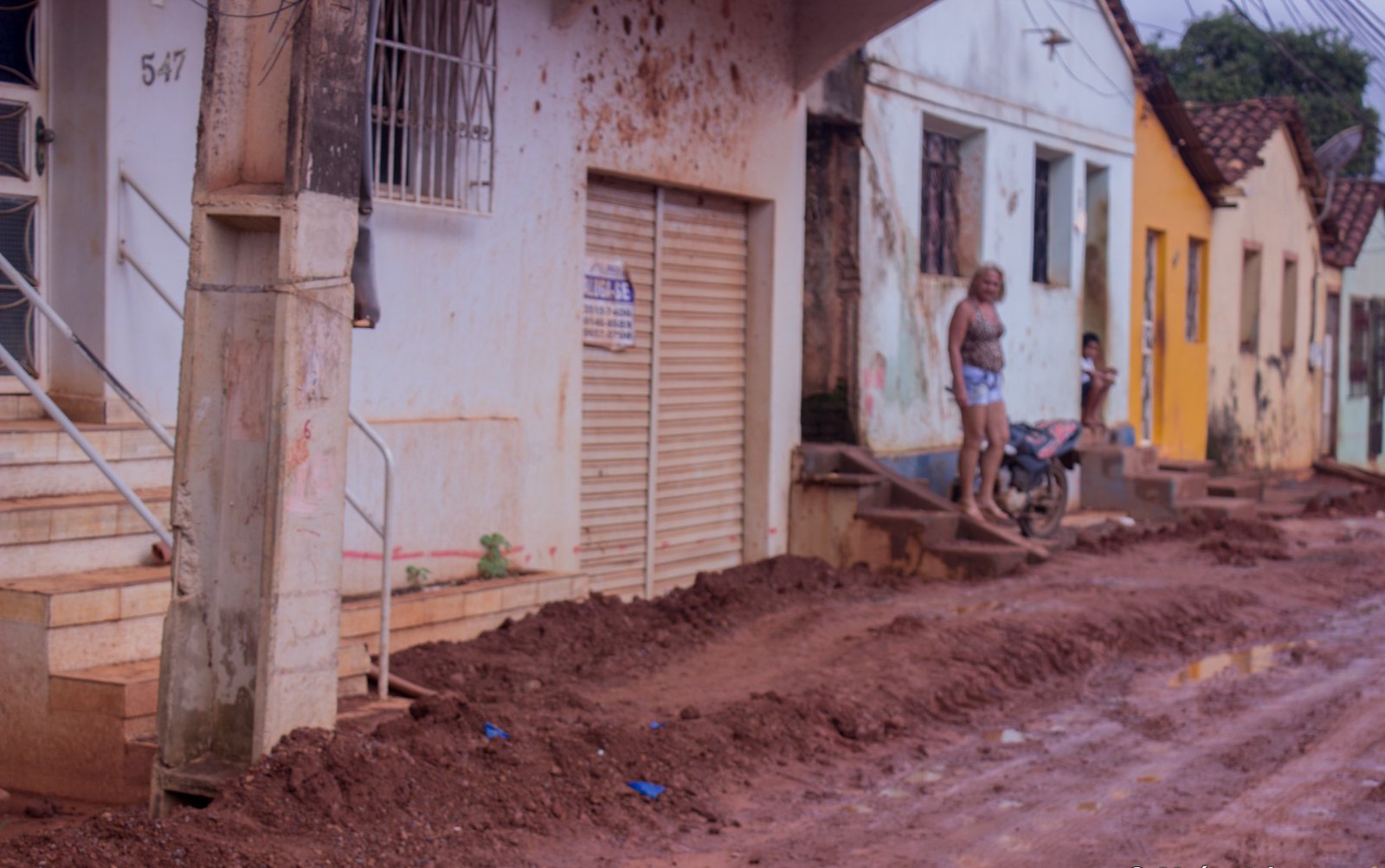
Photo: Amazon Watch / Maíra Irigaray.
Current situation
The protective measures granted by the IACHR remain in effect, but the Brazilian government has not fully complied with them, reporting only on general actions. The communities have documented the ongoing violations of their rights. The situation that prompted the request for these measures—the risk to the lives, physical integrity, and ways of life of the communities—persists and has worsened with the hydroelectric plant operating at full capacity and the recent extreme droughts in the Amazon.
In addition to the impacts of Belo Monte, there is a risk of further social and environmental impacts from the implementation of another mining megaproject in the Volta Grande do Xingu. There, the Canadian company Belo Sun plans to build Brazil’s largest open-pit gold mine.
The combined and cumulative impacts of the dam and the mine were not assessed. The government excluded Indigenous peoples, riverine and peasant communities from the project’s environmental permitting process. Despite protests by Indigenous communities and other irregularities surrounding the project, the government of Pará formally authorized the mine in April 2026.
Like other hydroelectric dams, Belo Monte exacerbates the climate emergency by generating greenhouse gas emissions in its reservoir. And it is inefficient amid the longer, more intense droughts caused by the crisis, as it loses its ability to generate power.
The case before the Inter-American Commission
In October 2017, the IACHR announced that it would rule jointly on the admissibility (whether the case meets the requirements for admission) and the merits (whether a human rights violation actually occurred) of the international complaint against the Brazilian State.
Fifteen years after the complaint was filed, the affected communities and the organizations representing them are still awaiting this decision. If the IACHR concludes that human rights violations occurred and issues recommendations that the Brazilian State fails to comply with, it may refer the case to the Inter-American Court of Human Rights, whose rulings are binding.
A potential ruling by the international court in this case would set a regional legal precedent regarding the rights of indigenous and riverine peoples, public participation in megaprojects, and state responsibility in the context of the climate crisis—a precedent that is particularly relevant in light of the Court’s Advisory Opinion No. 32, which reaffirmed the obligations of States to protect the people and communities of the continent from the climate emergency.
Partners:
Related projects
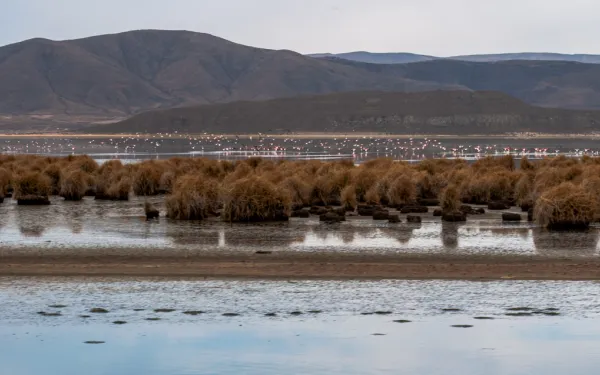
Three advances for climate and environmental justice in 2021
In the face of increasing environmental degradation and the climate crisis, the strength of the collective struggle shows that it’s possible to ensure a healthy environment and a sustainable future for all people. This year, AIDA made important advances on that path, hand-in-hand with communities and allies in the region. The stories below tell of achievements that bring us closer to the environmental and climate justice we urgently need and for which we work every day. They are the stories that inspire us to continue working for the future. 1. Mayan women pave the way for responsible financing In Guatemala, under our guidance and with the support of local and international allies, the struggle of the Mayan women of Ixquisis to defend their water and territory has made history. Following a complaint against the large dams being implemented in their territory, the Inter-American Development Bank’s accountability office recognized the damage the dams caused and, for the first time, acknowledged the possibility of a responsible withdrawal of its investment. leARN MORE 2. Court ruling upholds the preservation of natural protected areas The intention of large real estate developers to dismantle the Yum Balam protected area for flora and fauna in the Mexican Caribbean has hit a wall. Mexico's Supreme Court set a key legal precedent by determining that the management program, fundamental to the sustainable use of the site, is legal. AIDA helped defend Yum Balam in court and, years earlier, our attorneys helped build the management program. LEARN MORE 3. International support reaches high-Andean lakes in Bolivia Together with local communities and organizations, AIDA requested international technical support for the recovery of lakes Poopó and Uru Uru in the Bolivian highlands, which was finally formalized by the government. This support, scheduled for next year, is vital for the recuperation of these ecosystems, life-support systems for biodiversity and the indigenous and peasant communities in the area. learn more Read these stories and much more about this year's journey in our 2021 Annual Report!
Read moreThree advances for climate and environmental justice in 2021
In the face of increasing environmental degradation and the climate crisis, the strength of the collective struggle shows that it’s possible to ensure a healthy environment and a sustainable future for all people. This year, AIDA made important advances on that path, hand-in-hand with communities and allies in the region. The stories below tell of achievements that bring us closer to the environmental and climate justice we urgently need and for which we work every day. They are the stories that inspire us to continue working for the future. 1. Mayan women pave the way for responsible financing In Guatemala, under our guidance and with the support of local and international allies, the struggle of the Mayan women of Ixquisis to defend their water and territory has made history. Following a complaint against the large dams being implemented in their territory, the Inter-American Development Bank’s accountability office recognized the damage the dams caused and, for the first time, acknowledged the possibility of a responsible withdrawal of its investment. leARN MORE 2. Court ruling upholds the preservation of natural protected areas The intention of large real estate developers to dismantle the Yum Balam protected area for flora and fauna in the Mexican Caribbean has hit a wall. Mexico's Supreme Court set a key legal precedent by determining that the management program, fundamental to the sustainable use of the site, is legal. AIDA helped defend Yum Balam in court and, years earlier, our attorneys helped build the management program. LEARN MORE 3. International support reaches high-Andean lakes in Bolivia Together with local communities and organizations, AIDA requested international technical support for the recovery of lakes Poopó and Uru Uru in the Bolivian highlands, which was finally formalized by the government. This support, scheduled for next year, is vital for the recuperation of these ecosystems, life-support systems for biodiversity and the indigenous and peasant communities in the area. learn more Read these stories and much more about this year's journey in our 2021 Annual Report!
Read more
The day that the indigenous struggle bore fruit in Guatemala
September 22, 2021 will be an iconic date for the men and women of the micro-region of Yich K'isis (Ixquisis), Guatemala, whose lives were abruptly changed by the construction of the San Mateo and San Andres hydroelectric dams, financed by IDB Invest. On that day, the IDB Group's Independent Consultation and Investigation Mechanism (MICI) upheld most of their claims, contained in the complaint they filed three years ago. Their final report acknowledges that the bank failed to verify the information about the affected population provided by the company responsible for the projects, which ignored the presence of indigenous peoples in the area. It also points out the failure to consider the differentiated impacts that women would experience in any of the project implementation phases, overlooking the role that the local rivers play in their daily lives and in their ways of inhabiting the territory. On the environmental issue, essential to indigenous peoples' ways of life, MICI also establishes non-compliance, recognizing that "IDB Invest did not ensure that the projects properly identified and delimited critical habitats and internationally recognized zones, nor that risks and impacts were established." In terms of access to information for the communities, the bank "failed to comply with its own operational policies, as no meaningful consultation with the communities took place in the development of the projects," the document reads. The indigenous men and women of Ixquisis see the report as recognition of what they’ve been denouncing for years. Along with its conclusions, MICI also makes a series of recommendations aimed at correcting the mistakes made by the bank in the San Mateo and San Andres projects, as well as avoiding repeating them in other cases. In its last recommendation, the accountability mechanism establishes, for the first time in the IDB's history, the possibility for the bank to responsibly withdraw from projects it finances. For the communities of Ixquisis, this recommendation represents the best hope for the restoration of their lives, abruptly transformed by the arrival of the projects. Indeed, ever since the complaint process began, the communities have been demanding the cessation of project funding. They consider it unsustainable that projects that fail to recognize their existence, and cause so much damage to their territory, some of it irreparable, should be financed by an international institution whose main mandate is to promote development. In the scenarios in which they were able to express their feelings to bank and MICI officials, their request was heard: the bank cannot continue financing projects that have impacted their lives in such severe and unjust ways, and its exit must be responsible. This means that the bank’s withdrawal must be based on a plan built with the effective participation of the communities and must contemplate all the damages caused in relation to social dynamics, the increased conflict in the region, the failure to acknowledge the existence of indigenous peoples and their rights, the affects on the ancestral cultural heritage, the differentiated impacts on women, and the lack of prevention and consequent environmental degradation. The bank must now propose an action plan to comply with MICI’s report, a mission that is undoubtedly transcendental. The bank now has the historic opportunity to correct its mistakes and legitimize its actions, honor its institutional mandate to promote development, respect and recognize indigenous peoples, and contribute to making the Ixquisis micro-region a place where indigenous men and women can once again develop their life in harmony with nature, and alongside their community.
Read more