
Project
Amazon Watch / Maíra Irigaray
The Belo Monte Dam on the Xingu River: 10 years of impacts in the Amazon and the search for reparations
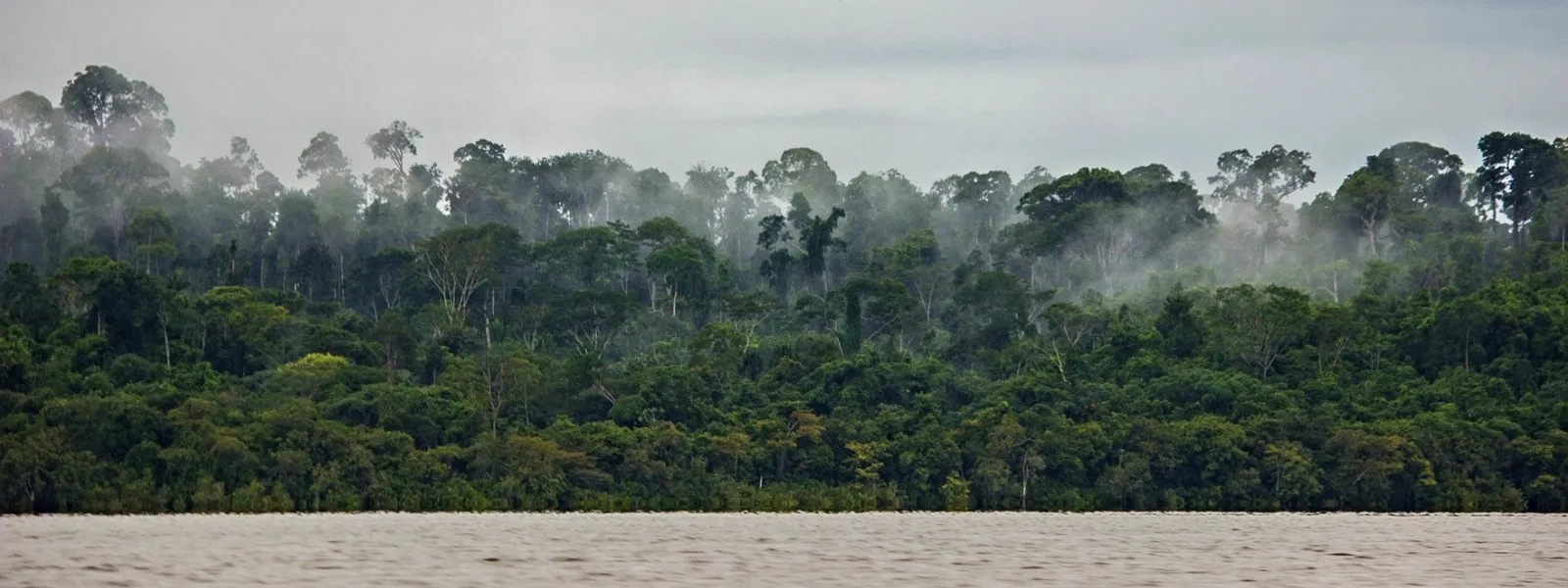
The Belo Monte Dam has caused an environmental and social disaster in the heart of the Amazon—one of the most important ecosystems on the planet.
This situation has only worsened since the hydroelectric plant began operations in 2016. The quest for justice and reparations by the affected indigenous, fishing, and riverine communities continues to this day.
In 2011, the Inter-American Commission on Human Rights (IACHR) granted them protective measures that, to date, have not been fully implemented by the Brazilian State.
Furthermore, since June of that same year, the IACHR has yet to rule on a complaint against the State regarding its international responsibility in the case.
The IACHR may refer the case to the Inter-American Court of Human Rights, which has the authority to issue a ruling condemning the Brazilian State.
After 10 years of the hydroelectric plant's operation and more than 15 years of documented human rights violations, it is time for justice to be served for the affected communities.
Read the open letter from the organizations bringing the case before the IACHR
Background
The Belo Monte hydroelectric plant—the fourth largest in the world by installed capacity (11,233 MW)—was built on the Xingu River in Pará, a state in northern Brazil.
It was inaugurated on May 5, 2016, with a single turbine. At that time, 80% of the river’s course was diverted, flooding 516 km² of land—an area larger than the city of Chicago. Of that area, 400 km² was native forest. The dam began operating at full capacity in November 2019.
Belo Monte was built and is operated by the Norte Energia S.A. consortium, which is composed primarily of state-owned companies. It was financed by the Brazilian Development Bank (BNDES), which provided the consortium with 25.4 billion reais (approximately US$10.16 billion), the largest investment in the bank’s history. Therefore, the BNDES is also legally responsible for the socio-environmental impacts associated with the hydroelectric plant.
Decades of harm to the environment and people
Human rights violations and degradation of the Amazon have been occurring since the project’s inception. In March 2011, Norte Energía began construction of the dam without adequate consultation and without the prior, free, and informed consent of the affected communities.
The construction caused the forced displacement of more than 40,000 people, severing social and cultural ties. The resettlement plan in Altamira—a city directly affected by the hydroelectric dam—involved housing units located on the outskirts, lacking adequate public services and decent living conditions for the relocated families, with no special provisions for those from indigenous communities.
Belo Monte's operations have caused a permanent, man-made drought in the Volta Grande (or "Great Bend") of the Xingu River, exacerbated by the historic droughts in the Amazon in 2023 and 2024. As a result, the deaths of millions of fish eggs were documented for four consecutive years (from 2021 to 2024), and for the past three years, there has been no upstream migration of fish to spawn and reproduce. Thus, artisanal fishing, the main source of protein for indigenous peoples and riverside communities, was severely affected: fish dropped from 50% to 30% of total protein consumed, replaced by processed foods. In summary, there was an environmental and humanitarian collapse that resulted in the breakdown of fishing as a traditional way of life, food insecurity, and access to drinking water for thousands of families, impoverishment, and disease.
Furthermore, the construction of the dam increased deforestation and intensified illegal logging and insecurity on indigenous and tribal lands, putting the survival of these communities at risk. Another consequence was the deepening of poverty and social conflicts, as well as the strain on health, education, and public safety systems in Altamira—a city ranked as the most violent in the country in 2017, where human trafficking and sexual violence increased. Violence was also reported against human rights defenders involved in the case.
In 2025, during the 30th UN Climate Change Conference (COP30), held in Brazil, the Federal Public Prosecutor’s Office labeled the damage caused by the Belo Monte dam as ecocide.
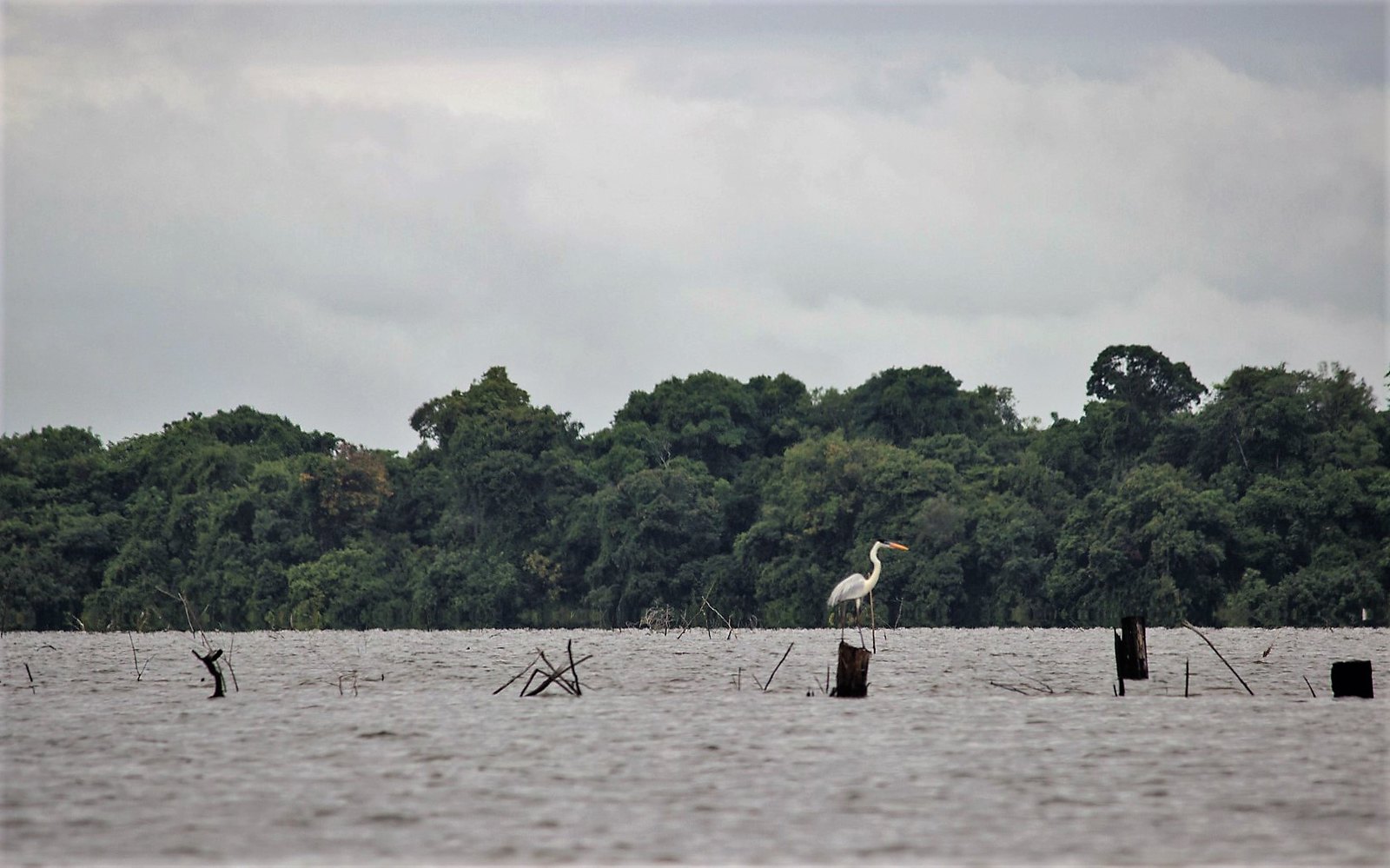
Photo: Amazon Watch / Maíra Irigaray.
The search for justice and reparations
Over the years, the Federal Public Prosecutor’s Office in Pará, the Public Defender’s Office, and civil society organizations have filed dozens of legal actions in Brazilian courts to challenge the project’s various irregularities and its impacts. Most of the claims are still pending resolution, some for more than 10 years.
These efforts have failed because the national government has repeatedly overturned rulings in favor of the affected communities by invoking a mechanism that allowed a court president to suspend a judicial decision based solely on generic arguments such as "the national interest" or "economic order."
In the absence of effective responses at the national level, AIDA, together with a coalition of partner organizations, brought the case before the Inter-American Commission on Human Rights (IACHR) and, in 2010, requested precautionary measures to protect the lives, safety, and health of the affected indigenous communities.
On April 1, 2011, the IACHR granted these measures and requested that the Brazilian government suspend environmental permits and any construction work until the conditions related to prior consultation and the protection of the health and safety of the communities are met.
And on June 16, 2011 —together with the Xingu Vivo Para Sempre Movement, the Coordinating Committee of Indigenous Organizations of the Brazilian Amazon, the Diocese of Altamira, the Indigenous Missionary Council, the Pará Society for the Defense of Human Rights and Global Justice— we filed a formal complaint against the Brazilian State for its international responsibility in the violation of the human rights of the people affected in the case. The case was opened for processing in December 2015.
On August 3, 2011, the IACHR amended the precautionary measures to request, instead of the suspension of permits and construction, the protection of people living in voluntary isolation, the health of indigenous communities, and the regularization and protection of ancestral lands.
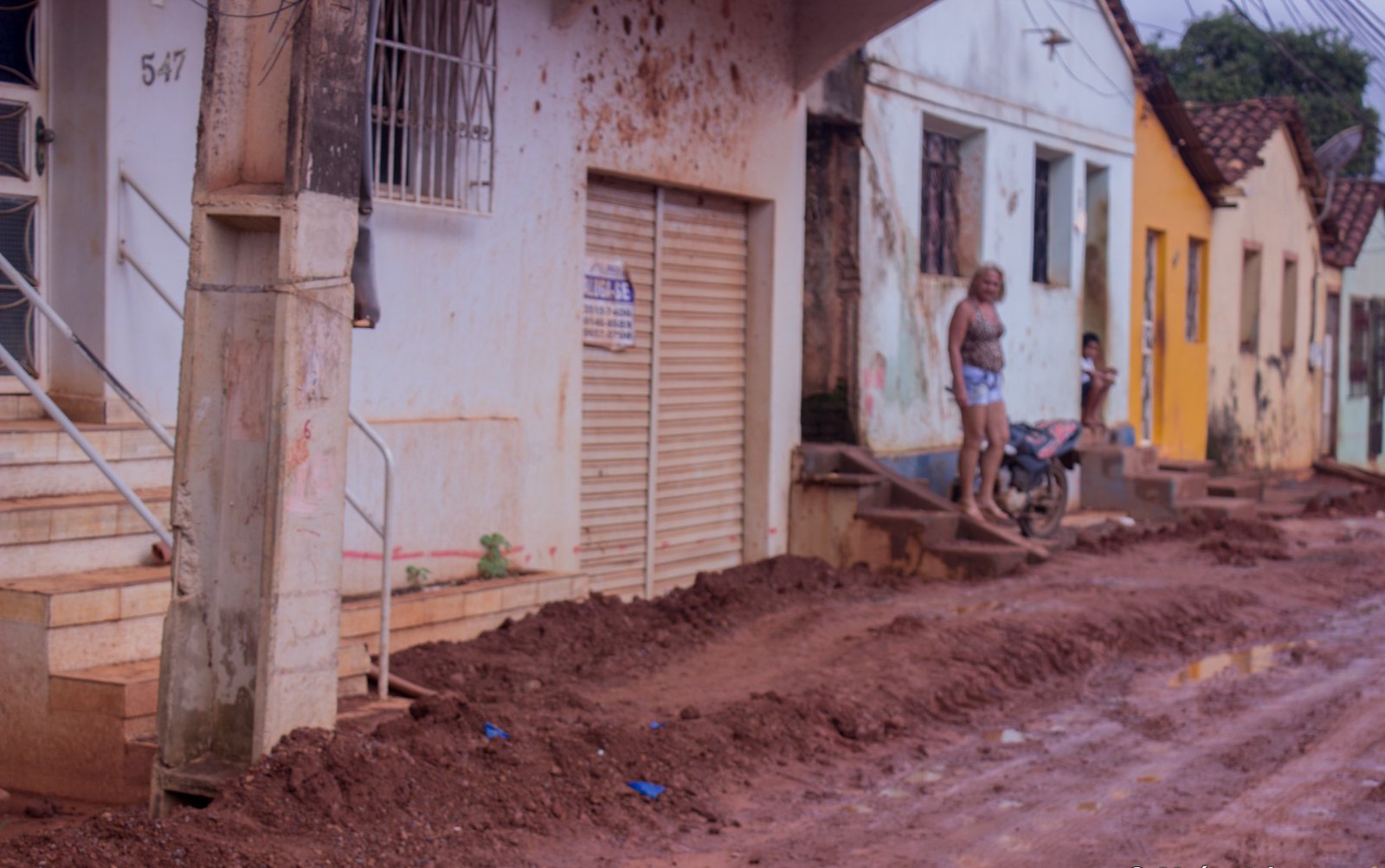
Photo: Amazon Watch / Maíra Irigaray.
Current situation
The protective measures granted by the IACHR remain in effect, but the Brazilian government has not fully complied with them, reporting only on general actions. The communities have documented the ongoing violations of their rights. The situation that prompted the request for these measures—the risk to the lives, physical integrity, and ways of life of the communities—persists and has worsened with the hydroelectric plant operating at full capacity and the recent extreme droughts in the Amazon.
In addition to the impacts of Belo Monte, there is a risk of further social and environmental impacts from the implementation of another mining megaproject in the Volta Grande do Xingu. There, the Canadian company Belo Sun plans to build Brazil’s largest open-pit gold mine.
The combined and cumulative impacts of the dam and the mine were not assessed. The government excluded Indigenous peoples, riverine and peasant communities from the project’s environmental permitting process. Despite protests by Indigenous communities and other irregularities surrounding the project, the government of Pará formally authorized the mine in April 2026.
Like other hydroelectric dams, Belo Monte exacerbates the climate emergency by generating greenhouse gas emissions in its reservoir. And it is inefficient amid the longer, more intense droughts caused by the crisis, as it loses its ability to generate power.
The case before the Inter-American Commission
In October 2017, the IACHR announced that it would rule jointly on the admissibility (whether the case meets the requirements for admission) and the merits (whether a human rights violation actually occurred) of the international complaint against the Brazilian State.
Fifteen years after the complaint was filed, the affected communities and the organizations representing them are still awaiting this decision. If the IACHR concludes that human rights violations occurred and issues recommendations that the Brazilian State fails to comply with, it may refer the case to the Inter-American Court of Human Rights, whose rulings are binding.
A potential ruling by the international court in this case would set a regional legal precedent regarding the rights of indigenous and riverine peoples, public participation in megaprojects, and state responsibility in the context of the climate crisis—a precedent that is particularly relevant in light of the Court’s Advisory Opinion No. 32, which reaffirmed the obligations of States to protect the people and communities of the continent from the climate emergency.
Partners:
Related projects

AIDA applauds historic UN resolution recognizing the human right to a healthy environment
This Friday, the United Nations Human Rights Council adopted a resolution recognizing the human right to a safe, healthy, clean and sustainable environment. Getting to this point has involved decades of work by thousands of people who seek to ensure the well-being of all people and the planet we inhabit. It is now in the hands of the UN General Assembly to approve the resolution and make this human right global. Liliana Avila, Senior Attorney with AIDA’s Human Rights and Environment Program, states: "The United Nations has taken a historic step by recognizing a healthy environment as a universal right. It will strengthen the efforts of countries and peoples to protect human rights and nature, and to advance the struggle against the climate crisis. " This recognition is vital. Taking action to promote environmental and climate justice is an urgent mandate of States, and an urgent demand of the people.” Anna Cederstav, Interim Executive Director of AIDA, reflects: "Achieving this recognition at the global level has been a decades-long struggle on the part of the environmental movement, from its first mention to the present day. It is a testament to the patience and dedication necessary to promote meaningful change. We applaud all those who have made it possible: Costa Rica, Slovenia, Maldives, Morocco and Switzerland who took the lead within the UN, and all the environmental organizations, movements and individuals around the world who fight every day for a healthy planet for all." It is urgent that all States, including those that abstained from voting, recognize the importance of all people having access to clean water, clean air, and ecosystems that promote well-being and the enjoyment of human rights. AIDA welcomes this decision, which recognizes the foundational right that has guided our work since 1998. We will use the globally recognized right to a healthy environment to advance climate justice for all those who live on this planet, and those yet to come. We extend our thanks and admiration to the people who initiated this work years ago, to those who were involved in the milestones that led to the resolution, and to all of our colleagues and team members---current and past--who have worked to bring us to this day.
Read more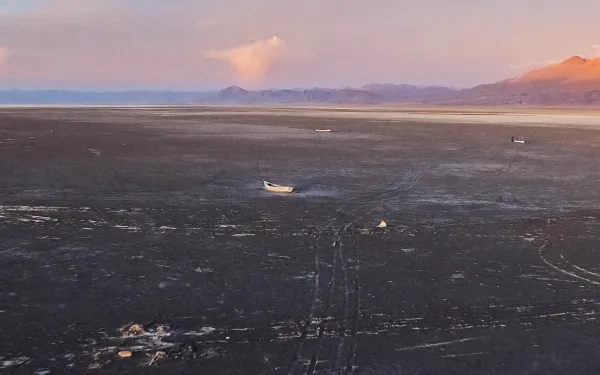
International technical assistance is consolidated to recover Uru Uru and Poopó lakes
At the request of organizations and communities, experts from the Ramsar Convention Secretariat will evaluate the degradation of the lakes and then issue technical recommendations for their recovery. Oruro, Bolivia. From October 11 to 15, a team of experts from the Ramsar Convention Secretariat will visit the Uru Uru and Poopó lakes, located in the central-eastern part of the Bolivian altiplano, to conduct a technical analysis of their degradation and then provide concrete recommendations to the Bolivian State for the recovery of the ecosystems. In July 2019—as part of the #LagoPoopóEsVida campaign—local communities and environmental, social and women's organizations sent the Ramsar Secretariat information on the state of the lakes and requested technical assistance to assess their health. The Bolivian government then made the formal request to make the visit feasible. "We recognize the political will of national authorities to obtain international support for the environmental crisis facing the lakes, on whose preservation the livelihoods of peasant and indigenous populations depend," said Claudia Velarde, an attorney with the Interamerican Association for Environmental Defense (AIDA). "Ramsar Advisory Missions are an effective tool offering independent and specialized advice geared toward the preservation of wetlands." Poopó is the second largest lake in Bolivia. In 2002, in order to preserve its biodiversity—which includes endemic and migratory birds and the largest number of flamingos in South America—Poopó and Uru Uru were declared a Wetland of International Importance under the Ramsar Convention, an intergovernmental treaty for the protection of these natural environments. "The Uru Uru and Poopó lakes guarantee the recharging of wells and other water sources, regulate the climate, provide habitat for birdlife, food security and sovereignty for surrounding populations, and shelter millenary cultures," said Limbert Sánchez, of the Center for Ecology and Andean Peoples (CEPA). Several factors have led to the catastrophic situation currently facing Lake Poopó, including: mining activities, which have not stopped during the pandemic and permanently generate acidic water and tons of mining waste; the diversion of tributaries like the Mauri River; the fact that the TDSP (Titicaca-Desaguadero-Poopó-Salar Water System) is not guaranteeing water for the entire basin; and the climate crisis. Cumulatively, these situations have damaged the lake and placed the life systems that depend on it at risk. "In December 2015, the water levels of Lake Poopó were completely reduced, one of the biggest environmental catastrophes in the country. Currently, what is left of the water mirror is minimal compared to historical records," corroborated Yasin Peredo, of the Center for Andean Communication and Development (CENDA). In addition to causing serious environmental damage, what’s happening to Lakes Poopó and Uru Uru is a serious violation of surrounding communities’ rights to water, health, territory, food and livelihood. "It’s with great sadness that we witness the disappearing of Lake Poopó, and the risk to our Lake Uru Uru," said Margarita Aquino, coordinator of the National Network of Women Defenders of Mother Earth (RENAMAT). "Mining contamination is stripping us of our water sources and is violating the rights of us women and our communities." Indigenous Aymara and Quechua communities depend on the health of these ecosystems, as do the Uru Murato, one of Bolivia's oldest native nations. The members of this millenary culture once lived from fishing, but the contamination of Poopó and its scarce water supply has forced them to migrate in search of other ways to survive. Don Pablo Flores, a native authority of the Uru de Puñaca community explains: "In August, authorities arrived and with them we went to the lake and found that there is no more water; the Panza Island sector is also dry. As Urus, how are we living? Before we used to go for parihuanas [Andean flamingos], but not now. In February they used to lay eggs and change their feathers. This year there are none. The flamingos are dead. The lake does not exist now. The three Uru communities are suffering; we used to live from hunting and fishing. We ask the municipal, departmental and national authorities for more attention because, so far, practically nothing has been done to save, protect and recover our lake Poopó." By including the Uru Uru and Poopó lakes as a Ramsar site, the Bolivian State committed itself to conserving the ecological characteristics of these wetlands. In this sense, the visit from the mission of experts is a key opportunity to obtain objective and specialized recommendations aimed at fulfilling this commitment. "Environmental organizations, communities and the people of Bolivia are awaiting the visit of the Ramsar Mission. We believe that the current situation of the ecosystem must be taken into account, but also the factors that continue to influence its degradation. As long as strategies to combat climate change are not adopted, mining pollution is not stopped, and the amount of water needed for the entire TDPS is not guaranteed, the critical situation of our Uru Uru and Poopó lakes cannot be reversed," said Ángela Cuenca, coordinator of the CASA Collective. PRESS CONTACTS: Victor Quintanilla (MExico), AIDA, [email protected], +5215570522107 Angela Cuenca (Bolivia), Colectivo CASA, [email protected], +59172485221 Limbert Sanchez (Bolivia), CEPA, [email protected], +59172476802 Sergio Vasquez Rojas (Bolivia), CENDA, [email protected], +59172734594
Read more
¡Gracias totales!
I’m ending an era of 18 great years at AIDA, my second home. Words are not enough to describe how grateful, proud and happy I feel as I take stock of the achievements, progress and lessons learned. I treasure the wonder of meeting and sharing this journey with so many people in every corner of our Americas and beyond; the blessing of traveling rivers, mountains and territories and learning with and from each and every person and community. For all of this, I can only say: ¡Gracias totales! This has been the work of my dreams and the great honor of my life: to be able to build and lead this organization, alongside great people, building community from our female leadership, contributing throughout the continent to the protection of territories, rights and the environment. I am deeply grateful for the company, support, mentorship, inspiration, and sisterhood of Anna Cederstav, with whom I shared the dream and leadership of AIDA during this time, and who will continue in the organization supporting the new executive leadership. It is impossible to imagine a better co-director. Infinite thanks also to the Board of Directors for their trust and continued support. It is great to know that the organization has your back to ensure its growth and transcendence in these times of change. To each of the people of my current team and of all these years, words cannot express my admiration and deep gratitude for their invaluable commitment, professionalism, love and dedication. The results achieved are thanks to you all. It is very gratifying to have contributed to important advances in the region, including making visible and supporting the fights for justice in La Oroya, Peru, and in the Xingu River basin in Brazil; helping to protect the San Pedro Mezquital and Papagayo rivers in Mexico, the páramos in Colombia, the corals and mangroves on our coasts; conserving turtle nesting areas such as Las Baulas in Costa Rica; helping improve the Constitution in Mexico; helping include human rights in climate agreements and improving standards to protect rivers and mangroves; helping improve the safeguards of some international financial institutions; and contributing to the advancement of jurisprudence in the Inter-American System, including the recognition that climate change impacts human rights. It has been even more gratifying to have achieved all this together with great people both in our team and in various organizations, networks, communities and national and international entities. Today especially, and in view of the climate crisis and the reality of our region, it is essential to continue advancing in the collective work with and from the territories, motivating the diversity of knowledge and seriously including the perspective of women, youth and communities to reach the solutions that have so far proved elusive. This has all been a learning experience, because each achievement has been the result of close coordination, and of the diverse and complementary contribution of multiple visions. I am confident that this perspective will continue to be strengthened in order to make further progress towards finding solutions for our collective challenges. The magnitude of the climate and biodiversity crisis, the imperative need for a transformative recovery, and effective protection of human rights defenders, the environment and territory are three priorities that require our best efforts and impact. It is comforting to know that we have helped strengthen and build a great regional and global community with whom we share the goal of advancing the outcomes that people, communities, nature, and our societies and countries so desperately need. It is one of my greatest rewards after so many years of work. For all these reasons, and given that the only constant in life is change, the time has come to give free rein to new leadership. This decision has been difficult because this has been my home for so long. I first heard about AIDA in July 1997, when the organization was still in its infancy and I was studying law and working at Fundepúblico in Colombia. Upon learning of their intention to work on public interest environmental law in and from Latin America, I knew immediately that it was my place. I started as an intern in May 2003 and, a few months later, the Board of Directors hired me as an attorney. My heart did not fit in my chest and the ideas did not stop running through my mind. Today I have the satisfaction of having done my best to make a positive contribution to my region, putting law and science at the service of people, communities and the environment. In the process, I was also able to grow as a lawyer, and a leader, while building my family and becoming a wife and mother. After countless adventures, learning, successes and failures, it is time to embark on other paths and embrace change. I will continue to contribute to the understanding of the climate crisis and especially to identify how we can move towards climate justice with and from a feminist perspective and from the South, of course. We will continue to share this path towards climate and environmental justice, which is also social. I reiterate my deepest gratitude for so many lessons learned, opportunities and achievements. I am confident that AIDA is in the best hands and ready to move on to an exciting new stage.
Read more