
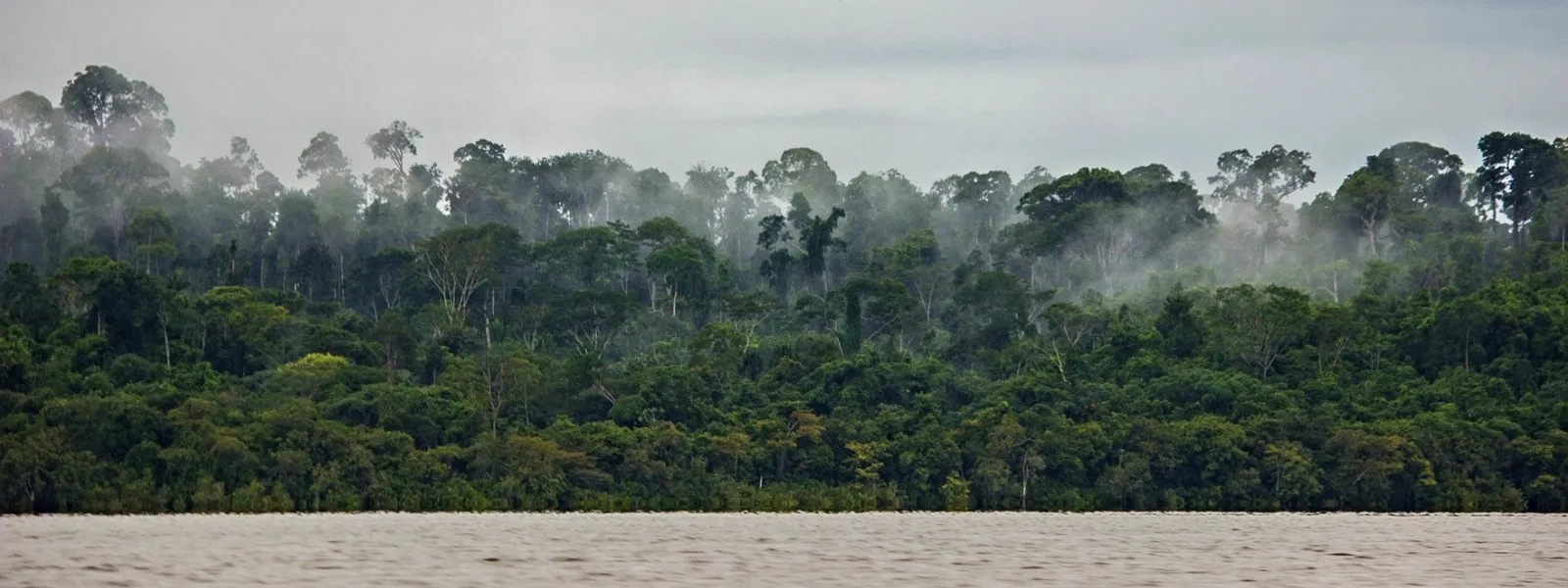
Project
Amazon Watch / Maíra Irigaray
The Belo Monte Dam on the Xingu River: 10 years of impacts in the Amazon and the search for reparations
The Belo Monte Dam has caused an environmental and social disaster in the heart of the Amazon—one of the most important ecosystems on the planet.
This situation has only worsened since the hydroelectric plant began operations in 2016. The quest for justice and reparations by the affected indigenous, fishing, and riverine communities continues to this day.
In 2011, the Inter-American Commission on Human Rights (IACHR) granted them protective measures that, to date, have not been fully implemented by the Brazilian State.
Furthermore, since June of that same year, the IACHR has yet to rule on a complaint against the State regarding its international responsibility in the case.
The IACHR may refer the case to the Inter-American Court of Human Rights, which has the authority to issue a ruling condemning the Brazilian State.
After 10 years of the hydroelectric plant's operation and more than 15 years of documented human rights violations, it is time for justice to be served for the affected communities.
Read the open letter from the organizations bringing the case before the IACHR
Background
The Belo Monte hydroelectric plant—the fourth largest in the world by installed capacity (11,233 MW)—was built on the Xingu River in Pará, a state in northern Brazil.
It was inaugurated on May 5, 2016, with a single turbine. At that time, 80% of the river’s course was diverted, flooding 516 km² of land—an area larger than the city of Chicago. Of that area, 400 km² was native forest. The dam began operating at full capacity in November 2019.
Belo Monte was built and is operated by the Norte Energia S.A. consortium, which is composed primarily of state-owned companies. It was financed by the Brazilian Development Bank (BNDES), which provided the consortium with 25.4 billion reais (approximately US$10.16 billion), the largest investment in the bank’s history. Therefore, the BNDES is also legally responsible for the socio-environmental impacts associated with the hydroelectric plant.
Decades of harm to the environment and people
Human rights violations and degradation of the Amazon have been occurring since the project’s inception. In March 2011, Norte Energía began construction of the dam without adequate consultation and without the prior, free, and informed consent of the affected communities.
The construction caused the forced displacement of more than 40,000 people, severing social and cultural ties. The resettlement plan in Altamira—a city directly affected by the hydroelectric dam—involved housing units located on the outskirts, lacking adequate public services and decent living conditions for the relocated families, with no special provisions for those from indigenous communities.
Belo Monte's operations have caused a permanent, man-made drought in the Volta Grande (or "Great Bend") of the Xingu River, exacerbated by the historic droughts in the Amazon in 2023 and 2024. As a result, the deaths of millions of fish eggs were documented for four consecutive years (from 2021 to 2024), and for the past three years, there has been no upstream migration of fish to spawn and reproduce. Thus, artisanal fishing, the main source of protein for indigenous peoples and riverside communities, was severely affected: fish dropped from 50% to 30% of total protein consumed, replaced by processed foods. In summary, there was an environmental and humanitarian collapse that resulted in the breakdown of fishing as a traditional way of life, food insecurity, and access to drinking water for thousands of families, impoverishment, and disease.
Furthermore, the construction of the dam increased deforestation and intensified illegal logging and insecurity on indigenous and tribal lands, putting the survival of these communities at risk. Another consequence was the deepening of poverty and social conflicts, as well as the strain on health, education, and public safety systems in Altamira—a city ranked as the most violent in the country in 2017, where human trafficking and sexual violence increased. Violence was also reported against human rights defenders involved in the case.
In 2025, during the 30th UN Climate Change Conference (COP30), held in Brazil, the Federal Public Prosecutor’s Office labeled the damage caused by the Belo Monte dam as ecocide.
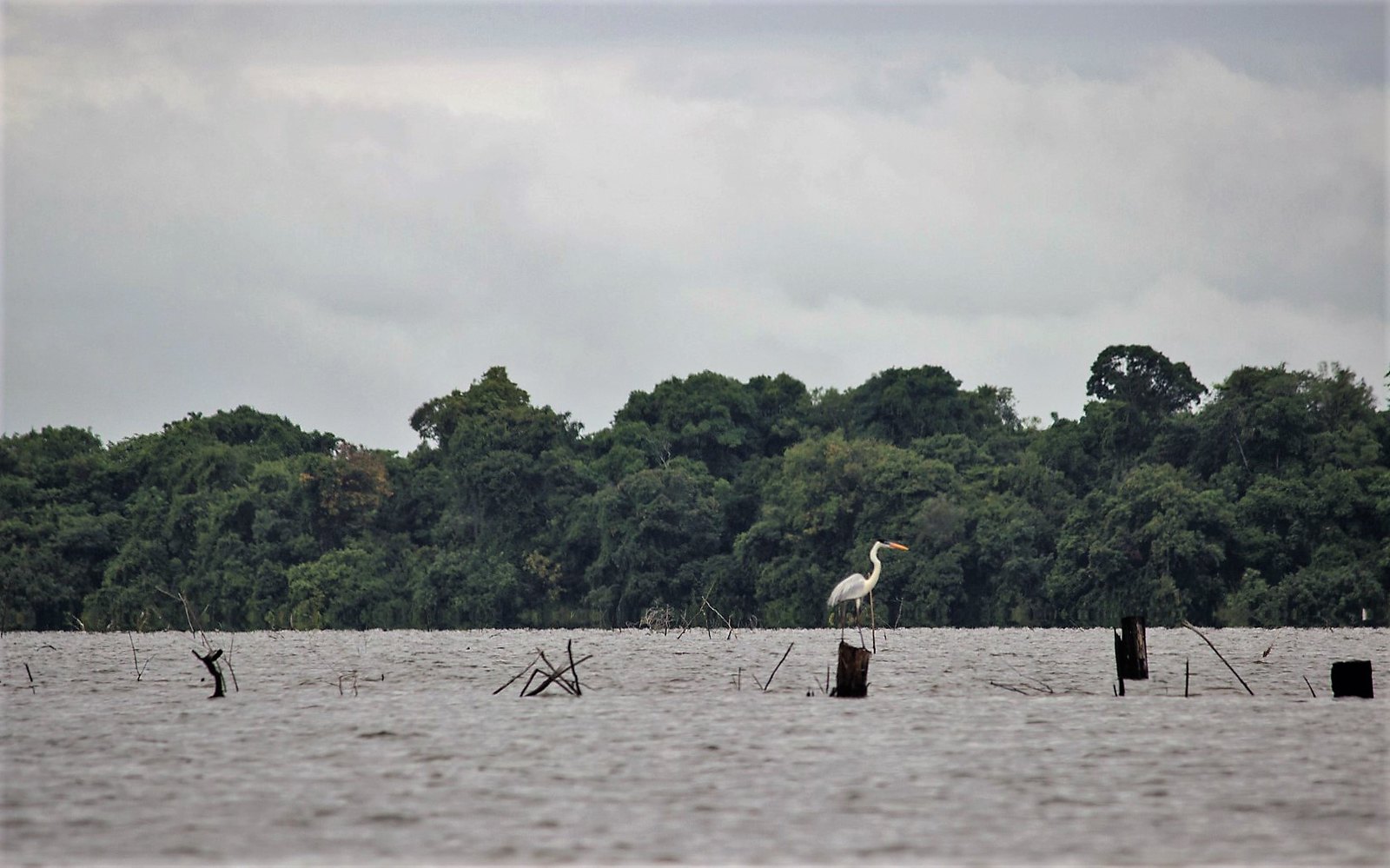
Photo: Amazon Watch / Maíra Irigaray.
The search for justice and reparations
Over the years, the Federal Public Prosecutor’s Office in Pará, the Public Defender’s Office, and civil society organizations have filed dozens of legal actions in Brazilian courts to challenge the project’s various irregularities and its impacts. Most of the claims are still pending resolution, some for more than 10 years.
These efforts have failed because the national government has repeatedly overturned rulings in favor of the affected communities by invoking a mechanism that allowed a court president to suspend a judicial decision based solely on generic arguments such as "the national interest" or "economic order."
In the absence of effective responses at the national level, AIDA, together with a coalition of partner organizations, brought the case before the Inter-American Commission on Human Rights (IACHR) and, in 2010, requested precautionary measures to protect the lives, safety, and health of the affected indigenous communities.
On April 1, 2011, the IACHR granted these measures and requested that the Brazilian government suspend environmental permits and any construction work until the conditions related to prior consultation and the protection of the health and safety of the communities are met.
And on June 16, 2011 —together with the Xingu Vivo Para Sempre Movement, the Coordinating Committee of Indigenous Organizations of the Brazilian Amazon, the Diocese of Altamira, the Indigenous Missionary Council, the Pará Society for the Defense of Human Rights and Global Justice— we filed a formal complaint against the Brazilian State for its international responsibility in the violation of the human rights of the people affected in the case. The case was opened for processing in December 2015.
On August 3, 2011, the IACHR amended the precautionary measures to request, instead of the suspension of permits and construction, the protection of people living in voluntary isolation, the health of indigenous communities, and the regularization and protection of ancestral lands.
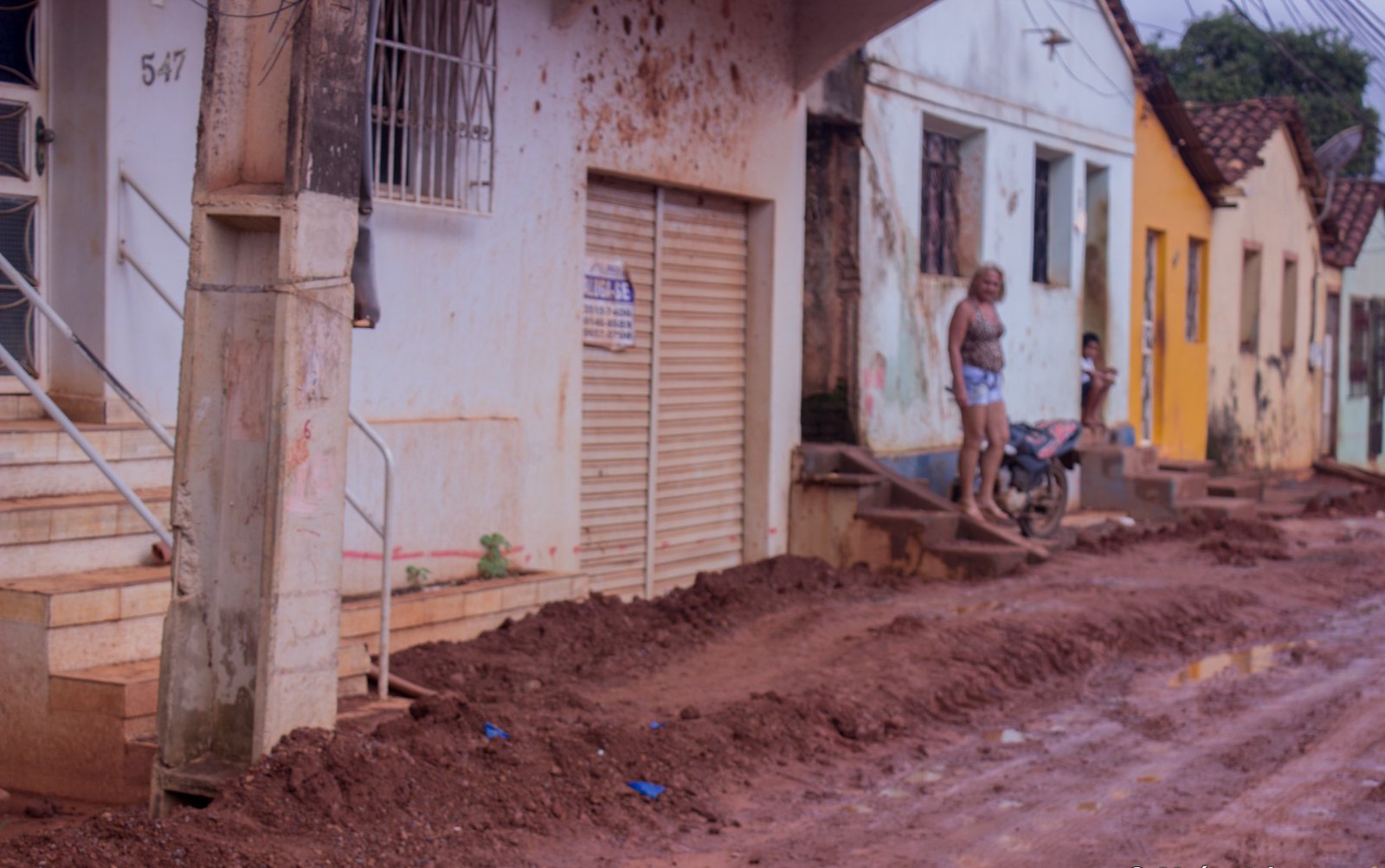
Photo: Amazon Watch / Maíra Irigaray.
Current situation
The protective measures granted by the IACHR remain in effect, but the Brazilian government has not fully complied with them, reporting only on general actions. The communities have documented the ongoing violations of their rights. The situation that prompted the request for these measures—the risk to the lives, physical integrity, and ways of life of the communities—persists and has worsened with the hydroelectric plant operating at full capacity and the recent extreme droughts in the Amazon.
In addition to the impacts of Belo Monte, there is a risk of further social and environmental impacts from the implementation of another mining megaproject in the Volta Grande do Xingu. There, the Canadian company Belo Sun plans to build Brazil’s largest open-pit gold mine.
The combined and cumulative impacts of the dam and the mine were not assessed. The government excluded Indigenous peoples, riverine and peasant communities from the project’s environmental permitting process. Despite protests by Indigenous communities and other irregularities surrounding the project, the government of Pará formally authorized the mine in April 2026.
Like other hydroelectric dams, Belo Monte exacerbates the climate emergency by generating greenhouse gas emissions in its reservoir. And it is inefficient amid the longer, more intense droughts caused by the crisis, as it loses its ability to generate power.
The case before the Inter-American Commission
In October 2017, the IACHR announced that it would rule jointly on the admissibility (whether the case meets the requirements for admission) and the merits (whether a human rights violation actually occurred) of the international complaint against the Brazilian State.
Fifteen years after the complaint was filed, the affected communities and the organizations representing them are still awaiting this decision. If the IACHR concludes that human rights violations occurred and issues recommendations that the Brazilian State fails to comply with, it may refer the case to the Inter-American Court of Human Rights, whose rulings are binding.
A potential ruling by the international court in this case would set a regional legal precedent regarding the rights of indigenous and riverine peoples, public participation in megaprojects, and state responsibility in the context of the climate crisis—a precedent that is particularly relevant in light of the Court’s Advisory Opinion No. 32, which reaffirmed the obligations of States to protect the people and communities of the continent from the climate emergency.
Partners:
Related projects

The IPCC's Sixth Report: the stark reality we must face with agency and hope
“Adults keep saying: “We owe it to the young people to give them hope.” But I don’t want your hope. I don’t want you to be hopeful. I want you to panic. I want you to feel the fear I feel every day. And then I want you to act”. - Greta Thumberg, addressing the World Economic Forum in January 2019. The Intergovernmental Panel on Climate Change’s (IPCC) Sixth Assessment Report confirmed what we’ve all feared. With more refined scientific evidence than ever before, the report warns that climate change is intensifying, affecting all regions of the planet. Humanity's influence on this imbalance is now referred to as "unequivocal." As such, there’s no doubt that it’s our responsibility to confront the problem. Recent and aggressive climate events demonstrate that the world is transitioning from mere warnings to real, apocalyptic experiences. The Panel is not exaggerating. Over the last few months, floods have killed hundreds of people in some of the richest countries on the planet, and fires have ravaged thousands of hectares across the globe. Despite all this, there is still hope! And hope is our main ally in changing course. The report projected five scenarios, from the least to the most ambitious, according to the mitigation measures that humanity could implement. All of them, even the most ambitious, result in exceeding the 1.5 °C average temperature of the planet by 2040. Despite the starkness of that forecast, the report also shows that, by taking aggressive action to reduce greenhouse gas emissions, we could stabilize the increase at 1.4°C by 2100. The battle is not over, let alone lost. The most important consequences of this planetary imbalance are still uncertain and are being played out in the field. So what’s next? Drastic reductions of greenhouse gases will only be possible with systemic changes at the government and corporate levels. We also need to adjust our narratives so as to not fall into defeatism and hopelessness, because there is no scientific evidence to support surrender. Nor should we allow the environmental movement to become divided; we must be alert to the campaigns of fear and diversion practiced by our opponents. Hopelessness, defeatism and the division of our voices are precisely the winning cards of those who resist change. Given the global context, what follows are some necessary and urgent actions that will allow us to advance toward the future we need: Aiming for a rapid and just energy transition that respects human rights and includes a gender focus; as well as a new type of development that does not bulldoze nature, but cherishes and respects it. These changes should not produce fear. The technology to generate energy with minimal emissions and environmental impacts exists, is proven, and has greater potential to create jobs than the fossil fuel industry. A world powered by clean, renewable energy is a fairer, greener world. Holding the industries and companies that drive our economy accountable for what their activities leave behind. The subsidy nature has paid in the name of economic development has already exceeded what is reasonable. Projects that impact the environment, that attack the balance of nature, are no longer viable. The institutional framework and the principles of national and international law that protect the environment and human rights are on our side. We must interpret and use them for what they are: sources of binding and obligatory law. Ensuring the protection of natural sites that have not yet been disturbed, especially those of high environmental value. Nature has the capacity to regenerate and heal itself, but we must give it a chance. Indigenous and traditional peoples, guardians of their forests and territories, play a key role in this. Advocating for the correct use of climate funds at the international level, ensuring that they work toward climate justice and not false solutions that do more harm than the disease itself. National and international financial institutions move huge amounts of money each year to address climate change. Funds for mitigation and adaptation are available and projects to be financed must comply with environmental and social safeguards. The monetary cost of not acting or not acting enough is much higher than the cost of taking immediate, effective and decisive action. Being strategic and relying on science to take advantage of every mitigation opportunity. One example is the reduction of short-lived climate pollutants, which were specifically addressed in the recent IPCC report. These pollutants have historically lacked the attention they deserve, despite the incredible opportunity their mitigation implies. One of them is methane, whose presence in the environment is at an all-time high. Methane—the sources of which include coal mining, fracking, large dam reservoirs and intensive livestock farming—has 67 times more power than carbon dioxide (CO2) to warm the planet over a 20-year period, and its emissions cause almost 25% of that warming. Reducing these pollutants also means improving air quality in cities across the global. Achieving ambitious results in international negotiations and honoring the treaties that protect the planet, taking advantage of the strength we have when we act in coordination. It’s true that we have been attending UN conferences on climate change for 25 years without managing to reduce emissions, but it’s also true that we have an agreement signed by all member states that is binding and that orders each country to do its part to avoid exceeding the dangerous barriers of warming. Let us not dismiss what has been achieved; rather, let’s continue to build on it. We must demand these actions and not settle for less. We must be on alert to vote for leaders who have what it takes to lead us that way. Every small victory, every ton of CO2 that is kept in the ground, every natural space that is preserved, moves us away from the worst effects of this crisis. It's our turn, and nature must come first. We owe it to those who will inhabit this beautiful planet in the near and distant future.
Read more
A Guide for GCF Watch Coordinators
A publication for coordinators of GCF Watch, a civil society initiative from the global South aimed at improving monitoring of the Green Climate Fund (GCF), the world's leading multilateral climate finance institution. DOWNLOAD THE FULL GUIDEBasics of the Green Climate Fund (GCF)The Green Climate Fund (GCF) is the operating entity of the funding mechanism of the United Nations Framework Convention on Climate Change (UNFCCC). As such, it provides funding to developing countries for climate change mitigation and adaptation projects and programs.Read and downloadNational Designated Authorities and Green Climate Fund Focal PointsNational Designated Authorities (NDAs), Government institutions, and Focal Points (FPs) are responsible for all matters related to the Green Climate Fund (GCF) in developing countries. They represent the GCF and serve as a liaison or point of contact between the GCF and developing countries. Read and downloadFunding Proposals before the Green Climate FundProposals for project and program funding can be classified according to several criteria: type of access, public or private, amount of funds requested, and risk category.Read and downloadGuide to Reviewing a Funding Proposal before the Green Climate FundThe GCF Watch will consolidate all observations made by civil society before sending to the GCF Board. Your comments will be part of the message directly delivered to the Board!Read and downloadAccredited Entities before the Green Climate FundThe funding granted by the Green Climate Fund (GCF) is channeled through accredited entities (AEs), which are in charge of managing the resources and implementing the projects and programs. The AEs must ensure that projects and programs comply with GCF safeguards, as well as oversee compliance when implementation is the responsibility of executing entities.Read and downloadThe Independent Redress Mechanism (IRM)The Independent Redress Mechanism (IRM) was created to respond to complaints from individuals, groups or communities who feel that they have been adversely affected by projects or programs financed by the Green Climate Fund (GCF) due to non-compliance with its operational policies and procedures, including its environmental and social safeguards.Read and downloadGCF Watch: A Southern Civil Society-Led InitiativeThe platform aims to improve the monitoring of the operations of the GCF through collaboration between organizations working at the level of the GCF Board and organizations and communities in the region that are close to the territories where projects supported by the entity are implemented.Read and downloadGlossary of useful terms for monitoring the Green Climate FundRead and download
Read more
Reaction: IUCN Congress votes yes to a moratorium on deep-sea mining
Marseille, France - A motion calling for a moratorium on deep-sea mining was adopted with overwhelming support by the IUCN World Conservation Congress today. Among government and government agencies 81 voted for the moratorium with 18 against and 28 abstentions. Among NGOs and civil society organization the vote was 577 for, 32 against and 35 abstentions, sending a strong message to governments that there is global opposition to deep-sea mining. “We are very pleased to see so many governments, agencies and NGOs voting for a moratorium on deep-sea mining; the support has been overwhelming” said Matthew Gianni Co-Founder of the Deep Sea Conservation Coalition (DSCC). “Member countries of the ISA, including France which hosted this Congress, need to wake up and act on behalf of civil society and the environment now, and take action in support of a moratorium”. Scientists have warned that deep-sea mining will cause large-scale, irreversible biodiversity loss and ecosystem degradation if permitted to occur, particularly in the international areas of the world’s ocean. The International Seabed Authority (ISA), a multilateral regulatory body established under the UN Convention on the Law of the Sea in 1994, is debating whether to begin licensing commercial deep-sea mining in as little as two years. 167 countries plus the EU are members of the ISA. The German Environment Ministry, the government of Fiji and many other government agencies voted to support motion 069. Nauru has triggered a so-called Two Year rule at the ISA which it expects will result in the Authority issuing a commercial license to mine. 47 African countries have challenged the trigger and Sian Owen, Director of the DSCC says: "Hopefully the vote in Marseille will translate into a vote at the ISA to adopt a moratorium on deep sea mining." Motion 069 - Protection of deep-ocean ecosystems and biodiversity through a moratorium on seabed mining was sponsored by Fauna and Flora International and co-sponsored by Fundación MarViva (Costa Rica), Natural Resources Defense Council (USA), Sylvia Earle Alliance/Mission Blue (USA), Synchronicity Earth (UK), Wildlands Conservation Trust (South Africa), World Wide Fund for Nature – International. For further information Matthew Gianni, IUCN, 31 646 168 899 Sian Owen, IUCN, 31 648 502 659 Patricia Roy, 34 696 905 907
Read more