
Project
Amazon Watch / Maíra Irigaray
The Belo Monte Dam on the Xingu River: 10 years of impacts in the Amazon and the search for reparations
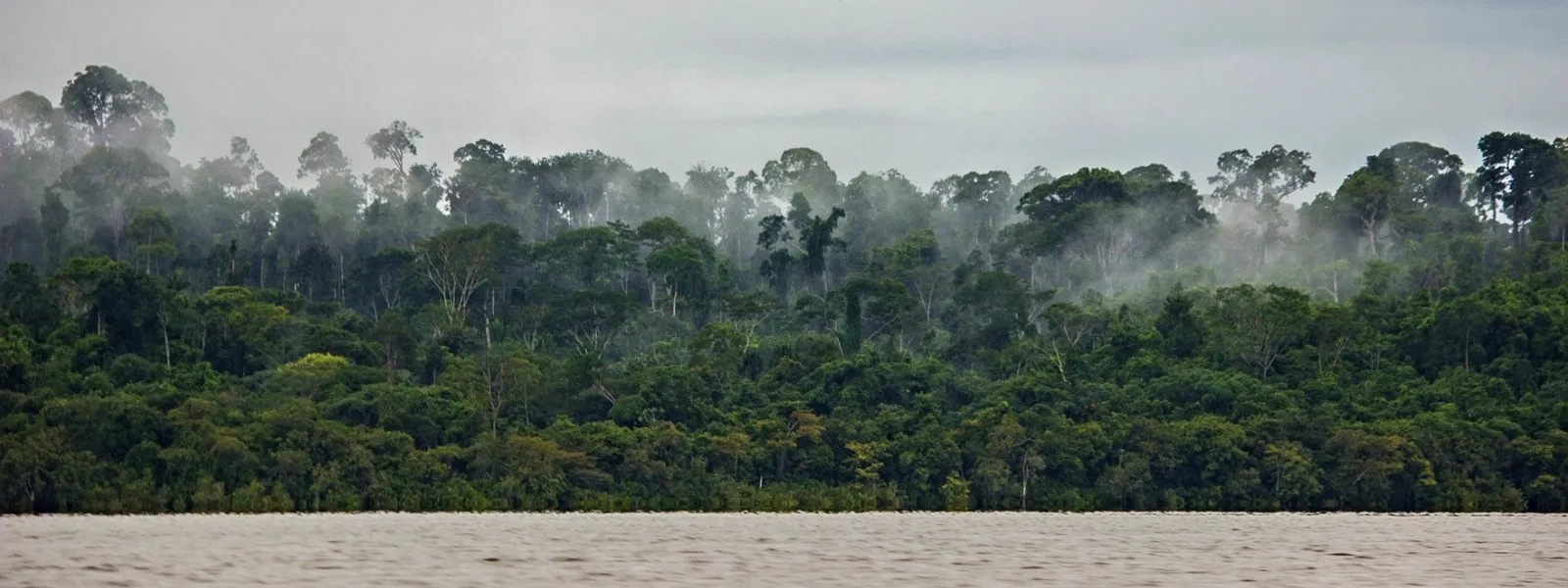
The Belo Monte Dam has caused an environmental and social disaster in the heart of the Amazon—one of the most important ecosystems on the planet.
This situation has only worsened since the hydroelectric plant began operations in 2016. The quest for justice and reparations by the affected indigenous, fishing, and riverine communities continues to this day.
In 2011, the Inter-American Commission on Human Rights (IACHR) granted them protective measures that, to date, have not been fully implemented by the Brazilian State.
Furthermore, since June of that same year, the IACHR has yet to rule on a complaint against the State regarding its international responsibility in the case.
The IACHR may refer the case to the Inter-American Court of Human Rights, which has the authority to issue a ruling condemning the Brazilian State.
After 10 years of the hydroelectric plant's operation and more than 15 years of documented human rights violations, it is time for justice to be served for the affected communities.
Read the open letter from the organizations bringing the case before the IACHR
Background
The Belo Monte hydroelectric plant—the fourth largest in the world by installed capacity (11,233 MW)—was built on the Xingu River in Pará, a state in northern Brazil.
It was inaugurated on May 5, 2016, with a single turbine. At that time, 80% of the river’s course was diverted, flooding 516 km² of land—an area larger than the city of Chicago. Of that area, 400 km² was native forest. The dam began operating at full capacity in November 2019.
Belo Monte was built and is operated by the Norte Energia S.A. consortium, which is composed primarily of state-owned companies. It was financed by the Brazilian Development Bank (BNDES), which provided the consortium with 25.4 billion reais (approximately US$10.16 billion), the largest investment in the bank’s history. Therefore, the BNDES is also legally responsible for the socio-environmental impacts associated with the hydroelectric plant.
Decades of harm to the environment and people
Human rights violations and degradation of the Amazon have been occurring since the project’s inception. In March 2011, Norte Energía began construction of the dam without adequate consultation and without the prior, free, and informed consent of the affected communities.
The construction caused the forced displacement of more than 40,000 people, severing social and cultural ties. The resettlement plan in Altamira—a city directly affected by the hydroelectric dam—involved housing units located on the outskirts, lacking adequate public services and decent living conditions for the relocated families, with no special provisions for those from indigenous communities.
Belo Monte's operations have caused a permanent, man-made drought in the Volta Grande (or "Great Bend") of the Xingu River, exacerbated by the historic droughts in the Amazon in 2023 and 2024. As a result, the deaths of millions of fish eggs were documented for four consecutive years (from 2021 to 2024), and for the past three years, there has been no upstream migration of fish to spawn and reproduce. Thus, artisanal fishing, the main source of protein for indigenous peoples and riverside communities, was severely affected: fish dropped from 50% to 30% of total protein consumed, replaced by processed foods. In summary, there was an environmental and humanitarian collapse that resulted in the breakdown of fishing as a traditional way of life, food insecurity, and access to drinking water for thousands of families, impoverishment, and disease.
Furthermore, the construction of the dam increased deforestation and intensified illegal logging and insecurity on indigenous and tribal lands, putting the survival of these communities at risk. Another consequence was the deepening of poverty and social conflicts, as well as the strain on health, education, and public safety systems in Altamira—a city ranked as the most violent in the country in 2017, where human trafficking and sexual violence increased. Violence was also reported against human rights defenders involved in the case.
In 2025, during the 30th UN Climate Change Conference (COP30), held in Brazil, the Federal Public Prosecutor’s Office labeled the damage caused by the Belo Monte dam as ecocide.
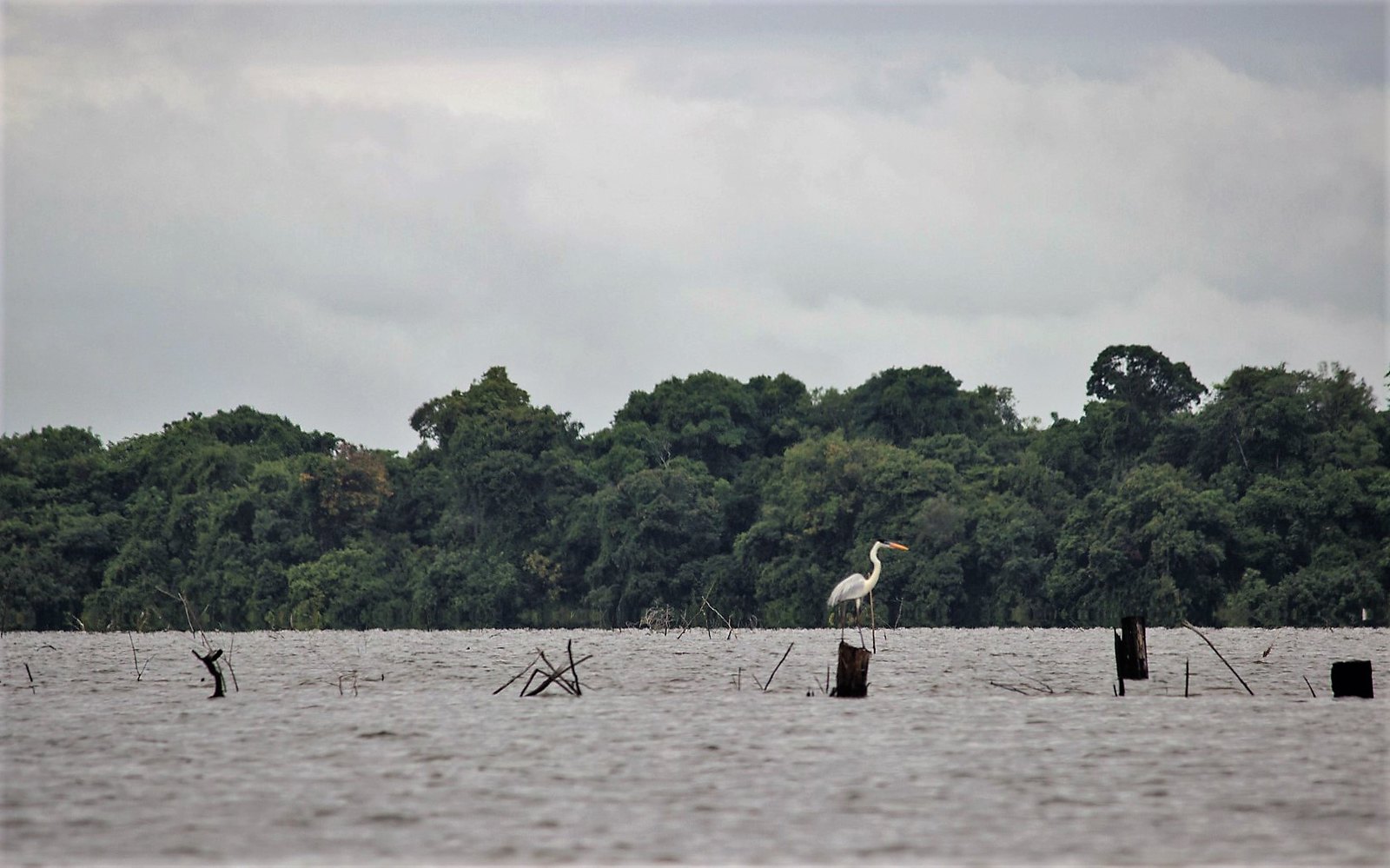
Photo: Amazon Watch / Maíra Irigaray.
The search for justice and reparations
Over the years, the Federal Public Prosecutor’s Office in Pará, the Public Defender’s Office, and civil society organizations have filed dozens of legal actions in Brazilian courts to challenge the project’s various irregularities and its impacts. Most of the claims are still pending resolution, some for more than 10 years.
These efforts have failed because the national government has repeatedly overturned rulings in favor of the affected communities by invoking a mechanism that allowed a court president to suspend a judicial decision based solely on generic arguments such as "the national interest" or "economic order."
In the absence of effective responses at the national level, AIDA, together with a coalition of partner organizations, brought the case before the Inter-American Commission on Human Rights (IACHR) and, in 2010, requested precautionary measures to protect the lives, safety, and health of the affected indigenous communities.
On April 1, 2011, the IACHR granted these measures and requested that the Brazilian government suspend environmental permits and any construction work until the conditions related to prior consultation and the protection of the health and safety of the communities are met.
And on June 16, 2011 —together with the Xingu Vivo Para Sempre Movement, the Coordinating Committee of Indigenous Organizations of the Brazilian Amazon, the Diocese of Altamira, the Indigenous Missionary Council, the Pará Society for the Defense of Human Rights and Global Justice— we filed a formal complaint against the Brazilian State for its international responsibility in the violation of the human rights of the people affected in the case. The case was opened for processing in December 2015.
On August 3, 2011, the IACHR amended the precautionary measures to request, instead of the suspension of permits and construction, the protection of people living in voluntary isolation, the health of indigenous communities, and the regularization and protection of ancestral lands.
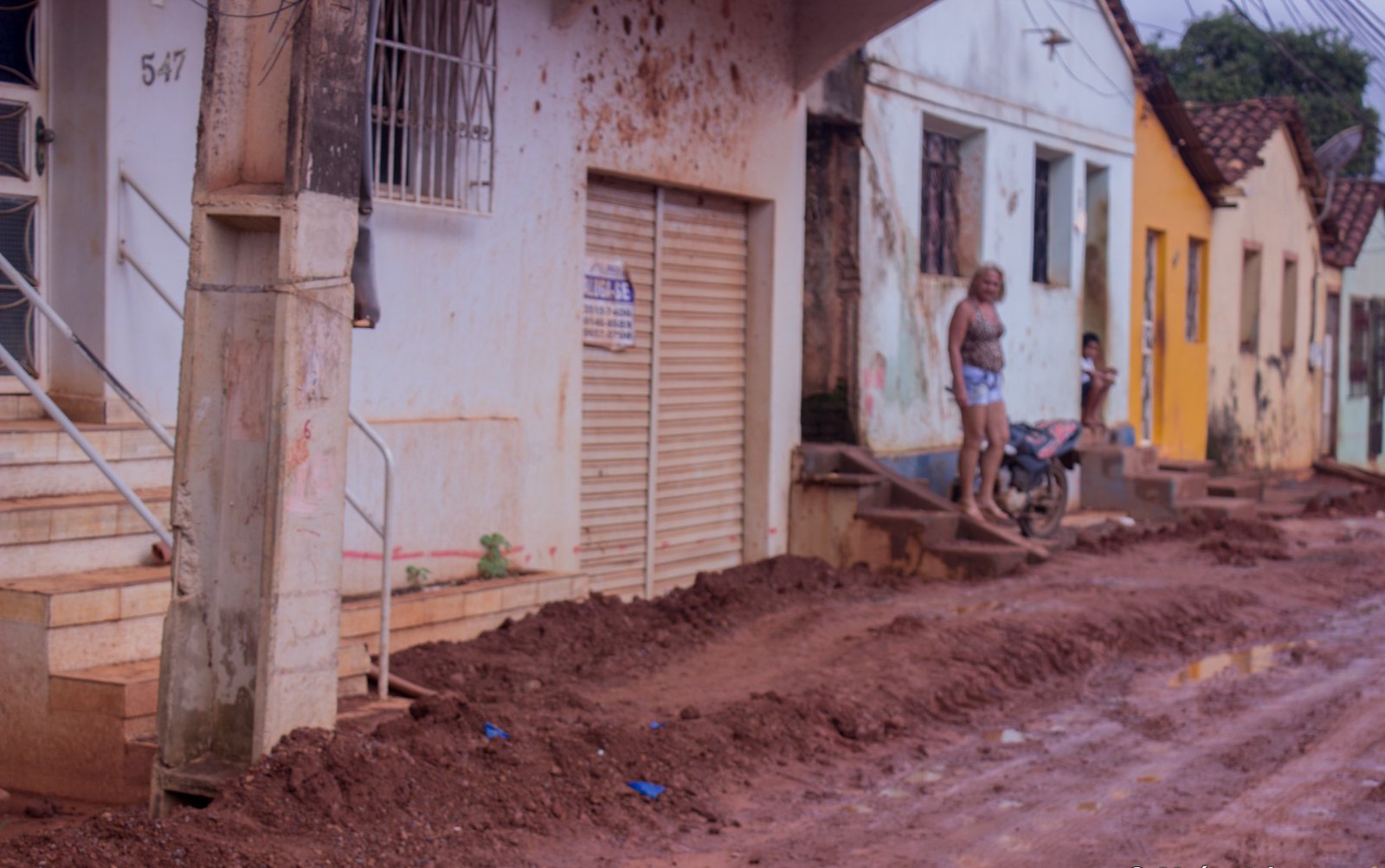
Photo: Amazon Watch / Maíra Irigaray.
Current situation
The protective measures granted by the IACHR remain in effect, but the Brazilian government has not fully complied with them, reporting only on general actions. The communities have documented the ongoing violations of their rights. The situation that prompted the request for these measures—the risk to the lives, physical integrity, and ways of life of the communities—persists and has worsened with the hydroelectric plant operating at full capacity and the recent extreme droughts in the Amazon.
In addition to the impacts of Belo Monte, there is a risk of further social and environmental impacts from the implementation of another mining megaproject in the Volta Grande do Xingu. There, the Canadian company Belo Sun plans to build Brazil’s largest open-pit gold mine.
The combined and cumulative impacts of the dam and the mine were not assessed. The government excluded Indigenous peoples, riverine and peasant communities from the project’s environmental permitting process. Despite protests by Indigenous communities and other irregularities surrounding the project, the government of Pará formally authorized the mine in April 2026.
Like other hydroelectric dams, Belo Monte exacerbates the climate emergency by generating greenhouse gas emissions in its reservoir. And it is inefficient amid the longer, more intense droughts caused by the crisis, as it loses its ability to generate power.
The case before the Inter-American Commission
In October 2017, the IACHR announced that it would rule jointly on the admissibility (whether the case meets the requirements for admission) and the merits (whether a human rights violation actually occurred) of the international complaint against the Brazilian State.
Fifteen years after the complaint was filed, the affected communities and the organizations representing them are still awaiting this decision. If the IACHR concludes that human rights violations occurred and issues recommendations that the Brazilian State fails to comply with, it may refer the case to the Inter-American Court of Human Rights, whose rulings are binding.
A potential ruling by the international court in this case would set a regional legal precedent regarding the rights of indigenous and riverine peoples, public participation in megaprojects, and state responsibility in the context of the climate crisis—a precedent that is particularly relevant in light of the Court’s Advisory Opinion No. 32, which reaffirmed the obligations of States to protect the people and communities of the continent from the climate emergency.
Partners:
Related projects

Transition in AIDA's Executive Leadership
The board of directors and team of AIDA, the Interamerican Association for Environmental Defense, are announcing a transition in its leadership. After 18 years of dedicated service, Astrid Puentes Riaño has decided to step down from her role as co-executive director, effective August 31, 2021. Today, AIDA is a solid organization with regional presence, a committed board of directors and strong internal leadership. As such, the time is right for a transition and to further strengthen the organization for the benefit of Latin America’s people, communities, and environment. Anna Cederstav, current co-executive director, will continue in a leadership role, and in the coming weeks we will begin the process of recruiting new executive leadership. At this time of transition, we would like to express our deep appreciation and gratitude to Astrid. For nearly two decades, she and Anna have led AIDA and its team of legal and scientific professionals in working with hundreds of partner organizations in more than ten countries of Latin America. As a result, AIDA is today one of the most effective environmental law organizations in the region. Astrid’s vision, strategic leadership and powerful command of various issues, jurisdictions, and national and regional laws, have strengthened AIDA and increased its impact. At the same time, Astrid has become one of the savviest and most dedicated environmental rights litigators in Latin America. She has helped establish the link between human rights and the environment and spearheaded efforts on climate change and climate justice in the region. Astrid has been, and continues to be, a mentor to her colleagues, and we are all better because of her leadership, which we will miss. We are confident that she will continue to bring her passion, dedication and expertise to the defense of the environment and human rights in Latin America and around the world. The AIDA board and team congratulate Astrid on all she has accomplished with AIDA and look forward to continuing our collaboration with her. We thank her for all she has contributed and wish her the best in her future endeavors. We are grateful for the support of each of our allies and reiterate our commitment to working to achieve environmental justice, climate justice and strong environmental governance in our beloved region.
Read more
"Defenders prevent us from entering into a situation of no return"
If you’re seeking to improve air quality in your city or working to halt a project that poses risks to the people and environment in your community, you are an environmental defender, although you probably haven't thought of it that way. Defenders are on the front lines of the battle to protect the environment and human rights, challenging public and private interests. Many of them face great difficulties in doing so, suffering from serious rights violations like persecution, threats, the use of public force, legal sanctions and even assassination. According to Global Witness’ most recent report, 212 murders of environmental and territorial defenders were recorded in 2019. Latin America was the most affected region, with Colombia leading the list with 64 murders. Despite the fact that States have the obligation to protect, respect and guarantee the rights of those who defend the environment, violence against them is worsening. On April 22, Earth Day, the Escazú Agreement came into force. It is the first environmental treaty in Latin America and the Caribbean that values the work of environmental defenders and obliges States to protect them and punish actions that violate their rights. Marcella Ribeiro, a Brazilian attorney with AIDA's Human Rights and Environment Program discusses the reality of those who defend the environment in Latin America, and the leading role that governments should play in protecting them. What is the current situation of environmental defenders worldwide and particularly in Latin America? We are going through a moment of extreme vulnerability. At the beginning of the pandemic, and particularly in the countries that are home to the Amazon, media covered shifted to focus only on news related to COVID-19. In this context, defenders were increasingly threatened and some were even killed without any public repercussions. In what way did the pandemic exacerbate their vulnerability? I am going to speak from the perspective of Brazil, where I am located. Environmental human rights defenders have had to defend themselves against both the state and companies that seek to enter their territories and implement a vision of development that is not in line with the vision of the communities themselves. Why is it important to protect the people who defend the environment? Because they are the first force there is for the defense of territory, nature and human rights, not from an individual perspective, but from a collective one. What they do is protect all of us, our rights, our air and our water, even our food security. Defenders prevent our planet from entering into a situation of no return: once the forest is cut down or the river is polluted, there will be no way to recover those ecosystems. With the entry into force of the Escazú Agreement, how does the situation of these people change and how can they be guaranteed access to justice? The Escazú Agreement is the first international legal framework focused entirely on defenders that seeks to ensure that justice and guarantee their rights. Not all Latin American countries have ratified it. This agreement complements and supports efforts to protect them, but for it to be effective we need countries to truly integrate these responsibilities into their national systems so that defenders can use it to their advantage. Political will is vital to protect those who defend the environment, how do you assess progress in this regard? It is evident that environmental defenders in Latin America are being increasingly threatened, even murdered. As this issue gains visibility, I believe that we are seeing a change and an increase in concern from States, even if it is not entirely genuine. While it is difficult to believe in the political, autonomous and altruistic will of Latin American governments, I do believe that the visibility achieved by the Inter-American Human Rights System, the United Nations and NGOs working to document and link the motivations behind these murders gives us a collective strength. Megaprojects should be implemented with a human rights-based development, but what happens when a State opposes the will of people or communities to reject them? Often in Latin America, States decide that a project is going to be implemented regardless of community resistance, or environmental risks related to the project. That is not connected to development, but to corruption. Promoting projects that we know are going negatively impact thousands of people is directly connection to corruption. We need stronger links between those of us working on human rights and environmental issues and those investigating corruption, in order to try to break those links before they are implemented. Given their work for the common good of all humanity and the increasing violence defenders face, AIDA has developed a guide that explains the obligations States have regarding the protection of environmental defenders. Read more here!
Read more
International pressure to stop the advance of fracking in Colombia
Many Latin American governments continue to promote extractive activities—including the exploration and exploitation of unconventional hydrocarbons through fracking, or hydraulic fracturing—as a means of economic revitalization in the face of the crisis caused by the COVID-19 pandemic. This trend contradicts the international commitments adopted by these countries to reduce emissions and mitigate the global climate crisis. A United Nations report, to be released this month, is expected to state that reducing methane emissions will be critical to avoid the most extreme effects of global warming. The report is based on recent data showing that carbon dioxide and methane levels in the atmosphere reached record highs last year, despite the pandemic bringing much of the global economy to a halt. This information complements scientific evidence that methane emissions from oil and gas production—one of its major human-related sources—may be higher than previous estimates. This increase has been associated with the leakage and flaring of methane from fracking operations. Although methane is an extremely potent greenhouse gas, it has a relatively short life cycle in the atmosphere, meaning that reducing its emissions could help the world meet our climate goals more quickly. Colombia is an example of how the push for fracking contradicts the urgent need to combat the climate crisis and its damages. Although it is not legal to carry out fracking operations in the country because its regulation is temporarily suspended, the government has not stopped the development of pilot projects of this technique and continues to anchor its energy policy on hydrocarbons. At the same time, there is a national and international push to stop the advance of fracking in Colombia. While the Council of State makes a final decision on the regulation, two legislative initiatives are underway: one that seeks to prohibit the implementation of fracking nationwide, and another that would prohibit the exploration and/or exploitation of unconventional hydrocarbons by any technique. In the framework of the parliamentary treatment of both bills, which are expected to be unified, authorities from the United Nations and the Inter-American Commission on Human Rights (IACHR) participated in public hearings, in which they called on Congress to approve the legislation that would allow Colombia to move toward a fair and low-emission energy transition. The case for protecting people and the climate In his intervention, David Boyd, UN Special Rapporteur on human rights and the environment, referred to the climate crisis as "serious and unprecedented", highlighting that its impacts on human rights "disproportionately affect poor, vulnerable and marginalized people." In the same vein, Marcos Orellana, UN Special Rapporteur on Toxic Substances and Human Rights, expressed concern about "the Colombian State's intention to consider funding and supporting fossil fuel fracking," considering its potential impact on human rights and sustainability. He emphasized, "new investments in fracking are incompatible with the protection of human rights." For his part, Renato Zerbini, chairman of the Committee on Economic, Social and Cultural Rights—a body, composed of 18 independent experts, that monitors the implementation of the International Covenant on Economic, Social and Cultural Rights by its State parties—stressed that hydraulic fracturing "is closely related to multiple and ongoing human rights violations, as it causes irreversible environmental impacts and severe social affectations." Thus, the use of the technique violates the rights guaranteed by the Covenant, to which Colombia is a party, Zerbini pointed out. In general, the extractive industry "increases the risk for environmental defenders, territorial occupation and the impact on the rights of the communities surrounding the projects," added Soledad García Muñoz, the IACHR’s Special Rapporteur on Economic, Social, Cultural and Environmental Rights. In sum, the representatives of the international organizations reported on the unfeasibility of fracking in climatic, social and even economic terms: "When the real costs of fracking are taken into account, it becomes evident that these far exceed the alleged economic gains," emphasized Orellana. They referred to the international obligations of the Colombian State in terms of human rights and climate change, contained in various instruments. Among those, they cited Advisory Opinion 23/17 on human rights and environment of the Inter-American Court of Human Rights; General Comment 36 on the right to life, contemplated in the International Covenant on Civil and Political Rights; as well as the Joint Declaration on Human Rights and Climate Change that five human rights bodies issued in 2019. The statement expresses that "failure to take measures to prevent foreseeable harm to human rights caused by climate change, or to regulate activities that contribute to such harm, could constitute a violation of States' human rights obligations." The common recommendation: ban fracking At the conclusion of their interventions, the international authorities expressed their support for a law banning fracking throughout the Colombian national territory: David Boyd argued,"to address the climate crisis, Colombia must urgently pursue a low-carbon, climate-resilient future, replacing fossil fuels with renewable energy in light of its obligations under constitutional law, international human rights law and the right to a healthy environment." He concluded, "the government of Colombia must pass a law to ban fracking." Marcos Orellana pointed out that "the Congress of the Republic of Colombia has the opportunity to raise its gaze towards the future and preserve the legacy of its megabiodiversity." In that sense, he pointed out, "the protection of the right to live in a toxic-free environment inspires my respectful call for Congress to adopt a law banning fracking." Soledad Muñoz said that "the approval of a bill whose purpose would be to put an end to the exploration and exploitation of unconventional oilfields, prohibiting practices such as fracking, would represent a valuable measure of environmental protection, the reduction of socio-environmental conflicts and compliance with the commitments emanating from the Paris Agreement and the Inter-American (Human Rights) System itself." Continuing to base local economies on the extractive industry and promoting fracking only increases the dependence of our societies on fossil fuels, deepening the causes of the climate crisis and the damage it does to the most vulnerable among us.
Read more