
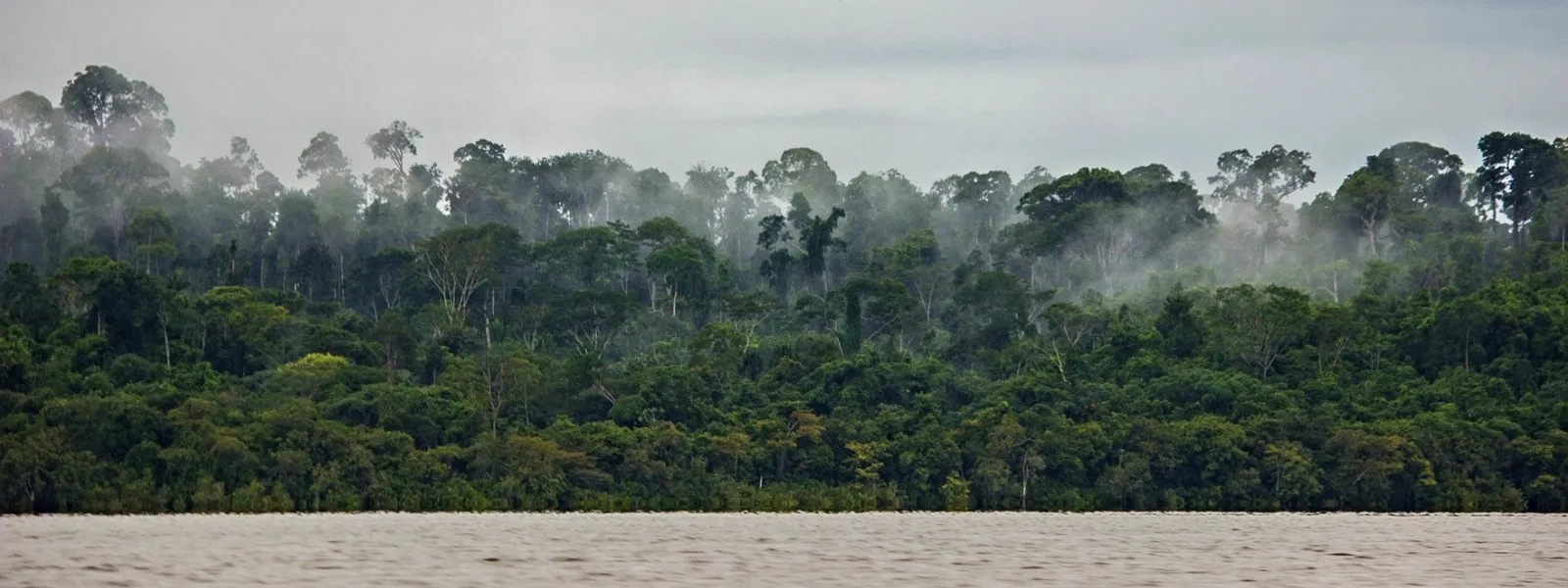
Project
Amazon Watch / Maíra Irigaray
The Belo Monte Dam on the Xingu River: 10 years of impacts in the Amazon and the search for reparations
The Belo Monte Dam has caused an environmental and social disaster in the heart of the Amazon—one of the most important ecosystems on the planet.
This situation has only worsened since the hydroelectric plant began operations in 2016. The quest for justice and reparations by the affected indigenous, fishing, and riverine communities continues to this day.
In 2011, the Inter-American Commission on Human Rights (IACHR) granted them protective measures that, to date, have not been fully implemented by the Brazilian State.
Furthermore, since June of that same year, the IACHR has yet to rule on a complaint against the State regarding its international responsibility in the case.
The IACHR may refer the case to the Inter-American Court of Human Rights, which has the authority to issue a ruling condemning the Brazilian State.
After 10 years of the hydroelectric plant's operation and more than 15 years of documented human rights violations, it is time for justice to be served for the affected communities.
Read the open letter from the organizations bringing the case before the IACHR
Background
The Belo Monte hydroelectric plant—the fourth largest in the world by installed capacity (11,233 MW)—was built on the Xingu River in Pará, a state in northern Brazil.
It was inaugurated on May 5, 2016, with a single turbine. At that time, 80% of the river’s course was diverted, flooding 516 km² of land—an area larger than the city of Chicago. Of that area, 400 km² was native forest. The dam began operating at full capacity in November 2019.
Belo Monte was built and is operated by the Norte Energia S.A. consortium, which is composed primarily of state-owned companies. It was financed by the Brazilian Development Bank (BNDES), which provided the consortium with 25.4 billion reais (approximately US$10.16 billion), the largest investment in the bank’s history. Therefore, the BNDES is also legally responsible for the socio-environmental impacts associated with the hydroelectric plant.
Decades of harm to the environment and people
Human rights violations and degradation of the Amazon have been occurring since the project’s inception. In March 2011, Norte Energía began construction of the dam without adequate consultation and without the prior, free, and informed consent of the affected communities.
The construction caused the forced displacement of more than 40,000 people, severing social and cultural ties. The resettlement plan in Altamira—a city directly affected by the hydroelectric dam—involved housing units located on the outskirts, lacking adequate public services and decent living conditions for the relocated families, with no special provisions for those from indigenous communities.
Belo Monte's operations have caused a permanent, man-made drought in the Volta Grande (or "Great Bend") of the Xingu River, exacerbated by the historic droughts in the Amazon in 2023 and 2024. As a result, the deaths of millions of fish eggs were documented for four consecutive years (from 2021 to 2024), and for the past three years, there has been no upstream migration of fish to spawn and reproduce. Thus, artisanal fishing, the main source of protein for indigenous peoples and riverside communities, was severely affected: fish dropped from 50% to 30% of total protein consumed, replaced by processed foods. In summary, there was an environmental and humanitarian collapse that resulted in the breakdown of fishing as a traditional way of life, food insecurity, and access to drinking water for thousands of families, impoverishment, and disease.
Furthermore, the construction of the dam increased deforestation and intensified illegal logging and insecurity on indigenous and tribal lands, putting the survival of these communities at risk. Another consequence was the deepening of poverty and social conflicts, as well as the strain on health, education, and public safety systems in Altamira—a city ranked as the most violent in the country in 2017, where human trafficking and sexual violence increased. Violence was also reported against human rights defenders involved in the case.
In 2025, during the 30th UN Climate Change Conference (COP30), held in Brazil, the Federal Public Prosecutor’s Office labeled the damage caused by the Belo Monte dam as ecocide.
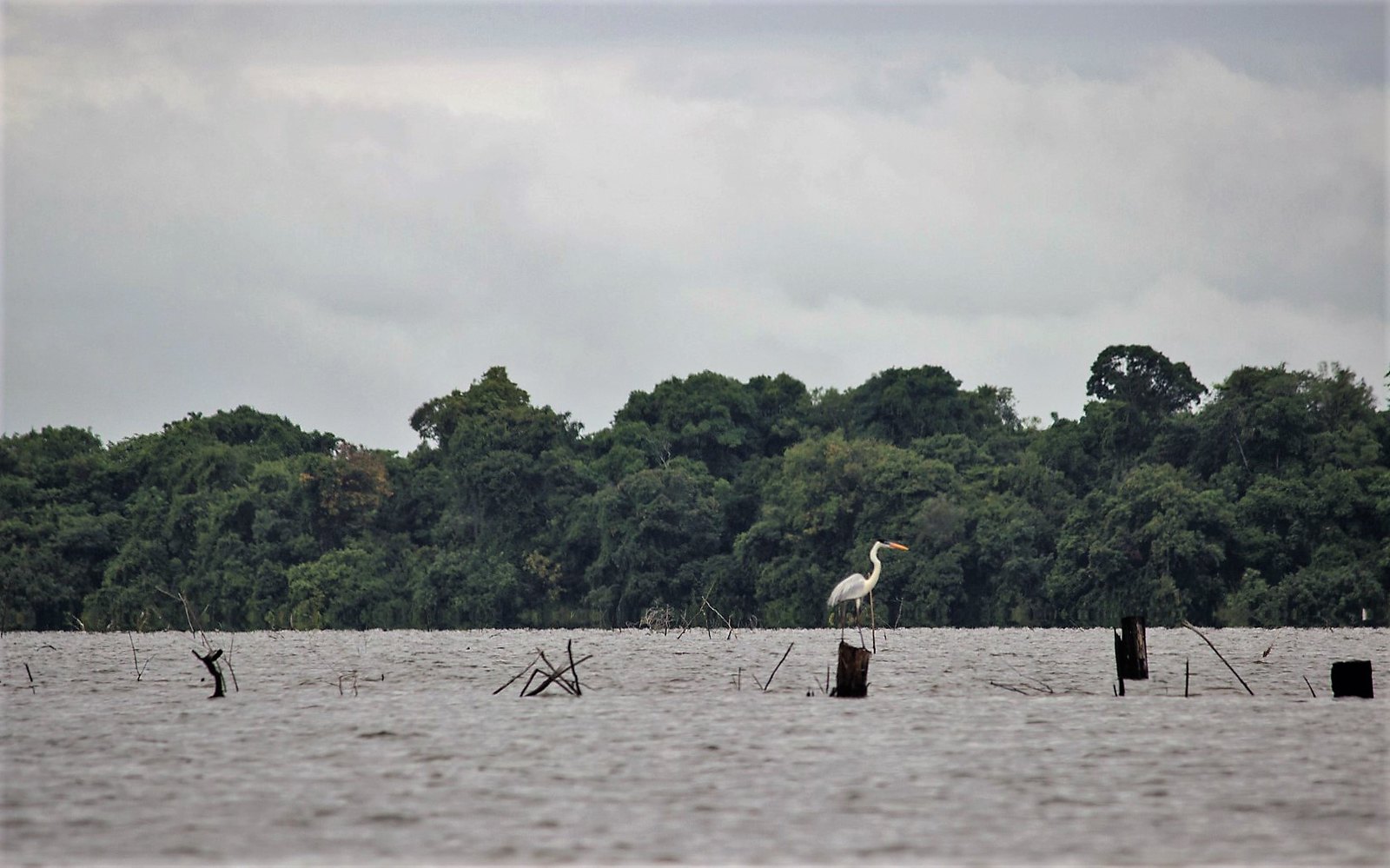
Photo: Amazon Watch / Maíra Irigaray.
The search for justice and reparations
Over the years, the Federal Public Prosecutor’s Office in Pará, the Public Defender’s Office, and civil society organizations have filed dozens of legal actions in Brazilian courts to challenge the project’s various irregularities and its impacts. Most of the claims are still pending resolution, some for more than 10 years.
These efforts have failed because the national government has repeatedly overturned rulings in favor of the affected communities by invoking a mechanism that allowed a court president to suspend a judicial decision based solely on generic arguments such as "the national interest" or "economic order."
In the absence of effective responses at the national level, AIDA, together with a coalition of partner organizations, brought the case before the Inter-American Commission on Human Rights (IACHR) and, in 2010, requested precautionary measures to protect the lives, safety, and health of the affected indigenous communities.
On April 1, 2011, the IACHR granted these measures and requested that the Brazilian government suspend environmental permits and any construction work until the conditions related to prior consultation and the protection of the health and safety of the communities are met.
And on June 16, 2011 —together with the Xingu Vivo Para Sempre Movement, the Coordinating Committee of Indigenous Organizations of the Brazilian Amazon, the Diocese of Altamira, the Indigenous Missionary Council, the Pará Society for the Defense of Human Rights and Global Justice— we filed a formal complaint against the Brazilian State for its international responsibility in the violation of the human rights of the people affected in the case. The case was opened for processing in December 2015.
On August 3, 2011, the IACHR amended the precautionary measures to request, instead of the suspension of permits and construction, the protection of people living in voluntary isolation, the health of indigenous communities, and the regularization and protection of ancestral lands.
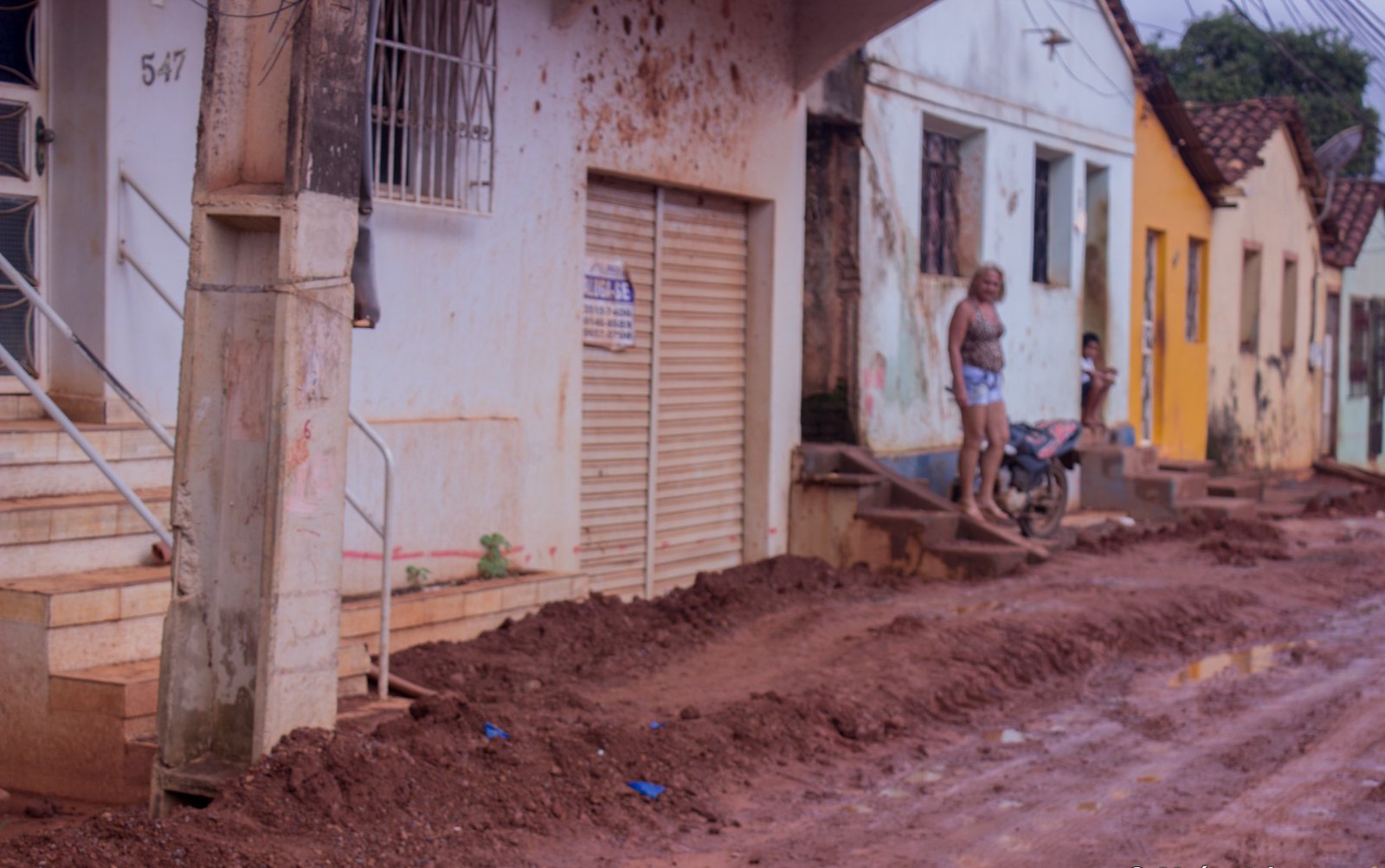
Photo: Amazon Watch / Maíra Irigaray.
Current situation
The protective measures granted by the IACHR remain in effect, but the Brazilian government has not fully complied with them, reporting only on general actions. The communities have documented the ongoing violations of their rights. The situation that prompted the request for these measures—the risk to the lives, physical integrity, and ways of life of the communities—persists and has worsened with the hydroelectric plant operating at full capacity and the recent extreme droughts in the Amazon.
In addition to the impacts of Belo Monte, there is a risk of further social and environmental impacts from the implementation of another mining megaproject in the Volta Grande do Xingu. There, the Canadian company Belo Sun plans to build Brazil’s largest open-pit gold mine.
The combined and cumulative impacts of the dam and the mine were not assessed. The government excluded Indigenous peoples, riverine and peasant communities from the project’s environmental permitting process. Despite protests by Indigenous communities and other irregularities surrounding the project, the government of Pará formally authorized the mine in April 2026.
Like other hydroelectric dams, Belo Monte exacerbates the climate emergency by generating greenhouse gas emissions in its reservoir. And it is inefficient amid the longer, more intense droughts caused by the crisis, as it loses its ability to generate power.
The case before the Inter-American Commission
In October 2017, the IACHR announced that it would rule jointly on the admissibility (whether the case meets the requirements for admission) and the merits (whether a human rights violation actually occurred) of the international complaint against the Brazilian State.
Fifteen years after the complaint was filed, the affected communities and the organizations representing them are still awaiting this decision. If the IACHR concludes that human rights violations occurred and issues recommendations that the Brazilian State fails to comply with, it may refer the case to the Inter-American Court of Human Rights, whose rulings are binding.
A potential ruling by the international court in this case would set a regional legal precedent regarding the rights of indigenous and riverine peoples, public participation in megaprojects, and state responsibility in the context of the climate crisis—a precedent that is particularly relevant in light of the Court’s Advisory Opinion No. 32, which reaffirmed the obligations of States to protect the people and communities of the continent from the climate emergency.
Partners:
Related projects
Reflections for a Bolivia free of fracking
Text written as part of the series #TRANSFORMAR LA CRISIS, Tomo II. Crisis Ecológica, extractivismo y poblaciones vulnerables by the foundation Friedrich-Ebert-Stiftung (FES) in Bolivia, to be published soon. It all began with a study, published in 2011 by the U.S. Energy Information Administration, reporting the existence of large quantities of unconventional hydrocarbons in Bolivia. The study created considerable expectations in the Andean Nation. Given the gradual depletion of conventional oil and gas deposits, fracking has since become a latent threat. Fracking is a risky, costly and highly polluting technique. As a region, Latin America is home to roughly seven thousand fracking wells. The technique’s advance—as well as related public policies, regulations and social opposition—has commonalities across the region, including its affects on protected areas and on urban, rural and indigenous populations. So far, Bolivia remains free from fracking. But without an intentional political decision to avoid it, and without a population better informed about its effects, fracking could soon become a reality here as well. The risks of fracking in Bolivia The implementation of fracking is a latent threat in Bolivia because of the nation’s significant dependence on fossil fuels. In 2013, the state-owned company YPFB signed a cooperative agreement with YPF Argentina to study the potential of unconventional hydrocarbons. It also asked the operating companies to extract samples from the Los Monos geological formation in the Chaco region. That same year, YPFB Chaco (a subsidiary of YPFB), with the support of Halliburton, carried out a "mini-fracture" in the Ingre X-2 well, part of the Tupambi formation, in Chuquisaca. This operation would have allowed for the discovery of tight sand oil. Based on this discovery, YPFB Chaco had proposed to perform a complete fracture of the reservoir in 2014. It is unknown if this occurred because, in the years following, YPFB stopped generating public information on the project. In 2018, Canadian company CanCambria Energy Corp. signed a study agreement with YPFB, the prelude to an exploration/exploitation contract, to determine the unconventional gas potential at Miraflores, also in Chuquisaca. CanCambria's preliminary data points to the possible existence of a mega-field in the area, whose potential gas resources would be comparable to those of Argentina’s Vaca Muerta. The Canadian firm has prepared a proposal to extract gas by drilling 800 wells over 202 square kilometers in the Miraflores area, in the municipality of Macharetí. Miraflores is located in the Heroes del Chaco Municipal Protected Area and is part of the Yrenda Toba Tarijeño Aquifer System, which Bolivia shares with Paraguay and Argentina. The people living in Macharetí, including Guaraní indigenous communities, were shocked to receive news of the project. The alarm raised by the possibility of fracking in this territory led those who live there to learn about the consequences of the technique, particularly in relation to the use and contamination of immense quantities of water. As a direct result, Macharetí included in its autonomous statute the prohibition of fracking in its territory, intensifying the controversy over the technique’s development in the area. Between extreme energy and an energy transition In the face of this controversy over fracking, two paths lay before us: on the first, is the deepening of the extractivist model and the generation of highly polluting energy, with serious and irreversible negative impacts on Mother Earth and local populations; on the second, is a just and democratic energy transition, which implies the decommodification of energy, a change in the energy matrix, and a shift in the development paradigm. Bolivia, and Latin America as a region, need to profoundly transform the way energy is produced; the new system should be formed with a long-term vision and based on the respect for human rights and the protection of nature. The development of fracking, far from initiating any transition, goes against this trend because it continues to promote a polluting, risky and costly energy system. It is based on dependence on non-renewable energy sources with negative impacts on the territories, inequity and lack of citizen participation in the construction of energy policies. Instead, Bolivia must bet on a socially just, economically viable and ecologically sustainable energy transition. "Bolivia should not move towards the implementation of fracking in its territory because it represents one of the greatest risks to its ecosystems, resources and populations," says Jorge Campanini, researcher at the Center for Documentation and Information Bolivia (CEDIB). "It is urgent to generate solid policies that declare a moratorium or indefinite ban on this technique throughout the country". The experience of Latin American countries that have bet on fracking clearly demonstrates the economic, environmental and social impacts of this technique. In this context, many organizations, communities and peoples have organized to confront the threat. The ongoing Covid-19 pandemic forces us to reflect on the future of fossil fuels, and the need for a just energy transition. Instead of considering fracking as an easy way to create jobs in difficult times, we must confront the health, economic and climate crises together. It’s time to think of resilient recovery, and thus an energy system that is not based on fracking. One idea usually associated with transition is the change of the energy matrix, yet, while necessary, the rapid and effective de-fossilization of that matrix is not enough. The energy transition must be comprehensive and incorporate environmental, economic and social dimensions so that it is also just and democratic. That’s why it’s so important that governments address the issue with a systemic approach.
Read more
Member countries of the World Trade Organization must reach an agreement on fisheries subsidies
We regret that the World Trade Organization (WTO) Ministerial Conference, held today in Geneva, failed to reach an agreement on fisheries subsidies, an urgent measure to achieve effective management of our fisheries resources, as well as to ensure global food security and the livelihoods of coastal communities. At the same time, we recognize that the negotiations are at an advanced stage and that we finally have a draft text. We wish to highlight the commitment and participation of Latin American delegations including Argentina, Chile, Colombia, Costa Rica, Guatemala, Mexico, Panama, Peru and Uruguay. We urge all WTO member countries to assume the great responsibility of reaching an agreement soon. After two decades of negotiations, the deadlines for completing the negotiations and reaching an agreement have been repeatedly missed. Although negotiations officially began in 2001, it was not until the 2017 Ministerial Conference that countries committed to take action and reach an agreement at the next conference, which was to take place in December 2020, but was suspended due to the pandemic. This commitment also responds to the fulfillment of target 14.6 of the United Nations Sustainable Development Goals. This target establishes that by 2020 "certain forms of fisheries subsidies which contribute to overcapacity and overfishing" should be prohibited, and aims to "eliminate subsidies that contribute to illegal, unreported and unregulated fishing and refrain from introducing new such subsidies, recognizing that appropriate and effective special and differential treatment for developing and least developed countries should be an integral part of the World Trade Organization fisheries subsidies negotiation." According to recent estimates, governments spend US$35 billion each year to support their fisheries sectors, of which US$22 billion represent negative subsidies, which promote overfishing. That practice results in alarming data, including that 63 percent of global fish stocks need to be rebuilt and that, according to a 2020 FAO report, 34 percent of them are fished at "biologically unsustainable" levels. While the agreement is being finalized, more needs to be done to ensure the sustainability of fish stocks. We urge WTO member countries to define without further delay commitments in this regard at the national and regional levels. For our part, AIDA attorneys will continue to work hand-in-hand with governments to reach an ambitious agreement. It is imperative that said agreement adopt solid rules, eliminate the possibility of creating legal loopholes, and seize the opportunity to establish ocean policies aimed at achieving greater sustainability and guaranteeing the satisfaction of the needs of current and future generations, as well as the conservation of our marine resources. press contact Victor Quintanilla (Mexico), [email protected], +525570522107
Read more
People v. Shell: A step towards climate justice
On May 26, the District Court in The Hague, Netherlands, issued a landmark climate ruling. It ordered Anglo-Dutch oil company Shell—one of the world's leading fossil fuel producers and suppliers—to reduce its carbon dioxide (CO2) emissions by 45 percent by 2030, compared to 2019 levels. The decision came in response to a 2019 lawsuit filed by Friends of the Earth, along with six other organizations and more than 17 thousand Dutch citizens. Although Shell publicly committed in 2020 to achieving net-zero emissions by 2050, the Dutch court found that this pledge was not enough. According to the verdict, the multinational is responsible for not only its own CO2 emissions, but also those of its suppliers and customers, which together threaten the fragile planetary balance and the realization of human rights. The ruling determines, for the first time, that a company and its subsidiaries must align their policies with global CO2 emission reduction targets. It bases this obligation on the emission reduction targets of the Paris Agreement, adopted in 2015. Thus, those who litigated against Shell fulfilled their main objective, which was not to obtain financial compensation for damages caused, but to force the oil company to reduce its emissions in compliance with the Paris Agreement's goal of limiting the increase in global temperatures to 2°C compared to pre-industrial levels, and to continue efforts to reach 1.5°C. The Shell group has been aware for nearly 60 years of the risks of climate change, as demonstrated by a documentary they themselves produced in the 1990s. However, the multinational responsible for nine times more emissions than the whole of the Netherlands has never stopped investing in fossil fuels, intentionally favoring its economic interests at the expense of the environment, the climate and people. Check here the recording of the conversation we had with Niels Hazekamp, Senior Policy Adviserat Both Ends, one of the organizations that sued Shell, where explains the details of the litigation. A worldwide precedent The ruling is a major step forward in the use of judicial systems as tools to advance climate justice, and it demonstrates that society, as a whole, is more determined than ever to stop the negative impacts that powerful multinationals have on the environment, the climate and the enjoyment of fundamental human rights. Despite being litigated on European soil, the case represents a significant step towards global climate justice, offering an interesting opportunity for replication in Latin America and the world. The case not only opened the discussion on corporate climate responsibility, but was also a pioneer in incorporating the use of the UN Guiding Principles on Business and Human Rights and the OECD Guidelines for Multinational Enterprises. The use of these instruments, which regulate multinational companies by requiring them to respect human rights, demonstrates their potential for global climate justice. The language of the verdict is based primarily on respect for human rights, thus opening the possibility of applying the same reasoning against other polluting companies, in accordance with the obligations set out in the above-mentioned instruments. More about the People v. Shell ruling Under the ruling, Shell must reduce Type 1 net emissions—those generated by its activities and those of its subsidiaries—and make a significant effort to reduce Type 2 and 3 net emissions—those generated by users of the oil and gas produced by the multinational. To account for the net reduction of its emissions, the oil company cannot resort to any of the carbon capture or offsetting tools established under the Paris Agreement, which consist of capturing CO2 emissions from coal and gas-fired power plants and heavy industry, for deep subway storage or reuse. It is worth noting that, although there is no certainty about the exact nature of the climate impacts caused by Shell, the judges highlighted the universally recognized risks to communities and ecosystems related to industrial pollution, and the company's financial priorities, to support their ruling. Primary doubts and concerns The primary doubts regarding this ruling have to do with its implementation. Although the court established that Shell may not use offsetting or absorption systems for its emissions, it does not oblige it to end the exploration, extraction and exploitation of fossil fuels. Furthermore, the subjectivity of the ruling does not allow for the identification of exactly what kind of effort could be considered significant for the reduction of emissions by the oil company's customers. Nor is there clarity regarding the responsibility of the Shell group for the sale of its refineries to other public companies in the Global South, which would allow the multinational to comply in part with emissions reductions, while the refineries continue to operate in some of the most vulnerable places on the planet. In addition to the use of the Paris Agreement, which assisted the judges in ruling in favor of the climate in this case, the litigation opened the door to the use of existing soft law instruments such as the UN Guiding Principles on Business and Human Rights, or others that are expected to be legally binding to regulate the activities of transnational corporations and other business enterprises. Likewise, considering the difficulty and possible manipulation in counting emissions, new avenues are opening up to establish specific obligations on polluting actors. As recommended by several civil society organizations, basing corporate emission reductions on the measurement of barrels of oil, cubic meters of gas and tons of carbon would be easier and more useful for the implementation of successful judgments such as this one. Finally, there are concerns about the rights of Shell workers, which could be negatively affected by the ruling. The drastic reduction that Shell will have to apply to its oil and gas activities must be framed in a fair and inclusive transition process, which includes respecting labor rights and transforming its activities by making them more sustainable. The case of People v. Shell has opened up valuable tools for a global shift towards climate justice and holding companies accountable for their environmental and human rights harms. For those of active in climate litigation, the case demonstrates the need to strengthen the capacities of our teams, the importance of creativity and the use of science, the importance of ensuring that we have the time and resources to pursue landmark cases and, finally, the relevance of building alliances to build upon the current momentum of the global climate justice movement.
Read more