

Project
Amazon Watch / Maíra Irigaray
The Belo Monte Dam on the Xingu River: 10 years of impacts in the Amazon and the search for reparations
The Belo Monte Dam has caused an environmental and social disaster in the heart of the Amazon—one of the most important ecosystems on the planet.
This situation has only worsened since the hydroelectric plant began operations in 2016. The quest for justice and reparations by the affected indigenous, fishing, and riverine communities continues to this day.
In 2011, the Inter-American Commission on Human Rights (IACHR) granted them protective measures that, to date, have not been fully implemented by the Brazilian State.
Furthermore, since June of that same year, the IACHR has yet to rule on a complaint against the State regarding its international responsibility in the case.
The IACHR may refer the case to the Inter-American Court of Human Rights, which has the authority to issue a ruling condemning the Brazilian State.
After 10 years of the hydroelectric plant's operation and more than 15 years of documented human rights violations, it is time for justice to be served for the affected communities.
Read the open letter from the organizations bringing the case before the IACHR
Background
The Belo Monte hydroelectric plant—the fourth largest in the world by installed capacity (11,233 MW)—was built on the Xingu River in Pará, a state in northern Brazil.
It was inaugurated on May 5, 2016, with a single turbine. At that time, 80% of the river’s course was diverted, flooding 516 km² of land—an area larger than the city of Chicago. Of that area, 400 km² was native forest. The dam began operating at full capacity in November 2019.
Belo Monte was built and is operated by the Norte Energia S.A. consortium, which is composed primarily of state-owned companies. It was financed by the Brazilian Development Bank (BNDES), which provided the consortium with 25.4 billion reais (approximately US$10.16 billion), the largest investment in the bank’s history. Therefore, the BNDES is also legally responsible for the socio-environmental impacts associated with the hydroelectric plant.
Decades of harm to the environment and people
Human rights violations and degradation of the Amazon have been occurring since the project’s inception. In March 2011, Norte Energía began construction of the dam without adequate consultation and without the prior, free, and informed consent of the affected communities.
The construction caused the forced displacement of more than 40,000 people, severing social and cultural ties. The resettlement plan in Altamira—a city directly affected by the hydroelectric dam—involved housing units located on the outskirts, lacking adequate public services and decent living conditions for the relocated families, with no special provisions for those from indigenous communities.
Belo Monte's operations have caused a permanent, man-made drought in the Volta Grande (or "Great Bend") of the Xingu River, exacerbated by the historic droughts in the Amazon in 2023 and 2024. As a result, the deaths of millions of fish eggs were documented for four consecutive years (from 2021 to 2024), and for the past three years, there has been no upstream migration of fish to spawn and reproduce. Thus, artisanal fishing, the main source of protein for indigenous peoples and riverside communities, was severely affected: fish dropped from 50% to 30% of total protein consumed, replaced by processed foods. In summary, there was an environmental and humanitarian collapse that resulted in the breakdown of fishing as a traditional way of life, food insecurity, and access to drinking water for thousands of families, impoverishment, and disease.
Furthermore, the construction of the dam increased deforestation and intensified illegal logging and insecurity on indigenous and tribal lands, putting the survival of these communities at risk. Another consequence was the deepening of poverty and social conflicts, as well as the strain on health, education, and public safety systems in Altamira—a city ranked as the most violent in the country in 2017, where human trafficking and sexual violence increased. Violence was also reported against human rights defenders involved in the case.
In 2025, during the 30th UN Climate Change Conference (COP30), held in Brazil, the Federal Public Prosecutor’s Office labeled the damage caused by the Belo Monte dam as ecocide.
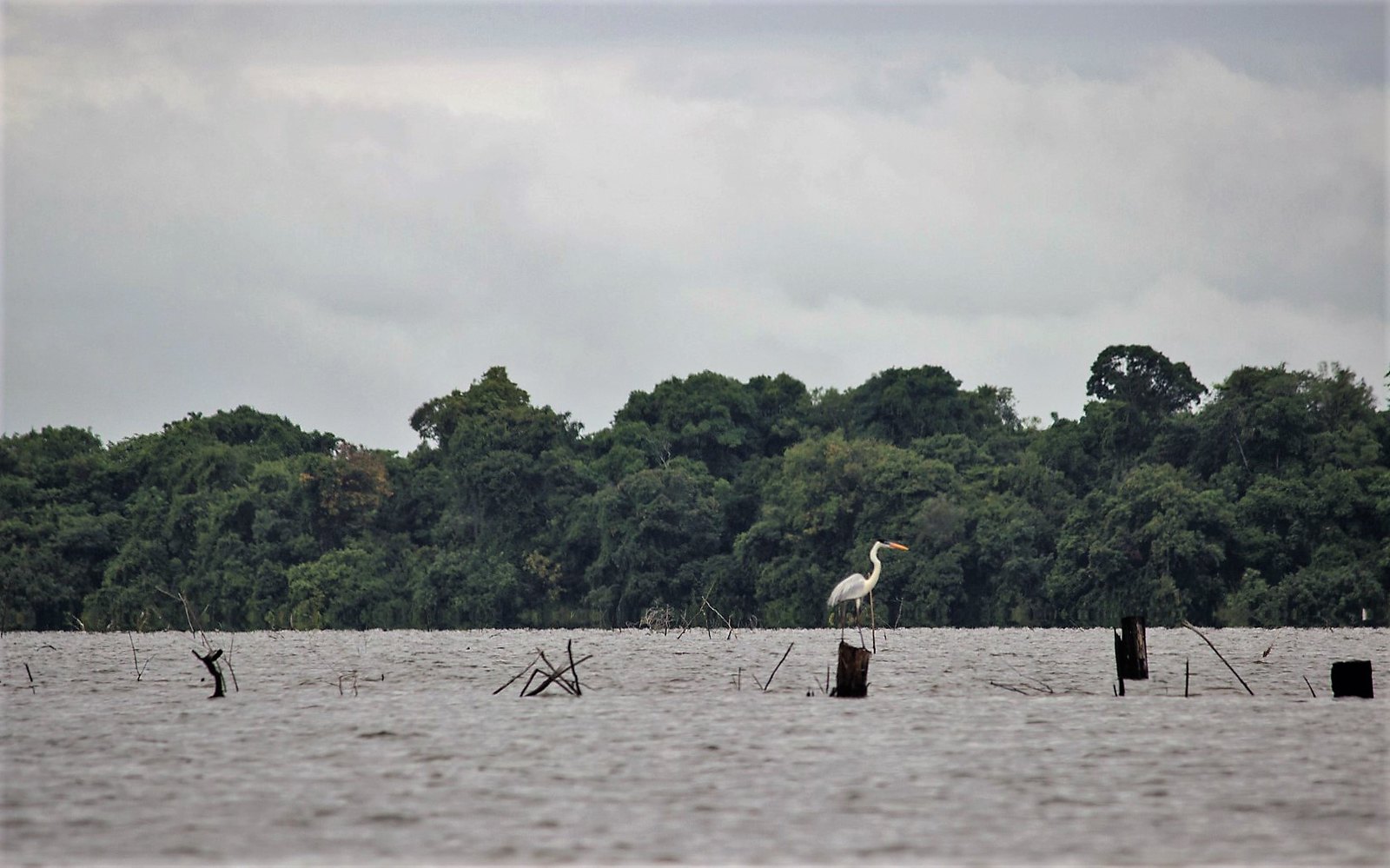
Photo: Amazon Watch / Maíra Irigaray.
The search for justice and reparations
Over the years, the Federal Public Prosecutor’s Office in Pará, the Public Defender’s Office, and civil society organizations have filed dozens of legal actions in Brazilian courts to challenge the project’s various irregularities and its impacts. Most of the claims are still pending resolution, some for more than 10 years.
These efforts have failed because the national government has repeatedly overturned rulings in favor of the affected communities by invoking a mechanism that allowed a court president to suspend a judicial decision based solely on generic arguments such as "the national interest" or "economic order."
In the absence of effective responses at the national level, AIDA, together with a coalition of partner organizations, brought the case before the Inter-American Commission on Human Rights (IACHR) and, in 2010, requested precautionary measures to protect the lives, safety, and health of the affected indigenous communities.
On April 1, 2011, the IACHR granted these measures and requested that the Brazilian government suspend environmental permits and any construction work until the conditions related to prior consultation and the protection of the health and safety of the communities are met.
And on June 16, 2011 —together with the Xingu Vivo Para Sempre Movement, the Coordinating Committee of Indigenous Organizations of the Brazilian Amazon, the Diocese of Altamira, the Indigenous Missionary Council, the Pará Society for the Defense of Human Rights and Global Justice— we filed a formal complaint against the Brazilian State for its international responsibility in the violation of the human rights of the people affected in the case. The case was opened for processing in December 2015.
On August 3, 2011, the IACHR amended the precautionary measures to request, instead of the suspension of permits and construction, the protection of people living in voluntary isolation, the health of indigenous communities, and the regularization and protection of ancestral lands.
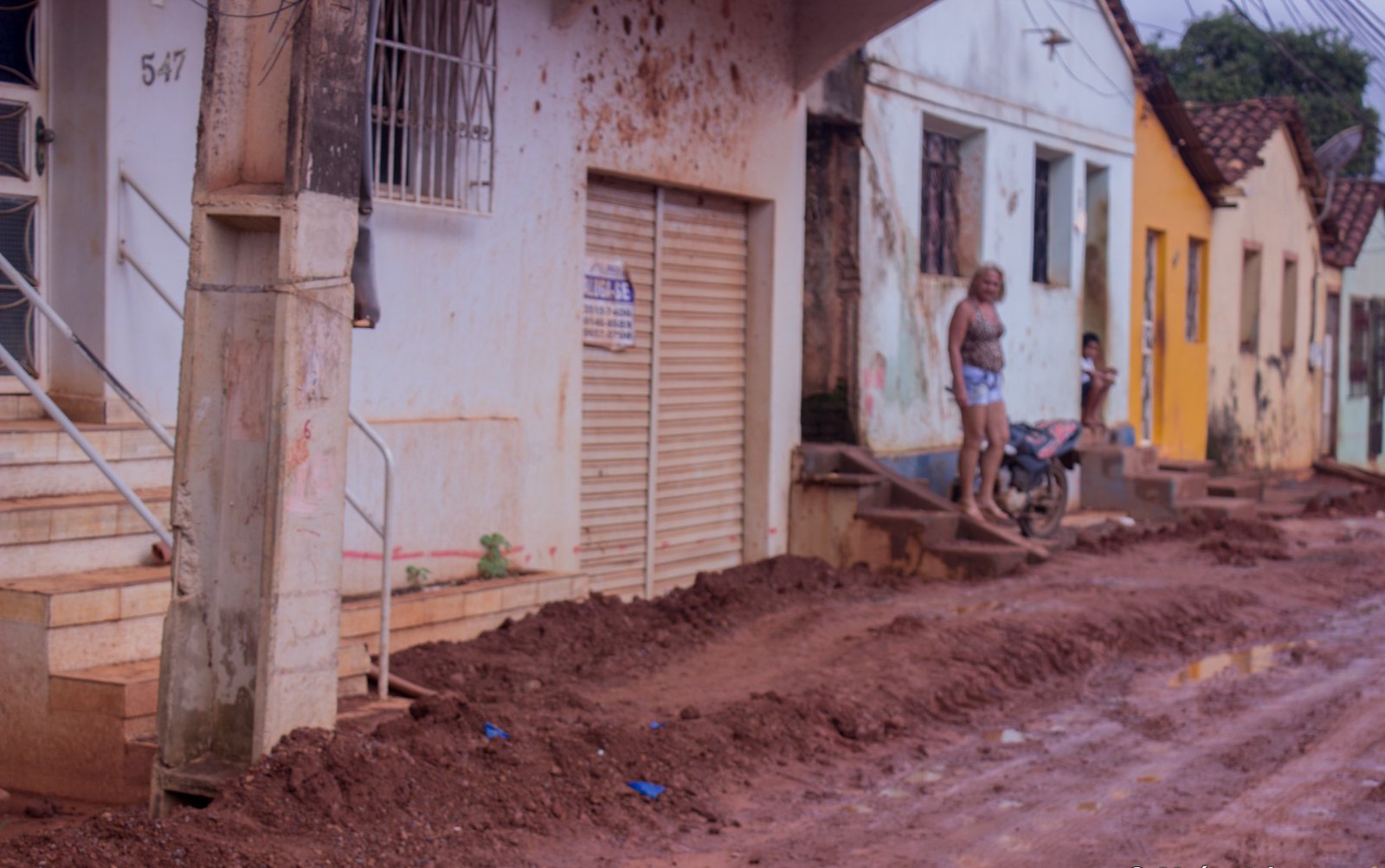
Photo: Amazon Watch / Maíra Irigaray.
Current situation
The protective measures granted by the IACHR remain in effect, but the Brazilian government has not fully complied with them, reporting only on general actions. The communities have documented the ongoing violations of their rights. The situation that prompted the request for these measures—the risk to the lives, physical integrity, and ways of life of the communities—persists and has worsened with the hydroelectric plant operating at full capacity and the recent extreme droughts in the Amazon.
In addition to the impacts of Belo Monte, there is a risk of further social and environmental impacts from the implementation of another mining megaproject in the Volta Grande do Xingu. There, the Canadian company Belo Sun plans to build Brazil’s largest open-pit gold mine.
The combined and cumulative impacts of the dam and the mine were not assessed. The government excluded Indigenous peoples, riverine and peasant communities from the project’s environmental permitting process. Despite protests by Indigenous communities and other irregularities surrounding the project, the government of Pará formally authorized the mine in April 2026.
Like other hydroelectric dams, Belo Monte exacerbates the climate emergency by generating greenhouse gas emissions in its reservoir. And it is inefficient amid the longer, more intense droughts caused by the crisis, as it loses its ability to generate power.
The case before the Inter-American Commission
In October 2017, the IACHR announced that it would rule jointly on the admissibility (whether the case meets the requirements for admission) and the merits (whether a human rights violation actually occurred) of the international complaint against the Brazilian State.
Fifteen years after the complaint was filed, the affected communities and the organizations representing them are still awaiting this decision. If the IACHR concludes that human rights violations occurred and issues recommendations that the Brazilian State fails to comply with, it may refer the case to the Inter-American Court of Human Rights, whose rulings are binding.
A potential ruling by the international court in this case would set a regional legal precedent regarding the rights of indigenous and riverine peoples, public participation in megaprojects, and state responsibility in the context of the climate crisis—a precedent that is particularly relevant in light of the Court’s Advisory Opinion No. 32, which reaffirmed the obligations of States to protect the people and communities of the continent from the climate emergency.
Partners:
Related projects
Belo Sun: at the worst moment of the pandemic, Brazilian government authorizes in-person meeting between mining company and impacted Indigenous peoples
Brazil’s National Indian Foundation claims lack of internet connection and completion of vaccination of Indigenous people, however, 77% of the Indigenous people received the first vaccine jab in the region, and only 34% the second dose. About 994 indigenous Brazilians have died since the COVID-19 pandemic began last March. Brazil (Altamira, Pará) – In a white paper published on February 10, 2021, the Brazilian National Indian Foundation (Fundação Nacional do Índio–FUNAI) gave details on "health protocols" so that Canadian mining company Belo Sun can hold meetings to present and validate its studies on environmental impact to Indigenous residents from the Indigenous Lands (ILs) located in Pará state - Arara da Volta Grande do Xingu and Paquiçamba - in a mixed format—in-person and virtually. The decision is taken at a time when the country faces the bleakest moment of the coronavirus pandemic, with Indigenous peoples being one of the most impacted and vulnerable groups. Brazil has recorded more than 266,000 deaths and 11 million cases since the pandemic began. About 994 indigenous Brazilians have died since the COVID-19 pandemic began last March, according to a tally by APIB, Brazil’s largest indigenous association. Altamira, a reference city for both ILs, has recorded 19,100 cases so far. Moreover, the regional hospital occupancy rate has exceeded 90%. It is expected that, after validation of the indigenous component of the Environmental Impact Study (EIA), the Installation License, suspended by the courts since 2017, will be re-issued by the Pará State Environment Secretariat (Secretaria de Meio Ambiente–SEMA). The Federal Public Defender's Office (DPU) addressed FUNAI on Wednesday (10) recommending that the agency do not authorize or participate in in-person meetings while the Covid-19 pandemic poses a threat to the Indigenous peoples of the region. According to the document, the proposal presented by the company "does not guarantee health security and the preservation of the lives of participants, and is based on information that is not compatible with the situation of the pandemic in the Altamira region." According to FUNAI, “different meetings are being planned for each IL, on consecutive dates (...), and the talks, at least partially in-person, are desirable, maintaining the format adopted throughout the process and which ensured a very fruitful consultation and dialogue process.” The company is intent on becoming the largest open pit gold miner in Brazil, and intends to operate out of Volta Grande do Xingu, one of the most biodiverse sites in the world that already experiences the impacts of the diversion of the Xingu River by the Belo Monte hydroelectric plant. In addition to the Juruna (Yudjá) and Arara ethnicities, the region is home to other non-villagers and several riverside communities. Contrary to what the company claims, the Indigenous peoples of Volta Grande have not yet been properly consulted. “Volta Grande do Xingu has already been dealing with the impacts of the Belo Monte hydroelectric plant. At this time, the Brazilian authorities should guarantee the protection of Indigenous peoples and address the serious technical shortcomings in the project. Authorizing in-person meetings makes it clear which side both FUNAI and the Brazilian government are on: that of the big mining companies,” notes Rosana Miranda of Amazon Watch, the organization is part of the group of institutions that have been denouncing the socio-environmental unfeasibility of Belo Sun’s project. FUNAI's decision is based on the assumption that the indigenous population would have been vaccinated by the end of January 2021. By early March, however, 77% of the Indigenous people served by the Altamira Special Indigenous Health District (Distrito Sanitário Especial Indígena–DSEI) received the first vaccine jab, and only 34% the second dose. According to data from the federal government surveyed by G1, on February 17, 71% of Indigenous people living in the Amazon had not been vaccinated against Covid. At the time, Brazil should have immunized 431,983 Indigenous people against the virus, however, only 164,592 had been vaccinated. The low vaccination coverage of Indigenous peoples is yet another chapter in the neglect of the federal government’s management of the pandemic. This is made clear by the increase in the number of deaths by Covid-19 among Indigenous populations by more than 108%, according to data from the Association of Indigenous Peoples of Brazil (APIB). Nearly 50,000 Indigenous people were infected and 988 died, according to APIB. The mining company expects to extract 74 tons of gold in 20 years of operation, one of the largest in Latin America. It has been striving to deny the potential impacts on Indigenous peoples, traditional communities and the environment since the project’s announcement in 2012. Three recent expert opinions attest that the project is not viable from a socio-environmental perspective and raise several technical issues regarding the impact studies on the Indigenous component [Access the documents]. Neither FUNAI nor SEMAS have responded to the technical inquiries made by the specialists. [See here the studies: 1,2,3] The expert opinions add up to examinations conducted by the Federal Public Prosecutor and the Pará State Public Defender's Office within the scope of at least six legal challenges against the project. The studies, carried out by independent researchers, are part of the efforts of several civil society organizations that have been denouncing the socio-environmental unfeasibility of the project, such as Rede Xingu +, Movimento Xingu Vivo para Sempre, Amazon Watch, Instituto Socioambiental (ISA), International Rivers, Above Ground and Interamerican Association for Environmental Defense (AIDA). Mining companies and the Brazilian government take part in meeting in Canada This Thursday, March 11, marks the end of the convention of the Prospectors and Developers Association of Canada (PDAC), an annual gathering where major investors and mining companies from Canada present “new business opportunities in the sector for the next decades.” With a busy schedule, the Brazilian government has among its main sponsors for the event Belo Sun Mining. In a pre-recorded presentation for the event, the Minister of Mines and Energy, Bento Albuquerque, stated that the Brazilian government is determined to expand access to mineral resources currently restricted to mining—such as Indigenous Lands and border areas. Belo Sun's CEO Peter Tagliamonte is listed as a speaker on the March 11 session entitled The Brazilian Mineral Exploration & Mining Industry Projects & Opportunities, organized by the Brazilian government. press contacts Camila Rossi, Amazon Watch, [email protected] Anna Miller, AIDA, [email protected]
Read more
Mexico’s climate commitments lack ambition
Nationally Determined Contributions (NDC) are the mechanism through which the countries that signed the Paris Agreement contribute to the fulfillment of the global pact's objective: to keep the increase in the planet's average temperature below 2°C. Each country's NDC outlines its national mitigation and adaptation commitments in the face of the climate crisis, including emission reduction efforts. The Paris Agreement stipulates that these commitments must be communicated to the United Nations Framework Convention on Climate Change (UNFCCC) every five years and that each successive NDC must represent a progression from the previous one, reflecting the highest possible ambition (Article 3). In addition, NDCs must contain sufficient information on clear, transparent and understandable targets (Article 8, paragraph 8). And, in the case of Mexico, the General Law on Climate Change (LGCC) considers the NDC as one of the planning instruments of the National Climate Change Policy (Article 58) and establishes that it must observe, among others, the principle of progressivity, which implies that the established goals must be progressive and gradual over time (Article 26, section XIII). In its most recent update, Mexico's NDC does not comply with the level of ambition required by the Paris Agreement and the LGCC. Ambition in the spotlight The Mexican State presented its first NDC in 2015. In it, the government made an unconditional commitment—through its own resources—to a 22 percent reduction in greenhouse gas emissions, and a 51 percent reduction in black carbon emissions, by 2030. Last December, Mexico presented its updated NDC, which should be more ambitious than the previous one. However, the new instrument merely reiterates the mitigation commitments made in 2015. Moreover, the Business As Usual (BAU) scenario—a tentative scenario in which there are no mitigation policies and which serves as a baseline for climate actions—was adjusted upwards with a higher total level of emissions by 2030 than indicated in the first NDC. This, according to the Climate Action Tracker (CAT), an independent scientific analysis that tracks governments’ climate action and compares it to what was agreed globally in the Paris Agreement. The CAT analysis states, "Because the NDC is based on a percentage reduction below BAU projections, a higher level of emissions in 2030 effectively reduces the country's mitigation ambition, even if the reduction targets remain unchanged." Due to its lack of ambition, Mexico's updated NDC was rated as "highly insufficient" in the CAT ranking. This means that the commitments adopted by the country "are not at all consistent with keeping [global] warming below 2°C [...]," being instead "consistent with warming levels of between 3°C and 4°C.” International agencies such as the United Nations Environment Programme (UNEP) and the European Commission have emphasized the need for Mexico to increase its mitigation ambition, especially in the energy sector, which contributes most to the climate crisis and where the greatest emissions reduction opportunities exist in the short and long term. But Mexico's recent NDC does not set out specific actions in key economic sectors to achieve the endorsed targets, although it does state that these will be developed in an NDC implementation roadmap to be presented in the next Biennial Update Report. In this sense, the instrument lacks sufficient information to have clear, transparent and understandable targets. Regarding the adaptation component, Mexico's updated NDC includes nature-based climate solutions. However, the inclusion of such actions is not sufficient to have the level of ambition required to address the climate crisis and meet the objective of the Paris Agreement. A violation of the principle of progressivity In light of the facts, the updating of Mexico's climate commitments fails to meet the level of ambition required by the Paris Agreement and with this the Mexican State also disregards the principle of progressivity established in the LGCC since the targets set do not represent a progression and gradualness with respect to the first NDC. Other countries in the region—including Argentina, Colombia, Costa Rica and Chile—have updated their NDCs, demonstrating increased climate ambition. Although they include measures that could be improved, their actions demonstrate a willingness to make further progress in terms of their contribution to global climate action. In this context, the Mexican State is leaving behind the progress and leadership it had years ago on climate issues. Its lack of ambition demonstrates indifference to the climate crisis and its impacts on the human rights of the most vulnerable populations. Mexico must assume its responsibility, one that comes from being on the list of the 20 largest emitters in the world. It must adopt mitigation and adaptation commitments compatible with the global goal of preventing global warming from reaching a point of catastrophic consequences.
Read more
Fracking regulation in Mendoza violates Argentina's climate commitments
AIDA filed a legal brief before the Supreme Court of Mendoza arguing the unconstitutionality of a decree allowing for unconventional oil and gas drilling through hydraulic fracturing in the Argentine province. Mendoza, Argentina. In support of a lawsuit filed by Argentine ally OIKOS, the Interamerican Association for Environmental Defense (AIDA) filed a “friend of the court” brief claiming the unconstitutionality of local regulations allowing for the exploration and exploitation of unconventional hydrocarbons, known as fracking. Using arguments based on international law, the brief outlines how Mendoza’s Decree 248 violates Argentina’s climate commitments and disregards the precautionary principle. "As a party to the United Nations Framework Convention on Climate Change and a signatory of the Paris Agreement, the Argentine State has assumed international obligations to reduce greenhouse gas emissions and mitigate the climate crisis," explained AIDA attorney Claudia Velarde. "Betting on fracking implies an increase in those emissions and non-compliance with the nation’s climate commitments.” Several studies of fracking in the United States have posited that leakage and flaring during fracking operations are associated with a significant increase of methane in the atmosphere. Though less notorious than carbon dioxide, methane emissions are responsible for around 25 percent of global warming. Decree 248 fails to contemplate any provision to control greenhouse gas emissions generated by fracking or limit their climate impacts. “There are not sufficient grounds for the government of Mendoza to claim they can effectively regulate fracking,” Velarde said. "It’s clear that this regulation is insufficient, and that it ignores the precautionary principle.” The precautionary principle establishes that, when there is danger of serious or irreversible damage, the lack of absolute scientific certainty should not prevent the adoption of effective measures to prevent environmental degradation. In fracking, being an unconventional technique with a high degree of technical and scientific difficulty, there is no certainty about its impacts, which merits the application of the precautionary principle. The brief also documents the applicability of this argument based on similar cases in other countries of Latin America. Colombia currently has a moratorium on fracking based on this legal principle. "In recent decades, the development of fracking has raised alarms worldwide due to evidence of serious and irreversible damages to the environment and public health, both of which are aggravated by the climate crisis," Velarde added. AIDA’s brief joins others filed by national and international organizations against the decree regulating fracking in Mendoza, including Xumek, FARN (Environment and Natural Resource Foundation) and Earthjustice. Press contact: Victor Quintanilla (Mexico), [email protected], +5215570522107.
Read more