
Project
Amazon Watch / Maíra Irigaray
The Belo Monte Dam on the Xingu River: 10 years of impacts in the Amazon and the search for reparations
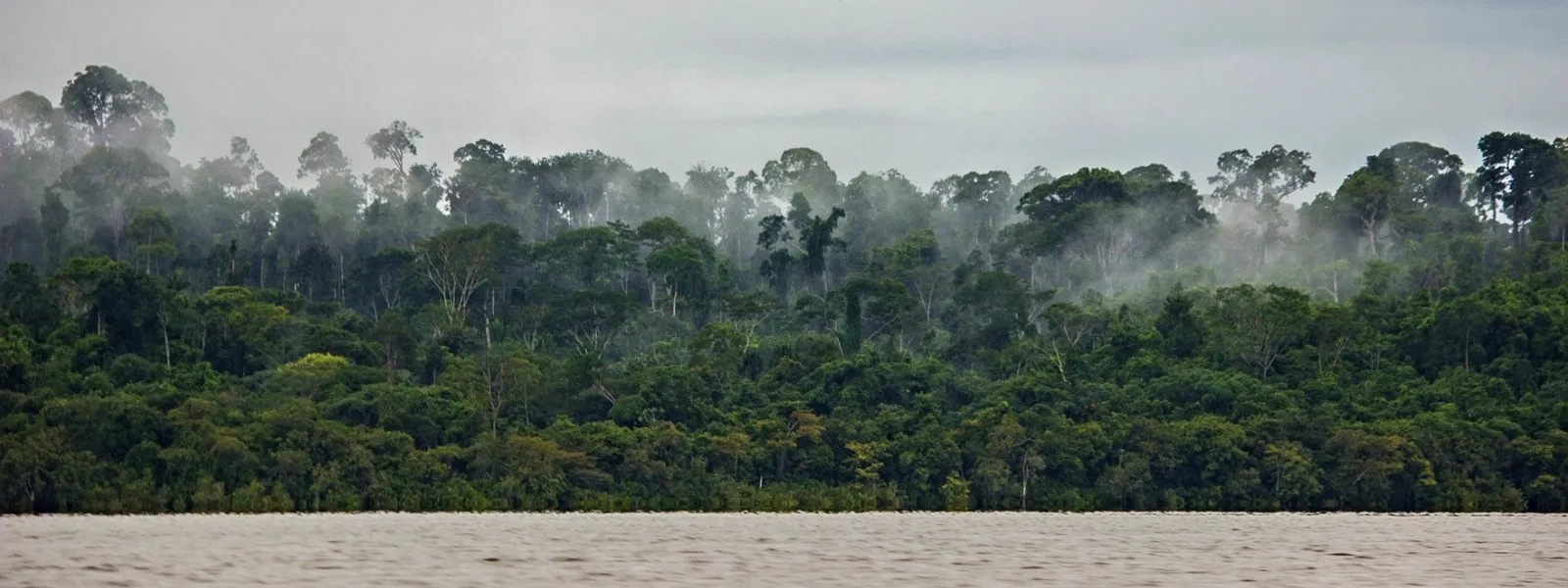
The Belo Monte Dam has caused an environmental and social disaster in the heart of the Amazon—one of the most important ecosystems on the planet.
This situation has only worsened since the hydroelectric plant began operations in 2016. The quest for justice and reparations by the affected indigenous, fishing, and riverine communities continues to this day.
In 2011, the Inter-American Commission on Human Rights (IACHR) granted them protective measures that, to date, have not been fully implemented by the Brazilian State.
Furthermore, since June of that same year, the IACHR has yet to rule on a complaint against the State regarding its international responsibility in the case.
The IACHR may refer the case to the Inter-American Court of Human Rights, which has the authority to issue a ruling condemning the Brazilian State.
After 10 years of the hydroelectric plant's operation and more than 15 years of documented human rights violations, it is time for justice to be served for the affected communities.
Read the open letter from the organizations bringing the case before the IACHR
Background
The Belo Monte hydroelectric plant—the fourth largest in the world by installed capacity (11,233 MW)—was built on the Xingu River in Pará, a state in northern Brazil.
It was inaugurated on May 5, 2016, with a single turbine. At that time, 80% of the river’s course was diverted, flooding 516 km² of land—an area larger than the city of Chicago. Of that area, 400 km² was native forest. The dam began operating at full capacity in November 2019.
Belo Monte was built and is operated by the Norte Energia S.A. consortium, which is composed primarily of state-owned companies. It was financed by the Brazilian Development Bank (BNDES), which provided the consortium with 25.4 billion reais (approximately US$10.16 billion), the largest investment in the bank’s history. Therefore, the BNDES is also legally responsible for the socio-environmental impacts associated with the hydroelectric plant.
Decades of harm to the environment and people
Human rights violations and degradation of the Amazon have been occurring since the project’s inception. In March 2011, Norte Energía began construction of the dam without adequate consultation and without the prior, free, and informed consent of the affected communities.
The construction caused the forced displacement of more than 40,000 people, severing social and cultural ties. The resettlement plan in Altamira—a city directly affected by the hydroelectric dam—involved housing units located on the outskirts, lacking adequate public services and decent living conditions for the relocated families, with no special provisions for those from indigenous communities.
Belo Monte's operations have caused a permanent, man-made drought in the Volta Grande (or "Great Bend") of the Xingu River, exacerbated by the historic droughts in the Amazon in 2023 and 2024. As a result, the deaths of millions of fish eggs were documented for four consecutive years (from 2021 to 2024), and for the past three years, there has been no upstream migration of fish to spawn and reproduce. Thus, artisanal fishing, the main source of protein for indigenous peoples and riverside communities, was severely affected: fish dropped from 50% to 30% of total protein consumed, replaced by processed foods. In summary, there was an environmental and humanitarian collapse that resulted in the breakdown of fishing as a traditional way of life, food insecurity, and access to drinking water for thousands of families, impoverishment, and disease.
Furthermore, the construction of the dam increased deforestation and intensified illegal logging and insecurity on indigenous and tribal lands, putting the survival of these communities at risk. Another consequence was the deepening of poverty and social conflicts, as well as the strain on health, education, and public safety systems in Altamira—a city ranked as the most violent in the country in 2017, where human trafficking and sexual violence increased. Violence was also reported against human rights defenders involved in the case.
In 2025, during the 30th UN Climate Change Conference (COP30), held in Brazil, the Federal Public Prosecutor’s Office labeled the damage caused by the Belo Monte dam as ecocide.
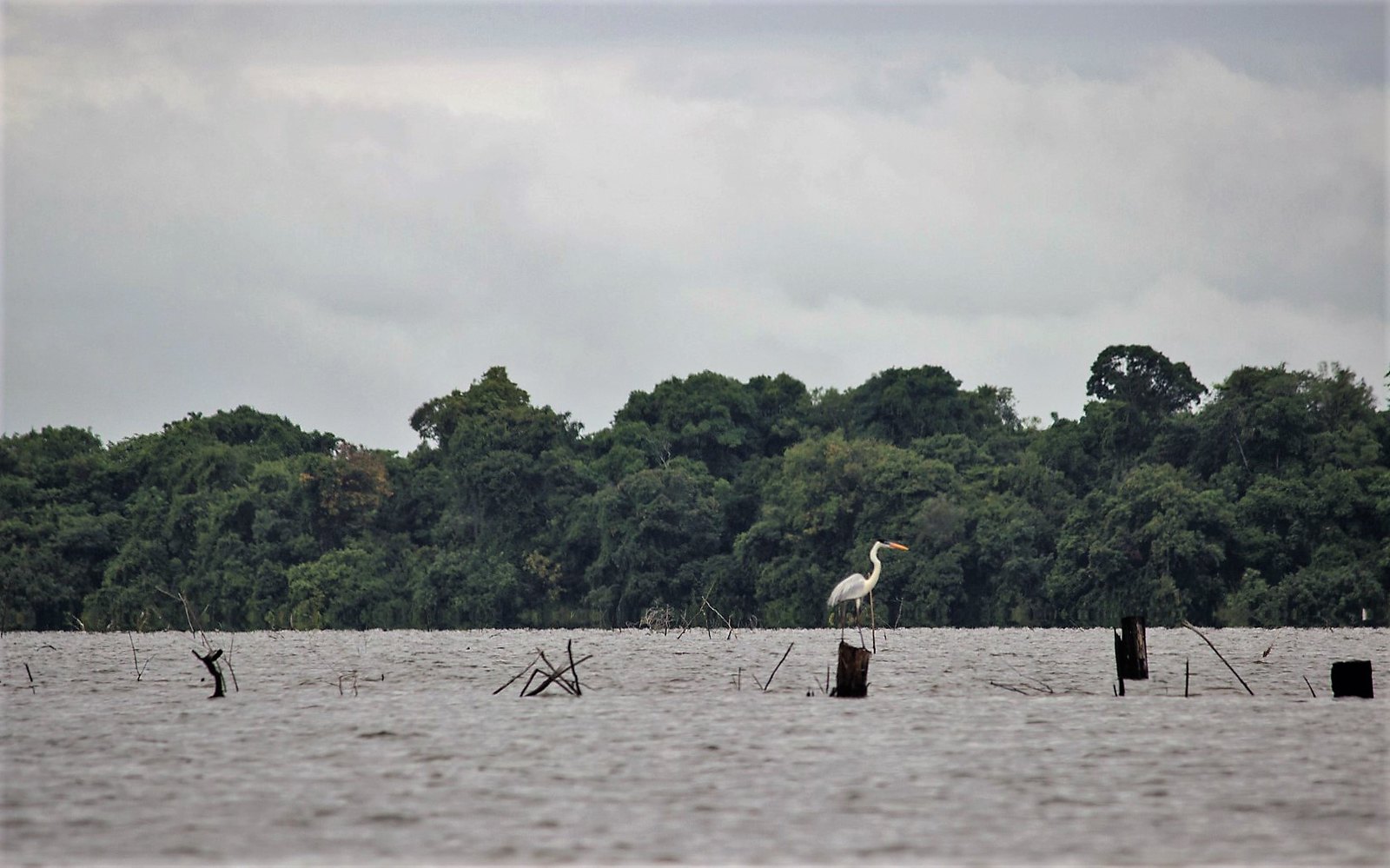
Photo: Amazon Watch / Maíra Irigaray.
The search for justice and reparations
Over the years, the Federal Public Prosecutor’s Office in Pará, the Public Defender’s Office, and civil society organizations have filed dozens of legal actions in Brazilian courts to challenge the project’s various irregularities and its impacts. Most of the claims are still pending resolution, some for more than 10 years.
These efforts have failed because the national government has repeatedly overturned rulings in favor of the affected communities by invoking a mechanism that allowed a court president to suspend a judicial decision based solely on generic arguments such as "the national interest" or "economic order."
In the absence of effective responses at the national level, AIDA, together with a coalition of partner organizations, brought the case before the Inter-American Commission on Human Rights (IACHR) and, in 2010, requested precautionary measures to protect the lives, safety, and health of the affected indigenous communities.
On April 1, 2011, the IACHR granted these measures and requested that the Brazilian government suspend environmental permits and any construction work until the conditions related to prior consultation and the protection of the health and safety of the communities are met.
And on June 16, 2011 —together with the Xingu Vivo Para Sempre Movement, the Coordinating Committee of Indigenous Organizations of the Brazilian Amazon, the Diocese of Altamira, the Indigenous Missionary Council, the Pará Society for the Defense of Human Rights and Global Justice— we filed a formal complaint against the Brazilian State for its international responsibility in the violation of the human rights of the people affected in the case. The case was opened for processing in December 2015.
On August 3, 2011, the IACHR amended the precautionary measures to request, instead of the suspension of permits and construction, the protection of people living in voluntary isolation, the health of indigenous communities, and the regularization and protection of ancestral lands.
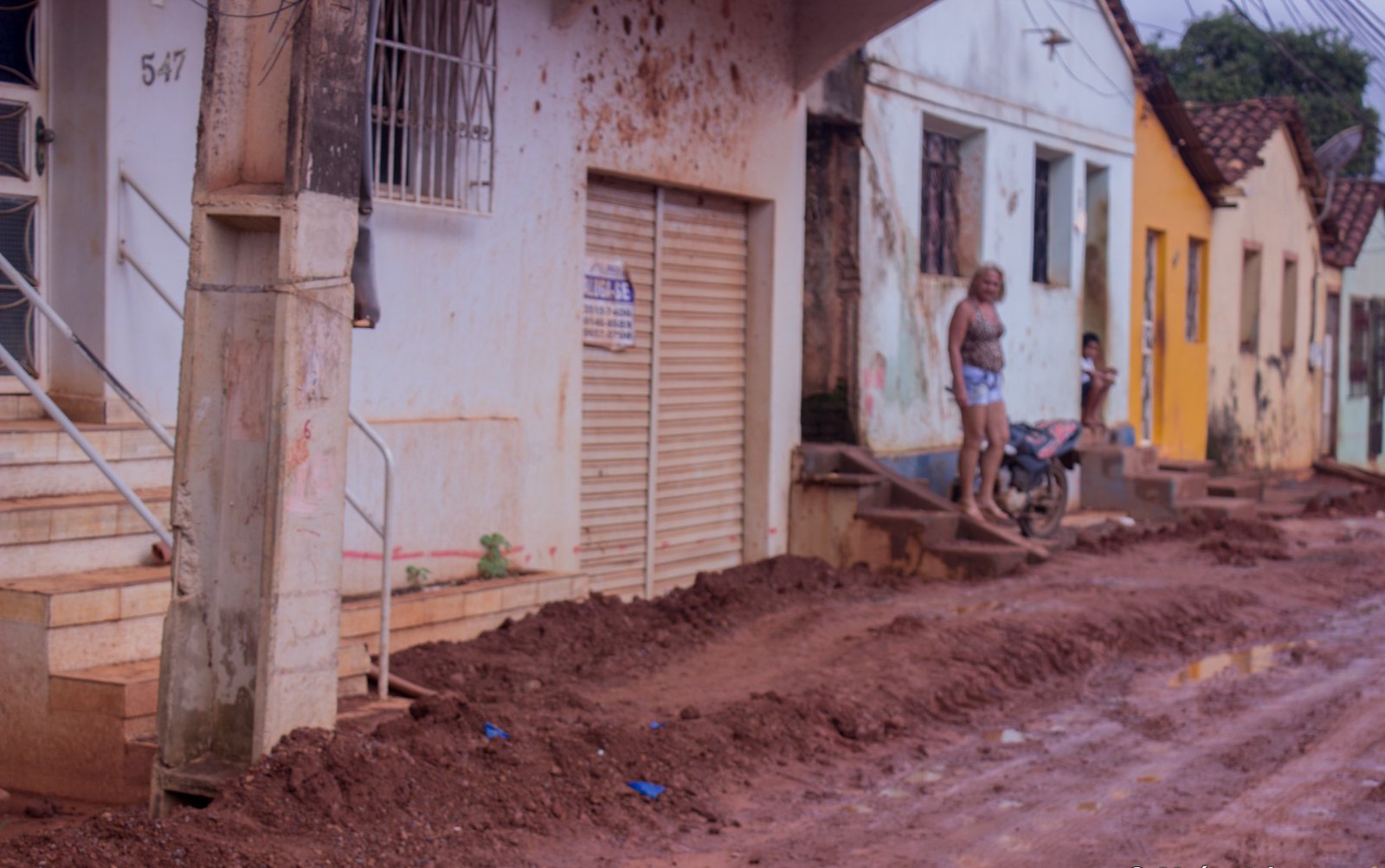
Photo: Amazon Watch / Maíra Irigaray.
Current situation
The protective measures granted by the IACHR remain in effect, but the Brazilian government has not fully complied with them, reporting only on general actions. The communities have documented the ongoing violations of their rights. The situation that prompted the request for these measures—the risk to the lives, physical integrity, and ways of life of the communities—persists and has worsened with the hydroelectric plant operating at full capacity and the recent extreme droughts in the Amazon.
In addition to the impacts of Belo Monte, there is a risk of further social and environmental impacts from the implementation of another mining megaproject in the Volta Grande do Xingu. There, the Canadian company Belo Sun plans to build Brazil’s largest open-pit gold mine.
The combined and cumulative impacts of the dam and the mine were not assessed. The government excluded Indigenous peoples, riverine and peasant communities from the project’s environmental permitting process. Despite protests by Indigenous communities and other irregularities surrounding the project, the government of Pará formally authorized the mine in April 2026.
Like other hydroelectric dams, Belo Monte exacerbates the climate emergency by generating greenhouse gas emissions in its reservoir. And it is inefficient amid the longer, more intense droughts caused by the crisis, as it loses its ability to generate power.
The case before the Inter-American Commission
In October 2017, the IACHR announced that it would rule jointly on the admissibility (whether the case meets the requirements for admission) and the merits (whether a human rights violation actually occurred) of the international complaint against the Brazilian State.
Fifteen years after the complaint was filed, the affected communities and the organizations representing them are still awaiting this decision. If the IACHR concludes that human rights violations occurred and issues recommendations that the Brazilian State fails to comply with, it may refer the case to the Inter-American Court of Human Rights, whose rulings are binding.
A potential ruling by the international court in this case would set a regional legal precedent regarding the rights of indigenous and riverine peoples, public participation in megaprojects, and state responsibility in the context of the climate crisis—a precedent that is particularly relevant in light of the Court’s Advisory Opinion No. 32, which reaffirmed the obligations of States to protect the people and communities of the continent from the climate emergency.
Partners:
Related projects
7 AIDA Advances of 2020
It was a year unlike any other. This new reality makes our victories and daily accomplishments all the more sweet. So we’re especially proud to report on the progress we've made toward a healthy environment and climate justice in Latin America. 1. Safeguarding the High Seas More than 99% of the global high seas—waters beyond national jurisdiction—are unprotected. To remedy this, over the past year we have led Latin American representation in the High Seas Alliance, collaborating with governments to negotiate an ambitious United Nations treaty to protect these waters and key migratory species of sharks, whales, turtles and tuna. The high seas are both essential to long-term ocean health and a critical carbon sink that helps mitigate climate change. 2. Influencing Divestment in the Amazon For nearly a decade we have worked to halt Brazil’s Belo Monte dam, which has displaced thousands of indigenous people and devastated hundreds of rare species. This year, our testimony led the Norwegian Pension Fund, the world's largest state-owned fund, to exclude one of the dam’s main financers, Eletrobras, from its portfolio because of environmental and human rights violations caused by the dam. This is a notable step toward justice for affected communities. 3. Defending Páramos from Mining We continued to protect páramos in Colombia and Ecuador from mining. These biodiverse, high-altitude forests and wetlands are critical carbon sinks that also provide fresh water for millions of people and habitat for endangered species. Our team contributed legal and technical expertise, and, in the case of Santurbán in Colombia, helped build capacity among local attorneys who are now leading the lawsuit to protect this páramo. 4. Protecting Environmental Defenders Latin America is the most dangerous region in the world for environmental defenders. This year, AIDA brought together more than 70 prominent environment defenders from 14 countries across Latin America to share current information about risks and effective strategies for defense. Participants discussed their challenges, identified gaps in knowledge, and developed new approaches for protecting themselves and their territories. 5. Halting Extractive Energy Development Our ongoing legal and technical expertise was critical to halting fossil fuel expansion. We continued litigation to uphold the moratorium on fracking and, helped prevent further coal mining expansion in Colombia, supported communities in Chile affected by coal power plants, and led efforts to hold International Financial Institutions accountable for funding harmful hydropower Guatemala and Colombia. This work is key to promoting the just transition toward truly clean energy. 6. Preserving Marine Biodiversity in Patagonia The Chilean Magallanes region is home to some of the largest whales and dolphins and one of the most pristine areas on our planet. The greatest environmental threat for this region is the salmon farming industry. Building on our past work, we used the law to halt expanded salmon farming and expose the harms the industry brings. Our work closed one salmon farm and set a precedent for the closure of seven others, all of which are under review by Chilean courts. 7. Strengthening Indigenous Land Management in Colombia In coalition with four indigenous communities of the Sierra Nevada de Santa Marta, we continued protecting their lands from illegal mining. Facing hundreds of proposed projects, we helped implement legal strategies demanding a new territorial management plan that recognizes the traditional governing authority of the indigenous. We also helped strengthen community capacity through workshops on environmental protection.
Read more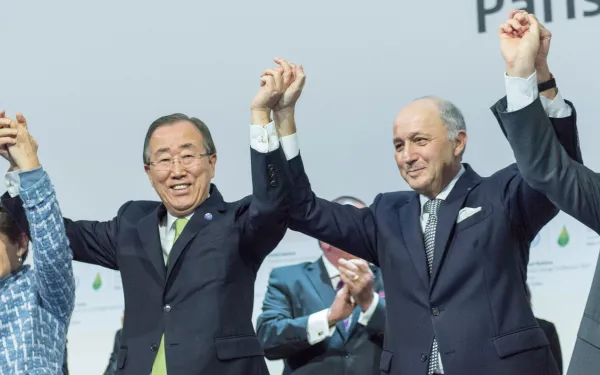
Five years after the Paris Agreement, climate justice is more urgent than ever
On December 12, 2015, the Paris Agreement was reached. Five years later, its effective implementation is more important than ever. One of the agreement’s most significant advances was to reiterate that States must, "when taking action to address climate change, respect, promote and consider their respective obligations on human rights, the right to health, the rights of indigenous peoples, local communities, migrants, children, persons with disabilities and people in vulnerable situations and the right to development, as well as gender equality, empowerment of women and intergenerational equity.” This aspect is one of the outstanding issues, and also one of the great opportunities, of the Paris Agreement. In 2015, I had the privilege of participating in the twenty-first Conference of the Parties (COP21) to the United Nations Framework Convention on Climate Change, where the agreement was adopted. Thanks to the live broadcast, I saw the last hammer blow of this historic summit on my phone while on the train to the airport. I traded celebratory hugs with dozens of colleagues for arriving a day earlier to celebrate with my family. It was worth it. After all, my contribution had concluded a few hours earlier. Over the five years prior, and with full intensity during the COP21, I reviewed drafts, and spoke with missions and colleagues about how crucial it was to include human rights in the climate agreement. My priority—shared by colleagues from organizations, some government representatives and international entities—was to ensure a strong agreement, including the obligation to consider and respect human rights. For some people, this was an obstacle, even inappropriate, as they saw the climate crisis as a purely technical issue. Some delegations told me that human rights issues are another area entirely. We insisted on the point until we achieved it, not out of stubbornness (although there may have been some of that), but because in essence the climate crisis affects our rights, our lives and all of us. That’s why it is vital to put human rights at the center of climate action. Otherwise, these actions are incomplete. This is evidenced by the reality of the climate crisis, translated for example into the damages sustained by millions of people and communities by the hurricanes and storms that have, in recent months, devastated coastal areas in Nicaragua, Guatemala, Mexico and the Caribbean; the floods in South Asia; the droughts in northern Mexico; and the devastating fires in the Amazon, California and Australia. The most vulnerable people and communities who have contributed least to the crisis are disproportionately affected. It is therefore possible, and necessary, to find balance through a human rights approach. It’s necessary to hold States, companies and even some sectors of the population accountable. Responsibility with a sense of equity is one of the fundamental principles of human rights. In fact, the 2020 UN Emissions Gap Report concludes by saying, "Equity is central to addressing lifestyles. The emissions of the richest 1 per cent of the global population account for more than twice the combined share of the poorest 50 per cent." Communities, movements and peoples around the world have demanded—even in court—effective climate action that respects their rights. This has been reiterated by the United Nations. But climate action is still largely considered a question of numbers, tons of emissions to be reduced and hectares to be conserved. People and communities, despite being the ones who live the consequences, remain on the periphery of this action. Ensuring a true human rights perspective would help raise ambition and the level of obligations and outcomes. It would also allow impacts to be considered in a comprehensive manner and, as the IPCC concluded, take into account ancestral knowledge and social justice, which are central elements in finding effective solutions. Therein lies the opportunity that is being lost. The scientific community today confirms the widening gap between the current situation and where we should be in reducing emissions. According to the recent UN emissions gap report, emissions were reduced in the last year due to the suspension of activities caused by the pandemic, while in the previous year they had continued to increase. In fact, despite the pandemic, which is also linked to environmental degradation, countries in Latin America and the Caribbean, as in other regions, continue to rely mostly on fossil fuels, even for the economic recovery following the pandemic. This trend ignores the provisions of the Paris Agreement on the obligation of States to reduce emissions and implement effective measures while respecting human rights. It’s an element yet to be fulfilled, and a fundamental tool for States to increase their ambition and move towards the solutions that have as yet proven elusive. The five-year anniversary of this Agreement is a good time to remember it and to demand its implementation. If not, the most vulnerable communities will continue to suffer the consequences, and global inequalities will continue to deepen. Then, there will also be an increase in lawsuits and demands for a solution that the agreement itself incorporated. One element of leadership would be to put people and communities at the center of climate action. This is what I mean when I talk about climate justice, a great opportunity that many of us will continue to promote.
Read more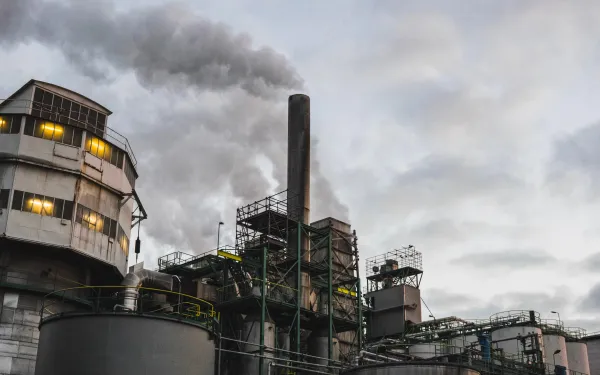
5 things you should know about methane
Although its presence in the atmosphere is less than that of carbon dioxide (CO2)—the most abundant and well-known greenhouse gas—methane is much more effective at retaining heat due to its chemical composition. Therefore, adding smaller amounts of methane to the atmosphere can have an effect equal to that of adding tremendous amounts of CO2. Since 2006, the amount of methane in the atmosphere has grown considerably—by about 25 million tons per year. Studies have associated this increase with the leakage and burning of methane from the extraction of unconventional hydrocarbons through the process of fracking, or hydraulic fracturing. Although extracting gas through fracking is sold as a “greener” alternative to other fossil fuels, it is a false narratiave that must be combatted. In general, all activities that cause methane emissions aggravate the climate crisis and the increasingly urgent need to combat air pollution. The common understanding of methane is inaccurate. Therefore, it’s necessary to generate more awareness about what it is and what its real impacts are. What follows are five basic facts about methane. 1. Methane is a short-lived greenhouse gas and climate pollutant Methane is a greenhouse gas.The Greenhouse Effect is a natural phenomena in which the atmosphere, composed of different gases, captures some rays of the sun and keeps them trapped in order to balance the temperature of the planet. When an excess of gases such as methane are emitted, the atmosphere traps more heat than necessary, leading to global warming. Methane has 67 times more power than CO2 to warm the planet over a 20-year period. Its emissions are responsible for nearly 25 percent of global warming. And since it stays less time in the atmosphere—12 years on average (CO2 stays for centuries)—it is among the Short Lived Climate Pollutants (SLCPs), which cause 40-45 percent of global warming and damage air quality. 2. Methane primarily is produced from human sources About 60 percent of the methane in the atmosphere is considered by scientists to be caused by human activity, while the other 40 percent comes from natural sources like wetlands, volcanoes, and permafrost. Human sources include livestock, gas and petroleum exploitation, rice farming, mining (particularly coal mining), and landfills. It should be noted that, according to scientific evidence, reservoirs are also an important source of methane. They generate 1.3 percent of all greenhouse gases worldwide each year, more than all of Canada's polluting emissions, and 80 percent of that pollution is from methane. 3. Methane directly and indirectly degrades air quality Large amounts of methane are intentionally leaked or released during the exploitation, processing, and transportation of oil and gas. In the United States alone, such direct emissions amount to 13 million tons each year. When released into the atmosphere, methane is accompanied by other toxic pollutants such as benzene, formaldehyde, and ethylbenzene. In addition, by interacting with solar radiation, methane promotes the formation of ground-level ozone (O3), another short-lived climate pollutant (CCVC) and the main component of smog. Methane gas flaring also produces black carbon and volatile organic compounds (VOCs), which are also CCVCs. 4. Methane causes serious damage to human health As mentioned, methane emissions promote the formation of ozone found in the lower layers of the atmosphere, which has serious impacts on public health. It irritates the airways, generates a feeling of burning and shortness of breath, complicates asthma, causes lung dysfunction and even premature death, and alters the immune system's response, reducing its ability to respond to diseases such as COVID-19, which mainly affects the airways. And since methane burning generates black carbon, it is relevant to point out that it is a key component of particulate matter (PM 2.5)—particles that are 35 times smaller than a grain of sand. These particles cannot be filtered or retained naturally in the nose, and can even enter the lungs. Particulate matter is the air pollutant most frequently associated with cardiovascular, respiratory, and pulmonary diseases, including lung cancer. 5. It is urgent to regulate and curb methane emissions Since methane, in addition to aggravating the climate crisis, deteriorates air quality and with it human health, it is urgent to act to curb its emissions. Civil society must demand that governments efficiently regulate methane emissions from the hydrocarbon industry and other sectors such as coal mining and industrial livestock. In addition, we must demand the monitoring of emissions, as well as the production and dissemination of timely information about methane’s damage to our air quality.
Read more