
Project
Amazon Watch / Maíra Irigaray
The Belo Monte Dam on the Xingu River: 10 years of impacts in the Amazon and the search for reparations
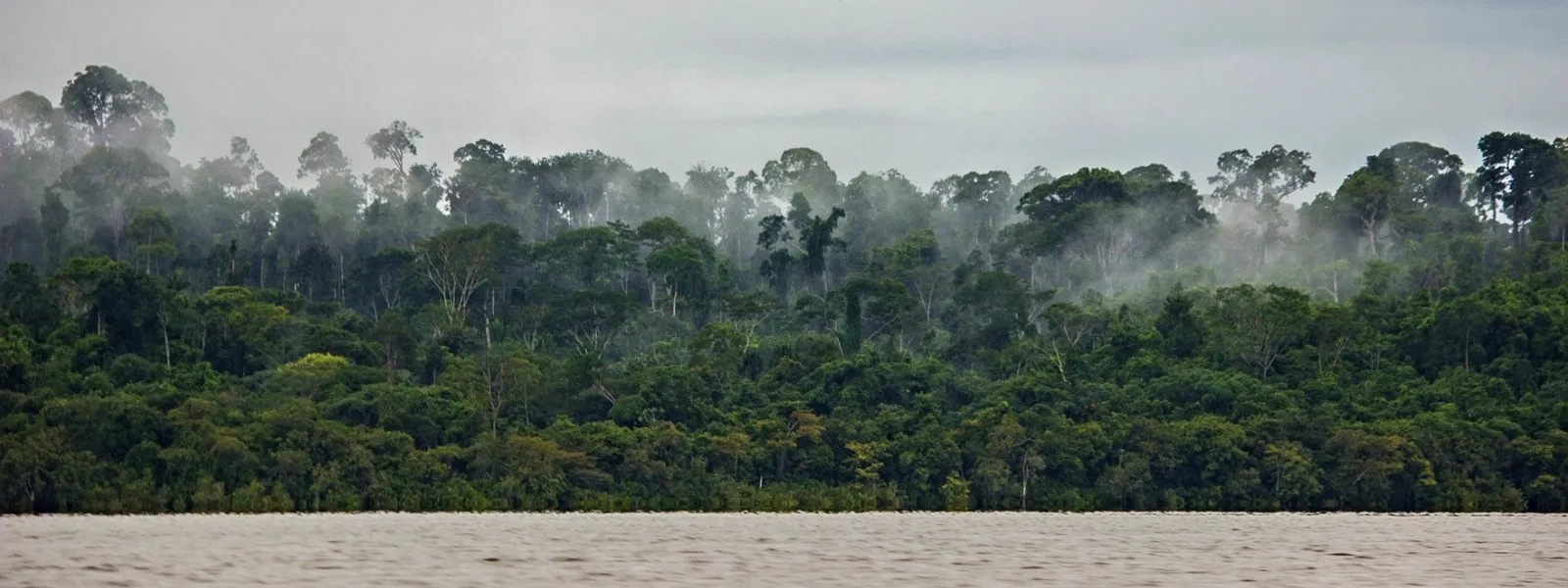
The Belo Monte Dam has caused an environmental and social disaster in the heart of the Amazon—one of the most important ecosystems on the planet.
This situation has only worsened since the hydroelectric plant began operations in 2016. The quest for justice and reparations by the affected indigenous, fishing, and riverine communities continues to this day.
In 2011, the Inter-American Commission on Human Rights (IACHR) granted them protective measures that, to date, have not been fully implemented by the Brazilian State.
Furthermore, since June of that same year, the IACHR has yet to rule on a complaint against the State regarding its international responsibility in the case.
The IACHR may refer the case to the Inter-American Court of Human Rights, which has the authority to issue a ruling condemning the Brazilian State.
After 10 years of the hydroelectric plant's operation and more than 15 years of documented human rights violations, it is time for justice to be served for the affected communities.
Read the open letter from the organizations bringing the case before the IACHR
Background
The Belo Monte hydroelectric plant—the fourth largest in the world by installed capacity (11,233 MW)—was built on the Xingu River in Pará, a state in northern Brazil.
It was inaugurated on May 5, 2016, with a single turbine. At that time, 80% of the river’s course was diverted, flooding 516 km² of land—an area larger than the city of Chicago. Of that area, 400 km² was native forest. The dam began operating at full capacity in November 2019.
Belo Monte was built and is operated by the Norte Energia S.A. consortium, which is composed primarily of state-owned companies. It was financed by the Brazilian Development Bank (BNDES), which provided the consortium with 25.4 billion reais (approximately US$10.16 billion), the largest investment in the bank’s history. Therefore, the BNDES is also legally responsible for the socio-environmental impacts associated with the hydroelectric plant.
Decades of harm to the environment and people
Human rights violations and degradation of the Amazon have been occurring since the project’s inception. In March 2011, Norte Energía began construction of the dam without adequate consultation and without the prior, free, and informed consent of the affected communities.
The construction caused the forced displacement of more than 40,000 people, severing social and cultural ties. The resettlement plan in Altamira—a city directly affected by the hydroelectric dam—involved housing units located on the outskirts, lacking adequate public services and decent living conditions for the relocated families, with no special provisions for those from indigenous communities.
Belo Monte's operations have caused a permanent, man-made drought in the Volta Grande (or "Great Bend") of the Xingu River, exacerbated by the historic droughts in the Amazon in 2023 and 2024. As a result, the deaths of millions of fish eggs were documented for four consecutive years (from 2021 to 2024), and for the past three years, there has been no upstream migration of fish to spawn and reproduce. Thus, artisanal fishing, the main source of protein for indigenous peoples and riverside communities, was severely affected: fish dropped from 50% to 30% of total protein consumed, replaced by processed foods. In summary, there was an environmental and humanitarian collapse that resulted in the breakdown of fishing as a traditional way of life, food insecurity, and access to drinking water for thousands of families, impoverishment, and disease.
Furthermore, the construction of the dam increased deforestation and intensified illegal logging and insecurity on indigenous and tribal lands, putting the survival of these communities at risk. Another consequence was the deepening of poverty and social conflicts, as well as the strain on health, education, and public safety systems in Altamira—a city ranked as the most violent in the country in 2017, where human trafficking and sexual violence increased. Violence was also reported against human rights defenders involved in the case.
In 2025, during the 30th UN Climate Change Conference (COP30), held in Brazil, the Federal Public Prosecutor’s Office labeled the damage caused by the Belo Monte dam as ecocide.
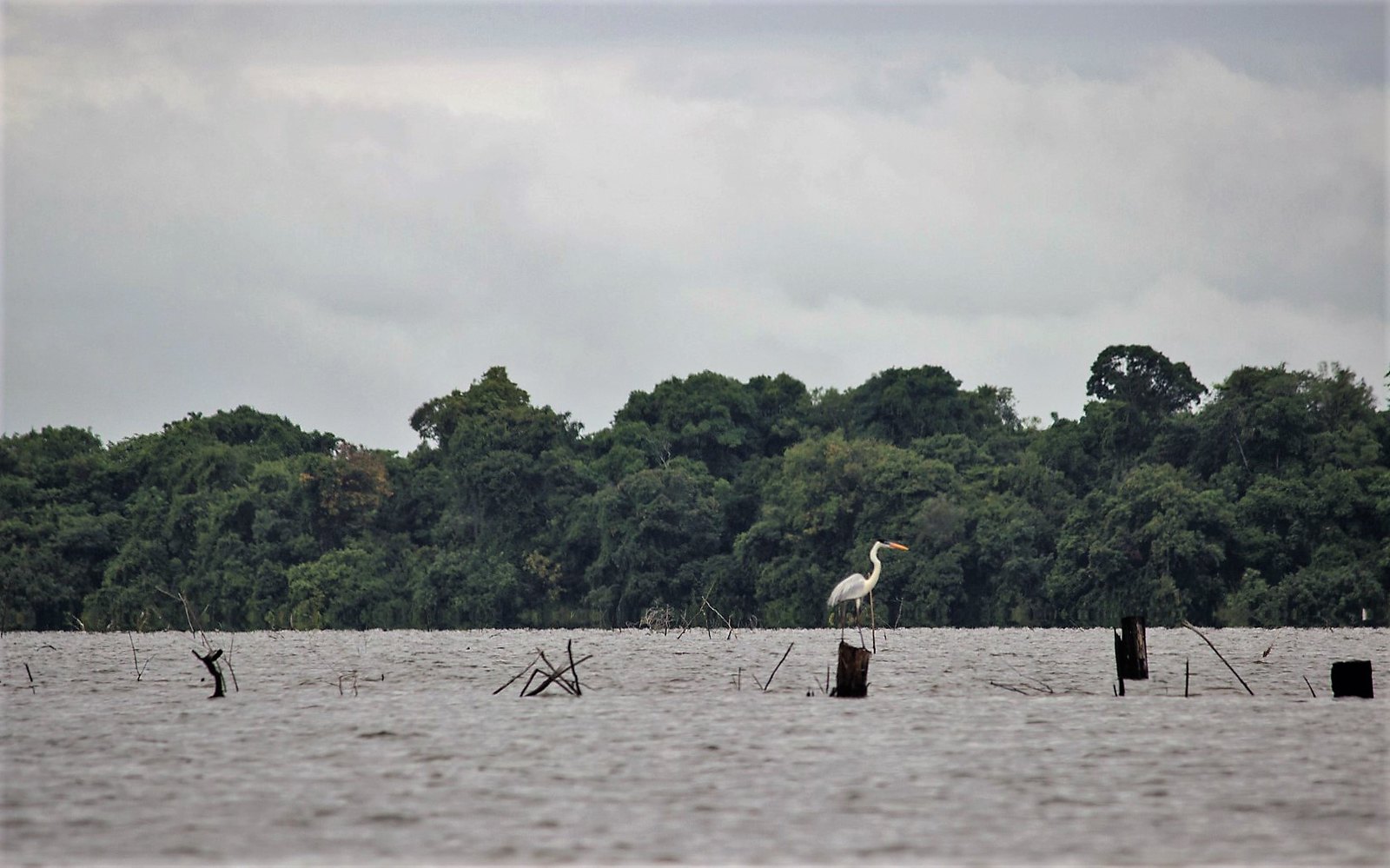
Photo: Amazon Watch / Maíra Irigaray.
The search for justice and reparations
Over the years, the Federal Public Prosecutor’s Office in Pará, the Public Defender’s Office, and civil society organizations have filed dozens of legal actions in Brazilian courts to challenge the project’s various irregularities and its impacts. Most of the claims are still pending resolution, some for more than 10 years.
These efforts have failed because the national government has repeatedly overturned rulings in favor of the affected communities by invoking a mechanism that allowed a court president to suspend a judicial decision based solely on generic arguments such as "the national interest" or "economic order."
In the absence of effective responses at the national level, AIDA, together with a coalition of partner organizations, brought the case before the Inter-American Commission on Human Rights (IACHR) and, in 2010, requested precautionary measures to protect the lives, safety, and health of the affected indigenous communities.
On April 1, 2011, the IACHR granted these measures and requested that the Brazilian government suspend environmental permits and any construction work until the conditions related to prior consultation and the protection of the health and safety of the communities are met.
And on June 16, 2011 —together with the Xingu Vivo Para Sempre Movement, the Coordinating Committee of Indigenous Organizations of the Brazilian Amazon, the Diocese of Altamira, the Indigenous Missionary Council, the Pará Society for the Defense of Human Rights and Global Justice— we filed a formal complaint against the Brazilian State for its international responsibility in the violation of the human rights of the people affected in the case. The case was opened for processing in December 2015.
On August 3, 2011, the IACHR amended the precautionary measures to request, instead of the suspension of permits and construction, the protection of people living in voluntary isolation, the health of indigenous communities, and the regularization and protection of ancestral lands.
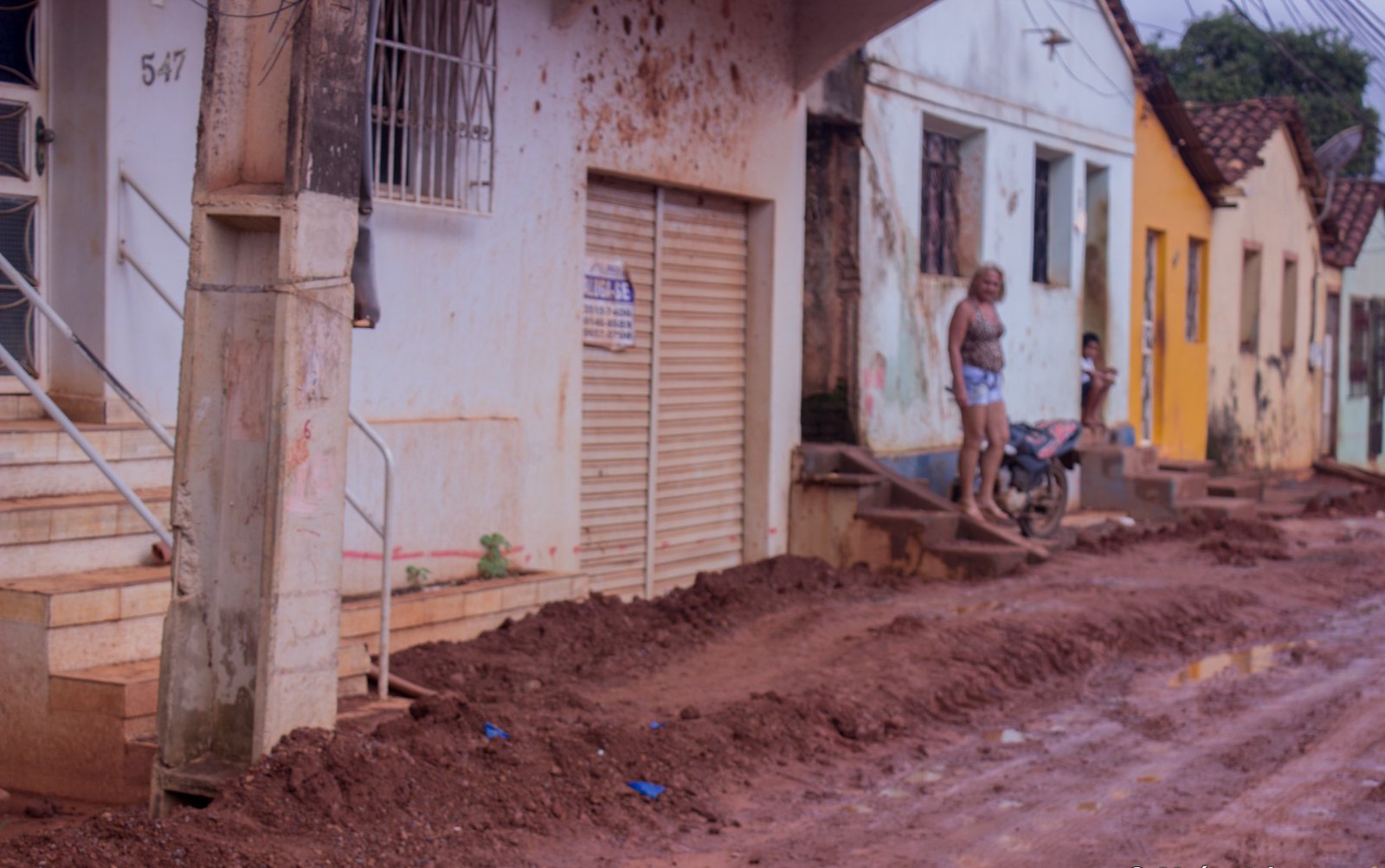
Photo: Amazon Watch / Maíra Irigaray.
Current situation
The protective measures granted by the IACHR remain in effect, but the Brazilian government has not fully complied with them, reporting only on general actions. The communities have documented the ongoing violations of their rights. The situation that prompted the request for these measures—the risk to the lives, physical integrity, and ways of life of the communities—persists and has worsened with the hydroelectric plant operating at full capacity and the recent extreme droughts in the Amazon.
In addition to the impacts of Belo Monte, there is a risk of further social and environmental impacts from the implementation of another mining megaproject in the Volta Grande do Xingu. There, the Canadian company Belo Sun plans to build Brazil’s largest open-pit gold mine.
The combined and cumulative impacts of the dam and the mine were not assessed. The government excluded Indigenous peoples, riverine and peasant communities from the project’s environmental permitting process. Despite protests by Indigenous communities and other irregularities surrounding the project, the government of Pará formally authorized the mine in April 2026.
Like other hydroelectric dams, Belo Monte exacerbates the climate emergency by generating greenhouse gas emissions in its reservoir. And it is inefficient amid the longer, more intense droughts caused by the crisis, as it loses its ability to generate power.
The case before the Inter-American Commission
In October 2017, the IACHR announced that it would rule jointly on the admissibility (whether the case meets the requirements for admission) and the merits (whether a human rights violation actually occurred) of the international complaint against the Brazilian State.
Fifteen years after the complaint was filed, the affected communities and the organizations representing them are still awaiting this decision. If the IACHR concludes that human rights violations occurred and issues recommendations that the Brazilian State fails to comply with, it may refer the case to the Inter-American Court of Human Rights, whose rulings are binding.
A potential ruling by the international court in this case would set a regional legal precedent regarding the rights of indigenous and riverine peoples, public participation in megaprojects, and state responsibility in the context of the climate crisis—a precedent that is particularly relevant in light of the Court’s Advisory Opinion No. 32, which reaffirmed the obligations of States to protect the people and communities of the continent from the climate emergency.
Partners:
Related projects
Championing Lake Poopó’s recovery to protect the life it holds
Calixta Mamani thinks with nostalgia of the tall, green cattails growing along the shores of Lake Poopó, in the arid central plateau of the Bolivian Andes. She once used the reeds as feed for her livestock. "Now, everything has dried up,” she reflected. “There is no life here, the land no longer produces." She thinks also of the birds—Titicaca grebes and Andean flamingos—and of the fish that were once so abundant in the area. "Now you don't see them anymore,” she lamented. “Everything, our culture, is gone." The losses described by Calixta represent a plundering. The indigenous and rural communities living near Lake Poopó have been deprived, not only of their primary water source, but of their livelihood, their way of life, and their culture. Bolivia's second largest lake, Poopó has been damaged by the diversion of rivers, the climate crisis, and mining activities—which have continued despite the pandemic—to the point of putting at risk all the life systems that depend on it. Calixta is a member of the National Network of Women in Defense of Mother Earth (RENAMAT), an organization that defends the rights of indigenous and peasant women against the destructive impacts of extractive industries in the regions of Oruro, La Paz, and Potosí. Responsible for grazing the animals, food preparation, and other household tasks, Calixta and other local women live with the lake on a daily basis. As a result, they more acutely suffer the effects of its degradation. It’s because of the respectful relationship they have with Mother Earth and Mother Water that the communities around Lake Poopó are fighting to save it. Decades of Pollution According to a report by the Collective for the Coordination of Socio-Environmental Actions (Colectivo CASA), complaints related to Lake Poopó’s contamination by mining activities date back to 1981, when researchers revealed that 120 lead, tin, and gold mines were discharging their waste directly into its waters. The situation, which has continued over the years, has led to sedimentation. This means that considerable amounts of cadmium, zinc, arsenic, and lead have become sediment in the lake, making its waters unsuitable for human and animal consumption and of limited use for crop irrigation. "With the passage of time and the advance of mining, the exploitation of minerals has intensified,” said Petrona Lima, from Ayllu San Agustín de Puñaca, municipality of Poopó, in a testimony collected by the Center for Andean Communication and Development (CENDA). “Little by little all this has been disappearing, water veins have been cut, and everything has come to be as it is now; it looks like everything is burned." In an effort to preserve its biodiversity—which includes endemic and migratory birds and the largest number of flamingos in the Bolivian highlands—in 2002 Lake Poopó, along with Lake Uru Uru, was declared a Wetland of International Importance under the Ramsar Convention. Despite this protection, the ecosystem remains in serious danger. In December 2015, water levels in Poopó reduced to such an extent that the body of water actually disappeared—an event considered one of Bolivia’s greatest environmental catastrophes. Although the lake managed to recover its flow during the rainy season, the situation remains critical in the dry months. The Climate Crisis and River Diversion The degradation of the lake is also a result of the global climate crisis, which brings intense droughts and increased temperatures. If the global average temperature increased by 0.8°C due to climate change, in Lake Poopó the increase was 2.5°C, according to information published in 2015, accelerating the evaporation of its waters. Another major source of the degradation of these high-Andean lakes is the diversion of two of the rivers that feed it: the Desaguadero and Mauri rivers. The former has decreased due to mining and agricultural operations, while the later, located on the border with Peru, has been diverted. Currently threatening the Poopó Basin is the implementation of the second phase of a canal project that would divert more than 500 liters of water per second from the Mauri River to feed the agro-industry in Tacna, Peru. The implementation of the project’s first phase was one of the primary causes of the lake’s disappearance in 2015. Defending Their Source of Life Rural communities, the Aymara and Quechua peoples, the Uru Murato—among Bolivia’s oldest native nations—all depend on the Poopó and Uru Uru lakes. The Uru Murato used to live from fishing, but the contamination of Poopó has forced them to migrate to work in the salt mines. In addition to causing serious environmental damages, what’s happening to this ecosystem is a serious violation of affected peoples’ rights to water, health, territory, food, and work. That’s why AIDA and local organizations have joined forces to defend Lake Poopó, its biodiversity, and the communities that depend on it. In July of last year, we asked the Ramsar Convention Secretariat to send a mission of experts to the country to assess the health of Lakes Poopó and Uru Uru and make recommendations to the government for their recovery. This month, we launched the campaign #LagoPoopóEsVida to make the situation visible and to draw the attention of national and international authorities to the risks facing the lakes and its people. Protecting Lake Poopó would be tantamount to saving lives and preserving one of Bolivia’s cultural cornerstones.
Read more
The unbridled use of disposable plastic: A new global crisis
The massive spread of COVID-19 has created a global health crisis, leaving millions of people sick and thousands dead. Due to the nature of the disease and the ease of contagion, protective and biosecurity measures have been implemented on a massive scale. These include confinement and safe distancing, constant disinfection of hands and surfaces, and the use disinfectant bottles, bags, and personal protective equipment like mouthpieces, masks, gloves, and other objects. Unfortunately, plastic—single-use plastic, in particular—is the primary material used to make these objects, which implies an indiscriminate increase in the use and disposal of this material. The processes needed to manage those single-use plastics have become another major challenge in the face of a crisis that is collapsing economies and health systems. It’s clear that our greatest global concern is to defeat the pandemic, and prevent more deaths and infections. But also of concern are the side effects it’s producing, like the backsliding of global efforts to reduce plastic waste and prevent environmental damage. Before the pandemic, contamination by plastic waste was already considered one of the main threats to the environment and biodiversity. According to a recent study, only 9 percent of the plastic produced worldwide is recycled. The rest is left as accumulated waste that damages ecosystems, mainly the oceans, and the species that live in them. Plastic pollution directly affects thousands of species, like marine mammals or birds that get entangled in the waste. Other species confuse the debris with food, as is the case with fish and sea turtles. Our greatest global concern right now must be overcoming the pandemic and preventing further death and infection. But let’s also be aware that, because of it, we’re moving backwards in the reduction of plastic waste and the prevention of the damages it causes. Backsliding in the Regulation of Plastics In December 2018, the European Union's parliament approved a ban on single-use plastics, which was due to come into effect next year. However, due to the pandemic, the plastic products industry has asked the European Commission to delay the implementation of the standard by at least one year. Although many countries had committed themselves to reducing the use of plastics this year, the pandemic has forced some of them to postpone such plans. In California, the governor temporarily lifted the ban on single-use grocery bags because of the risk of transmission through reusable bags. In Thailand, where single-use bags had been banned since January, officials expect up to a 30 percent increase in their use. According to that country's Environment Institute, 62 percent more plastic was consumed in Bangkok in April compared to the previous year, most of it being food packaging, which is difficult to recycle. In Latin America, the situation is similar. In the Mexican state of Jalisco, an era free from plastic bags and disposable straws was set to begin in January 2020, after a rule banning their use came into force. When the pandemic struck, the ban was abandoned and consumption of these products by establishments and citizens was only 10 percent less than last year, according to recent data. Greenpeace denounced the plastic industry in Mexico for seeking to reverse local bans using the argument that plastic is the ideal material to avoid COVID-19 infections. The environmental organization warned that nothing replaces continuous hand washing and surface disinfection. It explained that using disposable plastic containers, utensils, and cutlery neither guarantees hygiene nor prevents infection since the virus can remain on these surfaces for two to six days. The Importance of Debate and Seeking Alternatives Before the pandemic, there was greater social awareness of the need to reduce the use of plastics, especially single-use plastics. However, the need to contain the spread of the virus and industry strategies to capitalize on the health concerns of the population have led to the re-emergence of plastic as an indispensable material. Now more than ever, we must take care of each other. We also must protect the natural world that sustains life. The pandemic has exposed our weaknesses, and one of them is vulnerability to pollution. It’s possible that when containment measures are lifted or relaxed we’ll find that our dependence on plastic has increased significantly and that our planet is in more danger than before. We must continue the global debate on plastics and work together to find effective alternatives, taking into account the economic recovery of the sectors most affected by the crisis. Some urgent actions that could be taken in short and medium term include: Promoting environmental awareness and responsible consumption, encouraging non-healthcare workers to use reusable personal protection items made from environmentally friendly materials. Adopting best practices for recycling and policies against pollution by plastics at the national level, as part of a global action plan. Promoting the development of the circular economy, which aims to eliminate waste through the continuous reuse of resources. Requiring companies to make greater investments in sustainability, ensuring compliance with their environmental policies and corporate social responsibility. Encouraging investment in the research and development of alternative materials, which are more biodegradable and recyclable, as well as progress in the design of new, less contaminating, chemical additives. When it comes to plastics, we cannot control everything. But these actions can help give the new normal a more sustainable form.
Read more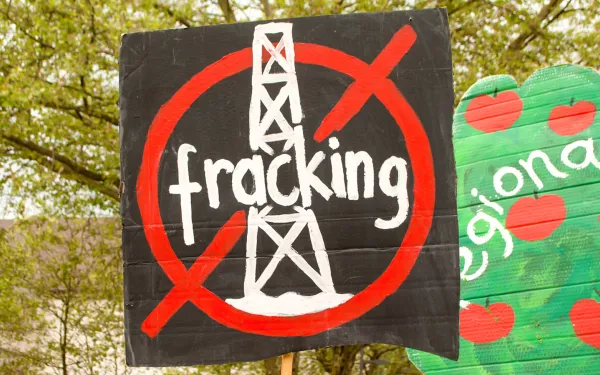
Why fracking is not an energy transition
The current global health crisis is forcing society to reflect on our ever increasing need for change. It’s putting us face-to-face with the fragility and unfeasibility of an energy system based on fossil fuels. This is evidenced by the historic collapse of oil prices associated with lower international demand for hydrocarbons—due to measures adopted in response to the pandemic—as well as overproduction and speculation in oil contracts, among other factors. Demand for gas is also expected to fall by 5 percent, following a decade of uninterrupted growth. Latin America is highly dependent on fossil fuels, both as an export commodity and for its own domestic consumption—88 percent of the energy used on the continent comes from nonrenewable resources. Since 2010, governments and private businesses have been pushing for fracking, or hydraulic fracturing of unconventional deposits, due in large part to the overexploitation of conventional hydrocarbons. Some countries describe fracking as a ‘bridge’ to reducing dependence on coal and petroleum as energy sources, claiming it gives them time to develop alternatives to fossil fuels. Following this logic, fracking has been promoted as a step toward energy transition. But how can a process that demonstrates a clear lack of economic, environmental, and social viability be labeled a transition? Reasons to say “No!” to fracking To resort to fracking is to continue to promote an energy system characterized by high private ownership and appropriation, the use of non-renewable resources, and negative impacts on affected populations and territories. What’s more, this system is defined by a great inequity in terms of access to, and use of, energy. Hydraulic fracturing involves the injection of toxic substances into the subsoil, which can cause the contamination of aquifers and air due to the volatility of some compounds. What’s more, leaks in the production and transport of gas and oil extracted vía fracking have been related to the increase in global emissions of methane, a pollutant responsible for about a quarter of all global warming. The technique also requires large amounts of water, which is especially relevant in a region that continues to confront serious problems concerning access to this basic resource. The use of fracking affects the ways of life of communities, both in terms of health—due to toxic substances in the air, water and soil—and in the violation of human rights and democracy. Many communities, particularly indigenous ones, lack access to information and are not properly consulted on fracking projects in their territories. The damages may be more serious for women, aggravating previously existing structural inequities. In economic terms, hydraulic fracturing requires large investments and, in order to be viable, it needs a market with high prices. In that sense, the unpredictability of oil prices makes it so that any nation that depends on hydrocarbons for its energy sovereignty is taking a dubious risk. Also, in fracking the rate of return on energy is lower. This means that the extraction process demands much more energy that it can capture. All this results in an energy benefit that is sometimes non-existent, and in which profits come from financial speculation. To promote fracking today would be to take a step backward, rather than forward. It simply does not meet the definition of a transition away from fossil fuels, and the logic of fracking has little to do with satisfying the social and economic needs of the people, among them environmental sustainability. A Movement for Change A growing number of organizations, institutions, communities and individuals throughout the Americas have organized to prevent the advance of fracking. These joint efforts, like the Latin American Alliance On Fracking, promote access to information and dismantle the position of businessmen and governments that claim fracking and more extractive activities are the only way out. Initiatives have emerged that seek energy alternatives by promoting dialogue and creating working groups on a just transition. Examples range from the experience of energy autonomy through small community hydroelectric plants in Guatemala, the Rio Negro Production and Energy Transition Working Group in Argentina, and the various experiences of Censat Agua Viva in Colombia, including a Social Working Group for a New Mining, Energy and Environmental Model. Meanwhile, using legal and administrative mechanisms, several municipalities and communities in Argentina, Mexico, Brazil and Uruguay have prohibited or declared a moratorium on fracking in their territories. Thinking about another society requires thinking about another energy system, one that is just and democratic. These spaces of resistance and the construction of alternatives give us a roadmap to promote structural changes and to jointly confront our society’s health, economic, and climate crises. Only then can we move beyond a system in which what was once considered "normal" simply wasn’t working.
Read more