
Project
Amazon Watch / Maíra Irigaray
The Belo Monte Dam on the Xingu River: 10 years of impacts in the Amazon and the search for reparations
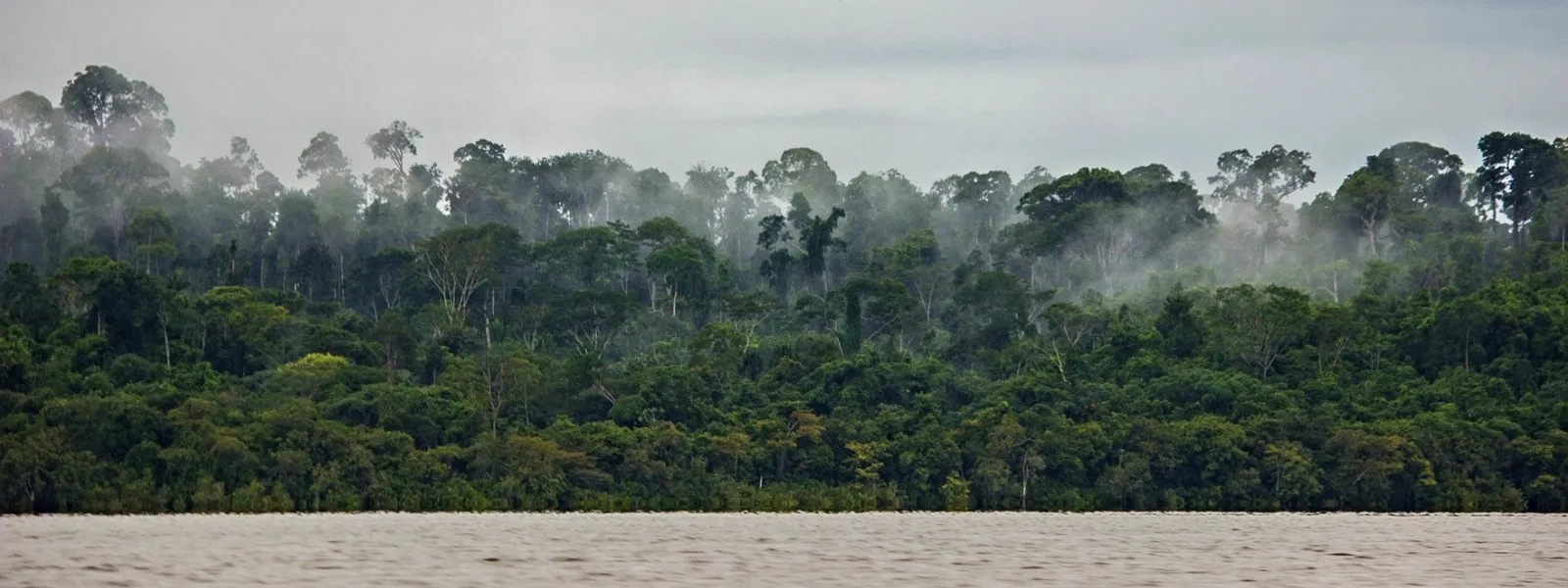
The Belo Monte Dam has caused an environmental and social disaster in the heart of the Amazon—one of the most important ecosystems on the planet.
This situation has only worsened since the hydroelectric plant began operations in 2016. The quest for justice and reparations by the affected indigenous, fishing, and riverine communities continues to this day.
In 2011, the Inter-American Commission on Human Rights (IACHR) granted them protective measures that, to date, have not been fully implemented by the Brazilian State.
Furthermore, since June of that same year, the IACHR has yet to rule on a complaint against the State regarding its international responsibility in the case.
The IACHR may refer the case to the Inter-American Court of Human Rights, which has the authority to issue a ruling condemning the Brazilian State.
After 10 years of the hydroelectric plant's operation and more than 15 years of documented human rights violations, it is time for justice to be served for the affected communities.
Read the open letter from the organizations bringing the case before the IACHR
Background
The Belo Monte hydroelectric plant—the fourth largest in the world by installed capacity (11,233 MW)—was built on the Xingu River in Pará, a state in northern Brazil.
It was inaugurated on May 5, 2016, with a single turbine. At that time, 80% of the river’s course was diverted, flooding 516 km² of land—an area larger than the city of Chicago. Of that area, 400 km² was native forest. The dam began operating at full capacity in November 2019.
Belo Monte was built and is operated by the Norte Energia S.A. consortium, which is composed primarily of state-owned companies. It was financed by the Brazilian Development Bank (BNDES), which provided the consortium with 25.4 billion reais (approximately US$10.16 billion), the largest investment in the bank’s history. Therefore, the BNDES is also legally responsible for the socio-environmental impacts associated with the hydroelectric plant.
Decades of harm to the environment and people
Human rights violations and degradation of the Amazon have been occurring since the project’s inception. In March 2011, Norte Energía began construction of the dam without adequate consultation and without the prior, free, and informed consent of the affected communities.
The construction caused the forced displacement of more than 40,000 people, severing social and cultural ties. The resettlement plan in Altamira—a city directly affected by the hydroelectric dam—involved housing units located on the outskirts, lacking adequate public services and decent living conditions for the relocated families, with no special provisions for those from indigenous communities.
Belo Monte's operations have caused a permanent, man-made drought in the Volta Grande (or "Great Bend") of the Xingu River, exacerbated by the historic droughts in the Amazon in 2023 and 2024. As a result, the deaths of millions of fish eggs were documented for four consecutive years (from 2021 to 2024), and for the past three years, there has been no upstream migration of fish to spawn and reproduce. Thus, artisanal fishing, the main source of protein for indigenous peoples and riverside communities, was severely affected: fish dropped from 50% to 30% of total protein consumed, replaced by processed foods. In summary, there was an environmental and humanitarian collapse that resulted in the breakdown of fishing as a traditional way of life, food insecurity, and access to drinking water for thousands of families, impoverishment, and disease.
Furthermore, the construction of the dam increased deforestation and intensified illegal logging and insecurity on indigenous and tribal lands, putting the survival of these communities at risk. Another consequence was the deepening of poverty and social conflicts, as well as the strain on health, education, and public safety systems in Altamira—a city ranked as the most violent in the country in 2017, where human trafficking and sexual violence increased. Violence was also reported against human rights defenders involved in the case.
In 2025, during the 30th UN Climate Change Conference (COP30), held in Brazil, the Federal Public Prosecutor’s Office labeled the damage caused by the Belo Monte dam as ecocide.
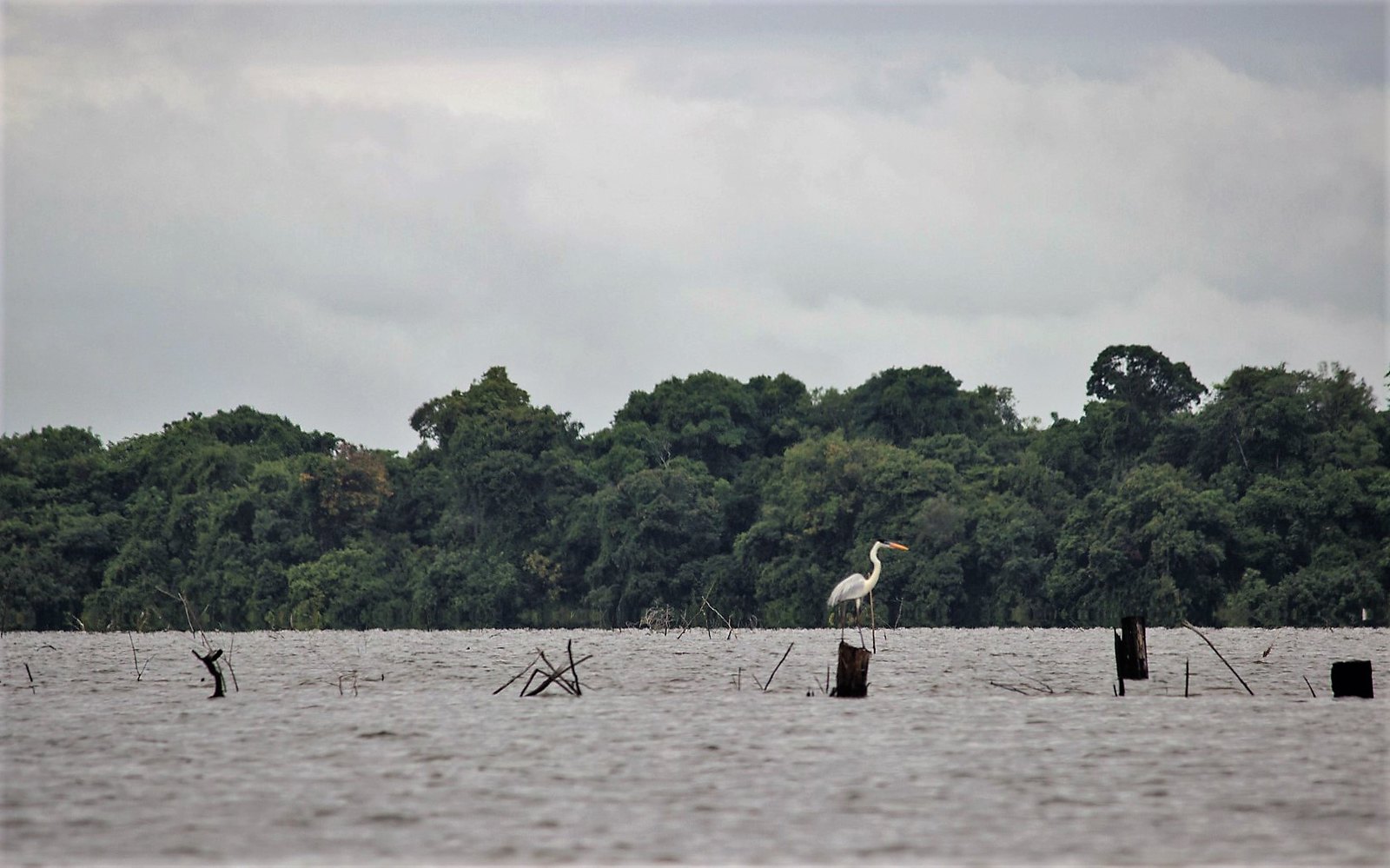
Photo: Amazon Watch / Maíra Irigaray.
The search for justice and reparations
Over the years, the Federal Public Prosecutor’s Office in Pará, the Public Defender’s Office, and civil society organizations have filed dozens of legal actions in Brazilian courts to challenge the project’s various irregularities and its impacts. Most of the claims are still pending resolution, some for more than 10 years.
These efforts have failed because the national government has repeatedly overturned rulings in favor of the affected communities by invoking a mechanism that allowed a court president to suspend a judicial decision based solely on generic arguments such as "the national interest" or "economic order."
In the absence of effective responses at the national level, AIDA, together with a coalition of partner organizations, brought the case before the Inter-American Commission on Human Rights (IACHR) and, in 2010, requested precautionary measures to protect the lives, safety, and health of the affected indigenous communities.
On April 1, 2011, the IACHR granted these measures and requested that the Brazilian government suspend environmental permits and any construction work until the conditions related to prior consultation and the protection of the health and safety of the communities are met.
And on June 16, 2011 —together with the Xingu Vivo Para Sempre Movement, the Coordinating Committee of Indigenous Organizations of the Brazilian Amazon, the Diocese of Altamira, the Indigenous Missionary Council, the Pará Society for the Defense of Human Rights and Global Justice— we filed a formal complaint against the Brazilian State for its international responsibility in the violation of the human rights of the people affected in the case. The case was opened for processing in December 2015.
On August 3, 2011, the IACHR amended the precautionary measures to request, instead of the suspension of permits and construction, the protection of people living in voluntary isolation, the health of indigenous communities, and the regularization and protection of ancestral lands.
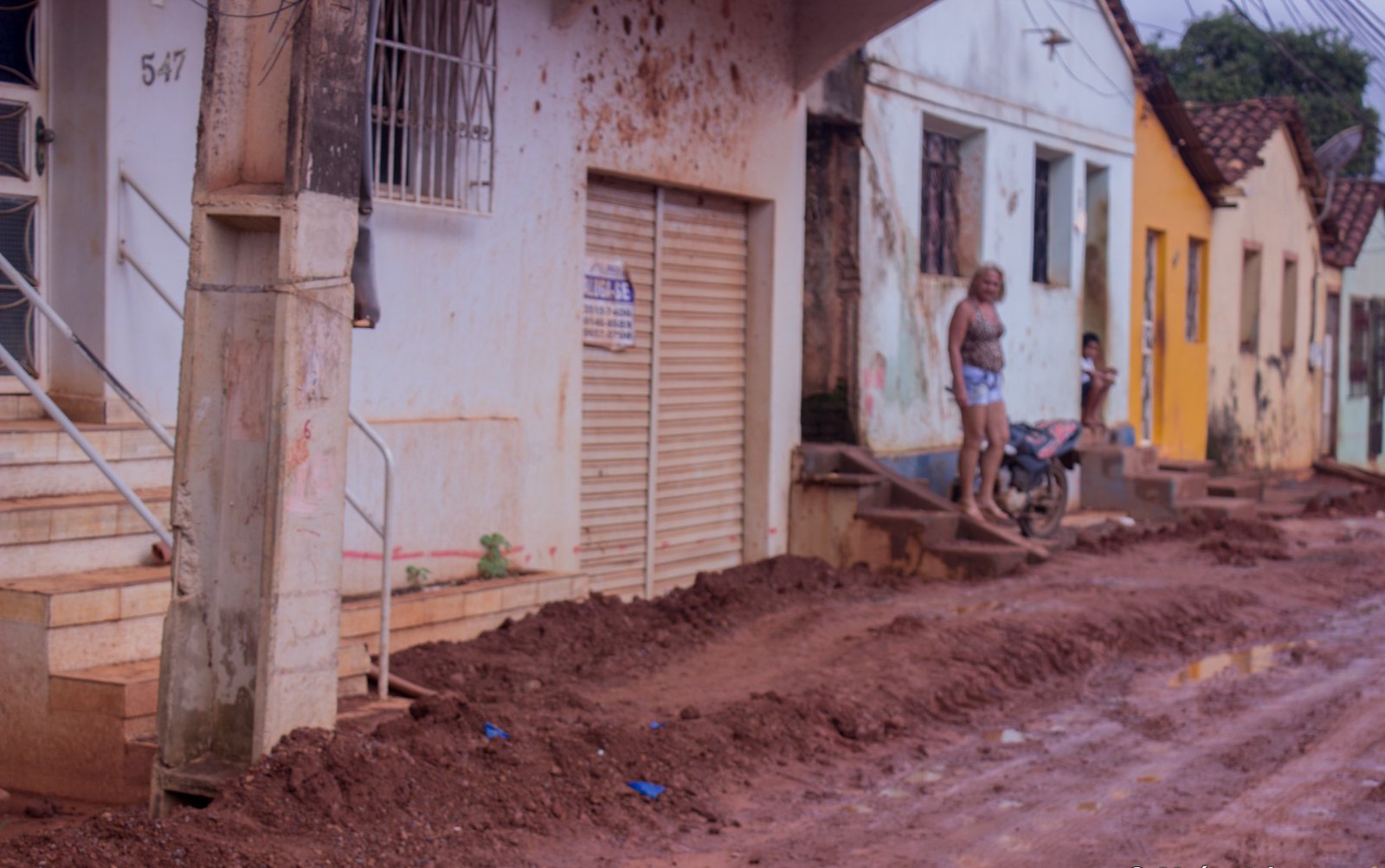
Photo: Amazon Watch / Maíra Irigaray.
Current situation
The protective measures granted by the IACHR remain in effect, but the Brazilian government has not fully complied with them, reporting only on general actions. The communities have documented the ongoing violations of their rights. The situation that prompted the request for these measures—the risk to the lives, physical integrity, and ways of life of the communities—persists and has worsened with the hydroelectric plant operating at full capacity and the recent extreme droughts in the Amazon.
In addition to the impacts of Belo Monte, there is a risk of further social and environmental impacts from the implementation of another mining megaproject in the Volta Grande do Xingu. There, the Canadian company Belo Sun plans to build Brazil’s largest open-pit gold mine.
The combined and cumulative impacts of the dam and the mine were not assessed. The government excluded Indigenous peoples, riverine and peasant communities from the project’s environmental permitting process. Despite protests by Indigenous communities and other irregularities surrounding the project, the government of Pará formally authorized the mine in April 2026.
Like other hydroelectric dams, Belo Monte exacerbates the climate emergency by generating greenhouse gas emissions in its reservoir. And it is inefficient amid the longer, more intense droughts caused by the crisis, as it loses its ability to generate power.
The case before the Inter-American Commission
In October 2017, the IACHR announced that it would rule jointly on the admissibility (whether the case meets the requirements for admission) and the merits (whether a human rights violation actually occurred) of the international complaint against the Brazilian State.
Fifteen years after the complaint was filed, the affected communities and the organizations representing them are still awaiting this decision. If the IACHR concludes that human rights violations occurred and issues recommendations that the Brazilian State fails to comply with, it may refer the case to the Inter-American Court of Human Rights, whose rulings are binding.
A potential ruling by the international court in this case would set a regional legal precedent regarding the rights of indigenous and riverine peoples, public participation in megaprojects, and state responsibility in the context of the climate crisis—a precedent that is particularly relevant in light of the Court’s Advisory Opinion No. 32, which reaffirmed the obligations of States to protect the people and communities of the continent from the climate emergency.
Partners:
Related projects
Defending the environment is defending our future from the climate crisis
It is estimated that, from December 2015, when the Paris Accord was adopted—seeking to strengthen the global response to the climate crisis—until December 2019, an average of four environmental defenders have been killed each week. This is in addition to countless violent attacks, arrests, death threats and legal actions by state and private agents. This is one of the principal findings of the Global Witness' report, Defending Tomorrow: The climate crisis and threats against land and environmental defenders, which was released in July. The document shows the undeniable link between attention to the climate crisis and the work of human rights defenders. The international NGO contributes to ending human rights and environmental abuses driven by the management and use of natural resources, as well as by corruption. Each year it publishes a report presenting its findings on socio-environmental conflicts and the situation of human rights defenders around the world. This report draws attention to a serious contradiction in the face of a critical problem: human rights defenders play a crucial role in the fight against the climate emergency, but too many governments, companies and financial institutions have failed to safeguard their lives and work. Failing to protect those who care for us The climate crisis is a real and tangible threat to life itself and requires drastic solutions. The international scientific community has warned of the serious consequences of not putting a limit on human activities that accelerate global warming. We need public policies for adaptation and mitigation, to put a stop to the use of fossil fuels, to protect nature and not to criminalize its defense. However, state mechanisms have been more effective in promoting extractive industries and have made little progress in what truly matters. The Global Witness report notes that large-scale agriculture, hydrocarbon extraction and especially mining are the main industries driving conflict and violence against defenders. At the same time, they lead the activities that aggravate the climate emergency, since they involve the clearcutting of forests and the emission of carbon dioxide into the atmosphere. Echoing recent research, the report notes that indigenous and local communities around the world care for forests that absorb the equivalent of 33 times our current annual carbon emissions. In other words, their role in mitigating the climate crisis is vital. It has also been shown that lands managed by indigenous peoples have lower deforestation rates and better conservation outcomes than protection areas that exclude these peoples. Despite this, Indigenous defenders suffer a disproportionate number of attacks. Between 2015 and 2019, they represent more than a third of attacks against defenders despite representing only 5 percent of the world's population, the report says. And last year alone, 40 percent of those killed belonged to Indigenous communities. The climate crisis and the violence against human rights defenders have different impacts. But in both cases, Indigenous peoples, Afro-descendants, peasant communities and women are disproportionately at risk. Women defenders not only face contextual violence like the rest of the community, but are often doubly stigmatized for their role as women and as defenders. In turn, they may become victims of sexual violence, a practice historically used to show power over bodies and territories. Increasing violence against defenders According to Global Witness, 2019 was the deadliest year on record for defenders, with 212 murders. More than two-thirds of the crimes were recorded in Latin America, which has consistently been the most affected region since the organization began publishing this data in 2012. In the Amazon alone, there were 33 deaths (90 percent of the murders in Brazil occurred there). In Colombia, there were 64 murders, a 150 percent increase from 2018 and the highest figure the organization has recorded in the country. And Honduras, with 14 deaths, became the most dangerous country in 2019 in terms of the number of murders per million people. The Philippines and Colombia combined represent more than half of all the murders of environmental defenders recorded last year. The report is very clear in mentioning that intimidation, harassment and violence against defenders have their structural causes in the linkage between governments, companies and unions. States' actions and omissions have resulted in stigmatization, criminalization and killings. The document includes a global map with concrete cases of violence and actions taken by human rights defenders and civil society. One of these cases is that of women in the micro-region of Ixquisis, Guatemala, who are defending their territory from two hydroelectric projects. Through their struggle, they have managed to have their complaint addressed by the accountability mechanism of the Inter-American Development Bank, one of the dams’ financiers. AIDA represents the community in that case. Putting defenders first It is increasingly clear that environmental defenders are at risk for opposing projects that exacerbate the climate crisis. It is therefore urgent to prioritize within climate action their protection and the eradication of all violence against them. The situation presented is serious and requires solutions that are committed to the planet and to people. It’s necessary to respect and guarantee the defenders’ rights to participation, association, access to information and justice. States must put an end to violence within the framework of their international obligations; provide immediate protection to defenders; and implement transformative measures through legal, political, and administrative actions, in accordance with international human rights standards. Such actions include the ratification of the Escazú Agreement and the normative adaptation necessary to guarantee the fundamental rights to life, integrity, and a healthy environment and to defend human rights. In addition, they should promote transitions that overcome the long chain of impacts on human rights and the environment from fossil fuel extraction. In light of this, and within the framework of the obligation of due diligence, corporate responsibility is key to stopping, preventing and investigating possible conflicts or violence against human rights defenders. Finally, a social, political and ecological transition is needed that fully respects environmental and human rights. The transition must ensure that inequality gaps are not widened, address the structural causes of conflict to achieve a violence-free planet, mitigate environmental and climate damage, and ensure justice for all.
Read more
Chile fails to advance towards adequate oversight of the salmon industry
An administrative summary carried out by Sernapesca investigating serious irregularities in salmon farming concessions ended up absolving the officials involved of all charges, without valid arguments. The results of the audits of Chile’s Subsecretariat of Fishing and Aquaculture (Subpesca) and the National Service of Fishing and Aquaculture (Sernapesca), carried out in 2016 by the Comptroller General's Office, showed serious irregularities in salmon farming concessions. This led to Sernapesca undertaking an internal administrative investigation to establish the facts and assign responsibility for those irregularities. However, the officials who were the subject of the investigation were absolved of all charges without sufficient evidence. The audits identified that a significant number of the concessions were operating in anaerobic conditions (generating a lack or absence of oxygen). They also found that concession holders (at least 100) took samples at alternate sites so as to demonstrate the presence of aerobic conditions. Thirty-one percent of the centers reviewed had operated outside of their authorized concession area. Also, Sernapesca did not confirm that the concessions had not expired for failing to starting operations one full year after their material delivery. Despite the seriousness of the fact that a significant percentage of the concessions are creating anaerobic conditions—under which marine life cannot survive—the investigation did not address this reality. Without any justification, the officials called to answer for this lack of oversight simply refused to accept any responsibility. To mention just a few examples: they excused displaced concessions citing a tolerance range for displacement that contradicts the law, lacks scientific basis, and is often violated; they excused themselves from taking samples at different sites on the grounds that the concessions were displaced; and, to explain the lack of declarations for expired concessions, they argued that there are no legal or regulatory provisions that order Sernapesca to officially confirm the expiration of a concession. Such statements cannot be used as an excuse to allow companies to continue maintaining their concessions when they have legally expired. Based on the process described, the Interamerican Association for Environmental Defense (AIDA), the NGO FIMA, and Greenpeace Chile consider that, despite the declared intent of the authorities, there are still serious problems with the control and government oversight of salmon farming in Chile, and the adequate curbing of its expansion. The generation of anaerobic conditions, which are occurring in many of the salmon farming concessions, is a very serious and often irreversible environmental problem. Places without oxygen quickly become true underwater deserts where life cannot thrive. Awareness of this problem, however, is not common because it occurs underwater, where it cannot be seen. The agencies in charge of regulating and overseeing the industry have a fundamental job to carry out. The Comptroller's Office took an important step by carrying out audits of Subpesca and Sernapesca. Now we need the agencies to confront the weaknesses that have been revealed and to rise to the very important task of monitoring and sanctioning the industry. We urge the Comptroller General's Office to adequately follow up on the 2016 audits. It is clear that the control of the industry, as well as the imposition of sanctions when appropriate, is not working as it should and the seas of southern Chile cannot continue to be unprotected. It is urgent to move towards stopping the expansion of an industry that has proven to be incompatible with the health of marine ecosystems, and to implement the appropriate sanctions, derived from the expiration of concessions and environmental permits for those farms causing grave environmental impacts. press contact: Victor Quintanilla (Mexico), AIDA, [email protected], +5215570522107
Read more
International alert issued on threats of uncontrolled fishing near Galapagos
The Interamerican Association for Environmental Defense (AIDA) and the Ecuadorian Coordinator of Organizations for the Defense of Nature and the Environment (CEDENMA) sent an international alert about the problem and threats of uncontrolled fishing on the high seas, particularly in the vicinity of the Galapagos Marine Reserve. The document calls for the adoption of preventive, urgent and effective measures to stop overfishing from causing irreversible damage to ecosystems and species in the Galapagos Islands and throughout the Tropical Eastern Pacific. The call comes after an industrial fleet of 260 fishing boats (243 flying the Chinese flag)—one of the largest in the world—was registered in July in Ecuador's Exclusive Economic Zone (EEZ), near the Galapagos Marine Reserve. The fleet included vessels from companies with records of violations of sovereign rights and the jurisdiction of coastal states, such as illegal, unreported and unregulated fishing, rule breaking and intentional environmental degradation. "The ocean is a highly connected system where what happens in one area will affect many others, so coordinated and cooperative actions between countries are key for the effective conservation of marine resources," explained Gladys Martinez, Senior Attorney with AIDA's Marine Biodiversity and Coastal Protection Program. "The role of international law is also fundamental in the sense that countries must enforce in good faith what has been agreed upon in conventions, treaties and other international instruments aimed at protecting the ocean.” The alert was sent to authorities overseeing the following international treaties and organizations: the United Nations Convention on the Law of the Sea (UNCLOS), the Convention on Biological Diversity (CBD), the Convention on International Trade in Endangered Species of Wild Fauna and Flora, and the Convention on the Conservation of Migratory Species of Wild Animals, the World Trade Organization, the Permanent Commission for the South Pacific (CPPS), the Eastern Tropical Pacific Marine Corridor (ETPMC) and the United Nations Educational, Scientific and Cultural Organization (UNESCO). Overfishing in the high seas (areas beyond national jurisdiction) can affect not only exploited areas, but also nearby marine and coastal ecosystems, as well as the food security of less developed countries. Therefore, activities such as those recorded in July represent a serious threat to the Galapagos Islands and three other World Heritage Sites—Cocos, Malpelo and Coiba in Costa Rica, Colombia and Panama, respectively—as well as to biodiversity on the high seas. "At CEDENMA we are very concerned about the situation related to industrial fishing activities in international waters that affect the fishing, biological and ecological resources of the seas under Ecuadorian jurisdiction and the Tropical Eastern Pacific region," said Gustavo Redín, President of CEDENMA. "We therefore urge Ecuadorian authorities to act on this issue and defend this natural heritage, which is unique in the world." The alert details the ecological, economic and social importance of the Galapagos; the current fishing situation inside and outside of the Marine Reserve; the impacts that overfishing on the high seas has on local fauna; the international obligations that countries have to protect the ocean and its resources; and the regional mechanisms for coordination between countries on marine conservation. Finally, AIDA and CEDENMA request a series of measures from the international organizations and authorities in charge of treaty compliance, including that they: Urgently investigate the facts set out in the document. Urge the Government of China and other governments with vessels present in the vicinity of Ecuador's EEZ to comply with their obligations to protect highly migratory species. Urge the Ecuadorian State to improve its monitoring efforts to effectively protect valuable natural resources. Review China's fishing subsidies, which are encouraging overfishing on the high seas. Continue negotiations within the framework of the Convention on Biological Diversity so that State Parties commit to protecting 30 percent of the ocean by 2030, including areas on the high seas and highly productive areas such as the Galapagos Islands. Urge Ecuador to continue supporting the negotiations to reach a global agreement for the conservation and sustainable use of biodiversity in areas beyond national jurisdiction (the High Seas Treaty) and to favor fishing management in that part of the ocean. Adopt coordinated, joint, and cooperative actions among the countries of the Eastern Tropical Pacific in favor of marine conservation. Strengthen the application of the rules that bind coastal states to ensure that fishing activities on the high seas are subject to standards of sustainability and the protection of marine biodiversity. Press contact: Victor Quintanilla (Mexico), AIDA, [email protected], +5215570522107
Read more