
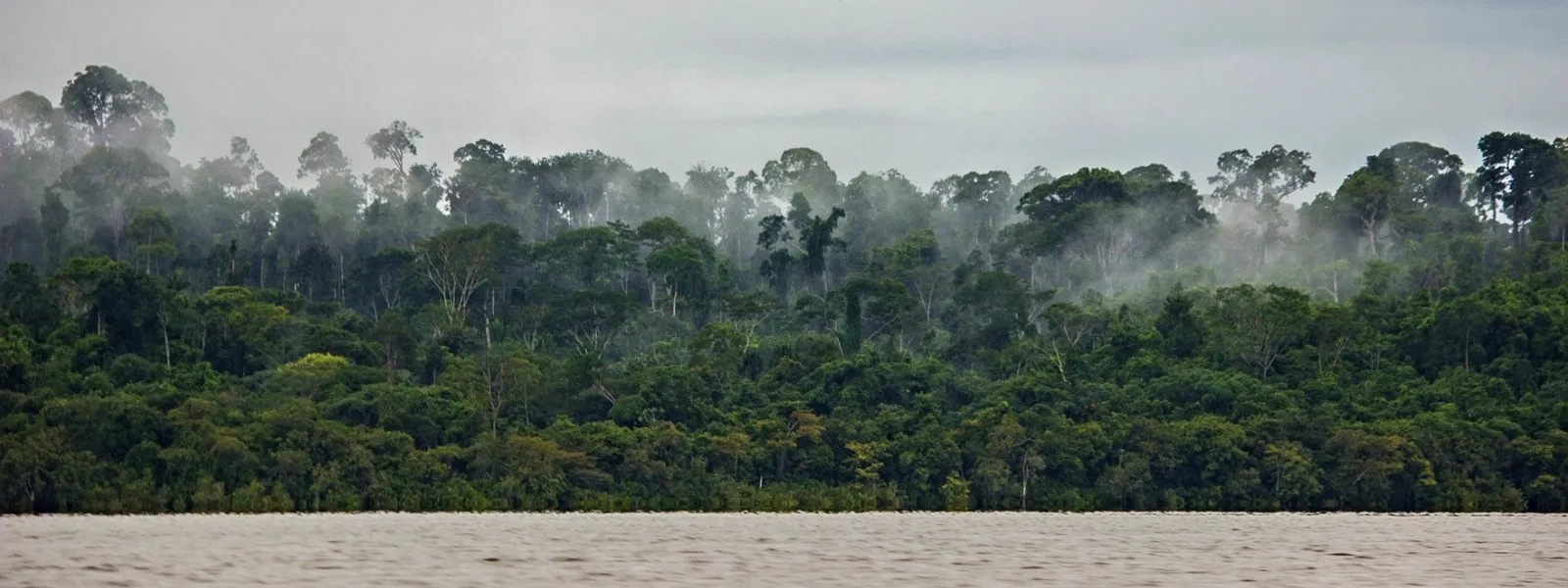
Project
Amazon Watch / Maíra Irigaray
The Belo Monte Dam on the Xingu River: 10 years of impacts in the Amazon and the search for reparations
The Belo Monte Dam has caused an environmental and social disaster in the heart of the Amazon—one of the most important ecosystems on the planet.
This situation has only worsened since the hydroelectric plant began operations in 2016. The quest for justice and reparations by the affected indigenous, fishing, and riverine communities continues to this day.
In 2011, the Inter-American Commission on Human Rights (IACHR) granted them protective measures that, to date, have not been fully implemented by the Brazilian State.
Furthermore, since June of that same year, the IACHR has yet to rule on a complaint against the State regarding its international responsibility in the case.
The IACHR may refer the case to the Inter-American Court of Human Rights, which has the authority to issue a ruling condemning the Brazilian State.
After 10 years of the hydroelectric plant's operation and more than 15 years of documented human rights violations, it is time for justice to be served for the affected communities.
Read the open letter from the organizations bringing the case before the IACHR
Background
The Belo Monte hydroelectric plant—the fourth largest in the world by installed capacity (11,233 MW)—was built on the Xingu River in Pará, a state in northern Brazil.
It was inaugurated on May 5, 2016, with a single turbine. At that time, 80% of the river’s course was diverted, flooding 516 km² of land—an area larger than the city of Chicago. Of that area, 400 km² was native forest. The dam began operating at full capacity in November 2019.
Belo Monte was built and is operated by the Norte Energia S.A. consortium, which is composed primarily of state-owned companies. It was financed by the Brazilian Development Bank (BNDES), which provided the consortium with 25.4 billion reais (approximately US$10.16 billion), the largest investment in the bank’s history. Therefore, the BNDES is also legally responsible for the socio-environmental impacts associated with the hydroelectric plant.
Decades of harm to the environment and people
Human rights violations and degradation of the Amazon have been occurring since the project’s inception. In March 2011, Norte Energía began construction of the dam without adequate consultation and without the prior, free, and informed consent of the affected communities.
The construction caused the forced displacement of more than 40,000 people, severing social and cultural ties. The resettlement plan in Altamira—a city directly affected by the hydroelectric dam—involved housing units located on the outskirts, lacking adequate public services and decent living conditions for the relocated families, with no special provisions for those from indigenous communities.
Belo Monte's operations have caused a permanent, man-made drought in the Volta Grande (or "Great Bend") of the Xingu River, exacerbated by the historic droughts in the Amazon in 2023 and 2024. As a result, the deaths of millions of fish eggs were documented for four consecutive years (from 2021 to 2024), and for the past three years, there has been no upstream migration of fish to spawn and reproduce. Thus, artisanal fishing, the main source of protein for indigenous peoples and riverside communities, was severely affected: fish dropped from 50% to 30% of total protein consumed, replaced by processed foods. In summary, there was an environmental and humanitarian collapse that resulted in the breakdown of fishing as a traditional way of life, food insecurity, and access to drinking water for thousands of families, impoverishment, and disease.
Furthermore, the construction of the dam increased deforestation and intensified illegal logging and insecurity on indigenous and tribal lands, putting the survival of these communities at risk. Another consequence was the deepening of poverty and social conflicts, as well as the strain on health, education, and public safety systems in Altamira—a city ranked as the most violent in the country in 2017, where human trafficking and sexual violence increased. Violence was also reported against human rights defenders involved in the case.
In 2025, during the 30th UN Climate Change Conference (COP30), held in Brazil, the Federal Public Prosecutor’s Office labeled the damage caused by the Belo Monte dam as ecocide.
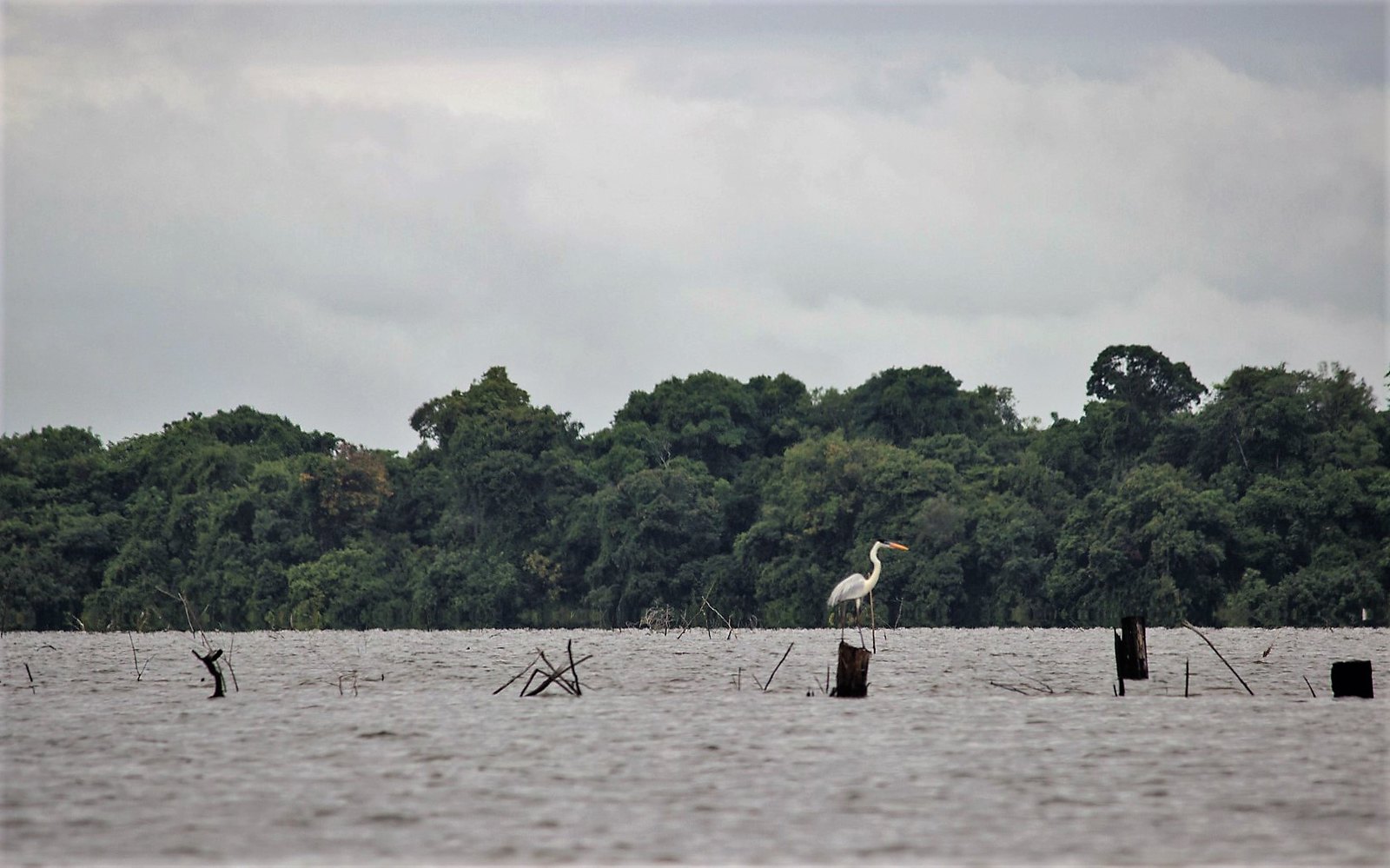
Photo: Amazon Watch / Maíra Irigaray.
The search for justice and reparations
Over the years, the Federal Public Prosecutor’s Office in Pará, the Public Defender’s Office, and civil society organizations have filed dozens of legal actions in Brazilian courts to challenge the project’s various irregularities and its impacts. Most of the claims are still pending resolution, some for more than 10 years.
These efforts have failed because the national government has repeatedly overturned rulings in favor of the affected communities by invoking a mechanism that allowed a court president to suspend a judicial decision based solely on generic arguments such as "the national interest" or "economic order."
In the absence of effective responses at the national level, AIDA, together with a coalition of partner organizations, brought the case before the Inter-American Commission on Human Rights (IACHR) and, in 2010, requested precautionary measures to protect the lives, safety, and health of the affected indigenous communities.
On April 1, 2011, the IACHR granted these measures and requested that the Brazilian government suspend environmental permits and any construction work until the conditions related to prior consultation and the protection of the health and safety of the communities are met.
And on June 16, 2011 —together with the Xingu Vivo Para Sempre Movement, the Coordinating Committee of Indigenous Organizations of the Brazilian Amazon, the Diocese of Altamira, the Indigenous Missionary Council, the Pará Society for the Defense of Human Rights and Global Justice— we filed a formal complaint against the Brazilian State for its international responsibility in the violation of the human rights of the people affected in the case. The case was opened for processing in December 2015.
On August 3, 2011, the IACHR amended the precautionary measures to request, instead of the suspension of permits and construction, the protection of people living in voluntary isolation, the health of indigenous communities, and the regularization and protection of ancestral lands.
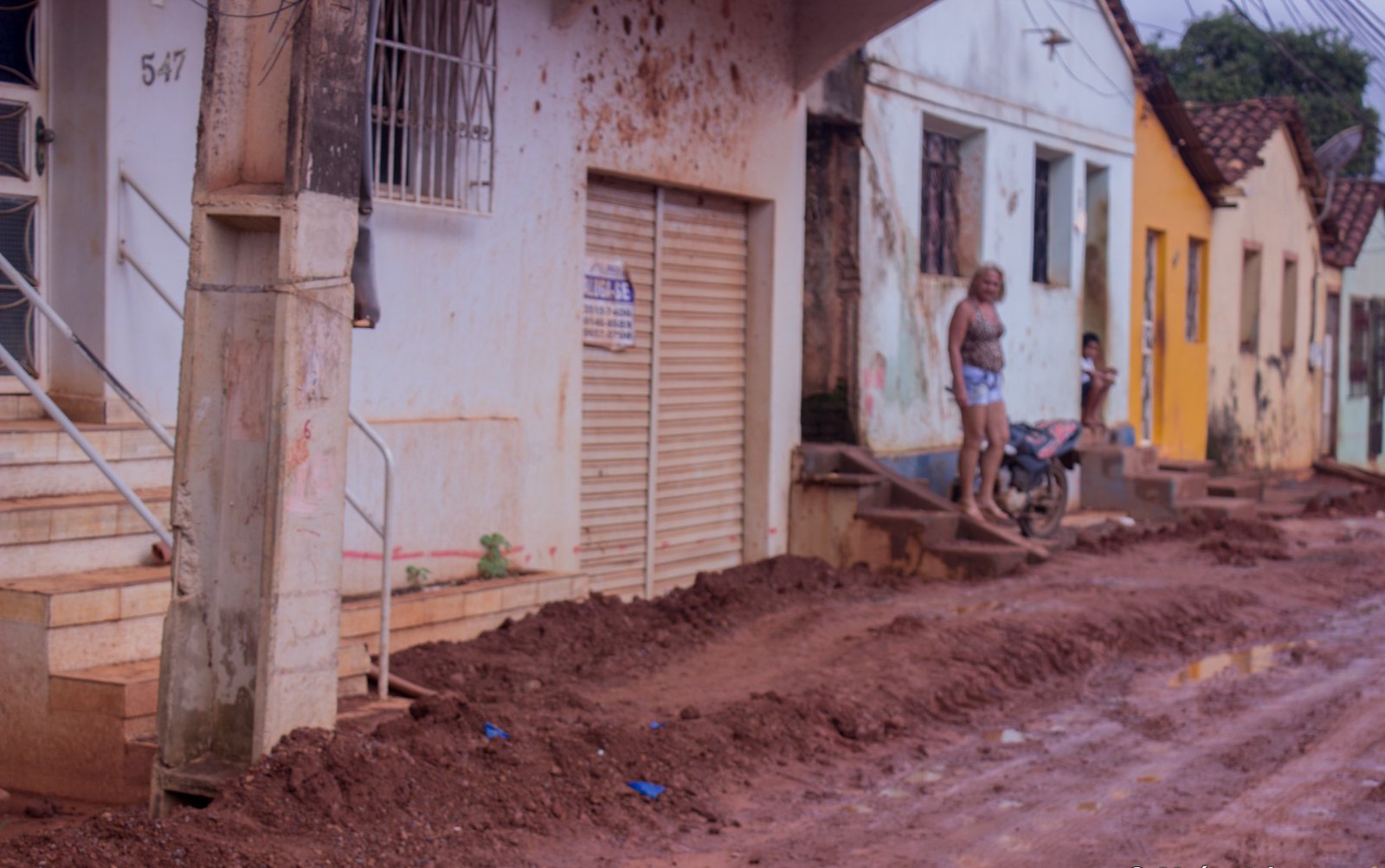
Photo: Amazon Watch / Maíra Irigaray.
Current situation
The protective measures granted by the IACHR remain in effect, but the Brazilian government has not fully complied with them, reporting only on general actions. The communities have documented the ongoing violations of their rights. The situation that prompted the request for these measures—the risk to the lives, physical integrity, and ways of life of the communities—persists and has worsened with the hydroelectric plant operating at full capacity and the recent extreme droughts in the Amazon.
In addition to the impacts of Belo Monte, there is a risk of further social and environmental impacts from the implementation of another mining megaproject in the Volta Grande do Xingu. There, the Canadian company Belo Sun plans to build Brazil’s largest open-pit gold mine.
The combined and cumulative impacts of the dam and the mine were not assessed. The government excluded Indigenous peoples, riverine and peasant communities from the project’s environmental permitting process. Despite protests by Indigenous communities and other irregularities surrounding the project, the government of Pará formally authorized the mine in April 2026.
Like other hydroelectric dams, Belo Monte exacerbates the climate emergency by generating greenhouse gas emissions in its reservoir. And it is inefficient amid the longer, more intense droughts caused by the crisis, as it loses its ability to generate power.
The case before the Inter-American Commission
In October 2017, the IACHR announced that it would rule jointly on the admissibility (whether the case meets the requirements for admission) and the merits (whether a human rights violation actually occurred) of the international complaint against the Brazilian State.
Fifteen years after the complaint was filed, the affected communities and the organizations representing them are still awaiting this decision. If the IACHR concludes that human rights violations occurred and issues recommendations that the Brazilian State fails to comply with, it may refer the case to the Inter-American Court of Human Rights, whose rulings are binding.
A potential ruling by the international court in this case would set a regional legal precedent regarding the rights of indigenous and riverine peoples, public participation in megaprojects, and state responsibility in the context of the climate crisis—a precedent that is particularly relevant in light of the Court’s Advisory Opinion No. 32, which reaffirmed the obligations of States to protect the people and communities of the continent from the climate emergency.
Partners:
Related projects
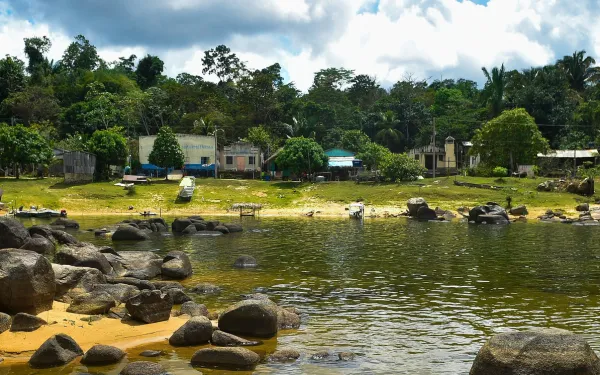
Belo Sun project puts Amazon at serious risk of contamination
The Canadian company developing Belo Sun is failing to take sufficient measures to prevent a planned gold mine from contaminating groundwater and surface water sources. The company also plans to use large quantities of cyanide, a substance highly dangerous to the health of people and ecosystems. Altamira, Brazil. A technical evaluation concluded that a gold mine planned for the Volta Grande of the Xingu River, deep in the Brazilian Amazon, risks contaminating water sources and harming the area’s indigenous and riverine communities. A project of the Canadian company Belo Sun Mining Corp., the mine could leech contaminating fluids, and would employ high quantities of cyanide, as well as other chemical processes that could, unless properly implemented, cause acidic waste to reach aquifers and rivers. The analysis prepared by Andrés Ángel, geologist and scientific advisor to the Interamerican Association for Environmental Defense (AIDA), found inconsistencies in the information the company has published in the environmental licensing process. In the 2015 feasibility report presented to the project's investors, Ángel found that the company stated that the area’s soil and shallow rocks are impermeable, that is, contaminants cannot seep through them. However, in 2012 and 2016 environmental impact studies, Belo Sun shows the regulatory authorities data, descriptions and analyses that contradict what was said in 2015, going so far as to say that the aforementioned soils and rocks behave like porous or fractured aquifers. In recent studies, the general design of the project and the management measures proposed by the company, which do not even include installing liners to prevent leaching under certain structures, are insufficient to reduce the risk of surface and groundwater contamination, the expert explained. The evaluation also warns of the use of large quantities of cyanide as the method of choice for the separation of gold. It’s expected that between 330 and 390 grams per ton of processed material will be used, out of an estimated total of 116 million tons of ore. "Less polluting and dangerous alternatives exist, including the export of polymetallic concentrates where the separation of material of economic interest occurs later. In the Amazon rainforest, it would be essential to consider this option" says Ángel. The report also highlights that cyanide can be lethal even in very low doses for both aquatic fauna and people, and points out the risks of transporting this substance through low quality road and fluvial infrastructure. Another serious risk highlighted by the study is the generation of acid drainage as a result of the chemical process planned by the company to eliminate the cyanide used, and as a cumulative impact after the project's lifetime, taking into account that some units were classified as having moderate acid generation potential. Although an active treatment (the addition of lime to effluents) is proposed for this purpose, such a measure implies greater demand for reagents and, therefore, greater total environmental impacts. Finally, Ángel highlighted the lack of information on the synergistic impacts between the Belo Monte Dam—which already affects the area—and the downstream mining project in the reduced flow section of the Xingu River, which in turn will determine the type and extent of the mine's risks in the event of serious failures. The Brazilian justice system suspended Belo Sun’s installation license in 2017 because the company did not conduct studies on the mine's impact on indigenous communities or comply with the requirement for a free, prior and informed consultation process. Belo Sun submitted the studies of the indigenous component to the National Indian Foundation (FUNAI) in early 2020 and is awaiting an assessment and response from the entity. Ángel's assessment was presented to FUNAI and the Secretary of State for the Environment (SEMAS) of Pará, the entities responsible for granting licenses for the project. The expert opinion joins two others presented as part of a joint effort by independent researchers whose work explicitly demonstrates the unfeasibility of the Belo Sun project as it is currently conceived. The previous opinions focused on the negative impacts of the project on the ichthyofauna, and on the fragility of the environmental impact studies submitted by Belo Sun from a geological point of view. In addition to the independent researchers, several organizations have denounced the social and environmental unfeasibility of the project, including the Xingu+ Network, the Xingu Alive Forever Movement, Amazon Watch, the Socio-Environmental Institute (ISA), International Rivers, Above Ground and AIDA. Contacts Marina Terra (Brazil), ISA, [email protected] Victor Quintanilla (Mexico), AIDA, [email protected], +5215570522107
Read more
Protecting environmental defenders, a State duty that mustn’t be deferred
Every day men and women around the world dedicate their lives to protecting the ecosystems upon which entire communities and other living things depend. This work, essential for the protection of our planet, is carried out in legal, social, and political spheres. Unfortunately, those who defend the environment are victims of threats and assassinations. For many years now, Latin America has been the most dangerous region in the world to be an environmental defender, accounting for nearly 60 percent of these crimes. This, despite the fact that national and regional governments recognize human rights like free speech and a healthy environment, as well as the rights of nature. In 2019, Global Witness reported on the murder of 164 environmental defenders, many from Latin American nations—Colombia (24); Brazil (20); Guatemala (16) and Mexico (14). The report explained, “mining was the worst sector, causing 43 deaths, though deaths related to conflicts over water sources also surged. Attacks driven by agribusiness, logging and hydropower continued too.” In the context of the COVID-19 pandemic, the grave risk facing environmental defenders has not ceased. Despite social distancing and other measures adopted to slow the spread of the virus, violence aimed at defenders has continued. It is important to consider that the pandemic strains the networks of protections that exist to respond to emergencies, putting environmental defenders at increased risk. This, combined with the lack of will or ability for institutions to respond to any problems other than the current health crisis, makes for a complicated security situation. In effect, States must respect and guarantee human rights at all times. These are obligations that cannot be deferred, even in emergency situations, and must be emphasized and strengthened for those at risk, like environmental defenders. stATE’s Role as Protector The work of environmental defenders has been recognized within the international system of human rights as essential, in a democratic society, for strengthening the respect and enjoyment of other rights. The reality of the dangers with which these defenders live has been accompanied by a judicial evolution, as evidenced by international legal instruments such as the Escazu Agreement, which for the first time included environmental defenders as people subject to special protection. The Inter-American Court of Human Rights said that this type of protection is especially necessary due to the threats and intimidation defenders face. States have the obligation to: Avoid violating human rights and prevent others from doing so, something that applies to all people. Ensure a safe and conducive environment for environmental defenders to freely carry out their work, and therefore take special action to protect them when they are threatened; refrain from imposing obstacles that hinder the performance of their work; and seriously and effectively investigate violations committed against them. Ensure compliance with procedural rights in environmental matters, i.e. the right to information, public participation and access to justice. Refrain from acting in any way that encourages, stimulates, favors or deepens the vulnerability of these persons; and take necessary and reasonable measures to prevent or protect the rights of those who are in such a situation. This is relevant in the face of the increasing criminalization of human rights defenders by governments, who accuse them of "going against development" in a discourse that has wide reach. Conduct a prompt, serious, impartial and effective investigation into cases of violent death. Always include the perspective of women, since women defenders are exposed to higher levels of violence due to the context of pre-existing inequality. Finally, it’s important to highlight the need for all measures taken by States to clearly respect human rights and, at the same time, assure the life and integrity of environmental defenders as an indispensable element for climate justice and environmental democracy.
Read more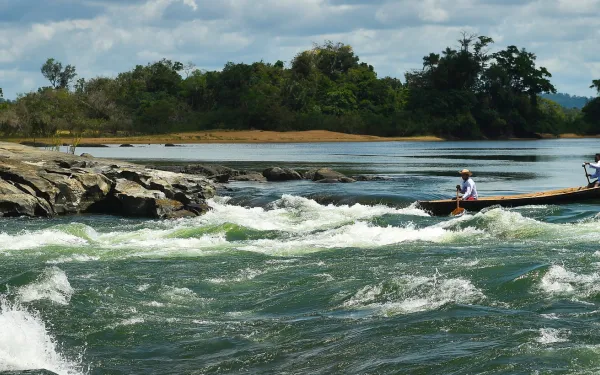
Expert report: proposed gold mine in Brazilian Amazon presents unacceptable risk
Altamira, Brazil. An expert study released today reveals serious deficiencies in the environmental impact assessment submitted to Brazilian authorities by Canadian mining company Belo Sun. The analysis exposes an unacceptable degree of risk that the tailings dam at the proposed Volta Grande gold mine will fail, contaminating the Xingu River and harming nearby indigenous and other communities. The report’s author, Dr. Steven Emerman, explains that despite the presence of geological faults at the mine site, the company has not produced any seismicity studies. Nor has the dam been designed with seismic safety in mind, in violation of Brazilian tailings dam regulations. Dr. Emerman also raises concern about the company’s use of its tailings reservoir to capture water. Industry best practice is to prevent the flow of surface runoff into tailings ponds in order to minimize the risk of dam failure. Moreover, the report reveals that Belo Sun has provided contradictory information regarding its tailings storage plan to investors and Brazilian regulatory authorities. Dr. Emerman recommends that the project’s licence be revoked. Brazilian courts suspended Belo Sun’s installation licence in 2017 because the company failed to study the project’s impact on indigenous and other traditional communities, or to consult these populations. Belo Sun has been criticized for publishing misleading statements to bolster sagging interest in the project among potential investors, amidst growing evidence of social, environmental, financial and reputational risks. Last week local movements Rede Xingu+ and Xingo Vivo para Sempre submitted Dr. Emerman’s report to government agencies responsible for project licensing. These organizations demand that additional studies be undertaken, which they argue are “indispensable to assess the social and environmental viability of Belo Sun’s mining project considering the grave risk to indigenous and other river-dwelling communities located next to the project and its tailings dam.” FAILURES, INSECURITY AND CONFLICTING INFORMATION From conflicting information to the absence of seismic safety criteria, Dr. Emerman's opinion highlights eight main points that support the recommendation to reject the Volta Grande project: The tailings dam was not designed under any seismic safety criteria, violating Brazilian regulations in this regard. Any tailings dam should be designed to withstand events such as floods and earthquakes. Contrary to the Brazilian standard, the company did not include in its studies an analysis of local seismicity nor did it simulate the response of the structure to a hypothetical seismic acceleration. Although geological faults have been mapped at the tailings dam site, no local seismicity studies have been done, which also violates Brazilian tailings dam regulations. Seismic activity is responsible for causing the dissolution of saturated debris into water, one of the most common causes of tailings dam failures. In Brazil, in 2019 alone, there were three dam failures, including the rupture of the Vale dam in Brumadinho (Minas Gerais), which caused at least 250 deaths. Cases like these demonstrate the need for and importance of local seismicity studies and are indispensable for the proper assessment of the risk of failure of a tailings dam. No risk analysis has been made of the geological faults mapped in the vicinity of the project site. Three of these faults, which are structures present in rocks and which can promote seismic movements, intersect at the exact site of the proposed tailings dam. The official simulation of the rupture assumes, without justification, that the flow of the waste would be interrupted when it reaches the Xingu River, ignoring the capacity of the toxic elements to travel tens of kilometers along the Volta Grande. The conclusions of the EIA also support the hypothesis that the tailings flow would take 97 minutes to reach the Xingu, but without mentioning the details of the calculation used. According to the modelling presented in the opinion, considering the volume of tailings stored on the order of 35 million cubic metres and assuming a spill of approximately 25%, under a conservative scenario the flood would cover an initial distance of up to 41 kilometres along the river. At a speed of 20 km/h, the flooding of Belo Sun's dam would reach the Xingu in only seven minutes, covering the distance of 41 km in only two hours, reaching the Volta Grande Indigenous Land. After the rupture of the Vale Dam in Brumadinho, the tailings flow reached 120 km/hr, 100 km/hr more than the more conservative scenario proposed in the report. In the worst case, with the release of 100% of the stored tailings, the initial flow would cover 98 kilometers along the Xingu River and could reach the Amazon River and the Atlantic Ocean. There is a high risk of toxic water spillage into the Xingu. The project provides for the recycling of cyanide leachate, a substance used to separate gold, which can result in waste water that is highly enriched with toxic elements such as arsenic and mercury. The result, whose analysis is absent from official documents, could be the spillage of a waste-water mixture that is highly toxic to aquatic organisms into the Xingu River in the event of a dam failure or spill. There is no plan in the EIA to close the mine or tailings dam, a key issue for the social and environmental viability of the mining project. The document contains a promise by the business group to find out, after the event, how to permanently stabilize the tailings dam. The waste storage system adopted at the time is not viable and runs counter to good mining practice. Part of the solution to reduce the probability of tailings dam failure is to reduce the water content in the tailings tank. But the Belo Sun project envisages that all the waste will be saturated and under seven metres of free water, above the surface of the solid waste. Aware of the issue raised in the previous point, the company seems to have decided that the current plan to flood the waste is not feasible. The Chief Executive Officer of Belo Sun Mining stated o MiningWatch Canada that he would abandon the current plan for a filtered tailings storage facility, which should have a significantly lower water content. However, the company provided conflicting information to Brazilian organizations and regulatory authorities: in a presentation to FUNAI in October 2019, the company described the same wet waste storage plan as the EIA. "The provision of contradictory information to different audiences by Belo Sun Mining and its Brazilian subsidiary is very serious in terms of the reliability of the information provided in the administrative processes," the opinion reiterates. Rede Xingu+ is an articulation of indigenous, riverine and partner organizations that work in the Xingu River basin. Movimento Xingu Vivo para Sempre is a collective formed in 2008 by local, national and international civil society organizations; threatened indigenous and non-indigenous communities; and social, human rights and environmental movements that oppose the construction of hydroelectric dams on the Xingu River and that fight in defence of the rights of local people. Contacts Dr. Steven Emerman, Malach Consulting, +1-801-921-1228 (Utah, USA) Brent Milikan, Amazon Program Director, International Rivers, +55-61-98153-7009 (Brasilia, Brazil). Mr. Milikan can connect journalists to representatives of Rede Xingu+ and Movimento Xingu Vivo para Sempre. Karyn Keenan, Director, Above Ground, +1-613-791-7532 (Ottawa, Canada)
Read more