
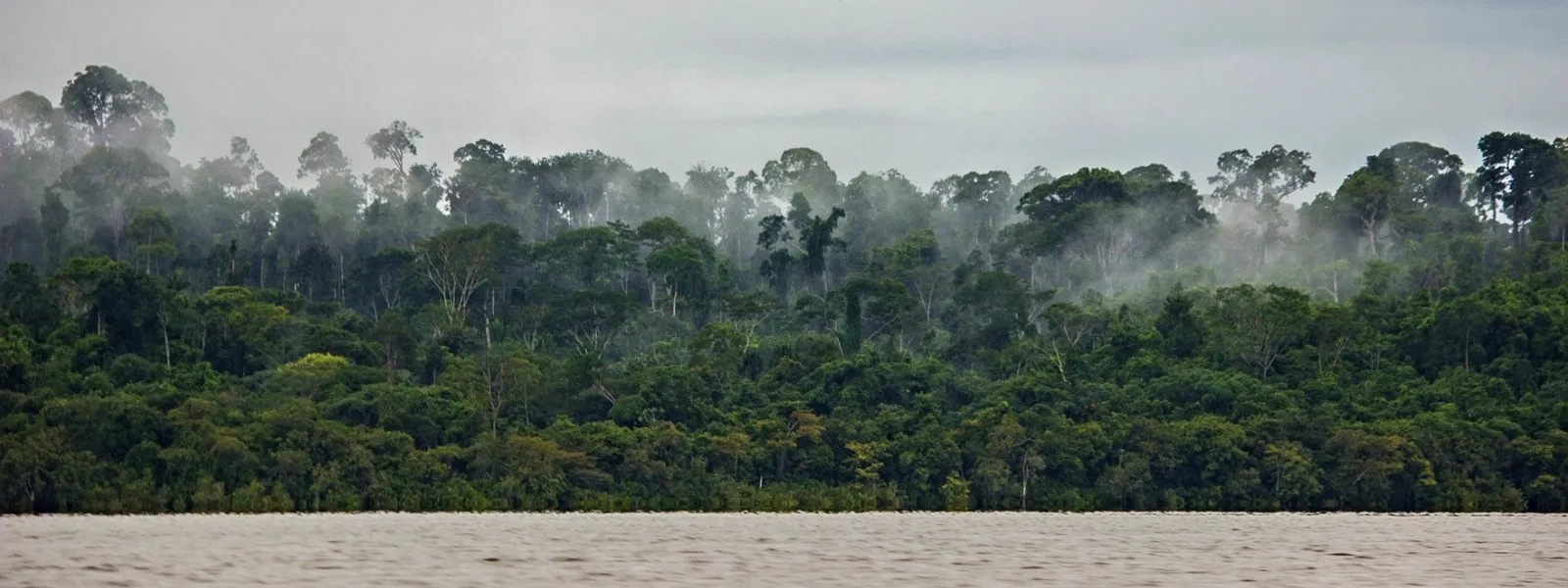
Project
Amazon Watch / Maíra Irigaray
The Belo Monte Dam on the Xingu River: 10 years of impacts in the Amazon and the search for reparations
The Belo Monte Dam has caused an environmental and social disaster in the heart of the Amazon—one of the most important ecosystems on the planet.
This situation has only worsened since the hydroelectric plant began operations in 2016. The quest for justice and reparations by the affected indigenous, fishing, and riverine communities continues to this day.
In 2011, the Inter-American Commission on Human Rights (IACHR) granted them protective measures that, to date, have not been fully implemented by the Brazilian State.
Furthermore, since June of that same year, the IACHR has yet to rule on a complaint against the State regarding its international responsibility in the case.
The IACHR may refer the case to the Inter-American Court of Human Rights, which has the authority to issue a ruling condemning the Brazilian State.
After 10 years of the hydroelectric plant's operation and more than 15 years of documented human rights violations, it is time for justice to be served for the affected communities.
Read the open letter from the organizations bringing the case before the IACHR
Background
The Belo Monte hydroelectric plant—the fourth largest in the world by installed capacity (11,233 MW)—was built on the Xingu River in Pará, a state in northern Brazil.
It was inaugurated on May 5, 2016, with a single turbine. At that time, 80% of the river’s course was diverted, flooding 516 km² of land—an area larger than the city of Chicago. Of that area, 400 km² was native forest. The dam began operating at full capacity in November 2019.
Belo Monte was built and is operated by the Norte Energia S.A. consortium, which is composed primarily of state-owned companies. It was financed by the Brazilian Development Bank (BNDES), which provided the consortium with 25.4 billion reais (approximately US$10.16 billion), the largest investment in the bank’s history. Therefore, the BNDES is also legally responsible for the socio-environmental impacts associated with the hydroelectric plant.
Decades of harm to the environment and people
Human rights violations and degradation of the Amazon have been occurring since the project’s inception. In March 2011, Norte Energía began construction of the dam without adequate consultation and without the prior, free, and informed consent of the affected communities.
The construction caused the forced displacement of more than 40,000 people, severing social and cultural ties. The resettlement plan in Altamira—a city directly affected by the hydroelectric dam—involved housing units located on the outskirts, lacking adequate public services and decent living conditions for the relocated families, with no special provisions for those from indigenous communities.
Belo Monte's operations have caused a permanent, man-made drought in the Volta Grande (or "Great Bend") of the Xingu River, exacerbated by the historic droughts in the Amazon in 2023 and 2024. As a result, the deaths of millions of fish eggs were documented for four consecutive years (from 2021 to 2024), and for the past three years, there has been no upstream migration of fish to spawn and reproduce. Thus, artisanal fishing, the main source of protein for indigenous peoples and riverside communities, was severely affected: fish dropped from 50% to 30% of total protein consumed, replaced by processed foods. In summary, there was an environmental and humanitarian collapse that resulted in the breakdown of fishing as a traditional way of life, food insecurity, and access to drinking water for thousands of families, impoverishment, and disease.
Furthermore, the construction of the dam increased deforestation and intensified illegal logging and insecurity on indigenous and tribal lands, putting the survival of these communities at risk. Another consequence was the deepening of poverty and social conflicts, as well as the strain on health, education, and public safety systems in Altamira—a city ranked as the most violent in the country in 2017, where human trafficking and sexual violence increased. Violence was also reported against human rights defenders involved in the case.
In 2025, during the 30th UN Climate Change Conference (COP30), held in Brazil, the Federal Public Prosecutor’s Office labeled the damage caused by the Belo Monte dam as ecocide.
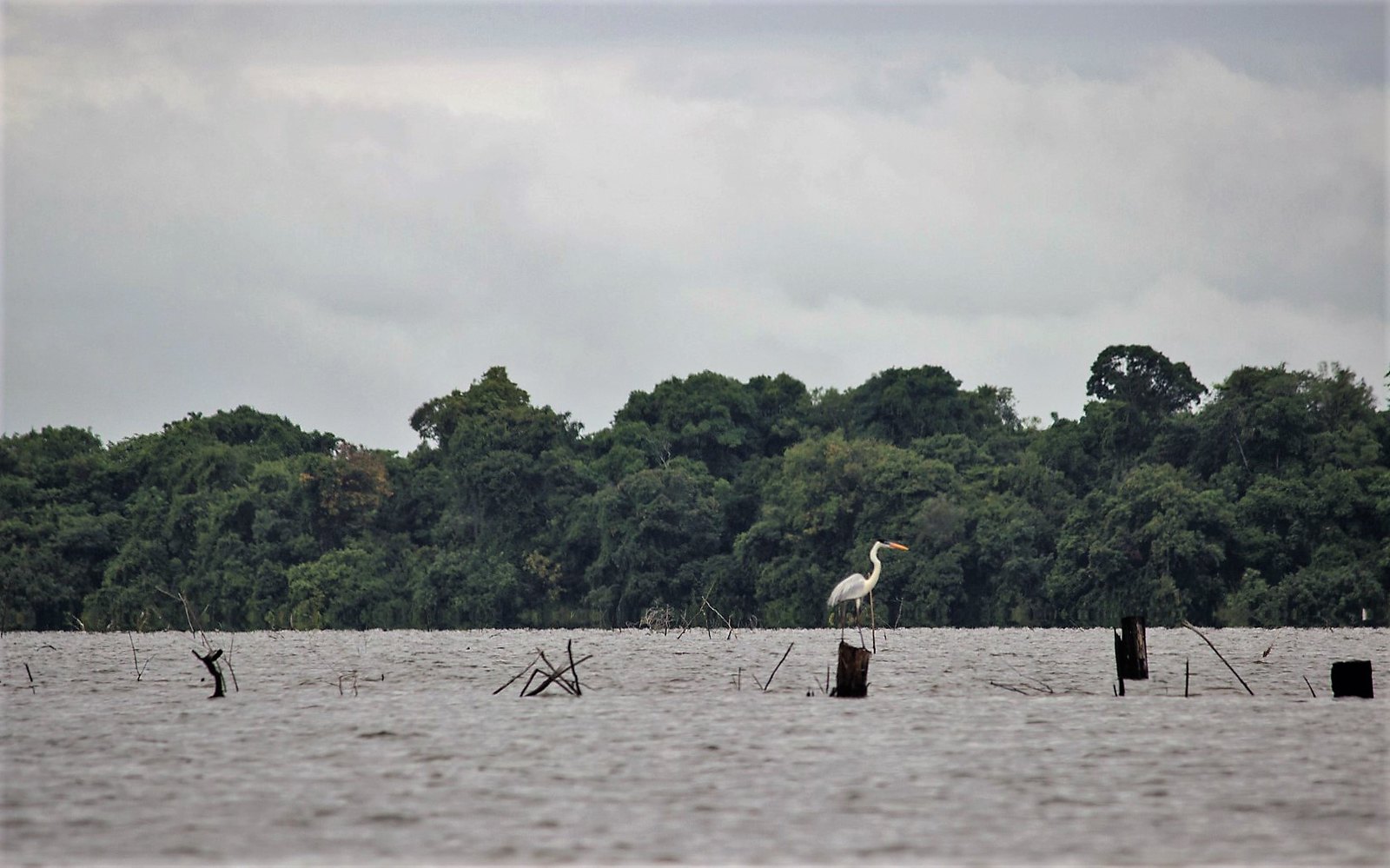
Photo: Amazon Watch / Maíra Irigaray.
The search for justice and reparations
Over the years, the Federal Public Prosecutor’s Office in Pará, the Public Defender’s Office, and civil society organizations have filed dozens of legal actions in Brazilian courts to challenge the project’s various irregularities and its impacts. Most of the claims are still pending resolution, some for more than 10 years.
These efforts have failed because the national government has repeatedly overturned rulings in favor of the affected communities by invoking a mechanism that allowed a court president to suspend a judicial decision based solely on generic arguments such as "the national interest" or "economic order."
In the absence of effective responses at the national level, AIDA, together with a coalition of partner organizations, brought the case before the Inter-American Commission on Human Rights (IACHR) and, in 2010, requested precautionary measures to protect the lives, safety, and health of the affected indigenous communities.
On April 1, 2011, the IACHR granted these measures and requested that the Brazilian government suspend environmental permits and any construction work until the conditions related to prior consultation and the protection of the health and safety of the communities are met.
And on June 16, 2011 —together with the Xingu Vivo Para Sempre Movement, the Coordinating Committee of Indigenous Organizations of the Brazilian Amazon, the Diocese of Altamira, the Indigenous Missionary Council, the Pará Society for the Defense of Human Rights and Global Justice— we filed a formal complaint against the Brazilian State for its international responsibility in the violation of the human rights of the people affected in the case. The case was opened for processing in December 2015.
On August 3, 2011, the IACHR amended the precautionary measures to request, instead of the suspension of permits and construction, the protection of people living in voluntary isolation, the health of indigenous communities, and the regularization and protection of ancestral lands.
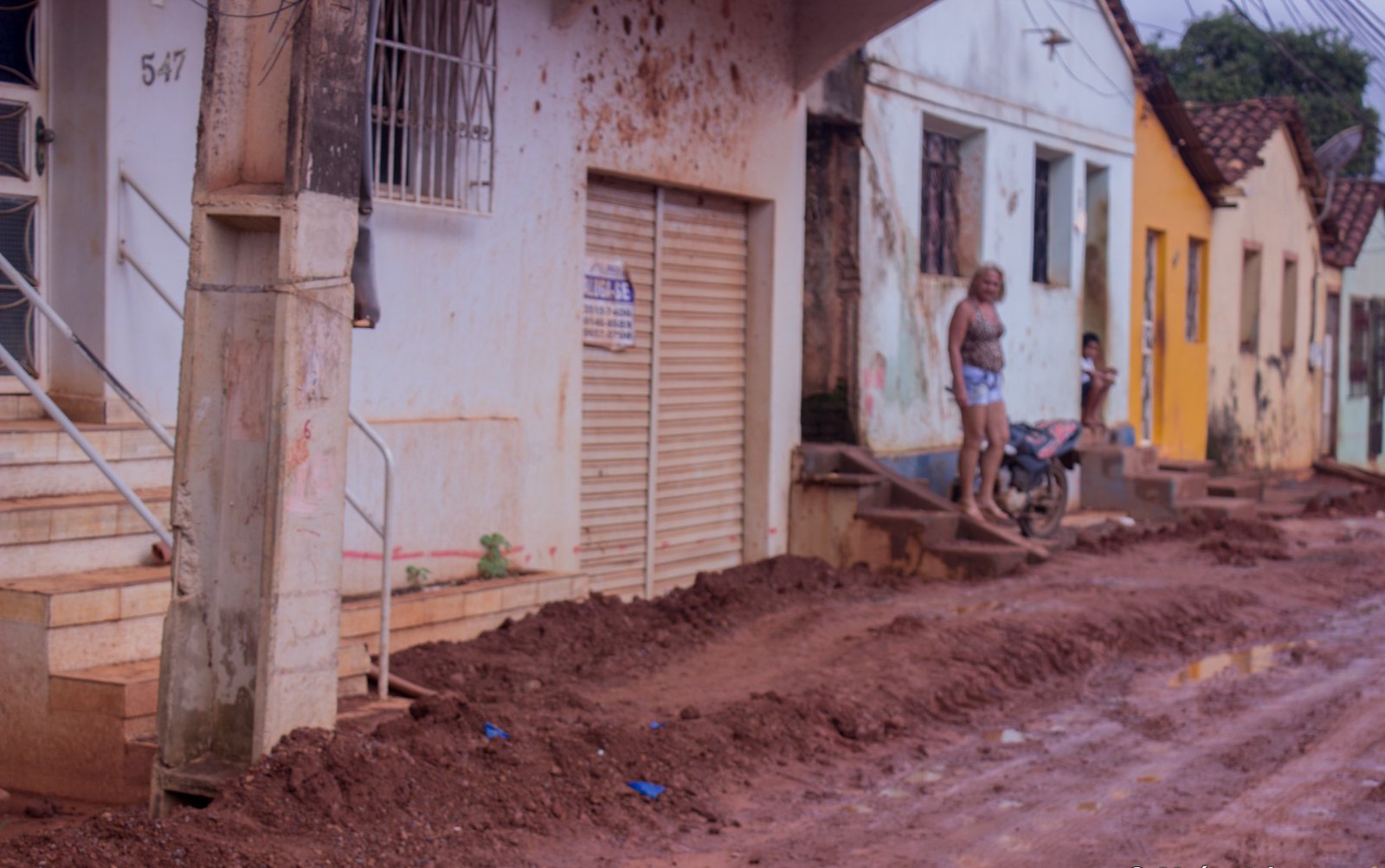
Photo: Amazon Watch / Maíra Irigaray.
Current situation
The protective measures granted by the IACHR remain in effect, but the Brazilian government has not fully complied with them, reporting only on general actions. The communities have documented the ongoing violations of their rights. The situation that prompted the request for these measures—the risk to the lives, physical integrity, and ways of life of the communities—persists and has worsened with the hydroelectric plant operating at full capacity and the recent extreme droughts in the Amazon.
In addition to the impacts of Belo Monte, there is a risk of further social and environmental impacts from the implementation of another mining megaproject in the Volta Grande do Xingu. There, the Canadian company Belo Sun plans to build Brazil’s largest open-pit gold mine.
The combined and cumulative impacts of the dam and the mine were not assessed. The government excluded Indigenous peoples, riverine and peasant communities from the project’s environmental permitting process. Despite protests by Indigenous communities and other irregularities surrounding the project, the government of Pará formally authorized the mine in April 2026.
Like other hydroelectric dams, Belo Monte exacerbates the climate emergency by generating greenhouse gas emissions in its reservoir. And it is inefficient amid the longer, more intense droughts caused by the crisis, as it loses its ability to generate power.
The case before the Inter-American Commission
In October 2017, the IACHR announced that it would rule jointly on the admissibility (whether the case meets the requirements for admission) and the merits (whether a human rights violation actually occurred) of the international complaint against the Brazilian State.
Fifteen years after the complaint was filed, the affected communities and the organizations representing them are still awaiting this decision. If the IACHR concludes that human rights violations occurred and issues recommendations that the Brazilian State fails to comply with, it may refer the case to the Inter-American Court of Human Rights, whose rulings are binding.
A potential ruling by the international court in this case would set a regional legal precedent regarding the rights of indigenous and riverine peoples, public participation in megaprojects, and state responsibility in the context of the climate crisis—a precedent that is particularly relevant in light of the Court’s Advisory Opinion No. 32, which reaffirmed the obligations of States to protect the people and communities of the continent from the climate emergency.
Partners:
Related projects
Civil society calls on the Human Rights Council to recognize the right to a #HealthyEnvironment4All
More than 850 civil society organizations, indigenous peoples’ groups, social movements and local communities are calling on the United Nations Human Rights Council to recognize the universal human right to a safe, clean, healthy and sustainable environment. The open letter, sent on September 10 and still open online for signatures, comes ahead of the Human Rights Council meeting in Geneva from September 14 to October 6. It argues that people must be protected from the deadly impacts of environmental degradation and climate change - such as the increased spread of diseases like COVID-19. “In view of the global environmental crisis that currently violates and jeopardizes the human rights of billions of people on our planet, global recognition of this right is a matter of utmost urgency,” the letter states. “As we all know, there are no human rights on a dead planet.” The right to a safe, clean, healthy and sustainable environment is already covered in constitutions and laws in a substantial majority of countries around the world, as well as regional systems. There is a growing legal system for implementing and applying the right, too. Now advocates for human rights, indigenous peoples, climate action and social justice are urging the UN Human Rights Council to formalize this recognition and make it universal. In doing so, the Human Rights Council would prompt countries to strengthen policies and legislation to take better care of nature and biodiversity, the letter says. This would lead to cleaner air, greater access to safe drinking water and lower greenhouse gas emissions. It would also provide environmental justice for communities that are exposed to degraded and dangerous environments, such as toxic air or disease. Deforestation and environmental degradation increase humans’ exposure to zoonotic viruses, like COVID-19, and vector-borne diseases, like malaria and Dengue fever. Scientists warn that the risk of spreading diseases will grow as natural ecosystems continue to break down. New research also suggests that the effects of air pollution on lungs, hearts and general health makes people more susceptible to the worst impacts of COVID-19. To protect people around the world from future shocks, and build greater resilience to catastrophes like this pandemic, the letter urges states to “recognize, respect, protect and fulfil the human right of all to enjoy a safe, clean, healthy and sustainable environment”. #HealthyEnvironment4All Press contact Victor Quintanilla (Mexico), AIDA, [email protected], +5215570522107
Read more
Environmental racism and the differentiated harm of the pandemic
By Tayná Lemos and Marcella Ribeiro Brazil’s major cities are reopening—with packed bars in Rio de Janeiro and restaurants serving up crowds in São Paulo—despite the lethality of COVID-19, which had caused more than 112 thousand deaths as of August 20. The reopening of bars and restaurants during the height of the pandemic demonstrates how the virus differentially affects people of different races and socioeconomic levels. A study by the Health Operations and Intelligence Center (NOIS), an initiative involving several Brazilian universities, found that a Black person without schooling is four times more likely to die from the novel coronavirus in Brazil than a white person with a higher level of education. Based on cases through May, the study also shows that the overall mortality rate of 38 percent for the white population climbs to nearly 55 percent for the Brazil’s Black population. "The mortality rate in Brazil is influenced by inequalities in access to treatment," Silvio Hamacher, NOIS coordinator and one of the study's authors, told EFE. Painfully, this trend is repeated in countries like the United States and the United Kingdom. This demonstrates that one of the factors behind the high mortality rate of COVID-19 is environmental racism—a phenomenon in which the negative and unintended consequences of economic activities are unevenly distributed. Unequal Distribution of Damages The term environmental racism was coined in the United States by researcher Benjamin Chavis, after he observed that chemical pollution from industries was dumped only in Black neighborhoods. "Environmental racism is racial discrimination in environmental policy-making and enforcement of regulations and laws, the deliberate targeting of communities of color for toxic waste facilities, the official sanctioning of the presence of life threatening poisons and pollutants in communities of color, and the history of excluding people of color from leadership of the environmental movement,” Chavis wrote. While all activity generates some environmental impact, the territories chosen to carry it out are usually regions located on the outskirts of the city, inhabited by traditional or outlying communities. In Brazil, environmental racism affects both outlying urban communities and traditional rural communities. And, as in the United States, one of its characteristics is the disproportionate pollution suffered by these minority groups in comparison with the white middle class. This includes the contamination of air and water with toxic agents, heavy metals, pesticides, chemicals, plastics, and so on. In his 2019 report, Bashkut Tuncak, then-UN Special Rapporteur on the implications for human rights of the environmentally sound management and disposal of hazardous substances and wastes, warned that there is a silent pandemic of disease and disability resulting from the accumulation of toxic substances in our bodies. In 2020, following a country-visit to Brazil, he noted that there is a connection between environmental pollution and mortality from the novel coronavirus and that fewer people would die in Brazil if stricter environmental and public health policies were in place. "There are synergies between exposure to pollution and exposure to COVID-19. Toxic substances in the environment contribute to the Brazil’s elevated mortality rate," Tuncak affirmed. The underlying health conditions that exacerbate the pandemic are not "bad luck," but largely "the impacts of toxic substances in the air we breathe, the water we drink, the food we eat, the toys we give to our children, and the places where we work.” An Increase in Vulnerability Tuncak confirmed that those most vulnerable to the pandemic are the urban poor as well as traditional and indigenous communities, because they are also the most affected by environmental and public health problems. This leads to hyper-vulnerability. An example of this situation is that of the 17 quilombos (Afro-descendant settlements) in the municipality of Salvaterra, in the state of Pará, home to around 7,000 people. Twenty years ago, an open dump was installed without consulting the families living there. Children, adults and the elderly were forced to live with domestic garbage and toxic and hospital waste, among other refuse. Their vulnerability increased with the pandemic. Despite the size of the country, there are no territorial gaps in Brazil. When an industry, a landfill, a monoculture, a hydroelectric project, a mine, or a nuclear plant is installed, a historically forgotten community is impacted. The invisible damage of pollution caused by these activities is difficult to prove, but it profoundly affects the health and quality of life of people who live nearby and are already extremely vulnerable. Another example is that of the indigenous community of Tey Jusu, which in April 2015 received a rain of toxic agro-chemicals spilled by an airplane over a corn monoculture. The fumigation intoxicated people in the community, damaging their health. Unfortunately, the direct ingestion of pesticides by members of communities living near monoculture plantations is a recurring reality. What’s worse is that the current government authorized 118 new agrochemicals during the pandemic, adding to the 474 approved in 2019 and another 32 launched in the first months of 2020. These pesticides cause several diseases but it is not yet possible to determine their exact consequences on the human body, much less their interaction with other toxic substances or with diseases like COVID-19. According to an analysis by the Coordination of Indigenous Organizations of the Brazilian Amazon and the Amazon Research Institute, the death rate from the pandemic among indigenous people in the legal Amazon is 150 percent higher than the national average. The rate of COVID-19 infection among this population is also 84 percent higher than the national average. This is due to historical factors such as the lack of health posts, distance from hospitals, absence of any kind of assistance from the federal government, land invasion, and environmental degradation. In fact, one of the greatest threats to indigenous communities in Brazil is the invasion of their lands by illegal miners, which causes, among other human rights violations, mercury contamination in water sources. Last year, a study by the Oswaldo Cruz Foundation found that 56 percent of the Yanomami Indians had mercury concentrations above the limits set by the World Health Organization, which implies serious damage to public health. In this sense, environmental racism is a term that exposes a historical separation between those who reap the fruits of economic growth and those who become ill and die due to the environmental consequences of that same economic growth. The array of systemic damage to the health of these vulnerable communities makes them especially susceptible to the worst effects of COVID-19. Therefore, in discussing and addressing the pandemic, it is essential to know that it does not reach all people in the same way, that it puts traditional communities at risk of extinction, and that environmental issues are also public health issues. To overcome the global health crisis, we must bring this racism to the center of the debate.
Read more
Moving towards clean food production, without glyphosate
By Sofía García, AIDA intern, and Johans Isaza, former AIDA intern In recent decades, the practice of healthy eating, and with it the quality of the food we eat, has gained particular relevance in western society. Many have grown concerned about industrial food production and its negative impacts on the environment and public health. In response, environmental organizations, ethnic communities, rural farmers, international organizations and even some governments have spoken of the need to move towards an agro-ecological model. This model implies the development of sustainable agricultural practices to optimize food production, and do so without the use of agrotoxins, while also promoting social justice and recognizing ancestral knowledge and traditional practices. The serious harms of glyphosate, a popular herbicide In recent weeks, public debate around glyphosate—the most widely used agrotoxin in the world—has regained prominence in Mexico and Colombia. Glyphosate is used most frequently and intensively in the large-scale cultivation of genetically modified crops. In Mexico, roughly 45 percent of glyphosate usage is focused on transgenic soybean, corn, canola and cotton crops. The rest goes to the sowing of sugar cane and to forestry or fruit production. In Colombia, glyphosate is used primarily on cotton, corn, rice, tomato, sugar cane and palm plantations, as well as in the pastures where cattle are raised. Though a visible tool of the war on drugs, until 2013 less than 5 percent of total glyphosate usage in Colombia was destined to eradicate crops of illicit use. As a non-selective herbicide, glyphosate not only affects the crop to which it is applied. Retained in the most superficial layers of the soil, it throws entire ecosystems out of balance and harms the health of the plants and animals that depend on them. What’s more, glyphosate use affects biodiversity in a variety of ways and causes both direct and indirect short and long-term impacts. It damages aquifers, causing harm to aquatic organisms; can be deadly for some species of amphibians; causes biological malformations in animals like rats; reduces nutrient absorption in plants, increasing their likelihood of becoming sick or attracting pests; and affects pollination processes, which are fundamental for life on this planet. When looking at the harms of glyphosate, we mustn’t fail to mention the serious social damages it causes as it filters into bodies of water, and becomes present in the food we consume on a daily basis. Since 2015, the World Health Organization has classified glyphosate as a probable carcinogen (placing it in the second strongest category of evidence on a four-tier scale). Several studies have shown that glyphosate can irritate the eyes and skin, damage the respiratory system at the lung level, cause dizziness, lower blood pressure and destroy red blood cells. The negative impacts of glyphosate use can result in the violation of various human rights, among them the rights to a healthy environment, to water, to health, to life and to integrity. Its use in indigenous and traditional lands may also violate the rights to cultural identity and territory. The transition to sustainable agriculture Though evidence exists of glyphosate’s negative environmental and health impacts, it is not irrefutable. There is no scientific certainty that glyphosate impacts the environment or harms human health and wellbeing. There is also no scientific certainty that the herbicide is harmless. What is certain is that the above-described impacts are sufficient to necessitate the application of the precautionary principle. According to this principle, in cases that threaten serious and irreversible damage, and in the absence of scientific certainty, States have the obligation to adopt necessary and effective measures to prevent environmental degradation. There’s no justification for postponing the measures necessary to mitigate the harms supposedly caused by glyphosate, until it is proven with absolute scientific certainty that glyphosate is not harmful. Ongoing discussions in Mexico and Colombia provide an opportunity to reflect on our forms of food production and encourage a shift towards the agro-ecological model. The future of agriculture could be one that seeks wellbeing and prosperity, and promotes clean food production. To this end, it’s essential that governments implement regulations to protect and ensure the return of native seeds, gradually eliminate agro-industrial technologies, and promote a return to the use of natural pesticides. Public policies must be implemented that respect both farmers and the environment. The transition must include an intercultural approach that includes dialogue with and exchanges between rural farmers, indigenous peoples and scientists. Achieving such a system would contribute to a more peaceful coexistence with other forms of life, and a healthier planet for present and future generations.
Read more