Project
Amazon Watch / Maíra Irigaray
The Belo Monte Dam on the Xingu River: 10 years of impacts in the Amazon and the search for reparations
The Belo Monte Dam has caused an environmental and social disaster in the heart of the Amazon—one of the most important ecosystems on the planet.
This situation has only worsened since the hydroelectric plant began operations in 2016. The quest for justice and reparations by the affected indigenous, fishing, and riverine communities continues to this day.
In 2011, the Inter-American Commission on Human Rights (IACHR) granted them protective measures that, to date, have not been fully implemented by the Brazilian State.
Furthermore, since June of that same year, the IACHR has yet to rule on a complaint against the State regarding its international responsibility in the case.
The IACHR may refer the case to the Inter-American Court of Human Rights, which has the authority to issue a ruling condemning the Brazilian State.
After 10 years of the hydroelectric plant's operation and more than 15 years of documented human rights violations, it is time for justice to be served for the affected communities.
Read the open letter from the organizations bringing the case before the IACHR
Background
The Belo Monte hydroelectric plant—the fourth largest in the world by installed capacity (11,233 MW)—was built on the Xingu River in Pará, a state in northern Brazil.
It was inaugurated on May 5, 2016, with a single turbine. At that time, 80% of the river’s course was diverted, flooding 516 km² of land—an area larger than the city of Chicago. Of that area, 400 km² was native forest. The dam began operating at full capacity in November 2019.
Belo Monte was built and is operated by the Norte Energia S.A. consortium, which is composed primarily of state-owned companies. It was financed by the Brazilian Development Bank (BNDES), which provided the consortium with 25.4 billion reais (approximately US$10.16 billion), the largest investment in the bank’s history. Therefore, the BNDES is also legally responsible for the socio-environmental impacts associated with the hydroelectric plant.
Decades of harm to the environment and people
Human rights violations and degradation of the Amazon have been occurring since the project’s inception. In March 2011, Norte Energía began construction of the dam without adequate consultation and without the prior, free, and informed consent of the affected communities.
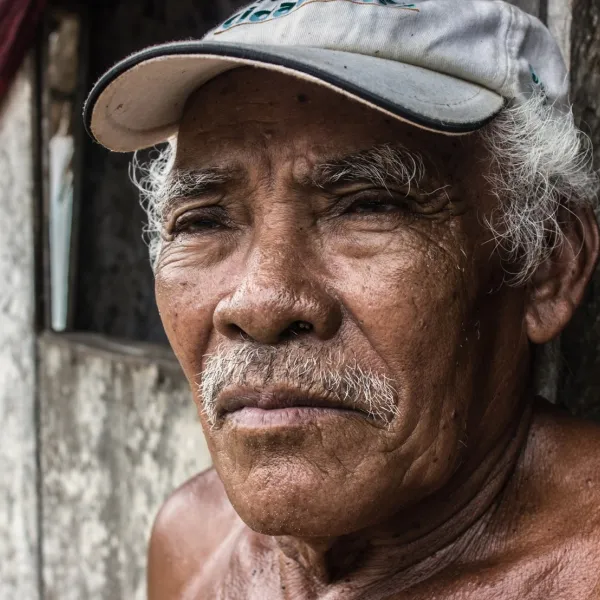
The construction caused the forced displacement of more than 40,000 people, severing social and cultural ties. The resettlement plan in Altamira—a city directly affected by the hydroelectric dam—involved housing units located on the outskirts, lacking adequate public services and decent living conditions for the relocated families, with no special provisions for those from indigenous communities.
Belo Monte's operations have caused a permanent, man-made drought in the Volta Grande (or "Great Bend") of the Xingu River, exacerbated by the historic droughts in the Amazon in 2023 and 2024. As a result, the deaths of millions of fish eggs were documented for four consecutive years (from 2021 to 2024), and for the past three years, there has been no upstream migration of fish to spawn and reproduce. Thus, artisanal fishing, the main source of protein for indigenous peoples and riverside communities, was severely affected: fish dropped from 50% to 30% of total protein consumed, replaced by processed foods. In summary, there was an environmental and humanitarian collapse that resulted in the breakdown of fishing as a traditional way of life, food insecurity, and access to drinking water for thousands of families, impoverishment, and disease.
Furthermore, the construction of the dam increased deforestation and intensified illegal logging and insecurity on indigenous and tribal lands, putting the survival of these communities at risk. Another consequence was the deepening of poverty and social conflicts, as well as the strain on health, education, and public safety systems in Altamira—a city ranked as the most violent in the country in 2017, where human trafficking and sexual violence increased. Violence was also reported against human rights defenders involved in the case.
In 2025, during the 30th UN Climate Change Conference (COP30), held in Brazil, the Federal Public Prosecutor’s Office labeled the damage caused by the Belo Monte dam as ecocide.
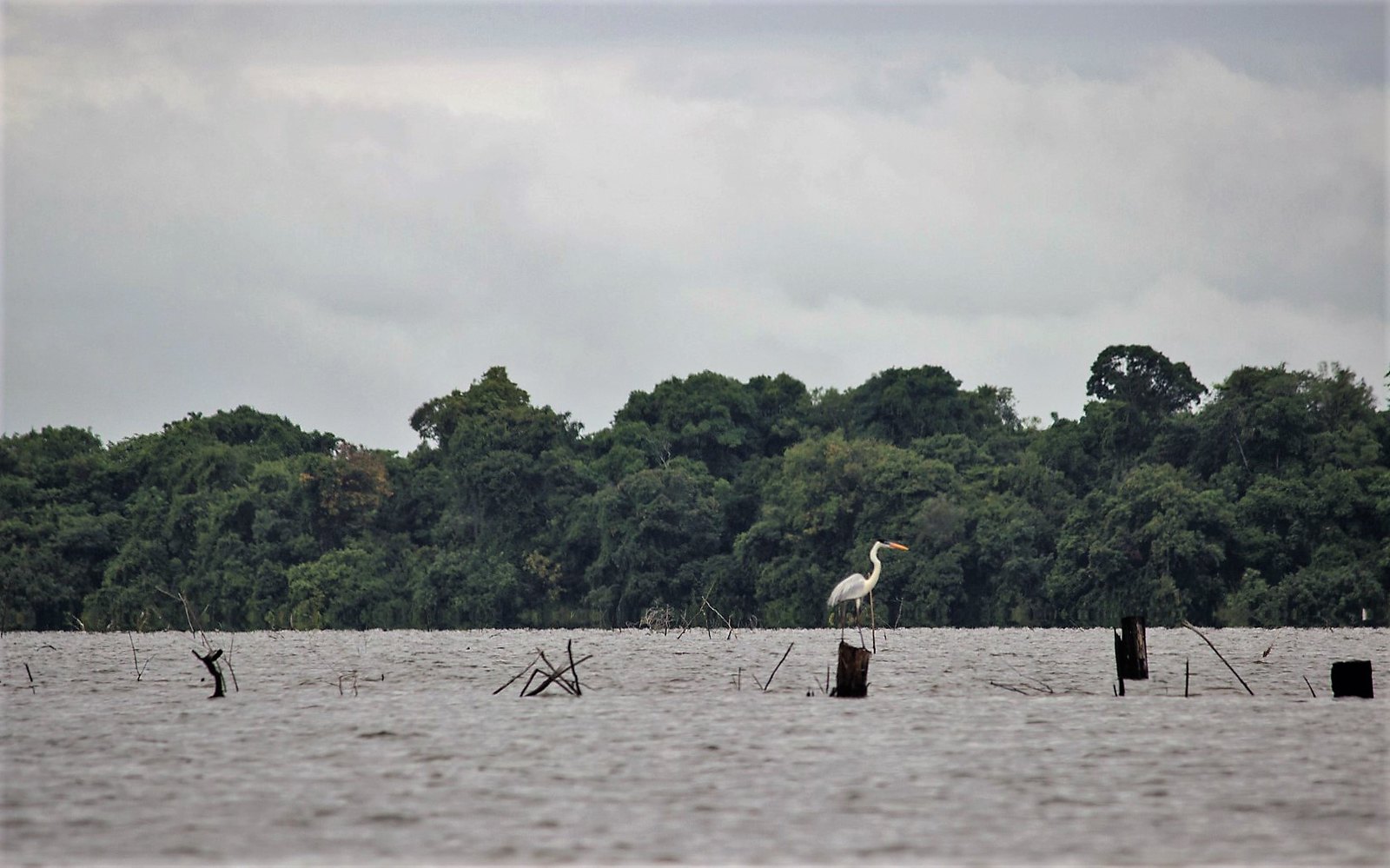
Photo: Amazon Watch / Maíra Irigaray.
The search for justice and reparations
Over the years, the Federal Public Prosecutor’s Office in Pará, the Public Defender’s Office, and civil society organizations have filed dozens of legal actions in Brazilian courts to challenge the project’s various irregularities and its impacts. Most of the claims are still pending resolution, some for more than 10 years.
These efforts have failed because the national government has repeatedly overturned rulings in favor of the affected communities by invoking a mechanism that allowed a court president to suspend a judicial decision based solely on generic arguments such as "the national interest" or "economic order."
In the absence of effective responses at the national level, AIDA, together with a coalition of partner organizations, brought the case before the Inter-American Commission on Human Rights (IACHR) and, in 2010, requested precautionary measures to protect the lives, safety, and health of the affected indigenous communities.
On April 1, 2011, the IACHR granted these measures and requested that the Brazilian government suspend environmental permits and any construction work until the conditions related to prior consultation and the protection of the health and safety of the communities are met.
And on June 16, 2011 —together with the Xingu Vivo Para Sempre Movement, the Coordinating Committee of Indigenous Organizations of the Brazilian Amazon, the Diocese of Altamira, the Indigenous Missionary Council, the Pará Society for the Defense of Human Rights and Global Justice— we filed a formal complaint against the Brazilian State for its international responsibility in the violation of the human rights of the people affected in the case. The case was opened for processing in December 2015.
On August 3, 2011, the IACHR amended the precautionary measures to request, instead of the suspension of permits and construction, the protection of people living in voluntary isolation, the health of indigenous communities, and the regularization and protection of ancestral lands.
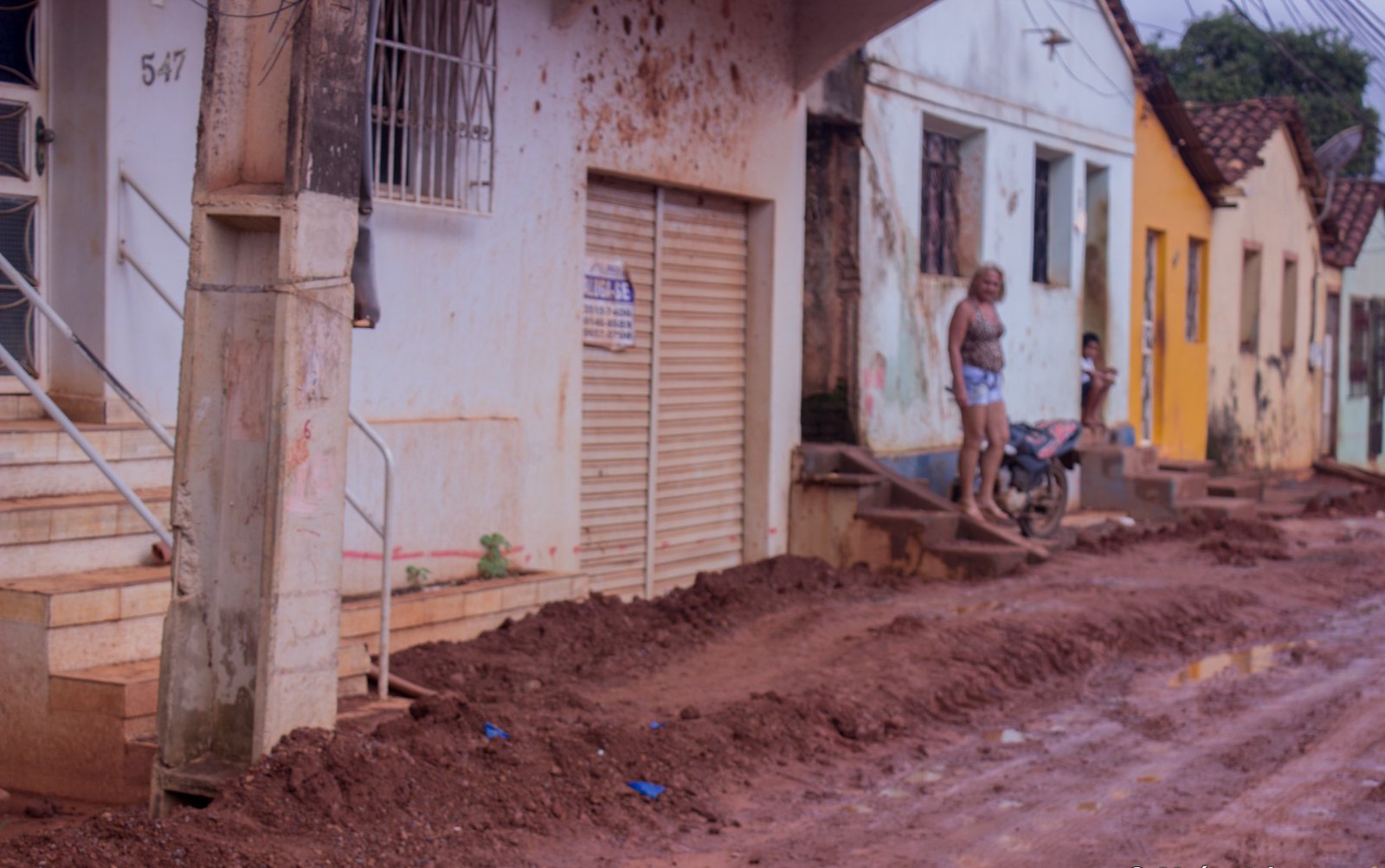
Photo: Amazon Watch / Maíra Irigaray.
Current situation
The protective measures granted by the IACHR remain in effect, but the Brazilian government has not fully complied with them, reporting only on general actions. The communities have documented the ongoing violations of their rights. The situation that prompted the request for these measures—the risk to the lives, physical integrity, and ways of life of the communities—persists and has worsened with the hydroelectric plant operating at full capacity and the recent extreme droughts in the Amazon.
In addition to the impacts of Belo Monte, there is a risk of further social and environmental impacts from the implementation of another mining megaproject in the Volta Grande do Xingu. There, the Canadian company Belo Sun plans to build Brazil’s largest open-pit gold mine.
The combined and cumulative impacts of the dam and the mine were not assessed. The government excluded Indigenous peoples, riverine and peasant communities from the project’s environmental permitting process. Despite protests by Indigenous communities and other irregularities surrounding the project, the government of Pará formally authorized the mine in April 2026.
Like other hydroelectric dams, Belo Monte exacerbates the climate emergency by generating greenhouse gas emissions in its reservoir. And it is inefficient amid the longer, more intense droughts caused by the crisis, as it loses its ability to generate power.
The case before the Inter-American Commission
In October 2017, the IACHR announced that it would rule jointly on the admissibility (whether the case meets the requirements for admission) and the merits (whether a human rights violation actually occurred) of the international complaint against the Brazilian State.
Fifteen years after the complaint was filed, the affected communities and the organizations representing them are still awaiting this decision. If the IACHR concludes that human rights violations occurred and issues recommendations that the Brazilian State fails to comply with, it may refer the case to the Inter-American Court of Human Rights, whose rulings are binding.
A potential ruling by the international court in this case would set a regional legal precedent regarding the rights of indigenous and riverine peoples, public participation in megaprojects, and state responsibility in the context of the climate crisis—a precedent that is particularly relevant in light of the Court’s Advisory Opinion No. 32, which reaffirmed the obligations of States to protect the people and communities of the continent from the climate emergency.
Partners:
Related projects
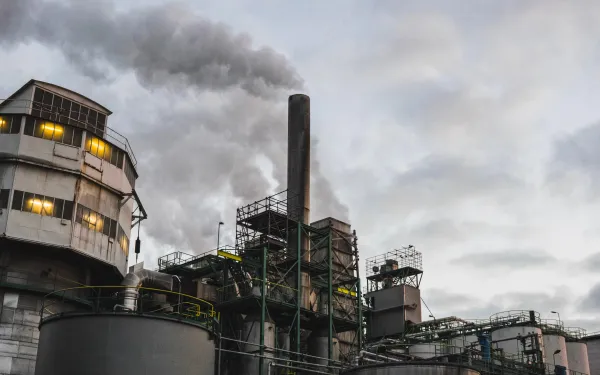
5 things you should know about methane
Although its presence in the atmosphere is less than that of carbon dioxide (CO2)—the most abundant and well-known greenhouse gas—methane is much more effective at retaining heat due to its chemical composition. Therefore, adding smaller amounts of methane to the atmosphere can have an effect equal to that of adding tremendous amounts of CO2. Since 2006, the amount of methane in the atmosphere has grown considerably—by about 25 million tons per year. Studies have associated this increase with the leakage and burning of methane from the extraction of unconventional hydrocarbons through the process of fracking, or hydraulic fracturing. Although extracting gas through fracking is sold as a “greener” alternative to other fossil fuels, it is a false narratiave that must be combatted. In general, all activities that cause methane emissions aggravate the climate crisis and the increasingly urgent need to combat air pollution. The common understanding of methane is inaccurate. Therefore, it’s necessary to generate more awareness about what it is and what its real impacts are. What follows are five basic facts about methane. 1. Methane is a short-lived greenhouse gas and climate pollutant Methane is a greenhouse gas.The Greenhouse Effect is a natural phenomena in which the atmosphere, composed of different gases, captures some rays of the sun and keeps them trapped in order to balance the temperature of the planet. When an excess of gases such as methane are emitted, the atmosphere traps more heat than necessary, leading to global warming. Methane has 67 times more power than CO2 to warm the planet over a 20-year period. Its emissions are responsible for nearly 25 percent of global warming. And since it stays less time in the atmosphere—12 years on average (CO2 stays for centuries)—it is among the Short Lived Climate Pollutants (SLCPs), which cause 40-45 percent of global warming and damage air quality. 2. Methane primarily is produced from human sources About 60 percent of the methane in the atmosphere is considered by scientists to be caused by human activity, while the other 40 percent comes from natural sources like wetlands, volcanoes, and permafrost. Human sources include livestock, gas and petroleum exploitation, rice farming, mining (particularly coal mining), and landfills. It should be noted that, according to scientific evidence, reservoirs are also an important source of methane. They generate 1.3 percent of all greenhouse gases worldwide each year, more than all of Canada's polluting emissions, and 80 percent of that pollution is from methane. 3. Methane directly and indirectly degrades air quality Large amounts of methane are intentionally leaked or released during the exploitation, processing, and transportation of oil and gas. In the United States alone, such direct emissions amount to 13 million tons each year. When released into the atmosphere, methane is accompanied by other toxic pollutants such as benzene, formaldehyde, and ethylbenzene. In addition, by interacting with solar radiation, methane promotes the formation of ground-level ozone (O3), another short-lived climate pollutant (CCVC) and the main component of smog. Methane gas flaring also produces black carbon and volatile organic compounds (VOCs), which are also CCVCs. 4. Methane causes serious damage to human health As mentioned, methane emissions promote the formation of ozone found in the lower layers of the atmosphere, which has serious impacts on public health. It irritates the airways, generates a feeling of burning and shortness of breath, complicates asthma, causes lung dysfunction and even premature death, and alters the immune system's response, reducing its ability to respond to diseases such as COVID-19, which mainly affects the airways. And since methane burning generates black carbon, it is relevant to point out that it is a key component of particulate matter (PM 2.5)—particles that are 35 times smaller than a grain of sand. These particles cannot be filtered or retained naturally in the nose, and can even enter the lungs. Particulate matter is the air pollutant most frequently associated with cardiovascular, respiratory, and pulmonary diseases, including lung cancer. 5. It is urgent to regulate and curb methane emissions Since methane, in addition to aggravating the climate crisis, deteriorates air quality and with it human health, it is urgent to act to curb its emissions. Civil society must demand that governments efficiently regulate methane emissions from the hydrocarbon industry and other sectors such as coal mining and industrial livestock. In addition, we must demand the monitoring of emissions, as well as the production and dissemination of timely information about methane’s damage to our air quality.
Read more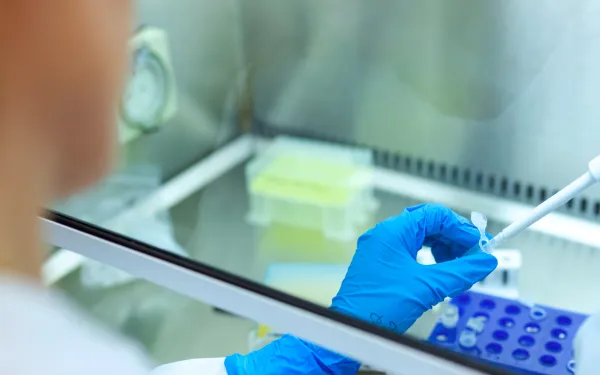
Science as a human right and a tool for environmental justice
By María Fernanda Ordoñez y Andrés Ángel According to the Encyclopedia Britannica, science is any system of knowledge that is concerned with the physical world and its phenomena and that entails unbiased observations and systematic experimentation. For its part, the United Nations (UN) defines science as the tool created by human beings to understand the world around them, and thus apply that knowledge to their benefit. If science is such an important tool, why is it not available to everyone? There is still a long way to go before science is recognized as a human right, and even the advances that have been made to that end are not well enough known. The so-called right to science was formed in the 1948 Universal Declaration of Human Rights, article 27 of which states that "everyone has the right to participate in scientific progress and in the benefits resulting therefrom.” It is also referred to in the Charter (Article 38) of the Organization of American States and in the American Declaration of the Rights and Duties of Man. In addition, the International Covenant on Economic, Social and Cultural Rights—which entered into force in 1976—recognizes in its Article 15 the right of every person to "enjoy the benefits of scientific progress and its applications.” It is precisely to raise public awareness of the responsible use of science for the benefit of society that World Science Day for Peace and Development is celebrated every November 10. The big gaps remaining Although the right to science is promoted by various world class scientific organizations, like the American Association for the Advancement of Science (AAAS), its application is still relatively unknown. This may be due in part to ignorance and economic difficulties in some countries. In Latin America and the Caribbean, socioeconomic, racial, and gender gaps are the major obstacles to the establishment of the universal right to science, which is closely linked to other rights, such as the right to education. According to UNESCO’s 2017-2018 World Education Report, 52 percent of children and adolescents in the region fail to reach minimum levels in mathematics and 36 percent fail in reading. In addition, in 2015 the rate of out-of-school youth of secondary school age reached 15.3 percent. A more telling indicator is the percentage of the Gross Domestic Product (GDP) allocated to public education, which stands at an average of 5 percent. In terms of the percentage of GDP allocated to research and development, the World Bank data shows that the countries that allocated the most resources for this purpose in 2017 were Brazil (1.26%) and Argentina (0.54%), followed by Cuba (0.43%) and Costa Rica (0.42%). The lowest figures were recorded in Guatemala (0.03%), Honduras (0.04%) and Peru (0.12%). These figures demonstrate that there are profound challenges to be faced in order to create the necessary conditions for the effective exercise of the right to science. Science in the Service of Environmental Justice Scientific advances allow us to find solutions to the new economic, social and environmental challenges we face on our way to a more just and sustainable future. Most communities in Latin America lack access to basic tools, or the training to develop programs for independent monitoring of environmental parameters, such as air or water quality. Thus, communities are at a serious disadvantage in the context of socio-ecological conflicts that may result from proposals for large mining, oil, and agro-industrial projects. However, it’s worth highlighting and promoting progress where it exists. It is encouraging to hear from empowered communities that have decided to implement community water quality monitoring programs, epidemiology initiatives, and many others. There is also hope because UNESCO data shows gross enrollment in higher education rose from 22 to 46 percent between 2000 and 2015. Likewise, many of the region’s civil society organizations are supporting the recognition of the right to science. At AIDA, scientific knowledge is used to strengthen our legal strategies to protect people and environments in the region. During the AAAS’s Conference on Science, Technology, and Human Rights in October 2019, we explained the link between science and human rights advocacy, and how we apply it in our work. Two months earlier, in August, UNESCO organized their first Latin American workshop in Argentina to discuss the development and implications of the right to science. There, the right to science was defined as a major focus of the organizattion’s work in the region. Strengthening the right to science in Latin America is vital for promoting more just and sustainable societies, where socioeconomic, racial, and gender gaps do not impede access to information as a common good. It’s essential to involve trained people committed to research in projects, organizations, and entities that promote social and environmental justice. In addition, the support of scientific professionals is fundamental to the process of knowledge transfer between countries and regions. This support is indispensable for the development of effective and efficient public policies. Finally, it should be noted that science should not only contribute to overcoming information asymmetries among actors in society, but should also be practiced and developed within a framework of respect for the rights of nature and human rights. At AIDA, we will continue to promote the right to science, building new capacities and strengthening existing ones, both for our partners and for the communities we support.
Read more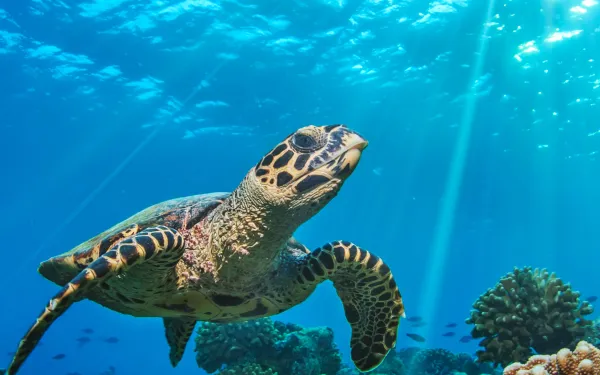
Three major opportunities to save the ocean and the climate
The novel coronavirus pandemic has brought a change in perspective on the importance of many issues, among them access to health and technology, and the inequalities present in many aspects of our lives. It has also renewed discussion about the need to act on the greatest threat facing humanity: the climate crisis. My intention is not to cause alarm or panic, but to emphasize that there is still much to be done. Life on the planet arose in the ocean and, after millions of years, adapted to be possible on land, eventually leading to human existence. Although we do not live in the ocean, it is key to sustaining life on Earth. The ocean is the planet’s main climate regulator. Marine currents set the tone for the seasons and their interaction with the air is the origin of tropical storms, hurricanes, and typhoons. Furthermore, mangroves—which serve as a link between the ocean and the land—and coral reefs are natural barriers against tropical storms. Therefore, a healthy ocean means a healthy climate, and we must seek to preserve it as soon as possible. Unfortunately, scientific evidence shows that the ocean suffers from overheating, acidification, and a loss of oxygen. In the face of this harsh reality, there are three major opportunities for climate-focused ocean protection measures. Despite being delayed due to the pandemic, these international negotiation processes still represent important windows of opportunity to save the ocean, the climate and our future. 1. United Nations Framework Convention on Climate Change The first scenario is within the negotiations of the United Nations Framework Convention on Climate Change, during which member nations meet to review their commitments, progress made in fulfilling them, and the ongoing challenges in the global fight against the climate emergency. During the 25th Conference of the Parties (COP25) in 2019, the possibility of initiating a dialogue on the importance of the ocean in climate action was opened. The country parties, observer organizations, and other institutions were asked to send their contributions on the subject for analysis at the next meeting of the Scientific and Technical Advisory Body. The idea is to more actively integrate marine ecosystems into climate change adaptation and mitigation plans, as well as to highlight their role in building planetary climate resilience. There is no definite date for the next meeting of the Scientific Advisory Body and we will have to wait until November 2021 for the next UN climate summit. 2. High Seas Treaty Conservation and sustainable management of marine resources is another key aspect of protecting oceans and the benefits they provide. This is precisely the goal of the negotiation of a High Seas Treaty within the framework of the United Nations. Marine areas outside national jurisdiction, known as the high seas, represent approximately half of the planet's surface. These areas are under little or no regulation. The treaty seeks to create an integrated legal framework to regulate productive activities on the high seas through environmental impact assessments, spatial management tools such as marine protected areas, management of marine genetic resources, technological capacity building, and technology transfer. Ecosystems in the high seas are highly productive and capable of sequestering carbon and regulating the climate. They are also essential for present and future food security. The last Intergovernmental Conference for the negotiation of the High Seas Treaty was scheduled for March 2020, but was postponed until March of next year. 3. Convention on Biological Diversity The negotiation of biodiversity management targets for the next decade, which are broad and cover a variety of ecosystems, are managed under the Convention on Biological Diversity. One idea that is being promoted is the protection of 30 percent of the ocean by 2030. This goal requires the creation of biologically significant, science-based, and properly managed marine protected areas. Without the High Seas Treaty, this goal is impossible to achieve. Negotiations on the Convention were planned for November 2020, but were postponed until the second quarter of 2021. The link between these three negotiations is undeniable and necessary. Without marine protected areas created with a scientific approach, and without an ocean whose resources are managed sustainably, we will not have effective climate action. This pause in the negotiations gives us time to inform ourselves and learn more about the importance of the ocean. It is a time to reflect on why it’s necessary to protect at least 30 percent of the world's oceans, including the high seas. At stake is our climate resilience, our food security, and our future. Now is the perfect time to reflect on the wise words of Sylvia Earle: “No water, no life. No blue, no green. WIth every drop of water you drink, every breath you take, you’re connected to the sea.”
Read more