
Project
Amazon Watch / Maíra Irigaray
The Belo Monte Dam on the Xingu River: 10 years of impacts in the Amazon and the search for reparations
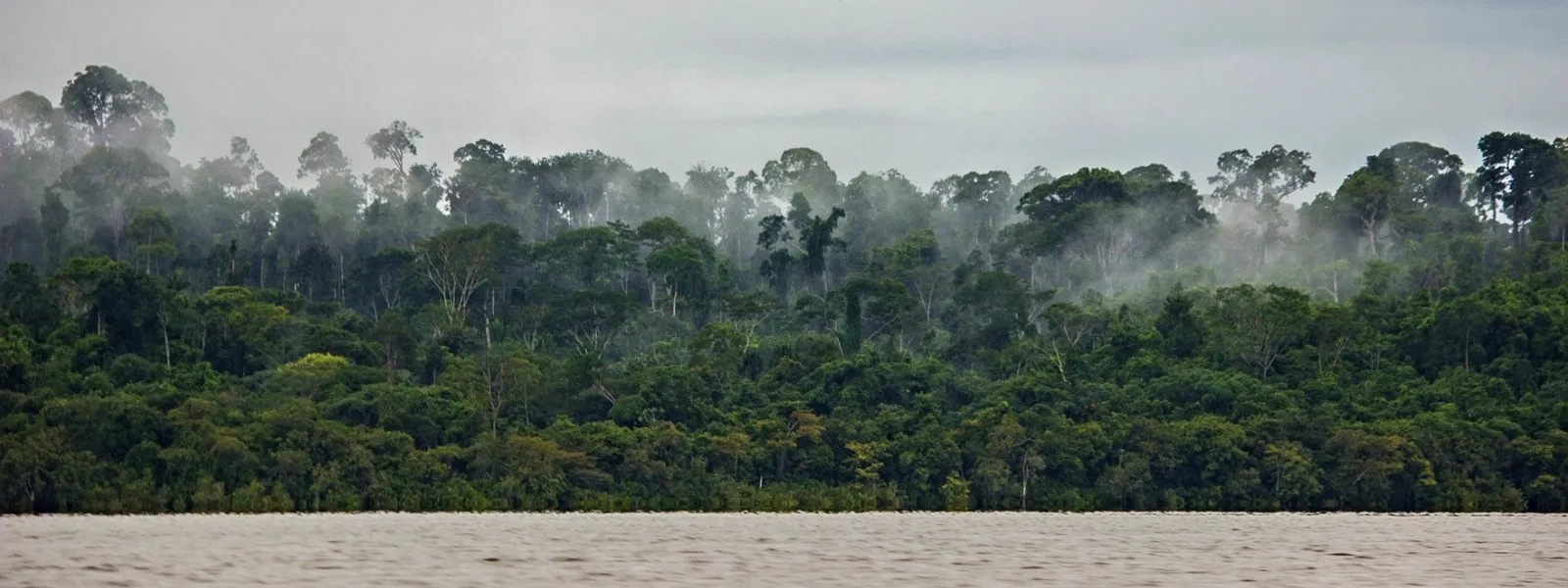
The Belo Monte Dam has caused an environmental and social disaster in the heart of the Amazon—one of the most important ecosystems on the planet.
This situation has only worsened since the hydroelectric plant began operations in 2016. The quest for justice and reparations by the affected indigenous, fishing, and riverine communities continues to this day.
In 2011, the Inter-American Commission on Human Rights (IACHR) granted them protective measures that, to date, have not been fully implemented by the Brazilian State.
Furthermore, since June of that same year, the IACHR has yet to rule on a complaint against the State regarding its international responsibility in the case.
The IACHR may refer the case to the Inter-American Court of Human Rights, which has the authority to issue a ruling condemning the Brazilian State.
After 10 years of the hydroelectric plant's operation and more than 15 years of documented human rights violations, it is time for justice to be served for the affected communities.
Read the open letter from the organizations bringing the case before the IACHR
Background
The Belo Monte hydroelectric plant—the fourth largest in the world by installed capacity (11,233 MW)—was built on the Xingu River in Pará, a state in northern Brazil.
It was inaugurated on May 5, 2016, with a single turbine. At that time, 80% of the river’s course was diverted, flooding 516 km² of land—an area larger than the city of Chicago. Of that area, 400 km² was native forest. The dam began operating at full capacity in November 2019.
Belo Monte was built and is operated by the Norte Energia S.A. consortium, which is composed primarily of state-owned companies. It was financed by the Brazilian Development Bank (BNDES), which provided the consortium with 25.4 billion reais (approximately US$10.16 billion), the largest investment in the bank’s history. Therefore, the BNDES is also legally responsible for the socio-environmental impacts associated with the hydroelectric plant.
Decades of harm to the environment and people
Human rights violations and degradation of the Amazon have been occurring since the project’s inception. In March 2011, Norte Energía began construction of the dam without adequate consultation and without the prior, free, and informed consent of the affected communities.
The construction caused the forced displacement of more than 40,000 people, severing social and cultural ties. The resettlement plan in Altamira—a city directly affected by the hydroelectric dam—involved housing units located on the outskirts, lacking adequate public services and decent living conditions for the relocated families, with no special provisions for those from indigenous communities.
Belo Monte's operations have caused a permanent, man-made drought in the Volta Grande (or "Great Bend") of the Xingu River, exacerbated by the historic droughts in the Amazon in 2023 and 2024. As a result, the deaths of millions of fish eggs were documented for four consecutive years (from 2021 to 2024), and for the past three years, there has been no upstream migration of fish to spawn and reproduce. Thus, artisanal fishing, the main source of protein for indigenous peoples and riverside communities, was severely affected: fish dropped from 50% to 30% of total protein consumed, replaced by processed foods. In summary, there was an environmental and humanitarian collapse that resulted in the breakdown of fishing as a traditional way of life, food insecurity, and access to drinking water for thousands of families, impoverishment, and disease.
Furthermore, the construction of the dam increased deforestation and intensified illegal logging and insecurity on indigenous and tribal lands, putting the survival of these communities at risk. Another consequence was the deepening of poverty and social conflicts, as well as the strain on health, education, and public safety systems in Altamira—a city ranked as the most violent in the country in 2017, where human trafficking and sexual violence increased. Violence was also reported against human rights defenders involved in the case.
In 2025, during the 30th UN Climate Change Conference (COP30), held in Brazil, the Federal Public Prosecutor’s Office labeled the damage caused by the Belo Monte dam as ecocide.
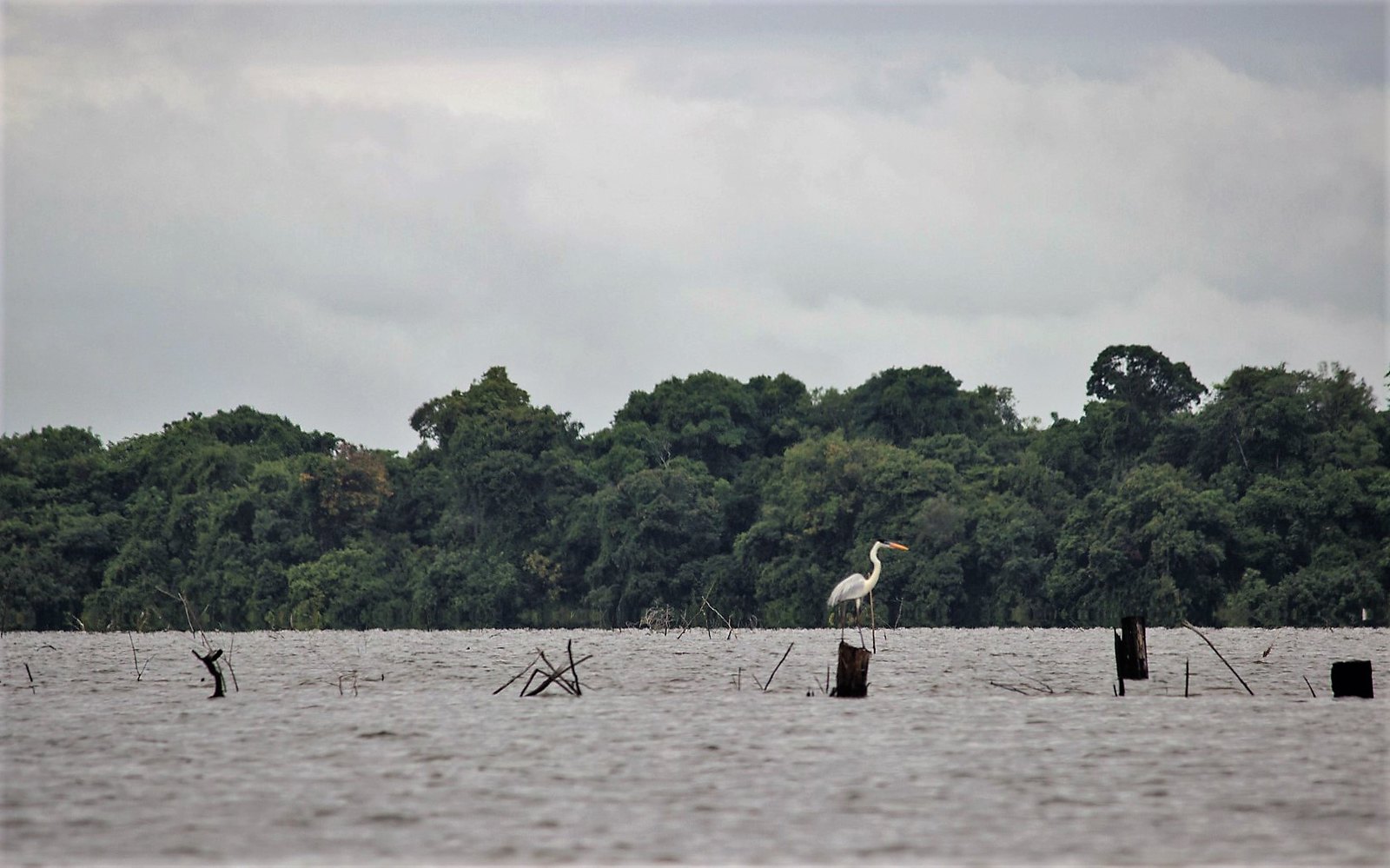
Photo: Amazon Watch / Maíra Irigaray.
The search for justice and reparations
Over the years, the Federal Public Prosecutor’s Office in Pará, the Public Defender’s Office, and civil society organizations have filed dozens of legal actions in Brazilian courts to challenge the project’s various irregularities and its impacts. Most of the claims are still pending resolution, some for more than 10 years.
These efforts have failed because the national government has repeatedly overturned rulings in favor of the affected communities by invoking a mechanism that allowed a court president to suspend a judicial decision based solely on generic arguments such as "the national interest" or "economic order."
In the absence of effective responses at the national level, AIDA, together with a coalition of partner organizations, brought the case before the Inter-American Commission on Human Rights (IACHR) and, in 2010, requested precautionary measures to protect the lives, safety, and health of the affected indigenous communities.
On April 1, 2011, the IACHR granted these measures and requested that the Brazilian government suspend environmental permits and any construction work until the conditions related to prior consultation and the protection of the health and safety of the communities are met.
And on June 16, 2011 —together with the Xingu Vivo Para Sempre Movement, the Coordinating Committee of Indigenous Organizations of the Brazilian Amazon, the Diocese of Altamira, the Indigenous Missionary Council, the Pará Society for the Defense of Human Rights and Global Justice— we filed a formal complaint against the Brazilian State for its international responsibility in the violation of the human rights of the people affected in the case. The case was opened for processing in December 2015.
On August 3, 2011, the IACHR amended the precautionary measures to request, instead of the suspension of permits and construction, the protection of people living in voluntary isolation, the health of indigenous communities, and the regularization and protection of ancestral lands.
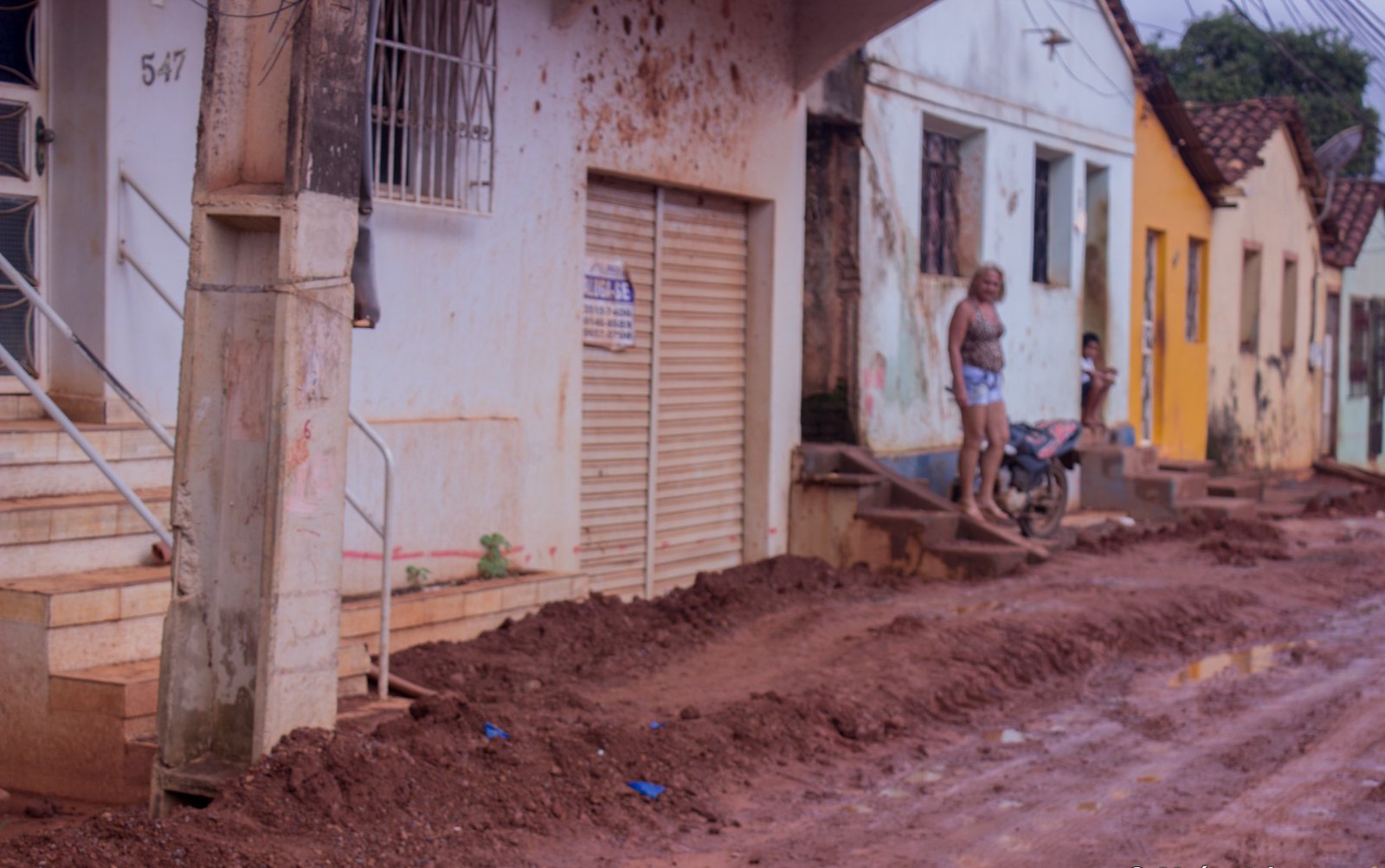
Photo: Amazon Watch / Maíra Irigaray.
Current situation
The protective measures granted by the IACHR remain in effect, but the Brazilian government has not fully complied with them, reporting only on general actions. The communities have documented the ongoing violations of their rights. The situation that prompted the request for these measures—the risk to the lives, physical integrity, and ways of life of the communities—persists and has worsened with the hydroelectric plant operating at full capacity and the recent extreme droughts in the Amazon.
In addition to the impacts of Belo Monte, there is a risk of further social and environmental impacts from the implementation of another mining megaproject in the Volta Grande do Xingu. There, the Canadian company Belo Sun plans to build Brazil’s largest open-pit gold mine.
The combined and cumulative impacts of the dam and the mine were not assessed. The government excluded Indigenous peoples, riverine and peasant communities from the project’s environmental permitting process. Despite protests by Indigenous communities and other irregularities surrounding the project, the government of Pará formally authorized the mine in April 2026.
Like other hydroelectric dams, Belo Monte exacerbates the climate emergency by generating greenhouse gas emissions in its reservoir. And it is inefficient amid the longer, more intense droughts caused by the crisis, as it loses its ability to generate power.
The case before the Inter-American Commission
In October 2017, the IACHR announced that it would rule jointly on the admissibility (whether the case meets the requirements for admission) and the merits (whether a human rights violation actually occurred) of the international complaint against the Brazilian State.
Fifteen years after the complaint was filed, the affected communities and the organizations representing them are still awaiting this decision. If the IACHR concludes that human rights violations occurred and issues recommendations that the Brazilian State fails to comply with, it may refer the case to the Inter-American Court of Human Rights, whose rulings are binding.
A potential ruling by the international court in this case would set a regional legal precedent regarding the rights of indigenous and riverine peoples, public participation in megaprojects, and state responsibility in the context of the climate crisis—a precedent that is particularly relevant in light of the Court’s Advisory Opinion No. 32, which reaffirmed the obligations of States to protect the people and communities of the continent from the climate emergency.
Partners:
Related projects

What you should know about deep-sea mining
Deep-sea mining consists of the exploitation of mineral deposits located deeper than 200 meters in the ocean. Although interest in the technique dates back to 1960, initial ideas were never implemented due to factors such as low metal prices, relatively easy access to raw materials in the countries of the Global South, multiple technical difficulties, and legal uncertainty. On the ocean floor, there are three types of resources of great economic interest: polymetallic nodules, ferromagnesian crusts, and seafloor massive sulfides generated by hydrothermal vents. Currently, interest in these resources has regained strength due to geopolitical changes and greater demand from the non-conventional renewable energy sector. To date, 30 mining exploration contracts have been confirmed in the Pacific, Atlantic, and Indian oceans involving 21 contractors from around the world among companies, government authorities, and science and technology institutes. Unfortunately, we know very little about the ecosystems on the ocean floor and the real impacts of this type of mining. Some scientists believe that the recovery of the habitat would take decades to centuries and that, in some cases, the damage could be irreversible since certain environments are unique. Socio-ecological impacts Although ocean mining could stimulate the economy, the social impacts it entails must be emphasized, especially for the most vulnerable local communities, which depend on natural resources for their livelihoods. Ocean mining has been associated with dilemmas such as foreign interference, cultural disruption, unequal distribution of wealth, loss of access to natural hunting grounds, and alterations in the distribution and migration of species, which would generate variations in the quantity and quality of fishing. Ecological impacts include, among others: an increase of particulate matter in the water, greater mortality of organisms, habitat destruction, the risk of encountering unknown bacteria and viruses in the oceans, the arrival of invasive species through extraction equipment, and the risk of accidental spills caused by the inputs used. The environmental management of this activity is also a concern. The agency in charge of regulating ocean mining is the International Seabed Authority (ISA), founded in 1994 by the United Nations Convention on the Law of the Sea. ISA has jurisdiction over the seabed and subsoil in international waters. It is currently developing a proposal for regulations for ocean mining, which has been faced with multiple challenges. The Deep Sea Conservation Coalition—an alliance of more than 80 organizations that has been operating since 2004 with the objective of protecting the deep sea—questioned whether the proposal establishes that the form of environmental monitoring should depend on ISA or on the contractors. As early as 2018, the coalition stated that independent scientific review and assessment is key to all environmental documents, especially Environmental Impact Assessments and Environmental Monitoring and Management Plans. It is pertinent to mention that, in addition to regulating mining in international waters, ISA is responsible for ensuring the ecological protection of the oceans from the potential harmful effects of activities developed or related to the seabed. The fact that those promoting the projects may carry out environmental monitoring implies the risk of environmental problems due to conflicts of interest. Looking ahead The ocean floor is the largest living area on our planet. There, ecosystems of splendid beauty exist, of which we know practically nothing, and which could suffer irreversible damage from deep-sea mining projects, scientists and conservationists have warned. Healthy oceans play an integral role in global climate regulation and are essential to ensuring food security and livelihoods for millions of people around the world. In addition, significant ignorance about how the deep ocean works make any attempt at Environmental Impact Assessment (EIA) and future projections difficult. In fact, on almost every new dive, new species are discovered. And much remains to be learned about the relationship between the ocean floor and the climate crisis, water acidification, and pressures from anthropogenic (human-induced) activities. Without adequate knowledge of species, ecosystems, ecological processes, and their connections, EIAs cannot be effective. The concept of the common heritage of mankind should be central to any proposal. Besides, it would be prudent to adopt legal protection measures such as the Precautionary Principle, as well as engage in prior exploration and research activities. With all this in mind, ISA has an immense responsibility before the planet and humanity. For the sake of a sustainable future and the natural legacy of future generations, ISA must ensure adequate protection of the oceans. Should deep-sea mining finally be permitted on the high seas, they must pay close attention to prevention and mitigation measures using a precautionary and adaptive approach, in collaboration with other international bodies.
Read more
OECD to investigate human rights abuses filed against the owners of Cerrejón coal mine; BHP, Anglo American and Glencore
Parallel complaints also filed in Ireland against state owned-company for purchasing coal and Dublin-based sales wing of mining enterprise. Multiple National Contact Points (NCPs) of the Organisation for Economic Co-operation and Development (OECD) will begin the process of investigating three international mining giants (BHP, Anglo American and Glencore) and Ireland’s state-owned energy provider, the ESB, over serious human rights abuses and devastating environmental pollution at the Cerrejón coal mine in Colombia. Parallel complaints were filed simultaneously in Australia, Ireland, Switzerland and the UK by the Global Legal Action Network (GLAN) with the support of international development agency Christian Aid Ireland as well as Colombian and international human rights and environmental NGOs - CINEP, CAJAR, AIDA, ABColombia and ASK. If successful, the three companies which jointly own the Cerrejón mine will have to take steps to comply with the OECD Guidelines for Multinational Enterprises, including progressively closing down the mine in full and environmental restoration. The complaints against the mining giants also call for the full compensation of communities for the harms they have suffered. The complaints outline how the Cerrejón mine, one of the largest open-pit mines in the world, is linked to the forced displacement of indigenous and Afro-Colombian communities and the widespread, persistent and extreme pollution of the air and water in the vicinity of the mine. High concentrations of harmful metals, which can cause diseases such as cancer, were found by Colombia’s Constitutional Court to exist in the blood of those living nearby. The complaints point to Cerrejón’s failure to comply with multiple Colombian court judgments against it. In September, several prominent UN human rights experts called for some of the mine’s operations to be suspended following a request to intervene by Wayuu indigenous people. The complaints allege that the parent companies of the Cerrejón mine, as its joint owners, are responsible under the OECD Guidelines for Multinational Enterprises for the harms caused by its operations. Separate complaints have also been lodged against Dublin-based Coal Marketing Company (CMC), which is the exclusive marketer of coal from the Colombian mine, as well as Ireland’s Electricity Supply Board (ESB), which has been a major purchaser of the mine’s coal. In 2019, the UN Committee on the Elimination of Racial Discrimination recommended that Ireland “consider stopping purchasing coal from the Cerrejón mine”. All five complaints have been lodged with the relevant National Contact Points for the OECD, which are tasked with ensuring that companies comply with the OECD Guidelines for Multinational Enterprises. Director of GLAN Dr Gearóid Ó Cuinn said: “These parallel complaints in four different countries point to a systematic failure to respect basic human rights standards from the extraction, to the marketing, to the purchasing of Cerrejon coal. The long-standing abuses at the mine have been so egregious that there is no way for enterprises to respect human rights law and do business with Cerrejón.” Sorley McCaughey of Christian Aid Ireland said: “We see the impact that corporate human rights abuses are having in every corner of the world and the Cerrejón case underscores the inadequacy of voluntary guidelines for multinational companies. Governments globally, including the UK and Ireland, must introduce mandatory human rights and environmental due diligence legislation for companies to ensure they do not undermine the human rights of workers or the communities in which they work.” Rosa María Mateus Parra, lawyer with CAJAR, a Colombian human rights organisation and signatory to the complaints, said: “This is a striking example of the role played by large multinational companies in fuelling injustice. The people of La Guajira have borne the huge social and environmental costs of the mine, while harmful fossil fuel coal is exported around the world in the midst of the climate crisis and a small number of companies record huge profits.” Notes for editors If upheld the complaints filed in Australia, Switzerland and the UK would require joint-owners BHP, Glencore and Anglo American to close down the Cerrejón mine and compensate the affected communities for the harms it has caused. If upheld the separate complaint in Ireland against Dublin-based CMC would require it to stop selling Cerrejón coal. The complaint was submitted by Global Legal Action Network (GLAN), supported by Christian Aid Ireland, the Centro de Investigación y Educación Popular (CINEP), the Colectivo de Abogados ‘José Alvear Restrepo’ (CAJAR), Interamerican Association for Environmental Defense (AIDA), ABColombia and ASK - Arbeitsgruppe Schweiz Kolumbien. The Global Legal Action Network (GLAN) is a non-profit organisation that works to pursue innovative legal actions across borders to challenge powerful actors involved in human rights violations and systemic injustice by working with affected communities. GLAN has offices in the UK (London) and Ireland (Galway) | @glan_law | www.glanlaw.org. press contacts: Victor Quintanilla (México), AIDA, [email protected], +5215570522107 Dr Gearóid Ó Cuinn (Director), GLAN, [email protected], +447521203427
Read more
Fact Sheet: SPAW Protocol (Specially Protected Areas and Wildlife)
The Convention for the Protection and Development of the Marine Environment in the Wider Caribbean Region (Cartagena Convention) and its Protocol for Specially Protected Areas and Wildlife (SPAW Protocol) establishes that Contracting Parties have the obligation to regulate the protection of the vulnerable species and ecosystems of the region.The revised criteria for the nomination of species (1, 3, 4, 5, 6 and 10) determines the need to include essential species for vulnerable ecosystems - such as coral reefs, mangroves and seagrasses - in the species lists of Annexes II and III of the SPAW Protocol.The national or regional measures imply in a different way protection processes, biological monitoring of species, fishing recovery zones; analysis of catch data, health status of ecosystems, population dynamics and size; closed periods; and regulation of the capture, possession, transport, trade or total prohibition of the use of the species.In 2018, the Scientific and Technical Advisory Committee (STAC) prioritized the evaluation of herbivorous fish and currently the Species Working Group carries out the evaluation of parrotfish through the integration and analysis of scientific and regulatory data.Eleven of the 17 countries that have signed the Protocol have generated regulatory measures on herbivorous fish. Some regulatory experiences are in force, others are not, and there are those that came into force recently. Download the Fact Sheet in EnglishDownload the Fact Sheet in SpanishDownload the Fact Sheet in French
Read more