
Project
Amazon Watch / Maíra Irigaray
The Belo Monte Dam on the Xingu River: 10 years of impacts in the Amazon and the search for reparations
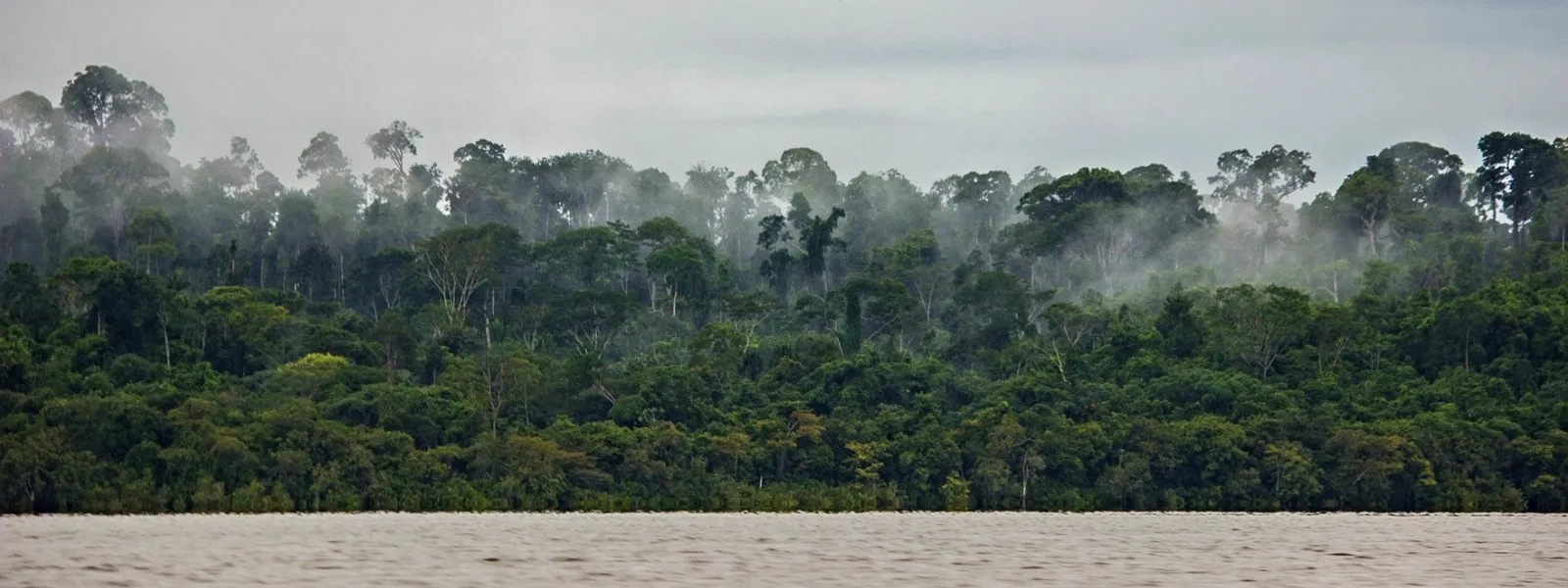
The Belo Monte Dam has caused an environmental and social disaster in the heart of the Amazon—one of the most important ecosystems on the planet.
This situation has only worsened since the hydroelectric plant began operations in 2016. The quest for justice and reparations by the affected indigenous, fishing, and riverine communities continues to this day.
In 2011, the Inter-American Commission on Human Rights (IACHR) granted them protective measures that, to date, have not been fully implemented by the Brazilian State.
Furthermore, since June of that same year, the IACHR has yet to rule on a complaint against the State regarding its international responsibility in the case.
The IACHR may refer the case to the Inter-American Court of Human Rights, which has the authority to issue a ruling condemning the Brazilian State.
After 10 years of the hydroelectric plant's operation and more than 15 years of documented human rights violations, it is time for justice to be served for the affected communities.
Read the open letter from the organizations bringing the case before the IACHR
Background
The Belo Monte hydroelectric plant—the fourth largest in the world by installed capacity (11,233 MW)—was built on the Xingu River in Pará, a state in northern Brazil.
It was inaugurated on May 5, 2016, with a single turbine. At that time, 80% of the river’s course was diverted, flooding 516 km² of land—an area larger than the city of Chicago. Of that area, 400 km² was native forest. The dam began operating at full capacity in November 2019.
Belo Monte was built and is operated by the Norte Energia S.A. consortium, which is composed primarily of state-owned companies. It was financed by the Brazilian Development Bank (BNDES), which provided the consortium with 25.4 billion reais (approximately US$10.16 billion), the largest investment in the bank’s history. Therefore, the BNDES is also legally responsible for the socio-environmental impacts associated with the hydroelectric plant.
Decades of harm to the environment and people
Human rights violations and degradation of the Amazon have been occurring since the project’s inception. In March 2011, Norte Energía began construction of the dam without adequate consultation and without the prior, free, and informed consent of the affected communities.
The construction caused the forced displacement of more than 40,000 people, severing social and cultural ties. The resettlement plan in Altamira—a city directly affected by the hydroelectric dam—involved housing units located on the outskirts, lacking adequate public services and decent living conditions for the relocated families, with no special provisions for those from indigenous communities.
Belo Monte's operations have caused a permanent, man-made drought in the Volta Grande (or "Great Bend") of the Xingu River, exacerbated by the historic droughts in the Amazon in 2023 and 2024. As a result, the deaths of millions of fish eggs were documented for four consecutive years (from 2021 to 2024), and for the past three years, there has been no upstream migration of fish to spawn and reproduce. Thus, artisanal fishing, the main source of protein for indigenous peoples and riverside communities, was severely affected: fish dropped from 50% to 30% of total protein consumed, replaced by processed foods. In summary, there was an environmental and humanitarian collapse that resulted in the breakdown of fishing as a traditional way of life, food insecurity, and access to drinking water for thousands of families, impoverishment, and disease.
Furthermore, the construction of the dam increased deforestation and intensified illegal logging and insecurity on indigenous and tribal lands, putting the survival of these communities at risk. Another consequence was the deepening of poverty and social conflicts, as well as the strain on health, education, and public safety systems in Altamira—a city ranked as the most violent in the country in 2017, where human trafficking and sexual violence increased. Violence was also reported against human rights defenders involved in the case.
In 2025, during the 30th UN Climate Change Conference (COP30), held in Brazil, the Federal Public Prosecutor’s Office labeled the damage caused by the Belo Monte dam as ecocide.
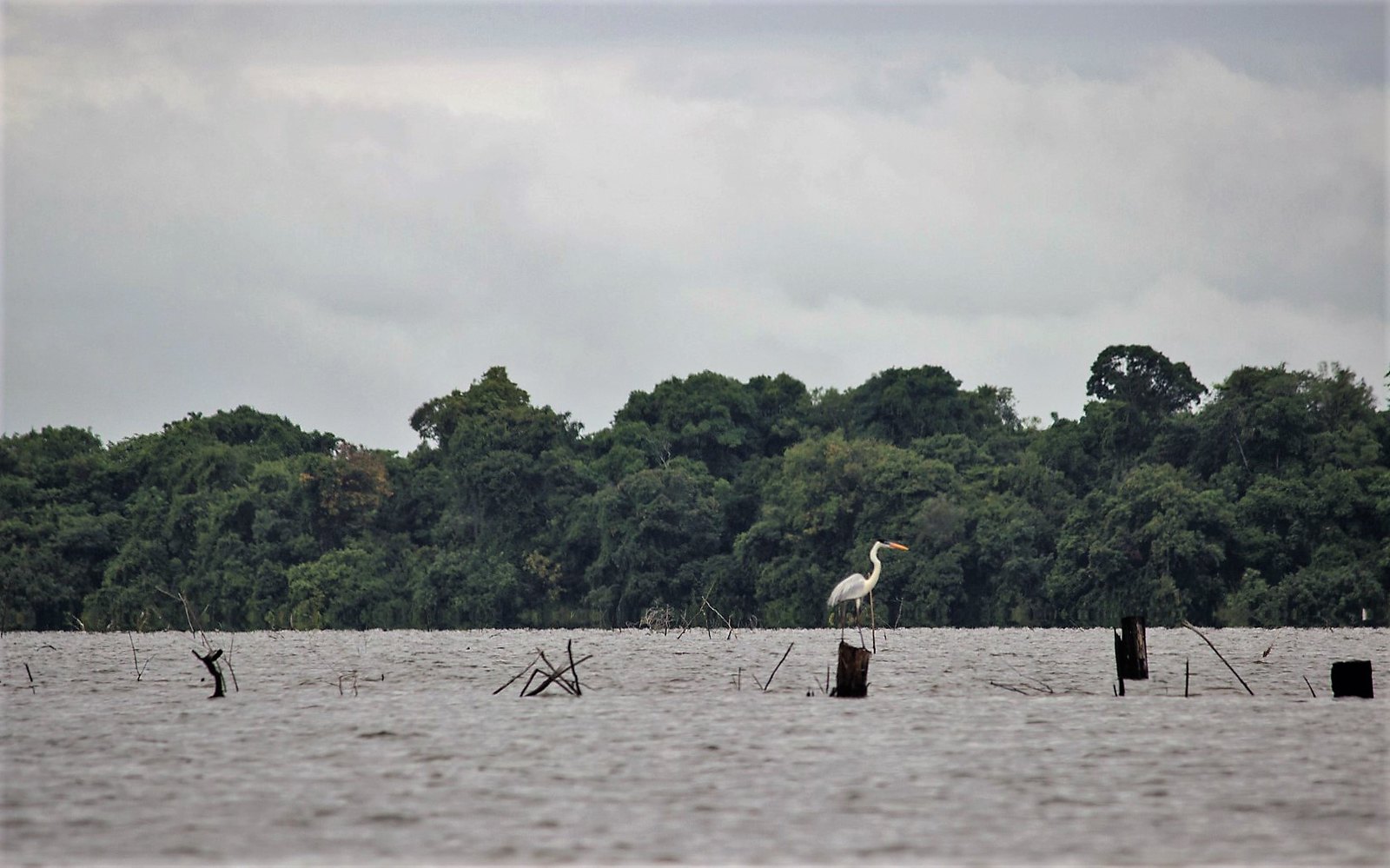
Photo: Amazon Watch / Maíra Irigaray.
The search for justice and reparations
Over the years, the Federal Public Prosecutor’s Office in Pará, the Public Defender’s Office, and civil society organizations have filed dozens of legal actions in Brazilian courts to challenge the project’s various irregularities and its impacts. Most of the claims are still pending resolution, some for more than 10 years.
These efforts have failed because the national government has repeatedly overturned rulings in favor of the affected communities by invoking a mechanism that allowed a court president to suspend a judicial decision based solely on generic arguments such as "the national interest" or "economic order."
In the absence of effective responses at the national level, AIDA, together with a coalition of partner organizations, brought the case before the Inter-American Commission on Human Rights (IACHR) and, in 2010, requested precautionary measures to protect the lives, safety, and health of the affected indigenous communities.
On April 1, 2011, the IACHR granted these measures and requested that the Brazilian government suspend environmental permits and any construction work until the conditions related to prior consultation and the protection of the health and safety of the communities are met.
And on June 16, 2011 —together with the Xingu Vivo Para Sempre Movement, the Coordinating Committee of Indigenous Organizations of the Brazilian Amazon, the Diocese of Altamira, the Indigenous Missionary Council, the Pará Society for the Defense of Human Rights and Global Justice— we filed a formal complaint against the Brazilian State for its international responsibility in the violation of the human rights of the people affected in the case. The case was opened for processing in December 2015.
On August 3, 2011, the IACHR amended the precautionary measures to request, instead of the suspension of permits and construction, the protection of people living in voluntary isolation, the health of indigenous communities, and the regularization and protection of ancestral lands.
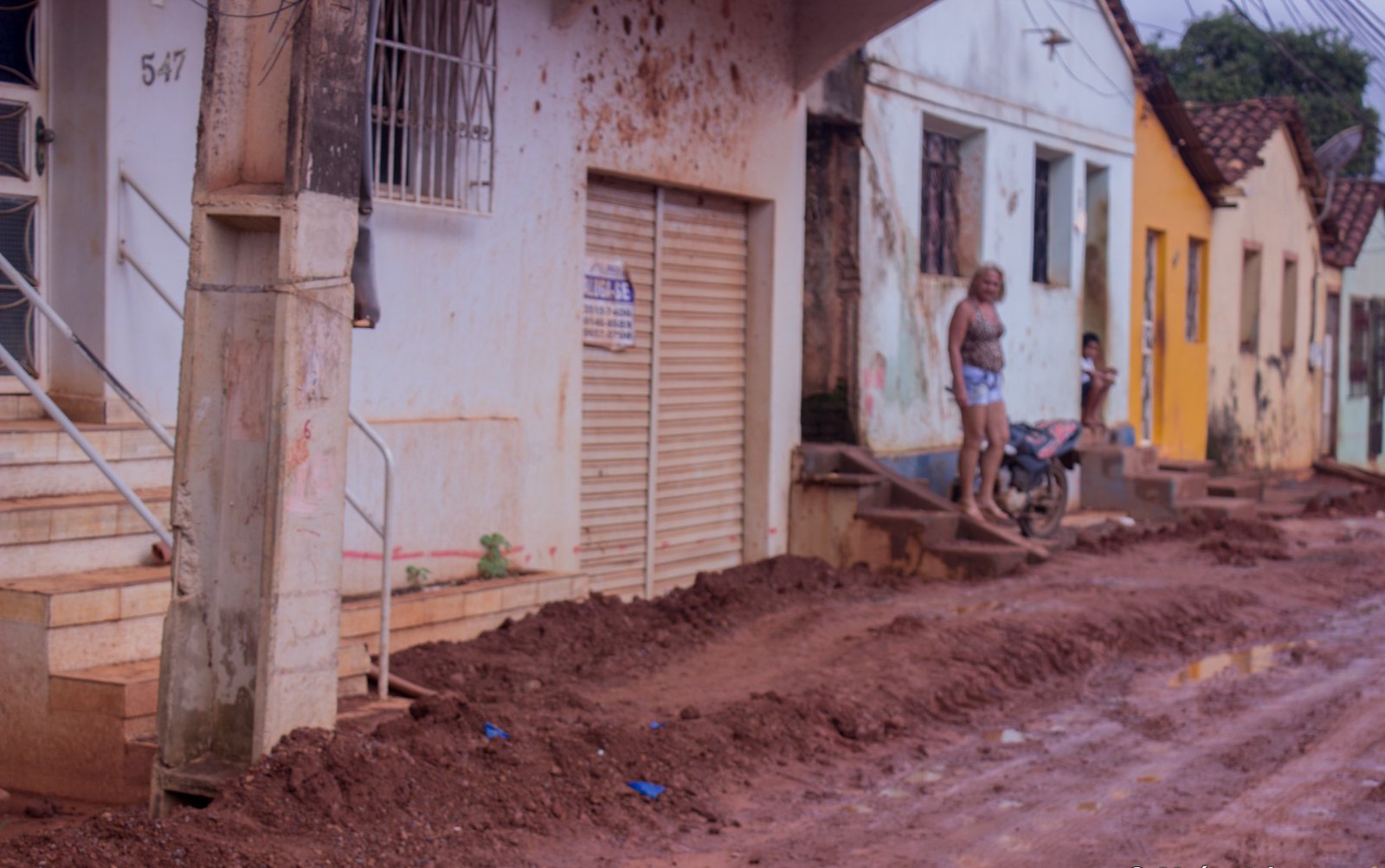
Photo: Amazon Watch / Maíra Irigaray.
Current situation
The protective measures granted by the IACHR remain in effect, but the Brazilian government has not fully complied with them, reporting only on general actions. The communities have documented the ongoing violations of their rights. The situation that prompted the request for these measures—the risk to the lives, physical integrity, and ways of life of the communities—persists and has worsened with the hydroelectric plant operating at full capacity and the recent extreme droughts in the Amazon.
In addition to the impacts of Belo Monte, there is a risk of further social and environmental impacts from the implementation of another mining megaproject in the Volta Grande do Xingu. There, the Canadian company Belo Sun plans to build Brazil’s largest open-pit gold mine.
The combined and cumulative impacts of the dam and the mine were not assessed. The government excluded Indigenous peoples, riverine and peasant communities from the project’s environmental permitting process. Despite protests by Indigenous communities and other irregularities surrounding the project, the government of Pará formally authorized the mine in April 2026.
Like other hydroelectric dams, Belo Monte exacerbates the climate emergency by generating greenhouse gas emissions in its reservoir. And it is inefficient amid the longer, more intense droughts caused by the crisis, as it loses its ability to generate power.
The case before the Inter-American Commission
In October 2017, the IACHR announced that it would rule jointly on the admissibility (whether the case meets the requirements for admission) and the merits (whether a human rights violation actually occurred) of the international complaint against the Brazilian State.
Fifteen years after the complaint was filed, the affected communities and the organizations representing them are still awaiting this decision. If the IACHR concludes that human rights violations occurred and issues recommendations that the Brazilian State fails to comply with, it may refer the case to the Inter-American Court of Human Rights, whose rulings are binding.
A potential ruling by the international court in this case would set a regional legal precedent regarding the rights of indigenous and riverine peoples, public participation in megaprojects, and state responsibility in the context of the climate crisis—a precedent that is particularly relevant in light of the Court’s Advisory Opinion No. 32, which reaffirmed the obligations of States to protect the people and communities of the continent from the climate emergency.
Partners:
Related projects
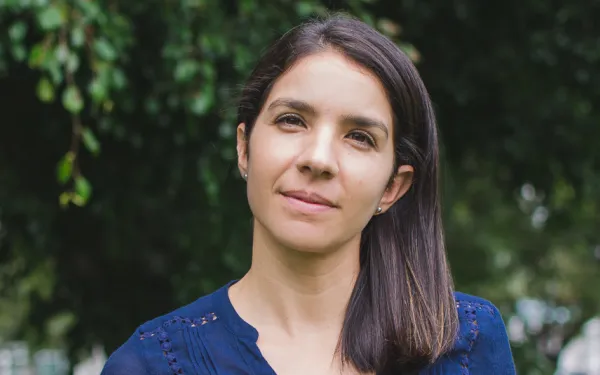
Gladys Martínez, Executive Director of AIDA
After a rigorous recruitment process spearheaded by AIDA’s Board of Directors, Gladys Martínez de Lemos has accepted the position of AIDA Executive Director, effective immediately. Gladys Martínez has a long trajectory with AIDA, having helped to build and strengthen the organization for the past 15 years. She is recognized as a positive, empathetic, and dynamic leader who believes deeply in AIDA, and encourages the team’s professional and personal growth. Throughout the recruitment process, entrusted to an independent search firm and involving a committee of representatives from the Board and AIDA team, Gladys proved herself to be the most qualified candidate for the position. For the past eight years, Gladys has led AIDA’s Marine Biodiversity and Coastal Protection Program, overseeing its growth into a multidisciplinary team of attorneys and scientists advocating for species and ecosystem preservation, responsible management practices, and the protection of coastal communities. She has represented AIDA before international negotiating bodies, championed relationships with governments, and grown alliances with organizations and advocates across the Americas. Gladys has a law degree from the University of Costa Rica and a master's degree in Environmental Security and Peace from the United Nations University for Peace. Most recently, she became a Kellog Executive Scholar in Nonprofit Management through Northwestern University's Kellogg School of Management. "My journey with AIDA has been a great adventure for the defense of the people and natural places of Latin America," she said. "Important parts of my heart and mind were formed here at this organization and, now, I’m honored to have the opportunity to lead it into its next stage. Supported by my experience and the tools I’ve acquired in recent years, I’m looking forward to maximizing the talents of AIDA’s team and, together, advancing our efforts for environmental and climate justice on the continent.” This executive leadership transition represents an important organizational evolution as AIDA shifts to a single executive director model following the departure of former co-director Astrid Puentes Riaño. In the new structure, the Board has named former co-director Anna Cederstav Chief Financial Officer. Anna will also serve as Deputy Executive Director to help continue growing and strengthening the institution. AIDA owes both Astrid and Anna a debt of gratitude for their 18 years of co-direction, and for having built AIDA into the dynamic regional organization it is today. With the team’s knowledge, skills, and experience, and the strong foundation on which the organization is built, AIDA will continue to advance environmental and climate justice in Latin America and champion the systemic changes that the region, and the world, so desperately needs.
Read more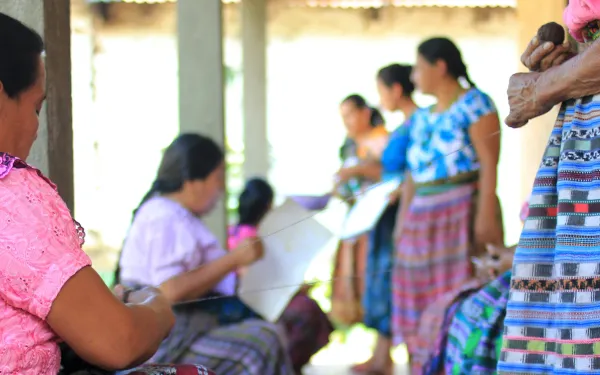
"Portraits of a feminist energy transition"
The energy transition is essential and underway, but what are the risks and opportunities that the green energy revolution represents for the realisation of women's rights? How can we prevent the replication of extractive practices commonly associated with fossil industries? How can we promote renewable energy models that promote women's participation and the eradication of energy poverty? The series "Portraits of a Feminist Energy Transition" seeks to showcase the stories of women activists and human rights defenders advcating for a just energy transition. A new energy system that protects the environment, advances gender equality and provides safe, affordable and sustainable access to energy. Although women play a critical role in the management and use of energy resources in households and their communities, they face common challenges linked to systemic discrimination, energy poverty and lack of representation in the development of the new renewable energy sector. We cannot accelerate the move towards sustainable energy systems without bringing to the centre the voices of women and communities who have historically been left behind in energy decision-making spaces. In the context of COP26 and when discussing an energy transition that involves an unprecedented technical and technological shift from one source of energy to another and counteracting the effects of climate change, the civil society organisations, Global Initiative for Economic, Social and Cultural Rights (GI-ESCR) and the Interamerican Association for Environmental Defense (AIDA), with the support of FES-Geneva, launch the first video in the series that tells the story of Maria, an indigenous woman from the Maya Chuj ethnic group living in the Yich K'isis micro-region of Guatemala. It is only through women's stories and experiences that we can reduce the potential risks of the energy transition and catalyse the transformative power of renewable energy to advance gender equality and a low carbon future for all. Listen to María’s story!
Read more
Science's call to action for climate and air
By Fabio López Alfaro y Luisa Gaona Quiroga, AIDA interns The first installment of the Intergovernmental Panel on Climate Change’s (IPCC) Sixth Assessment Report—which will be completed in 2022—devotes an unprecedented entire chapter to short-lived climate pollutants (SLCPs), the reduction of which can mitigate the climate crisis and improve air quality. The IPCC's emphasis on these pollutants reaffirms the intrinsic relationship between climate and air, as well as the urgent need to implement effective and joint measures for their protection. SLCPs are compounds that absorb or reflect solar energy. They have the capacity to heat or cool the Earth on short time scales (days to years), in contrast to greenhouse gases, such as carbon dioxide, whose climate impact can last decades, centuries or even longer. The best-known SLCPs include black carbon (small particles produced by burning diesel, biofuels and biomass), methane (which has a high global warming effect and is a precursor of other pollutants), tropospheric ozone and hydrofluorocarbons. Because they remain in the atmosphere for only short periods of time, their impacts on climate are regional and their changes are linked to changes in their emission sources. Although some SLCPs warm the planet and others cool it, the fact is that these pollutants cause between 30 and 45 percent of global warming, in addition to damaging air quality and affecting crop yields. Therefore, their integral management is decisive for mitigating the climate crisis and improving our quality of life. The situation in Latin America In this IPCC assessment cycle, the availability of information made it possible to emphasize the regional analysis of climate change, illustrating the relevance of SLCPs, whose impacts on climate and air are primarily local. However, the findings for Latin America are minor compared to those of Europe, Asia or North America, evidencing a lag in the region's knowledge. Closing this knowledge gap on SLCPs is fundamental because the region ranks third in terms of short-term (10 year) warming generation, surpassed by East Asia and North America. Despite having less information, the IPCC was able to identify the key sectors and pollutants to manage in Latin America. The report highlights that mitigation policies should focus on particulate matter and ozone generated in industry, energy production and open burning of biomass, sectors that are regionally responsible for the highest emissions. As the diameter of the particulate matter decreases, the negative health impacts are greater. Thus, fine particles— of particulate matter 2.5—cause the most harmful impacts on people's respiratory and cardiovascular systems. According to the World Health Organization, black carbon and organic carbon form a substantial part of particulate matter in air pollution, and are an important cause of morbidity and premature mortality worldwide. Moreover, methane and black carbon are the primary pollutants of concern in agriculture, fossil fuels, waste management and diesel engines, sectors that are projected to contribute 90 percent of non-OECD countries' black carbon emissions by 2100. Call to action The scientific evidence presented by the IPCC is also a call to action, a joint fight for climate and air. The report proves that it is vital to have crosscutting public policies that simultaneously seek to mitigate the climate crisis and SLCP emissions. The absence of such policies, coupled with weak air pollution control, implies short-term warming for Latin America, mainly because it is estimated that emissions of methane, ozone and hydrofluorocarbons—compounds characterized by high warming rates—will increase, as well as lower contributions from aerosols, which would decrease the cooling effect. However, with proper monitoring and in scenarios that combine efforts to reduce GHGs and SLCPs, high climate benefits and stabilization are expected after 2040. Although the climate results of these measures will be visible in 20 to 30 years, they will contribute to improving air quality and protecting human health in the short term. Public policies that work to lessen air pollution can reduce mortality rates due to poor air quality and contribute to meeting several of the Sustainable Development Goals (SDGs), especially those targets related to particulate matter exposure (targets 3.9 and 11.6), human health and cities (targets 3.8 and 11.7), and the health of people and the environment (targets 3.9 and 11.7). They can also contribute to access to clean and affordable energy, responsible consumption and production, climate action and biodiversity protection (SDGs 7, 12, 13, 14 and 15). Finally, reducing CCVC emissions will help reduce crop losses, contributing to achieving zero hunger (SDG 2). Now that we know the sectors and pollutants whose management will be key in the coming years, it is time to demand that authorities and companies implement concrete actions to reduce emissions of SLCPs and obtain co-benefits in the fight for climate and clean air.
Read more