
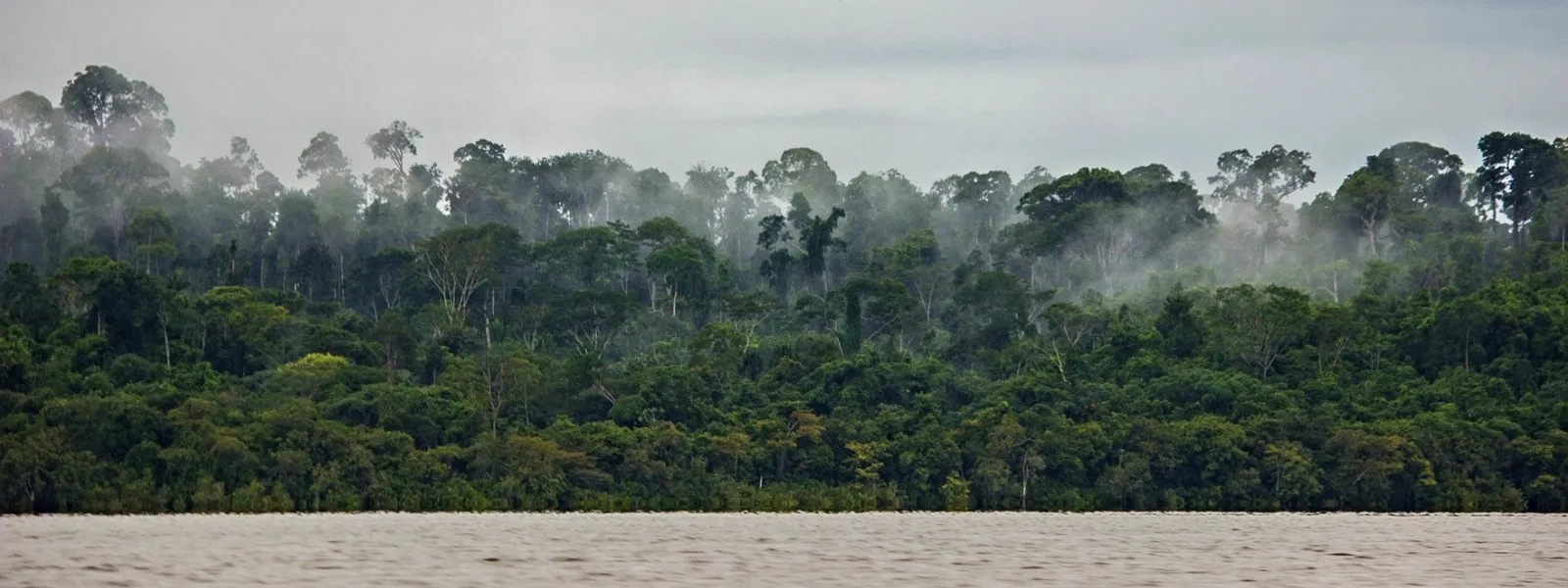
Project
Amazon Watch / Maíra Irigaray
The Belo Monte Dam on the Xingu River: 10 years of impacts in the Amazon and the search for reparations
The Belo Monte Dam has caused an environmental and social disaster in the heart of the Amazon—one of the most important ecosystems on the planet.
This situation has only worsened since the hydroelectric plant began operations in 2016. The quest for justice and reparations by the affected indigenous, fishing, and riverine communities continues to this day.
In 2011, the Inter-American Commission on Human Rights (IACHR) granted them protective measures that, to date, have not been fully implemented by the Brazilian State.
Furthermore, since June of that same year, the IACHR has yet to rule on a complaint against the State regarding its international responsibility in the case.
The IACHR may refer the case to the Inter-American Court of Human Rights, which has the authority to issue a ruling condemning the Brazilian State.
After 10 years of the hydroelectric plant's operation and more than 15 years of documented human rights violations, it is time for justice to be served for the affected communities.
Read the open letter from the organizations bringing the case before the IACHR
Background
The Belo Monte hydroelectric plant—the fourth largest in the world by installed capacity (11,233 MW)—was built on the Xingu River in Pará, a state in northern Brazil.
It was inaugurated on May 5, 2016, with a single turbine. At that time, 80% of the river’s course was diverted, flooding 516 km² of land—an area larger than the city of Chicago. Of that area, 400 km² was native forest. The dam began operating at full capacity in November 2019.
Belo Monte was built and is operated by the Norte Energia S.A. consortium, which is composed primarily of state-owned companies. It was financed by the Brazilian Development Bank (BNDES), which provided the consortium with 25.4 billion reais (approximately US$10.16 billion), the largest investment in the bank’s history. Therefore, the BNDES is also legally responsible for the socio-environmental impacts associated with the hydroelectric plant.
Decades of harm to the environment and people
Human rights violations and degradation of the Amazon have been occurring since the project’s inception. In March 2011, Norte Energía began construction of the dam without adequate consultation and without the prior, free, and informed consent of the affected communities.
The construction caused the forced displacement of more than 40,000 people, severing social and cultural ties. The resettlement plan in Altamira—a city directly affected by the hydroelectric dam—involved housing units located on the outskirts, lacking adequate public services and decent living conditions for the relocated families, with no special provisions for those from indigenous communities.
Belo Monte's operations have caused a permanent, man-made drought in the Volta Grande (or "Great Bend") of the Xingu River, exacerbated by the historic droughts in the Amazon in 2023 and 2024. As a result, the deaths of millions of fish eggs were documented for four consecutive years (from 2021 to 2024), and for the past three years, there has been no upstream migration of fish to spawn and reproduce. Thus, artisanal fishing, the main source of protein for indigenous peoples and riverside communities, was severely affected: fish dropped from 50% to 30% of total protein consumed, replaced by processed foods. In summary, there was an environmental and humanitarian collapse that resulted in the breakdown of fishing as a traditional way of life, food insecurity, and access to drinking water for thousands of families, impoverishment, and disease.
Furthermore, the construction of the dam increased deforestation and intensified illegal logging and insecurity on indigenous and tribal lands, putting the survival of these communities at risk. Another consequence was the deepening of poverty and social conflicts, as well as the strain on health, education, and public safety systems in Altamira—a city ranked as the most violent in the country in 2017, where human trafficking and sexual violence increased. Violence was also reported against human rights defenders involved in the case.
In 2025, during the 30th UN Climate Change Conference (COP30), held in Brazil, the Federal Public Prosecutor’s Office labeled the damage caused by the Belo Monte dam as ecocide.
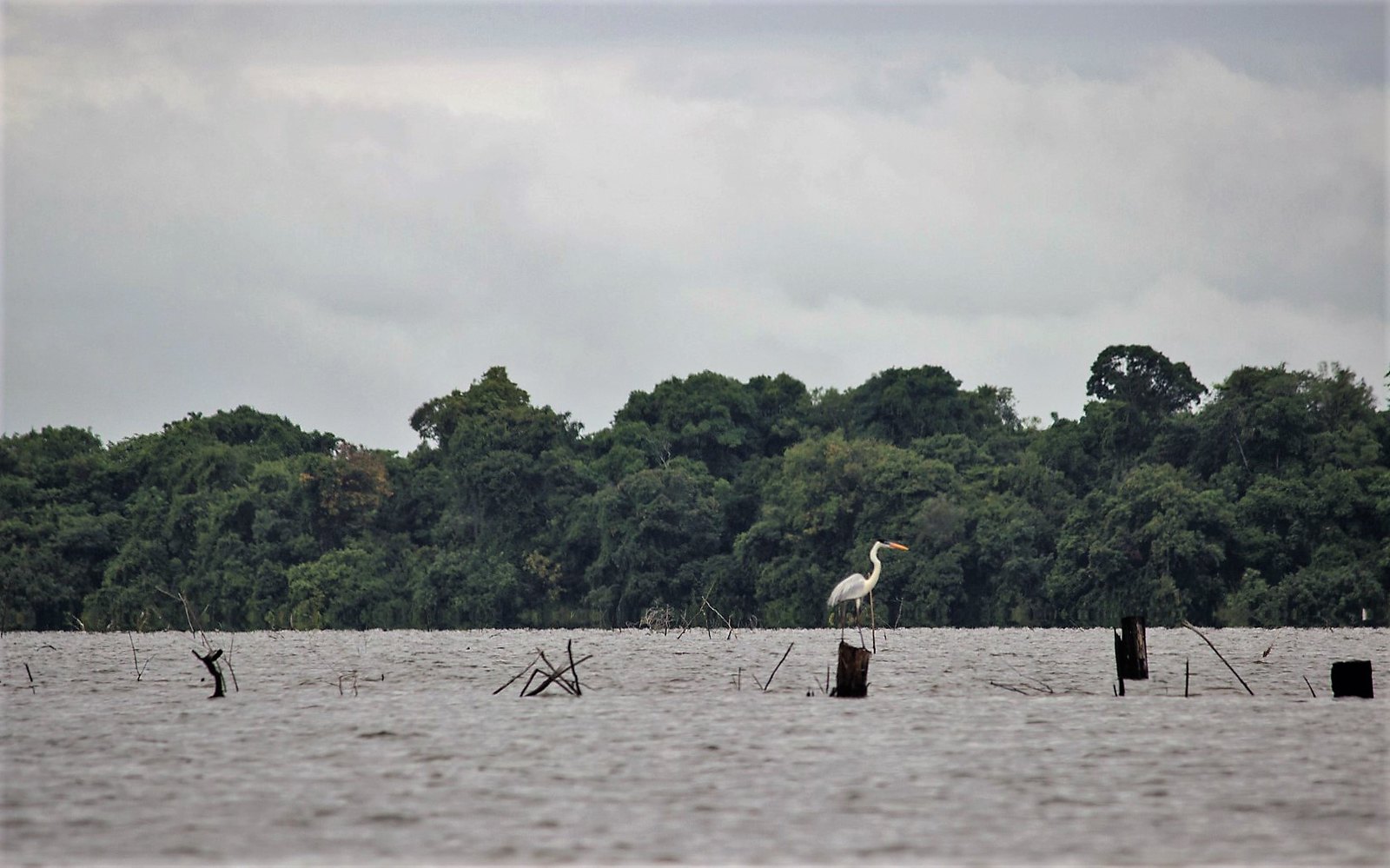
Photo: Amazon Watch / Maíra Irigaray.
The search for justice and reparations
Over the years, the Federal Public Prosecutor’s Office in Pará, the Public Defender’s Office, and civil society organizations have filed dozens of legal actions in Brazilian courts to challenge the project’s various irregularities and its impacts. Most of the claims are still pending resolution, some for more than 10 years.
These efforts have failed because the national government has repeatedly overturned rulings in favor of the affected communities by invoking a mechanism that allowed a court president to suspend a judicial decision based solely on generic arguments such as "the national interest" or "economic order."
In the absence of effective responses at the national level, AIDA, together with a coalition of partner organizations, brought the case before the Inter-American Commission on Human Rights (IACHR) and, in 2010, requested precautionary measures to protect the lives, safety, and health of the affected indigenous communities.
On April 1, 2011, the IACHR granted these measures and requested that the Brazilian government suspend environmental permits and any construction work until the conditions related to prior consultation and the protection of the health and safety of the communities are met.
And on June 16, 2011 —together with the Xingu Vivo Para Sempre Movement, the Coordinating Committee of Indigenous Organizations of the Brazilian Amazon, the Diocese of Altamira, the Indigenous Missionary Council, the Pará Society for the Defense of Human Rights and Global Justice— we filed a formal complaint against the Brazilian State for its international responsibility in the violation of the human rights of the people affected in the case. The case was opened for processing in December 2015.
On August 3, 2011, the IACHR amended the precautionary measures to request, instead of the suspension of permits and construction, the protection of people living in voluntary isolation, the health of indigenous communities, and the regularization and protection of ancestral lands.
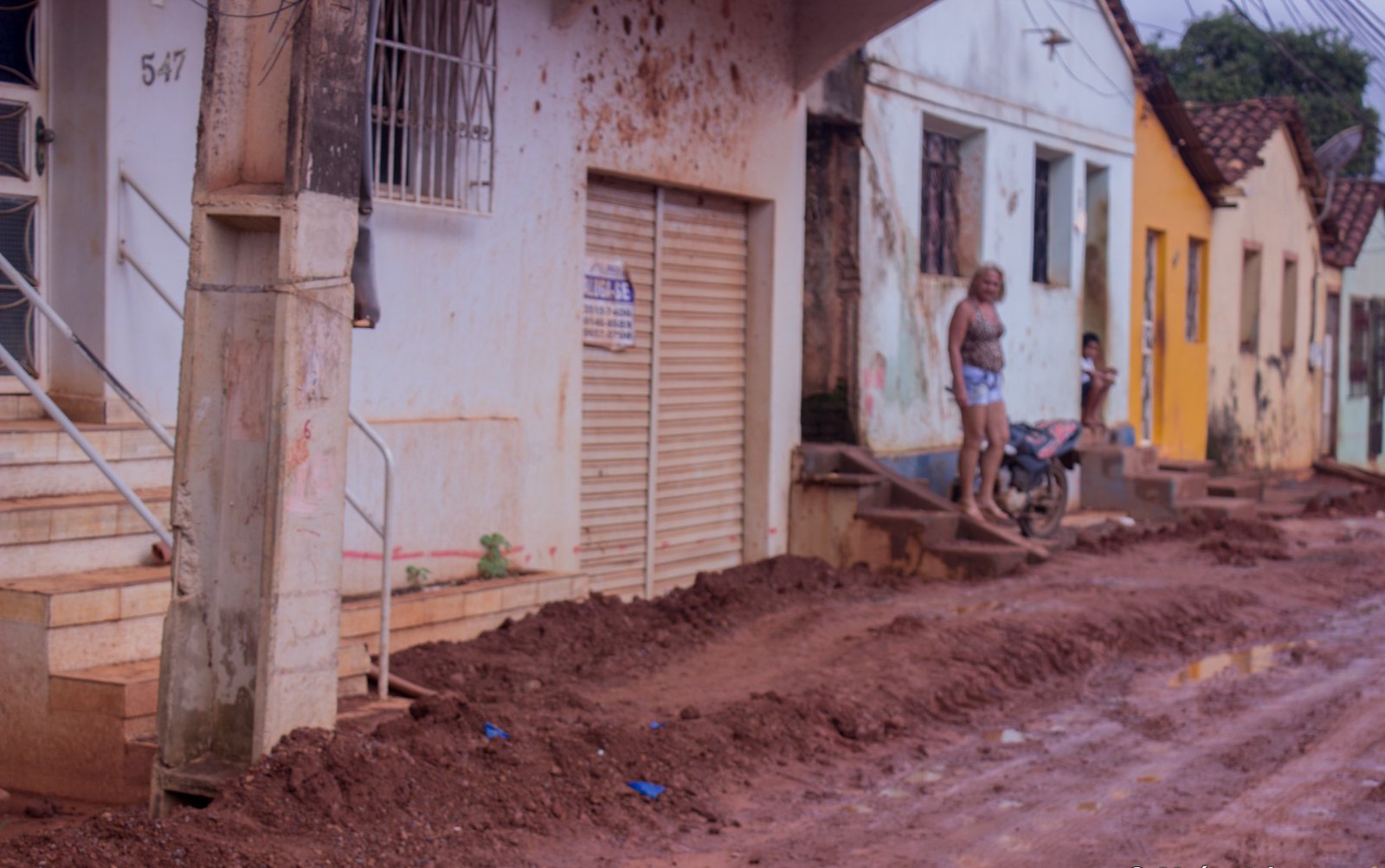
Photo: Amazon Watch / Maíra Irigaray.
Current situation
The protective measures granted by the IACHR remain in effect, but the Brazilian government has not fully complied with them, reporting only on general actions. The communities have documented the ongoing violations of their rights. The situation that prompted the request for these measures—the risk to the lives, physical integrity, and ways of life of the communities—persists and has worsened with the hydroelectric plant operating at full capacity and the recent extreme droughts in the Amazon.
In addition to the impacts of Belo Monte, there is a risk of further social and environmental impacts from the implementation of another mining megaproject in the Volta Grande do Xingu. There, the Canadian company Belo Sun plans to build Brazil’s largest open-pit gold mine.
The combined and cumulative impacts of the dam and the mine were not assessed. The government excluded Indigenous peoples, riverine and peasant communities from the project’s environmental permitting process. Despite protests by Indigenous communities and other irregularities surrounding the project, the government of Pará formally authorized the mine in April 2026.
Like other hydroelectric dams, Belo Monte exacerbates the climate emergency by generating greenhouse gas emissions in its reservoir. And it is inefficient amid the longer, more intense droughts caused by the crisis, as it loses its ability to generate power.
The case before the Inter-American Commission
In October 2017, the IACHR announced that it would rule jointly on the admissibility (whether the case meets the requirements for admission) and the merits (whether a human rights violation actually occurred) of the international complaint against the Brazilian State.
Fifteen years after the complaint was filed, the affected communities and the organizations representing them are still awaiting this decision. If the IACHR concludes that human rights violations occurred and issues recommendations that the Brazilian State fails to comply with, it may refer the case to the Inter-American Court of Human Rights, whose rulings are binding.
A potential ruling by the international court in this case would set a regional legal precedent regarding the rights of indigenous and riverine peoples, public participation in megaprojects, and state responsibility in the context of the climate crisis—a precedent that is particularly relevant in light of the Court’s Advisory Opinion No. 32, which reaffirmed the obligations of States to protect the people and communities of the continent from the climate emergency.
Partners:
Related projects
Supreme Court orders protection of Veracruz's reefs and wetlands
Mexico’s high court unanimously ruled that authorities violated the right to a healthy environment by authorizing the expansion of the Port of Veracruz. Environmental authorities failed to use the best scientific information, analyze the port expansion in a comprehensive manner, and consider all of its impacts. The ruling implies that the project’s approvals are unfounded and that its impacts must be re-evaluated, this time in a comprehensive manner, to determine the viability of the project. Mexico City, Mexico — On February 9, residents of Veracruz won a victory before the Supreme Court of Justice of the Nation in a legal injunction filed to defend the Veracruz Reef System (SAV) and its environmental services against the expansion of the Port of Veracruz. The justices of the Court unanimously voted in favor of the draft ruling that protects the reefs of Veracruz and transforms the way the Environmental Impact Assessment procedure operates throughout the country. This decision underpins the protection of the right to a healthy environment, and it sets a new precedent that will change the way officials determine how projects are assessed by their environmental impact. The Court held that "the protection of wetlands is a national and international priority that has led our country to issue a strict regulation of this ecosystem and… any analysis made in relation to wetlands must be guided by a criterion of maximum precaution and prevention." The ruling pointed out that the Secretariat of Environment and Natural Resources (Semarnat) violated the right to a healthy environment by authorizing the expansion project of the Port of Veracruz, since "it did not take into account the best scientific information available; it did not analyze or evaluate in a complete manner each one of the different environmental impacts that the project and its modification could cause, in addition to the fact that the project and the works related to it were analyzed in a fragmented manner." The Supreme Court’s ruling annuls the authorization for the port’s expansion and orders a complete reevaluation of the project’s environmental impacts and determination of the consequent viability of the project. "CEMDA filed this injunction, together with the community, to protect and contribute to the conservation of the Veracruz Reef System, as well as the reefs and the services they provide, since they are key to the well-being of the people living in the Veracruz-Boca del Río-Medellín conurbation," explained Xavier Martínez Esponda, CEMDA's Operational Director. The case sets a precedent that will transform the way in which Semarnat and state authorities conduct Environmental Impact Assessments in the country. Martinez Esponda pointed out that, "with this decision, the principles of prevention and precaution will have to become much more ingrained in the decision-making process. Likewise, authorities and investors should learn the lesson that it is more expensive, in all senses, not to present their projects in a complete manner, than to comply in time and form with the Environmental Impact Assessment." Background The Veracruz Reef System is a National Park and a wetland of international importance according to the Ramsar Convention. It has great environmental value as the largest reef system in the central region of the Gulf of Mexico. This reef system hosts the greatest biodiversity of species in the western Gulf of Mexico and is also home to several protected species, such as the critically endangered hawksbill turtle. The SAV also helps mitigate the impact of storm surges and hurricanes, which have increased in frequency and intensity as a result of climate change. The Port of Veracruz expansion project was proposed in the late 1990s and its implementation included plans for new breakwater works, access and navigation channels, land access, terminals, and port facilities. These works will damage reefs and seagrasses in the area, as they will be impacted by the increased sedimentation caused by the construction works. Due to the importance of the case, international environmental protection organizations supported the process. Earthjustice and the Interamerican Association for Environmental Defense (AIDA) delivered a joint amicus brief to the Supreme Court in support of CEMDA’s filing with the court. Sandra Moguel, AIDA's attorney, emphasized that "it is not the proximity of a project that determines who are the affected people and who should have access to justice to defend their right to a healthy environment." In its brief, AIDA explains that international law obliges the Mexican government to allow anyone whose fundamental rights are threatened by environmental harm to access judicial remedies, even if their connection to the threatened ecosystem is indirect or remote. Guillermo Zuñiga, an attorney with Earthjustice, emphasized that his ties to this reef are important and personal: "I grew up in Veracruz. I am a Xalapeño. That area gave birth to me, and I grew up swimming in the rivers and beaches of Veracruz with my family. I want the children of Veracruz to have the opportunity to enjoy the richness of its biodiversity as I did." Alejandra Serrano Pavón, a lawyer with the international organization Environmental Law Alliance Worldwide (ELAW), was interested in the case because of the opportunity to encourage the Court to broadly interpret the right to access to justice in defense of the environment. ELAW presented an amicus brief that supported the filing, through which is provided examples from various countries around the world that recognize a broad interpretation of this right, which allows "any civil society organization or, at least residents of a place, to initiate a legal action to protect the environment." We widely celebrate this decision of the First Chamber of the Supreme Court, and we hope that in the process of executing the judgment, the Secretariat of Environment and Natural Resources complies with what it has been ordered to do under the highest standard of protection enshrined in the Regional Agreement on Access to Information, Public Participation and Access to Justice in Environmental Matters in Latin America and the Caribbean, known as the Escazú Agreement. Underwritten by: AIDA Earthjustice ELAW CEMDA press contacts: Ricardo Ruiz, CEMDA, [email protected], 5559644162 Victor Quintanilla, AIDA, [email protected], 5570522107
Read more
IDB must guaranty a responsible exit from the Hidroituango project
Ongoing investigation of the project continues regardless of early repayment of loan. The IDB Group concluded the loan for Hidroituango prematurely as they face uncertainty regarding project initiating operations. The investigation process regarding non-compliance with IDB policies in Hidroituango continues, regardless of the early termination of the loan. The construction of the Hidroituango dam, a project that has created a humanitarian and environmental crisis without precedent in Colombia, was financed by IDB Invest, the private lending arm of the Inter-American Development Bank (IDB), which invested millions of dollars in the hydroelectric project and facilitated the investment of a billion additional dollars from other international development banks. The Office of the Transparency Hub of IDB Invest informed Movimiento Ríos Vivos (MRV) -which represents communities affected by HidroItuango - that the bank concluded its involvement in the project after receiving the advance repayment of funds from Empresas Públicas de Medellin (EPM). Further, it informed that the compliance investigation process currently underway at the Independent Consultation and Investigation Mechanism (MICI) to assess compliance with IDB policies will continue, separate from the exit from the project by IDB. Regarding the communication sent by IDB Invest to MRV, the movement and accompanying international organizations, the Center for International Environmental Law (CIEL) and the Interamerican Association for Environmental Defense (AIDA), stated the following: First, the undersigned organizations maintain that the continuation of the complaint before the MICI demonstrates a respect for the integrity and independence of the accountability mechanism and a commitment to respond to the concerns of communities affected by IDB financed projects. Furthermore, we would underline that the fact the IDB has concluded its involvement in the project, resulting from a voluntary repayment due to the uncertainty of reaching certain project milestones, does not imply the absence or the removal of the investment. Much to the contrary, the prepayment by EPM to the IDB Group demonstrates that the IDB effectively disbursed funds and financed the project, and that Hidroituango is an IDB branded project. Consequently, we believe that it is correct for the MICI, the accountability mechanism in this case, to continue its investigative functions, and that the Board and management of the Bank remain committed to the process and its findings. Secondly, as has been set forth by the MICI in recent reports recognizing the lack of compliance with environmental and social safeguards by the bank, such as the case of the San Mateo and San Andres hydroelectric projects in the microregion of Yich K’isis in Guatemala, “in case of exit from the Projects, IDB Invest should make the necessary provisions to ensure a responsible exit from the Operations”. We are confident that the payment of the debt by EPM to the IDB opens up a historic possibility for the bank to conclude its involvement in a responsible way, by creating an Exit Plan in participation with communities which allows for the restoration of affected livelihoods, thereby legitimizing the bank as a responsible international finance institution. This possibility brings hope to the MRV communities affected by the Hidroituango project, who have called for the end of the investment by the IDB and its responsible exit for years. Thirdly, the undersigned organizations expect the IDB to fulfill its commitment to transparency in its operations, guaranteeing the principle of maximum access to project information, in a straightforward and comprehensive manner, under the terms established in the bank’s access to information policy. It is under these terms that we will be requesting meetings with the Board of the IDB in the near future. Today the IDB has an opportunity to fulfill its commitment to maintain high standards of integrity, transparency and accountability within its operations not only in Colombia but throughout Latin America. For this reason, we insist on the need for i) decision-making to be more transparent about the remaining IDB Group investments or loans which currently finance this project, both from its public and private lending arm, as was set forth in the petition sent on December 6th, 2021, ii) that a responsible, effective and participatory exit plan be built with communities. Press contacts: Milena Florez, Movimiento Ríos Vivos (MRV), [email protected], +57 319 2131656 Carla García Zendejas, CIEL, [email protected], +1 202 374 2550 Yeny Rodríguez Junco, AIDA, [email protected], +57 310 7787 601
Read more
In-danger designation requested for Pantanal wetlands in Brazil, Bolivia and Paraguay
On World Wetlands Day, advocates urged the Ramsar Convention Secretariat to conduct an advisory visit to wetlands severely affected by fires, and for the governments of the three countries to inscribe the sites on the global list of wetlands at risk of disappearing. Gland, Switzerland -- Civil society organizations sent an urgent alert to the Ramsar Convention today requesting a full assessment of damage caused by recent fires in the Pantanal, the world’s largest tropical wetland, a natural area shared between Brazil, Bolivia and Paraguay. The groups requested that the Secretariat conduct an advisory mission to analyze the state of six wetlands, which the Convention has recognized as being sites of international importance, and for the wetlands to be included on the Montreux Record, a list of the world’s most at-risk wetlands. The Interamerican Association for Environmental Defense (AIDA), the Center for Biological Diversity and Ecologia e Ação (ECOA) sent the alert on World Wetlands Day. They also urged the three governments to urgently implement measures to preserve the Pantanal as a transboundary ecosystem. The Ramsar sites addressed in the request are the Bolivian Pantanal; the Reserva Particular do Patrimonio Natural SESC Pantanal, the Reserva Particular do Patrimonio Natural Fazenda Rio Negro, the Pantanal Matogrosense National Park and the Taiamã Ecological Station in Brazil; as well as the Rio Negro National Park in Paraguay. "A Ramsar in-danger designation is crucial to combating the Pantanal’s huge and unprecedented fires, which now threaten Bolivia, Brazil and Paraguay," said Alejandro Olivera, a senior scientist with the Center for Biological Diversity. "Public policies that promote agriculture and livestock expansion and allow burning within the Pantanal have combined with limited cross-border collaboration to create a tinderbox. Ecosystem-damaging fires will continue without stronger commitments to protect these critical wetland habitats." In 2020, fires devastated 4.3 million hectares of the Pantanal region, the highest number since monitoring began in 1998; the number of fires burning in the area was 508% more than average. That same year, fires burned 100 percent of the Pantanal National Park Matogrossense. At least 10 million animals died in just three months. Unusually large fires continued in July 2021. "We are asking the States to comply with the obligations acquired before the Convention, generating coherent mechanisms and implementing policies and norms to protect the Pantanal," explained AIDA attorney Claudia Velarde. "An advisory mission to the six Ramsar sites could provide specialized assistance to the Brazilian, Bolivian and Paraguayan governments to overcome the conditions that pose risks to the conservation and wise use of this key wetland.” Likewise, the inscription of the sites on the Montreux Record can result in economic aid, support and technical advice, for the recovery of the Pantanal in the three countries. "We sent an urgent alert for Bolivia, Brazil and Paraguay to focus on the Pantanal as the world's largest transboundary freshwater wetland," said Andre Siqueira, President Director of ECOA. "The Ramsar Convention cannot achieve its objectives if the ecosystems it protects are significantly damaged by the continued use of fire, agribusiness and the lack of adequate resources to fight fires." The biodiversity and ecological richness of the Pantanal is incalculable. At least 3,500 species of plants, about 600 birds, 150 mammals, 175 reptiles, 40 amphibians and 300 freshwater fish inhabit the biome. Many are in danger of extinction in other regions, such as the tuyuyú and the jaguar, the marsh deer, the giant otter and the macaw, all emblematic species of the biome. The Pantanal is home to the highest concentration of species such as the jaguar and the caiman. press contacts: Alejandro Olivera (Mexico), Center for Biological Diversity, +52 612 1040604, [email protected] Victor Quintanilla (Mexico), AIDA, +521 5570522107, [email protected] André Luiz Siqueira (Brazil), ECOA, +55 67 33243230, [email protected]
Read more