
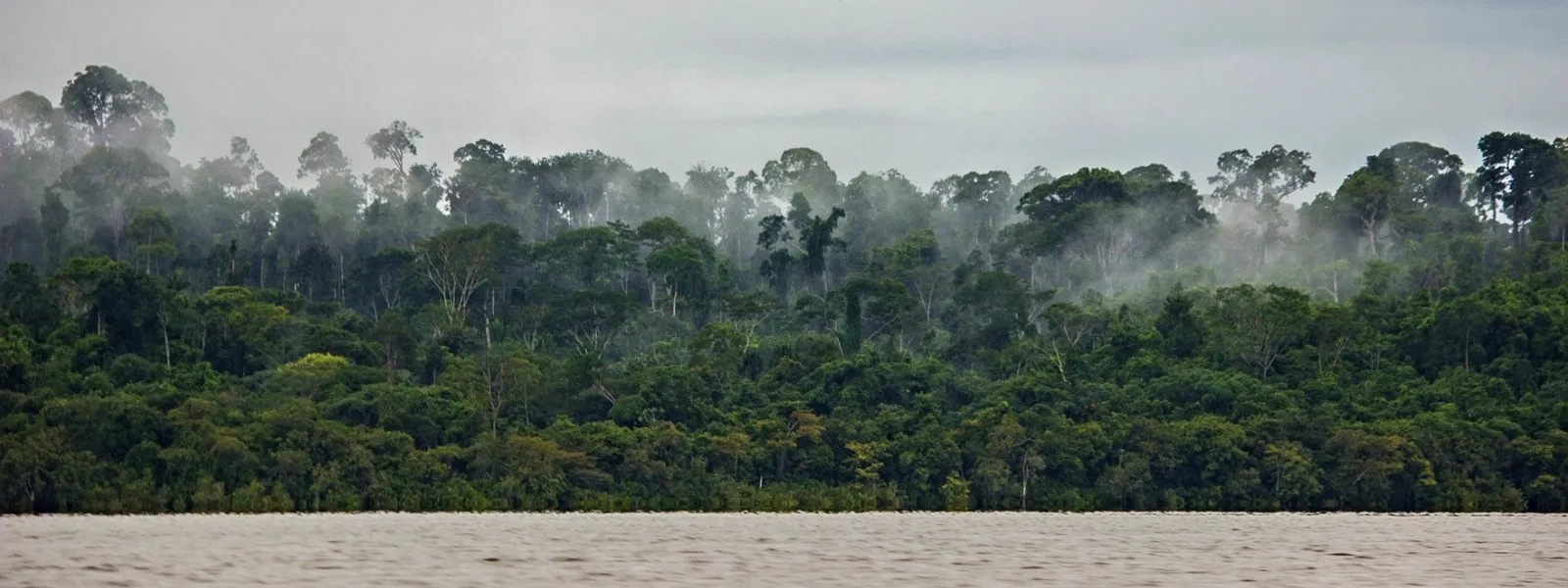
Project
Amazon Watch / Maíra Irigaray
The Belo Monte Dam on the Xingu River: 10 years of impacts in the Amazon and the search for reparations
The Belo Monte Dam has caused an environmental and social disaster in the heart of the Amazon—one of the most important ecosystems on the planet.
This situation has only worsened since the hydroelectric plant began operations in 2016. The quest for justice and reparations by the affected indigenous, fishing, and riverine communities continues to this day.
In 2011, the Inter-American Commission on Human Rights (IACHR) granted them protective measures that, to date, have not been fully implemented by the Brazilian State.
Furthermore, since June of that same year, the IACHR has yet to rule on a complaint against the State regarding its international responsibility in the case.
The IACHR may refer the case to the Inter-American Court of Human Rights, which has the authority to issue a ruling condemning the Brazilian State.
After 10 years of the hydroelectric plant's operation and more than 15 years of documented human rights violations, it is time for justice to be served for the affected communities.
Read the open letter from the organizations bringing the case before the IACHR
Background
The Belo Monte hydroelectric plant—the fourth largest in the world by installed capacity (11,233 MW)—was built on the Xingu River in Pará, a state in northern Brazil.
It was inaugurated on May 5, 2016, with a single turbine. At that time, 80% of the river’s course was diverted, flooding 516 km² of land—an area larger than the city of Chicago. Of that area, 400 km² was native forest. The dam began operating at full capacity in November 2019.
Belo Monte was built and is operated by the Norte Energia S.A. consortium, which is composed primarily of state-owned companies. It was financed by the Brazilian Development Bank (BNDES), which provided the consortium with 25.4 billion reais (approximately US$10.16 billion), the largest investment in the bank’s history. Therefore, the BNDES is also legally responsible for the socio-environmental impacts associated with the hydroelectric plant.
Decades of harm to the environment and people
Human rights violations and degradation of the Amazon have been occurring since the project’s inception. In March 2011, Norte Energía began construction of the dam without adequate consultation and without the prior, free, and informed consent of the affected communities.
The construction caused the forced displacement of more than 40,000 people, severing social and cultural ties. The resettlement plan in Altamira—a city directly affected by the hydroelectric dam—involved housing units located on the outskirts, lacking adequate public services and decent living conditions for the relocated families, with no special provisions for those from indigenous communities.
Belo Monte's operations have caused a permanent, man-made drought in the Volta Grande (or "Great Bend") of the Xingu River, exacerbated by the historic droughts in the Amazon in 2023 and 2024. As a result, the deaths of millions of fish eggs were documented for four consecutive years (from 2021 to 2024), and for the past three years, there has been no upstream migration of fish to spawn and reproduce. Thus, artisanal fishing, the main source of protein for indigenous peoples and riverside communities, was severely affected: fish dropped from 50% to 30% of total protein consumed, replaced by processed foods. In summary, there was an environmental and humanitarian collapse that resulted in the breakdown of fishing as a traditional way of life, food insecurity, and access to drinking water for thousands of families, impoverishment, and disease.
Furthermore, the construction of the dam increased deforestation and intensified illegal logging and insecurity on indigenous and tribal lands, putting the survival of these communities at risk. Another consequence was the deepening of poverty and social conflicts, as well as the strain on health, education, and public safety systems in Altamira—a city ranked as the most violent in the country in 2017, where human trafficking and sexual violence increased. Violence was also reported against human rights defenders involved in the case.
In 2025, during the 30th UN Climate Change Conference (COP30), held in Brazil, the Federal Public Prosecutor’s Office labeled the damage caused by the Belo Monte dam as ecocide.
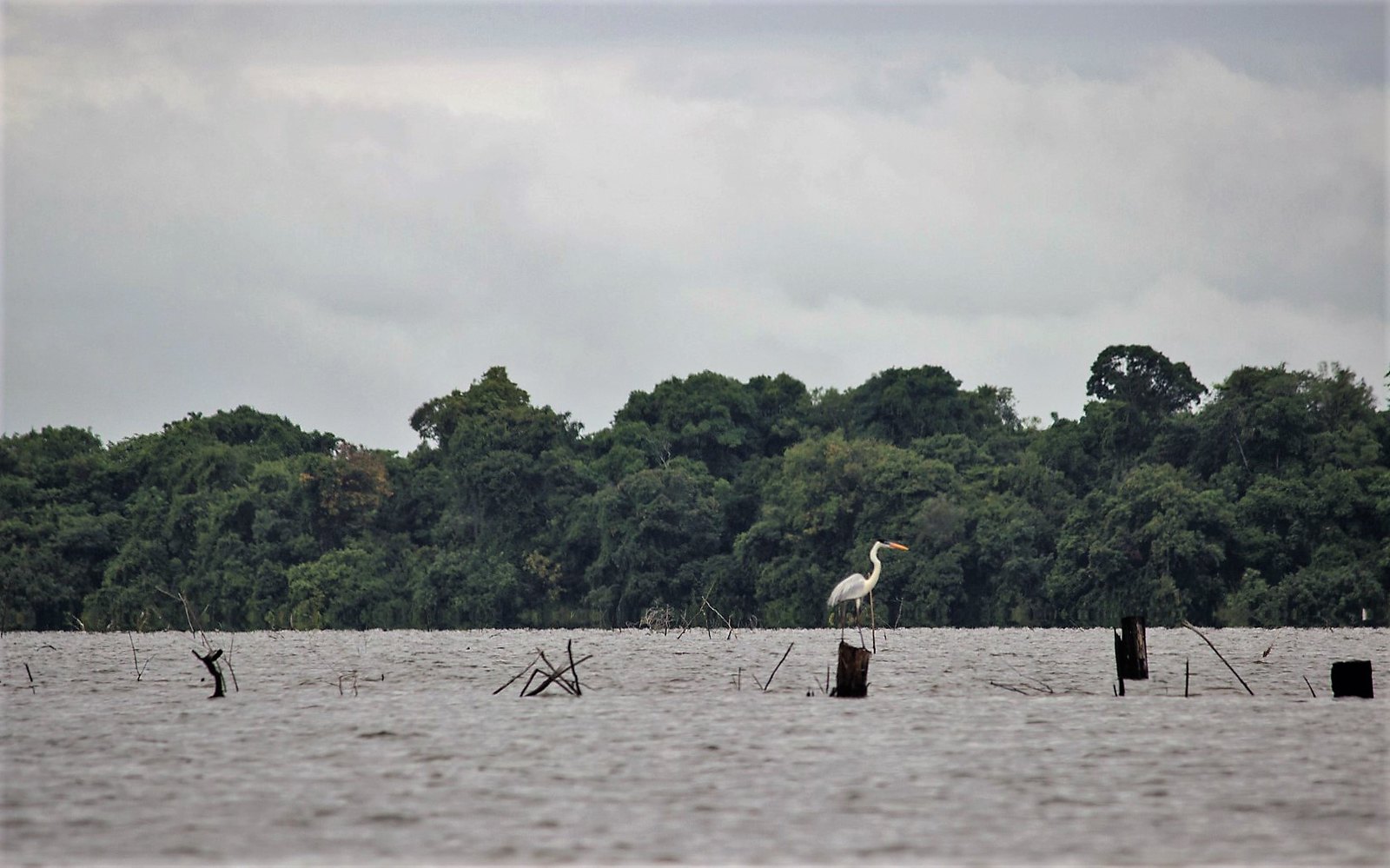
Photo: Amazon Watch / Maíra Irigaray.
The search for justice and reparations
Over the years, the Federal Public Prosecutor’s Office in Pará, the Public Defender’s Office, and civil society organizations have filed dozens of legal actions in Brazilian courts to challenge the project’s various irregularities and its impacts. Most of the claims are still pending resolution, some for more than 10 years.
These efforts have failed because the national government has repeatedly overturned rulings in favor of the affected communities by invoking a mechanism that allowed a court president to suspend a judicial decision based solely on generic arguments such as "the national interest" or "economic order."
In the absence of effective responses at the national level, AIDA, together with a coalition of partner organizations, brought the case before the Inter-American Commission on Human Rights (IACHR) and, in 2010, requested precautionary measures to protect the lives, safety, and health of the affected indigenous communities.
On April 1, 2011, the IACHR granted these measures and requested that the Brazilian government suspend environmental permits and any construction work until the conditions related to prior consultation and the protection of the health and safety of the communities are met.
And on June 16, 2011 —together with the Xingu Vivo Para Sempre Movement, the Coordinating Committee of Indigenous Organizations of the Brazilian Amazon, the Diocese of Altamira, the Indigenous Missionary Council, the Pará Society for the Defense of Human Rights and Global Justice— we filed a formal complaint against the Brazilian State for its international responsibility in the violation of the human rights of the people affected in the case. The case was opened for processing in December 2015.
On August 3, 2011, the IACHR amended the precautionary measures to request, instead of the suspension of permits and construction, the protection of people living in voluntary isolation, the health of indigenous communities, and the regularization and protection of ancestral lands.
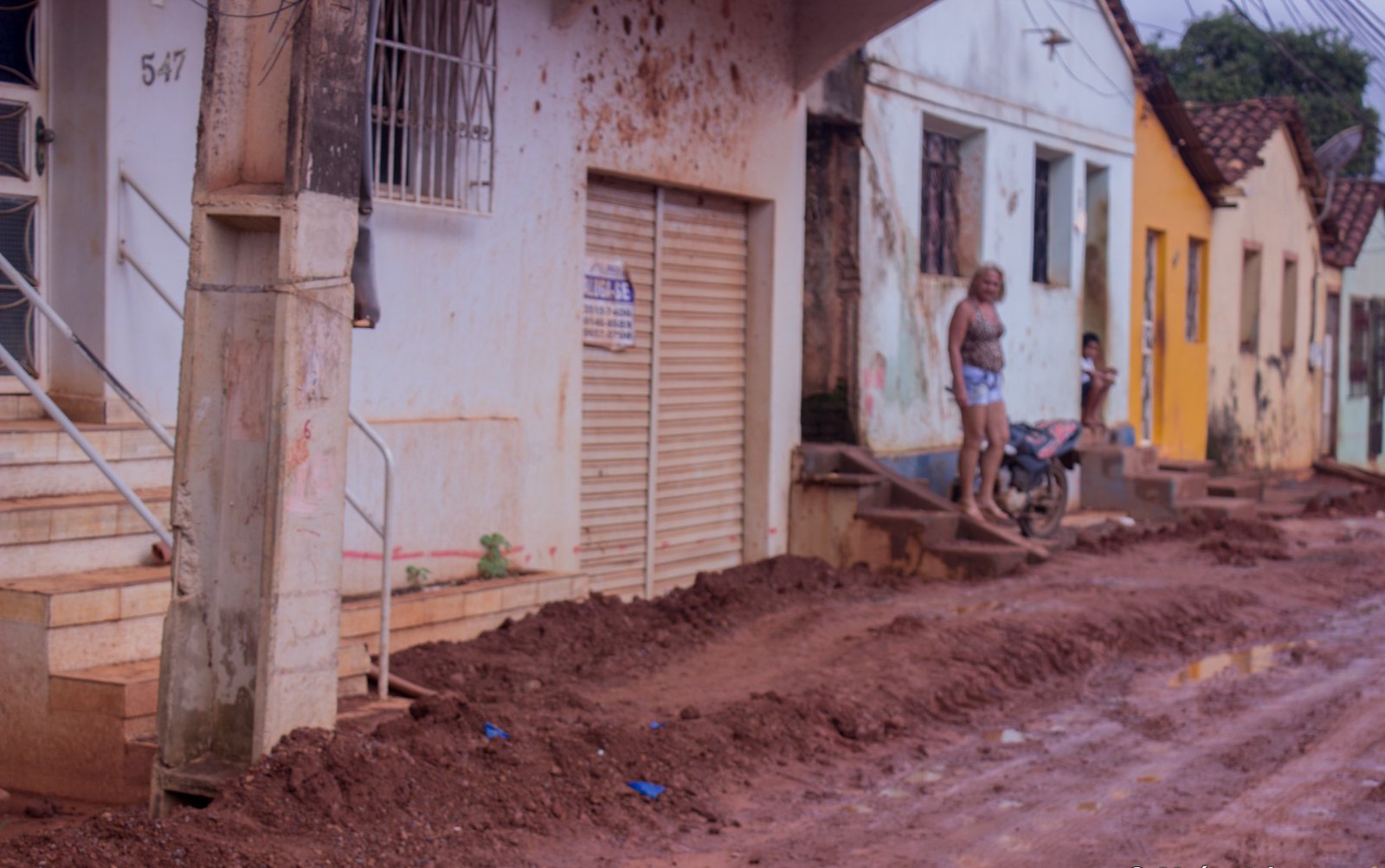
Photo: Amazon Watch / Maíra Irigaray.
Current situation
The protective measures granted by the IACHR remain in effect, but the Brazilian government has not fully complied with them, reporting only on general actions. The communities have documented the ongoing violations of their rights. The situation that prompted the request for these measures—the risk to the lives, physical integrity, and ways of life of the communities—persists and has worsened with the hydroelectric plant operating at full capacity and the recent extreme droughts in the Amazon.
In addition to the impacts of Belo Monte, there is a risk of further social and environmental impacts from the implementation of another mining megaproject in the Volta Grande do Xingu. There, the Canadian company Belo Sun plans to build Brazil’s largest open-pit gold mine.
The combined and cumulative impacts of the dam and the mine were not assessed. The government excluded Indigenous peoples, riverine and peasant communities from the project’s environmental permitting process. Despite protests by Indigenous communities and other irregularities surrounding the project, the government of Pará formally authorized the mine in April 2026.
Like other hydroelectric dams, Belo Monte exacerbates the climate emergency by generating greenhouse gas emissions in its reservoir. And it is inefficient amid the longer, more intense droughts caused by the crisis, as it loses its ability to generate power.
The case before the Inter-American Commission
In October 2017, the IACHR announced that it would rule jointly on the admissibility (whether the case meets the requirements for admission) and the merits (whether a human rights violation actually occurred) of the international complaint against the Brazilian State.
Fifteen years after the complaint was filed, the affected communities and the organizations representing them are still awaiting this decision. If the IACHR concludes that human rights violations occurred and issues recommendations that the Brazilian State fails to comply with, it may refer the case to the Inter-American Court of Human Rights, whose rulings are binding.
A potential ruling by the international court in this case would set a regional legal precedent regarding the rights of indigenous and riverine peoples, public participation in megaprojects, and state responsibility in the context of the climate crisis—a precedent that is particularly relevant in light of the Court’s Advisory Opinion No. 32, which reaffirmed the obligations of States to protect the people and communities of the continent from the climate emergency.
Partners:
Related projects
Victims of environmental contamination in La Oroya, Peru applaud the presentation of their case before the Inter-American Court of Human Rights
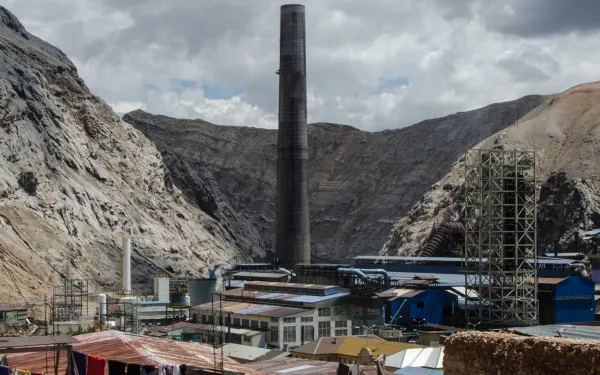
The decision, emitted by the Inter-American Commission on Human Rights, represents an important opportunity to restore the rights of affected residents. It’s the first time that a case of air pollution caused by business activities in an urban context has been brought before the Court. La Oroya, Peru. More than fifteen years after the case of environmental contamination in the city of La Oroya began, the Inter-American Commission on Human Rights established the Peruvian State’s responsibility for the violation of the affected population’s rights to life, integrity, health and a healthy environment. This month, the Commission referred the case to the Inter-American Court of Human Rights. "My sisters and I suffered exposure to heavy metals since we were children, having to migrate with our parents to an area far away from the contamination," said one of the victims, whose identity has been withheld due to the risk of reprisals for their role as environmental defenders. “We are thrilled to take one more step in this long process, in which so many of us have been involved. We are hopeful this will shine a ray of light on our path, and that our case will come to an end for the wellbeing of our health, so we can say 'Yes we could' in spite of so many falls.” The case originated with a petition, filed in 2005, by a group of La Oroya residents who, in the absence of responses at the national level, turned to the Commission to request precautionary measures. They subsequently denounced the violation of their rights resulting from chronic exposure to heavy metals (lead, cadmium and arsenic) from the metallurgical complex run by the company Doe Run Peru. The affected people appealed to the Inter-American Human Rights System because, although the Peruvian Constitutional Court ordered urgent measures for the protection of their rights in 2006, the State failed to comply with them. In an official communiqué on its decision, adopted on September 30, the Commission emphasized that "the State failed to comply with due diligence in its duties to regulate, supervise and oversee the behavior of the companies with respect to the rights they could affect, nor with its duty to prevent violations of these rights.” "We are happy for the news, so many years of waiting, frustration and fear. We are finally at the end,” said a mother whose parents and siblings were also affected by the contamination. “It’s a joy for all those who are present and for those who have left. We also thank the group of petitioners who have continued despite everything." The Interamerican Association for Environmental Defense (AIDA) and the Pro Human Rights Association (APRODEH), representatives of those affected in the case, welcome the Commission's decision, as it puts an end to several years of waiting and constitutes a great opportunity to restore the rights of the affected people. "It is a milestone for the Inter-American System because it is the first case to document a situation of environmental contamination, particularly air pollution, caused by business operations in an urban context," said Liliana Avila, Senior Attorney in AIDA's Human Rights Program. For Christian Huaylinos, Coordinator of APRODEH's Legal Department, "this case would allow the Court to advance State obligations regarding the special protection of populations that may be in a particularly vulnerable situation, such as children, adolescents and senior citizens. It would also address State responsibility, the obligations derived from the right to a healthy environment as an autonomous right, and its interdependence with other fundamental rights for human existence, such as health, life and personal integrity, as well as rights such as access to information, association and justice.” The contamination suffered by the inhabitants of La Oroya, many of them minors, particularly those who have come before the Commission, has had serious negative effects on their health with consequences that continue to this day. Although the metallurgical complex has implemented environmental management instruments, given the legal requirements at the national level aimed at mitigating and remediating the contamination caused, the State has granted extensions for their implementation without Doe Run Peru fully complying with its obligations. "I was very affected by the loss of my loved ones due to a lack of adequate healthcare, which lead to death. We’ve lost many people,” said one of the inhabitants of La Oroya, who has been affected since she was a minor and had to migrate to Lima with her mother. “We want to be treated well when we go to the doctor. I’ve lost my sisters and my father; we are all affected. I remember as I child I used to get spots from the arsenic.” She requests that the Court focus on the Peruvian health system when hearing the case and learning about its impacts. In all these years, the Peruvian State has failed to oversee, regulate and remedy the damage caused by the metallurgical complex. Its actions and omissions continue to violate human rights, to the detriment of the families of La Oroya. Members of the La Oroya community who have defended their right to a healthy environment have also been subjected to harassment and accusations. In this regard, the IACHR concluded that the State did not carry out "serious and effective criminal or administrative investigations to guarantee access to justice for the victims who were subjected to threats, harassment or reprisals by Doe Run Peru workers, as a result of the complaints made about the contamination." AIDA and APRODEH express their satisfaction with the presentation of the case before the Court and reiterate their commitment to the victims of La Oroya, to the defense of human rights, and the right to a healthy environment. press contacts: Victor Quintanilla (Mexico), AIDA, [email protected], +525570522107 Christian Huaylinos Camacuari (Peru), APRODEH, [email protected], +51959789232
Read more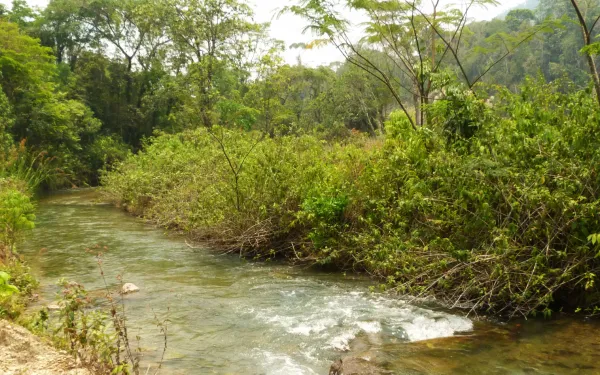
Historic recommendation paves the way for development bank to exit harmful hydroelectric projects in indigenous territory
For the first time, a case brought before the Inter-American Development Bank’s (IDB) Independent Consultation and Investigation Mechanism (MICI) opens the possibility for the bank to responsibly exit financing granted to hydroelectric projects, after concluding that the investment was made without acknowledging the presence of indigenous peoples, thus violating the bank’s operational policies. Washington DC, United States. The Independent Consultation and Investigation Mechanism (MICI) of the Inter-American Development Bank Group concluded that, within the framework of the financing granted to the Generadora San Mateo and Generadora San Andrés hydroelectric projects—located in the Yich K'isis micro-region, territory of the Native Maya Chuj Guatemala Nation—IDB Invest ignored the presence of indigenous peoples in the area by failing to verify their existence, thus ruling out the implementation of safeguards to protect them. MICI also established that the Bank failed to comply with several of its internal policies and, based on this, opened the possibility for a responsible withdrawal of the investment. These and other findings are contained in the case’s Final Report, approved by the IDB Board of Executive Directors, in which MICI resolved the complaint filed in 2018 by the affected communities—represented by the Ancestral Plurinational Government of the Maya Q'anjob'al, Maya Chuj, Maya Akateko, Maya Popti and Mestiza Native Nations; the Interamerican Association for Environmental Defense (AIDA); and the International Platform Against Impunity. Of the 29 recommendations issued in the report: 10 are aimed at institutional changes to avoid non-compliance with environmental and social safeguards in other IDB Invest operations; 18 are focused on implementing specific corrective actions to redirect the San Mateo and San Andrés projects; and one of them, number 29, opens the possibility for IDB Invest to withdraw its investment from the hydroelectric plants. "In case of exit from the Projects, IDB Invest should adopt the necessary provisions to ensure a responsible exit from Operations," the report reads. "Recommendation 29 is the most consistent with the findings of the Final Report and the one that best responds to the request that the communities have made since the beginning of the process: it is unsustainable for IDB Invest to finance projects that were developed in indigenous territories while ignoring their presence," said Liliana Ávila, senior attorney at AIDA. "In an effective accountability process, the bank must be held responsible for its mistakes and remedy the damage it has caused." This represents a milestone for the region, as it is the first time that MICI has made such a consistent recommendation regarding projects under investigation. The recommendation demonstrates improvements in the bank's accountability processes, increases opportunities for communities affected by IDB Group-financed projects, and sets a precedent for better financing practices. "The report sets a precedent for accountability in the region. It puts MICI and the compliance verification phase one step closer to responding to the requests and demands of affected communities," said Carolina Juaneda, Latin America Coordinator for the Bank Information Center. "Recommendation 29 is a novel and encouraging development, as it puts the requests and demands of the communities that have been negatively affected by the projects at center stage. Although there are still many challenges to continue working on, the report undoubtedly represents a clear and powerful step toward strengthening accountability in the region." For the communities, it is through full compliance with Recommendation 29 that their primary request may finally be answered. The bank’s divestment from the dams must incorporate a responsible, participatory and comprehensive withdrawal plan that respects the good faith consultation carried out in 2009, in which the communities decided not to carry out the such projects in their territory. The plan must include: 1) recognition and restoration of social and cultural damages caused; 2) respect for the rights of indigenous peoples and recognition and restoration of the damages generated; 3) recognition and restoration of the damages generated by the differentiated impacts on women; and 4) prevention, mitigation and restoration measures from an environmental perspective. "The measures proposed in Recommendation 29 should have been part of the project planning phase. By not having considered them in its initial phase, a series of impacts and damages to the community were generated," stated Mara Bocaletti, Regional Director of the International Platform Against Impunity. "Only a responsible exit process by the investors will be able to restore the conditions of credibility towards the accountability mechanisms of international financial institutions." Another of the communities' expectations is that the IDB Group will guarantee their access to information and participation in the following phases of the process, which would allow the effective guarantee of their rights and the improvement of the bank's protection strategies. "This report is very valuable because it recognizes the impacts generated by the projects and validates the complaints we have been making for years. It is an important report not only for us, but for all indigenous peoples in Guatemala," said Lucas Marcos, local authority. "The bank's responsible withdrawal from the projects will allow us to maintain our rivers and access to water for us and our families." In addition to non-compliance with the IDB's policy on indigenous peoples, MICI concluded that the development of the San Mateo and San Andres projects caused differentiated impacts on women, environmental impacts, increased conflict, and harm to the social fabric. It also found that the bank did not guarantee access to information for the communities. "It is a serious wrongdoing that the bank has prioritized the advancement of these projects despite failing to comply with its internal requirements, to the detriment of our life as communities and ignoring our presence as indigenous peoples," said Rigoberto Juarez, Coordinator of the Plurinational Government of the Maya Q'anjob'al, Maya Chuj, Maya Akateko, Maya Popti and Mestiza indigenous nations. "Our individual and collective rights cannot be undermined in the face of private interests; consequently, a responsible withdrawal is the least the bank can do in the face of the magnitude of the damages caused. We hope that this will not happen again in other cases, and that the bank will assume its responsibility to respect the rights of indigenous peoples." The outcome of this complaint, as well as the international attention surrounding the case, is the result of a process of organization and resistance undertaken by the Mayan men and women of Yich K'isis upon being faced with of the imposition of large-scale hydroelectric projects, developed without due diligence and without consultation. For years, they have been demanding respect for their ways of life, and the value they hold for their water and their culture. The MICI report, apart from supporting the allegations of the affected communities regarding the violations of their rights, also sets an important precedent for Guatemala. This decision should be taken into account on a national level to address the countless irregularities and rights violations denounced throughout the country in the context of the implementation of mega-development projects, specifically large dams. press contacts Victor Quintanilla (Mexico), AIDA, [email protected], +525570522107 Camila Castellanos, International Platform Against Impunity, [email protected]
Read more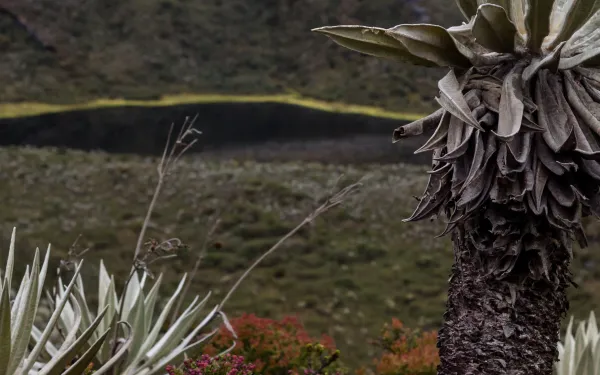
International Arbitration Tribunal rules in favour of a Canadian company and puts foreign investment above Colombia's legitimate right to protect Santurbán
Bucaramanga, Bogotá, Washington, Ottawa. National and international civil society organizations are widely rejecting the decision made by the International Centre for Settlement of Investment Disputes (ICSID) on September 10 in the case of Eco Oro v. Colombia, for at least three reasons: we consider that (i) it is inconsistent and reflects a profound ignorance of the socio-environmental complexity of the case; (ii) it is the result of an unfair and widely discretionary investment arbitration system that allows for arbitrary decisions made by those who oversee these cases and, (iii) increases the risk of further arbitrations being brought against the State of Colombia at the ICSID. ICSID is one of the institutions responsible for resolving disputes between States and international investors — in this case, within the context of the Canada-Colombia Free Trade Agreement. In the case of Eco Oro v. Colombia, the ICSID Tribunal concluded that, although the protection measures of the páramos adopted by Colombia were legitimate and did not constitute an expropriation of the rights of the Canadian company Eco Oro, its actions in the delimitation of the Páramo de Santurbán did violate the “minimum standard of treatment” to foreigners. The Tribunal has yet to decide on compensation for damages to Eco Oro and has asked both parties for more information to inform its decision. The Tribunal’s decision was the result of a process initiated by a supranational arbitration claim filed by the Canadian company Eco Oro against Colombia in 2016, which questioned the decisions made by the Colombian government to protect the páramos — the natural source of water for 70% of inhabitants. The Canadian investor [Eco Oro] intends to construct the Angostura gold mine in the Santurbán páramo, located in the northeast of the country. An inconsistent decision that ignores the socio-environmental complexities of the case. The majority of the Tribunal held that the decisions made by the Colombian government were in accordance with Colombian national law and were made with the legitimate aim of protecting the environment. In addition, the Tribunal recognized that the páramos are being threatened by both human intervention and climate change and that the possibility of their recovery from mining activities is very low, which is why it is necessary to protect them. As a result, the Tribunal rejected Eco Oro’s argument that the precautionary principle was not applicable, and pointed out that the Santurbán case was an example where it was, in fact, relevant. This was the grounds for rejecting one of Eco Oro’s claims that its rights had been indirectly expropriated by the State of Colombia. On the contrary, the Tribunal found that the measures adopted by the country were a legitimate exercise in environmental protection. However, when examining a second claim, the Tribunal explained that the inconsistency, hesitation and inaction of the State of Colombia in the delimitation of the Santurbán páramo had thwarted Eco Oro's investment expectations without any “apparent legitimate justification,” and had therefore not granted the investor "fair and equitable treatment" in accordance with the "minimum standard of treatment" for foreigners. This last ruling of the Tribunal is inconsistent. It ignores the socio-environmental complexity of the case and the challenges of materializing the right to environmental participation within the process of delimitation of the páramo. Although the decision recognizes that the delimitation involves managing widely disparate interests throughout the process, in the end — in a ruling far removed from the reality of Santurbán and its communities — the Tribunal took this process lightly, dismissing its complexities, and appears to have not taken it as legitimate and sufficient justification. An unpredictable, limiting and unfair arbitration system. "The Tribunal's decisions are not predictable, since decisions in one case do not bind future rulings on environmental issues. There is no precedent set, as traditionally understood in the system. The breadth of the clauses and the arbitrators' freedom of interpretation are excessive, which is problematic not only for Colombia but for all countries in the region," said Yeny Rodriguez, a lawyer with the Interamerican Association for Environmental Defense (AIDA). This decision allows mining investment to prevail over the Colombian State's obligation to protect the environment and the water of Colombians. We question the fact that the Tribunal has made its decision but has not judged the lack of due diligence by the Canadian company who knew from the beginning that its mining project overlapped with a páramo zone — a sensitive ecosystem protected by national law. This case demonstrates the arbitrary and overreaching nature of the supranational arbitration system, and the way in which it disciplines and punishes the governments of the Global South. It’s worth remembering that in February 2019, the Tribunal rejected the possible participation of the Santurbán Committee in the process. Uncertainty for Colombia. Carla García Zendejas, Director of the People, Land and Resources Program of the Center for International Environmental Law (CIEL) stated, "The legal uncertainty that the supranational investment arbitration system represents for Colombia is enormous. The high levels of arbitrariness that characterizes the system leads to penalizing States for any circumstance in which expected profits are affected. And this is especially critical for Colombia, as there are other lawsuits against the country resulting from extractive projects linked to Santurbán and other fragile ecosystems. This could mean a domino effect of lawsuits and heavy penalties against Colombians." Two other lawsuits are currently underway before ICSID against the country by Canadian mining companies — Red Eagle Exploration and Galway Gold — for measures taken to protect the Santurbán páramo. There are also other lawsuits filed by Cosigo Resources, South32 Investments Limited, Gran Colombia Gold, Glencore International and Anglo American in connection to other extractive projects. We call on the Colombian State to denounce the free trade agreements and bilateral investment protection agreements to which it is party and to refrain from signing such instruments in the future. It is for these reasons above that today the Comité para la Defensa del Agua y el Páramo de Santurbán (Committee for the Defense of Water and the Páramo of Santurbán) is holding a day of protest in front of the Canadian Embassy in Bogotá, demanding that ICSID respect their legitimate fight for the defense of water, Santurbán and the páramos of Colombia. Likewise, we are also in front of Congress, demanding that the Investment Protection Agreements with the United Arab Emirates-Minesa be rejected. press contacts Comité para la Defensa del Agua y el Páramo de Santurbán, [email protected], +57 3012080622 Carla García Zendejas, Center for International Environmental Law (CIEL), [email protected], +1 202 374 2550 Yeny Rodríguez Junco, Interamerican Association for Environmental Defense (AIDA), [email protected], +57 3107787601 Jamie Kneen, MiningWatch Canada, [email protected], +1(613) 761-2273 Manuel Pérez Rocha, Institute for Policy Studies, [email protected], +1 240 838 6623
Read more