
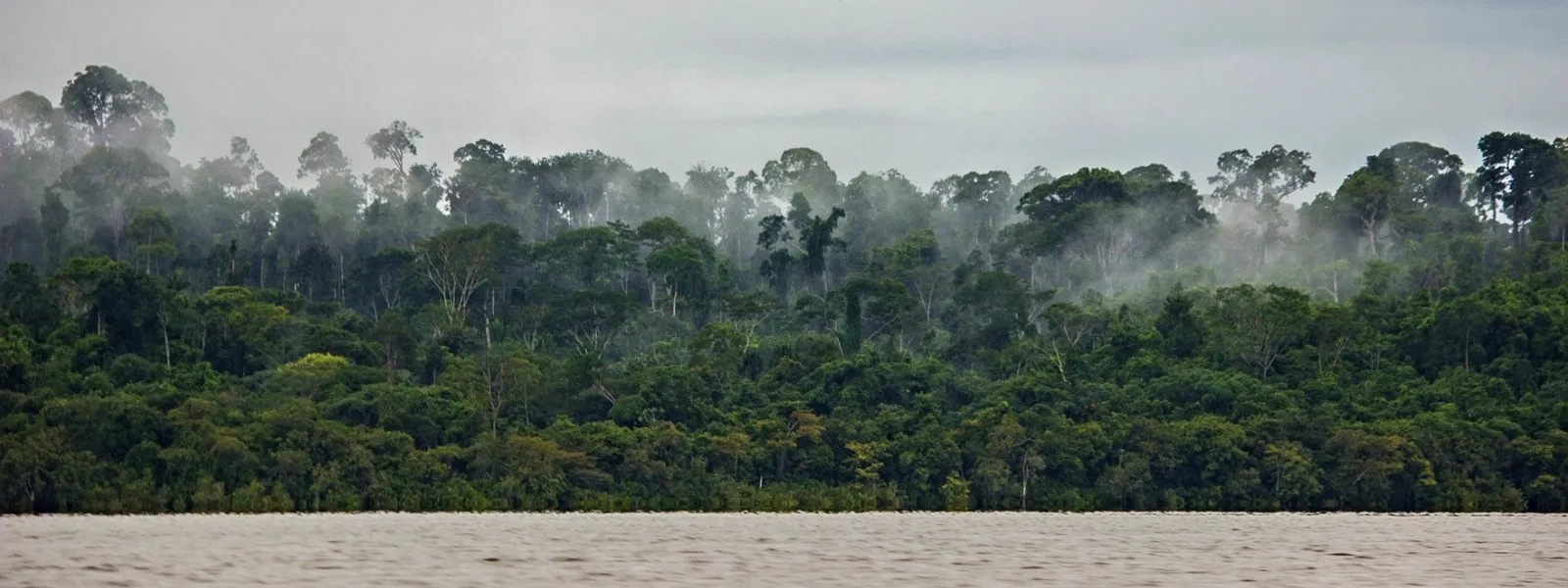
Project
Amazon Watch / Maíra Irigaray
The Belo Monte Dam on the Xingu River: 10 years of impacts in the Amazon and the search for reparations
The Belo Monte Dam has caused an environmental and social disaster in the heart of the Amazon—one of the most important ecosystems on the planet.
This situation has only worsened since the hydroelectric plant began operations in 2016. The quest for justice and reparations by the affected indigenous, fishing, and riverine communities continues to this day.
In 2011, the Inter-American Commission on Human Rights (IACHR) granted them protective measures that, to date, have not been fully implemented by the Brazilian State.
Furthermore, since June of that same year, the IACHR has yet to rule on a complaint against the State regarding its international responsibility in the case.
The IACHR may refer the case to the Inter-American Court of Human Rights, which has the authority to issue a ruling condemning the Brazilian State.
After 10 years of the hydroelectric plant's operation and more than 15 years of documented human rights violations, it is time for justice to be served for the affected communities.
Read the open letter from the organizations bringing the case before the IACHR
Background
The Belo Monte hydroelectric plant—the fourth largest in the world by installed capacity (11,233 MW)—was built on the Xingu River in Pará, a state in northern Brazil.
It was inaugurated on May 5, 2016, with a single turbine. At that time, 80% of the river’s course was diverted, flooding 516 km² of land—an area larger than the city of Chicago. Of that area, 400 km² was native forest. The dam began operating at full capacity in November 2019.
Belo Monte was built and is operated by the Norte Energia S.A. consortium, which is composed primarily of state-owned companies. It was financed by the Brazilian Development Bank (BNDES), which provided the consortium with 25.4 billion reais (approximately US$10.16 billion), the largest investment in the bank’s history. Therefore, the BNDES is also legally responsible for the socio-environmental impacts associated with the hydroelectric plant.
Decades of harm to the environment and people
Human rights violations and degradation of the Amazon have been occurring since the project’s inception. In March 2011, Norte Energía began construction of the dam without adequate consultation and without the prior, free, and informed consent of the affected communities.
The construction caused the forced displacement of more than 40,000 people, severing social and cultural ties. The resettlement plan in Altamira—a city directly affected by the hydroelectric dam—involved housing units located on the outskirts, lacking adequate public services and decent living conditions for the relocated families, with no special provisions for those from indigenous communities.
Belo Monte's operations have caused a permanent, man-made drought in the Volta Grande (or "Great Bend") of the Xingu River, exacerbated by the historic droughts in the Amazon in 2023 and 2024. As a result, the deaths of millions of fish eggs were documented for four consecutive years (from 2021 to 2024), and for the past three years, there has been no upstream migration of fish to spawn and reproduce. Thus, artisanal fishing, the main source of protein for indigenous peoples and riverside communities, was severely affected: fish dropped from 50% to 30% of total protein consumed, replaced by processed foods. In summary, there was an environmental and humanitarian collapse that resulted in the breakdown of fishing as a traditional way of life, food insecurity, and access to drinking water for thousands of families, impoverishment, and disease.
Furthermore, the construction of the dam increased deforestation and intensified illegal logging and insecurity on indigenous and tribal lands, putting the survival of these communities at risk. Another consequence was the deepening of poverty and social conflicts, as well as the strain on health, education, and public safety systems in Altamira—a city ranked as the most violent in the country in 2017, where human trafficking and sexual violence increased. Violence was also reported against human rights defenders involved in the case.
In 2025, during the 30th UN Climate Change Conference (COP30), held in Brazil, the Federal Public Prosecutor’s Office labeled the damage caused by the Belo Monte dam as ecocide.
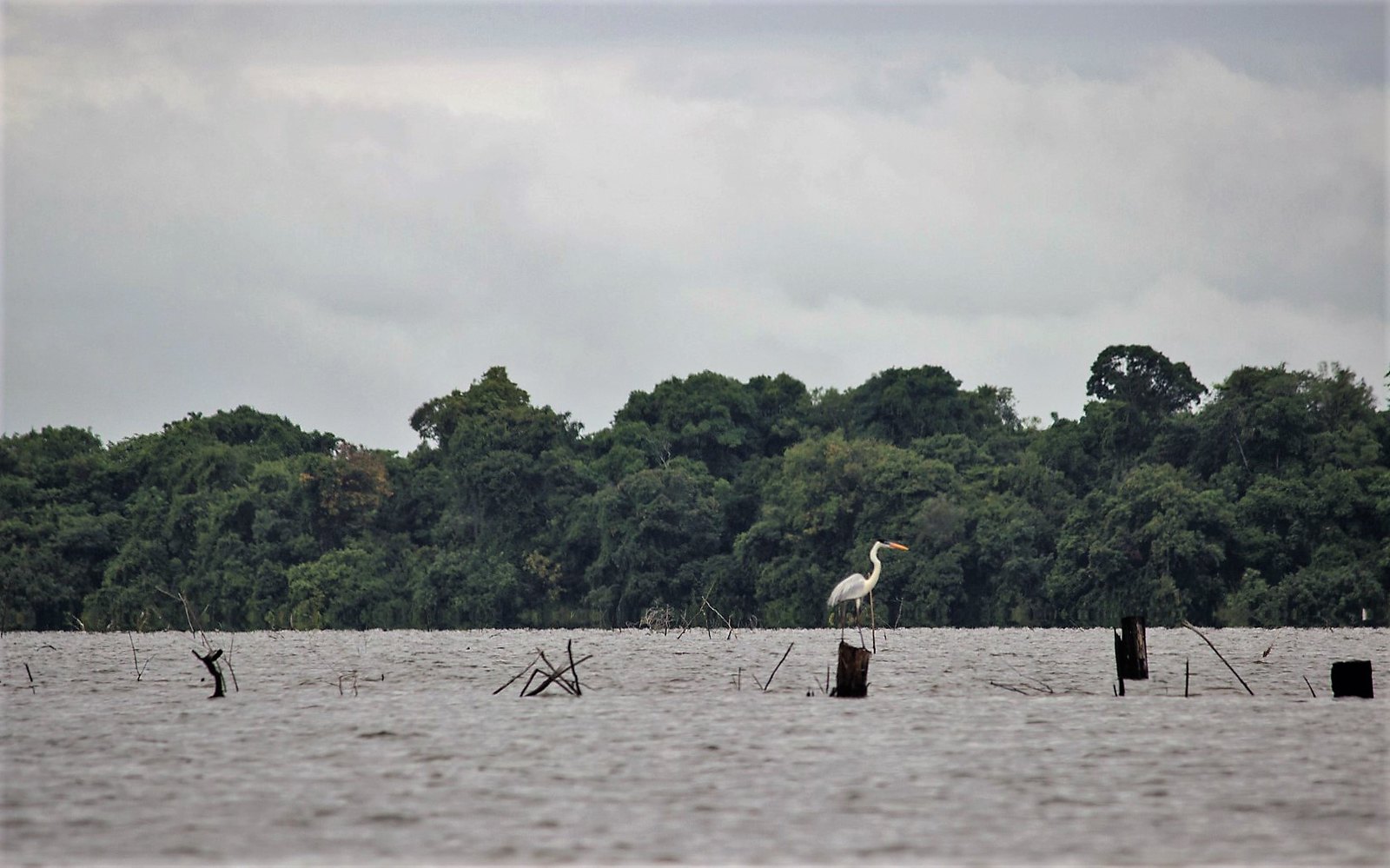
Photo: Amazon Watch / Maíra Irigaray.
The search for justice and reparations
Over the years, the Federal Public Prosecutor’s Office in Pará, the Public Defender’s Office, and civil society organizations have filed dozens of legal actions in Brazilian courts to challenge the project’s various irregularities and its impacts. Most of the claims are still pending resolution, some for more than 10 years.
These efforts have failed because the national government has repeatedly overturned rulings in favor of the affected communities by invoking a mechanism that allowed a court president to suspend a judicial decision based solely on generic arguments such as "the national interest" or "economic order."
In the absence of effective responses at the national level, AIDA, together with a coalition of partner organizations, brought the case before the Inter-American Commission on Human Rights (IACHR) and, in 2010, requested precautionary measures to protect the lives, safety, and health of the affected indigenous communities.
On April 1, 2011, the IACHR granted these measures and requested that the Brazilian government suspend environmental permits and any construction work until the conditions related to prior consultation and the protection of the health and safety of the communities are met.
And on June 16, 2011 —together with the Xingu Vivo Para Sempre Movement, the Coordinating Committee of Indigenous Organizations of the Brazilian Amazon, the Diocese of Altamira, the Indigenous Missionary Council, the Pará Society for the Defense of Human Rights and Global Justice— we filed a formal complaint against the Brazilian State for its international responsibility in the violation of the human rights of the people affected in the case. The case was opened for processing in December 2015.
On August 3, 2011, the IACHR amended the precautionary measures to request, instead of the suspension of permits and construction, the protection of people living in voluntary isolation, the health of indigenous communities, and the regularization and protection of ancestral lands.
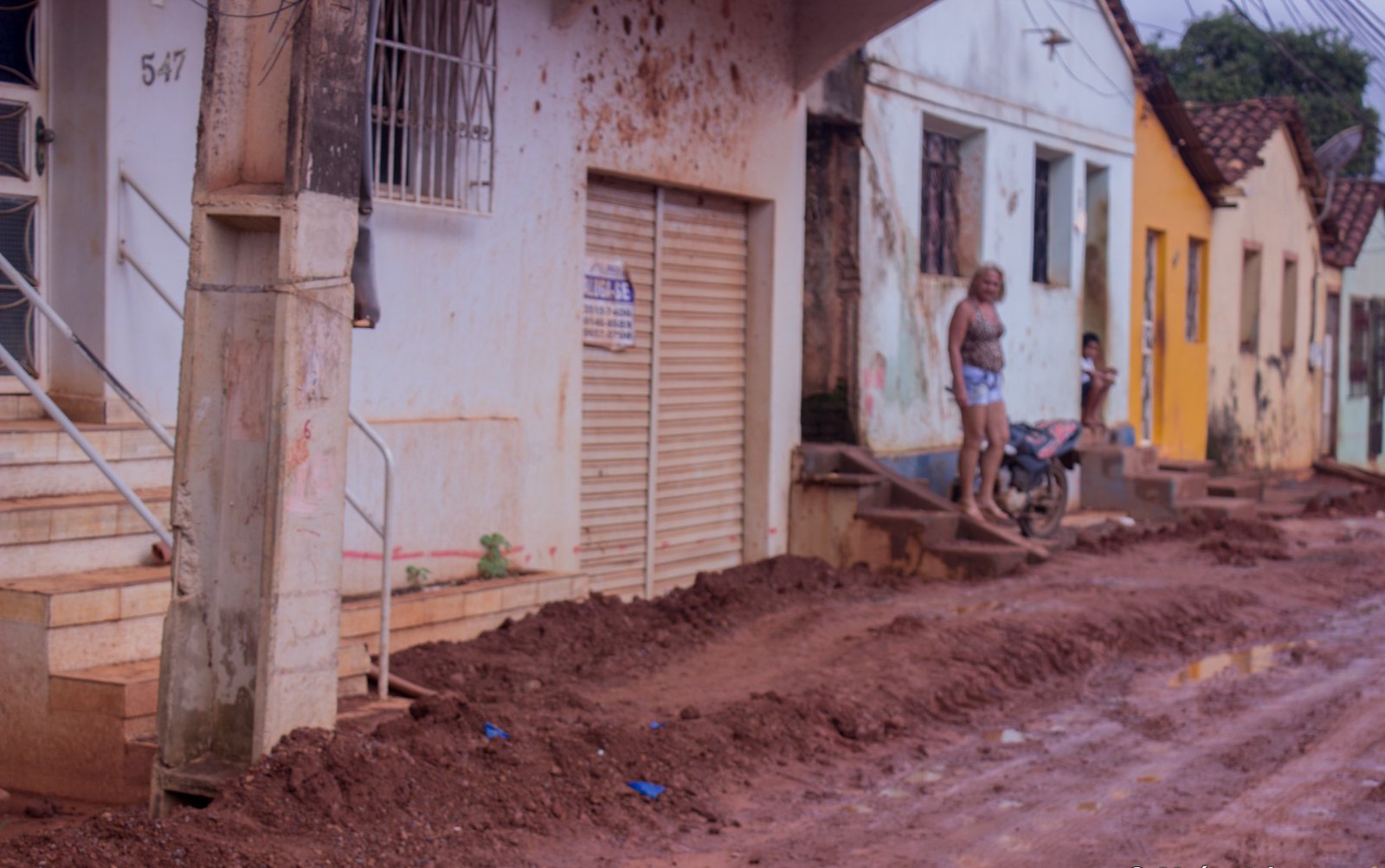
Photo: Amazon Watch / Maíra Irigaray.
Current situation
The protective measures granted by the IACHR remain in effect, but the Brazilian government has not fully complied with them, reporting only on general actions. The communities have documented the ongoing violations of their rights. The situation that prompted the request for these measures—the risk to the lives, physical integrity, and ways of life of the communities—persists and has worsened with the hydroelectric plant operating at full capacity and the recent extreme droughts in the Amazon.
In addition to the impacts of Belo Monte, there is a risk of further social and environmental impacts from the implementation of another mining megaproject in the Volta Grande do Xingu. There, the Canadian company Belo Sun plans to build Brazil’s largest open-pit gold mine.
The combined and cumulative impacts of the dam and the mine were not assessed. The government excluded Indigenous peoples, riverine and peasant communities from the project’s environmental permitting process. Despite protests by Indigenous communities and other irregularities surrounding the project, the government of Pará formally authorized the mine in April 2026.
Like other hydroelectric dams, Belo Monte exacerbates the climate emergency by generating greenhouse gas emissions in its reservoir. And it is inefficient amid the longer, more intense droughts caused by the crisis, as it loses its ability to generate power.
The case before the Inter-American Commission
In October 2017, the IACHR announced that it would rule jointly on the admissibility (whether the case meets the requirements for admission) and the merits (whether a human rights violation actually occurred) of the international complaint against the Brazilian State.
Fifteen years after the complaint was filed, the affected communities and the organizations representing them are still awaiting this decision. If the IACHR concludes that human rights violations occurred and issues recommendations that the Brazilian State fails to comply with, it may refer the case to the Inter-American Court of Human Rights, whose rulings are binding.
A potential ruling by the international court in this case would set a regional legal precedent regarding the rights of indigenous and riverine peoples, public participation in megaprojects, and state responsibility in the context of the climate crisis—a precedent that is particularly relevant in light of the Court’s Advisory Opinion No. 32, which reaffirmed the obligations of States to protect the people and communities of the continent from the climate emergency.
Partners:
Related projects
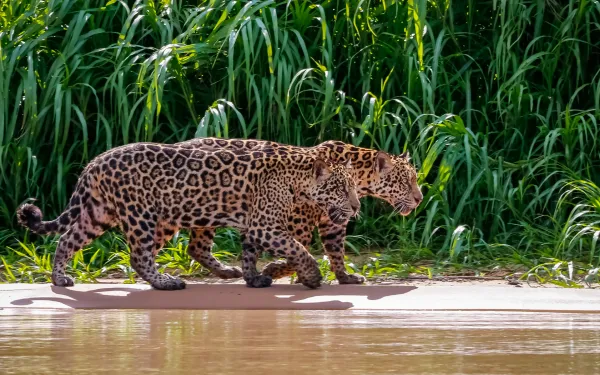
In-danger designation requested for Pantanal wetlands in Brazil, Bolivia and Paraguay
On World Wetlands Day, advocates urged the Ramsar Convention Secretariat to conduct an advisory visit to wetlands severely affected by fires, and for the governments of the three countries to inscribe the sites on the global list of wetlands at risk of disappearing. Gland, Switzerland -- Civil society organizations sent an urgent alert to the Ramsar Convention today requesting a full assessment of damage caused by recent fires in the Pantanal, the world’s largest tropical wetland, a natural area shared between Brazil, Bolivia and Paraguay. The groups requested that the Secretariat conduct an advisory mission to analyze the state of six wetlands, which the Convention has recognized as being sites of international importance, and for the wetlands to be included on the Montreux Record, a list of the world’s most at-risk wetlands. The Interamerican Association for Environmental Defense (AIDA), the Center for Biological Diversity and Ecologia e Ação (ECOA) sent the alert on World Wetlands Day. They also urged the three governments to urgently implement measures to preserve the Pantanal as a transboundary ecosystem. The Ramsar sites addressed in the request are the Bolivian Pantanal; the Reserva Particular do Patrimonio Natural SESC Pantanal, the Reserva Particular do Patrimonio Natural Fazenda Rio Negro, the Pantanal Matogrosense National Park and the Taiamã Ecological Station in Brazil; as well as the Rio Negro National Park in Paraguay. "A Ramsar in-danger designation is crucial to combating the Pantanal’s huge and unprecedented fires, which now threaten Bolivia, Brazil and Paraguay," said Alejandro Olivera, a senior scientist with the Center for Biological Diversity. "Public policies that promote agriculture and livestock expansion and allow burning within the Pantanal have combined with limited cross-border collaboration to create a tinderbox. Ecosystem-damaging fires will continue without stronger commitments to protect these critical wetland habitats." In 2020, fires devastated 4.3 million hectares of the Pantanal region, the highest number since monitoring began in 1998; the number of fires burning in the area was 508% more than average. That same year, fires burned 100 percent of the Pantanal National Park Matogrossense. At least 10 million animals died in just three months. Unusually large fires continued in July 2021. "We are asking the States to comply with the obligations acquired before the Convention, generating coherent mechanisms and implementing policies and norms to protect the Pantanal," explained AIDA attorney Claudia Velarde. "An advisory mission to the six Ramsar sites could provide specialized assistance to the Brazilian, Bolivian and Paraguayan governments to overcome the conditions that pose risks to the conservation and wise use of this key wetland.” Likewise, the inscription of the sites on the Montreux Record can result in economic aid, support and technical advice, for the recovery of the Pantanal in the three countries. "We sent an urgent alert for Bolivia, Brazil and Paraguay to focus on the Pantanal as the world's largest transboundary freshwater wetland," said Andre Siqueira, President Director of ECOA. "The Ramsar Convention cannot achieve its objectives if the ecosystems it protects are significantly damaged by the continued use of fire, agribusiness and the lack of adequate resources to fight fires." The biodiversity and ecological richness of the Pantanal is incalculable. At least 3,500 species of plants, about 600 birds, 150 mammals, 175 reptiles, 40 amphibians and 300 freshwater fish inhabit the biome. Many are in danger of extinction in other regions, such as the tuyuyú and the jaguar, the marsh deer, the giant otter and the macaw, all emblematic species of the biome. The Pantanal is home to the highest concentration of species such as the jaguar and the caiman. press contacts: Alejandro Olivera (Mexico), Center for Biological Diversity, +52 612 1040604, [email protected] Victor Quintanilla (Mexico), AIDA, +521 5570522107, [email protected] André Luiz Siqueira (Brazil), ECOA, +55 67 33243230, [email protected]
Read more
Environmental responsibility through supply chains
This report emphasizes the importance of binding legislation for companies to comply with environmental aspects as well as human rights throughout their supply chains.The document reviews environmental impact assessments as an instrument of due diligence and corporate responsibility in their supply chains. It examines the independent monitoring of impacts of business operations, and reflects on environmental guarantees and human rights for the legislative processes of due diligence. Download the publication
Read more
5 important advances for the environmental movement in 2021
Across the region and the world, civil society movements are becoming stronger and ensuring their voices are heard in important decision-making spaces. Actions born locally, and implemented across geography and ideology, are enabling progress on a common goal that transcends borders: the protection of our planet, and the people that most closely depend on it. The best cases and demands reach not only the highest level of their jurisdiction, but set replicable precedents for the movement at large. Given the considerable stress of the year, we wanted to take a moment to look at some of the good things that happened in 2021, all of which will help further and strengthen our work. These five advances were achieved thanks to countless activists, advocates, academics and governments from Latin America, and the world. They’re helping pave the way for accountability, the protection of human rights, and new legal tools that strengthen the global movement for climate and environmental justice. 1. Escazú Agreement enters into force On Earth Day 2021, the region celebrated the entry into force of the Escazú Agreement, the first environmental rights treaty in Latin America and the Caribbean and the only in the world to enshrine protection for environmental defenders. Escazú seeks to guarantee access to information, public participation and justice in environmental matters, all of which are necessary to facilitate the work and protect the lives of environmental defenders. It also recognizes the need for protection measures for communities in vulnerable situations. With the ratification of Argentina and Mexico, the necessary accessions for this breakthrough were achieved. The agreement is also the result of many years of work by civil society, a sector that promoted the development of Principle 10 of the Rio Declaration on Environment and Development, which is key to guaranteeing the human right to a healthy and sustainable environment. Now that it has entered into force, governments must integrate the responsibilities that Escazú establishes into their domestic systems so that defenders and communities can use it to their advantage. Only then will it truly be effective. 2. Court orders Shell to cut emissions by nearly half In a landmark ruling in the citizens' struggle for climate justice, the District Court of The Hague ordered the Anglo-Dutch company Shell to reduce its emissions by 45 percent by 2030. The verdict provides, for the first time, that a company and its subsidiaries must align their policies with global emissions reduction targets, such as those stipulated in the Paris Agreement. It sets a global precedent that was reached thanks to a lawsuit filed by several civil society organizations and more than 17,000 Dutch citizens. The main objective of the lawsuit was not to obtain financial compensation for damages, but to force the oil company to reduce its emissions. This case opened the discussion about the responsibility of companies in aggravating the climate crisis, and was a pioneer in the application of the UN guiding principles on business and human rights. Niels Hazekam, Senior Policy Advisor at Both Ends, one of the organizations involved in the lawsuit, explained the details of the Shell litigation in this AIDA webinar. This victory represents a major advance towards using judicial systems as tools to advance climate justice, with great potential for replication in other parts of the world, including Latin America. 3. International court reaffirms environmental protection in Costa Rica It is legitimate for a country to declare itself free of open-pit mining as part of its environmental protection objectives, declared the ICSID arbitration tribunal of the World Bank in response to a case filed by the mining company Infinito Gold against Costa Rica. In the arbitration, the mining company demanded the payment of $400 million dollars as compensation for the profits not received when the country annulled its mineral exploitation concession. In the early stages of the Crucitas mining project, AIDA warned the Costa Rican government of the threats it would pose to the environment and human rights. In 2008, the government issued a decree declaring the project of interest. Then, in 2011, the Supreme Court upheld a prior court decision to declare the Crucitas project illegal. Clearly unhappy with this decision, Infinito Gold began international arbitration and requested compensation for losses. This year, ICSID concluded that Costa Rica will not have to pay and clarified that the country did not deny the company access to local justice. The decision is an important step forward in the face of the growing intention of companies to sue governments for deciding to protect certain ecosystems. 4. The UN recognizes the human right to a healthy environment On October 8, in a historic day for the future of the planet, the United Nations Human Rights Council recognized that all people have a human right to a safe, healthy, clean and sustainable environment. Costa Rica, Slovenia, Maldives, Morocco and Switzerland led efforts within the Council in the latest stage of a long struggle, along with thousands of organizations, movements, businesses and advocates who joined the call for a #HealthyEnvironmentForAll. By circulating letters and inviting civil society around the world, they were able to show the legitimate interest in recognizing this right. This milestone in the history of international environmental law is the result of nearly 50 years of work by thousands of people who, since the Stockholm Declaration in 1972, have laid the groundwork for this day. Also on 8 October, the Council established the creation of a new Special Rapporteur to promote human rights in the context of climate change. This action responded to a request from civil society, in which AIDA was the meeting and coordination point in Latin America to mobilize the decision. 5. Pollution case goes to the Inter-American Court After more than 15 years, the case of human rights violations due to environmental contamination in La Oroya, Peru, reached the Inter-American Court of Human Rights. It is the first time that a case of air pollution caused by business activities in an urban context has reached the Court. The Inter-American Commission brought the case before the Court after establishing the international responsibility of the State, in response to a petition of a group of local residents—represented by AIDA and our allies—who have been chronically exposed to heavy metals from the Doe Run Peru metallurgical complex. The affected people appealed to the Inter-American Human Rights System because, despite the Peruvian Constitutional Court's order in 2006 for urgent measures to protect their rights, the State failed to comply. The presentation of the case before the Court represents a unique opportunity to restore the rights of the affected persons. Read more and learn about AIDA’s top victories of the year in our 2021 Annual Report!
Read more