
Project
Amazon Watch / Maíra Irigaray
The Belo Monte Dam on the Xingu River: 10 years of impacts in the Amazon and the search for reparations
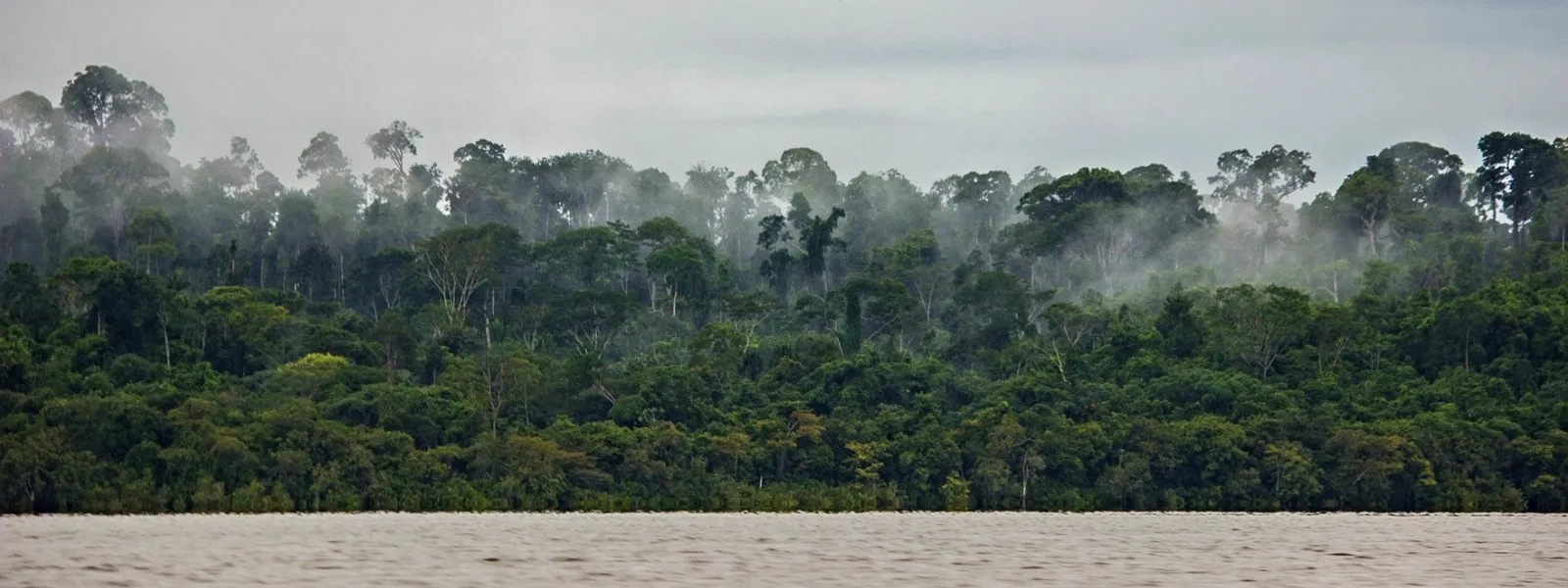
The Belo Monte Dam has caused an environmental and social disaster in the heart of the Amazon—one of the most important ecosystems on the planet.
This situation has only worsened since the hydroelectric plant began operations in 2016. The quest for justice and reparations by the affected indigenous, fishing, and riverine communities continues to this day.
In 2011, the Inter-American Commission on Human Rights (IACHR) granted them protective measures that, to date, have not been fully implemented by the Brazilian State.
Furthermore, since June of that same year, the IACHR has yet to rule on a complaint against the State regarding its international responsibility in the case.
The IACHR may refer the case to the Inter-American Court of Human Rights, which has the authority to issue a ruling condemning the Brazilian State.
After 10 years of the hydroelectric plant's operation and more than 15 years of documented human rights violations, it is time for justice to be served for the affected communities.
Read the open letter from the organizations bringing the case before the IACHR
Background
The Belo Monte hydroelectric plant—the fourth largest in the world by installed capacity (11,233 MW)—was built on the Xingu River in Pará, a state in northern Brazil.
It was inaugurated on May 5, 2016, with a single turbine. At that time, 80% of the river’s course was diverted, flooding 516 km² of land—an area larger than the city of Chicago. Of that area, 400 km² was native forest. The dam began operating at full capacity in November 2019.
Belo Monte was built and is operated by the Norte Energia S.A. consortium, which is composed primarily of state-owned companies. It was financed by the Brazilian Development Bank (BNDES), which provided the consortium with 25.4 billion reais (approximately US$10.16 billion), the largest investment in the bank’s history. Therefore, the BNDES is also legally responsible for the socio-environmental impacts associated with the hydroelectric plant.
Decades of harm to the environment and people
Human rights violations and degradation of the Amazon have been occurring since the project’s inception. In March 2011, Norte Energía began construction of the dam without adequate consultation and without the prior, free, and informed consent of the affected communities.
The construction caused the forced displacement of more than 40,000 people, severing social and cultural ties. The resettlement plan in Altamira—a city directly affected by the hydroelectric dam—involved housing units located on the outskirts, lacking adequate public services and decent living conditions for the relocated families, with no special provisions for those from indigenous communities.
Belo Monte's operations have caused a permanent, man-made drought in the Volta Grande (or "Great Bend") of the Xingu River, exacerbated by the historic droughts in the Amazon in 2023 and 2024. As a result, the deaths of millions of fish eggs were documented for four consecutive years (from 2021 to 2024), and for the past three years, there has been no upstream migration of fish to spawn and reproduce. Thus, artisanal fishing, the main source of protein for indigenous peoples and riverside communities, was severely affected: fish dropped from 50% to 30% of total protein consumed, replaced by processed foods. In summary, there was an environmental and humanitarian collapse that resulted in the breakdown of fishing as a traditional way of life, food insecurity, and access to drinking water for thousands of families, impoverishment, and disease.
Furthermore, the construction of the dam increased deforestation and intensified illegal logging and insecurity on indigenous and tribal lands, putting the survival of these communities at risk. Another consequence was the deepening of poverty and social conflicts, as well as the strain on health, education, and public safety systems in Altamira—a city ranked as the most violent in the country in 2017, where human trafficking and sexual violence increased. Violence was also reported against human rights defenders involved in the case.
In 2025, during the 30th UN Climate Change Conference (COP30), held in Brazil, the Federal Public Prosecutor’s Office labeled the damage caused by the Belo Monte dam as ecocide.
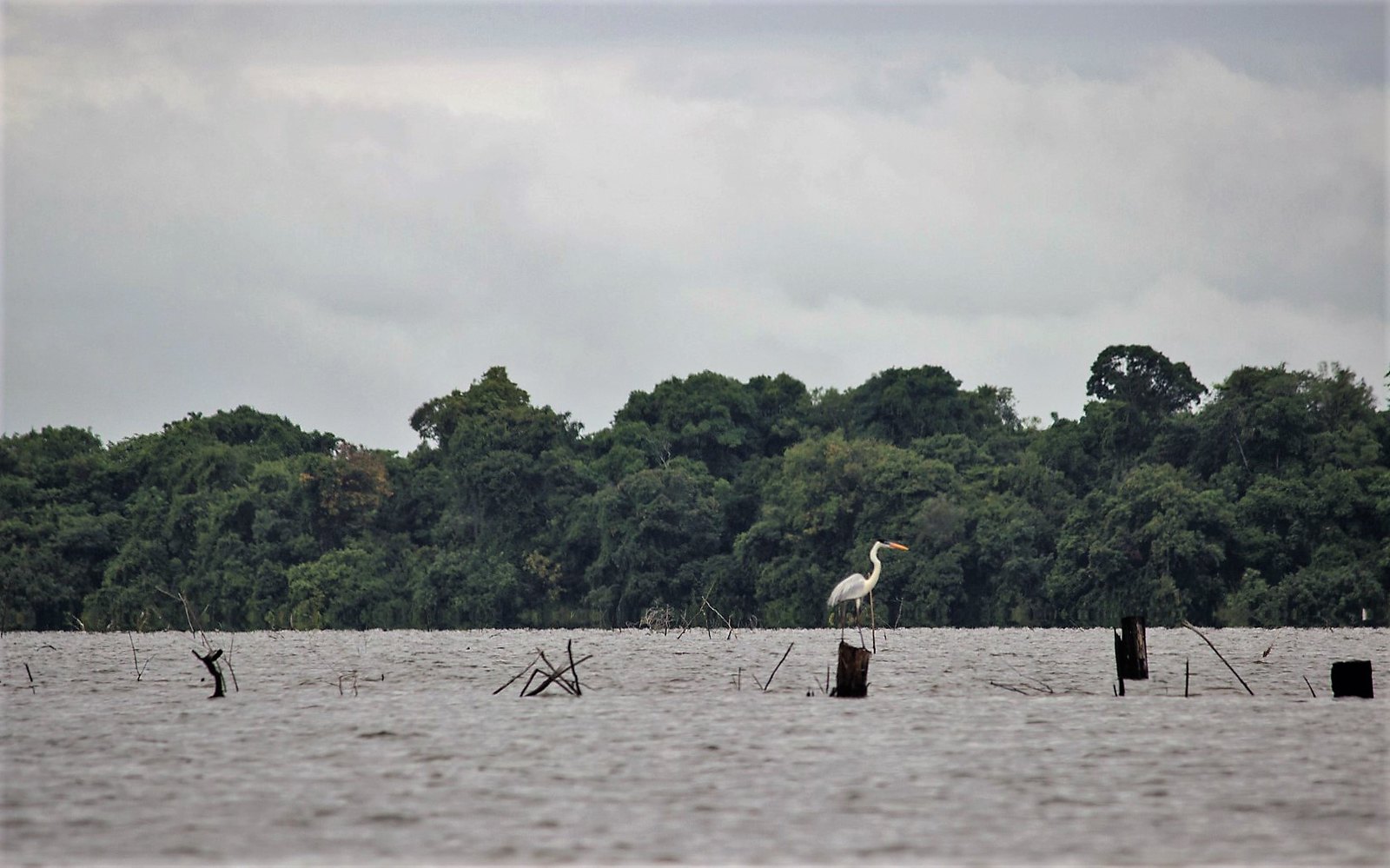
Photo: Amazon Watch / Maíra Irigaray.
The search for justice and reparations
Over the years, the Federal Public Prosecutor’s Office in Pará, the Public Defender’s Office, and civil society organizations have filed dozens of legal actions in Brazilian courts to challenge the project’s various irregularities and its impacts. Most of the claims are still pending resolution, some for more than 10 years.
These efforts have failed because the national government has repeatedly overturned rulings in favor of the affected communities by invoking a mechanism that allowed a court president to suspend a judicial decision based solely on generic arguments such as "the national interest" or "economic order."
In the absence of effective responses at the national level, AIDA, together with a coalition of partner organizations, brought the case before the Inter-American Commission on Human Rights (IACHR) and, in 2010, requested precautionary measures to protect the lives, safety, and health of the affected indigenous communities.
On April 1, 2011, the IACHR granted these measures and requested that the Brazilian government suspend environmental permits and any construction work until the conditions related to prior consultation and the protection of the health and safety of the communities are met.
And on June 16, 2011 —together with the Xingu Vivo Para Sempre Movement, the Coordinating Committee of Indigenous Organizations of the Brazilian Amazon, the Diocese of Altamira, the Indigenous Missionary Council, the Pará Society for the Defense of Human Rights and Global Justice— we filed a formal complaint against the Brazilian State for its international responsibility in the violation of the human rights of the people affected in the case. The case was opened for processing in December 2015.
On August 3, 2011, the IACHR amended the precautionary measures to request, instead of the suspension of permits and construction, the protection of people living in voluntary isolation, the health of indigenous communities, and the regularization and protection of ancestral lands.
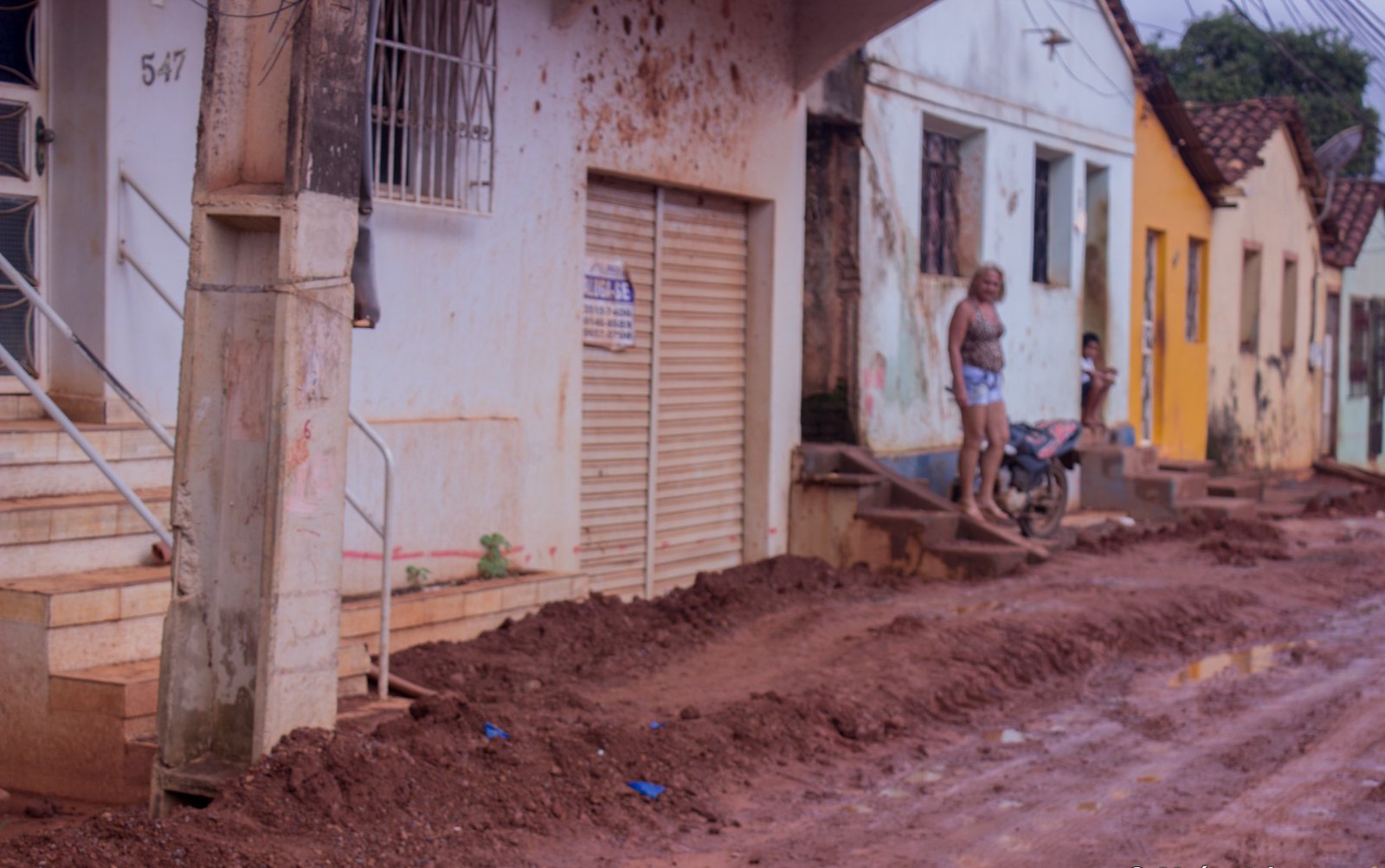
Photo: Amazon Watch / Maíra Irigaray.
Current situation
The protective measures granted by the IACHR remain in effect, but the Brazilian government has not fully complied with them, reporting only on general actions. The communities have documented the ongoing violations of their rights. The situation that prompted the request for these measures—the risk to the lives, physical integrity, and ways of life of the communities—persists and has worsened with the hydroelectric plant operating at full capacity and the recent extreme droughts in the Amazon.
In addition to the impacts of Belo Monte, there is a risk of further social and environmental impacts from the implementation of another mining megaproject in the Volta Grande do Xingu. There, the Canadian company Belo Sun plans to build Brazil’s largest open-pit gold mine.
The combined and cumulative impacts of the dam and the mine were not assessed. The government excluded Indigenous peoples, riverine and peasant communities from the project’s environmental permitting process. Despite protests by Indigenous communities and other irregularities surrounding the project, the government of Pará formally authorized the mine in April 2026.
Like other hydroelectric dams, Belo Monte exacerbates the climate emergency by generating greenhouse gas emissions in its reservoir. And it is inefficient amid the longer, more intense droughts caused by the crisis, as it loses its ability to generate power.
The case before the Inter-American Commission
In October 2017, the IACHR announced that it would rule jointly on the admissibility (whether the case meets the requirements for admission) and the merits (whether a human rights violation actually occurred) of the international complaint against the Brazilian State.
Fifteen years after the complaint was filed, the affected communities and the organizations representing them are still awaiting this decision. If the IACHR concludes that human rights violations occurred and issues recommendations that the Brazilian State fails to comply with, it may refer the case to the Inter-American Court of Human Rights, whose rulings are binding.
A potential ruling by the international court in this case would set a regional legal precedent regarding the rights of indigenous and riverine peoples, public participation in megaprojects, and state responsibility in the context of the climate crisis—a precedent that is particularly relevant in light of the Court’s Advisory Opinion No. 32, which reaffirmed the obligations of States to protect the people and communities of the continent from the climate emergency.
Partners:
Related projects
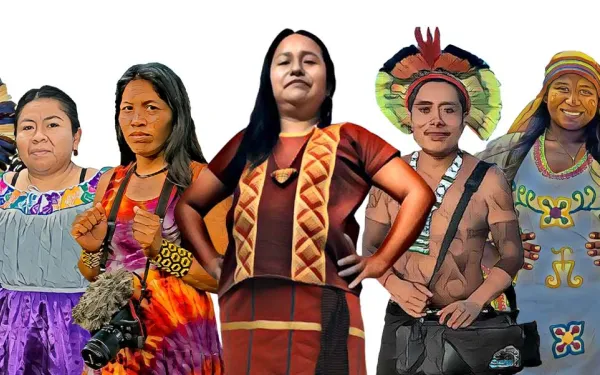
The indigenous resistance, told in their own voice
It’s vital that indigenous and traditional communities have the opportunity to use and strengthen their voices not only to denounce the systematic violation of their rights, but also to share the ancestral knowledge that is key to addressing the current environmental and climate crises. For a variety of reasons, organizations that accompany indigenous struggles, as well as the media and journalists who portray them, often speak on behalf of these peoples. While this intermediary work can help increase the visibility and impact of the frontline defense of territories, there is no better way to hear and understand their stories than from the people who live them. The Intercultural Encounter of Indigenous Communicators represents a step forward in this sense, as it amplifies the work of six indigenous defenders who have made communication a valuable tool for protecting their territories. The project brings together members of indigenous communications collectives from across Mexico, Central and South America to share their experiences defending land, culture and ancestral ways of life. Their stories are of strength and self-determination. Juana Ramírez Villegas, an indigenous woman of the Mixe or Ayuuk people in Oaxaca, Mexico, is part of a communications collective that has enabled coordination between different affected communities and elevated their demands for respect of their territory and defense of their rights to the national level. Together they’re resisting the construction of a massive port and railway infrastructure project across the Isthmus de Tehuantepec known as the Interoceanic corridor. Elvia Bo, a Mayan woman from Southern Belize and part of the organization SATIIM, has kept remote indigenous communities in southern Belize informed of their rights. She is working to install a radio signal powerful enough to reach the many remote indigenous communities of her area through her broadcasting. Her work has been key in confronting repeated attempts by governments and large companies to implement extractive megaprojects within indigenous territory. Laura Brito Boriyu is a member of the Wakuaipa Communication Collective, a group of youth from the Wayúu indigenous community in Colombia. Their communication and audiovisual production skills have served to denounce the impacts suffered for more than 40 years by the Wayúu people in La Guajira as a result of one of the largest open-pit coal mines in the world. Their stories are subverting the heavy investment in propaganda that the company makes while it destroys Wayúu ancestral territory. Mitã Xipaya, a young communicator from the Xipaya people of the Medio Xingu in Altamira, Brasil, is part of the UJIMX collective. They’re denouncing the socio-environmental damages of the Belo Monte megadam, built deep in the Amazon rainforest, which has destroyed not only the natural environment but also the region’s social structure and, particularly, young peoples’ mental health. In that sense, collectives like UJIMX are using communications to motivate youth to envision a better future and work to transform Altamira. Arewana Juruna and Kujaesage Kaiabi are indigenous communicators and filmmakers who live in the Indigenous Territory of Xingú in Mato Grosso, where 16 indigenous communities live and protect the forests of the Xingú river basin. Faced with government policies that favor deforestation, they and other indigenous communicators of the Amazon play a vital role in raising awareness about the need to protect this critical ecosystem. This project has enabled the teams and efforts of these collectives to grow and strengthen. You can read more about each of these indigenous communicators and see the work they produced on the project’s website. They and their people are united by the great history of resistance that indigenous peoples have and continue to show to the current global development model, which prioritizes extractive megaprojects and destructive policies over ancestral knowledge and preservation. Truly understanding their stories and listening to them, from the voices of their protagonists, is fundamental if we as a society wish to move towards a better way of living, in harmony and balance with nature. Preserving the only planet we know from the climate crisis, humanity’s greatest threat, requires incorporating the ancestral knowledge of indigenous peoples in the design and implementation of solutions. This project was spearheaded by AIDA with the support of the Swift Foundation, Tierra Poderosa and organizations that directly support these communities, including the Centro Mexicano de Derecho Ambiental (CEMDA), the Colectivo de Abogados José Alvear Restrepo (CAJAR), the Movimiento Xingú Vivo para Siempre, the Sarstoon-Temash Institute for Indigenous Management (SATIIM), the Unión de Comunidades Indígenas de la Zona Norte del Istmo (UCIZONI) and the União da Juventude Indígena do Meio do Xingú (UJIMX).
Read more
Court suspends fracking pilot projects, reaffirms right to prior consultation in Colombia
A Colombian judge on Thursday suspended the environmental license for the Kalé fracking pilot project and the environmental permitting process for the Platero fracking pilot project—both located in the municipality of Puerto Wilches, Santander—until the consultation processes with the communities of the region are completed. The court ruling responds to an injunction filed by the Afro-Colombian communities of Puerto Wilches (AFROWILCHES), the Podion Corporation, the José Alvear Restrepo Lawyers Collective, and the Colombia Free of Fracking Alliance, to which AIDA provides legal support. For AIDA, the suspension of the projects represents a victory for the communities of the Magdalena Medio. It acknowledges that fracking cannot advance in the country without their real and effective participation, without a social license, and in a context of threats against the lives of defenders who oppose this technique. "The court decision sends a powerful warning message to other Latin American nations,” said Yeny Rodríguez, AIDA attorney. “Governments currently advancing fracking must respect the principles of environmental democracy, especially since this is a technique and an industry that significantly impacts the environment and public health." "While the guarantee of the right to participation and prior consultation is non-negotiable, fracking continues to be a widely questioned technique, which has been banned worldwide due to the lack of scientific certainty about its possible risks and the very high socio-environmental costs it has caused in the countries that already employ it," she explained. There has been a judicial moratorium on the development of commercial fracking in Colombia since November 2018, when the Council of State declared its provisional suspension at the national level. That decision is based on the precautionary principle, since the regulation of fracking does not contemplate the environmental risks and impacts that its application could cause. A final ruling from the Council of State on the fracking regulation is expected in the coming months. In addition, a second appeal for legal protection filed by more than 10 organizations of fishermen, farmers, women and youth of Puerto Wilches is being considered based on the violation of the right to public participation in the implementation of fracking pilot projects there. The appeal was denied in the first instance, but a favorable ruling is expected in the second. The Colombian Constitutional Court will hear of the decisions of these two judicial proceedings. That court and the Council of State will have the final word on the future of fracking’s implementation in the country. The judges of Colombia, and those across the region, have the power and the opportunity to positively transform development models that promote activities like fracking while systematically damaging the environment and violating human rights. Press contact: Victor Quintanilla (Mexico), AIDA, [email protected], +5215570522107
Read more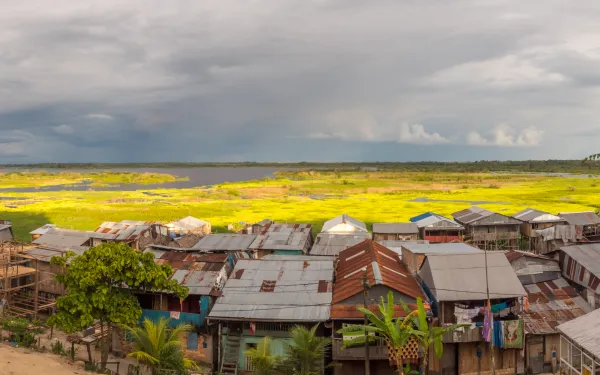
In Peru, a High Court’s Opportunity to Combat Oil Spills in the Amazon
In 2014, 2500 barrels of oil flowing through the Norperuano Pipeline in the heart of the Amazon leaked in the Cuninico River. For native communities, the consequences of the spill persist to this day, affecting the life and integrity of the people of San Francisco, Nueva Esperanza, Cuninico and Santa Rosa, who are still struggling to find clean water to grow their crops. In 2018, accompanied by the Instituto de Defensa Legal, they filed an injunction (known as an amparo in Peruvian courts) in an effort to prevent further spills, calling for the maintenance of the Norperuano Pipeline. Currently, their case is before the Constitutional Court of Peru, which has an unprecedented opportunity to stop oil spills in the Peruvian Amazon and, with them, prevent the systematic violation of the rights of the indigenous peoples who live there. The Court could do both by ruling in the favor of the petitioners and ordering state-owned oil company Petroperu to perform maintenance on the pipeline. AIDA supported the case with an amicus brief detailing the international obligation of the Peruvian state to guarantee the adoption of the necessary measures—administrative, legal, political and cultural—to protect the rights to a dignified life and a healthy environment. A systematic problem with oil infrastructure Sadly, what happened in the Cuninico basin is not a one-time occurrence; it is a systematic problem facing oil infrastructure in the Amazon. Oil spills in the Peruvian Amazon are putting entire families and communities at risk: compromising food security, contaminating ecosystems, and affecting the cosmovision and ways of life of the Amazonian peoples. According to The Shadow of Oil, an OXFAM report from 2020, 65 percent of the 474 spills that occurred in Amazonian oil fields and from the Norperuvian Pipeline between 2000 and 2019—affecting the territory of 41 indigenous communities—were due to pipeline corrosion and operational failures; only 28 percent were caused by third parties. Complementary data from the Organismo de Evaluación y Fiscalización Ambiental and the Organismo Supervisor de la Inversión en Energía y Minería—both public entities—confirm that, for the most part, oil spills derive mainly from a lack of supervision and oversight by the State and the absence of due diligence by the companies. It’s evident that the responsibility for the vast majority of spills lies with the operating companies. This has generated a structural scenario of threats and violations to the human and environmental rights of Peru’s ancestral populations. Broader causes of the continuous oil spills in Peru include a dependence on the extraction of fossil fuels, the lack of maintenance of facilities, institutional weakness, and gaps in corporate responsibility. Strategic litigation: a way forward The courts in the region have been, on many occasions, valuable actors in the protection of the right to a healthy environment and human rights more broadly. In Colombia, courts have prevented the advancement of several projects that were implemented without prior consultation, affecting the rights of indigenous peoples. In Mexico, courts have recognized the rights of indigenous communities to participate in the use and administration of minerals in the subsoil of their territory. In Ecuador, the Constitutional Court (Ecuador's highest court) ordered the Ministry of Environment to remedy the damages caused by palm oil plantations and to take measures to control and mitigate future and potential damages. Now it’s the turn of Peru’s Constitutional Court to defend these rights by moving to protect the Amazon from future oil spills. Undoubtedly, a positive decision would be an important regional precedent for the protection of the Amazon, an indispensable ecosystem. The Amazon region is majestic. Stretching over 2.7 million square miles, it is the largest tropical forest on the planet and is home to at least 10 percent of known biodiversity, much of it endemic. Since ancestral times, it has been home to more than 470 indigenous peoples, quilombolos and traditional communities; among its trees and rivers you can hear more than 86 languages and 650 different dialects. The Amazon is a vital ecosystem in times of climate crisis. It functions as a large carbon sink that stores between 90 and 140 billion metric tons of carbon dioxide, one of the most important greenhouse gases that, if released, would further accelerate climate change. What happened in Peru highlights the importance of strategic litigation to preserve the Amazon as a key ecosystem to confront climate crisis, and to defend the peoples that call it home.
Read more