
Project
Amazon Watch / Maíra Irigaray
The Belo Monte Dam on the Xingu River: 10 years of impacts in the Amazon and the search for reparations
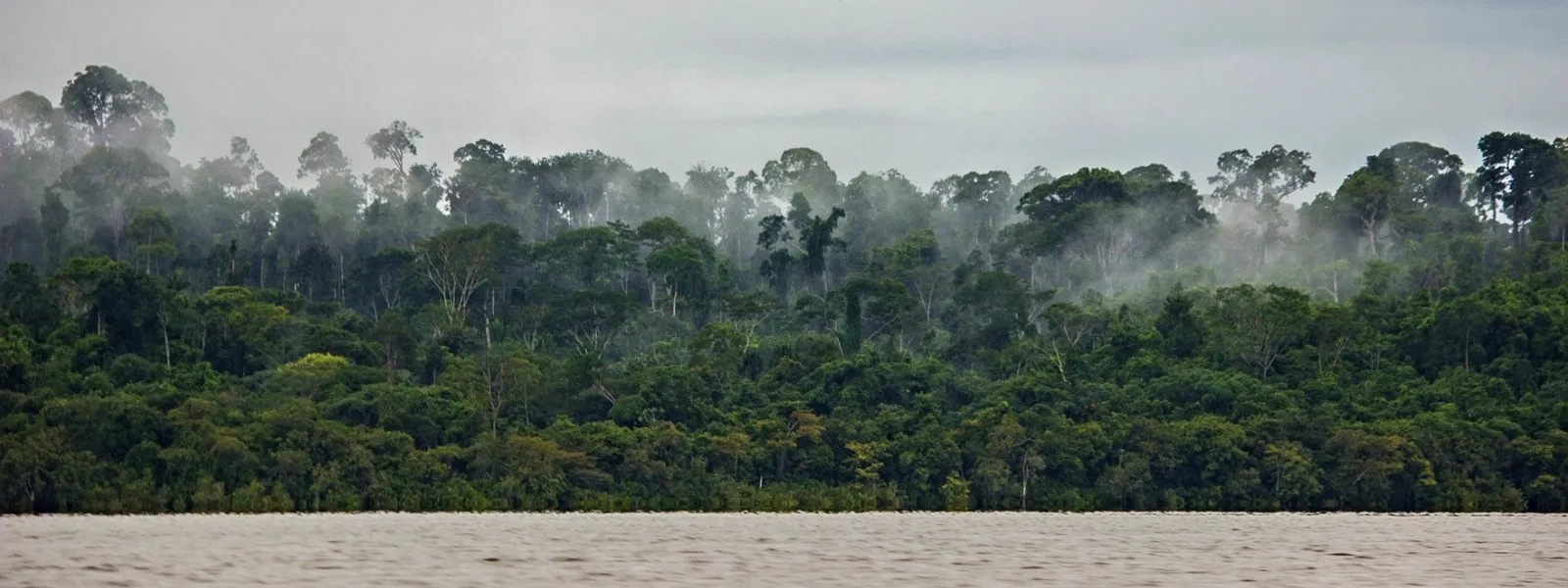
The Belo Monte Dam has caused an environmental and social disaster in the heart of the Amazon—one of the most important ecosystems on the planet.
This situation has only worsened since the hydroelectric plant began operations in 2016. The quest for justice and reparations by the affected indigenous, fishing, and riverine communities continues to this day.
In 2011, the Inter-American Commission on Human Rights (IACHR) granted them protective measures that, to date, have not been fully implemented by the Brazilian State.
Furthermore, since June of that same year, the IACHR has yet to rule on a complaint against the State regarding its international responsibility in the case.
The IACHR may refer the case to the Inter-American Court of Human Rights, which has the authority to issue a ruling condemning the Brazilian State.
After 10 years of the hydroelectric plant's operation and more than 15 years of documented human rights violations, it is time for justice to be served for the affected communities.
Read the open letter from the organizations bringing the case before the IACHR
Background
The Belo Monte hydroelectric plant—the fourth largest in the world by installed capacity (11,233 MW)—was built on the Xingu River in Pará, a state in northern Brazil.
It was inaugurated on May 5, 2016, with a single turbine. At that time, 80% of the river’s course was diverted, flooding 516 km² of land—an area larger than the city of Chicago. Of that area, 400 km² was native forest. The dam began operating at full capacity in November 2019.
Belo Monte was built and is operated by the Norte Energia S.A. consortium, which is composed primarily of state-owned companies. It was financed by the Brazilian Development Bank (BNDES), which provided the consortium with 25.4 billion reais (approximately US$10.16 billion), the largest investment in the bank’s history. Therefore, the BNDES is also legally responsible for the socio-environmental impacts associated with the hydroelectric plant.
Decades of harm to the environment and people
Human rights violations and degradation of the Amazon have been occurring since the project’s inception. In March 2011, Norte Energía began construction of the dam without adequate consultation and without the prior, free, and informed consent of the affected communities.
The construction caused the forced displacement of more than 40,000 people, severing social and cultural ties. The resettlement plan in Altamira—a city directly affected by the hydroelectric dam—involved housing units located on the outskirts, lacking adequate public services and decent living conditions for the relocated families, with no special provisions for those from indigenous communities.
Belo Monte's operations have caused a permanent, man-made drought in the Volta Grande (or "Great Bend") of the Xingu River, exacerbated by the historic droughts in the Amazon in 2023 and 2024. As a result, the deaths of millions of fish eggs were documented for four consecutive years (from 2021 to 2024), and for the past three years, there has been no upstream migration of fish to spawn and reproduce. Thus, artisanal fishing, the main source of protein for indigenous peoples and riverside communities, was severely affected: fish dropped from 50% to 30% of total protein consumed, replaced by processed foods. In summary, there was an environmental and humanitarian collapse that resulted in the breakdown of fishing as a traditional way of life, food insecurity, and access to drinking water for thousands of families, impoverishment, and disease.
Furthermore, the construction of the dam increased deforestation and intensified illegal logging and insecurity on indigenous and tribal lands, putting the survival of these communities at risk. Another consequence was the deepening of poverty and social conflicts, as well as the strain on health, education, and public safety systems in Altamira—a city ranked as the most violent in the country in 2017, where human trafficking and sexual violence increased. Violence was also reported against human rights defenders involved in the case.
In 2025, during the 30th UN Climate Change Conference (COP30), held in Brazil, the Federal Public Prosecutor’s Office labeled the damage caused by the Belo Monte dam as ecocide.
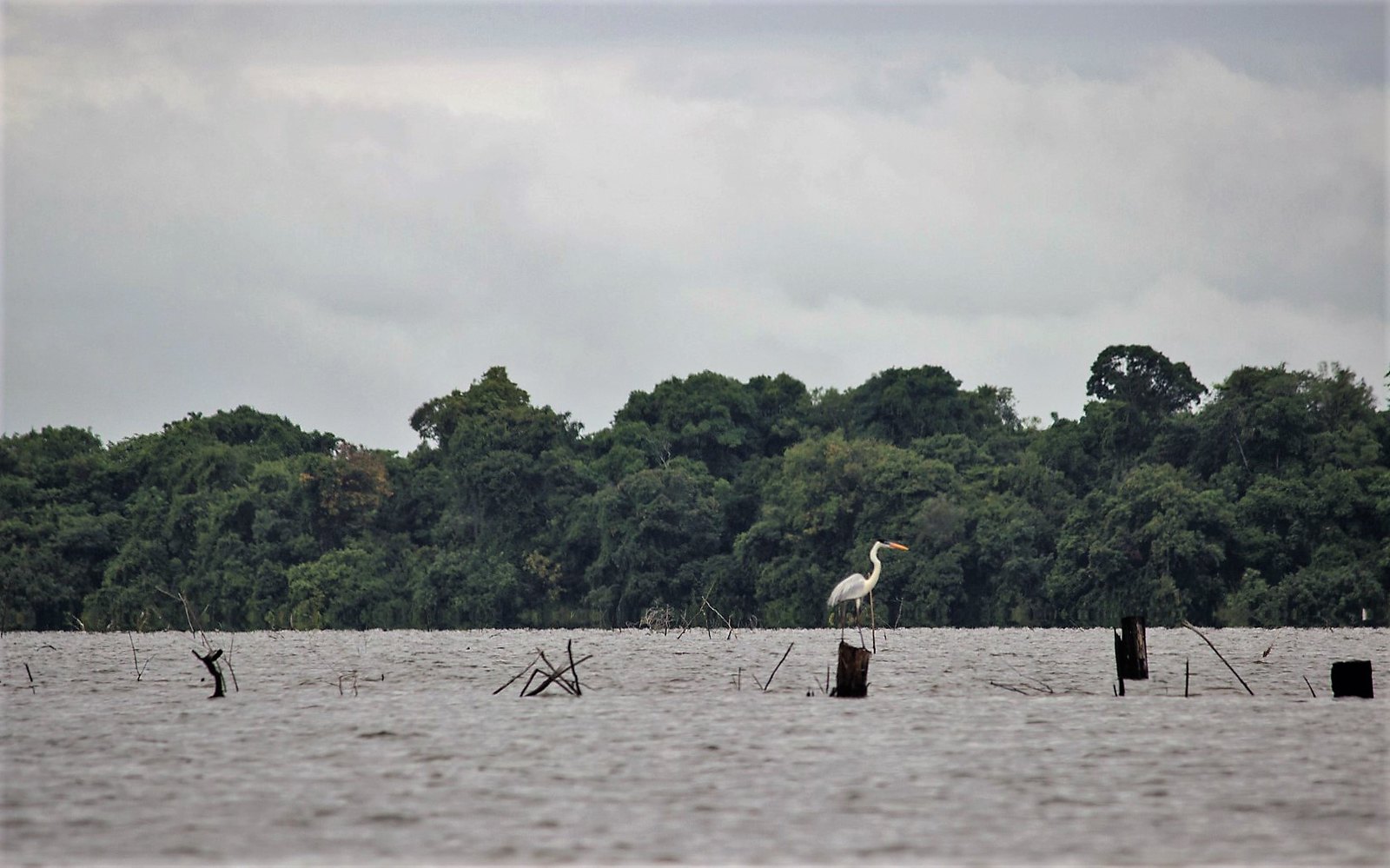
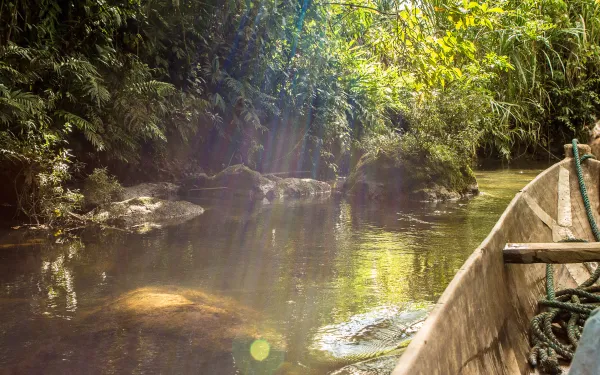
Photo: Amazon Watch / Maíra Irigaray.
The search for justice and reparations
Over the years, the Federal Public Prosecutor’s Office in Pará, the Public Defender’s Office, and civil society organizations have filed dozens of legal actions in Brazilian courts to challenge the project’s various irregularities and its impacts. Most of the claims are still pending resolution, some for more than 10 years.
These efforts have failed because the national government has repeatedly overturned rulings in favor of the affected communities by invoking a mechanism that allowed a court president to suspend a judicial decision based solely on generic arguments such as "the national interest" or "economic order."
In the absence of effective responses at the national level, AIDA, together with a coalition of partner organizations, brought the case before the Inter-American Commission on Human Rights (IACHR) and, in 2010, requested precautionary measures to protect the lives, safety, and health of the affected indigenous communities.
On April 1, 2011, the IACHR granted these measures and requested that the Brazilian government suspend environmental permits and any construction work until the conditions related to prior consultation and the protection of the health and safety of the communities are met.
And on June 16, 2011 —together with the Xingu Vivo Para Sempre Movement, the Coordinating Committee of Indigenous Organizations of the Brazilian Amazon, the Diocese of Altamira, the Indigenous Missionary Council, the Pará Society for the Defense of Human Rights and Global Justice— we filed a formal complaint against the Brazilian State for its international responsibility in the violation of the human rights of the people affected in the case. The case was opened for processing in December 2015.
On August 3, 2011, the IACHR amended the precautionary measures to request, instead of the suspension of permits and construction, the protection of people living in voluntary isolation, the health of indigenous communities, and the regularization and protection of ancestral lands.
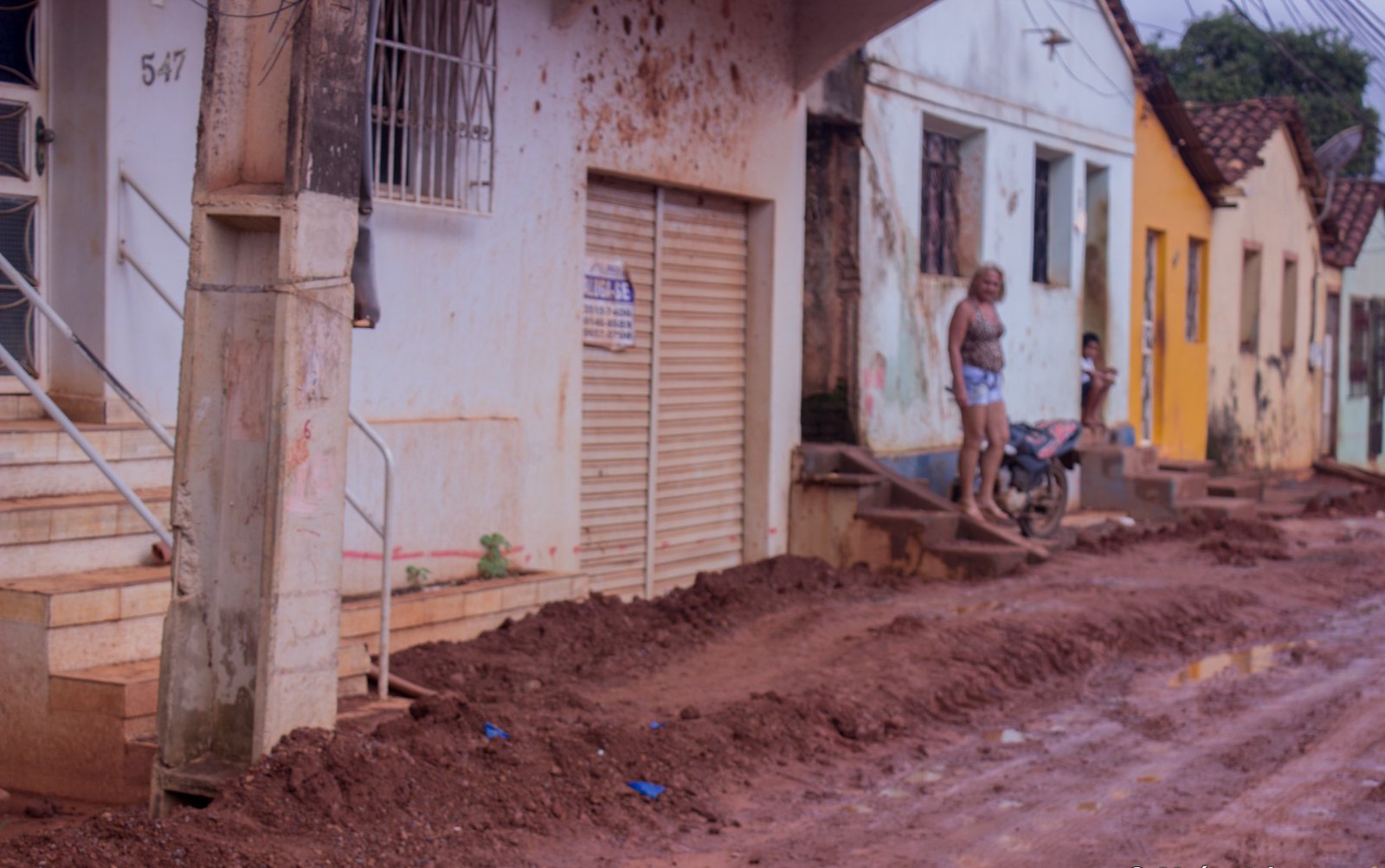
Photo: Amazon Watch / Maíra Irigaray.
Current situation
The protective measures granted by the IACHR remain in effect, but the Brazilian government has not fully complied with them, reporting only on general actions. The communities have documented the ongoing violations of their rights. The situation that prompted the request for these measures—the risk to the lives, physical integrity, and ways of life of the communities—persists and has worsened with the hydroelectric plant operating at full capacity and the recent extreme droughts in the Amazon.
In addition to the impacts of Belo Monte, there is a risk of further social and environmental impacts from the implementation of another mining megaproject in the Volta Grande do Xingu. There, the Canadian company Belo Sun plans to build Brazil’s largest open-pit gold mine.
The combined and cumulative impacts of the dam and the mine were not assessed. The government excluded Indigenous peoples, riverine and peasant communities from the project’s environmental permitting process. Despite protests by Indigenous communities and other irregularities surrounding the project, the government of Pará formally authorized the mine in April 2026.
Like other hydroelectric dams, Belo Monte exacerbates the climate emergency by generating greenhouse gas emissions in its reservoir. And it is inefficient amid the longer, more intense droughts caused by the crisis, as it loses its ability to generate power.
The case before the Inter-American Commission
In October 2017, the IACHR announced that it would rule jointly on the admissibility (whether the case meets the requirements for admission) and the merits (whether a human rights violation actually occurred) of the international complaint against the Brazilian State.
Fifteen years after the complaint was filed, the affected communities and the organizations representing them are still awaiting this decision. If the IACHR concludes that human rights violations occurred and issues recommendations that the Brazilian State fails to comply with, it may refer the case to the Inter-American Court of Human Rights, whose rulings are binding.
A potential ruling by the international court in this case would set a regional legal precedent regarding the rights of indigenous and riverine peoples, public participation in megaprojects, and state responsibility in the context of the climate crisis—a precedent that is particularly relevant in light of the Court’s Advisory Opinion No. 32, which reaffirmed the obligations of States to protect the people and communities of the continent from the climate emergency.
Partners:
Related projects
Examining the obstacles to energy transition in Latin America
The climate crisis and its impacts on human rights require the governments of Latin America to design and implement laws, public policies, and other measures aimed at protecting the lives and integrity of their people. In the region most threatened by global warming, they must do so through mitigation, adaptation and attention to the losses and damages already caused. Given that the current energy system based on fossil fuels is the main cause of the climate crisis, as well as the inequalities that are closely linked to it, the framework for climate action in the Americas must be that of a just energy transition. The energy transition is an opportunity for the continent to abandon old energy production models characterized by large social and environmental impacts, and to move towards environmentally and climatically sustainable methods, while respecting the human rights of the communities and sectors involved. Several countries in the region are failing to integrate this perspective. The case of Colombia exemplifies a risky trend for the region—the government is currently promoting a host of climate-aggravating projects, which deepen dependence on fossil fuels, as useful to the energy transition. Such regressive measures include: the expansion of coalmines in operation or the opening of new mines under the argument that the export of the mineral will finance the transition; and the favoring of natural gas exploitation through tax benefits and the easing of environmental permitting processes, under the false premise that gas is a clean energy source. Sounding the alarm Given the worrying panorama in Colombia, AIDA will be drafting and distributing a series of Urgent Alerts that call attention to projects, public policies and regulations that hinder a just transition, and deepen dependence on fossil fuels. They will be collective alerts, supported by other international organizations that, like AIDA, seek climate justice and work in defense of environmental and human rights. Each alert will be sent to the national authorities in charge of the measure in question. Geared toward promoting reflections on how to advance in the just energy transition, each alert will include public policy and regulatory recommendations based on the State's international obligations and commitments on climate, environmental and human rights issues. In each case, the message is clear—by continuing with the promotion, extraction and use of gas and coal, the Colombian State would be failing to comply with these obligations. The first alert calls attention to the potential definitive diversion of the Bruno stream in the department of La Guajira to expand production at and revenue from El Cerrejón, the largest open-pit coal mine in Latin America and one of the ten largest in the world. The project not only implies an increase in greenhouse gas emissions—coal is responsible for 44 percent of global carbon dioxide emissions—but is also a threat to the rights to water, food security and health of the Wayuu indigenous communities that depend on the stream. A regional scope The measures adopted by the Colombian State may well reflect the situation in other countries of the region, or be replicated in them. Several alerts will refer to the exploitation of hydrocarbons through fracking, a controversial technique advancing blindly in Colombia and other Latin American countries. Another will warn of the use of hydrogen, promoted as a viable and clean energy alternative. In Colombia there is already a public policy route to advance with its implementation and two pilot projects underway. Hydrogen production results from burning coal or gas at high temperatures. Recent studies warn that this requires capturing and storing carbon dioxide, so the alternative depends on being able to store carbon indefinitely and avoid leakage into the atmosphere. In addition, hydrogen production is energy-intensive and involves the emission of gases during the heating and pressurization process, as well as the use of natural gas as fuel. As a region, we cannot afford to delay the energy transition and the achievement of climate justice, both urgent and necessary goals, with options that will only tie us more and more to fossil fuels and to an energy system that only intensifies social inequalities and environmental degradation.
Read more
AIDA celebrates WTO agreement to curb harmful fisheries subsidies
We consider the agreement a "crucial step" for the sustainability of fishery resources in the short, medium and long term, as well as for ensuring food security and the livelihoods of coastal communities. Geneva, Switzerland. As an environmental organization that has closely followed the negotiations to limit global fisheries subsidies, the Interamerican Association for Environmental Defense (AIDA) applauds that member countries of the World Trade Organization (WTO) reached, after more than two decades, a binding agreement to curb some harmful fisheries subsidies. It represents a fundamental step toward achieving the effective management of our fisheries resources, as well as toward ensuring global food security and the livelihoods of coastal communities. "This is a crucial step towards ensuring the sustainability of fishery resources in the short, medium and long term," said Gladys Martinez de Lemos, executive director of AIDA. "We urge the 164 member countries of the WTO to ratify the agreement as soon as possible, and to implement the necessary changes derived from it to contribute significantly to the health of marine life and the well-being of those who depend on it." It is estimated that, each year, governments spend approximately $22 billion in negative subsidies to offset costs for fuel, fishing gear and vessel improvements, among others. As a result of that support, 63 percent of fish stocks worldwide must be rebuilt and 34 percent are fished at "biologically unsustainable" levels, according to recent data. The agreement reached at the 12th WTO Ministerial Conference, held June 12-16, provides for the creation of a global framework to reduce subsidies for illegal, unreported and unregulated fishing; subsidies for fishing overexploited stocks; and subsidies for vessels fishing on the unregulated high seas. The high seas fishing provisions represent an achievement for Latin America, a region whose fishing industry is severely threatened by aggressive foreign fleets fishing inside and outside of national jurisdictions. The agreement also includes measures aimed at greater transparency and accountability in the way governments support their fisheries sector. The countries agreed to continue negotiating rules to curb subsidies that promote fishing in other countries' waters, overfishing and the overcapacity of a fleet to catch more fish than is sustainable. "This agreement is one part of the movement we need at the international level to contribute to the health of the ocean," explained Magie Rodríguez, AIDA attorney. "We have three more to go: the high seas treaty, more ambitious and rigorous standards for ocean mining, and recognition of the key role the ocean plays in the climate crisis. We will continue to work with our allies to achieve these goals.” Although negotiations on fisheries subsidies officially began in 2001, it was not until the 2017 WTO Ministerial Conference that countries committed to taking action to reach an agreement at the next conference—which was to take place in December 2020, but was suspended due to the pandemic. This commitment also responds to the fulfillment of target 14.6 of the United Nations Sustainable Development Goals. In 2021, the Ministerial Conference failed to reach an agreement, but it did reach a draft text. "This year's achievement would not have been possible without the joint efforts of many different organizations, academia, governments and the private sector," said Martinez. press contact Victor Quintanilla (Mexico), [email protected], +525570522107
Read more
What is a just energy transition?
It is possible to propose real solutions to current problems. The various crises facing humanity—climate, energy, food, environment, health—as well as the enormous inequalities that cause, and are deepened by, them can be overcome if we manage to rethink the systems in which we live. In 2021, the energy sector contributed 73.2 percent of total global greenhouse gas emissions. The current energy system, based on fossil fuels, is unequal and inequitable. It is concentrated in large private or state-owned companies, is particularly conflictive in terms of access to resources, and is closed to social participation in decision-making. For these reasons, progress on the energy transition is urgent. There is no single view of energy transition; it is a concept in dispute. Toward what? For whom? How? Conservative views focus the transition on a process of technological substitution toward a change in the energy matrix focused on renewable resources and the search for energy efficiency. On the other hand, the most complete proposals warn that a change in the energy matrix is necessary, but not enough. They see the transition as a process of integral transformation, territorially situated and plural, which implies the creation of new socio-political conditions that restructure the organization, ownership and distribution of the current production and consumption systems. The goal is advancing the right to energy. If we consider the transition as a systems change, it is essential to build another type of relationship between human beings, nature and means of production. Guidelines for thinking about the energy transition in Latin America Based on the arguments of Pablo Bertinat, an expert on the subject, to walk this path in the region requires that we: Build the right to energy as a collective right, in congruence with the rights of nature. We must: take into account the damages to territories and communities created by energy development; eradicate Sacrifice Zones by recognizing their vulnerability; and guarantee respect for human rights during the transition. Solve energy poverty problems with clean, accessible, reliable and affordable energy. Energy projects must benefit the territory in which they are installed in terms of creation, supply and work force, in order to achieve the redistribution of wealth. Advance a process of energy reduction in the face of a scenario of restriction in which resources do not cover the demand. This implies an integral transition. A new productive model based on the availability of energy must be considered, as well as rethinking transportation systems, agriculture, infrastructure, etc. Deepen the change of the energy matrix from processes of resignification of technologies to those that are adequate, that is to say, that allow social inclusion, that are built from the communities, that are oriented to solve their problems, and that take into account the processes of acceptance of new energy enterprises. Promote energy democratization processes through the participation of diverse actors, particularly excluded sectors, in decision-making regarding the transition and the creation and implementation of policies, guaranteeing the rights of access to timely and complete information, quality participation and access to environmental justice, in order to ensure energy autonomy at the local level. In conclusion, speaking of a just energy transition implies recovering energy as a tool to satisfy human needs in a context of finite resources and inequalities. We must not start from scratch. Local communities, academic institutions, non-governmental organizations, social organizations and governments have already taken important steps towards a just, democratic and popular energy transition in the region. With this momentum, the transition is not only desirable, but possible.
Read more