
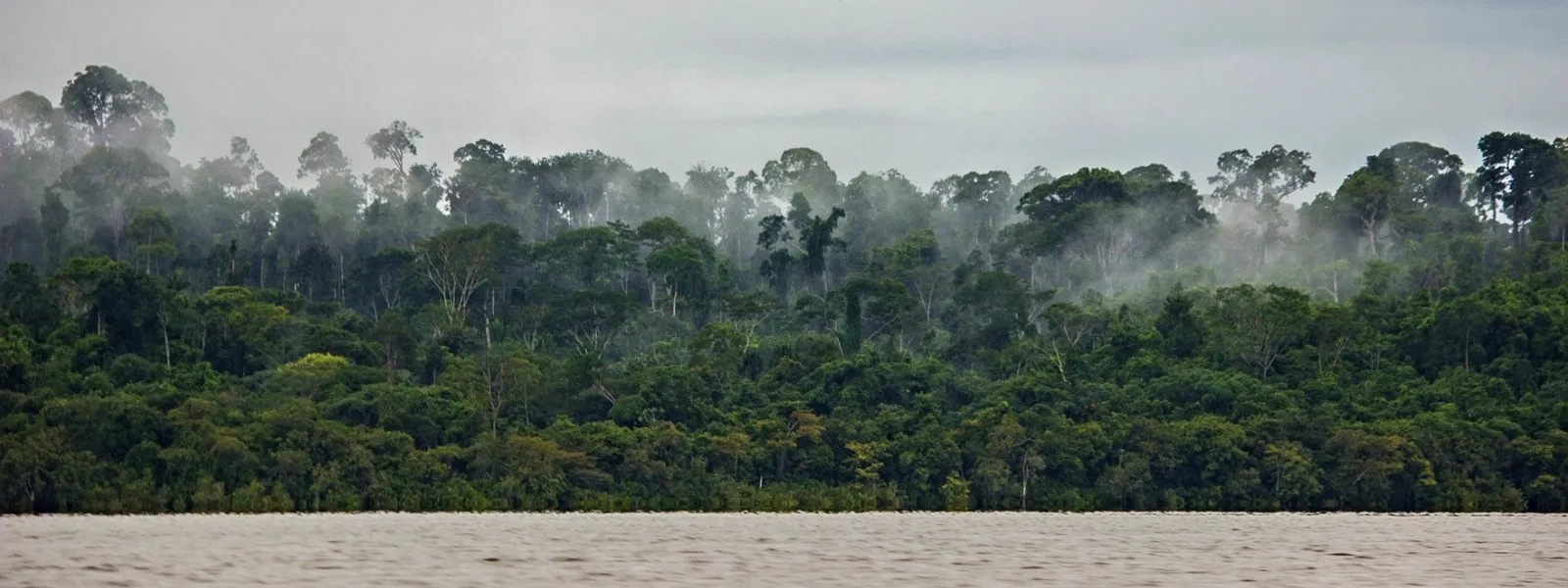
Project
Amazon Watch / Maíra Irigaray
The Belo Monte Dam on the Xingu River: 10 years of impacts in the Amazon and the search for reparations
The Belo Monte Dam has caused an environmental and social disaster in the heart of the Amazon—one of the most important ecosystems on the planet.
This situation has only worsened since the hydroelectric plant began operations in 2016. The quest for justice and reparations by the affected indigenous, fishing, and riverine communities continues to this day.
In 2011, the Inter-American Commission on Human Rights (IACHR) granted them protective measures that, to date, have not been fully implemented by the Brazilian State.
Furthermore, since June of that same year, the IACHR has yet to rule on a complaint against the State regarding its international responsibility in the case.
The IACHR may refer the case to the Inter-American Court of Human Rights, which has the authority to issue a ruling condemning the Brazilian State.
After 10 years of the hydroelectric plant's operation and more than 15 years of documented human rights violations, it is time for justice to be served for the affected communities.
Read the open letter from the organizations bringing the case before the IACHR
Background
The Belo Monte hydroelectric plant—the fourth largest in the world by installed capacity (11,233 MW)—was built on the Xingu River in Pará, a state in northern Brazil.
It was inaugurated on May 5, 2016, with a single turbine. At that time, 80% of the river’s course was diverted, flooding 516 km² of land—an area larger than the city of Chicago. Of that area, 400 km² was native forest. The dam began operating at full capacity in November 2019.
Belo Monte was built and is operated by the Norte Energia S.A. consortium, which is composed primarily of state-owned companies. It was financed by the Brazilian Development Bank (BNDES), which provided the consortium with 25.4 billion reais (approximately US$10.16 billion), the largest investment in the bank’s history. Therefore, the BNDES is also legally responsible for the socio-environmental impacts associated with the hydroelectric plant.
Decades of harm to the environment and people
Human rights violations and degradation of the Amazon have been occurring since the project’s inception. In March 2011, Norte Energía began construction of the dam without adequate consultation and without the prior, free, and informed consent of the affected communities.
The construction caused the forced displacement of more than 40,000 people, severing social and cultural ties. The resettlement plan in Altamira—a city directly affected by the hydroelectric dam—involved housing units located on the outskirts, lacking adequate public services and decent living conditions for the relocated families, with no special provisions for those from indigenous communities.
Belo Monte's operations have caused a permanent, man-made drought in the Volta Grande (or "Great Bend") of the Xingu River, exacerbated by the historic droughts in the Amazon in 2023 and 2024. As a result, the deaths of millions of fish eggs were documented for four consecutive years (from 2021 to 2024), and for the past three years, there has been no upstream migration of fish to spawn and reproduce. Thus, artisanal fishing, the main source of protein for indigenous peoples and riverside communities, was severely affected: fish dropped from 50% to 30% of total protein consumed, replaced by processed foods. In summary, there was an environmental and humanitarian collapse that resulted in the breakdown of fishing as a traditional way of life, food insecurity, and access to drinking water for thousands of families, impoverishment, and disease.
Furthermore, the construction of the dam increased deforestation and intensified illegal logging and insecurity on indigenous and tribal lands, putting the survival of these communities at risk. Another consequence was the deepening of poverty and social conflicts, as well as the strain on health, education, and public safety systems in Altamira—a city ranked as the most violent in the country in 2017, where human trafficking and sexual violence increased. Violence was also reported against human rights defenders involved in the case.
In 2025, during the 30th UN Climate Change Conference (COP30), held in Brazil, the Federal Public Prosecutor’s Office labeled the damage caused by the Belo Monte dam as ecocide.
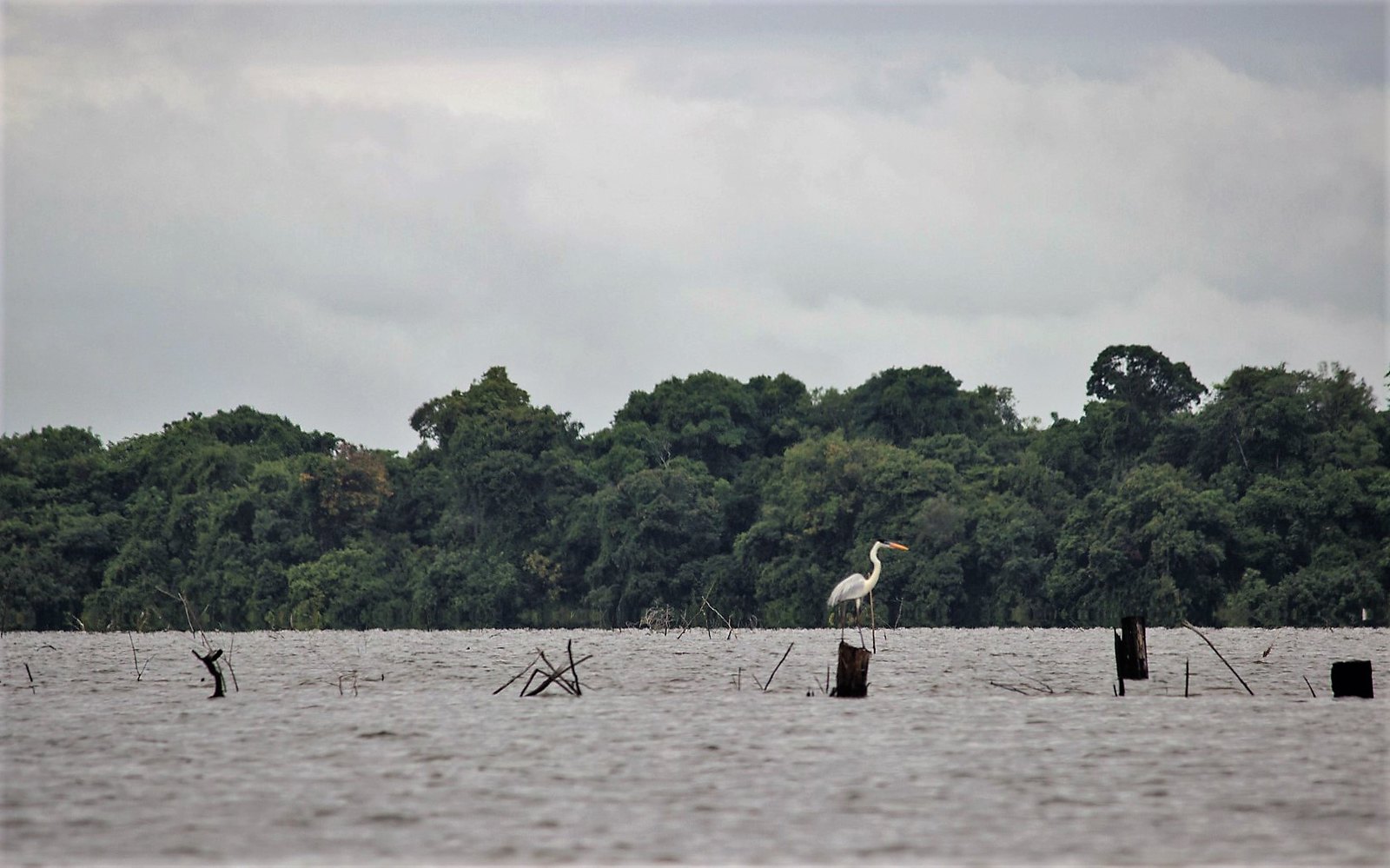
Photo: Amazon Watch / Maíra Irigaray.
The search for justice and reparations
Over the years, the Federal Public Prosecutor’s Office in Pará, the Public Defender’s Office, and civil society organizations have filed dozens of legal actions in Brazilian courts to challenge the project’s various irregularities and its impacts. Most of the claims are still pending resolution, some for more than 10 years.
These efforts have failed because the national government has repeatedly overturned rulings in favor of the affected communities by invoking a mechanism that allowed a court president to suspend a judicial decision based solely on generic arguments such as "the national interest" or "economic order."
In the absence of effective responses at the national level, AIDA, together with a coalition of partner organizations, brought the case before the Inter-American Commission on Human Rights (IACHR) and, in 2010, requested precautionary measures to protect the lives, safety, and health of the affected indigenous communities.
On April 1, 2011, the IACHR granted these measures and requested that the Brazilian government suspend environmental permits and any construction work until the conditions related to prior consultation and the protection of the health and safety of the communities are met.
And on June 16, 2011 —together with the Xingu Vivo Para Sempre Movement, the Coordinating Committee of Indigenous Organizations of the Brazilian Amazon, the Diocese of Altamira, the Indigenous Missionary Council, the Pará Society for the Defense of Human Rights and Global Justice— we filed a formal complaint against the Brazilian State for its international responsibility in the violation of the human rights of the people affected in the case. The case was opened for processing in December 2015.
On August 3, 2011, the IACHR amended the precautionary measures to request, instead of the suspension of permits and construction, the protection of people living in voluntary isolation, the health of indigenous communities, and the regularization and protection of ancestral lands.
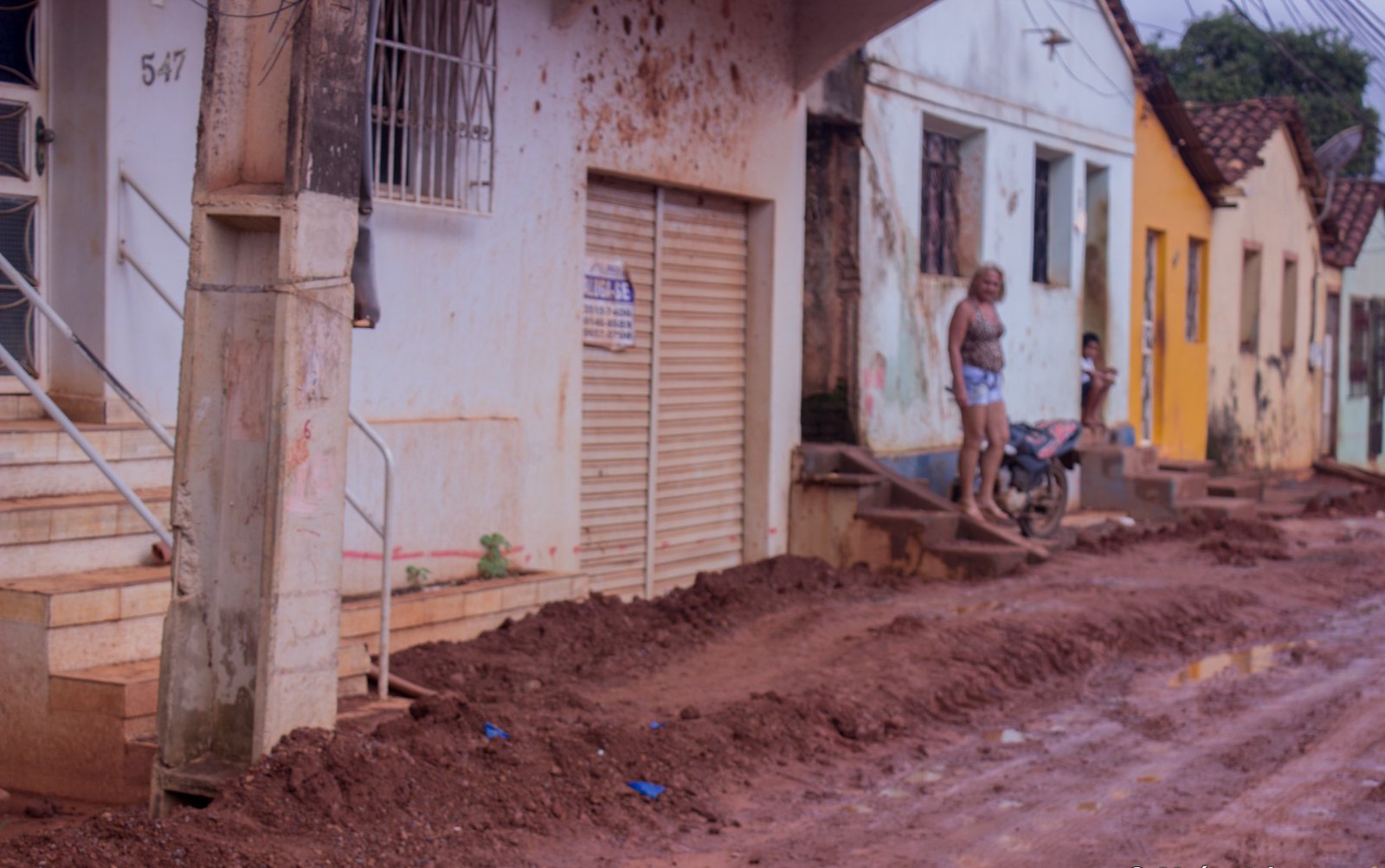
Photo: Amazon Watch / Maíra Irigaray.
Current situation
The protective measures granted by the IACHR remain in effect, but the Brazilian government has not fully complied with them, reporting only on general actions. The communities have documented the ongoing violations of their rights. The situation that prompted the request for these measures—the risk to the lives, physical integrity, and ways of life of the communities—persists and has worsened with the hydroelectric plant operating at full capacity and the recent extreme droughts in the Amazon.
In addition to the impacts of Belo Monte, there is a risk of further social and environmental impacts from the implementation of another mining megaproject in the Volta Grande do Xingu. There, the Canadian company Belo Sun plans to build Brazil’s largest open-pit gold mine.
The combined and cumulative impacts of the dam and the mine were not assessed. The government excluded Indigenous peoples, riverine and peasant communities from the project’s environmental permitting process. Despite protests by Indigenous communities and other irregularities surrounding the project, the government of Pará formally authorized the mine in April 2026.
Like other hydroelectric dams, Belo Monte exacerbates the climate emergency by generating greenhouse gas emissions in its reservoir. And it is inefficient amid the longer, more intense droughts caused by the crisis, as it loses its ability to generate power.
The case before the Inter-American Commission
In October 2017, the IACHR announced that it would rule jointly on the admissibility (whether the case meets the requirements for admission) and the merits (whether a human rights violation actually occurred) of the international complaint against the Brazilian State.
Fifteen years after the complaint was filed, the affected communities and the organizations representing them are still awaiting this decision. If the IACHR concludes that human rights violations occurred and issues recommendations that the Brazilian State fails to comply with, it may refer the case to the Inter-American Court of Human Rights, whose rulings are binding.
A potential ruling by the international court in this case would set a regional legal precedent regarding the rights of indigenous and riverine peoples, public participation in megaprojects, and state responsibility in the context of the climate crisis—a precedent that is particularly relevant in light of the Court’s Advisory Opinion No. 32, which reaffirmed the obligations of States to protect the people and communities of the continent from the climate emergency.
Partners:
Related projects
Governments of the world: Climate action is a legal duty
Climate action is a legal duty. After decades of empty promises, it is time for real action and accountability.Climate change is here now. Ecosystems are collapsing at an unprecedented rate. Vast regions of the world are becoming uninhabitable. Billions of people are facing the prospect of a dangerous and uncertain future. Extreme weather events have wreaked havoc across every continent this year alone. The “window of opportunity to secure a liveable and sustainable future for all” is closing fast.For decades, you have pledged to address the climate crisis. In successive treaties and decisions, you promised to slash greenhouse gas emissions. Just last year in Glasgow, you reaffirmed your commitment to limit global average temperature increase to 1.5°C and to ramp up mitigation ambition within the year. Yet countries’ latest global mitigation commitments show that we are completely off track. So far the vast majority of countries have not delivered on their commitment to strengthen their targets this year.We are on the precipice of the most serious intergenerational violation of human rights in history. But affected communities and those who stand with them are not giving up.We – lawyers and activists from across the globe – are standing with frontline communities to challenge your inadequate climate action. We have filed over 80 cases around the world to compel you to ramp-up your climate ambition: from the Netherlands to Nepal; from Canada to Colombia, from Belgium to Brazil, from Norway to New Zealand, from South Africa to South Korea.The law is on our side. Courts in dozens of countries have already recognized that you have a legal duty to address the climate crisis, and that this requires you to take more ambitious climate action. Cases have led to the adoption of new climate laws, stronger mitigation targets, and the closure of coal-fired power plants. The Intergovernmental Panel on Climate Change (IPCC) itself has recognised that climate litigation has the power to shape “the outcome and ambition of climate governance” towards aligning government action to best available science.COP27 is an opportunity for you to change course: to minimize the extent of suffering and human rights violations caused by your failure to address the crisis, and to live up to your legal obligations under domestic and international law.Governments of the world: your delay is costing lives. Strong action is needed now to protect people and the planet.If you continue to fail us, we will continue to turn to the courts to demand accountability.Signatories:Alana (Brazil), AIDA (Latin America and the Caribbean), Aurora (Sweden), The Australian Climate Case (Australia), Grata Fund (Australia), Phi Finney McDonald (Australia), Center for Environmental Rights (South Africa), Natural Justice (South Africa), Client Earth (Global), Climate Action Network Europe (Europe), Climate Case Ireland (Ireland), Ecojustice (Canada), Europäische Klimaklage (Austria), Germanwatch (Germany), Giudizio Universale (Italy), Rete Legalità per il Clima (Italy), A Sud (Italy), Global Legal Action Network (Global), Klimaatzak (Belgium), Klimatická (Czech Republic), Lawyers for Climate Action NZ (New Zealand), Lee Salmon Long (New Zealand), Notre Affaire à Tous (France), Adv. Padam Shrestha (Nepal), Plan B (UK), Protect the Planet (Germany), Russian Climate Case (Russia), Urgenda (Netherlands), Youth4ClimateAction (South Korea). Read and download the letter
Read more
An alliance for clean air in Latin America is born
In the face of environmental injustices, like poor air quality and its harm to human health, our societies respond together and organize in similar ways, without even knowing it. This was one of the takeaways from the Latin American Meeting for Clean Air, which in early August brought together researchers, government officials, youth leaders, civil society representatives and international cooperation agencies from Brazil, Chile, Colombia, Ecuador, Mexico and Peru. They met with three main objectives: to strengthen the link between air quality and climate justice, to exchange lessons learned, and to build networks for international collaboration. "Poor air quality and related health problems are a common problem in Latin America, knowing no borders or territorial boundaries," explained Anaid Velasco, Research Manager at the Mexican Center for Environmental Law (CEMDA). According to the World Health Organization, air pollution affects close to 90 percent of people living in urban areas around the world. Despite the magnitude of the problem, public actions and policies to improve the air we breathe are not fully standardized. In addition, air quality indices across the region are not uniform and do not allow people to be adequately informed of the dangers of air pollution in different environments. This represents a problem and, at the same time, an opportunity to collaboratively create and refine tools. Aware of the opportunity, meeting participants founded the Latin American Coalition for Clean Air (ALAIRE) to respond to three primary goals: To position a narrative that makes air quality a strategic priority in the public health and climate crisis management agendas in Latin America. To influence authorities and promote public policies that contribute to an improved management of the sources that contribute to poor air quality in the region. To advocate for conditions for civil society and the business sector to become involved in compliance with regulations, policies and the improvement of air quality in the continent. "The creation of this coalition is a fundamental step towards improving the air we breathe, across the region," Velasco said. "CEMDA is very proud to be part of it as clean air is a fundamental condition to guaranteeing the human right to a healthy environment." The Latin American Meeting for Clean Air was organized by AIDA, El Derecho a No Obedecer (a project of Corporación Otraparte), Trébola Organización Ecológica, Coalición Respirar, El Poder del Consumidor and the Heinrich Böll Foundation. It had open activities attended by 200 people, as well as closed meetings to reach agreements among the key organizations. The meeting served to reaffirm that the fight for clean air is also the fight to reduce greenhouse gases and confront the climate crisis, as well as a necessity to guarantee the right to health of people in the region. The event also confirmed the importance of citizen science, in which individuals are working to demonstrate the true levels of exposure to poor air quality in different cities in the region, in turn highlighting the urgency to act. The newly formed coalition will empower the efforts of citizens, academics, organizations and other actors, while contributing to the achievement of regional agreements for the development and implementation of public policies that improve air quality and protect human health.
Read more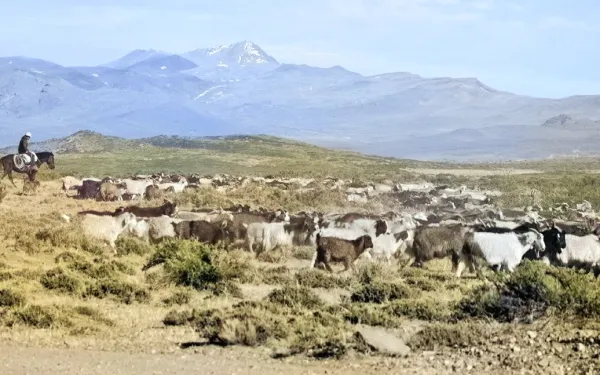
The Mapuche: in defense of ancestral territory in Argentina
In the south of the province of Mendoza, Argentina, several communities belonging to the Mapuche people—one of the 39 self-recognized indigenous peoples throughout the country—have come together in the Malalweche Territorial Identity Organization to defend their rights, way of life and territorial integrity from extractive, energy and tourism activities and projects. One of the threats that these communities are currently facing is the advance of the exploration and exploitation of unconventional hydrocarbons through fracking. In 2018, the government of Mendoza issued Decree 248, which regulates fracking activities in the province. Before issuing the norm, it overlooked the right of the Mapuche communities in the area to be consulted and to give their free, prior and informed consent. It then made the consultation conditional on the communities having legal recognition of rights over their territory. Since then, the Malalweche Territorial Identity Organization has been fighting a court battle to have the decree declared unconstitutional. The lawsuit, initiated by the Oikos Environmental Network Association, is backed by national and international environmental organizations, including the Association for the Promotion and Protection of Human Rights-Xumek, the Environment and Natural Resources Foundation (FARN), AIDA and Earthjustice. The Mapuche communities are tireless in their struggle. The reason is simple: their strength comes from what they protect. It comes from their intimate connection to the territory and all that it holds. A broader vision of territory As in the case with indigenous peoples across the American continent, territories of the Mapuche people are rich in natural resources, which causes large interests to set their eyes on them, ignoring or wanting to ignore those who legitimately inhabit them. For the indigenous communities, territory is not limited to geographical space, but is conceived as the wider space from which human activities, such as grazing paths, emerge and converge. Rivers, mountains and animals are essential elements of the ancestral territory of the Mapuche people. They are distinctive parts of their culture. "These elements also make up the transhumance—a type of pastoralism that consists of seasonal movement along migratory routes—of the people who move, who go from one place to another," explains Gabriel Jofré, a traditional authority and spokesperson for Malalweche. "Today the territory is limited by private property, which makes you settle in a place; our parents used to say that you go where the territory takes you.” The intrusion and territorial usurpation by dominant and oppressive elites —at the beginning of the 20th century—led to the exodus of members of the Mapuche people, the dispersion of others and the silence of many more for fear of repression. In defense of community life Faced with the environmental, social and economic impacts of the intrusion of business activities in the ancestral territory of the Mapuche, the organization Malalweche promotes access to indigenous community property. Although the Argentine State recognizes in its Constitution the ethnic and cultural pre-existence of indigenous peoples and has ratified international conventions that oblige it to respect and guarantee their rights, the legal recognition of the rights of Mapuche communities to indigenous territories faces administrative obstacles and delays due to bureaucratic processes. "That is why, to avoid legal obstacles, we have developed the strategy of creating productive cooperatives," explained Gabriel. Kume Matru food products factory, a cooperative enterprise, was inaugurated on June 23, the date on which Winoj Tripantu, or the beginning of the Mapuche year, is celebrated. Kume Matru is a clear example of the versatility of these communities to walk the path of sharing and bringing together their own needs and those of others; to deliver not only food, but also the whole chain of hands that made it possible. "The people who recover these processes are a reflection of the ancestral forces that are in the territory of the pullü, the spirit of our grandparents," said Gabriel. "It is our children who begin to recover what at some point was cut off, these are processes that must be protected in order for that to happen." In line with this need, last March, the Inter-American Commission on Human Rights established that, in a context of climate crisis and environmental deterioration, "the States have the duty to title, delimit and demarcate the collective ancestral territory, attending to the particular characteristics of the specific human group and avoiding granting concessions for projects that may affect the territories in titling, delimitation and demarcation processes without a process of consultation and consent". The norms are clear, both domestic and international. States must guarantee the rights of indigenous peoples, avoiding governmental acts and/or judicial rulings that could affect them, and ensuring that economic development is sustainable and respectful of environmental integrity. Let us recover the legacy of the original peoples, who teach us to live in harmony with nature, as parts of the whole, interconnected with their forces, from which our own must also emerge as a renewed impulse to defend our common home.
Read more