
Project
Amazon Watch / Maíra Irigaray
The Belo Monte Dam on the Xingu River: 10 years of impacts in the Amazon and the search for reparations
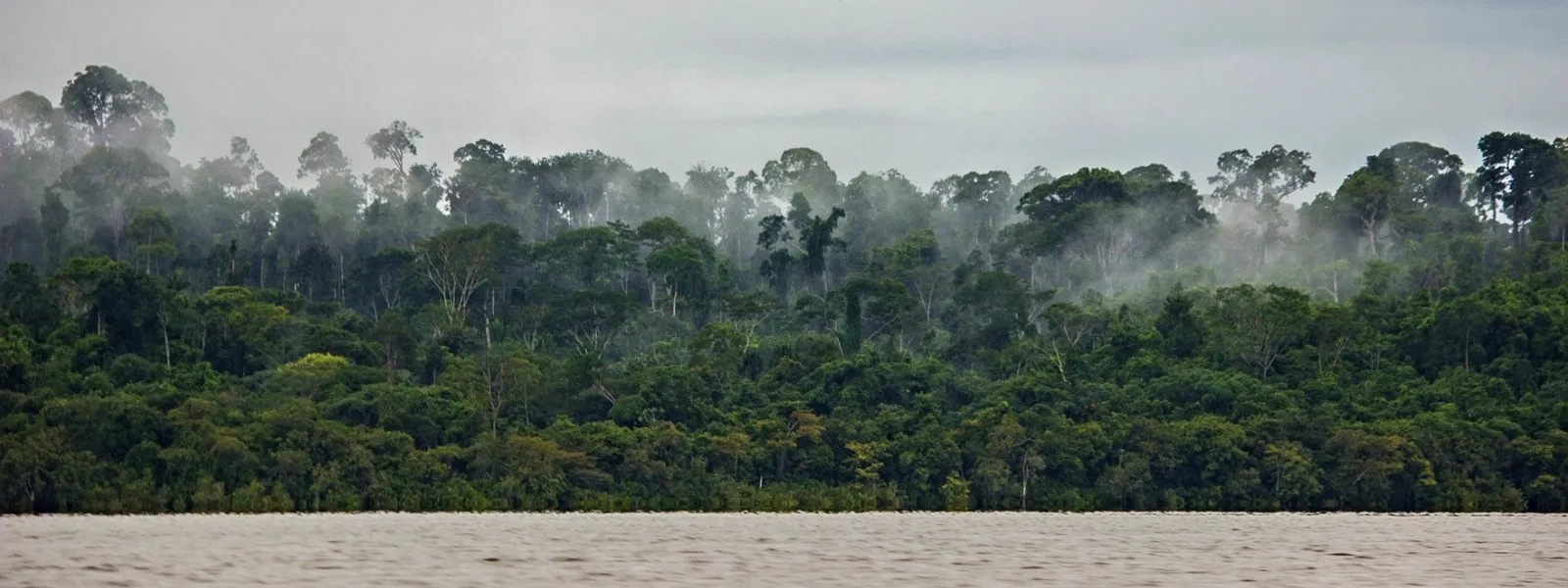
The Belo Monte Dam has caused an environmental and social disaster in the heart of the Amazon—one of the most important ecosystems on the planet.
This situation has only worsened since the hydroelectric plant began operations in 2016. The quest for justice and reparations by the affected indigenous, fishing, and riverine communities continues to this day.
In 2011, the Inter-American Commission on Human Rights (IACHR) granted them protective measures that, to date, have not been fully implemented by the Brazilian State.
Furthermore, since June of that same year, the IACHR has yet to rule on a complaint against the State regarding its international responsibility in the case.
The IACHR may refer the case to the Inter-American Court of Human Rights, which has the authority to issue a ruling condemning the Brazilian State.
After 10 years of the hydroelectric plant's operation and more than 15 years of documented human rights violations, it is time for justice to be served for the affected communities.
Read the open letter from the organizations bringing the case before the IACHR
Background
The Belo Monte hydroelectric plant—the fourth largest in the world by installed capacity (11,233 MW)—was built on the Xingu River in Pará, a state in northern Brazil.
It was inaugurated on May 5, 2016, with a single turbine. At that time, 80% of the river’s course was diverted, flooding 516 km² of land—an area larger than the city of Chicago. Of that area, 400 km² was native forest. The dam began operating at full capacity in November 2019.
Belo Monte was built and is operated by the Norte Energia S.A. consortium, which is composed primarily of state-owned companies. It was financed by the Brazilian Development Bank (BNDES), which provided the consortium with 25.4 billion reais (approximately US$10.16 billion), the largest investment in the bank’s history. Therefore, the BNDES is also legally responsible for the socio-environmental impacts associated with the hydroelectric plant.
Decades of harm to the environment and people
Human rights violations and degradation of the Amazon have been occurring since the project’s inception. In March 2011, Norte Energía began construction of the dam without adequate consultation and without the prior, free, and informed consent of the affected communities.
The construction caused the forced displacement of more than 40,000 people, severing social and cultural ties. The resettlement plan in Altamira—a city directly affected by the hydroelectric dam—involved housing units located on the outskirts, lacking adequate public services and decent living conditions for the relocated families, with no special provisions for those from indigenous communities.
Belo Monte's operations have caused a permanent, man-made drought in the Volta Grande (or "Great Bend") of the Xingu River, exacerbated by the historic droughts in the Amazon in 2023 and 2024. As a result, the deaths of millions of fish eggs were documented for four consecutive years (from 2021 to 2024), and for the past three years, there has been no upstream migration of fish to spawn and reproduce. Thus, artisanal fishing, the main source of protein for indigenous peoples and riverside communities, was severely affected: fish dropped from 50% to 30% of total protein consumed, replaced by processed foods. In summary, there was an environmental and humanitarian collapse that resulted in the breakdown of fishing as a traditional way of life, food insecurity, and access to drinking water for thousands of families, impoverishment, and disease.
Furthermore, the construction of the dam increased deforestation and intensified illegal logging and insecurity on indigenous and tribal lands, putting the survival of these communities at risk. Another consequence was the deepening of poverty and social conflicts, as well as the strain on health, education, and public safety systems in Altamira—a city ranked as the most violent in the country in 2017, where human trafficking and sexual violence increased. Violence was also reported against human rights defenders involved in the case.
In 2025, during the 30th UN Climate Change Conference (COP30), held in Brazil, the Federal Public Prosecutor’s Office labeled the damage caused by the Belo Monte dam as ecocide.
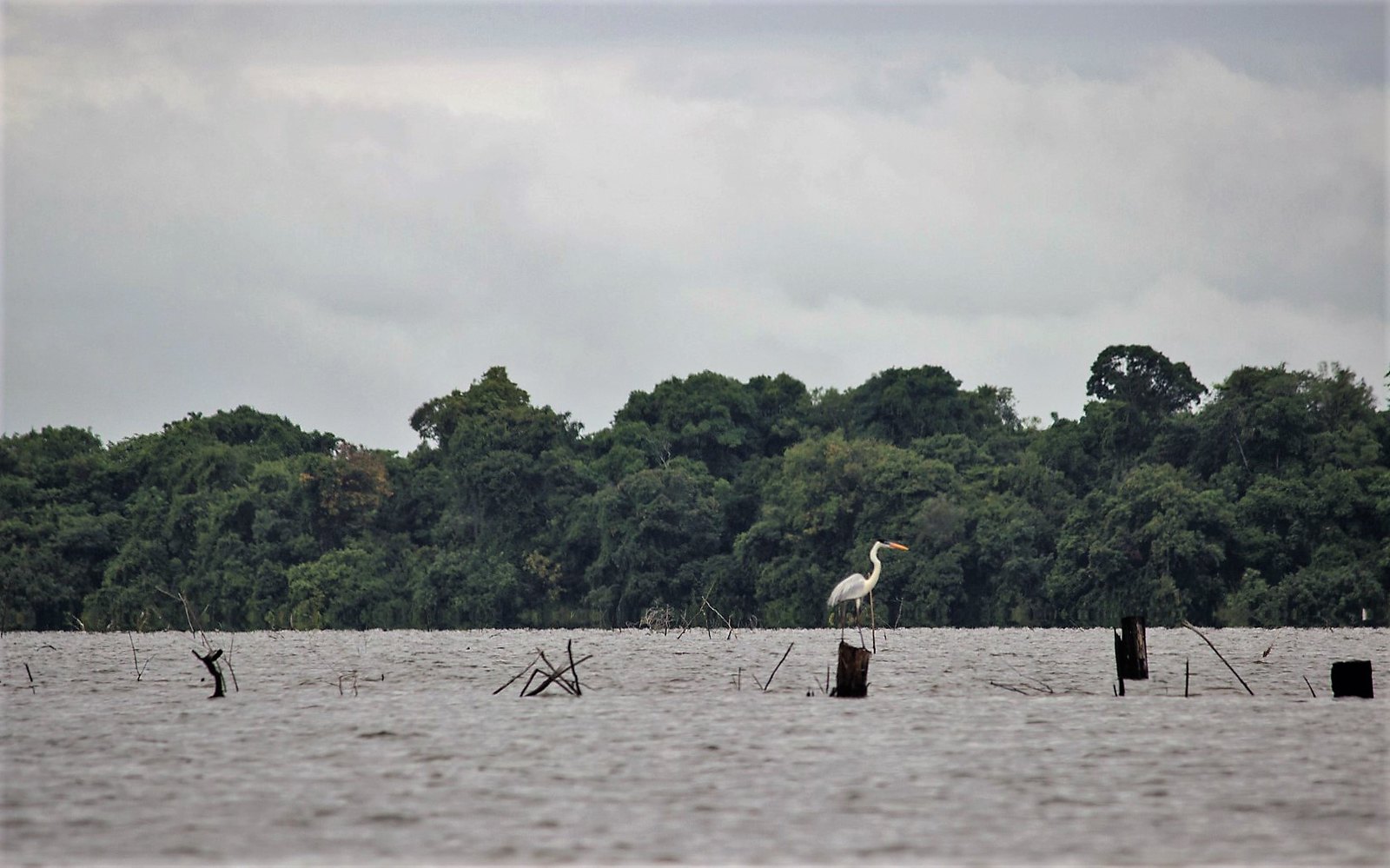
Photo: Amazon Watch / Maíra Irigaray.
The search for justice and reparations
Over the years, the Federal Public Prosecutor’s Office in Pará, the Public Defender’s Office, and civil society organizations have filed dozens of legal actions in Brazilian courts to challenge the project’s various irregularities and its impacts. Most of the claims are still pending resolution, some for more than 10 years.
These efforts have failed because the national government has repeatedly overturned rulings in favor of the affected communities by invoking a mechanism that allowed a court president to suspend a judicial decision based solely on generic arguments such as "the national interest" or "economic order."
In the absence of effective responses at the national level, AIDA, together with a coalition of partner organizations, brought the case before the Inter-American Commission on Human Rights (IACHR) and, in 2010, requested precautionary measures to protect the lives, safety, and health of the affected indigenous communities.
On April 1, 2011, the IACHR granted these measures and requested that the Brazilian government suspend environmental permits and any construction work until the conditions related to prior consultation and the protection of the health and safety of the communities are met.
And on June 16, 2011 —together with the Xingu Vivo Para Sempre Movement, the Coordinating Committee of Indigenous Organizations of the Brazilian Amazon, the Diocese of Altamira, the Indigenous Missionary Council, the Pará Society for the Defense of Human Rights and Global Justice— we filed a formal complaint against the Brazilian State for its international responsibility in the violation of the human rights of the people affected in the case. The case was opened for processing in December 2015.
On August 3, 2011, the IACHR amended the precautionary measures to request, instead of the suspension of permits and construction, the protection of people living in voluntary isolation, the health of indigenous communities, and the regularization and protection of ancestral lands.
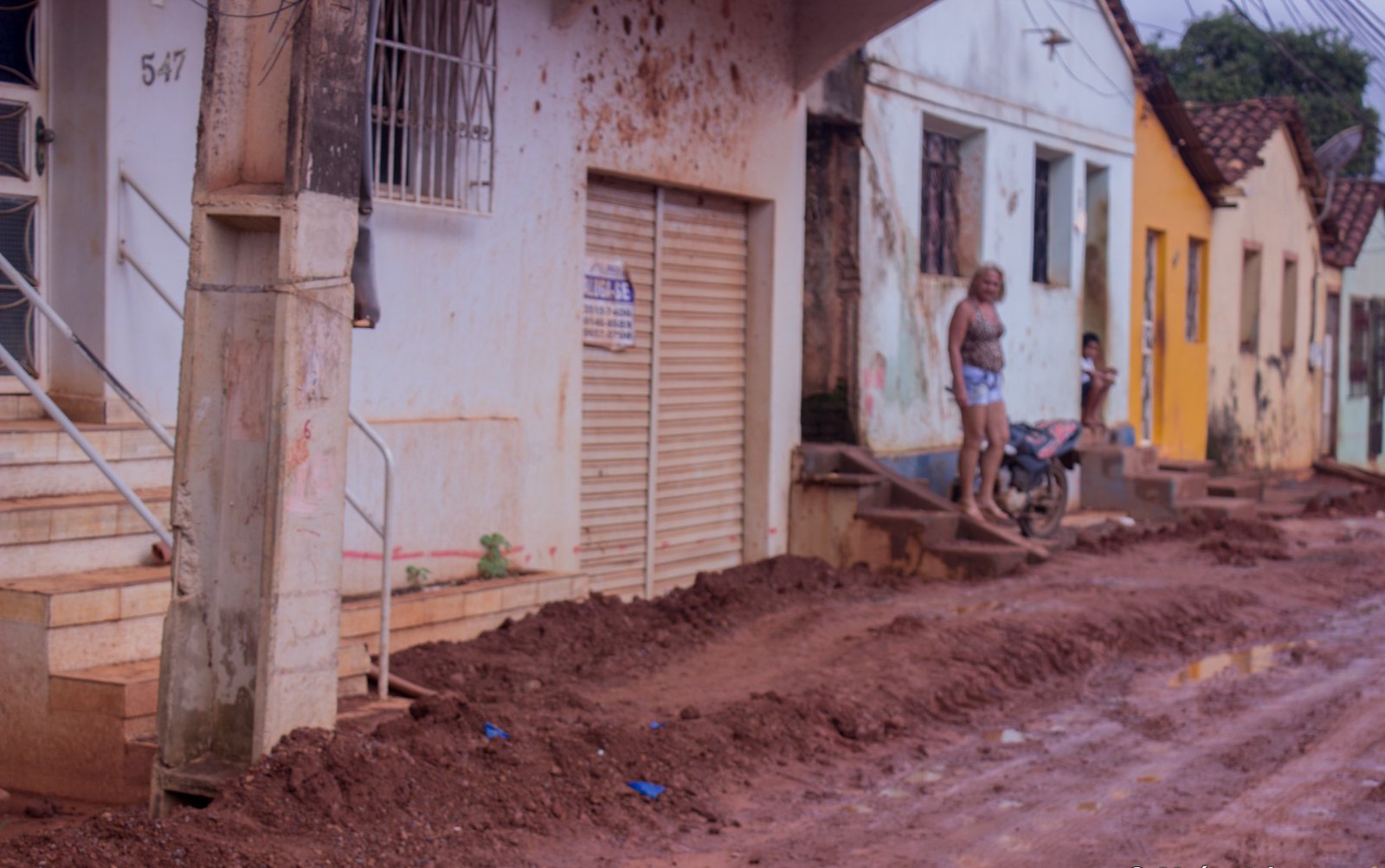
Photo: Amazon Watch / Maíra Irigaray.
Current situation
The protective measures granted by the IACHR remain in effect, but the Brazilian government has not fully complied with them, reporting only on general actions. The communities have documented the ongoing violations of their rights. The situation that prompted the request for these measures—the risk to the lives, physical integrity, and ways of life of the communities—persists and has worsened with the hydroelectric plant operating at full capacity and the recent extreme droughts in the Amazon.
In addition to the impacts of Belo Monte, there is a risk of further social and environmental impacts from the implementation of another mining megaproject in the Volta Grande do Xingu. There, the Canadian company Belo Sun plans to build Brazil’s largest open-pit gold mine.
The combined and cumulative impacts of the dam and the mine were not assessed. The government excluded Indigenous peoples, riverine and peasant communities from the project’s environmental permitting process. Despite protests by Indigenous communities and other irregularities surrounding the project, the government of Pará formally authorized the mine in April 2026.
Like other hydroelectric dams, Belo Monte exacerbates the climate emergency by generating greenhouse gas emissions in its reservoir. And it is inefficient amid the longer, more intense droughts caused by the crisis, as it loses its ability to generate power.
The case before the Inter-American Commission
In October 2017, the IACHR announced that it would rule jointly on the admissibility (whether the case meets the requirements for admission) and the merits (whether a human rights violation actually occurred) of the international complaint against the Brazilian State.
Fifteen years after the complaint was filed, the affected communities and the organizations representing them are still awaiting this decision. If the IACHR concludes that human rights violations occurred and issues recommendations that the Brazilian State fails to comply with, it may refer the case to the Inter-American Court of Human Rights, whose rulings are binding.
A potential ruling by the international court in this case would set a regional legal precedent regarding the rights of indigenous and riverine peoples, public participation in megaprojects, and state responsibility in the context of the climate crisis—a precedent that is particularly relevant in light of the Court’s Advisory Opinion No. 32, which reaffirmed the obligations of States to protect the people and communities of the continent from the climate emergency.
Partners:
Related projects

10 good news stories from 2022, for a sustainable future
This year we saw important advances toward environmental justice in Latin America, and around the world. We’re celebrating decisions at the local, national and international levels that help move us toward a more sustainable future for all. We chose for you our top 10—stories that represent important advances for the protection of biodiversity, for the respect of human rights, for the recognition of indigenous and traditional populations, for responsible finance, for climate litigation as a tool for accountability, and for the hope of a just energy transition. 1. Ecuador expanded the Galapagos Marine Reserve This year, through a national decree, Ecuador added 60 thousand square kilometers to the Galapagos Islands, the first site to be declared a UNESCO World Heritage Site. The new area, called the Hermandad Reserve, creates a marine corridor between the Galapagos Islands and Cocos Island in Costa Rica that will serve as a safe passageway for the dozens of protected species that move through the area, including sharks, whales, turtles, and dolphins. After the expansion, nearly 200 thousand square kilometers of the Galapagos have varying degrees of protection. Ecuador and Costa Rica have since called on Panama and Colombia to add protected areas to the new Reserve. 2. Honduras declared territory free from open-pit mining In February, the new government of Honduras declared the entire territory of the Central American country free of open-pit mining. According to a communiqué from the Secretariat of Natural Resources, Environment and Mines, the decision was made following the principles of climate justice and with a view toward respecting and protecting natural resources. Along these same lines, the government issued three other provisions: to cancel the approval of permits for extractive exploitation; to approve a mining moratorium through which environmental licenses, permits and concessions for metallic and non-metallic exploration and exploitation will be reviewed; and to intervene immediately in natural areas of high ecological value for their conservation. 3. Mexican Supreme Court protected the Veracruz Reef Residents of the coastal state of Veracruz and the Mexican Center for Environmental Law (CEMDA) won their case before the country’s supreme court to protect the Veracruz Reef, the largest reef system in the Gulf of Mexico. The Court unanimously recognized that the authorities violated the community's right to a healthy environment by approving the expansion of the Port of Veracruz. AIDA and Earthjustice presented evidence for recognition of the human rights to a healthy environment and access to justice enshrined in international law. These rights obligate the Mexican government to allow anyone whose rights are threatened by environmental degradation to achieve justice regardless of whether their connection to the threatened ecosystem is indirect or remote. This victory was a collective effort between organizations and the community, and sets a precedent for environmental justice in the region as the ruling points to Mexico's international obligations, including those under the Escazú Agreement. 4. Chile took important steps towards energy transition In June, Chile published the Framework Law on Climate Change, the first in its history, which assigns responsibilities for mitigating emissions and adapting to climate change. The law is the first in the region to establish a carbon neutral goal for 2050, which must be reviewed every five years. In addition, faced with a wave of intoxications derived from pollution, the President announced the closure of the Ventanas Smelter in Valparaíso. Congress is currently considering a bill to approve the closure of Ventanas, which will be progressive. Both the company and the government have committed to not leaving workers without a job, to taking charge of environmental remediation, and to continuing to process small-scale mining minerals. The corporation Enel also closed its last coal-fired power plant in Coronel, a region with a history of environmental conflicts due to impacts on the health and livelihoods of the community. The cases of Enel and Ventanas remind us that decisions towards energy transition must be made respecting the rights of the people involved, both the community and longtime workers. 5. United Nations recognized a healthy environment as a universal right In July, in a historic resolution, the United Nations General Assembly recognized a safe, healthy, clean and sustainable environment as a universal human right. Since this right was left out of the Universal Declaration of Human Rights in 1948, the decision marks a milestone for international law, particularly in the area of human rights. "This resolution conveys the message that no one can take away our nature, clean air and water, or deprive us of a stable climate," said Inger Andersen, head of the United Nations Environment Programme. "At least not without a fight." This news was cause for great celebration at AIDA because the human right to a healthy environment has been the focus of our work since our founding. Costa Rica was one of the countries that led the proposal and that behind this milestone there are decades of work by organizations, movements and communities. 6. For first time, the Inter-American Bank prepared a responsible exit plan In Guatemala, Mayan communities filed a complaint about the damage that two hydroelectric projects caused to their territory, livelihoods and social fabric. The projects had received financing from the Inter-American Development Bank (IDB) Group. After the Bank's accountability office concluded that IDB Invest failed to comply with its operational policies and safeguards, the bank decided to withdraw its financing from the projects. In addition to the divestment, and as a result of the complaint, the IDB Group developed a responsible exit plan for the first time in its history. This sets a historic precedent for all communities affected by investments by international financial institutions. Although there are challenges for the implementation of the exit plan, the case is a great opportunity for the IDB to strengthen its policies as well as the monitoring and supervision of the projects it supports in order to avoid non-compliance with its guidelines. 7. Recognition grew for the region’s indigenous peoples Despite the fact that indigenous and traditional peoples suffer constant violations of their human rights—often for protecting their own territory—this year their contributions, knowledge and work were recognized on various fronts. In Colombia, the ancestral knowledge system of the Arhuaco, Kankuamo, Kogui and Wiwa indigenous peoples of the Sierra Nevada de Santa Marta was recognized as Intangible Cultural Heritage of Humanity by UNESCO. In Brazil, Sonia Guajajara and Célia Xakriabá, indigenous women with environmental and social causes, were elected to Congress in the October general elections. And, for the first time in Ecuador, Amazonian indigenous organizations received $2.5 million to finance conservation and deforestation reduction projects. 8. World leaders created a fund for climate loss and damage One of the strongest demands of the global South at climate summits had been the creation of a fund for losses and damages for the countries most vulnerable to the climate crisis. This year, at the 27th United Nations Climate Change Conference (COP27), a financing mechanism was finally created for this purpose. This mechanism will seek to mobilize resources to complement existing ones, and calls for richer countries to contribute more. The decision adopted at COP27 also called on the World Bank and the International Monetary Fund to provide "financing solutions." The details for the fund’s operation and for the inclusion of a human rights approach are a task for the next conference. 9. Brazilian court settled first-ever climate litigation In 2020, four political parties and two civil society organizations filed a lawsuit over the Brazilian government's failure to provide resources to the federal Climate Fund. The case was resolved in July of this year, becoming the first climate litigation in Brazil's Supreme Federal Tribunal, the highest court in the country. The court determined that the government has a constitutional duty to allocate the necessary economic resources for the operation of the Climate Fund, which had been paralyzed in recent years. In its findings, the court equated the Paris Agreement with a human rights treaty, which may give way for courts and judges in other Latin American countries to make the same recognition. This case shows that strategic climate litigation is an effective and necessary way to demand that governments and companies in the continent comply with their climate commitments. 10. Historic agreement reached to protect global biodiversity In December, roughly 200 member countries of the Convention on Biological Diversity adopted a historic agreement that seeks to reverse decades of environmental degradation and the resulting risks to the planet's species and ecosystems. Gathered at the 15th United Nations Conference on Biodiversity in Montreal, Canada, the countries' delegates reached an agreement committing to protect at least 30 percent of the world's terrestrial and marine areas by 2030. In addition, they agreed to provide at least $20 billion in annual international aid for biodiversity by 2025 and at least $30 billion by 2030. Want more good news? Learn about AIDA's four most important achievements in 2022
Read more
Toward environmental justice: 4 achievements for AIDA in 2022
Success stories are the result of processes that take time, perseverance and joint actions. Faced with the challenges of environmental degradation and the climate crisis, these precepts are more relevant than ever. They are a reminder that the defense of the environment is collective and long-term. For AIDA, 2022 was a year of important achievements in our efforts to contribute to environmental and climate justice in Latin America. These advances demonstrate the importance of collaboration and persistence. They are in turn precedents for litigation, advocacy and alliance-building in favor of the broader regional movement of which we are a part. 1. LA OROYA POLLUTION VICTIMS HEARD BY INTER-AMERICAN COURT People affected by toxic contamination from a metal smelter in the Andean city of La Oroya, Peru, presented their case before the Inter-American Court of Human Rights. More than 20 years after taking the case, AIDA succeeded in presenting their case before the international court and demonstrating the Peruvian government's responsibility in the violation of their rights. The eventual ruling is a historic opportunity to establish a key precedent upholding the right to a healthy environment in Latin America. LEARN MORE 2. DIGITAL PLATFORM STRENGTHENS CLIMATE LITIGATION IN LATIN AMERICA Climate litigation has the power to accelerate corporate and government accountability in the face of the climate crisis, and push actions to protect communities and ecosystems. To strengthen this growing movement, we created the Climate Litigation Platform for Latin America and the Caribbean, which currently displays more than 50 legal cases involving climate arguments. It is our contribution to facilitating the exchange of strategies and arguments among those who use the courts to defend the planet. LEARN MORE 3. INTERNATIONAL AGREEMENT CONTRIBUTES TO OCEAN RESILIENCE AIDA was part of the efforts of organizations, governments, academia and the private sector to reach a binding agreement at the World Trade Organization to curb harmful fisheries subsidies, including those that encourage illegal, overfished and unregulated fishing on the high seas. This will help reduce threats to the ocean, a key ally in addressing the climate crisis due to its ability to absorb the planet's excess heat and carbon dioxide emissions. LEARN MORE 4. REGIONAL ALLIANCE ELEVATES THE VOICE OF THE CLIMATE JUSTICE MOVEMENT In response to the need to change the narrative about the climate crisis and strengthen the voice of the movement for a just energy transition in the region, Presentes was born, an alliance coordinated by AIDA that brings together organizations, communities and environmental advocates. We joined together to communicate more strategically and reach more people through the exchange of knowledge and experiences, pedagogy, the use of digital tools and internal capacity building LEARN MORE We invite you to learn more about these achievements and AIDA's work during the year in our 2022 Annual Report
Read moreToward environmental justice: 4 achievements for AIDA in 2022
Success stories are the result of processes that take time, perseverance and joint actions. Faced with the challenges of environmental degradation and the climate crisis, these precepts are more relevant than ever. They are a reminder that the defense of the environment is collective and long-term. For AIDA, 2022 was a year of important achievements in our efforts to contribute to environmental and climate justice in Latin America. These advances demonstrate the importance of collaboration and persistence. They are in turn precedents for litigation, advocacy and alliance-building in favor of the broader regional movement of which we are a part. 1. LA OROYA POLLUTION VICTIMS HEARD BY INTER-AMERICAN COURT People affected by toxic contamination from a metal smelter in the Andean city of La Oroya, Peru, presented their case before the Inter-American Court of Human Rights. More than 20 years after taking the case, AIDA succeeded in presenting their case before the international court and demonstrating the Peruvian government's responsibility in the violation of their rights. The eventual ruling is a historic opportunity to establish a key precedent upholding the right to a healthy environment in Latin America. LEARN MORE 2. DIGITAL PLATFORM STRENGTHENS CLIMATE LITIGATION IN LATIN AMERICA Climate litigation has the power to accelerate corporate and government accountability in the face of the climate crisis, and push actions to protect communities and ecosystems. To strengthen this growing movement, we created the Climate Litigation Platform for Latin America and the Caribbean, which currently displays more than 50 legal cases involving climate arguments. It is our contribution to facilitating the exchange of strategies and arguments among those who use the courts to defend the planet. LEARN MORE 3. INTERNATIONAL AGREEMENT CONTRIBUTES TO OCEAN RESILIENCE AIDA was part of the efforts of organizations, governments, academia and the private sector to reach a binding agreement at the World Trade Organization to curb harmful fisheries subsidies, including those that encourage illegal, overfished and unregulated fishing on the high seas. This will help reduce threats to the ocean, a key ally in addressing the climate crisis due to its ability to absorb the planet's excess heat and carbon dioxide emissions. LEARN MORE 4. REGIONAL ALLIANCE ELEVATES THE VOICE OF THE CLIMATE JUSTICE MOVEMENT In response to the need to change the narrative about the climate crisis and strengthen the voice of the movement for a just energy transition in the region, Presentes was born, an alliance coordinated by AIDA that brings together organizations, communities and environmental advocates. We joined together to communicate more strategically and reach more people through the exchange of knowledge and experiences, pedagogy, the use of digital tools and internal capacity building LEARN MORE We invite you to learn more about these achievements and AIDA's work during the year in our 2022 Annual Report
Read more