

Project
Amazon Watch / Maíra Irigaray
The Belo Monte Dam on the Xingu River: 10 years of impacts in the Amazon and the search for reparations
The Belo Monte Dam has caused an environmental and social disaster in the heart of the Amazon—one of the most important ecosystems on the planet.
This situation has only worsened since the hydroelectric plant began operations in 2016. The quest for justice and reparations by the affected indigenous, fishing, and riverine communities continues to this day.
In 2011, the Inter-American Commission on Human Rights (IACHR) granted them protective measures that, to date, have not been fully implemented by the Brazilian State.
Furthermore, since June of that same year, the IACHR has yet to rule on a complaint against the State regarding its international responsibility in the case.
The IACHR may refer the case to the Inter-American Court of Human Rights, which has the authority to issue a ruling condemning the Brazilian State.
After 10 years of the hydroelectric plant's operation and more than 15 years of documented human rights violations, it is time for justice to be served for the affected communities.
Read the open letter from the organizations bringing the case before the IACHR
Background
The Belo Monte hydroelectric plant—the fourth largest in the world by installed capacity (11,233 MW)—was built on the Xingu River in Pará, a state in northern Brazil.
It was inaugurated on May 5, 2016, with a single turbine. At that time, 80% of the river’s course was diverted, flooding 516 km² of land—an area larger than the city of Chicago. Of that area, 400 km² was native forest. The dam began operating at full capacity in November 2019.
Belo Monte was built and is operated by the Norte Energia S.A. consortium, which is composed primarily of state-owned companies. It was financed by the Brazilian Development Bank (BNDES), which provided the consortium with 25.4 billion reais (approximately US$10.16 billion), the largest investment in the bank’s history. Therefore, the BNDES is also legally responsible for the socio-environmental impacts associated with the hydroelectric plant.
Decades of harm to the environment and people
Human rights violations and degradation of the Amazon have been occurring since the project’s inception. In March 2011, Norte Energía began construction of the dam without adequate consultation and without the prior, free, and informed consent of the affected communities.
The construction caused the forced displacement of more than 40,000 people, severing social and cultural ties. The resettlement plan in Altamira—a city directly affected by the hydroelectric dam—involved housing units located on the outskirts, lacking adequate public services and decent living conditions for the relocated families, with no special provisions for those from indigenous communities.
Belo Monte's operations have caused a permanent, man-made drought in the Volta Grande (or "Great Bend") of the Xingu River, exacerbated by the historic droughts in the Amazon in 2023 and 2024. As a result, the deaths of millions of fish eggs were documented for four consecutive years (from 2021 to 2024), and for the past three years, there has been no upstream migration of fish to spawn and reproduce. Thus, artisanal fishing, the main source of protein for indigenous peoples and riverside communities, was severely affected: fish dropped from 50% to 30% of total protein consumed, replaced by processed foods. In summary, there was an environmental and humanitarian collapse that resulted in the breakdown of fishing as a traditional way of life, food insecurity, and access to drinking water for thousands of families, impoverishment, and disease.
Furthermore, the construction of the dam increased deforestation and intensified illegal logging and insecurity on indigenous and tribal lands, putting the survival of these communities at risk. Another consequence was the deepening of poverty and social conflicts, as well as the strain on health, education, and public safety systems in Altamira—a city ranked as the most violent in the country in 2017, where human trafficking and sexual violence increased. Violence was also reported against human rights defenders involved in the case.
In 2025, during the 30th UN Climate Change Conference (COP30), held in Brazil, the Federal Public Prosecutor’s Office labeled the damage caused by the Belo Monte dam as ecocide.
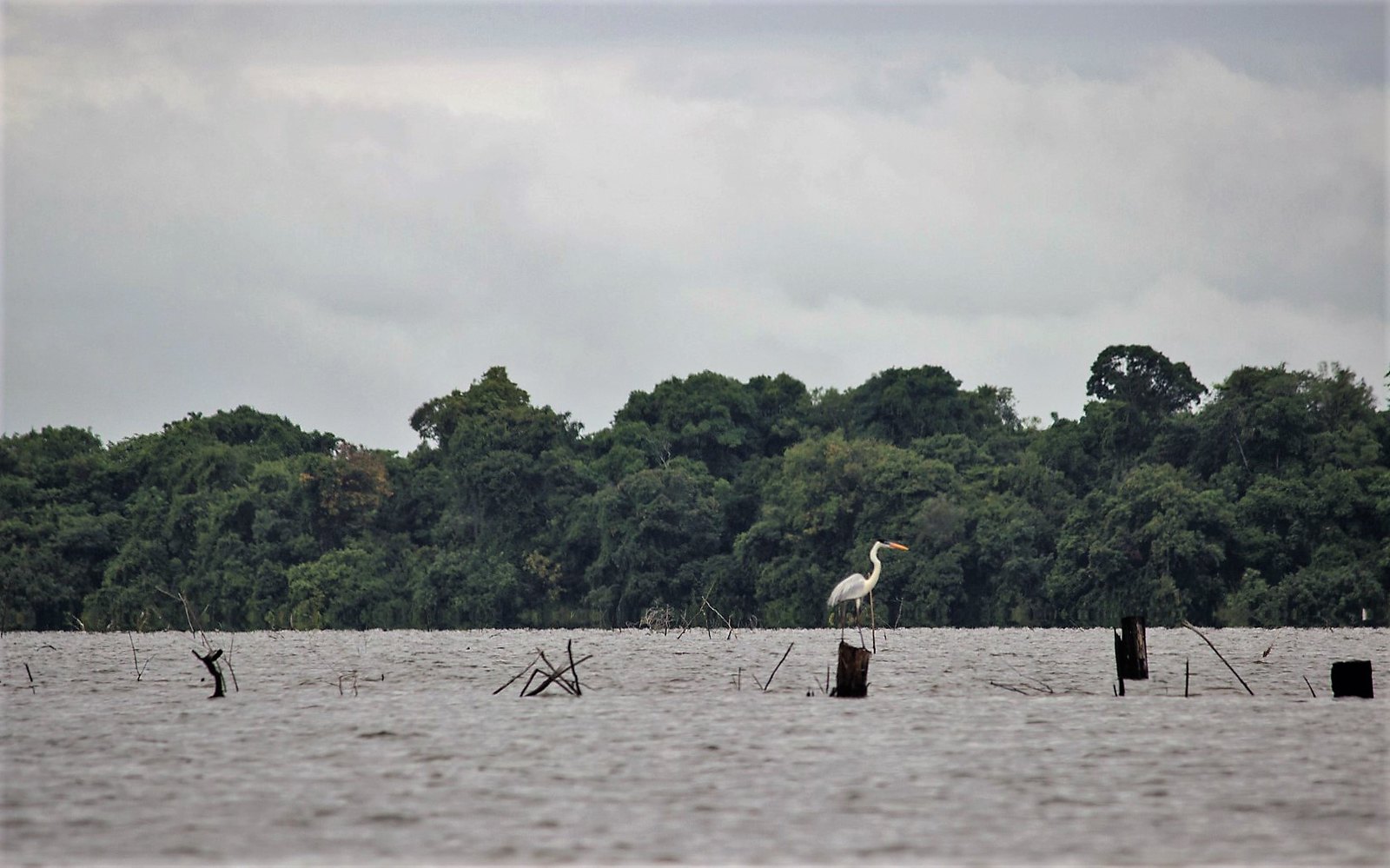
Photo: Amazon Watch / Maíra Irigaray.
The search for justice and reparations
Over the years, the Federal Public Prosecutor’s Office in Pará, the Public Defender’s Office, and civil society organizations have filed dozens of legal actions in Brazilian courts to challenge the project’s various irregularities and its impacts. Most of the claims are still pending resolution, some for more than 10 years.
These efforts have failed because the national government has repeatedly overturned rulings in favor of the affected communities by invoking a mechanism that allowed a court president to suspend a judicial decision based solely on generic arguments such as "the national interest" or "economic order."
In the absence of effective responses at the national level, AIDA, together with a coalition of partner organizations, brought the case before the Inter-American Commission on Human Rights (IACHR) and, in 2010, requested precautionary measures to protect the lives, safety, and health of the affected indigenous communities.
On April 1, 2011, the IACHR granted these measures and requested that the Brazilian government suspend environmental permits and any construction work until the conditions related to prior consultation and the protection of the health and safety of the communities are met.
And on June 16, 2011 —together with the Xingu Vivo Para Sempre Movement, the Coordinating Committee of Indigenous Organizations of the Brazilian Amazon, the Diocese of Altamira, the Indigenous Missionary Council, the Pará Society for the Defense of Human Rights and Global Justice— we filed a formal complaint against the Brazilian State for its international responsibility in the violation of the human rights of the people affected in the case. The case was opened for processing in December 2015.
On August 3, 2011, the IACHR amended the precautionary measures to request, instead of the suspension of permits and construction, the protection of people living in voluntary isolation, the health of indigenous communities, and the regularization and protection of ancestral lands.
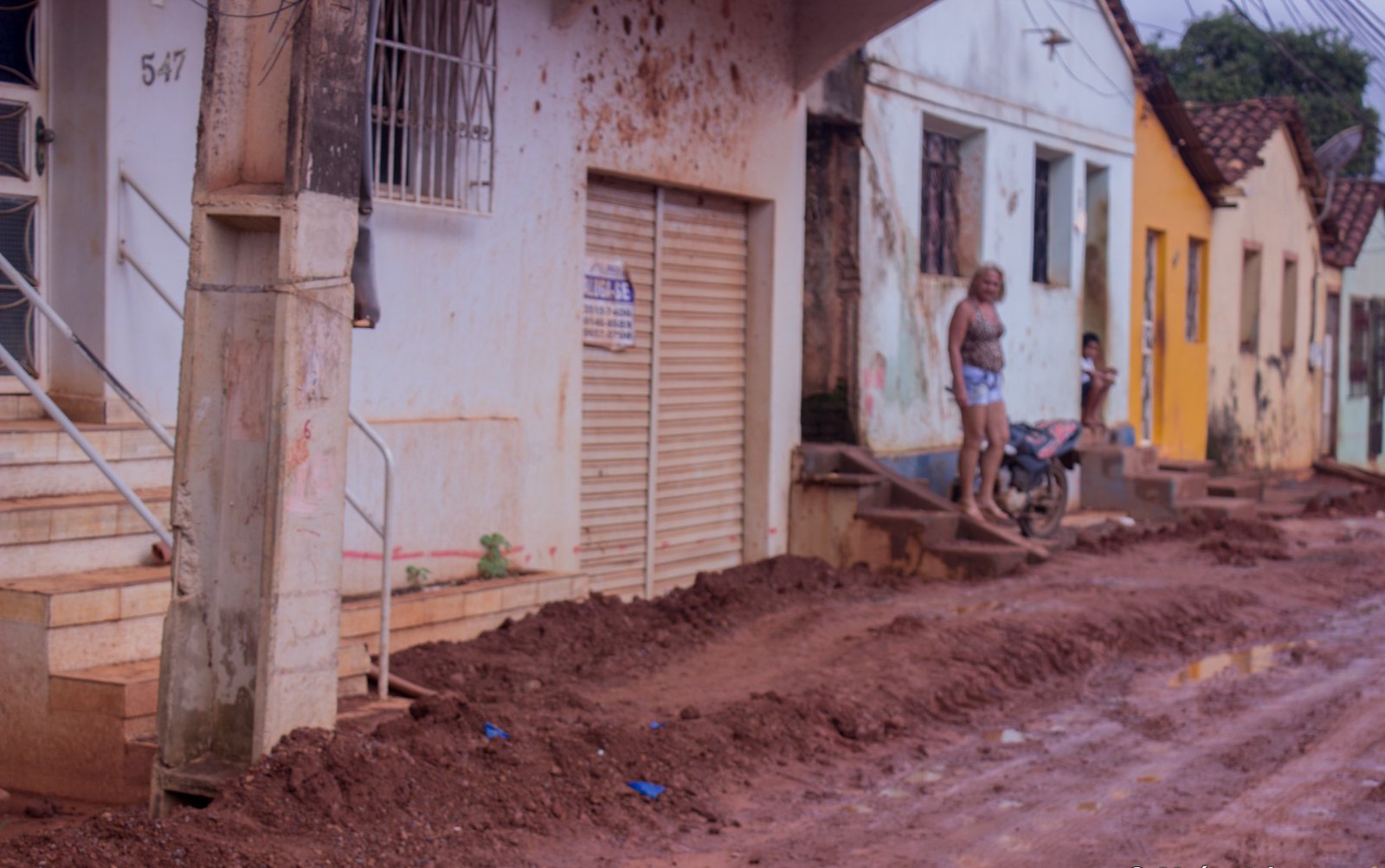
Photo: Amazon Watch / Maíra Irigaray.
Current situation
The protective measures granted by the IACHR remain in effect, but the Brazilian government has not fully complied with them, reporting only on general actions. The communities have documented the ongoing violations of their rights. The situation that prompted the request for these measures—the risk to the lives, physical integrity, and ways of life of the communities—persists and has worsened with the hydroelectric plant operating at full capacity and the recent extreme droughts in the Amazon.
In addition to the impacts of Belo Monte, there is a risk of further social and environmental impacts from the implementation of another mining megaproject in the Volta Grande do Xingu. There, the Canadian company Belo Sun plans to build Brazil’s largest open-pit gold mine.
The combined and cumulative impacts of the dam and the mine were not assessed. The government excluded Indigenous peoples, riverine and peasant communities from the project’s environmental permitting process. Despite protests by Indigenous communities and other irregularities surrounding the project, the government of Pará formally authorized the mine in April 2026.
Like other hydroelectric dams, Belo Monte exacerbates the climate emergency by generating greenhouse gas emissions in its reservoir. And it is inefficient amid the longer, more intense droughts caused by the crisis, as it loses its ability to generate power.
The case before the Inter-American Commission
In October 2017, the IACHR announced that it would rule jointly on the admissibility (whether the case meets the requirements for admission) and the merits (whether a human rights violation actually occurred) of the international complaint against the Brazilian State.
Fifteen years after the complaint was filed, the affected communities and the organizations representing them are still awaiting this decision. If the IACHR concludes that human rights violations occurred and issues recommendations that the Brazilian State fails to comply with, it may refer the case to the Inter-American Court of Human Rights, whose rulings are binding.
A potential ruling by the international court in this case would set a regional legal precedent regarding the rights of indigenous and riverine peoples, public participation in megaprojects, and state responsibility in the context of the climate crisis—a precedent that is particularly relevant in light of the Court’s Advisory Opinion No. 32, which reaffirmed the obligations of States to protect the people and communities of the continent from the climate emergency.
Partners:
Related projects
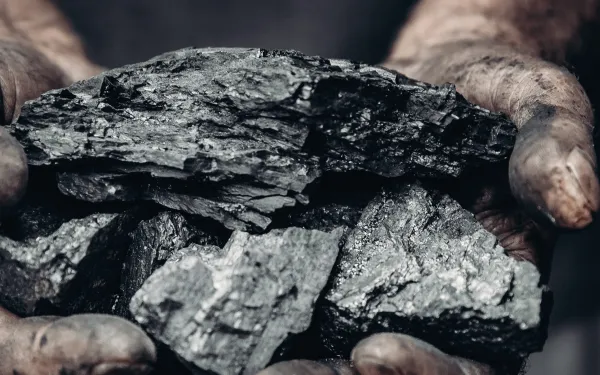
Latin America's role in coal extraction and use
The extraction, transport, use and export of coal to generate electricity are major causes of both the climate crisis and systematic human rights violations. Forty-four percent of global carbon dioxide emissions from fossil fuels come from the use of coal, and the entire coal chain creates serious social, environmental and human rights impacts including forced displacement, water pollution and disease. In its most recent report, the Intergovernmental Panel on Climate Change reiterated that, in order to avoid a catastrophic rise in the planet's average temperature, 80 percent of coal reserves must remain underground and that the use of coal for power generation must be phased out by 2050. However, according to the International Energy Agency, coal consumption reached 8 billion tons for the first time at the close of 2022, representing a 1.2 percent growth in global demand. These figures could rise further in 2023 and stabilize in the following two years, according to forecasts by the energy arm of the Organization for Economic Cooperation and Development. This is partly because, to cope with gas shortages due to the war in Ukraine, Europe plans to relax emission controls regarding fuels like coal. This contradicts the Glasgow Climate Pact (2021) in which States agreed to gradually reduce its use. Latin America is no stranger to this situation. The region participates both in the burning of coal and in the extraction of the mineral which, after being exported, is used as a fossil energy source in other corners of the world. Colombia is the fifth largest coal exporter in the world and Mexico represents the fourteenth largest emitter of greenhouse gases. Governments in the region therefore have a shared responsibility in global efforts to curb the exploitation and burning of coal in favor of energy systems based on non-conventional renewable sources that are sustainable over time and respectful of the environment and people. The story of coal in Latin America, and the pressing need for decarbonization, can be told by taking a closer look at the cases of Chile, Colombia and Mexico. Chile: progress and challenges of decarbonization In Chile, coal-fired power generation is the main cause of serious impacts on the ecosystems and the health of people living in so-called Sacrifice Zones. Historically, pollution from coal-fired power plants—there were, at one time, 28 in operation—has been concentrated in these geographic areas, resulting in toxic air and one of the country’s greatest socio-environmental problems. In recent years, the Andean nation has seen progress toward the decarbonization of its electricity sector. Between October 2021 and September 2022, 27.5 percent of Chile’s electricity came from solar and wind sources—representing the first time renewables surpassed coal use, which fell to 26.5 percent after being the main source for more than a decade. In 2019, the Chilean government committed to closing all coal plants by 2040. Since that public announcement, the timetable has been accelerating. The initial proposal was to close eight thermoelectric plants by 2024 and the remaining 20 by 2040. Now, 65 percent of the plants are scheduled to close by 2025. A bill approved in June 2021 by the Chamber of Deputies and Chamber of Deputies backed the change, which now awaits Senate endorsement. Despite the progress, some experts say that Chile’s roadmap may not be entirely feasible and could increase diesel use in the short term. There is also an imminent risk that rapid decarbonization becomes an excuse to increase the use of gas, ignoring its risks and its role in the country's greenhouse gas emissions. In fact, the government has committed to carbon neutrality by 2050 based on scenarios that include an increased use of gas, but fail to recognize a greater use of diesel. Moving forward, it’s important that Chile’s decarbonization plan contains provisions to prevent continued and increased use of gas. On the contrary, a progressive plan must promote the implementation of renewable energies, encourage distributed generation and increase energy efficiency. A comprehensive plan must also include measures to adequately address energy poverty, and to relocate and reemploy people who lose their jobs due to the energy transition. Only then will it be truly responsible and fair. Colombia: the damages of coal mining and exports Colombia is the world's fifth largest coal exporter, with only 8 percent of the extracted coal being used for domestic consumption. Coal is the mineral that contributes most to the national economy, accounting for more than 80 percent of mining royalties. Yet poverty levels in the departments where 90 percent of the extraction takes place—La Guajira and Cesar—far exceed the national average. Much of Colombia’s coal extraction occurs in El Cerrejón, the largest open-pit coal mine in Latin America. Its operation and growth over the last 40 years has destroyed rivers, streams and endemic ecosystems like the tropical dry forest; polluted the air, causing serious health consequences; and continuously violated the rights of Wayuu, Afro-descendant and rural populations in La Guajira. At the 27th UN Conference on Climate Change (COP27), the current Colombian government announced its intention to reduce the exploitation of fossil fuels and undertake a gradual energy transition. However, to date, the climate impacts of coal mining have not been evaluated, no legislation has been passed on the closure of mines currently in operation, and there’s a lack of certainty around the future growth (or not) of the 1,774 existing coal-focused titles or new investments in the sector. At the same time, Germany has increased its imports of Colombian coal due to the scarcity of gas in Europe. And purchases from the European market increased between January and November 2022, although Asia and the Americas are still the main buyers of the Colombian mineral. These exports demonstrate that the impacts of burning coal anywhere in the world are global—just as multinational corporations have a responsibility in the human rights violations derived from their coal mining in Colombia, the Colombian government has a responsibility in the aggravation of the climate crisis due to coal’s extraction and sale. Achieving a just transition in Colombia requires—among other things—building inclusive and participatory spaces, developing and implementing standards for the responsible closure of coal mines, and creating policies that allow for the adequate economic and social reconversion of those people most affected by the process. Mexico: the backlash of betting on coal and other fossil fuels In 2020, coal-fired power plants produced 10 percent of Mexico’s electricity and emitted 22 percent of the energy sector's total greenhouse gases, according to calculations by the Mexico Climate Initiative. Coal production and electricity generation from the mineral are concentrated in the state of Coahuila, where 99 percent of Mexico's coal is mined in just five municipalities. The origins and cultural identity of this region lie in coal mining, which dates back more than 200 years and still sustains the economy of 160,000 people. At the same time, the coal business has brought air and water pollution, disease and death. According to the historical record kept by victims' families, since coal mining began, more than 3,100 miners have died in the area. Two of the three coal-fired power plants operating in the country are in Coahuila; the other is in Guerrero and is fueled by imported coal. Those two plants consume almost half of the mineral extracted in the region and create more than 60 percent of the energy. Air pollution from burning coal causes around 430 deaths a year in Coahuila from respiratory diseases, according to the Centre for Research on Energy and Clean Air. According to 2019 data, Mexico is the 14th largest emitter of greenhouse gases globally—69.5 percent of its emissions come from the energy sector. Under the current government, energy policy shifted from expanding renewable energy projects to prioritizing the use of fossil fuels and promoting state dominance through the Federal Electricity Commission (CFE) and the state-owned petroleum company PEMEX. In fact, in 2022, coal-based energy production in Mexico increased 63 percent from the previous year. Environmental organizations have pointed out that "prioritizing electricity generation from CFE plants implies guaranteeing the burning of more coal and fuel oil indefinitely, and the development of new fossil gas infrastructure, which would tie us to US gas imports or the development of fracking projects in the north of the country with the consequent negative social and environmental impacts." It’s clear that Latin America has a role in the extraction and use of coal, as well as in its social and environmental impacts. For the region, a just transition towards other forms of energy generation must take into account the particularities of each country, be orderly and have a human rights and gender approach. This implies, among other things: considering the local communities that depend on the coal chain; designing policies to identify and manage the economic and social impacts of the transition; placing alternatives to coal at the center of the discussion; and developing broad and participatory decision-making processes with an active role for the urban and rural population. To achieve this, governments must take decisive action to ensure compliance with their climate and human rights commitments.
Read more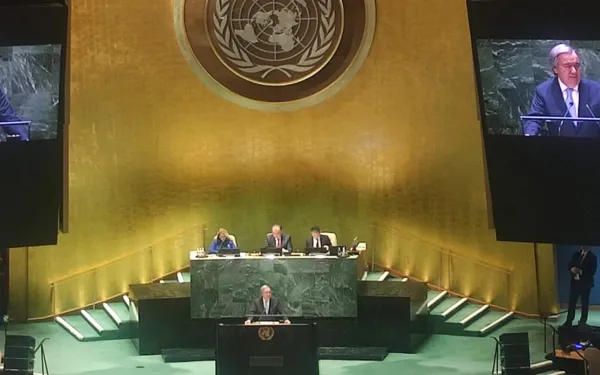
What happened at the World Water Conference 2023?
By Yeny Rodríguez, Claudia Velarde and Rosa Peña* The UN Water Conference 2023, held March 22-24 in New York, was organized in response to the need to evaluate the fulfillment of global goals and targets in the areas of water and sanitation, about which there is growing concern. AIDA participated in the Conference to position key messages from Latin America and the Caribbean that should be made visible and included in the discussions and that should now be part of the fulfillment of the Water Action Agenda, which was adopted at the global meeting. What follows is our take on the important event and what we hope will come of it in the future. The Advances An agenda for urgent action The Conference concluded with the adoption of the Water Action Agenda, a plan that included 689 commitments—collected from the official sessions and side events—as well as pledges of $300 billion dollars in financing to drive them forward. The commitments cover capacity building, data and monitoring systems, and improving infrastructure resilience, among other actions. The online platform hosting the Agenda will remain open for submissions. Overall, the Conference served as a global call to protect water and the water cycle as a global common good and a fundamental human right. The international community was also alerted to the need for urgent action to address the water crisis—which translates into shortages and droughts, contamination of water sources, degradation of strategic ecosystems and serious governance problems— which today particularly affects the world's indigenous peoples, Afro-descendants and rural communities. It’s important that the commitments made be incorporated into climate discussions, since the water crisis and the climate crisis are closely interconnected. The drive for fair water governance Innovative initiatives for the protection of ecosystems and for fair water governance were launched at the Conference. Water governance involves decision-making processes, as well as institutions and power relations that influence the flow, quality, use, availability and distribution of water (fresh or salt, surface or subsurface). One such initiative was the Transformative Water Pact, built collectively by a diverse group of more than 40 civil society organizations and academia, including AIDA. The Dutch NGO Both ENDS and the International Water Knowledge Institute (IHE-Delft) spearheaded the initiative. The Pact proposes an alternative vision of water management based on the principles of environmental justice, equity and care. It proposes frameworks for action and strategic priorities to guide decision-making. It is a response to the continued overexploitation and degradation of freshwater ecosystems, human rights violations, and the extreme power imbalances that characterize current water management around the world. The Inspiring The role of women and indigenous peoples The presence of civil society at the Conference was mostly female. This both revealed the intersectional nature of the inequalities that women experience on a daily basis in their struggles for water, and vindicated their important role in water management. Women possess and transmit traditional ecological knowledge for the care of water, lead struggles in its defense, and are more frequently exposed to risks and threats to their lives. Yet their voice is often disregarded, and they are not often invited to participate in environmental decision-making spaces. Similarly, important indigenous leaders from across Latin America and the world attended the Conference. This showed how much we have to learn from indigenous ancestral practices for the care of water, as well as the decisive role that indigenous and traditional communities play in the care of 80 percent of the planet's biodiversity and in the mitigation of the climate and water crises. The parallel events in which these actors participated made the world reconsider and reevaluate what the West has understood from science, making it clear that the ancestral knowledge system of indigenous peoples is specialized and sophisticated, and therefore must be prioritized in any policy of integrated and fair water management. The unity of civil society for water justice Although largely absent from official UN spaces, civil society had a strong and inspiring presence at the Conference. Organizations, activists and water advocates from around the world held important conversations and called for effective participation, with their own voice, in these spaces. "When you ask me about this conference, I can tell you that I am optimistic, not because of the results, but because of the spirit that was born thanks to you," said Pedro Arrojo-Agudo, UN Special Rapporteur on the human rights to safe drinking water and sanitation, to a room full of civil society members and water defenders. "The UN needs the energy and legitimacy that water defenders' movements are offering and I am sure it will come." Representatives of more than 500 organizations, indigenous peoples, social movements and water defenders presented the Water Justice Manifesto with the intention of amplifying the voices of those who are not being heard and insisting that fundamental issues be placed at the center of water policies at the global, regional, national and subnational levels. Although not scheduled, movement leaders were able to read the manifesto in an official space at the Conference, which allowed for its entry into the central dialogue. What was Missing Guarantees for the effective fulfillment of commitments Although the Conference was a unique and relevant opportunity to place water-related issues on the world agenda, there is still a long way to go toward achieving effective commitments from nations, as those included in the Water Action Agenda are not legally binding. In the near future, we need these commitments to be binding, and for there to be a follow-up mechanism, indicators to measure the progress made by States in fulfilling the Agenda and – why not? – a specialized international instrument for the protection of the human right to water and sanitation. A more open and inclusive participation in the dialogue Practically all sectors echoed the need for greater participation in official UN spaces and in future conferences. This requires a broad understanding of the water crisis and the intersectional movement needed to address it justly. It implies thinking about participation based on the inclusion of stakeholders on an equal footing for dialogue and, at the same time, recognizing the individuals, communities and peoples who hold the right to water, whose voice must be taken into account in a differential manner given their interdependent relationship with water. Recognition of the valuable role of water defenders In Latin America, defending rivers, lagoons, streams, aquifers and, in general, the right to water is a risky activity. Water is a natural resource in dispute. Those who work to safeguard it for human consumption or for its recognition as an enforceable right have for years been subjected to stigmatization, threats, persecution and attacks on their lives and integrity. The water agenda must recognize the important role of water defenders, as well as promote the creation of instruments and mechanisms aimed at providing greater guarantees to those who dedicate their lives to this work. The promotion of horizontal alliances and articulations for the protection of water The protection of water is a task of all States with differentiated responsibilities and capacities. Its effective achievement requires initiatives and processes of international cooperation, alliances and articulations among States based on mutual respect and recognition. This will make it possible to reach consensual paths and prevent the repetition of dynamics of imposition. Furthermore, these articulations must recognize and respect the normative frameworks of indigenous peoples so that, based on their uses and customs, they can continue to play their fundamental role in the protection and management of water. What’s Next It’s expected that the commitments contained in the Water Action Agenda will be reviewed and endorsed internally by Latin American governments and promoted at the international level at upcoming summits and high-level meetings. It’s also expected that the importance of protecting the human right to water and sanitation will be a key theme in all international forums where progress on the Sustainable Development Goals (SDGs) is discussed, such as the SDG Summit scheduled for September, and especially at the 28th United Nations Climate Change Conference (COP28). AIDA will continue to work to protect key ecosystems, prevent industrial pressure on water, advocate for the participation of local communities in decision-making about their water sources, and defend the human right to water. *Yeny Rodríguez is an attorney with AIDA's Ecosystems Program, Claudia Velarde is Area Coordinator of Ecosystems Program y Rosa Peña is an attorney with Human Rights and Environment Program.
Read more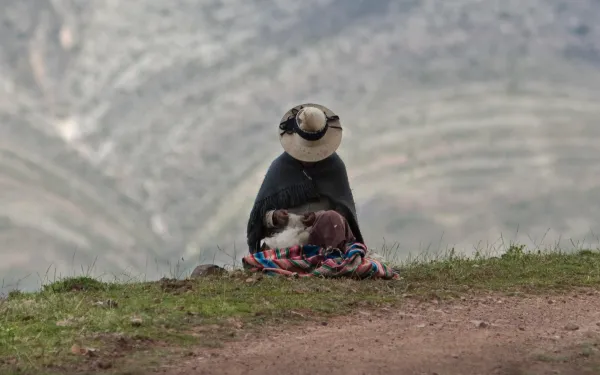
Strategic litigation and its role in the pursuit of justice
In La Guajira, Colombia, indigenous Wayuu and Afro-Colombian communities—accompanied by civil society organizations—initiated litigation to defend their rights to water, food security and ethnic integrity, all of which are at risk from the diversion of the Bruno stream for the expansion of El Cerrejón, the largest open-pit coal mine in Latin America. The goal of bringing this particular case to court is not only to prevent the loss of an important water source. The litigation also seeks to set a precedent in the country and on the continent for the protection of rural communities against the systematic violation of their rights. It also represents an important action in the face of the climate crisis, a global problem aggravated by the continued extraction and burning of coal and other fossil fuels. The case can be categorized as strategic litigation, also called impact litigation, which consists of selecting and filing a lawsuit in order to promote the protection of rights or changes in public policy, while achieving broad changes in society, i.e., those that extend beyond a particular case. Strategic litigation is a tool that, through the law, promotes social transformations and strengthens human rights protections. It is strategic because, based on a legal cause, it seeks to change unjust realities and position issues that are key to the formation of a democratic society. In this sense, the ultimate goal of strategic litigation is to leave a lasting mark, a judicial precedent that can be replicated. It is also strategic because it includes the use of communication strategies, social mobilization, and political advocacy to put relevant debates on the table regarding the recognition of rights. When legal actions involve local communities, they also become a tool to help strengthen their internal processes of defense. Its premises and characteristics have made strategic litigation an important means to promote the protection of key ecosystems and human rights, including the right to health and a healthy environment, and the rights of indigenous peoples, communities and groups in vulnerable situations. Components As described above, strategic litigation is consciously designed to achieve broad goals and to generate a roadmap for future litigation. It consists of many different elements, including the following: A robust legal strategy that, on many occasions, must be enriched with interdisciplinary technical and scientific arguments. A communications strategy. Social or community organizing, which means involving communities, networks and local organizations in all phases of the litigation under a perspective of active participation and collective strategy construction. A strategy to protect against scenarios of risk that the litigation may cause. Political advocacy before decision-makers. Objectives and scope Although there are many, three main objectives of strategic litigation are to: Place important debates in the public opinion. Promote social mobilization around a common cause. Strengthen the rule of law, which means that citizens invite the State and judges to recognize rights, make problems visible, and ultimately strengthen the democratic system. Strategic litigation has been especially important for struggles and causes in which it is difficult for social movements and communities to position the recognition of their rights in legislative and public policy agendas. At AIDA, we believe that all people should have full access to environmental justice, and strategic litigation has been a powerful tool to guarantee the individual and collective right to a healthy environment in Latin America. To achieve this, we select emblematic cases and projects where the strategic use of international law and scientific argumentation can set key precedents. We work closely with local organizations and allies to jointly build the litigation process, design communication campaigns, and complete risk analyses that promote the protection of all stakeholders involved in litigation.
Read more