

Project
Amazon Watch / Maíra Irigaray
The Belo Monte Dam on the Xingu River: 10 years of impacts in the Amazon and the search for reparations
The Belo Monte Dam has caused an environmental and social disaster in the heart of the Amazon—one of the most important ecosystems on the planet.
This situation has only worsened since the hydroelectric plant began operations in 2016. The quest for justice and reparations by the affected indigenous, fishing, and riverine communities continues to this day.
In 2011, the Inter-American Commission on Human Rights (IACHR) granted them protective measures that, to date, have not been fully implemented by the Brazilian State.
Furthermore, since June of that same year, the IACHR has yet to rule on a complaint against the State regarding its international responsibility in the case.
The IACHR may refer the case to the Inter-American Court of Human Rights, which has the authority to issue a ruling condemning the Brazilian State.
After 10 years of the hydroelectric plant's operation and more than 15 years of documented human rights violations, it is time for justice to be served for the affected communities.
Read the open letter from the organizations bringing the case before the IACHR
Background
The Belo Monte hydroelectric plant—the fourth largest in the world by installed capacity (11,233 MW)—was built on the Xingu River in Pará, a state in northern Brazil.
It was inaugurated on May 5, 2016, with a single turbine. At that time, 80% of the river’s course was diverted, flooding 516 km² of land—an area larger than the city of Chicago. Of that area, 400 km² was native forest. The dam began operating at full capacity in November 2019.
Belo Monte was built and is operated by the Norte Energia S.A. consortium, which is composed primarily of state-owned companies. It was financed by the Brazilian Development Bank (BNDES), which provided the consortium with 25.4 billion reais (approximately US$10.16 billion), the largest investment in the bank’s history. Therefore, the BNDES is also legally responsible for the socio-environmental impacts associated with the hydroelectric plant.
Decades of harm to the environment and people
Human rights violations and degradation of the Amazon have been occurring since the project’s inception. In March 2011, Norte Energía began construction of the dam without adequate consultation and without the prior, free, and informed consent of the affected communities.
The construction caused the forced displacement of more than 40,000 people, severing social and cultural ties. The resettlement plan in Altamira—a city directly affected by the hydroelectric dam—involved housing units located on the outskirts, lacking adequate public services and decent living conditions for the relocated families, with no special provisions for those from indigenous communities.
Belo Monte's operations have caused a permanent, man-made drought in the Volta Grande (or "Great Bend") of the Xingu River, exacerbated by the historic droughts in the Amazon in 2023 and 2024. As a result, the deaths of millions of fish eggs were documented for four consecutive years (from 2021 to 2024), and for the past three years, there has been no upstream migration of fish to spawn and reproduce. Thus, artisanal fishing, the main source of protein for indigenous peoples and riverside communities, was severely affected: fish dropped from 50% to 30% of total protein consumed, replaced by processed foods. In summary, there was an environmental and humanitarian collapse that resulted in the breakdown of fishing as a traditional way of life, food insecurity, and access to drinking water for thousands of families, impoverishment, and disease.
Furthermore, the construction of the dam increased deforestation and intensified illegal logging and insecurity on indigenous and tribal lands, putting the survival of these communities at risk. Another consequence was the deepening of poverty and social conflicts, as well as the strain on health, education, and public safety systems in Altamira—a city ranked as the most violent in the country in 2017, where human trafficking and sexual violence increased. Violence was also reported against human rights defenders involved in the case.
In 2025, during the 30th UN Climate Change Conference (COP30), held in Brazil, the Federal Public Prosecutor’s Office labeled the damage caused by the Belo Monte dam as ecocide.
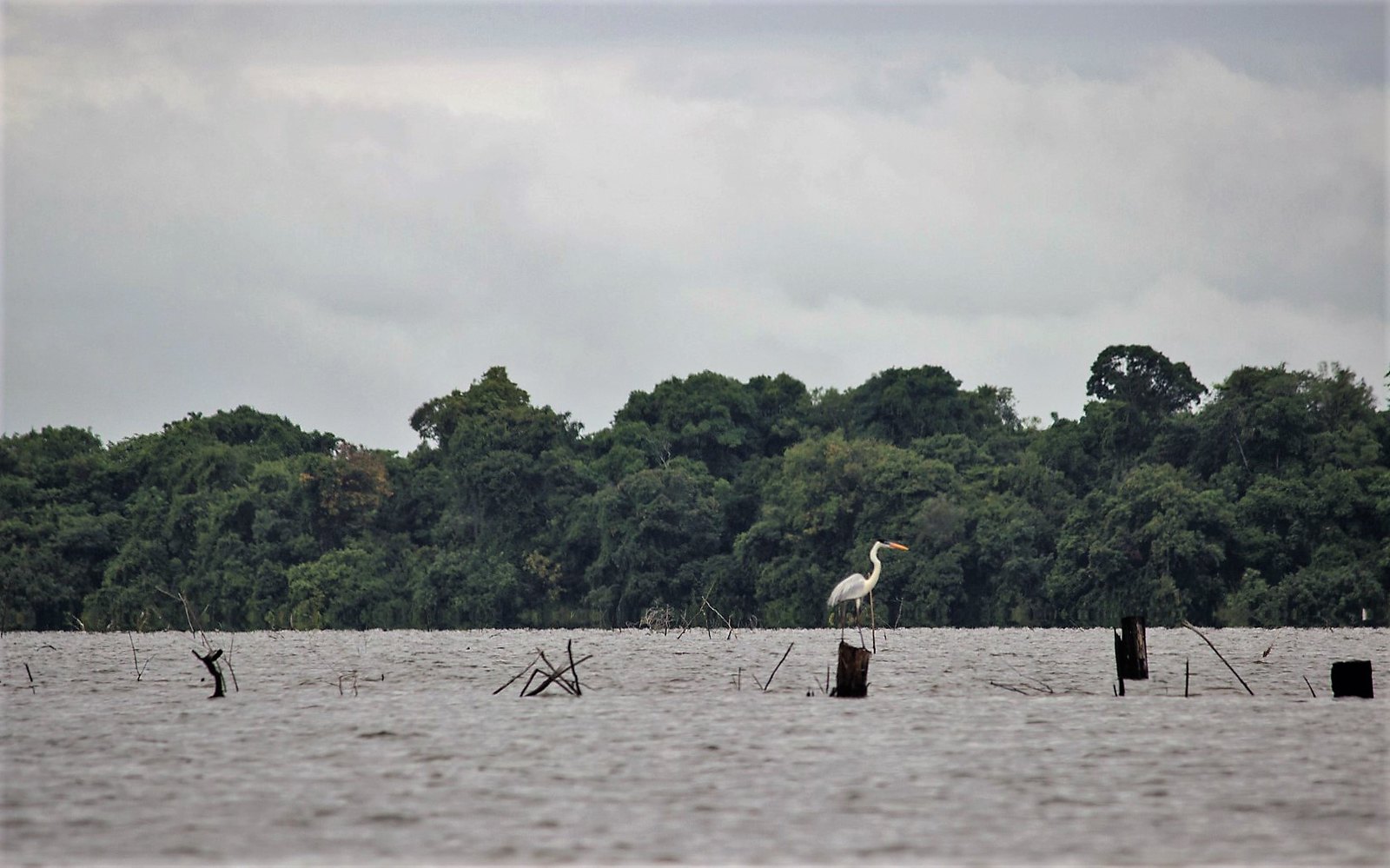
Photo: Amazon Watch / Maíra Irigaray.
The search for justice and reparations
Over the years, the Federal Public Prosecutor’s Office in Pará, the Public Defender’s Office, and civil society organizations have filed dozens of legal actions in Brazilian courts to challenge the project’s various irregularities and its impacts. Most of the claims are still pending resolution, some for more than 10 years.
These efforts have failed because the national government has repeatedly overturned rulings in favor of the affected communities by invoking a mechanism that allowed a court president to suspend a judicial decision based solely on generic arguments such as "the national interest" or "economic order."
In the absence of effective responses at the national level, AIDA, together with a coalition of partner organizations, brought the case before the Inter-American Commission on Human Rights (IACHR) and, in 2010, requested precautionary measures to protect the lives, safety, and health of the affected indigenous communities.
On April 1, 2011, the IACHR granted these measures and requested that the Brazilian government suspend environmental permits and any construction work until the conditions related to prior consultation and the protection of the health and safety of the communities are met.
And on June 16, 2011 —together with the Xingu Vivo Para Sempre Movement, the Coordinating Committee of Indigenous Organizations of the Brazilian Amazon, the Diocese of Altamira, the Indigenous Missionary Council, the Pará Society for the Defense of Human Rights and Global Justice— we filed a formal complaint against the Brazilian State for its international responsibility in the violation of the human rights of the people affected in the case. The case was opened for processing in December 2015.
On August 3, 2011, the IACHR amended the precautionary measures to request, instead of the suspension of permits and construction, the protection of people living in voluntary isolation, the health of indigenous communities, and the regularization and protection of ancestral lands.
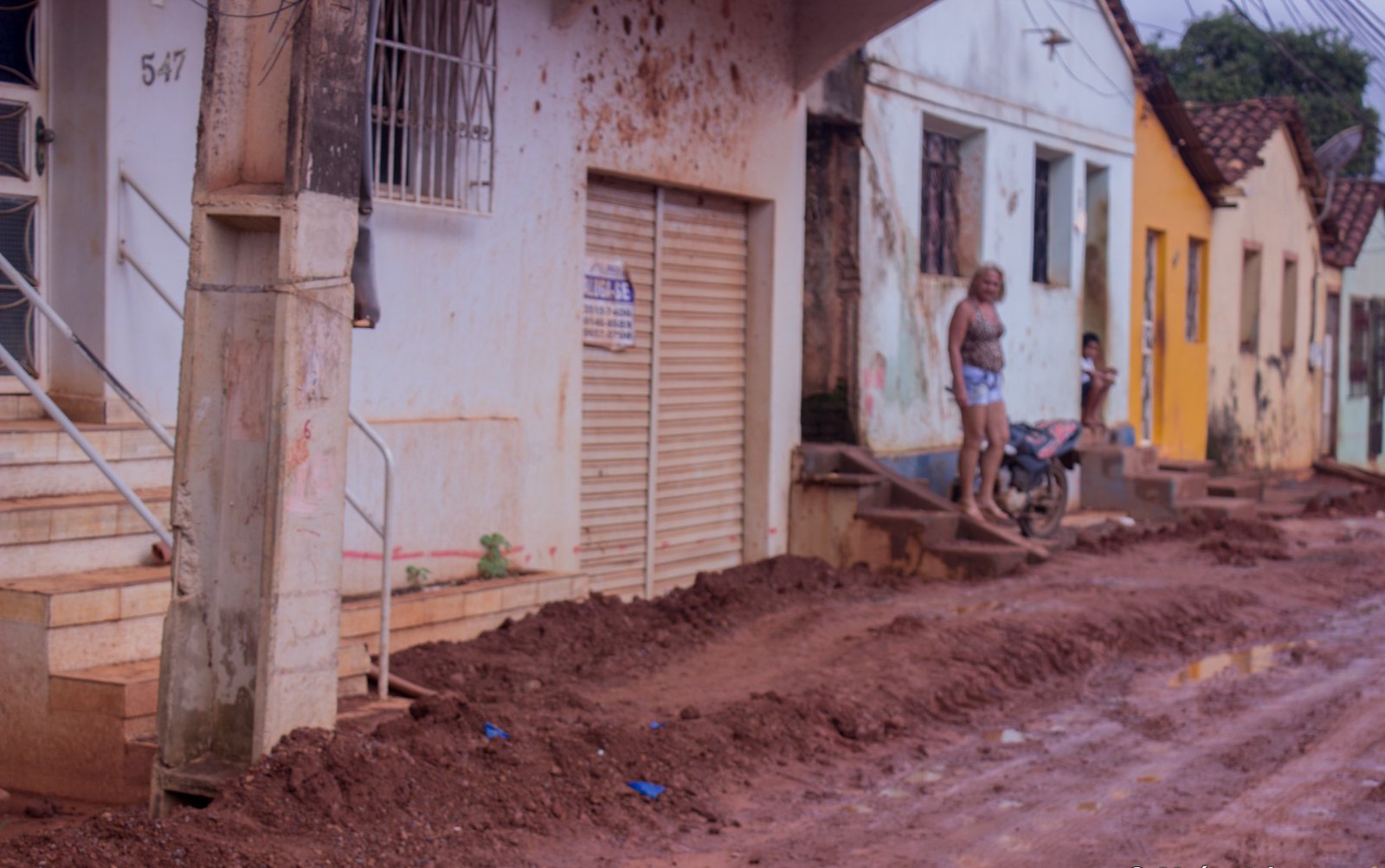
Photo: Amazon Watch / Maíra Irigaray.
Current situation
The protective measures granted by the IACHR remain in effect, but the Brazilian government has not fully complied with them, reporting only on general actions. The communities have documented the ongoing violations of their rights. The situation that prompted the request for these measures—the risk to the lives, physical integrity, and ways of life of the communities—persists and has worsened with the hydroelectric plant operating at full capacity and the recent extreme droughts in the Amazon.
In addition to the impacts of Belo Monte, there is a risk of further social and environmental impacts from the implementation of another mining megaproject in the Volta Grande do Xingu. There, the Canadian company Belo Sun plans to build Brazil’s largest open-pit gold mine.
The combined and cumulative impacts of the dam and the mine were not assessed. The government excluded Indigenous peoples, riverine and peasant communities from the project’s environmental permitting process. Despite protests by Indigenous communities and other irregularities surrounding the project, the government of Pará formally authorized the mine in April 2026.
Like other hydroelectric dams, Belo Monte exacerbates the climate emergency by generating greenhouse gas emissions in its reservoir. And it is inefficient amid the longer, more intense droughts caused by the crisis, as it loses its ability to generate power.
The case before the Inter-American Commission
In October 2017, the IACHR announced that it would rule jointly on the admissibility (whether the case meets the requirements for admission) and the merits (whether a human rights violation actually occurred) of the international complaint against the Brazilian State.
Fifteen years after the complaint was filed, the affected communities and the organizations representing them are still awaiting this decision. If the IACHR concludes that human rights violations occurred and issues recommendations that the Brazilian State fails to comply with, it may refer the case to the Inter-American Court of Human Rights, whose rulings are binding.
A potential ruling by the international court in this case would set a regional legal precedent regarding the rights of indigenous and riverine peoples, public participation in megaprojects, and state responsibility in the context of the climate crisis—a precedent that is particularly relevant in light of the Court’s Advisory Opinion No. 32, which reaffirmed the obligations of States to protect the people and communities of the continent from the climate emergency.
Partners:
Related projects
Open Letter from Civil Society Organizations to the President of the Inter-American Development Bank
The undersigned group of civil society organizations greet you as you begin your term as President of the Inter-American Development Bank. We extend to you our best wishes as you assume this task of great responsibility for the people of Latin America and the Caribbean.We take this opportunity to introduce ourselves and express our willingness to continue contributing to the Bank's actions pursuing the region's development. Since 2017, our organizations have been monitoring and making recommendations on the IDB policies and projects, in partnership with local communities and populations. In particular, we promote the Bank’s establishment of better social and environmental policies and practices, as well as adequate and transparent spaces for participation that allow improving the IDB's link and interaction with civil society. To mention just a few examples, we highlight our contributions to the Environmental and Social Policy Framework (ESPF), to the updates of the MICI policy and in the accompaniment of specific cases, and in the revision process of the Access to Information Policy and in the dialogues on the IDB-Amazon Initiative.In conjunction, we are permanently monitoring the Bank's policies and investments throughout the region, including in projects involved in the response to and recovery from the Covid pandemic and many others.We consider it essential that the Bank strengthen its practices and operations, facilitating the promotion and respect for human rights, with special attention paid to the needs of communities and indigenous peoples who are at the forefront in the defense of nature, as well as the protection of key ecosystems in the fight against climate change.Given the relevance of public participation in promoting full development, we reiterate our request to the Bank to generate constructive and lasting participation mechanisms. In particular, we request that the space for dialogue with civil society be reopened in the framework of the next IDB Annual Meetings. This space was a traditional practice that was interrupted in 2014 and has not been resumed to date.We understand that a space for IDB articulation with civil society (social organizations and movements, Indigenous groups, and others who are affected) is not only a good practice that other multilateral agencies are already implementing, but would also contribute to advance the objectives of your administration. As stated in your inaugural speech last January, you stressed your desire to "seize all opportunities for dialogue" and collaborate with different actors to address the most pressing problems of our region.Thus, your administration has an historic opportunity to generate greater openness towards civil society organizations and communities potentially affected by Bank-financed operations. We believe that this demand can no longer be postponed, and that this long-standing claim must be addressed in order to strengthen the work together with the peoples of the region.We remain at your disposal to discuss the points raised in this letter and other matters of common interest at your convenience. Kind regards, Accountability CounselAMATE El SalvadorArticulación Salvadoreña de Sociedad Salvadoreña de Sociedad Civil para la Incidencia en las Instituciones Financieras Internacionales (ASIFI)Asociación Ambiente y Sociedad (Environment and Society Association)Interamerican Association for the Defense of the Environment (AIDA)International Accountability ProjectBank Information CenterCenter for International Environmental Law (CIEL)Coalition for Human Rights In DevelopmentCohesión Comunitaria e Innovación Social A.C. (Mexico)Conectas Direitos HumanosDerecho, Ambiente y Recursos Naturales (DAR, Perú)Ecoa - Ecology and ActionFoundation for the Development of Sustainable Policies (Fundeps)CAUCE Foundation: Environmental Culture - Causa Ecologista (Argentina)Gender ActionInternational RiversMesa de Discapacidad y Derechos (Perú)International Platform against ImpunityProtection International MesoamericaSociedad y Discapacidad - SODIS (Perú)Sustentarse (Chile)Wetlands International / Fundacion Humedales (Argentina) Read and download the letter
Read moreOpen Letter from Civil Society Organizations to the President of the Inter-American Development Bank
The undersigned group of civil society organizations greet you as you begin your term as President of the Inter-American Development Bank. We extend to you our best wishes as you assume this task of great responsibility for the people of Latin America and the Caribbean.We take this opportunity to introduce ourselves and express our willingness to continue contributing to the Bank's actions pursuing the region's development. Since 2017, our organizations have been monitoring and making recommendations on the IDB policies and projects, in partnership with local communities and populations. In particular, we promote the Bank’s establishment of better social and environmental policies and practices, as well as adequate and transparent spaces for participation that allow improving the IDB's link and interaction with civil society. To mention just a few examples, we highlight our contributions to the Environmental and Social Policy Framework (ESPF), to the updates of the MICI policy and in the accompaniment of specific cases, and in the revision process of the Access to Information Policy and in the dialogues on the IDB-Amazon Initiative.In conjunction, we are permanently monitoring the Bank's policies and investments throughout the region, including in projects involved in the response to and recovery from the Covid pandemic and many others.We consider it essential that the Bank strengthen its practices and operations, facilitating the promotion and respect for human rights, with special attention paid to the needs of communities and indigenous peoples who are at the forefront in the defense of nature, as well as the protection of key ecosystems in the fight against climate change.Given the relevance of public participation in promoting full development, we reiterate our request to the Bank to generate constructive and lasting participation mechanisms. In particular, we request that the space for dialogue with civil society be reopened in the framework of the next IDB Annual Meetings. This space was a traditional practice that was interrupted in 2014 and has not been resumed to date.We understand that a space for IDB articulation with civil society (social organizations and movements, Indigenous groups, and others who are affected) is not only a good practice that other multilateral agencies are already implementing, but would also contribute to advance the objectives of your administration. As stated in your inaugural speech last January, you stressed your desire to "seize all opportunities for dialogue" and collaborate with different actors to address the most pressing problems of our region.Thus, your administration has an historic opportunity to generate greater openness towards civil society organizations and communities potentially affected by Bank-financed operations. We believe that this demand can no longer be postponed, and that this long-standing claim must be addressed in order to strengthen the work together with the peoples of the region.We remain at your disposal to discuss the points raised in this letter and other matters of common interest at your convenience. Kind regards, Accountability CounselAMATE El SalvadorArticulación Salvadoreña de Sociedad Salvadoreña de Sociedad Civil para la Incidencia en las Instituciones Financieras Internacionales (ASIFI)Asociación Ambiente y Sociedad (Environment and Society Association)Interamerican Association for the Defense of the Environment (AIDA)International Accountability ProjectBank Information CenterCenter for International Environmental Law (CIEL)Coalition for Human Rights In DevelopmentCohesión Comunitaria e Innovación Social A.C. (Mexico)Conectas Direitos HumanosDerecho, Ambiente y Recursos Naturales (DAR, Perú)Ecoa - Ecology and ActionFoundation for the Development of Sustainable Policies (Fundeps)CAUCE Foundation: Environmental Culture - Causa Ecologista (Argentina)Gender ActionInternational RiversMesa de Discapacidad y Derechos (Perú)International Platform against ImpunityProtection International MesoamericaSociedad y Discapacidad - SODIS (Perú)Sustentarse (Chile)Wetlands International / Fundacion Humedales (Argentina) Read and download the letter
Read more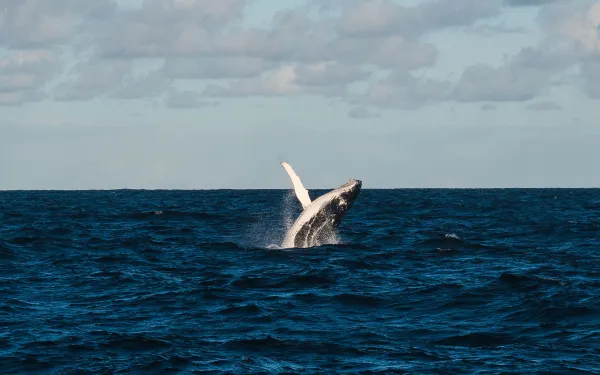
Decision time for world’s governments on new global treaty for the ocean
New York: Today governments resume negotiations at the United Nations in New York to finalize a new High Seas Treaty to ensure the conservation and sustainable use of marine biodiversity of areas beyond national jurisdiction. The two-week Intergovernmental conference is taking place from 20 February to 3 March 2023 and is a resumption of negotiations from August 2022, when governments ran out of time. Covering half of the planet, the High Seas support vibrant marine ecosystems, life that is vital to the global food supply, and the planet’s climate system. However, it has been plagued by poor or patchy governance, and with only 1.2% protected, vast High Seas areas are open to unsustainable exploitation. This new treaty aims to address these shortcomings and offers a historic opportunity to put in place game-changing new measures for the ocean, including establishing highly and fully protected areas and strengthening assessment and management of human activities. The recent global commitment to protect at least 30% of the ocean by 2030 (the “30x30” goal) offers an ambitious backdrop for ensuring this new treaty provides the legal tools to turn the target into a reality. The pressure is now on governments to ensure the treaty that is finally agreed upon will be ambitious enough to result in a healthy ocean rather than a degraded one. Key issues that still need to be addressed at the meeting include: measures to ensure that the new treaty can deliver effective new marine protected areas rather than “paper parks”; safeguards to avoid harm arising from human activities affecting the high seas and the deep seabed; a strong institutional framework to ensure effective implementation and compliance; decision-making rules to avoid enabling one or two countries to block progress; and critical finance and equity issues related to capacity building and the sharing of benefits from marine genetic resources. "We came frustratingly close to getting this treaty over the line in August at what was supposed to be the final round of negotiations. With the accelerating climate and biodiversity crises, time is not a luxury we have to put ocean health back on track," said Sarah Bevis from the High Seas Alliance. "This time round we need to seize the moment and get an ambitious treaty over the finish line, so we can roll up our sleeves and work on the crucial tasks of getting the treaty ratified and implemented." Additional Quotes from High Seas Alliance member organizations: Dr Laura Meller, Oceans Campaigner and Polar Advisor, Greenpeace Nordic said: "The oceans support all life on Earth. Their fate will be decided at these negotiations. The science is clear. Protecting 30% of the oceans by 2030 is the absolute minimum necessary to avert catastrophe. It was encouraging to see all governments adopt the 30x30 target last year, but lofty targets mean nothing without action." "This special session taking place so soon after the last round of negotiations collapsed gives us hope. If a strong Treaty is agreed on the 3rd of March, it keeps 30x30 alive. Governments must return to negotiations ready to find compromises and deliver an effective Treaty. We’re already in extra time. These talks are one final chance to deliver. Governments must not fail." Trevor Jones, Campaign Manager, Only One said: "Without protections for the high seas, we cannot hope to have a healthy ocean, and without a healthy ocean we put marine life, coastal livelihoods, and global food stability at grave risk. Millions of people from around the world have spoken out: They want a strong High Seas Treaty, and they’re counting on their leaders to finally get the job done." Liz Karan, Director of Pew’s Ocean Governance Project said: "The high seas support diverse marine life and unique ecosystems critical to the health of our ocean and planet. Countries must seize this opportunity to finalize a robust high seas treaty to establish highly protected, cross sectoral high seas MPAs for the benefit of current and future generations." Jennifer Morris, CEO of The Nature Conservancy said: "Ensuring legal protection for the vast areas of open ocean beyond national jurisdiction, and actively acknowledging the importance of addressing this situation, is a pivotal step in moving toward our ambitious ‘30x30’ target in the new UN Global Biodiversity Framework. Ensuring a successful outcome from the New York negotiations, in the form of a formally agreed and legally binding High Seas Treaty, is imperative to meet the collective commitment to conserve 30% of the Earth’s ocean this side of 2030." Gladys Martínez, Executive Director of the Interamerican Association for Environmental Defense (AIDA) said: "The high seas urgently needs a governance framework. We look forward to states concluding a strong and ambitious treaty during these two weeks." Fabienne McLellan, Managing Director OceanCare said: "We have high hopes that governments will find a way to finalize the High Seas Treaty during the resumed session of IGC 5. Countries must understand that it would be grossly negligent to once again fail to conclude an agreement to conserve marine diversity in areas beyond national jurisdiction. The climate and biodiversity crises are in full swing, and the ocean is our ally, not an infinite resource to be exploited. It is not only important that the Agreement is finalized, but what is agreed needs to make a tangible difference in protecting biodiversity. Against this backdrop, it is difficult to imagine that no agreement will be reached - the agreement is vital for marine biodiversity, a healthy ocean and thus also for us humans". PRESS CONTACTS Patricia Roy, + 34 696 905 907 - CET Mirella von Lindenfels, +44 7717 844 352 - EST
Read more