
Project
Amazon Watch / Maíra Irigaray
The Belo Monte Dam on the Xingu River: 10 years of impacts in the Amazon and the search for reparations
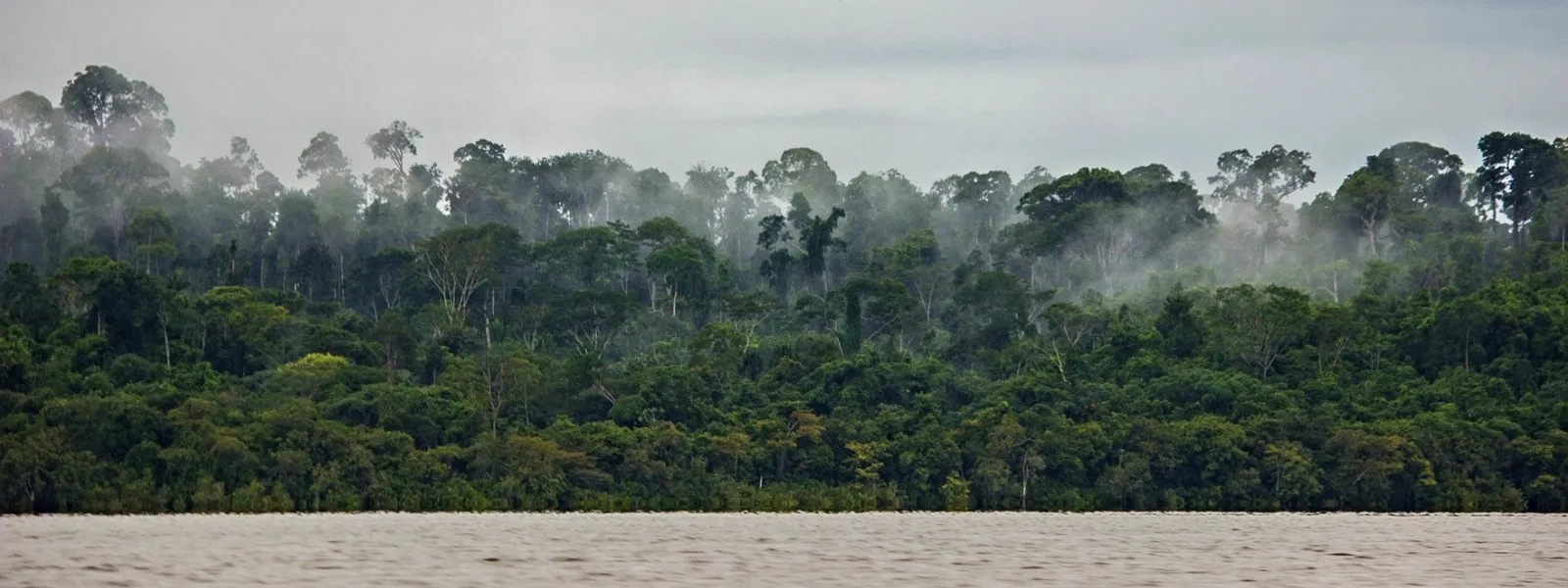
The Belo Monte Dam has caused an environmental and social disaster in the heart of the Amazon—one of the most important ecosystems on the planet.
This situation has only worsened since the hydroelectric plant began operations in 2016. The quest for justice and reparations by the affected indigenous, fishing, and riverine communities continues to this day.
In 2011, the Inter-American Commission on Human Rights (IACHR) granted them protective measures that, to date, have not been fully implemented by the Brazilian State.
Furthermore, since June of that same year, the IACHR has yet to rule on a complaint against the State regarding its international responsibility in the case.
The IACHR may refer the case to the Inter-American Court of Human Rights, which has the authority to issue a ruling condemning the Brazilian State.
After 10 years of the hydroelectric plant's operation and more than 15 years of documented human rights violations, it is time for justice to be served for the affected communities.
Read the open letter from the organizations bringing the case before the IACHR
Background
The Belo Monte hydroelectric plant—the fourth largest in the world by installed capacity (11,233 MW)—was built on the Xingu River in Pará, a state in northern Brazil.
It was inaugurated on May 5, 2016, with a single turbine. At that time, 80% of the river’s course was diverted, flooding 516 km² of land—an area larger than the city of Chicago. Of that area, 400 km² was native forest. The dam began operating at full capacity in November 2019.
Belo Monte was built and is operated by the Norte Energia S.A. consortium, which is composed primarily of state-owned companies. It was financed by the Brazilian Development Bank (BNDES), which provided the consortium with 25.4 billion reais (approximately US$10.16 billion), the largest investment in the bank’s history. Therefore, the BNDES is also legally responsible for the socio-environmental impacts associated with the hydroelectric plant.
Decades of harm to the environment and people
Human rights violations and degradation of the Amazon have been occurring since the project’s inception. In March 2011, Norte Energía began construction of the dam without adequate consultation and without the prior, free, and informed consent of the affected communities.
The construction caused the forced displacement of more than 40,000 people, severing social and cultural ties. The resettlement plan in Altamira—a city directly affected by the hydroelectric dam—involved housing units located on the outskirts, lacking adequate public services and decent living conditions for the relocated families, with no special provisions for those from indigenous communities.
Belo Monte's operations have caused a permanent, man-made drought in the Volta Grande (or "Great Bend") of the Xingu River, exacerbated by the historic droughts in the Amazon in 2023 and 2024. As a result, the deaths of millions of fish eggs were documented for four consecutive years (from 2021 to 2024), and for the past three years, there has been no upstream migration of fish to spawn and reproduce. Thus, artisanal fishing, the main source of protein for indigenous peoples and riverside communities, was severely affected: fish dropped from 50% to 30% of total protein consumed, replaced by processed foods. In summary, there was an environmental and humanitarian collapse that resulted in the breakdown of fishing as a traditional way of life, food insecurity, and access to drinking water for thousands of families, impoverishment, and disease.
Furthermore, the construction of the dam increased deforestation and intensified illegal logging and insecurity on indigenous and tribal lands, putting the survival of these communities at risk. Another consequence was the deepening of poverty and social conflicts, as well as the strain on health, education, and public safety systems in Altamira—a city ranked as the most violent in the country in 2017, where human trafficking and sexual violence increased. Violence was also reported against human rights defenders involved in the case.
In 2025, during the 30th UN Climate Change Conference (COP30), held in Brazil, the Federal Public Prosecutor’s Office labeled the damage caused by the Belo Monte dam as ecocide.
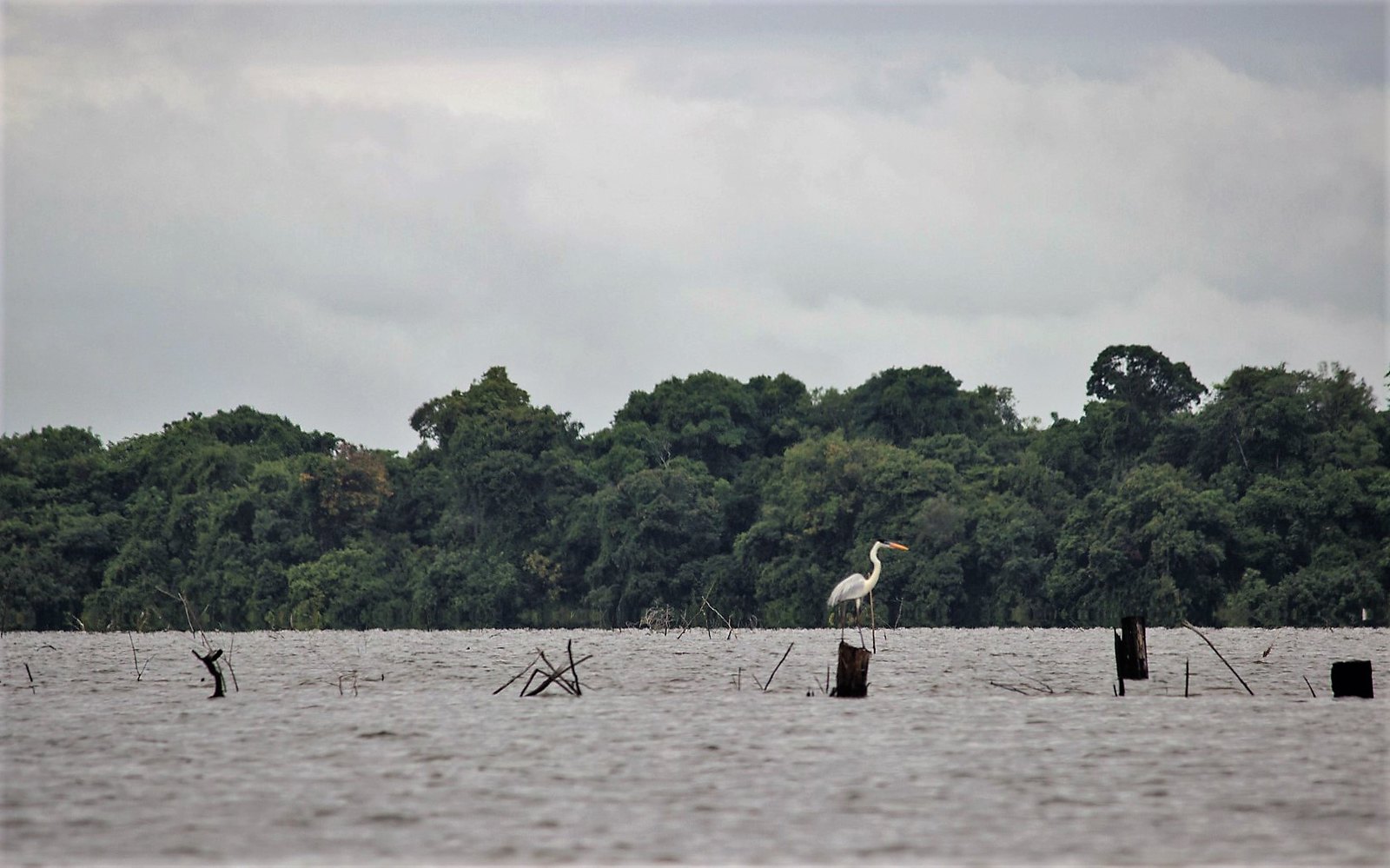
Photo: Amazon Watch / Maíra Irigaray.
The search for justice and reparations
Over the years, the Federal Public Prosecutor’s Office in Pará, the Public Defender’s Office, and civil society organizations have filed dozens of legal actions in Brazilian courts to challenge the project’s various irregularities and its impacts. Most of the claims are still pending resolution, some for more than 10 years.
These efforts have failed because the national government has repeatedly overturned rulings in favor of the affected communities by invoking a mechanism that allowed a court president to suspend a judicial decision based solely on generic arguments such as "the national interest" or "economic order."
In the absence of effective responses at the national level, AIDA, together with a coalition of partner organizations, brought the case before the Inter-American Commission on Human Rights (IACHR) and, in 2010, requested precautionary measures to protect the lives, safety, and health of the affected indigenous communities.
On April 1, 2011, the IACHR granted these measures and requested that the Brazilian government suspend environmental permits and any construction work until the conditions related to prior consultation and the protection of the health and safety of the communities are met.
And on June 16, 2011 —together with the Xingu Vivo Para Sempre Movement, the Coordinating Committee of Indigenous Organizations of the Brazilian Amazon, the Diocese of Altamira, the Indigenous Missionary Council, the Pará Society for the Defense of Human Rights and Global Justice— we filed a formal complaint against the Brazilian State for its international responsibility in the violation of the human rights of the people affected in the case. The case was opened for processing in December 2015.
On August 3, 2011, the IACHR amended the precautionary measures to request, instead of the suspension of permits and construction, the protection of people living in voluntary isolation, the health of indigenous communities, and the regularization and protection of ancestral lands.
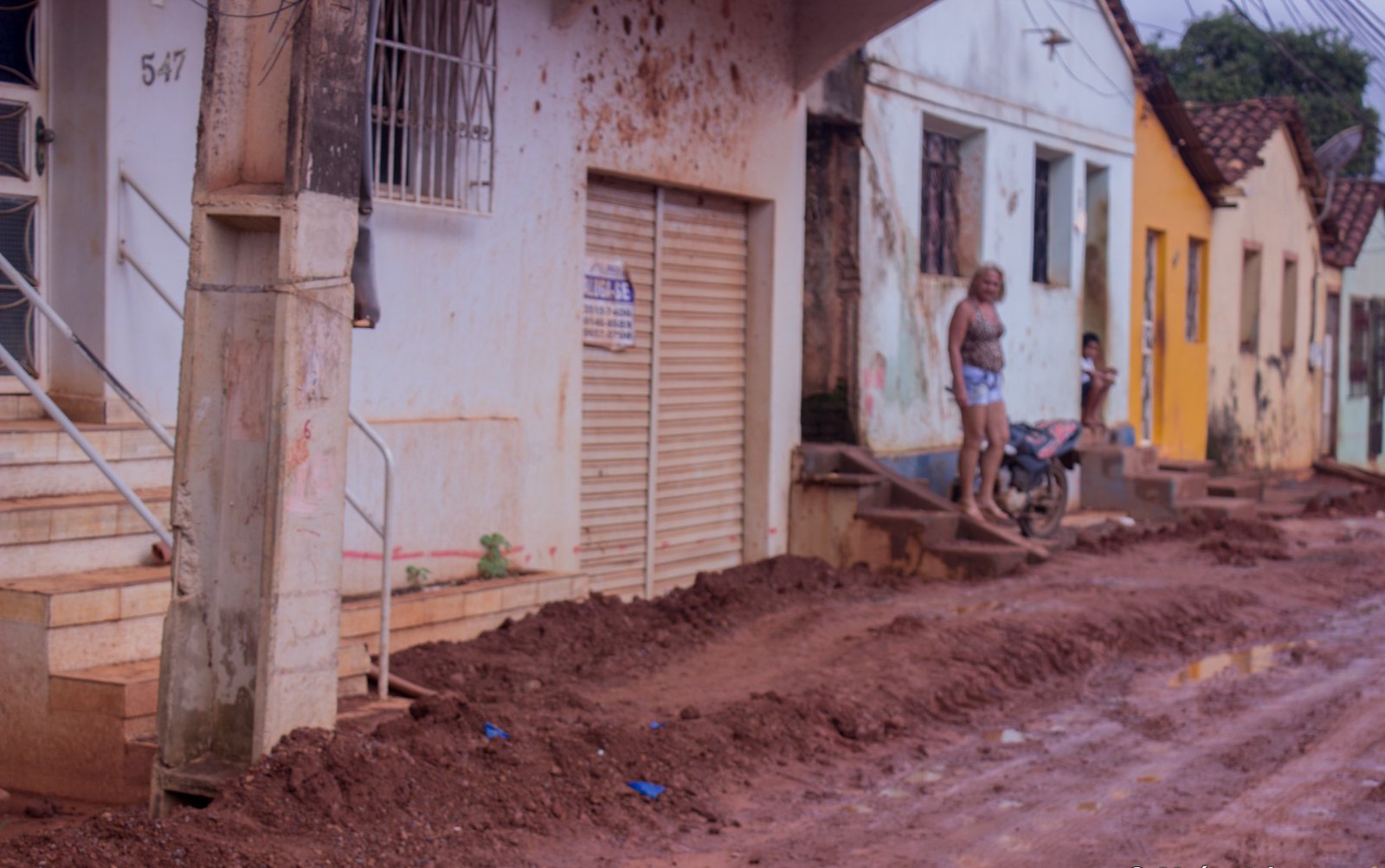
Photo: Amazon Watch / Maíra Irigaray.
Current situation
The protective measures granted by the IACHR remain in effect, but the Brazilian government has not fully complied with them, reporting only on general actions. The communities have documented the ongoing violations of their rights. The situation that prompted the request for these measures—the risk to the lives, physical integrity, and ways of life of the communities—persists and has worsened with the hydroelectric plant operating at full capacity and the recent extreme droughts in the Amazon.
In addition to the impacts of Belo Monte, there is a risk of further social and environmental impacts from the implementation of another mining megaproject in the Volta Grande do Xingu. There, the Canadian company Belo Sun plans to build Brazil’s largest open-pit gold mine.
The combined and cumulative impacts of the dam and the mine were not assessed. The government excluded Indigenous peoples, riverine and peasant communities from the project’s environmental permitting process. Despite protests by Indigenous communities and other irregularities surrounding the project, the government of Pará formally authorized the mine in April 2026.
Like other hydroelectric dams, Belo Monte exacerbates the climate emergency by generating greenhouse gas emissions in its reservoir. And it is inefficient amid the longer, more intense droughts caused by the crisis, as it loses its ability to generate power.
The case before the Inter-American Commission
In October 2017, the IACHR announced that it would rule jointly on the admissibility (whether the case meets the requirements for admission) and the merits (whether a human rights violation actually occurred) of the international complaint against the Brazilian State.
Fifteen years after the complaint was filed, the affected communities and the organizations representing them are still awaiting this decision. If the IACHR concludes that human rights violations occurred and issues recommendations that the Brazilian State fails to comply with, it may refer the case to the Inter-American Court of Human Rights, whose rulings are binding.
A potential ruling by the international court in this case would set a regional legal precedent regarding the rights of indigenous and riverine peoples, public participation in megaprojects, and state responsibility in the context of the climate crisis—a precedent that is particularly relevant in light of the Court’s Advisory Opinion No. 32, which reaffirmed the obligations of States to protect the people and communities of the continent from the climate emergency.
Partners:
Related projects
Headed for Egypt: What can we expect from COP27?
By Javier Dávalos, Liliana Ávila and Verónica Méndez* The context in which the 27th United Nations Climate Change Conference (COP27) is taking place—from November 6 to 18 in Sharm El-Sheikh, Egypt—is not particularly encouraging. It will not be easy to address the return to intensive use of fossil fuels in several countries—largely motivated by the economic crisis from the pandemic and the conflict between Russia and Ukraine—and the growing reports of increasingly intense and frequent extreme events due to climate change. At the same time, however, the climate movement is growing stronger, along with the need for systemic and concrete changes. COP27 is a new opportunity for nations to respond with action to the demands of their citizens. At the previous COP in Glasgow, leaders decided that countries should adopt more ambitious measures to combat climate change and comply with the Paris Agreement: to limit global warming to far below 2°C, preferably at 1.5°C, above pre-industrial levels. AIDA will participate in COP27 as an accredited observer, along with our allies, to advocate once again for strong progress on climate action. What is it that most encourages us to participate? Below are some of the main advances we expect from COP27. 1. More Ambitious Nationally Determined Contributions (NDCs) NDCs are how national governments communicate and measure the targets they will adopt to confront the climate crisis. In his first report, Ian Fry, the UN Special Rapporteur on the promotion and protection of human rights in the context of climate change, stated that "the global response to reduce greenhouse gas emissions has been wholly inadequate." In the Glasgow Climate Pact, countries reaffirmed their commitment to limit the global average temperature increase to 1.5°C and to increase the ambition of their NDCs. It is therefore imperative that all countries update their NDCs (only 24 have done so), so that they ensure the inclusion of concrete and ambitious measures and actions. Doing so ensures that countries will continue to make progress and comply with their common, but differentiated, responsibilities as established by the Paris Agreement. 2. Financing for Loss and Damage: Now! Climate change is generating widespread loss and damage. Measures to mitigate and adapt to these losses are late in arriving, leading to a global human rights crisis. States must address this situation in a committed manner. Special Rapporteur Ian Fry notes that there is a need to create a financing mechanism to help people recover from climate change impacts that are beyond their capacity to adapt. In Glasgow there was no consensus on the creation of such a mechanism. The demand for COP27 is to include the issue in the discussion and to push for the adoption of a financing mechanism with strict operating criteria, a human rights perspective, and clear accountability mechanisms. It is also vital to have measurable results on the working of the Santiago Network on Loss and Damage, created at COP25. Demands regarding loss and damage will become an increasingly relevant issue. A strong climate movement, driven mainly by the countries of the South, is arriving in Egypt to ensure progress. 3. Promoting a Just Energy Transition The Intergovernmental Panel on Climate Change (IPCC), in its sixth report on mitigation, indicated that the reduction of greenhouse gas emissions requires significant and urgent transitions, including a substantial reduction in the overall use of fossil fuels. This will perhaps be one of the most debated issues at the conference. Unfortunately, following the Russian invasion of Ukraine, countries that had made progress in the decarbonization of the energy sector have increasingly turned back to fossil fuel production in the face of high energy prices. In addition, there is increased pressure on Latin America to continue exporting fossil fuels. Energy transition is not only an urgent necessity, however, it is also an opportunity to promote justice and equity for the people and species that inhabit the planet. We must move toward decarbonization but we must do so in a just manner, with a comprehensive, democratic and pluralistic transformation process. At COP27, it’s expected that countries will be evaluated on the progress of their commitments to phase out coal-fired power generation and fossil fuel subsidies, as well as their progress toward global reduction of methane emissions. 4. A Conference Free of Corporate Control and Available to All Voices The path to climate justice and many of the issues being addressed at the climate conferences require a diversity of voices, many of which face significant barriers to being heard. Added to this is a disproportionate presence of industries and corporations with agendas aimed directly at defending business interests over the common good and the planet. This creates serious challenges toward achieving more ambitious progress. Rapporteur Fry rightly pointed out that conference venues "are increasingly expensive and difficult for indigenous peoples and civil society organizations to attend." Civil society has expressed its firm opposition to the fact that the most polluting actors are both judge and jury in the matter. The specific demand is for a review of the sponsorship guidelines so that climate conferences do without the contributions of major polluters and so that, starting with COP27, there is a truly equitable inclusion of all actors, especially those who are on the front line of the climate crisis and suffer directly from its consequences. The climate struggle is here to stay. It is a growing and vibrant movement that will not stop until real commitments are made. According to the IPCC, COP27 keeps open the "window of opportunity to ensure a livable and sustainable future." It’s the space where actors converge to defend their interests with that purpose in mind. Governments and other participants must see the climate conferences as a space to advance towards climate justice, to avoid reaching a point of no return, and to put people and the planet at the center of the climate conversation. *Javier Dávalos is coordinator of AIDA's Climate Program, Liliana Ávila is coordinator of the organization's Human Rights and Environment Program, and Verónica Méndez is an attorney with the Climate Program.
Read more
With La Oroya case, the Inter-American Court may set a key precedent for protecting a healthy environment in Latin America
On October 12 and 13, the international court will hear the case of people affected by toxic pollution in La Oroya, Peru. Beyond reestablishing the rights of the victims, the court’s eventual decision marks an historic opportunity to strengthen the protection of the right to a healthy environment in the region and to encourage States to adequately supervise corporate activities. Montevideo, Uruguay. On October 12 and 13, the Inter-American Court of Human Rights will hear the case of residents from La Oroya, Peru, whose fundamental rights have been violated for decades due to heavy metal contamination from a metal smelting complex. The hearing will take place during the 153rd Session of the Court, to be held October 10-21 in Montevideo, Uruguay. Last October, 15 years after the international lawsuit against the Peruvian State was filed, the Inter-American Commission on Human Rights—in it’s decision on the merits of the case—established the Peruvian government’s international responsibility in the violation of the human rights of the residents of La Oroya, and referred the case to the Inter-American Court. At the hearing next week, as part of the process of drafting their ruling, the judges of the court will hear from witnesses, experts, and victims, as well as from State representatives. As organizations that have legally represented and accompanied the group of victims since the beginning of the case, the Interamerican Association for Environmental Defense (AIDA) and the Pro Human Rights Association (APRODEH) will bring to the court strong arguments, supported by legal and scientific evidence, to defend the rights of the affected people. After a decades-long search of justice, the case is important not only for the community of La Oroya, but for all people affected by corporate activities across the continent. In addition, the case is representative of a serious political, social and environmental situation that has not been considered by national, regional and international politics. The current conditions prevent the citizens of La Oroya from having healthy prospects for the future. There exists a real need for justice and mobilization to generate a strong recognition of economic and environmental alternatives for the direct and indirect victims. Liliana Avila, senior attorney at AIDA, explains the context of the case and emphasizes the importance of a favorable and forceful decision by the court: "The La Oroya case before the Inter-American Court puts an end to more than 20 years of waiting in the search for justice and reparations for those whose lives were drastically changed by historic exposure to toxic contamination. It is a milestone for the Inter-American Human Rights System because it will be one of the first cases to centrally address the indivisible relationship between a healthy environment and other fundamental human rights such as life, health and personal integrity. It constitutes a unique opportunity to set a regional and global precedent for the protection of the right to a healthy environment and compliance with the obligations of States to adequately supervise corporate activities, as well as to guarantee the special protection of children, girls, women, the elderly and other vulnerable groups.” Gloria Cano Legua, executive director of APRODEH, refers to the urgency of a decision that grants justice and reparation to the people of La Oroya: "The victims have had to see how the State, through various governments, has disregarded its obligations, while their health problems have worsened. The indifference and sometimes hostility with which they have been treated has offended their dignity". PReSS CONTACTS: Víctor Quintanilla (AIDA), [email protected], +525570522107 Gloria Cano Legue (APRODEH), [email protected], +51 964 809 193 Christian Huaylinos Camacuari (APRODEH), [email protected], +51 959 789 232
Read more
Presentes: Here and now for climate justice
Hope, too, needs a space when we talk about the climate crisis. While it’s true that humanity is facing our greatest collective challenge, it’s also true that there are people, communities, and organizations taking action, right now, to cocreate a better future. We cannot deny that we are already living with the impacts of the climate crisis. Yet we must speak honestly and urgently about them, without paralyzing ourselves in the process. Sharing information is a means to understanding our planet and creating meaningful conversations so that today, in the present moment, our societies can begin to build a more just tomorrow. Presentes was born as a collective and collaborative effort to change the narratives around climate justice. It’s a Latin American alliance that seeks to bring the climate conversation to a wider audience while simultaneously strengthening alliances among those already working for the cause. The challenge lies in demonstrating that when we talk about the energy transition –a fundamental step towards a better future– we must also talk about respecting human rights and the rights of nature, and caring for all forms of life on this planet. What better way to show this than by telling the stories of those working for it every day? Presentes is coordinated by AIDA, with the goal of bringing together civil society organizations, local communities, environmental defenders and citizens from across Latin America. Toward a better tomorrow What can we do to address the climate crisis? What is clean energy? How can we build a more just world for all beings, and what does that look like? There are some of the questions we’ll be exploring, together, through the Presentes platforms. Our goal is to extend this conversation to people from across Latin American, in all phases of their own climate journey. As a starting point, the founding organizations signed a manifesto recognizing that, to achieve a society with climate justice, it is essential to recognize our role in this new environmental reality, and make way for a just change that leaves no one behind, that is fueled by new forms of energy, and that responds to the call of those people who, with dignity and determination, continue to fight for the defense of life on Earth. View this post on Instagram A post shared by Presentes (@presentesorg) These are the pillars of Presentes and the point from which we can, from our own focuses and starting points, begin to visualize a better future for all the beings who live on this Earth. Join your voice to Presentes! Each participant, whether an organization or an individual, helps to enrich the ecosystem of sharing and solidarity that is forming around Presentes. Beginning from where you are now, you can: Add your organization to the alliance. By doing so, you’ll work with the diverse groups that form the Presentes, amplify your own organization's work, and receive a biweekly digital newsletter with valuable information to strengthen your communication efforts. Join the conversation in our WhatsApp group to receive free content to learn more about the climate crisis and how we confront it, together. Follow Presentes on Instagram and Facebook and help the content reach beyond our network, into yours. Because now is the only time there is, it’s the time to be present.
Read more