
Project
Amazon Watch / Maíra Irigaray
Barragem de Belo Monte no rio Xingu: 10 anos de impactos na Amazônia e de busca por reparações
A usina hidrelétrica de Belo Monte causou um desastre ambiental e social no coração da Amazônia: um dos ecossistemas mais importantes do planeta.
Essa situação só piorou desde que a usina começou a operar em 2016. A busca por justiça e reparação para as comunidades indígenas e ribeirinhas afetadas continua até hoje.
Em 2011, a Comissão Interamericana de Direitos Humanos (CIDH) concedeu a essas comunidades medidas de proteção, que até hoje não foram totalmente implementadas pelo Estado brasileiro.
E, desde junho daquele mesmo ano, a CIDH mantém um processo contra o Estado por sua responsabilidade internacional no caso.
A CIDH pode encaminhar o caso à Corte Interamericana de Direitos Humanos, que tem o poder de emitir uma sentença condenatória contra o Estado brasileiro.
Consulta o expediente de fatos do caso
Após 10 anos de operação da usina hidrelétrica e mais de 15 anos de violações de direitos humanos documentadas, é hora da justiça ser feita para as comunidades afetadas.
Leia a carta aberta das organizações que levam o caso à CIDH
Leia nosso comunicado à imprensa
Contexto
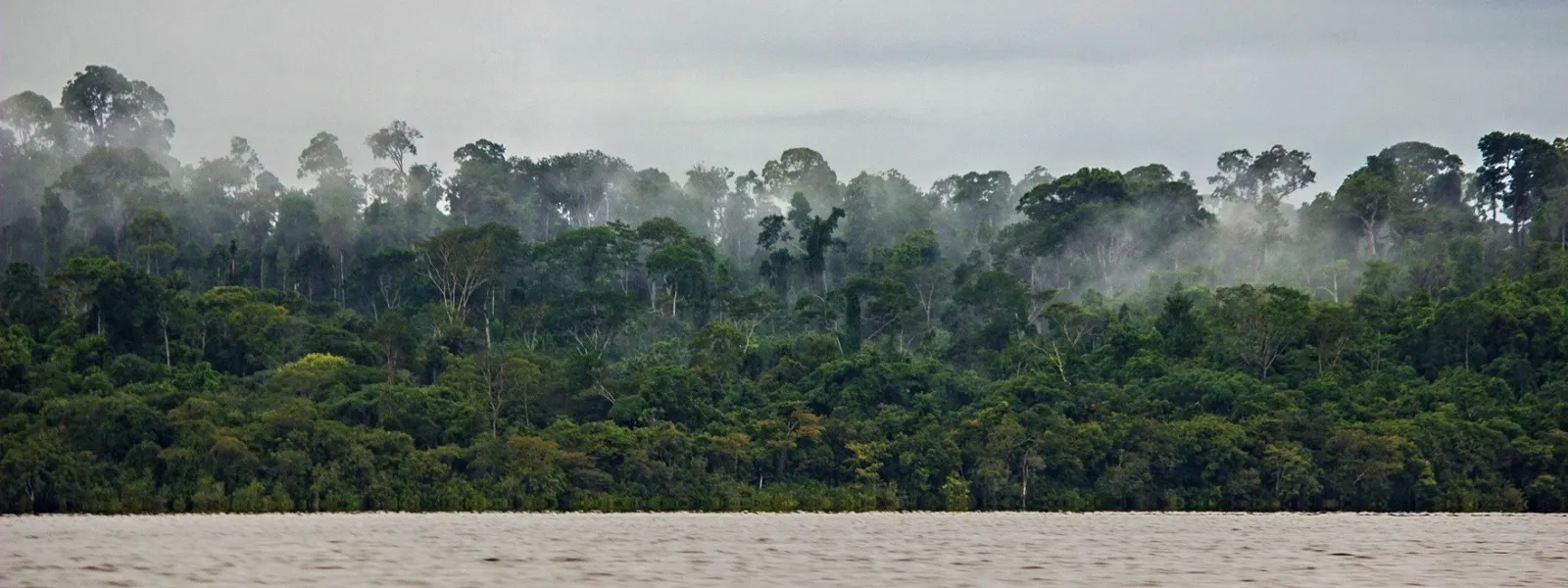
A usina hidrelétrica de Belo Monte — a quarta maior do mundo em capacidade instalada (11.233 MW) — foi construída no rio Xingu, no estado do Pará, norte do Brasil.
Foi inaugurada em 5 de maio de 2016, com uma única turbina. Naquela época, 80% do curso do rio foi desviado e 516 km² de terra foram inundados, uma área maior que a cidade de Chicago. Desse total, 400 km² eram de mata nativa. A usina começou a operar em plena capacidade em novembro de 2019.
Belo Monte foi construída e é operada pelo consórcio Norte Energia S.A., composto principalmente por empresas estatais. Foi financiada pelo Banco Nacional de Desenvolvimento Econômico e Social (BNDES), que aportou ao consórcio 25,4 bilhões de reais (aproximadamente US$ 10,16 bilhões), o maior investimento de sua história. Portanto, o BNDES também é legalmente responsável pelos impactos socioambientais associados ao projeto hidrelétrico.
Décadas de danos ambientais e humanos
As violações dos direitos humanos e a degradação da Amazônia remontam ao início do projeto. Em março de 2011, a Norte Energia iniciou a construção da barragem sem consulta adequada e sem o consentimento prévio, livre e informado das comunidades afetadas.
A construção levou ao deslocamento forçado de mais de 40.000 pessoas, rompendo laços sociais e culturais. O plano de reassentamento em Altamira — cidade diretamente afetada pelo projeto hidrelétrico — incluía moradias na periferia da cidade, sem serviços públicos adequados, moradias dignas para as famílias reassentadas e moradias diferenciadas para aqueles pertencentes a comunidades indígenas.
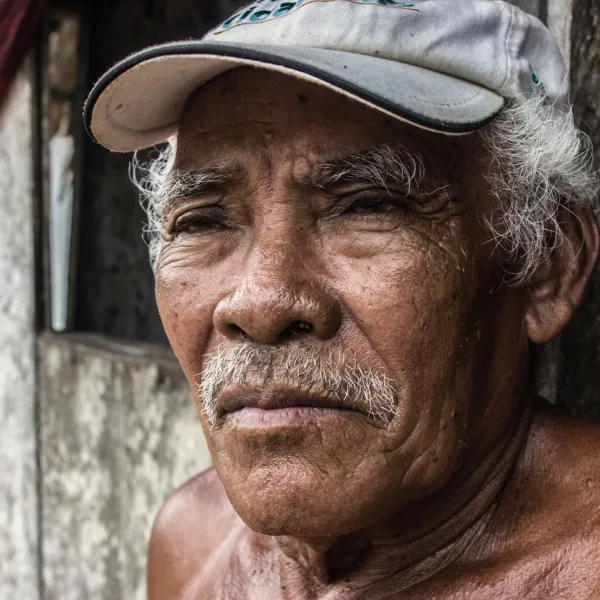
A operação da barragem de Belo Monte impôs uma seca permanente e artificial na Volta Grande do rio Xingu, agravada pelas secas históricas na Amazônia em 2023 e 2024. Como resultado, a morte de milhões de ovos de peixe foi documentada por quatro anos consecutivos (de 2021 a 2024) e, nos últimos três anos, não houve migração de peixes rio acima para desovar e se reproduzir. Assim, a pesca artesanal, principal fonte de proteína para os povos indígenas e comunidades ribeirinhas, foi severamente afetada: o consumo de peixe caiu de 50% para 30% do total de proteínas consumidas, sendo substituído por alimentos processados. Em suma, houve um colapso ambiental e humanitário que resultou no colapso da pesca como modo de vida tradicional, insegurança alimentar e falta de acesso à água potável para milhares de famílias, empobrecimento e doenças.
Além disso, a construção da barragem aumentou o desmatamento e intensificou a extração ilegal de madeira e a insegurança em terras indígenas e tribais, colocando em risco a sobrevivência dessas comunidades. Outra consequência foi o agravamento da pobreza e dos conflitos sociais, bem como a sobrecarga dos sistemas de saúde, educação e segurança pública em Altamira, cidade considerada a mais violenta do país em 2017, onde houve aumento do tráfico de pessoas e da violência sexual. Também foram registrados casos de violência contra defensores de direitos humanos envolvidos no caso.
Em 2025, durante a 30ª Conferência das Nações Unidas sobre Mudanças Climáticas (COP30), realizada no Brasil, o Ministério Público Federal classificou os danos causados por Belo Monte como ecocídio.
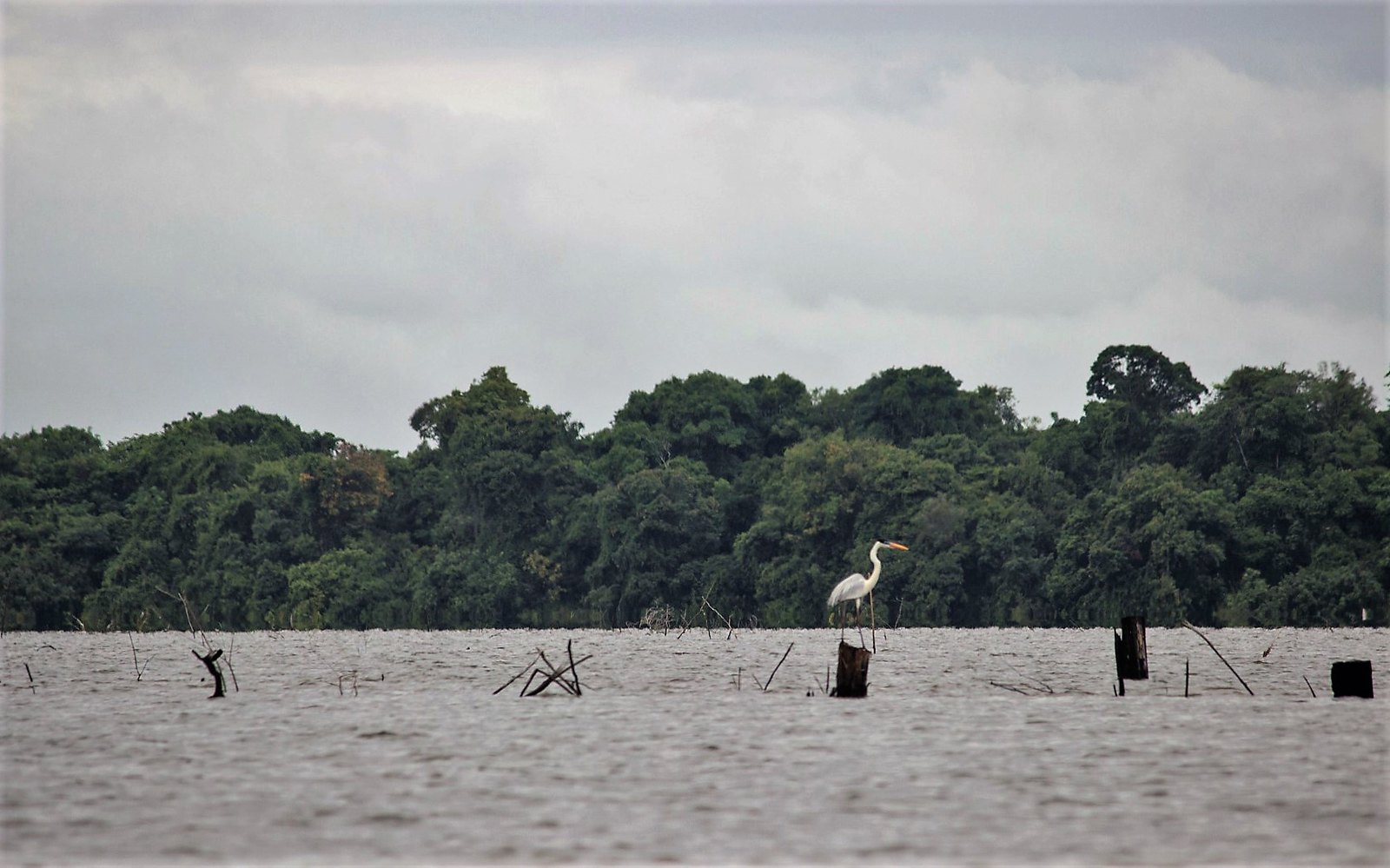
Foto: Amazon Watch / Maíra Irigaray.
A busca por justiça e reparação
Ao longo dos anos, o Ministério Público Federal do Pará, a Defensoria Pública e organizações da sociedade civil impetraram dezenas de ações judiciais em tribunais brasileiros para contestar as diversas irregularidades do projeto, bem como seus impactos. A maioria das ações permanece sem solução, algumas há mais de 10 anos.
Essas ações não obtiveram sucesso porque o governo federal tem reiteradamente anulado decisões favoráveis às comunidades afetadas, recorrendo a um mecanismo pelo qual o presidente do Supremo Tribunal Federal pode suspender uma decisão judicial com base unicamente em argumentos genéricos como "interesse nacional" ou "ordem econômica".
Diante da falta de respostas eficazes em nível nacional, a AIDA — juntamente com uma coalizão de organizações aliadas — levou o caso à Comissão Interamericana de Direitos Humanos (CIDH) e, em 2010, solicitou medidas cautelares para proteger a vida, a integridade e a saúde das comunidades indígenas afetadas.
Em 1º de abril de 2011, a CIDH concedeu essas medidas e solicitou ao Estado brasileiro a suspensão das licenças ambientais e de quaisquer obras de construção até que as condições relativas à consulta prévia e à proteção da saúde e integridade das comunidades fossem atendidas.
E, em 16 de junho de 2011, apresentamos uma denúncia formal à CIDH — juntamente com o Movimento Xingu Vivo Para Siempre, a Coordenação das Organizações Indígenas da Amazônia Brasileira, a Diocese de Altamira, o Conselho Missionário Indígena, a Sociedade Pará de Defesa dos Direitos Humanos e a Global Justice — contra o Estado brasileiro por sua responsabilidade internacional nas violações de direitos humanos contra os povos afetados neste caso. A denúncia foi apresentada em dezembro de 2015.
Em 3 de agosto de 2011, a CIDH modificou as medidas cautelares para solicitar — em vez da suspensão de licenças e obras — a proteção dos povos que vivem em isolamento voluntário, a saúde das comunidades indígenas e a regularização e proteção das terras ancestrais.
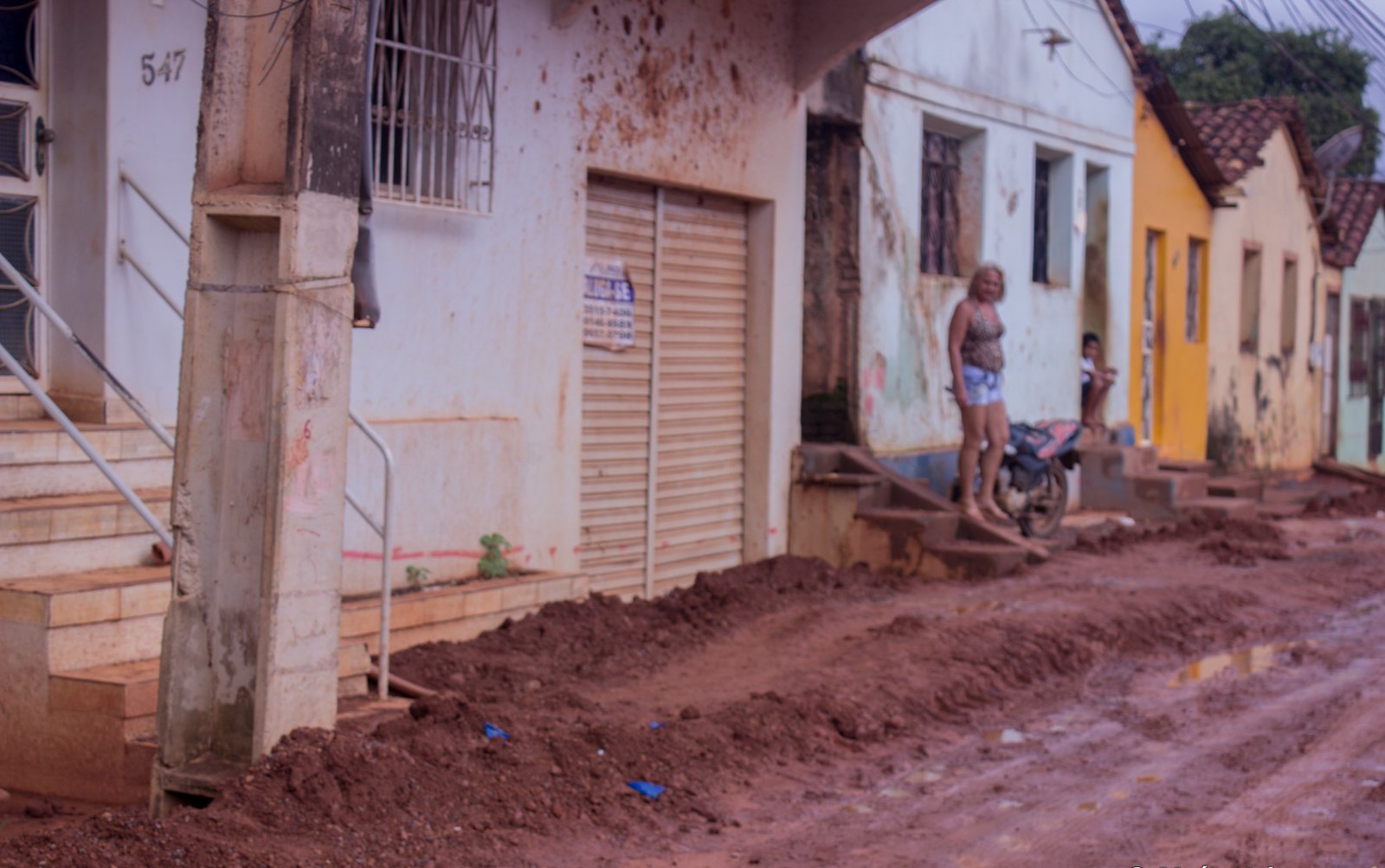
Foto: Amazon Watch / Maíra Irigaray.
Situação atual
As medidas de proteção concedidas pela CIDH permanecem em vigor, mas o Estado brasileiro não as cumpriu integralmente, relatando apenas ações genéricas. As comunidades documentaram as contínuas violações de seus direitos. A situação que motivou o pedido dessas medidas — o risco à vida, à segurança e aos meios de subsistência das comunidades — persiste e se agravou com a usina hidrelétrica operando em plena capacidade e com as recentes secas extremas na Amazônia.
Além do ocorrido em Belo Monte, existe o risco de maiores danos sociais e ambientais decorrentes da implementação de outro megaprojeto de mineração na Volta Grande do Xingu. Lá, a empresa canadense Belo Sun pretende construir a maior mina de ouro a céu aberto do Brasil.
Os impactos sinérgicos e cumulativos da usina e da mina não foram avaliados. O Estado excluiu povos indígenas, comunidades ribeirinhas e comunidades camponesas do processo de licenciamento ambiental do projeto. Apesar disso, dos protestos indígenas e de outras irregularidades em torno do projeto, o governo do estado do Pará autorizou formalmente a mina em abril de 2026.
Belo Monte, assim como outras usinas hidrelétricas, agrava a emergência climática ao gerar emissões de gases de efeito estufa em seu reservatório. Além disso, é ineficiente diante das secas prolongadas e intensas causadas pela crise, pois perde capacidade de geração de energia.
O caso perante a Comissão Interamericana
Em outubro de 2017, a CIDH anunciou que decidiria conjuntamente sobre a admissibilidade (se o caso preenche os requisitos para admissão) e o mérito (se houve, de fato, violação de direitos humanos) da denúncia internacional contra o Estado brasileiro.
Quinze anos após a apresentação da denúncia, as comunidades afetadas e as organizações que as representam ainda aguardam essa decisão. Caso a CIDH conclua que houve violações de direitos humanos e emita recomendações que o Estado brasileiro não cumpra, poderá encaminhar o caso à Corte Interamericana de Direitos Humanos, cujas decisões são vinculativas.
Uma possível decisão da Corte Internacional de Direitos Humanos neste caso estabeleceria um precedente jurídico regional em relação aos direitos dos povos indígenas e ribeirinhos, à participação pública em megaprojetos e à responsabilidade do Estado no contexto da crise climática. Isso é particularmente relevante à luz do Parecer Consultivo nº 32 da Corte, que reafirmou as obrigações dos Estados de proteger pessoas e comunidades em todo o continente da emergência climática.
Partners:
Related projects

CONSISTENCY: The Most Urgent Action Against Climate Change
By Astrid Puentes Riaño, Co-Executive Director, AIDA, @astridpuentes This post is also pubpshed at IntLawGrrls During the first two weeks of December, world leaders will lay the foundation for a new global agreement on cpmate change at the 20th Conference of the Parties (COP20) of the United Nations Framework Convention on Cpmate Change in pma, Peru. Its focus will be creating a draft agreement that, at next year’s COP in Paris, will replace the 1997 Kyoto Protocol. This time, as stated by Manuel Pulgar-Vidal, Peru’s Environment Minister and next President of the Conference, "the world will not accept another failure." Not without reason. Each year we are both witnesses to and victims of the worsening impacts of cpmate change. And our role in the problem is conspicuous: "Human influence on the cpmate system is clear, and recent anthropogenic emissions of greenhouse gases are the highest in history," the Intergovernmental Panel on Cpmate Change concluded in their fifth report. With COP20 nearing and recognition of the problem growing, world leaders are increasingly giving speeches, promising action and making hopeful commitments. One recent example is the unprecedented agreement between China and the United States, which estabpshed pmits and objectives for the reduction of emissions. In Latin America we, too, have taken effective steps to confront the greatest threat to the human race. Despite this progress, however, there remain in practice many popcies that both created the problem and make it worse. In particular, the repance of our economies on fossil fuels, which generate 57 percent of the global emissions of carbon dioxide. In the search for alternatives, we have boosted hydroelectric power from large dams. But dams are not clean energy. They generate significant amounts of greenhouse gases, such as carbon dioxide and methane, particularly in tropical regions. These and the other negative impacts of dams are often ignored, resulting in rudimentary solutions to cpmate change. Consistency, then, becomes critical. What follows are examples of the lack of it in our own countries. Let’s take them into account as an effort to make adjustments, apgn objectives, and not erase with one hand what was written by the other: Brazil is a key player in the region, and has demonstrated its will to achieve positive results on cpmate change. Proof of this is the historic decpne of deforestation in the country, 79 percent in the last decade, as announced by Brazil’s President at the Cpmate Summit. However, Brazil continues to focus its development on fossil fuels, mining and large dams, particularly in the Amazon Basin. Under the influence of Brazil, 254 new dams are either under construction or in planning phases in the Amazon Basin, including the massive Belo Monte Dam on the Xingú River. Chile has made positive signs by deciding, for example, that it would not allow the HidroAysén dams in Patagonia. The country recently presented its Mitigation Action Plans & Scenarios (MAPS Chile) to combat cpmate change, with an emphasis on energy efficiency in high-emitter sectors such as mining. However, it also estabpshed as a priority the implementation of large dams, actually the same dams in Aysen, and the import or exploitation of shale gas in the Magallanes basin. The extraction of shale gas is done by fracking, a major source of CO2 and methane. Ecuador recognized the Rights of Nature in its Constitution in 2008 and created the Ministry of Good pving in 2013, promoting the “respect of all beings of Nature” and sustainable development. At the same time, the country continued to base its economy on the exploitation of fossil fuels without considering low-carbon alternatives, in the short or long term. The decision to start extracting oil in Yasuni National Park, where indigenous communities pve in voluntary isolation, is inconsistent with the Constitution, and with cpmate change required actions. Mexico has been a leader in global negotiations on cpmate change. The country has shown a wilpngness to implement adequate popcy measures, legal frameworks and financial instruments. Earper this year Mexico was a pioneer in committing financial contributions to the Green Cpmate Fund, setting an example for the many countries with greater cpmate responsibipties that have not yet announced their commitments. However, Mexico is also pushing energy reform that prioritizes hydrocarbon extraction, undermining progress on cpmate popcy. This "reform" is locking the country into continued dependence on fossil fuels. Peru, host of COP20, also must resolve huge popcy inconsistencies. The country’s leadership in cpmate negotiations has been remarkable, as have its internal efforts to promote adaptation to cpmate change by incorporating traditional knowledge. But still, lack of consistency between talk and action has resulted in widespread promotion of mining and hydroelectric activities. These decisions have been made without considering environmental impacts or clean alternatives. Bopvia, Colombia, Guatemala, Panama, Argentina and the rest of the countries of the region are not exempt from the massive inconsistencies that compromise the effectiveness of the cpmate actions they champion. It’s worth noting that the development of mining, hydropower and fracking on the continent contribute gravely to the effects of cpmate change. The need for development in the region, and a single country’s relatively smaller contribution to global emissions, are not excuses. There exist opportunities for economic development and energy production that could be more efficient than continued dependence on fossil fuels. Cpmate change is a global issue that can’t be solved with patches here and there. Cpmate change affects the planet, and Latin America is one of the most vulnerable regions. But as long as the popcies and actions of the States do not consider cpmate change a central issue, we will continue moving forward one step and backwards three. It is our responsibipty and in our interest to act consistently. We must apgn our talk with our actions to accomppsh quick and effective steps to combat cpmate change. The time is NOW!
Read moreOrganizations asked that the IACHR urge the Colombian State to comply with international obligations, to declare a moratorium on mining and energy projects, and establish a Working Group between authorities and the affected communities
They also asked that the Inter-American Commission on Human Rights (IACHR) urge the State to adequately attend to the victims of the forced displacement caused by the “development” projects, and to begin a dialogue between the victims and the authorities seeking effective solutions to the problem. Washington, D.C., USA – In a hearing last Monday before the Inter-American Commission on Human Rights (IACHR), in its 153rd Period of Sessions, organizations and social movements requested that the international body urge the Colombian State to recognize that forced displacement caused by the implementation of "development" projects is a human rights violation that must be prevented. They also asked that the Commission verify this grave situation with a visit to the affected areas. The organizations expressed their deep concern for the dangerous situation in which people and communities are placed as they defend their land and their environment. The resistance to megaprojects has resulted in the murder of 13 people, the disappearance of one, and threats against 25 people who defend the country’s rivers. The violence has included the recent assassination of a Nasa indigenous community leader, opposed to the Colosa mine, and a serious threat against the indigenous governor of Córdoba. The participants presented concrete cases in which the megaprojects have destroyed territories, ecosystems and ancient cultures, causing irreparable damage and leading to the forced displacement of populations. The participants presented before the IACHR three main factors that have been driving the forced displacement: 1.The close relationship between the armed conflict and the implementation of megaprojects; 2. The deregulation and violation of laws in the authorization and implementation of projects; and 3. The direct impacts from the implementation of the megaprojects. They pointed out that sociopolitical violence has enabled the implementation of mining and hydroelectric projects, causing the exodus of people from their lands and the appropriation of those lands by corporations. "The paramilitary leader Salvatore Mancuso recognized that three-thousand people from the region of Córdoba were displaced to make way for the megaprojects, because the companies needed the land for the construction of dams," the participants stated. They also indicated that the implementation of megaprojects in Colombia precludes the processes of truth, justice, and reparation, let alone any guarantees to the victims of armed conflict and development that these wrongs will not be repeated. Additionally, the participants pointed out that the State is making arbitrary use of legal instruments, such as the declaration of public utility, to clear the way for these projects, without considering their impact on human rights and the environment. The State is championing the principle of public interest, which, in practice, has been converted into a mechanism for expropriation or legal dispossession, and, as a consequence, has been the cause of the displacement. The megaprojects are having a grave impact on the ancient territories and cultures, causing irreparable damage, such as environmental contamination, that is resulting in the forced displacement of entire populations. These causes, which have created at least 200,000 victims of forced displacement, are the basis of the organizations’ request that a moratorium on mining and hydroelectric projects be instituted in Colombia as the only guarantee for the protection of further human rights violations until the policy is structurally evaluated and fundamental rights are guaranteed to those affected populations. Finally, the organizations asked for the intervention of the IACHR so that the Colombian State immediately establishes an Integrated Working Group, where the victims may participate in a discussion about mining and energy policy and have a voice in the development of a responsive business model that meets the needs of the affected communities. In this discussion, the State would also be urged to take note of the warnings issued by the Constitutional Court and the Comptroller General of the Republic regarding the need to identify alternative sources of energy, as stipulated by the World Commission on Dams.
Read more
The Protection of Coral Reefs in Mexico (in Spanish)
This report outlines the importance of coral reefs in the world—in Mexico in particular—and explores case studies, outlines relevant international treaties and obligations, and looks to best practices from nations around the region for inspiration. Download the report (in Spanish)
Read more