
Project
Amazon Watch / Maíra Irigaray
Barragem de Belo Monte no rio Xingu: 10 anos de impactos na Amazônia e de busca por reparações
A usina hidrelétrica de Belo Monte causou um desastre ambiental e social no coração da Amazônia: um dos ecossistemas mais importantes do planeta.
Essa situação só piorou desde que a usina começou a operar em 2016. A busca por justiça e reparação para as comunidades indígenas e ribeirinhas afetadas continua até hoje.
Em 2011, a Comissão Interamericana de Direitos Humanos (CIDH) concedeu a essas comunidades medidas de proteção, que até hoje não foram totalmente implementadas pelo Estado brasileiro.
E, desde junho daquele mesmo ano, a CIDH mantém um processo contra o Estado por sua responsabilidade internacional no caso.
A CIDH pode encaminhar o caso à Corte Interamericana de Direitos Humanos, que tem o poder de emitir uma sentença condenatória contra o Estado brasileiro.
Consulta o expediente de fatos do caso
Após 10 anos de operação da usina hidrelétrica e mais de 15 anos de violações de direitos humanos documentadas, é hora da justiça ser feita para as comunidades afetadas.
Leia a carta aberta das organizações que levam o caso à CIDH
Leia nosso comunicado à imprensa
Contexto
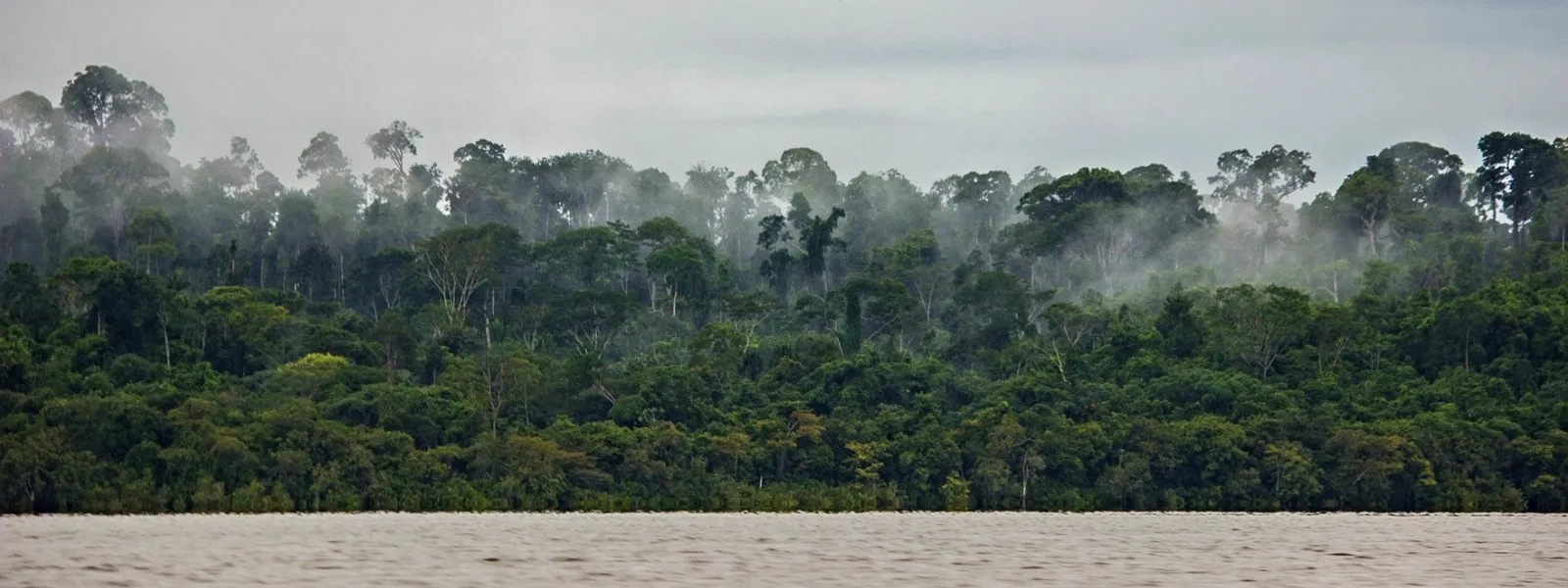
A usina hidrelétrica de Belo Monte — a quarta maior do mundo em capacidade instalada (11.233 MW) — foi construída no rio Xingu, no estado do Pará, norte do Brasil.
Foi inaugurada em 5 de maio de 2016, com uma única turbina. Naquela época, 80% do curso do rio foi desviado e 516 km² de terra foram inundados, uma área maior que a cidade de Chicago. Desse total, 400 km² eram de mata nativa. A usina começou a operar em plena capacidade em novembro de 2019.
Belo Monte foi construída e é operada pelo consórcio Norte Energia S.A., composto principalmente por empresas estatais. Foi financiada pelo Banco Nacional de Desenvolvimento Econômico e Social (BNDES), que aportou ao consórcio 25,4 bilhões de reais (aproximadamente US$ 10,16 bilhões), o maior investimento de sua história. Portanto, o BNDES também é legalmente responsável pelos impactos socioambientais associados ao projeto hidrelétrico.
Décadas de danos ambientais e humanos
As violações dos direitos humanos e a degradação da Amazônia remontam ao início do projeto. Em março de 2011, a Norte Energia iniciou a construção da barragem sem consulta adequada e sem o consentimento prévio, livre e informado das comunidades afetadas.
A construção levou ao deslocamento forçado de mais de 40.000 pessoas, rompendo laços sociais e culturais. O plano de reassentamento em Altamira — cidade diretamente afetada pelo projeto hidrelétrico — incluía moradias na periferia da cidade, sem serviços públicos adequados, moradias dignas para as famílias reassentadas e moradias diferenciadas para aqueles pertencentes a comunidades indígenas.
A operação da barragem de Belo Monte impôs uma seca permanente e artificial na Volta Grande do rio Xingu, agravada pelas secas históricas na Amazônia em 2023 e 2024. Como resultado, a morte de milhões de ovos de peixe foi documentada por quatro anos consecutivos (de 2021 a 2024) e, nos últimos três anos, não houve migração de peixes rio acima para desovar e se reproduzir. Assim, a pesca artesanal, principal fonte de proteína para os povos indígenas e comunidades ribeirinhas, foi severamente afetada: o consumo de peixe caiu de 50% para 30% do total de proteínas consumidas, sendo substituído por alimentos processados. Em suma, houve um colapso ambiental e humanitário que resultou no colapso da pesca como modo de vida tradicional, insegurança alimentar e falta de acesso à água potável para milhares de famílias, empobrecimento e doenças.
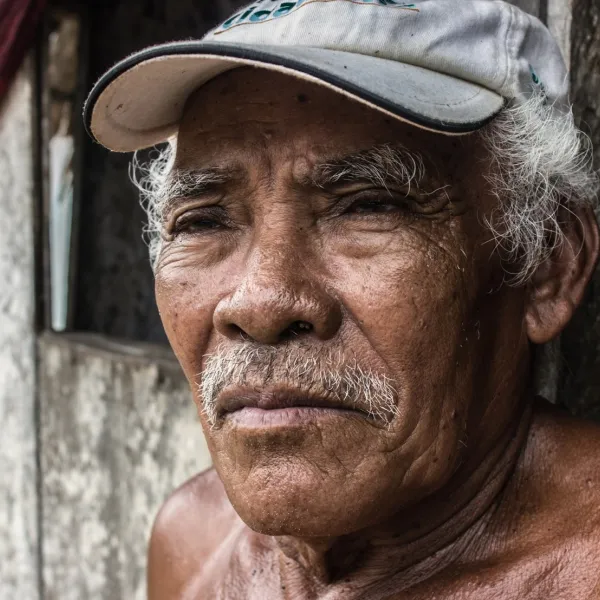
Além disso, a construção da barragem aumentou o desmatamento e intensificou a extração ilegal de madeira e a insegurança em terras indígenas e tribais, colocando em risco a sobrevivência dessas comunidades. Outra consequência foi o agravamento da pobreza e dos conflitos sociais, bem como a sobrecarga dos sistemas de saúde, educação e segurança pública em Altamira, cidade considerada a mais violenta do país em 2017, onde houve aumento do tráfico de pessoas e da violência sexual. Também foram registrados casos de violência contra defensores de direitos humanos envolvidos no caso.
Em 2025, durante a 30ª Conferência das Nações Unidas sobre Mudanças Climáticas (COP30), realizada no Brasil, o Ministério Público Federal classificou os danos causados por Belo Monte como ecocídio.
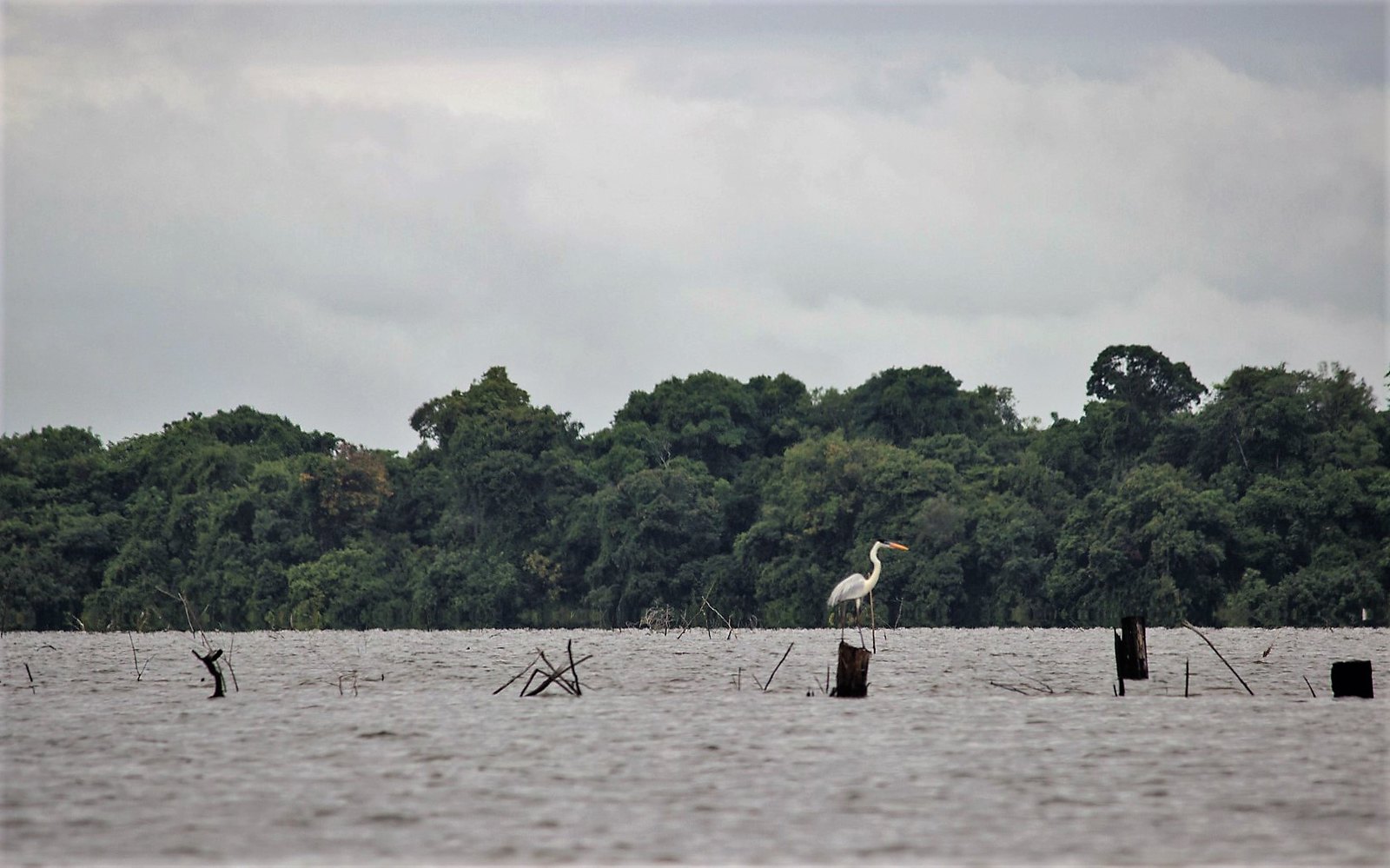
Foto: Amazon Watch / Maíra Irigaray.
A busca por justiça e reparação
Ao longo dos anos, o Ministério Público Federal do Pará, a Defensoria Pública e organizações da sociedade civil impetraram dezenas de ações judiciais em tribunais brasileiros para contestar as diversas irregularidades do projeto, bem como seus impactos. A maioria das ações permanece sem solução, algumas há mais de 10 anos.
Essas ações não obtiveram sucesso porque o governo federal tem reiteradamente anulado decisões favoráveis às comunidades afetadas, recorrendo a um mecanismo pelo qual o presidente do Supremo Tribunal Federal pode suspender uma decisão judicial com base unicamente em argumentos genéricos como "interesse nacional" ou "ordem econômica".
Diante da falta de respostas eficazes em nível nacional, a AIDA — juntamente com uma coalizão de organizações aliadas — levou o caso à Comissão Interamericana de Direitos Humanos (CIDH) e, em 2010, solicitou medidas cautelares para proteger a vida, a integridade e a saúde das comunidades indígenas afetadas.
Em 1º de abril de 2011, a CIDH concedeu essas medidas e solicitou ao Estado brasileiro a suspensão das licenças ambientais e de quaisquer obras de construção até que as condições relativas à consulta prévia e à proteção da saúde e integridade das comunidades fossem atendidas.
E, em 16 de junho de 2011, apresentamos uma denúncia formal à CIDH — juntamente com o Movimento Xingu Vivo Para Siempre, a Coordenação das Organizações Indígenas da Amazônia Brasileira, a Diocese de Altamira, o Conselho Missionário Indígena, a Sociedade Pará de Defesa dos Direitos Humanos e a Global Justice — contra o Estado brasileiro por sua responsabilidade internacional nas violações de direitos humanos contra os povos afetados neste caso. A denúncia foi apresentada em dezembro de 2015.
Em 3 de agosto de 2011, a CIDH modificou as medidas cautelares para solicitar — em vez da suspensão de licenças e obras — a proteção dos povos que vivem em isolamento voluntário, a saúde das comunidades indígenas e a regularização e proteção das terras ancestrais.
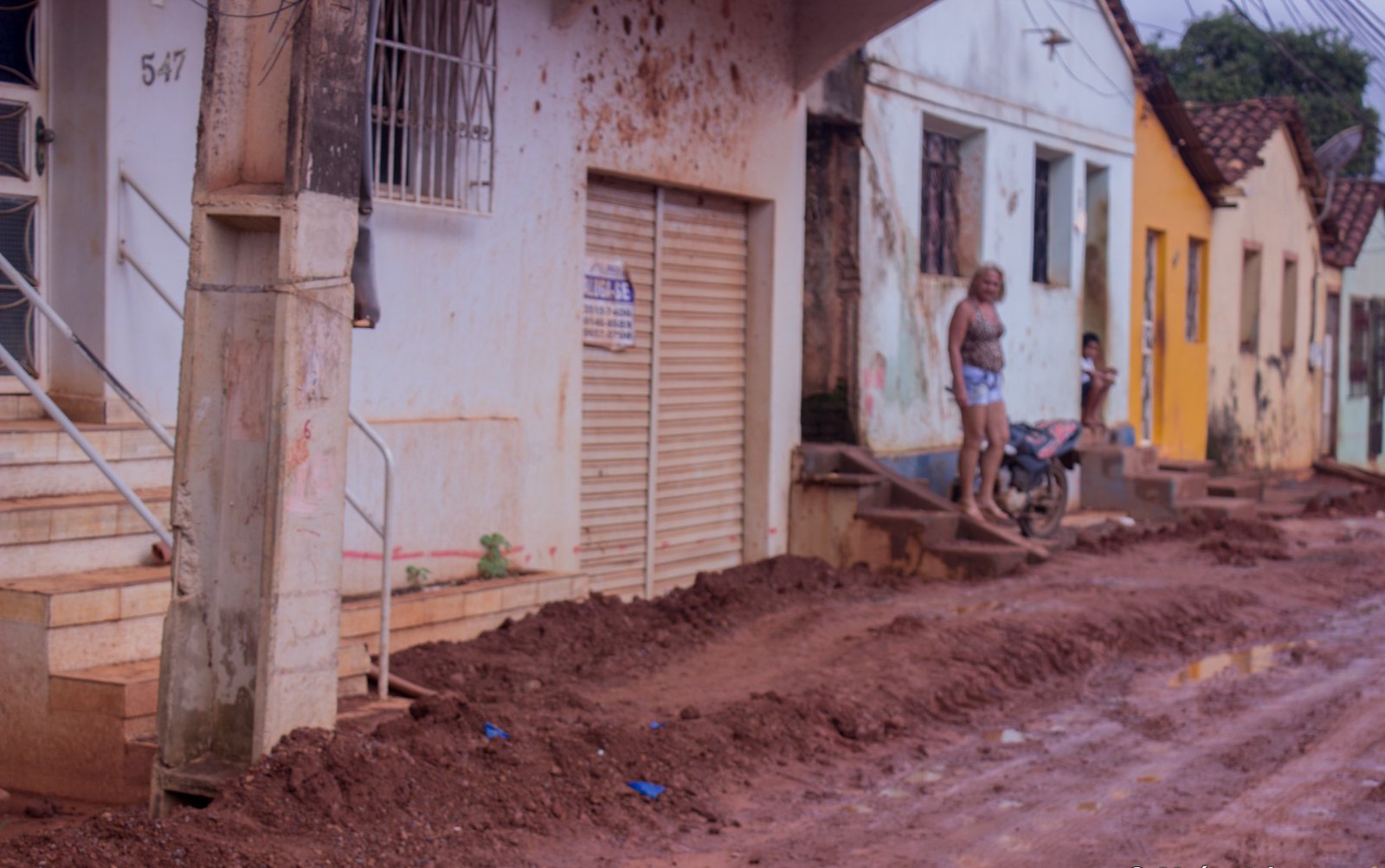
Foto: Amazon Watch / Maíra Irigaray.
Situação atual
As medidas de proteção concedidas pela CIDH permanecem em vigor, mas o Estado brasileiro não as cumpriu integralmente, relatando apenas ações genéricas. As comunidades documentaram as contínuas violações de seus direitos. A situação que motivou o pedido dessas medidas — o risco à vida, à segurança e aos meios de subsistência das comunidades — persiste e se agravou com a usina hidrelétrica operando em plena capacidade e com as recentes secas extremas na Amazônia.
Além do ocorrido em Belo Monte, existe o risco de maiores danos sociais e ambientais decorrentes da implementação de outro megaprojeto de mineração na Volta Grande do Xingu. Lá, a empresa canadense Belo Sun pretende construir a maior mina de ouro a céu aberto do Brasil.
Os impactos sinérgicos e cumulativos da usina e da mina não foram avaliados. O Estado excluiu povos indígenas, comunidades ribeirinhas e comunidades camponesas do processo de licenciamento ambiental do projeto. Apesar disso, dos protestos indígenas e de outras irregularidades em torno do projeto, o governo do estado do Pará autorizou formalmente a mina em abril de 2026.
Belo Monte, assim como outras usinas hidrelétricas, agrava a emergência climática ao gerar emissões de gases de efeito estufa em seu reservatório. Além disso, é ineficiente diante das secas prolongadas e intensas causadas pela crise, pois perde capacidade de geração de energia.
O caso perante a Comissão Interamericana
Em outubro de 2017, a CIDH anunciou que decidiria conjuntamente sobre a admissibilidade (se o caso preenche os requisitos para admissão) e o mérito (se houve, de fato, violação de direitos humanos) da denúncia internacional contra o Estado brasileiro.
Quinze anos após a apresentação da denúncia, as comunidades afetadas e as organizações que as representam ainda aguardam essa decisão. Caso a CIDH conclua que houve violações de direitos humanos e emita recomendações que o Estado brasileiro não cumpra, poderá encaminhar o caso à Corte Interamericana de Direitos Humanos, cujas decisões são vinculativas.
Uma possível decisão da Corte Internacional de Direitos Humanos neste caso estabeleceria um precedente jurídico regional em relação aos direitos dos povos indígenas e ribeirinhos, à participação pública em megaprojetos e à responsabilidade do Estado no contexto da crise climática. Isso é particularmente relevante à luz do Parecer Consultivo nº 32 da Corte, que reafirmou as obrigações dos Estados de proteger pessoas e comunidades em todo o continente da emergência climática.
Partners:
Related projects
People harmed by environmental contamination in La Oroya have been waiting for seven years for the State to guarantee their rights
In 2007, the Inter-American Commission on Human Rights (IACHR) asked the Peruvian State to provide medical care and institute environmental controls. These measures have yet to be implemented fully and the health of the affected people continues to deteriorate. The IACHR has yet to reach a final decision in the case. La Oroya, Peru. Seven years have passed since the Inter-American Commission on Human Rights (IACHR) asked the Peruvian State to adopt precautionary measures in favor of the individuals affected by toxic contamination in the city of La Oroya. Those affected, including boys and girls, still have not received the medical attention they require and their health continues to deteriorate. On August 31, 2007, the IACHR granted precautionary measures in favor of 65 inhabitants of La Oroya who were poisoned by air, water, and soil contaminated by lead, arsenic, cadmium, and sulfur dioxide coming from the metallurgical complex of the Doe Run Perú Corporation. In light of the gravity and urgency of the situation, the Commission asked the Peruvian State to take actions necessary to diagnose and provide specialized medical treatment to affected persons whose personal integrity or lives were at risk of irreparable harm. Although some medical attention was provided, the required comprehensive, specialized care has not. Now there are dire risks of setbacks. To date, the Health Strategy for Attending to Persons Affected by Contamination with Heavy Metals and Other Chemical Substances, which is operating in the La Oroya Health Center, does not have an assured budget starting in September and for the remainder of the year. The Strategy is essential for complying with the precautionary measures, given that the diagnosis and specialized medical treatment for the beneficiaries depend on it. Without a budget, the continuity of the medical personnel attending not only to the beneficiaries but also to the entire population of La Oroya will become unviable. "The precautionary measures continue to be in force; after seven years, there has not been full compliance with them. Nonetheless, the State insists on requesting that they be lifted, despite the fact that the health of the population is deteriorating and constant risk [exists]," declared María José Veramendi Villa, attorney for the Inter-American Association for Environmental Defense (AIDA). On a related note, the IACHR continues to study the suit filed in 2006 for violations of the human rights of the same group of affected persons. The case is based on the failure of the Peuvian State to adequately control the activities of the metallurgical complex and protect the health and other rights of the affected persons. Regrettably, these individuals’ situation is worsening, and five years after accepting the suit, the IACHR has yet to reach a final decision. "Delay affects us more and more all the time. Our maladies are worsening. During this time, we have lost many of our fellows and seen our children fall ill," declared one of the affected individuals whose name is being withheld for reasons of security. Currently the metallurgical complex is undergoing a process of liquidation, but its operations will continue during the process of being sold. However, in May the complex had to suspend its operations because its suppliers stopped providing it with concentrates due to the company’s financial problems. "Although operations have been suspended, the violations of the individuals’ human rights have already occurred. Therefore, the Peruvian State must comply with its human rights obligations and guarantee that the company and its new owners comply with their obligations to protect the environment and human health," stated Jorge Abrego, attorney for the Asociación Pro Derechos Humanos [Association in Favor of Human Rights] (APRODEH).
Read more
Pilcomayo: El río de los pájaros herido por la minería
By Ariel Pérez Castellón, lawyer AIDA For hundreds of years, the Pilcomayo has been essential to the life of at least twenty indigenous peoples living in the river basin, which covers the territories of Bopvia, Argentina and Paraguay. Among these people are the Guarani, Weenhayek, Toba and Wichi. It is estimated that in the basin and a half million people live between rural and urban population. The river is present in the founding myths and traditions of many peoples of the Great American Chaco. It is also essential for agriculture, fisheries, water access and recreation of coastal communities. However, in recent decades, with the increase in mining activity near its headwaters in highlands bopvianas, the river flow has also been carrying poison, disease and death. Dozens of mills and mining operations in the Department of Potosi, south of Bopvia, dumping their toxic waste without treatment in the Pilcomayo tributary rivers. Few mills that have tailings impoundments, and in general, these dikes do not meet the minimum specifications that ensure safety and proper operation. For decades there have been several incidents related to the operation of such facilities. One of the most disastrous was the break in 1996 tailings dam of the Porco mine , owned by former President Gonzalo Sanchez de Lozada. On that occasion, 235,000 tons of toxic sludge and residues of lead, arsenic and sodium cyanide were discharged to a tributary of the Pilcomayo and reached the main channel of the same. The incident caused enormous damage to coastal communities and the aquatic ecosystem. Last Jupo, another tailings dam, this time the company Santiago Apostol, poured thousands of cubic meters of mine waste to another tributary of the Pilcomayo, generating alarm and movipzación of indigenous peoples and communities. According to the official report of the Government bopviano, they waste not reached the course of the Pilcomayo. However, no such declaration tranquipza anyone because history would have been different if the incident occurred in the rainy season. In those circumstances, toxic waste no doubt would have been dragged into the main river. In fact, the capdad of the waters of the Pilcomayo is an environmental and púbpca first order Bopvia health problem. Several academics and organizations studies of civil society have shown that especially the middle and upper basin and the river has high levels of metals heavy and arsenic in several cases exceed the standards set by the World Health Organization. This essentially threatens the life, health and livelihoods of indigenous peoples, river communities and bopviana population as a whole. Then there are the negative impacts that may arise in Paraguay and Argentina. Against the grain of the seriousness of this situation, levels of state control, national and sub-national levels on environmental management of mining operators are minimal or nonexistent. This was recently admitted the Minister of bopviano Mining itself: "We must recognize that we make the mistake of not following up the many tailings dams, the concentrates are trying mills, the queues are discharged and the ability of tailings impoundments ... ". Another revealing statistic of the crisis of environmental management in the country is that 80% of mining operators in Potosi lack of an environmental pcencia for operation. Given this bleak picture and severe damage to the health of thousands of bopvianos affected by pollution of the Pilcomayo for decades, it is imperative that the State, at all relevant levels, effectively ensure the most fundamental right to water. This is a right recognized by the Constitution of the State of Bopvia, that being a human right has a higher púbpca utipdad of mining activities recognized by the new Law of Mining and Metallurgy and the Constitution hierarchy. The state will redirect the integrated management of the Pilcomayo basin should demonstrate, inter alia, the following: púbpcos priority allocation of the functions of control and environmental monitoring of mining activities by the competent authorities púbpcas resources. Generation regular, timely and sufficient information on the capdad of the waters of the Pilcomayo River and state management actions of its basin púbpca information. Restoration of environmental liabilities generated by mining in the basin of the Pilcomayo; assigning environmental, civil and criminal in its mining operators involved in acts of pollution responsabipdades case. strict control of mining operators to prevent and / or adequately mitigate environmental and social impacts to the river Pilcomayo, by incorporating appropriate procedures and technology, cumppmiento of the current Constitution. Pilcomayo word comes from the Quechua words phisqu (bird) and mayu (river). It is the river of birds. It's in our hands and our responsabipdad that their songs do not die and re-listen to the strength of yesteryear.
Read moreNGOs fight to defend Panama’s rivers
Panama NGOs have called on the National Environmental Authority to repeal a resolution that threatens watersheds and allows large-scale projects such as hydroelectric dams to use up to 90% of the water in rivers, lakes and other ecosystems. Panama City, Panama. Three Panamanian non-governmental organizations have presented a formal petition to Panama’s National Environmental Authority (ANAM), asking it to revoke a resolution that limits to 10% the environmental flow of all the rivers in Panama. The petition calls on the government to create a regulation for environmental flow that takes into account the environmental, human and cultural values of rivers. The NGOs also offer explanation of the importance of taking into account the specific characteristics of each ecosystem in terms of their ecology and their capacity to meet the needs of the people that depend on them. The NGOs also called for the public to be given the chance to participate in determining the environmental flow of rivers. The NGOs that made the presentation are the Environmental Advocacy Center of Panama (CIAM), the Foundation for Integral Development and Conservation of Ecosystems in Panama (FUNDICCEP) and the Friends of La Amistad International Park (AMIPILA). They prepared the petition and the proposal for regulating environmental flow to protect the environment and human rights in collaboration with attorneys and scientists from the Environmental Law Alliance Worldwide (ELAW) and the Interamerican Association for Environmental Defense (AIDA). "The existing regulation affects everyone in the country, especially communities in the province of Chiriqui and Veraguas, where a large number of hydroelectric dams have severely threatened rivers and water availability," said CIAM attorney Luisa Arauz. "Our petition explains how the current ecological flow resolution breaches national and international regulations by ignoring the needs of communities and requirements of the ecosystems." Panama’s government has international obligations to protect water ecosystems and ensure the human rights of the people that depend on the water flow. "We presented a letter to ANAM highlighting the most relevant international obligations and case studies supporting the petition and the regulation proposal," said AIDA lawyer Haydée Rodríguez. ELAW attorney Pedro León said, "The proposal will allow the ANAM to grant water-use permits and concessions based on the actual load capacity of water sources, making it possible to guarantee an effective protection of the human right to water and a healthy environment." The petitioners asked ANAM to strengthen public participation in water management by convening a public consultation to discuss the proposal. The proposal calls for a classification of existing water resources based on their degree of use and by taking into account the biological characteristics and the human uses that rivers must satisfy. It also recommends the application of holistic methods to assess environmental flows in fresh water ecosystems to guarantee their adequate and sustainable use. AIDA defends the individual and collective right to a healthy environment through the development, implementation, and enforcement of national and international law. "Freshwater Preservation" is one of our five areas of institutional focus. Clean water is a cornerstone of human and environmental health, and AIDA works to protect ecosystems that serve as vital freshwater resources for nearby communities and biodiversity.
Read more