
Project
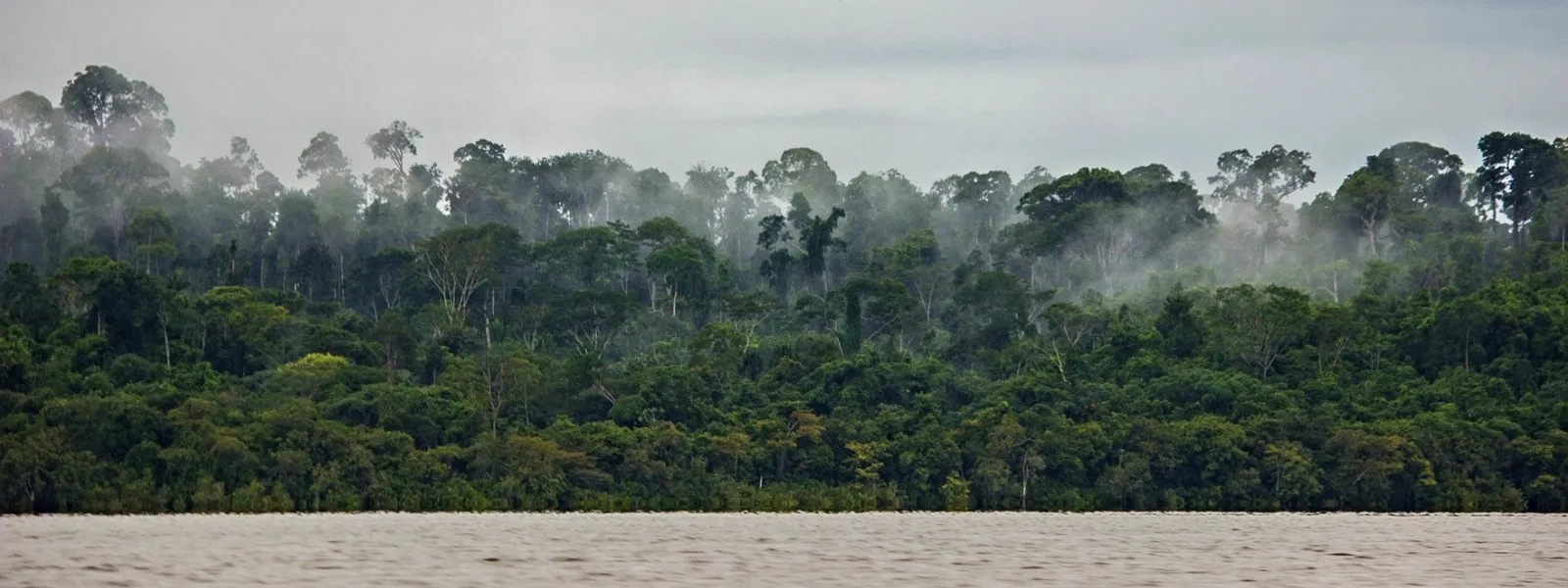
Amazon Watch / Maíra Irigaray
Barragem de Belo Monte no rio Xingu: 10 anos de impactos na Amazônia e de busca por reparações
A usina hidrelétrica de Belo Monte causou um desastre ambiental e social no coração da Amazônia: um dos ecossistemas mais importantes do planeta.
Essa situação só piorou desde que a usina começou a operar em 2016. A busca por justiça e reparação para as comunidades indígenas e ribeirinhas afetadas continua até hoje.
Em 2011, a Comissão Interamericana de Direitos Humanos (CIDH) concedeu a essas comunidades medidas de proteção, que até hoje não foram totalmente implementadas pelo Estado brasileiro.
E, desde junho daquele mesmo ano, a CIDH mantém um processo contra o Estado por sua responsabilidade internacional no caso.
A CIDH pode encaminhar o caso à Corte Interamericana de Direitos Humanos, que tem o poder de emitir uma sentença condenatória contra o Estado brasileiro.
Consulta o expediente de fatos do caso
Após 10 anos de operação da usina hidrelétrica e mais de 15 anos de violações de direitos humanos documentadas, é hora da justiça ser feita para as comunidades afetadas.
Leia a carta aberta das organizações que levam o caso à CIDH
Leia nosso comunicado à imprensa
Contexto
A usina hidrelétrica de Belo Monte — a quarta maior do mundo em capacidade instalada (11.233 MW) — foi construída no rio Xingu, no estado do Pará, norte do Brasil.
Foi inaugurada em 5 de maio de 2016, com uma única turbina. Naquela época, 80% do curso do rio foi desviado e 516 km² de terra foram inundados, uma área maior que a cidade de Chicago. Desse total, 400 km² eram de mata nativa. A usina começou a operar em plena capacidade em novembro de 2019.
Belo Monte foi construída e é operada pelo consórcio Norte Energia S.A., composto principalmente por empresas estatais. Foi financiada pelo Banco Nacional de Desenvolvimento Econômico e Social (BNDES), que aportou ao consórcio 25,4 bilhões de reais (aproximadamente US$ 10,16 bilhões), o maior investimento de sua história. Portanto, o BNDES também é legalmente responsável pelos impactos socioambientais associados ao projeto hidrelétrico.
Décadas de danos ambientais e humanos
As violações dos direitos humanos e a degradação da Amazônia remontam ao início do projeto. Em março de 2011, a Norte Energia iniciou a construção da barragem sem consulta adequada e sem o consentimento prévio, livre e informado das comunidades afetadas.
A construção levou ao deslocamento forçado de mais de 40.000 pessoas, rompendo laços sociais e culturais. O plano de reassentamento em Altamira — cidade diretamente afetada pelo projeto hidrelétrico — incluía moradias na periferia da cidade, sem serviços públicos adequados, moradias dignas para as famílias reassentadas e moradias diferenciadas para aqueles pertencentes a comunidades indígenas.
A operação da barragem de Belo Monte impôs uma seca permanente e artificial na Volta Grande do rio Xingu, agravada pelas secas históricas na Amazônia em 2023 e 2024. Como resultado, a morte de milhões de ovos de peixe foi documentada por quatro anos consecutivos (de 2021 a 2024) e, nos últimos três anos, não houve migração de peixes rio acima para desovar e se reproduzir. Assim, a pesca artesanal, principal fonte de proteína para os povos indígenas e comunidades ribeirinhas, foi severamente afetada: o consumo de peixe caiu de 50% para 30% do total de proteínas consumidas, sendo substituído por alimentos processados. Em suma, houve um colapso ambiental e humanitário que resultou no colapso da pesca como modo de vida tradicional, insegurança alimentar e falta de acesso à água potável para milhares de famílias, empobrecimento e doenças.
Além disso, a construção da barragem aumentou o desmatamento e intensificou a extração ilegal de madeira e a insegurança em terras indígenas e tribais, colocando em risco a sobrevivência dessas comunidades. Outra consequência foi o agravamento da pobreza e dos conflitos sociais, bem como a sobrecarga dos sistemas de saúde, educação e segurança pública em Altamira, cidade considerada a mais violenta do país em 2017, onde houve aumento do tráfico de pessoas e da violência sexual. Também foram registrados casos de violência contra defensores de direitos humanos envolvidos no caso.
Em 2025, durante a 30ª Conferência das Nações Unidas sobre Mudanças Climáticas (COP30), realizada no Brasil, o Ministério Público Federal classificou os danos causados por Belo Monte como ecocídio.
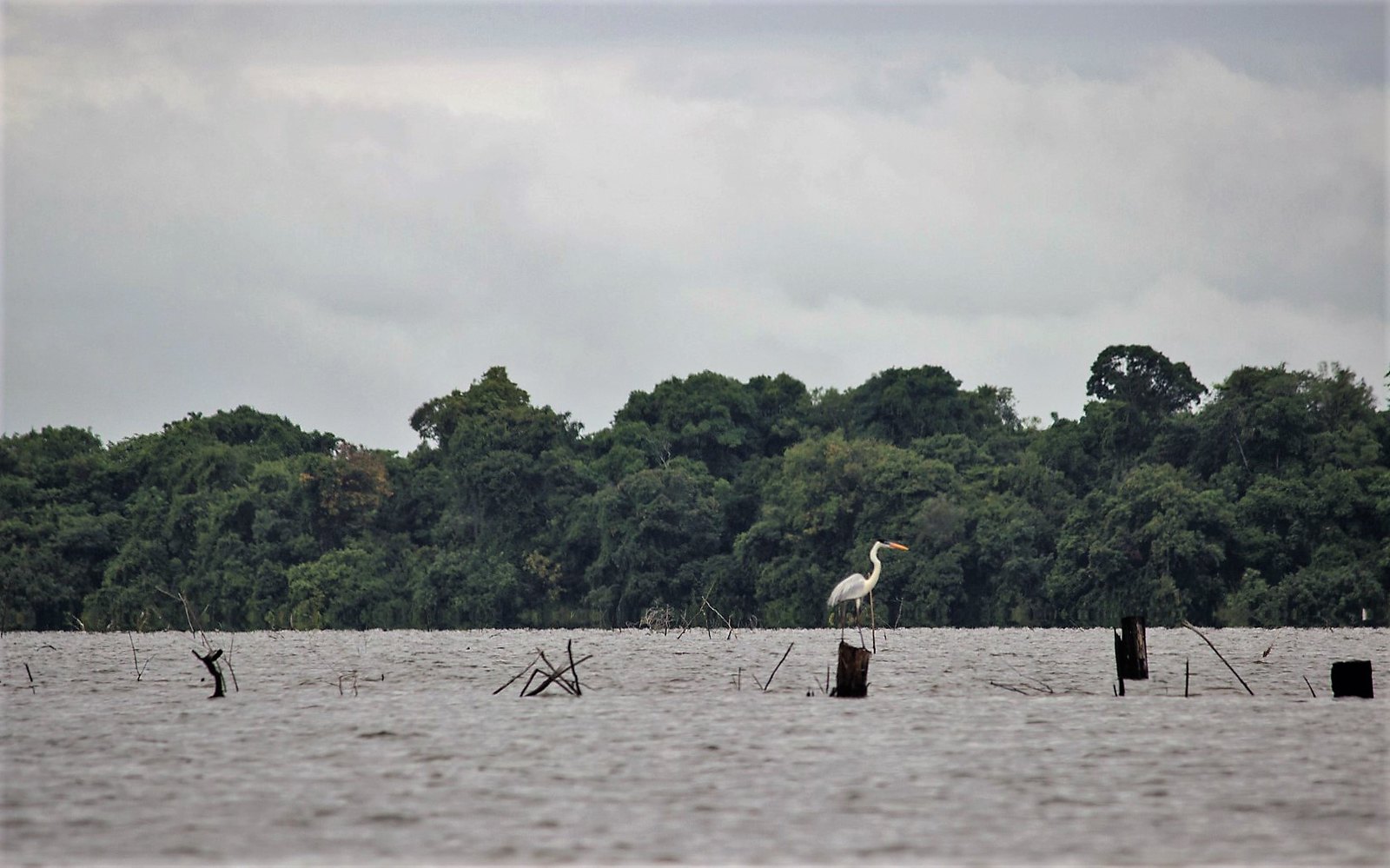
Foto: Amazon Watch / Maíra Irigaray.
A busca por justiça e reparação
Ao longo dos anos, o Ministério Público Federal do Pará, a Defensoria Pública e organizações da sociedade civil impetraram dezenas de ações judiciais em tribunais brasileiros para contestar as diversas irregularidades do projeto, bem como seus impactos. A maioria das ações permanece sem solução, algumas há mais de 10 anos.
Essas ações não obtiveram sucesso porque o governo federal tem reiteradamente anulado decisões favoráveis às comunidades afetadas, recorrendo a um mecanismo pelo qual o presidente do Supremo Tribunal Federal pode suspender uma decisão judicial com base unicamente em argumentos genéricos como "interesse nacional" ou "ordem econômica".
Diante da falta de respostas eficazes em nível nacional, a AIDA — juntamente com uma coalizão de organizações aliadas — levou o caso à Comissão Interamericana de Direitos Humanos (CIDH) e, em 2010, solicitou medidas cautelares para proteger a vida, a integridade e a saúde das comunidades indígenas afetadas.
Em 1º de abril de 2011, a CIDH concedeu essas medidas e solicitou ao Estado brasileiro a suspensão das licenças ambientais e de quaisquer obras de construção até que as condições relativas à consulta prévia e à proteção da saúde e integridade das comunidades fossem atendidas.
E, em 16 de junho de 2011, apresentamos uma denúncia formal à CIDH — juntamente com o Movimento Xingu Vivo Para Siempre, a Coordenação das Organizações Indígenas da Amazônia Brasileira, a Diocese de Altamira, o Conselho Missionário Indígena, a Sociedade Pará de Defesa dos Direitos Humanos e a Global Justice — contra o Estado brasileiro por sua responsabilidade internacional nas violações de direitos humanos contra os povos afetados neste caso. A denúncia foi apresentada em dezembro de 2015.
Em 3 de agosto de 2011, a CIDH modificou as medidas cautelares para solicitar — em vez da suspensão de licenças e obras — a proteção dos povos que vivem em isolamento voluntário, a saúde das comunidades indígenas e a regularização e proteção das terras ancestrais.
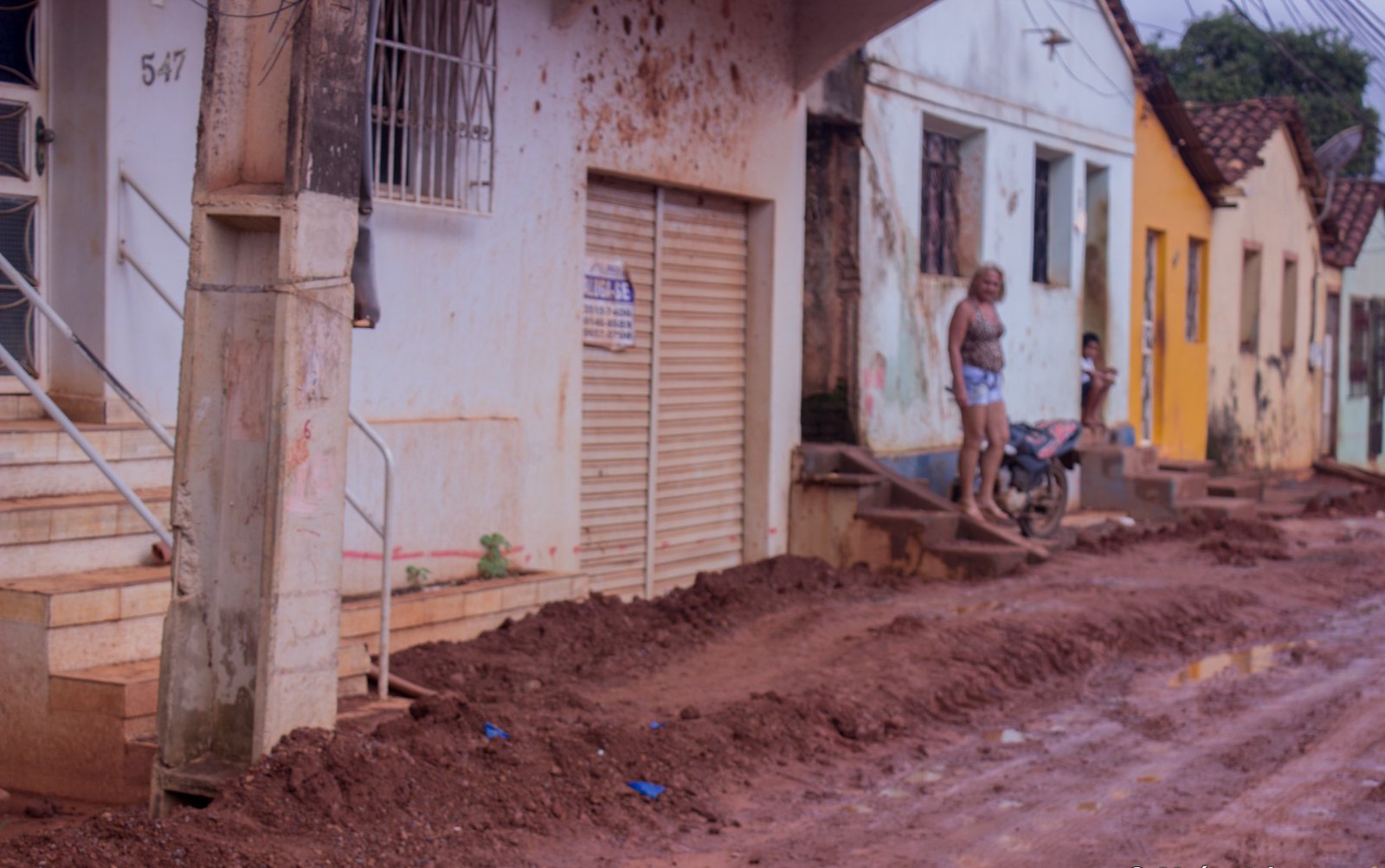
Foto: Amazon Watch / Maíra Irigaray.
Situação atual
As medidas de proteção concedidas pela CIDH permanecem em vigor, mas o Estado brasileiro não as cumpriu integralmente, relatando apenas ações genéricas. As comunidades documentaram as contínuas violações de seus direitos. A situação que motivou o pedido dessas medidas — o risco à vida, à segurança e aos meios de subsistência das comunidades — persiste e se agravou com a usina hidrelétrica operando em plena capacidade e com as recentes secas extremas na Amazônia.
Além do ocorrido em Belo Monte, existe o risco de maiores danos sociais e ambientais decorrentes da implementação de outro megaprojeto de mineração na Volta Grande do Xingu. Lá, a empresa canadense Belo Sun pretende construir a maior mina de ouro a céu aberto do Brasil.
Os impactos sinérgicos e cumulativos da usina e da mina não foram avaliados. O Estado excluiu povos indígenas, comunidades ribeirinhas e comunidades camponesas do processo de licenciamento ambiental do projeto. Apesar disso, dos protestos indígenas e de outras irregularidades em torno do projeto, o governo do estado do Pará autorizou formalmente a mina em abril de 2026.
Belo Monte, assim como outras usinas hidrelétricas, agrava a emergência climática ao gerar emissões de gases de efeito estufa em seu reservatório. Além disso, é ineficiente diante das secas prolongadas e intensas causadas pela crise, pois perde capacidade de geração de energia.
O caso perante a Comissão Interamericana
Em outubro de 2017, a CIDH anunciou que decidiria conjuntamente sobre a admissibilidade (se o caso preenche os requisitos para admissão) e o mérito (se houve, de fato, violação de direitos humanos) da denúncia internacional contra o Estado brasileiro.
Quinze anos após a apresentação da denúncia, as comunidades afetadas e as organizações que as representam ainda aguardam essa decisão. Caso a CIDH conclua que houve violações de direitos humanos e emita recomendações que o Estado brasileiro não cumpra, poderá encaminhar o caso à Corte Interamericana de Direitos Humanos, cujas decisões são vinculativas.
Uma possível decisão da Corte Internacional de Direitos Humanos neste caso estabeleceria um precedente jurídico regional em relação aos direitos dos povos indígenas e ribeirinhos, à participação pública em megaprojetos e à responsabilidade do Estado no contexto da crise climática. Isso é particularmente relevante à luz do Parecer Consultivo nº 32 da Corte, que reafirmou as obrigações dos Estados de proteger pessoas e comunidades em todo o continente da emergência climática.
Partners:
Related projects
Organizations submit amicus curiae brief to Brazil’s Supreme Federal Court, demonstrating that Congressional authorization of the Belo Monte Dam is illegal
The authorization violates national and international law because the communities affected by the project were not consulted. Construction of the dam continues, causing harms to people, communities and the ecosystem of the Brazilian Amazon. Brasilia, Brazil. Construction of the Belo Monte Dam continues. Meanwhile, biodiversity and the communities of the area already suffer severe damage. Civil society organizations submitted to the Supreme Federal Court an amicus curiae (in Portuguese) (friend of the court) brief that demonstrates that the Congressional decree authorizing the controversial dam is illegal because the government didn’t consult with the affected communities. The brief contains national and international law arguments for the protection of the environment and human rights. The arguments support a legal action filed by the Federal Prosecutor’s Office (Ministério Público Federal), which seeks a Supreme Federal Court ruling that annuls the decree. The Interamerican Association for Environmental Defense (AIDA) prepared the document in cooperation with the Centro de Estudios de Derecho, Justicia y Sociedad (DEJUSTICIA), Instituto Socioambiental (ISA), la Associação Indígena Yudjá Mïratu da Volta Grande do Xingu (AYMÏX) and the Conselho Indigenista Missionário (CIMI). "The Belo Monte project was approved without the State having consulted and obtained the consent of the affected indigenous communities and traditional populations. This, alongside the environmental degradation that began with construction, has placed the individuals and communities in a situation of extreme vulnerability," explained AIDA’s attorney, María José Veramendi Villa. By not guaranteeing the right to free, prior and informed consent of the affected communities before authorizing the project, Congress violated the Brazilian Constitution and Convention 169 of the International Labor Organization (ILO). Even though public information meetings about the project were held, they did not constitute prior consultation because they were held after the project was approved. Additionally, information provided in the meetings was not translated into indigenous languages. Not all the affected people had access to the meetings and those who did received incomplete and last minute information about the project. As well as the issues related to free, prior and informed consultation and consent, the document reinforces the Federal Prosecutor’s arguments with regard to the right to access to justice. This right was violated when the government used a law known as Suspension of Security to suspend lower court decisions against the project and favorable to the affected population, ostensibly to protect public security and the economy. "If the Supreme Federal Court issues a favorable decision, the Brazilian State will have two obligations. Not only will it have to suspend the authorization it gave for the dam’s construction, but also it will have to remedy the past and ongoing harm inflicted on indigenous communities and other populations affected by Belo Monte," said Dejusticia’s international director, César Rodríguez Garavito. "Traditional populations affected by the dam are living in unacceptable conditions for democratic times. There is a judicial decision that recognizes that the right to prior consultation was violated, but at the same time another, preliminary and provisional, decision that authorizes construction to move forward," said Leonardo Amorim, an attorney with Instituto Socioambiental. "Consequently, this population suffers worsening health conditions and invasion of their lands. We hope that the Supreme Federal Court rejects this situation." This past Tuesday, the Xingu Alive Forever Movement (MXVPS), with the support of several organizations, requested a hearing (in Portuguese) with the President (Chief Justice) of the Supreme Federal Court to demand an immediate decision in this legal action, as well as in others that challenge large hydroelectric projects in the Amazon.
Read more
Our fight to protect the coral reefs and mangroves of Mexico goes beyond national borders
Coral reefs, the nurseries of the seas, are vital to the fisheries that provide food for millions of people. Mangrove forests also benefit people: they protect coastal communities from increasingly severe storm surges and help to mitigate climate change by absorbing huge amounts of carbon dioxide. But large infrastructure projects that ignore these benefits threaten some of these vitally important ecosystems. AIDA uses the law to protect coral reefs, mangroves and other wetlands. We have found that it’s not enough to fight at the local level, country by country. AIDA approaches defense at the ecosystem level, which is more effective. We engage in discussions with international authorities, bringing attention to the obligations that countries have to the world to preserve their marine and coastal environments. "What you get with these international legal actions is a strategy that weaves together various aspects of the case: legal, political, scientific and media. So we make the issue relevant not only to local decision makers, but also to international authorities. Public support is generated and consulting or certified experts speak out about it, "said Sandra Moguel, AIDA legal advisor. A prime example of this strategy for environmental protection is a case involving Mexico, a country rich in wetlands. In May AIDA alerted the Secretariat of the Ramsar Convention, an intergovernmental treaty for the protection of wetlands, about the possible breach of Mexico’s international obligations. Mexico’s government is considering approval of the proposed Las Cruces Dam, a hydroelectric project in Nayarit, a state in the country’s northwest. Among other damage, the project would alter the course of the San Pedro Mezquital River, which feeds Marismas Nacionales (National Wetlands), one of the most extensive mangrove systems in North America. National Wetlands are listed as wetlands of international importance under the Ramsar Convention. In 2010, diplomats from the Ramsar Convention recommended that the Mexican government advocate sustainable use of the wetland while assessing the project’s feasibility. We have alerted the Ramsar Secretariat that their recommendations would be ignored if Mexico gives a green light to a project that would irreversibly damage National Wetlands, biodiversity, and the communities that depend on that environment. By drawing the attention of international bodies, AIDA strengthens the efforts of our local partner organizations. AIDA has also employed this strategy to protect the unique Cabo Pulmo coral reef, in Baja California Sur. Since 2012, we have continually reminded the Mexican authorities that both the Ramsar Secretariat and the Unesco World Heritage Committee have asked them to consider the cumulative and indirect impacts of tourism projects proposed near the reef. Our arguments were added to those presented by our partners in Mexico to prevent authorization of Cabo Dorado, a mega-resort that would involve building a new city near the reef. This project is the third that tourism developers have attempted to build next to Cabo Pulmo. Construction would surely be fatal to the reef. In a victory that extends beyond Mexican borders, the government decided on May 29 to deny the environmental permit for Cabo Dorado. With your help, we will continue to bring the voice of local communities to international forums. We will continue to add value and support their struggle to preserve marine and coastal environments that benefit us all. Thanks!
Read moreOur fight to protect the coral reefs and mangroves of Mexico goes beyond national borders
Coral reefs, the nurseries of the seas, are vital to the fisheries that provide food for millions of people. Mangrove forests also benefit people: they protect coastal communities from increasingly severe storm surges and help to mitigate climate change by absorbing huge amounts of carbon dioxide. But large infrastructure projects that ignore these benefits threaten some of these vitally important ecosystems. AIDA uses the law to protect coral reefs, mangroves and other wetlands. We have found that it’s not enough to fight at the local level, country by country. AIDA approaches defense at the ecosystem level, which is more effective. We engage in discussions with international authorities, bringing attention to the obligations that countries have to the world to preserve their marine and coastal environments. "What you get with these international legal actions is a strategy that weaves together various aspects of the case: legal, political, scientific and media. So we make the issue relevant not only to local decision makers, but also to international authorities. Public support is generated and consulting or certified experts speak out about it, "said Sandra Moguel, AIDA legal advisor. A prime example of this strategy for environmental protection is a case involving Mexico, a country rich in wetlands. In May AIDA alerted the Secretariat of the Ramsar Convention, an intergovernmental treaty for the protection of wetlands, about the possible breach of Mexico’s international obligations. Mexico’s government is considering approval of the proposed Las Cruces Dam, a hydroelectric project in Nayarit, a state in the country’s northwest. Among other damage, the project would alter the course of the San Pedro Mezquital River, which feeds Marismas Nacionales (National Wetlands), one of the most extensive mangrove systems in North America. National Wetlands are listed as wetlands of international importance under the Ramsar Convention. In 2010, diplomats from the Ramsar Convention recommended that the Mexican government advocate sustainable use of the wetland while assessing the project’s feasibility. We have alerted the Ramsar Secretariat that their recommendations would be ignored if Mexico gives a green light to a project that would irreversibly damage National Wetlands, biodiversity, and the communities that depend on that environment. By drawing the attention of international bodies, AIDA strengthens the efforts of our local partner organizations. AIDA has also employed this strategy to protect the unique Cabo Pulmo coral reef, in Baja California Sur. Since 2012, we have continually reminded the Mexican authorities that both the Ramsar Secretariat and the Unesco World Heritage Committee have asked them to consider the cumulative and indirect impacts of tourism projects proposed near the reef. Our arguments were added to those presented by our partners in Mexico to prevent authorization of Cabo Dorado, a mega-resort that would involve building a new city near the reef. This project is the third that tourism developers have attempted to build next to Cabo Pulmo. Construction would surely be fatal to the reef. In a victory that extends beyond Mexican borders, the government decided on May 29 to deny the environmental permit for Cabo Dorado. With your help, we will continue to bring the voice of local communities to international forums. We will continue to add value and support their struggle to preserve marine and coastal environments that benefit us all. Thanks!
Read more