
Project
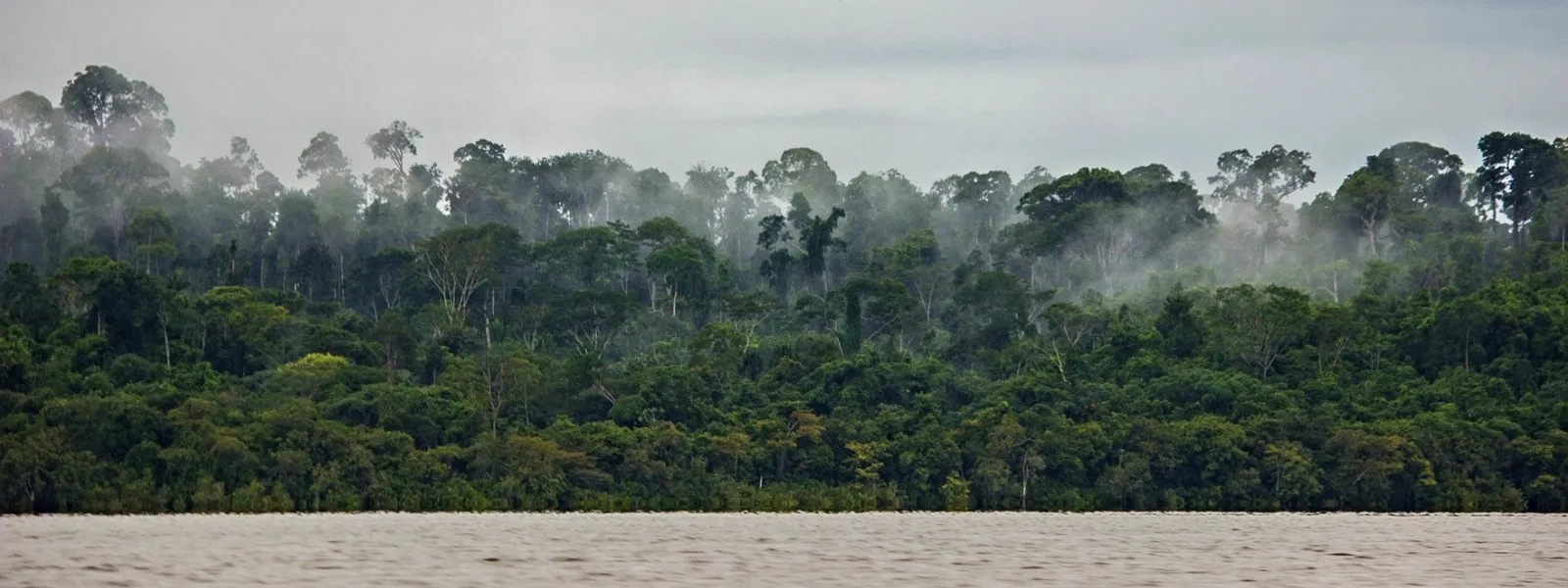
Amazon Watch / Maíra Irigaray
Barragem de Belo Monte no rio Xingu: 10 anos de impactos na Amazônia e de busca por reparações
A usina hidrelétrica de Belo Monte causou um desastre ambiental e social no coração da Amazônia: um dos ecossistemas mais importantes do planeta.
Essa situação só piorou desde que a usina começou a operar em 2016. A busca por justiça e reparação para as comunidades indígenas e ribeirinhas afetadas continua até hoje.
Em 2011, a Comissão Interamericana de Direitos Humanos (CIDH) concedeu a essas comunidades medidas de proteção, que até hoje não foram totalmente implementadas pelo Estado brasileiro.
E, desde junho daquele mesmo ano, a CIDH mantém um processo contra o Estado por sua responsabilidade internacional no caso.
A CIDH pode encaminhar o caso à Corte Interamericana de Direitos Humanos, que tem o poder de emitir uma sentença condenatória contra o Estado brasileiro.
Consulta o expediente de fatos do caso
Após 10 anos de operação da usina hidrelétrica e mais de 15 anos de violações de direitos humanos documentadas, é hora da justiça ser feita para as comunidades afetadas.
Leia a carta aberta das organizações que levam o caso à CIDH
Leia nosso comunicado à imprensa
Contexto
A usina hidrelétrica de Belo Monte — a quarta maior do mundo em capacidade instalada (11.233 MW) — foi construída no rio Xingu, no estado do Pará, norte do Brasil.
Foi inaugurada em 5 de maio de 2016, com uma única turbina. Naquela época, 80% do curso do rio foi desviado e 516 km² de terra foram inundados, uma área maior que a cidade de Chicago. Desse total, 400 km² eram de mata nativa. A usina começou a operar em plena capacidade em novembro de 2019.
Belo Monte foi construída e é operada pelo consórcio Norte Energia S.A., composto principalmente por empresas estatais. Foi financiada pelo Banco Nacional de Desenvolvimento Econômico e Social (BNDES), que aportou ao consórcio 25,4 bilhões de reais (aproximadamente US$ 10,16 bilhões), o maior investimento de sua história. Portanto, o BNDES também é legalmente responsável pelos impactos socioambientais associados ao projeto hidrelétrico.
Décadas de danos ambientais e humanos
As violações dos direitos humanos e a degradação da Amazônia remontam ao início do projeto. Em março de 2011, a Norte Energia iniciou a construção da barragem sem consulta adequada e sem o consentimento prévio, livre e informado das comunidades afetadas.
A construção levou ao deslocamento forçado de mais de 40.000 pessoas, rompendo laços sociais e culturais. O plano de reassentamento em Altamira — cidade diretamente afetada pelo projeto hidrelétrico — incluía moradias na periferia da cidade, sem serviços públicos adequados, moradias dignas para as famílias reassentadas e moradias diferenciadas para aqueles pertencentes a comunidades indígenas.
A operação da barragem de Belo Monte impôs uma seca permanente e artificial na Volta Grande do rio Xingu, agravada pelas secas históricas na Amazônia em 2023 e 2024. Como resultado, a morte de milhões de ovos de peixe foi documentada por quatro anos consecutivos (de 2021 a 2024) e, nos últimos três anos, não houve migração de peixes rio acima para desovar e se reproduzir. Assim, a pesca artesanal, principal fonte de proteína para os povos indígenas e comunidades ribeirinhas, foi severamente afetada: o consumo de peixe caiu de 50% para 30% do total de proteínas consumidas, sendo substituído por alimentos processados. Em suma, houve um colapso ambiental e humanitário que resultou no colapso da pesca como modo de vida tradicional, insegurança alimentar e falta de acesso à água potável para milhares de famílias, empobrecimento e doenças.
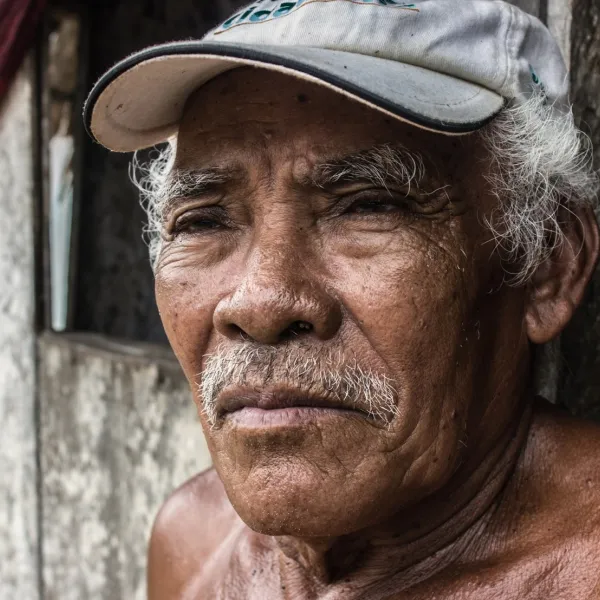
Além disso, a construção da barragem aumentou o desmatamento e intensificou a extração ilegal de madeira e a insegurança em terras indígenas e tribais, colocando em risco a sobrevivência dessas comunidades. Outra consequência foi o agravamento da pobreza e dos conflitos sociais, bem como a sobrecarga dos sistemas de saúde, educação e segurança pública em Altamira, cidade considerada a mais violenta do país em 2017, onde houve aumento do tráfico de pessoas e da violência sexual. Também foram registrados casos de violência contra defensores de direitos humanos envolvidos no caso.
Em 2025, durante a 30ª Conferência das Nações Unidas sobre Mudanças Climáticas (COP30), realizada no Brasil, o Ministério Público Federal classificou os danos causados por Belo Monte como ecocídio.
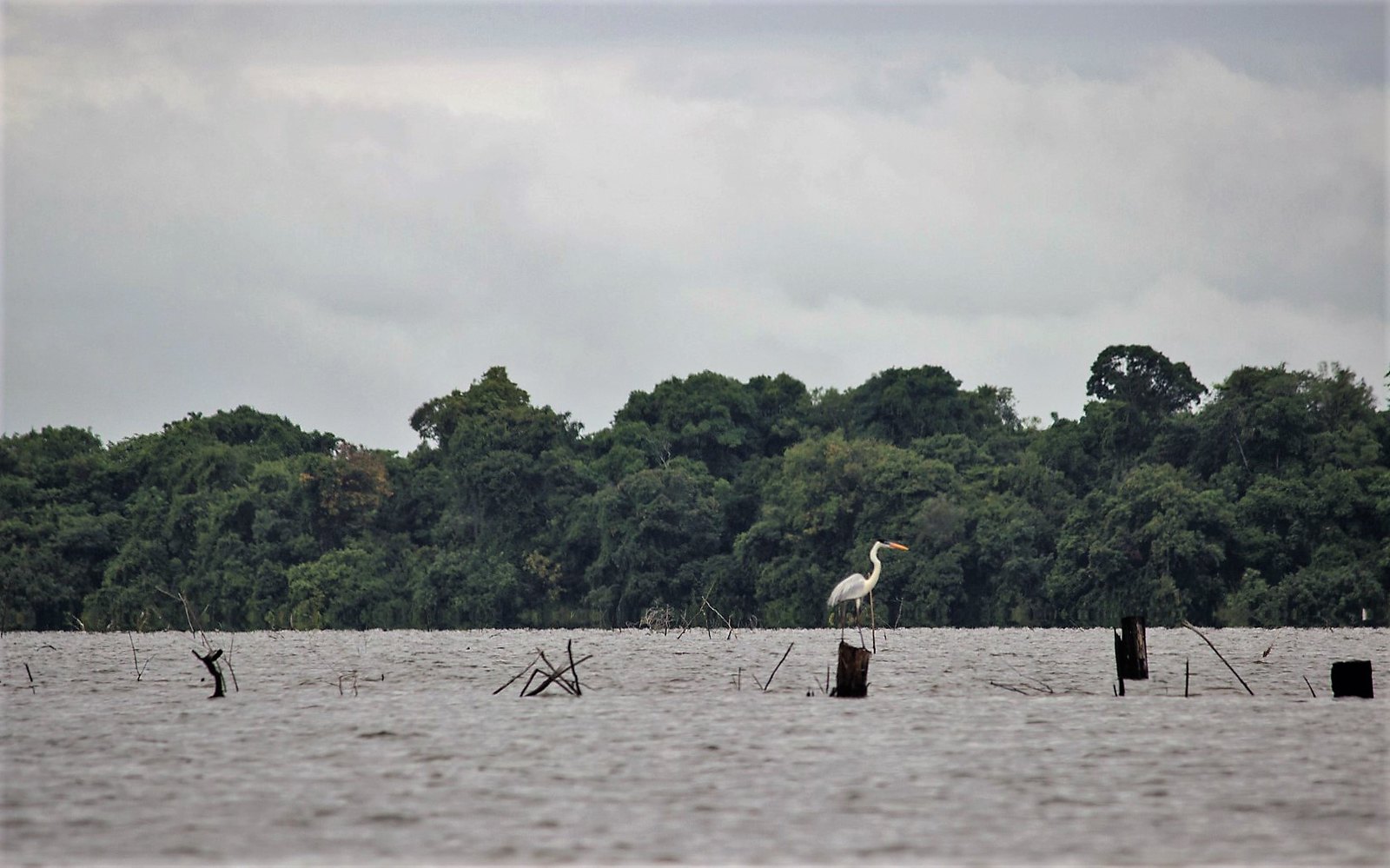
Foto: Amazon Watch / Maíra Irigaray.
A busca por justiça e reparação
Ao longo dos anos, o Ministério Público Federal do Pará, a Defensoria Pública e organizações da sociedade civil impetraram dezenas de ações judiciais em tribunais brasileiros para contestar as diversas irregularidades do projeto, bem como seus impactos. A maioria das ações permanece sem solução, algumas há mais de 10 anos.
Essas ações não obtiveram sucesso porque o governo federal tem reiteradamente anulado decisões favoráveis às comunidades afetadas, recorrendo a um mecanismo pelo qual o presidente do Supremo Tribunal Federal pode suspender uma decisão judicial com base unicamente em argumentos genéricos como "interesse nacional" ou "ordem econômica".
Diante da falta de respostas eficazes em nível nacional, a AIDA — juntamente com uma coalizão de organizações aliadas — levou o caso à Comissão Interamericana de Direitos Humanos (CIDH) e, em 2010, solicitou medidas cautelares para proteger a vida, a integridade e a saúde das comunidades indígenas afetadas.
Em 1º de abril de 2011, a CIDH concedeu essas medidas e solicitou ao Estado brasileiro a suspensão das licenças ambientais e de quaisquer obras de construção até que as condições relativas à consulta prévia e à proteção da saúde e integridade das comunidades fossem atendidas.
E, em 16 de junho de 2011, apresentamos uma denúncia formal à CIDH — juntamente com o Movimento Xingu Vivo Para Siempre, a Coordenação das Organizações Indígenas da Amazônia Brasileira, a Diocese de Altamira, o Conselho Missionário Indígena, a Sociedade Pará de Defesa dos Direitos Humanos e a Global Justice — contra o Estado brasileiro por sua responsabilidade internacional nas violações de direitos humanos contra os povos afetados neste caso. A denúncia foi apresentada em dezembro de 2015.
Em 3 de agosto de 2011, a CIDH modificou as medidas cautelares para solicitar — em vez da suspensão de licenças e obras — a proteção dos povos que vivem em isolamento voluntário, a saúde das comunidades indígenas e a regularização e proteção das terras ancestrais.
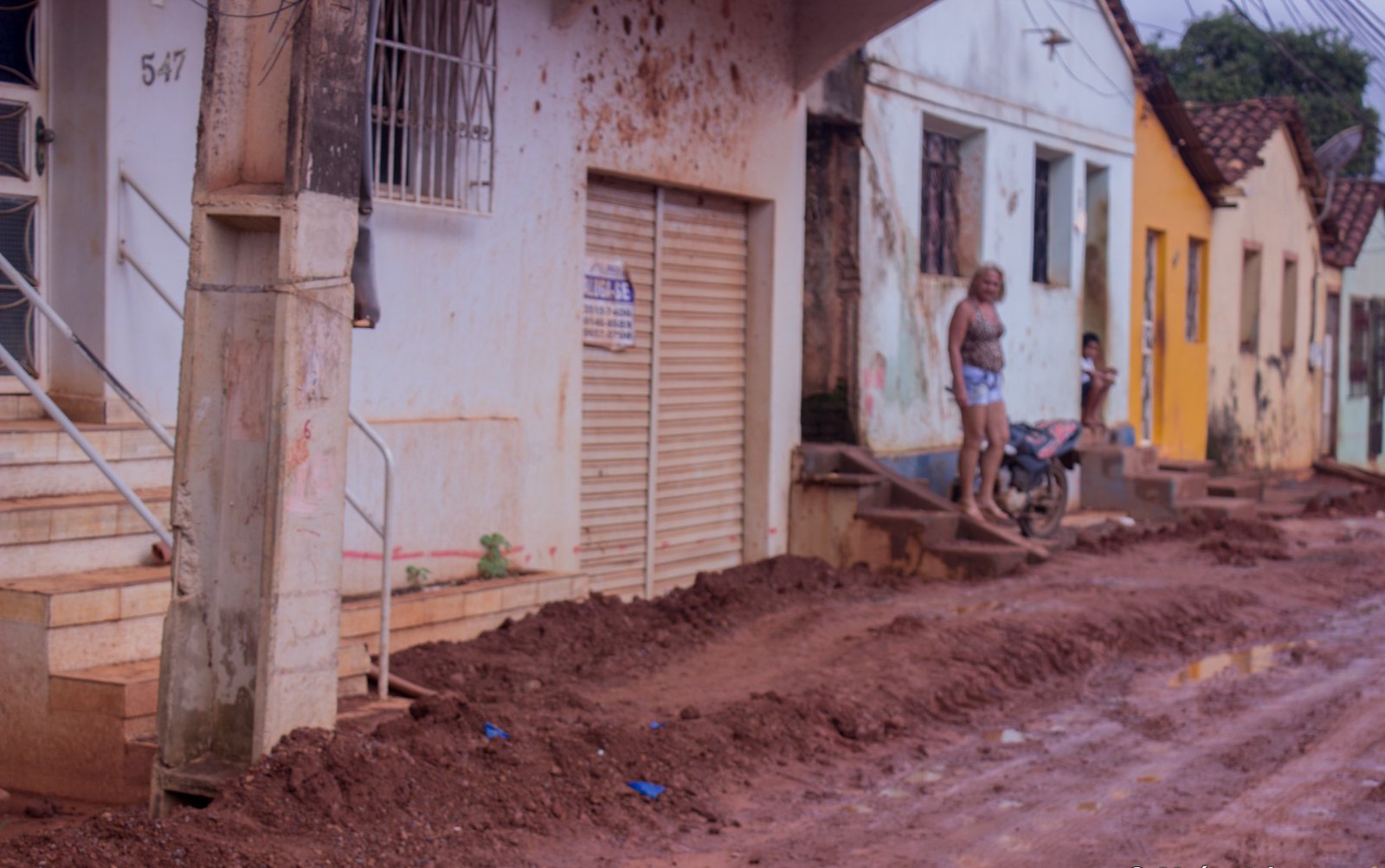
Foto: Amazon Watch / Maíra Irigaray.
Situação atual
As medidas de proteção concedidas pela CIDH permanecem em vigor, mas o Estado brasileiro não as cumpriu integralmente, relatando apenas ações genéricas. As comunidades documentaram as contínuas violações de seus direitos. A situação que motivou o pedido dessas medidas — o risco à vida, à segurança e aos meios de subsistência das comunidades — persiste e se agravou com a usina hidrelétrica operando em plena capacidade e com as recentes secas extremas na Amazônia.
Além do ocorrido em Belo Monte, existe o risco de maiores danos sociais e ambientais decorrentes da implementação de outro megaprojeto de mineração na Volta Grande do Xingu. Lá, a empresa canadense Belo Sun pretende construir a maior mina de ouro a céu aberto do Brasil.
Os impactos sinérgicos e cumulativos da usina e da mina não foram avaliados. O Estado excluiu povos indígenas, comunidades ribeirinhas e comunidades camponesas do processo de licenciamento ambiental do projeto. Apesar disso, dos protestos indígenas e de outras irregularidades em torno do projeto, o governo do estado do Pará autorizou formalmente a mina em abril de 2026.
Belo Monte, assim como outras usinas hidrelétricas, agrava a emergência climática ao gerar emissões de gases de efeito estufa em seu reservatório. Além disso, é ineficiente diante das secas prolongadas e intensas causadas pela crise, pois perde capacidade de geração de energia.
O caso perante a Comissão Interamericana
Em outubro de 2017, a CIDH anunciou que decidiria conjuntamente sobre a admissibilidade (se o caso preenche os requisitos para admissão) e o mérito (se houve, de fato, violação de direitos humanos) da denúncia internacional contra o Estado brasileiro.
Quinze anos após a apresentação da denúncia, as comunidades afetadas e as organizações que as representam ainda aguardam essa decisão. Caso a CIDH conclua que houve violações de direitos humanos e emita recomendações que o Estado brasileiro não cumpra, poderá encaminhar o caso à Corte Interamericana de Direitos Humanos, cujas decisões são vinculativas.
Uma possível decisão da Corte Internacional de Direitos Humanos neste caso estabeleceria um precedente jurídico regional em relação aos direitos dos povos indígenas e ribeirinhos, à participação pública em megaprojetos e à responsabilidade do Estado no contexto da crise climática. Isso é particularmente relevante à luz do Parecer Consultivo nº 32 da Corte, que reafirmou as obrigações dos Estados de proteger pessoas e comunidades em todo o continente da emergência climática.
Partners:
Related projects
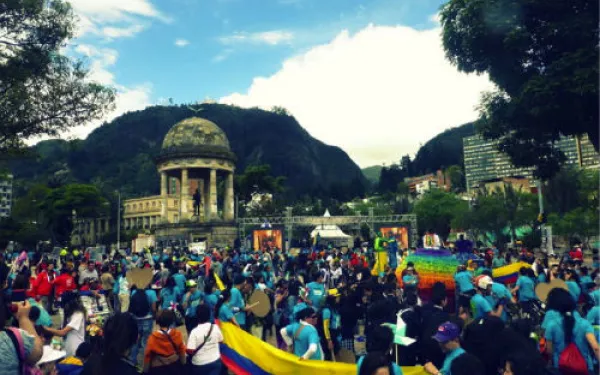
Thousands rally in Colombia's capital for Global Climate Action
By Seble Gameda, geographer The sounds of brass instruments, drumming, bike bells, and chants filled the streets of Bogota, Colombia on Sunday, September 21, as over three thousand people bearing banners, posters, flags and face paint, rallied for urgent climate action, as part of the International People's Climate March. "We are making a global petition to the heads of state to make a binding treaty that responds to the climate crisis, and we need national and local governments to commit as well," said Ana Sofía Suarez, Campaign Coordinator with the international citizen’s movement, Avaaz, and Event Coordinator for the People’s Climate March in Bogotá. Over 100 world leaders met in New York City to discuss the climate crisis and carbon emissions reductions, just months prior to the Conference of the Parties (COP) 20 that will take place in Lima, Peru as part of the United Nations Framework Convention on Climate Change. A binding agreement is planned to be signed at COP 21 in Paris in December 2015. The United Nations Climate Summit in New York City also focused on the Green Climate Fund, in which developed countries aim to raise $100 billion per year by 2020 in climate finance, in order to assist developing countries towards "low-carbon, climate resilient development." Hector Herrera, Coordinator of the Colombian Environmental Justice Network, spoke to the importance of developing countries participating in the climate marches, stating that "although the global north is primarily responsible for climate change, we in the global south are most affected, and less prepared to adapt to a changing climate." Demonstrations were organized worldwide to show the power of the people’s climate movement. "We are the first generation that is really aware of climate change, but we are the last that can do something about it," stated Juan David García, an organizer with the grassroots environmental organization 350.org. Bogotá’s Climate March was filled with diversity; artists, professors, youth, bankers, cyclists, the elderly. As Suarez commented, "in these spaces when everyone comes together, you begin to realize that you are not alone, that we are among many who are dreaming of something different, and if we begin to demand changes, then we can make this dream happen." Climate change is no longer just an isolated issue of scientists and environmentalists, we are reaching a critical mass, showing once again that protest is powerful; it is the movement of people that makes change: anti-war, civil rights, healthcare, education, and … climate justice.
Read more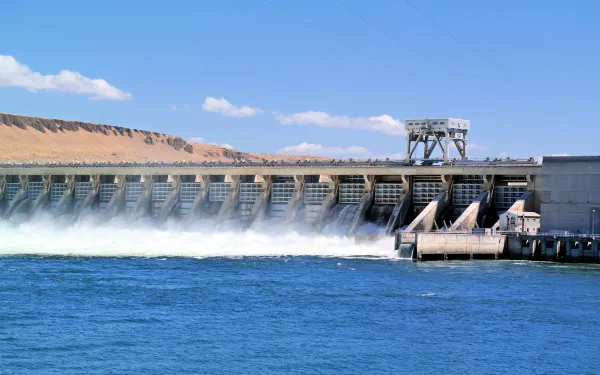
Open letter to governments, international institutions and financial mechanisms to stop considering large dams as clean energy and to implement real solutions to climate change
57 CIVIL SOCIETY ORGANIZATIONS AND COALITIONS IN LATIN AMERICA INSIST THAT LARGE DAMS ARE NOT CLEAN ENERGY SOURCES AND WE ASK GOVERNMENTS, INTERNATIONAL ORGANIZATIONS AND FINANCIAL INSTITUTIONS TO IMPLEMENT REAL SOLUTIONS TO CLIMATE CHANGE It is time to learn from the past and to implement alternatives appropriate to our time According to the World Commission on Dams, by the year 2000, fifty thousand dams had already been built, disrupting more than 60% of Earth’s rivers.[1] In Latin America alone, 973 dams of all sizes are operating, and roughly 1,600 more are being built or planned—254 in the Amazon Basin.[2] Scientific evidence reveals that large dams: emit greenhouse gases, including methane, especially in tropical regions,[3] aggravating climate change, and making adaptation more difficult; cost almost twice their initial budget, causing economic difficulties in the communities and countries where they are implemented;[4] take a long time to become operational, making them an inefficient solution to the urgent energy crisis that they are intended to tackle;[5] may cause great and irreparable environmental damage; and may cause human rights violations and impoverishment of communities if not implemented with appropriate safeguards. Nevertheless, they continue to be promoted as clean energy sources to meet increasing energy demand.[6] Why are dams not clean energy sources and why are alternatives needed? 1. Because they contribute to climate change and make adaptation more difficult Construction and operation of large dams in tropical regions causes emission of CO2 and methane from the large amounts of flooded and retained organic matter in reservoirs. The greenhouse gas effect of methane is between 20 to 40 times more powerful than that of CO2.[7] Dams also destroy large areas of surrounding lands needed to build them. Dams are not flexible enough to endure climate change. On the contrary, they are inefficient in droughts and unsafe in floods, which aggravates the risk of disasters. Moreover, they threaten communities’ entire hydrologic system, destroying key ecosystems and fisheries, thus compromising communities’ ability to adapt to climate change. 2. Because of the cost overruns, delays and economic damage that they entail Data show that the final cost of the majority of dams that have been built is 96% greater than their initial budgets. This expense has been linked to the increase of public debt and to economic crisis in several countries.[8] 3. Because they take a long time to become operational, making them an inefficient solution to the urgent energy crisis that they are intended to tackle Construction of large dams takes approximately 8.6 years, plus time to begin operating,[9] and they operate on average only 50 years.[10] Experts have documented that eight out of every ten dams exceed their initial construction-time estimates by more than 44%.[11] Dams are not an efficient solution to growing and urgent energy demand. 4. Because they may cause great and irreparable environmental damage Large dams cause environmental damages to rivers, hydrologic basins and surrounding ecosystems, including: worsening water quality in rivers; degradation of aquatic ecosystems and disappearance of many riparian ecosystems; and serious harms to biodiversity, including the extinction of species.[12] 5. Because environmental damage may violate human rights and impoverish communities The human rights of the people affected by large dams have been systematically unrecognized. Large dams have caused forced displacement;[13] health problems; loss of food sources and traditional ways of life; community impoverishment;[14] and criminalization of social protest. Additionally, permitting processes are generally flawed; permits are issued without comprehensive environmental or social impact assessments, and without adequate public participation and consultation. TODAY there are cleaner, more efficient, less costly and faster alternatives to respond to energy demand. Therefore we DEMAND that Governments, international organizations and financial institutions immediately: Stop considering large dams as clean energy sources, given the proved negative impacts mentioned above. These impacts must be considered comprehensively. Incorporate in the planning stage for new dams: scientific evidence of greenhouse gas emissions, including methane produced by reservoirs; the instability that climate change causes in the hydrologic regime; lessons learned regarding costs and real implementation time of large dams; comprehensive evaluation of environmental and social impacts that will be caused; an integrated, realistic energy strategy through a Comprehensive Plan for Electric Sector Energy Resources; Make decisions that account for impacts on the environment, human rights and climate change. Implement real energy solutions that prove to be effective, with benefits that outweigh the harms they cause. Adopt inclusive and transparent decision-making processes, taking into account the whole spectrum of energy alternatives. Abogadas y Abogados para la Justicia y los Derechos Humanos, A.C., México Alianza de Comunidades y Usuarios en Defensa del Río Biobos-Nautla, México Alianza para la Conservación y el Desarrollo (ACD), Panamá Amazon Watch, Estados Unidos Amazónicos por la Amazonía (AMPA), Perú Amigos del Río San Rodrigo, México Asamblea Veracruzana de Iniciativas y Defensa Ambiental (LAVIDA), México Asociación Ambiente y Sociedad, Colombia Asociación Amigos de los Parques Nacionales (AAPN), Argentina Asociación Ceiba, Guatemala Asociación de Ecología Social (AESO), Costa Rica Asociación Interamericana para la Defensa del Ambiente (AIDA), Regional Asociación Palmareña para la Recuperación del Ambiente (APRA), Costa Rica Asociación Peruana para la Conservación de la Naturaleza, Perú Asociación Pro Derechos Humanos (APRODEH), Perú Asociación Proyectos Alternativos para Desarrollo Social (PROAL), Costa Rica Bloque Verde, Costa Rica Centro de Desarrollo Étnico (CEDET), Perú Centro de Documentación en Derechos Humanos “Segundo Montes Mozo S.J.” (CSMM), Ecuador Centro de Estudios para la Justicia Social "Tierra Digna", Colombia Centro de Promoción y Defensa de Derechos Humanos Arequipa (CEPRODEH), Perú Centro Humboldt, Nicaragua Centro Mexicano de Derecho Ambiental, A.C. (CEMDA), México Centro para la Sostenibilidad Ambiental de la Universidad Peruana Cayetano Heredia (CSA-UPCH), Perú Colectivo Defensa Verde Naturaleza para Siempre, México Comisión de Derechos Humanos de Ica, Perú Comisión Ecuménica de Derechos Humanos (CEDHU), Ecuador Comité por los Derechos en América Latina (CEDHAL), Canadá Consejo de Ejidos y Comunidades Opositores a la Presa La Parota (CECOP), México Coordinadora de Afectados por Embalses y Trasvases (COAGRET), España Coordinadora Nacional de Derechos Humanos, Perú Derechos Humanos y Medio Ambiente, Perú Ecologia E Ação (ECOA), Brasil Federación Ecologista de Costa Rica (FECON), Costa Rica Finca Amalur, Costa Rica Fiscalía del Medio Ambiente (FIMA), Chile Foro Ciudadano de Participación por la Justicia y los Derechos Humanos (FORO), Argentina Fórum Solidaridad Perú, Perú Fundación Centro de Derechos Humanos y Ambiente (CEDHA), Argentina Fundación Ecuménica para el Desarrollo y la Paz (FEDEPAZ), Perú Fundación GaiaPacha, Bolivia Fundación POPOL NA, Nicaragua Fundar, México Grupo Ecologista Cuña Pirú, Argentina Instituto Madeira Vivo (IMV), Brasil International Rivers, Estados Unidos JASS, Asociadas por lo Justo, México Justicia para la Naturaleza, Costa Rica María Esperanza Alonso, especialista de Derecho Ambiental, Argentina Movimiento Ciudadano frente al Cambio Climático (MOCICC), Perú Oilwatch Mesoamérica, Costa Rica Plataforma Interamericana de Derechos Humanos, Democracia y Desarrollo (PIDHDD Regional), Ecuador Programa Chile Sustentable, Chile Pueblos Unidos de la Cuenca Antigua por los Ríos Libres, México Red Jurídica Amazónica (RAMA), Bolivia Sociedad Peruana de Derecho Ambiental (SPDA), Perú Unión Norte por la Vida, Costa Rica For more information: AIDA on dams: http://www.aida-americas.org/es/project/grandesrepresas International Rivers: http://www.internationalrivers.org/ Report: Grandes Represas en América: ¿Peor el Remedio que la Enfermedad? Blog: Desmantelando el mito de las represas, Grandes represas elefantes blancos, Hydropower Will Not Solve All Africa's Problems [1] World Commission on Dams Report. http://www.internationalrivers.org/files/attached-files/world_commission_on_dams_final_report.pdf [2] State of the World’s Rivers. http://www.internationalrivers.org/worldsrivers/ [3]2013 IPCC Supplement to the 2006 Guidelines for National GHG Inventories: Wetlands http://www.ipcc-nggip.iges.or.jp/public/wetlands/ [4]Ansar, Atif and Flyvbjerg, Bent and Budzier, Alexander and Lunn, Daniel, Should We Build More Large Dams? The Actual Costs of Hydropower Megaproject Development (March 10, 2014). Energy Policy, March 2014, pp.1-14. [5] Ibid [6] Directions for the World Bank Group’s Energy Sector. http://www.worldbank.org/content/dam/Worldbank/document/SDN/energy-2013-0281-2.pdf [7] Climate and Clear Air Coalition. Short-Lived Climate Pollutants. (2011). http://www.unep.org/ccac/ShortLivedClimatePollutants/tabid/101650/Default.aspx. [8] Ansar, A et al. Furthermore, the Brazilian Federal Court of Accountability carried out a study of the energy projects developed between 2005 and 2012, and it concluded that almost 80% of dams will not comply with their schedule. http://oglobo.globo.com/economia/tcu-constata-atrasos-nas-obras-de-energia-leiloadas-pelo-governo-de-2005-2012-13822128 (Spanish) [9] Ansar, A., et al. [10] Friends of the Earth, et al. Dam Removal Success Stories. (1999). http://www.michigandnr.com/publications/pdfs/fishing/dams/SuccessStoriesReport.pdf http://www.teachengineering.org/view_lesson.php?url=collection/cub_/lessons/cub_dams/cub_dams_lesson08.xml [11] Ansar, A., et al. [12] AIDA. Grandes Represas en América: ¿Peor el remedio que la enfermedad? http://www.aida-americas.org/sites/default/files/InformeAIDA_GrandesRepreseas_BajaRes_1.pdf (Spanish) [13] According to the World Commission on Dams, between 40 and 80 million people have been displaced due to big dams—approximately one out of every 100 people alive today. [14] Thayer Scudder, California Institute of Technology, promoted construction of dams for 58 years, believing that they were an option for the relief of poverty. He publicly changed his mind when he was 84 years old, declaring that they are not worth their cost and that many of the dams currently under construction will have disastrous consequences. New York Times. http://www.nytimes.com/2014/08/24/opinion/sunday/large-dams-just-arent-worth-the-cost.html?emc=eta1&_r=3
Read more
Brazil secures Belo Monte site, but not human rights of affected people
Time doesn’t stop and, unfortunately, nor does the construction of the Belo Monte Dam. Work is advancing at an impressive rate on the Xingu River, in the Brazilian Amazon; 65% of the dam is complete. As it grows, the ecosystem—and the lives of people living in the area—deteriorates. Construction of the gigantic dam has opened an enormous gash through the thick Amazonian vegetation. Seeing it from the air creates a feeling of helplessness. And on land, it’s frustrating to see that the situation of indigenous peoples, coastal communities, and residents of the city of Altamira worsens. Recently, AIDA lawyers, María José Veramendi Villa and Alexandre Andrade Sampaio, visited the Arara indigenous community, nestled in the Big Bend of the Xingu River. Once Belo Monte dams the river, it will reduce the river’s flow so drastically that fishing, the livelihood of the Arara, will no longer be possible. Furthermore, the Arara will lose the track that leads to their sacred sites. They await the arrival of vehicles and construction of a road and a suitable well, because the quality of drinking water is not the best. In Altamira, the deteriorating situation is similar. Veramendi and Sampaio went there too. Once dam construction began, the population of the city grew massively. This boom has overwhelmed health services and the sanitation system and, worse, led to an increase in cases of sexual violence and human trafficking. Norte Energia, the consortium of government and private enterprises building the dam, has caused pisions among the affected population by paying more for some lands than for others. Many people were forced to sell their homes at a minimum price before they were evicted. And the small cinderblock cubes built for the relocation of displaced families do not qualify as adequate housing. Relocation also involves a change in lifestyle: from fishing to farming or hauling bags of cement. "This frays the social fabric,” explained Veramendi. “We work daily, along with our colleagues in Brazil, to make clear in the country and internationally that what is happening in Belo Monte constitutes human rights violations. We are constantly working to compel the government of Brazil to comply with the precautionary measures issued by the Inter-American Commission on Human Rights." On April 1, 2011, the Commission issued precautionary measures that Brazil should take to protect the life, health, and personal and cultural integrity of indigenous peoples in voluntary isolation; the health of other indigenous communities affected by the project; and demarcation of the ancestral lands of indigenous peoples. Our work, like the work of the human rights and environmental defenders we support in Brazil, is not easy. State security forces guard the construction site and Altamira. "We are surrounded, intimidated and harassed; there is no guarantee for our work," said Sampaio. With your help, we will continue fighting to see that the Belo Monte case progresses with the Commission, and that the Government of Brazil complies with its international human rights obligations rather than use the dam to bolster its electoral campaign at the cost of the environment and human welfare. Follow us on Twitter: @AIDAorg "Like" our page on Facebook: www.facebook.com/AIDAorg
Read more