
Project
Amazon Watch / Maíra Irigaray
Barragem de Belo Monte no rio Xingu: 10 anos de impactos na Amazônia e de busca por reparações
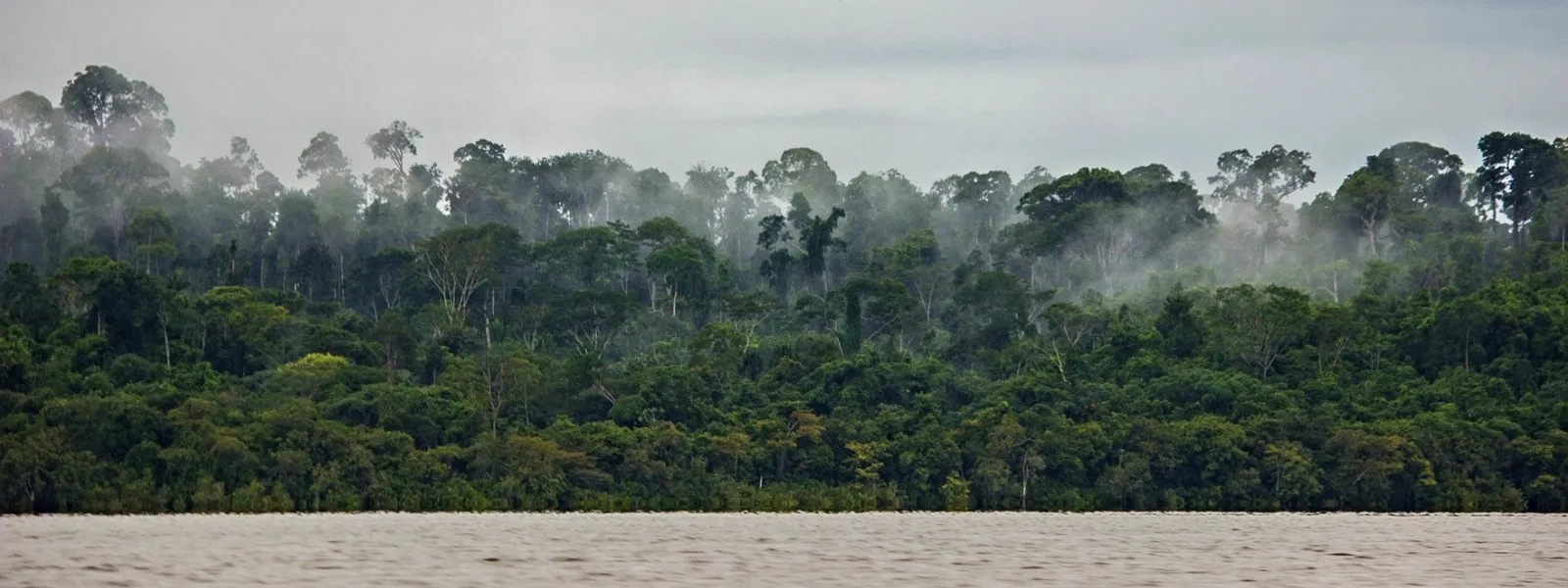
A usina hidrelétrica de Belo Monte causou um desastre ambiental e social no coração da Amazônia: um dos ecossistemas mais importantes do planeta.
Essa situação só piorou desde que a usina começou a operar em 2016. A busca por justiça e reparação para as comunidades indígenas e ribeirinhas afetadas continua até hoje.
Em 2011, a Comissão Interamericana de Direitos Humanos (CIDH) concedeu a essas comunidades medidas de proteção, que até hoje não foram totalmente implementadas pelo Estado brasileiro.
E, desde junho daquele mesmo ano, a CIDH mantém um processo contra o Estado por sua responsabilidade internacional no caso.
A CIDH pode encaminhar o caso à Corte Interamericana de Direitos Humanos, que tem o poder de emitir uma sentença condenatória contra o Estado brasileiro.
Consulta o expediente de fatos do caso
Após 10 anos de operação da usina hidrelétrica e mais de 15 anos de violações de direitos humanos documentadas, é hora da justiça ser feita para as comunidades afetadas.
Leia a carta aberta das organizações que levam o caso à CIDH
Leia nosso comunicado à imprensa
Contexto
A usina hidrelétrica de Belo Monte — a quarta maior do mundo em capacidade instalada (11.233 MW) — foi construída no rio Xingu, no estado do Pará, norte do Brasil.
Foi inaugurada em 5 de maio de 2016, com uma única turbina. Naquela época, 80% do curso do rio foi desviado e 516 km² de terra foram inundados, uma área maior que a cidade de Chicago. Desse total, 400 km² eram de mata nativa. A usina começou a operar em plena capacidade em novembro de 2019.
Belo Monte foi construída e é operada pelo consórcio Norte Energia S.A., composto principalmente por empresas estatais. Foi financiada pelo Banco Nacional de Desenvolvimento Econômico e Social (BNDES), que aportou ao consórcio 25,4 bilhões de reais (aproximadamente US$ 10,16 bilhões), o maior investimento de sua história. Portanto, o BNDES também é legalmente responsável pelos impactos socioambientais associados ao projeto hidrelétrico.
Décadas de danos ambientais e humanos
As violações dos direitos humanos e a degradação da Amazônia remontam ao início do projeto. Em março de 2011, a Norte Energia iniciou a construção da barragem sem consulta adequada e sem o consentimento prévio, livre e informado das comunidades afetadas.
A construção levou ao deslocamento forçado de mais de 40.000 pessoas, rompendo laços sociais e culturais. O plano de reassentamento em Altamira — cidade diretamente afetada pelo projeto hidrelétrico — incluía moradias na periferia da cidade, sem serviços públicos adequados, moradias dignas para as famílias reassentadas e moradias diferenciadas para aqueles pertencentes a comunidades indígenas.
A operação da barragem de Belo Monte impôs uma seca permanente e artificial na Volta Grande do rio Xingu, agravada pelas secas históricas na Amazônia em 2023 e 2024. Como resultado, a morte de milhões de ovos de peixe foi documentada por quatro anos consecutivos (de 2021 a 2024) e, nos últimos três anos, não houve migração de peixes rio acima para desovar e se reproduzir. Assim, a pesca artesanal, principal fonte de proteína para os povos indígenas e comunidades ribeirinhas, foi severamente afetada: o consumo de peixe caiu de 50% para 30% do total de proteínas consumidas, sendo substituído por alimentos processados. Em suma, houve um colapso ambiental e humanitário que resultou no colapso da pesca como modo de vida tradicional, insegurança alimentar e falta de acesso à água potável para milhares de famílias, empobrecimento e doenças.
Além disso, a construção da barragem aumentou o desmatamento e intensificou a extração ilegal de madeira e a insegurança em terras indígenas e tribais, colocando em risco a sobrevivência dessas comunidades. Outra consequência foi o agravamento da pobreza e dos conflitos sociais, bem como a sobrecarga dos sistemas de saúde, educação e segurança pública em Altamira, cidade considerada a mais violenta do país em 2017, onde houve aumento do tráfico de pessoas e da violência sexual. Também foram registrados casos de violência contra defensores de direitos humanos envolvidos no caso.
Em 2025, durante a 30ª Conferência das Nações Unidas sobre Mudanças Climáticas (COP30), realizada no Brasil, o Ministério Público Federal classificou os danos causados por Belo Monte como ecocídio.
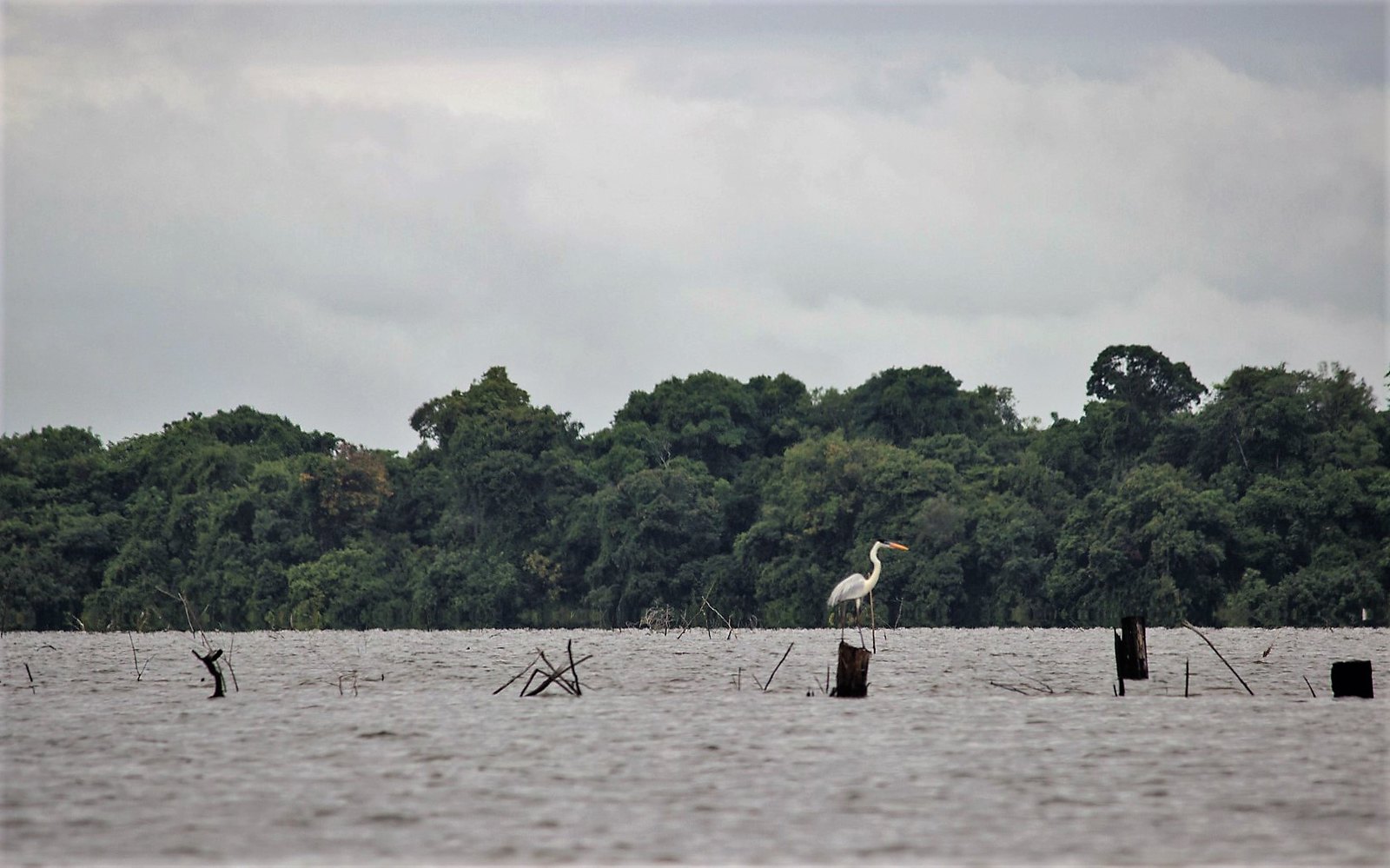
Foto: Amazon Watch / Maíra Irigaray.
A busca por justiça e reparação
Ao longo dos anos, o Ministério Público Federal do Pará, a Defensoria Pública e organizações da sociedade civil impetraram dezenas de ações judiciais em tribunais brasileiros para contestar as diversas irregularidades do projeto, bem como seus impactos. A maioria das ações permanece sem solução, algumas há mais de 10 anos.
Essas ações não obtiveram sucesso porque o governo federal tem reiteradamente anulado decisões favoráveis às comunidades afetadas, recorrendo a um mecanismo pelo qual o presidente do Supremo Tribunal Federal pode suspender uma decisão judicial com base unicamente em argumentos genéricos como "interesse nacional" ou "ordem econômica".
Diante da falta de respostas eficazes em nível nacional, a AIDA — juntamente com uma coalizão de organizações aliadas — levou o caso à Comissão Interamericana de Direitos Humanos (CIDH) e, em 2010, solicitou medidas cautelares para proteger a vida, a integridade e a saúde das comunidades indígenas afetadas.
Em 1º de abril de 2011, a CIDH concedeu essas medidas e solicitou ao Estado brasileiro a suspensão das licenças ambientais e de quaisquer obras de construção até que as condições relativas à consulta prévia e à proteção da saúde e integridade das comunidades fossem atendidas.
E, em 16 de junho de 2011, apresentamos uma denúncia formal à CIDH — juntamente com o Movimento Xingu Vivo Para Siempre, a Coordenação das Organizações Indígenas da Amazônia Brasileira, a Diocese de Altamira, o Conselho Missionário Indígena, a Sociedade Pará de Defesa dos Direitos Humanos e a Global Justice — contra o Estado brasileiro por sua responsabilidade internacional nas violações de direitos humanos contra os povos afetados neste caso. A denúncia foi apresentada em dezembro de 2015.
Em 3 de agosto de 2011, a CIDH modificou as medidas cautelares para solicitar — em vez da suspensão de licenças e obras — a proteção dos povos que vivem em isolamento voluntário, a saúde das comunidades indígenas e a regularização e proteção das terras ancestrais.
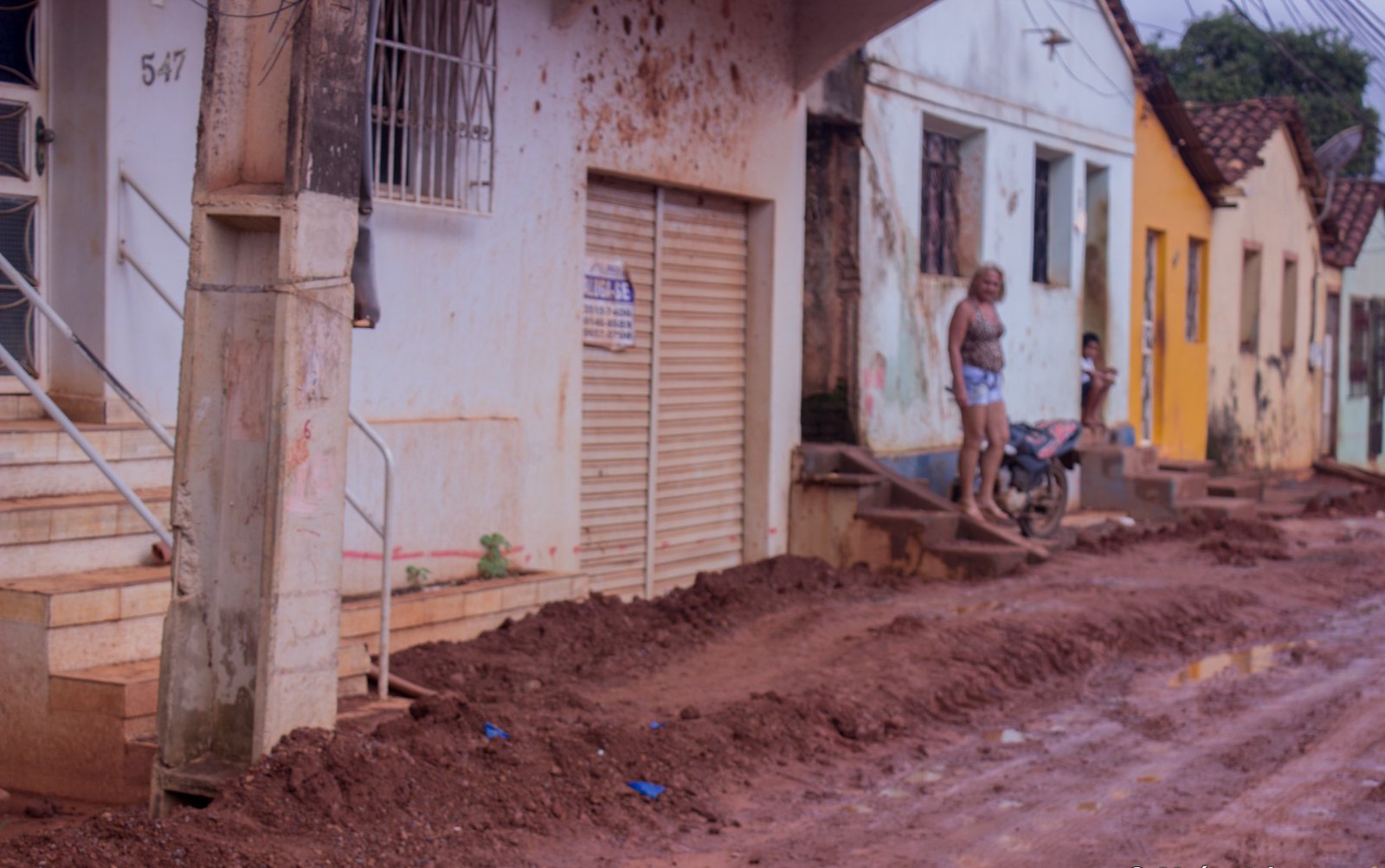
Foto: Amazon Watch / Maíra Irigaray.
Situação atual
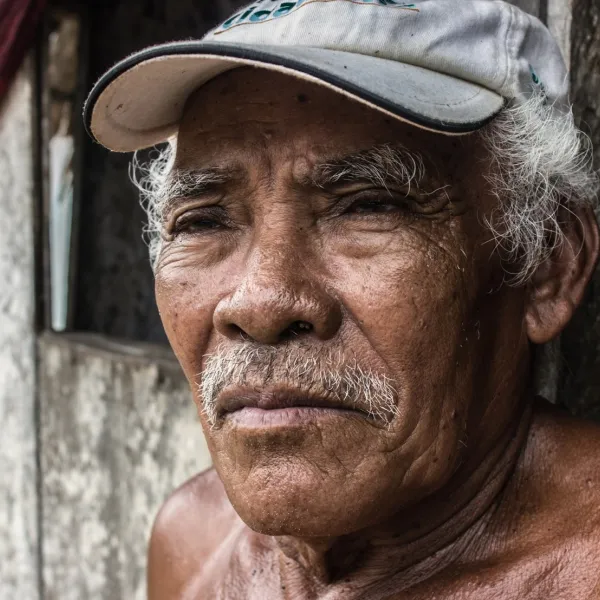
As medidas de proteção concedidas pela CIDH permanecem em vigor, mas o Estado brasileiro não as cumpriu integralmente, relatando apenas ações genéricas. As comunidades documentaram as contínuas violações de seus direitos. A situação que motivou o pedido dessas medidas — o risco à vida, à segurança e aos meios de subsistência das comunidades — persiste e se agravou com a usina hidrelétrica operando em plena capacidade e com as recentes secas extremas na Amazônia.
Além do ocorrido em Belo Monte, existe o risco de maiores danos sociais e ambientais decorrentes da implementação de outro megaprojeto de mineração na Volta Grande do Xingu. Lá, a empresa canadense Belo Sun pretende construir a maior mina de ouro a céu aberto do Brasil.
Os impactos sinérgicos e cumulativos da usina e da mina não foram avaliados. O Estado excluiu povos indígenas, comunidades ribeirinhas e comunidades camponesas do processo de licenciamento ambiental do projeto. Apesar disso, dos protestos indígenas e de outras irregularidades em torno do projeto, o governo do estado do Pará autorizou formalmente a mina em abril de 2026.
Belo Monte, assim como outras usinas hidrelétricas, agrava a emergência climática ao gerar emissões de gases de efeito estufa em seu reservatório. Além disso, é ineficiente diante das secas prolongadas e intensas causadas pela crise, pois perde capacidade de geração de energia.
O caso perante a Comissão Interamericana
Em outubro de 2017, a CIDH anunciou que decidiria conjuntamente sobre a admissibilidade (se o caso preenche os requisitos para admissão) e o mérito (se houve, de fato, violação de direitos humanos) da denúncia internacional contra o Estado brasileiro.
Quinze anos após a apresentação da denúncia, as comunidades afetadas e as organizações que as representam ainda aguardam essa decisão. Caso a CIDH conclua que houve violações de direitos humanos e emita recomendações que o Estado brasileiro não cumpra, poderá encaminhar o caso à Corte Interamericana de Direitos Humanos, cujas decisões são vinculativas.
Uma possível decisão da Corte Internacional de Direitos Humanos neste caso estabeleceria um precedente jurídico regional em relação aos direitos dos povos indígenas e ribeirinhos, à participação pública em megaprojetos e à responsabilidade do Estado no contexto da crise climática. Isso é particularmente relevante à luz do Parecer Consultivo nº 32 da Corte, que reafirmou as obrigações dos Estados de proteger pessoas e comunidades em todo o continente da emergência climática.
Partners:
Related projects

Raising people's needs in tackling climate change
Every day we hear a new story about a family affected by extreme changes in climate. Some suffer from severe droughts, others from serious rainfall and flooding, and still others from intense heat waves and forest fires. Local realities must be considered at the international level as governmental institutions decide how to provide finance for climate adaptation and mitigation. AIDA brings the concerns of communities most affected by this global issue to the attention of governments and financial institutions. We have the technical capacity to support governments’ decision making processes on climate change "They can rely on us to provide effective solutions based on our technical knowledge, research, work experience, and relationships with local communities. International decisions about project funding have direct impact on the national and local levels. Bad decisions will result in bad projects," explains Andrea Rodríguez, an AIDA attorney. Our commitment to protecting the interests of the most vulnerable communities has led us to follow closely development of the Green Climate Fund (GCF). This new institution is expected to channel most financial resources for climate change projects and programs in developing countries. We have participated in GCF board meetings around the world and have made local needs heard in consultations with the Secretariat. Last month we attended the annual meeting of the Climate Investment Funds (CIF) in Montego Bay, Jamaica. The CIF are multilateral climate finance funds that provide resources to 48 developing countries. We shared our experience in GCF discussions with participants and civil society observers. "It's important to share experiences of what works and what does not to ensure that civil society replicates successes and corrects failures. Civil society shares the common goal of achieving a paradigm shift in decisions that impact climate," says Rodriguez. In the first session of the CIF Stakeholder Day, Reaching into the Roots of Partnership: Experience from the Ground, panelists discussed lessons learned and next steps on effective stakeholder engagement in the CIF and other global funds. Panelist Andrea Rodriguez, Legal Advisor for the Inter-American Association for Environmental Defense-Americas, reflects on the session.
Read more
Letter presenting Latin American civil society organizations' concerns on the dilution of the World Bank's safeguards policies
Latin American civil society organizations "strongly recommend that CODE members send the first draft back to Management. Without structural changes to the Safeguard Policy proposal, we question if the second phase of consultations and the review process will be meaningful". According to them, dilution of the current Bank Safeguards Policy is evident throughout the draft. Basic World Bank requirements to assess and manage environmental risks and impacts before approval are now relaxed by providing the unbounded deferral of appraisal of significant environmental and social risks or impacts to implementation. A second major concern is that the draft proposed Social and Environmental Policy and ESSs significantly shift responsibility for safeguards implementation to borrowers, but provides less clarity than current exists on when/how the use of borrower systems would be preferable and acceptable. It remains unclear how the proposed draft will help the Bank and Borrowers make decisions to prepare or use borrower systems to effectively implement safeguards in countries where major dilutions of national social and environmental frameworks are being proposed or recently approved. "The proposed draft misses opportunities to meet the highest international standards. The draft provides no binding language regarding international human rights standards and allows governments to "opt out" of compliance to the Indigenous Peoples Policy to protect Indigenous Peoples rights, which unequivocally undermines the international consensus regarding the specific and fundamental rights of indigenous peoples over their lands, resources and the course of their own development", the organizations argue.
Read more
Giving People a Voice on Hydropower Projects
Hydropower projects are on the rise in Latin America as governments seek to feed growing economies. But at what cost? The plants may harness the energy capacity of running water, a renewable resource. But poorly planned and implemented dams, especially large ones, can bring myriad harms to the environment and communities. They affect fish and water quality, and they increase emissions of methane, a gas that contributes to global warming. Flooding displaces people from their homes and communities. This costs them their jobs as farmers, fishermen and hunters – and for ethnic and peasant communities, even their cultures and traditions. AIDA works with individuals and communities to protect them from poorly conceived and developed projects by using the law to defend their right to a healthy environment. This month AIDA and other organizations submitted a brief (in Portuguese) to Brazil’s Supreme Federal Court. The information demonstrates that congressional approval of the Belo Monte Dam in 2005 is illegal because the government didn’t guarantee the affected communities in the Amazon their right to consultation and free, prior and informed consent. Some meetings were held after approval of the project, and then with just scant and incomprehensible information in foreign languages for the communities. There was also little forewarning to attend. It was like telling you that your front yard is to become a street after the diggers have already started removing the lawn. The dam – which is to be the world’s third largest – is under construction and already displacing people without anyone giving them a chance to say no to the project in their own front yard. This is the first time that our combined efforts have reached the Supreme Court for a final decision on Belo Monte, said AIDA attorney María José Veramendi Villa. If the court rules against the legality of the project, then construction will have to stop and the harms righted for failing to consult the communities beforehand. If the opposite happens, the project will continue – and so will we. We will continue to provide assistance to the Brazilian Prosecutor’s Office as it pursues more than a dozen other cases against Belo Monte. These are cases that can also advance to the highest court with the goal of protecting communities from this and other dams in the Amazon. Our efforts to help communities fight dam projects are gaining attention. The Personería of San Carlos (the municipal ombudsperson), a town in northwestern Colombia, contacted AIDA to provide expertise in international environmental and human rights law. They want help in preventing the granting of a license for construction of the El Porvenir II Dam on the Samaná Norte, the last undammed river in the area. AIDA attorney and human rights and the environment fellow, Ana María Mondragón, went there to speak at a public environmental hearing for the project. The good news is that the dam has yet to be approved, meaning that there is still time for the communities to find out what could happen and voice their concerns. The government will have to take the community input into consideration before approving the project, with the possibility that the developer may have to amend construction plans – or abandon them altogether. El Porvenir II will affect fishing, a main source of work and food for the largely poor people in San Carlos. It will also flood an area where many Colombians are seeking to recover the lands that they were forcibly displaced from as result of an internal armed conflict that started more than five decades ago. “We have entered at an early stage, before the project has been approved,” said Mondragón. “We intervened in the hearing to show the inconsistencies in the environmental impact assessment made by the company and the harms that the Porvenir II dam would have in the community. We hope this will help the authorities in their decision-making process to not grant the license.” With your help, we can keep assisting Latin American communities free of charge to exercise their right to say what happens on their land and defend themselves with the law.
Read more