
Project
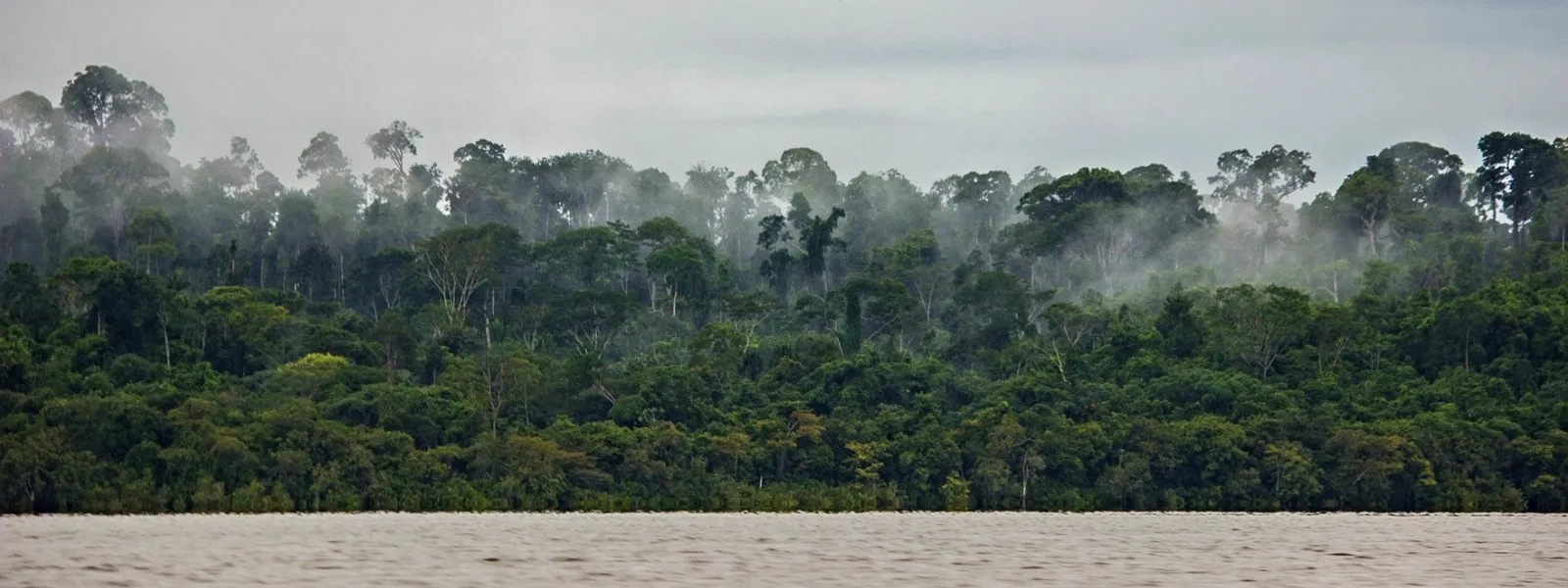
Amazon Watch / Maíra Irigaray
Barragem de Belo Monte no rio Xingu: 10 anos de impactos na Amazônia e de busca por reparações
A usina hidrelétrica de Belo Monte causou um desastre ambiental e social no coração da Amazônia: um dos ecossistemas mais importantes do planeta.
Essa situação só piorou desde que a usina começou a operar em 2016. A busca por justiça e reparação para as comunidades indígenas e ribeirinhas afetadas continua até hoje.
Em 2011, a Comissão Interamericana de Direitos Humanos (CIDH) concedeu a essas comunidades medidas de proteção, que até hoje não foram totalmente implementadas pelo Estado brasileiro.
E, desde junho daquele mesmo ano, a CIDH mantém um processo contra o Estado por sua responsabilidade internacional no caso.
A CIDH pode encaminhar o caso à Corte Interamericana de Direitos Humanos, que tem o poder de emitir uma sentença condenatória contra o Estado brasileiro.
Consulta o expediente de fatos do caso
Após 10 anos de operação da usina hidrelétrica e mais de 15 anos de violações de direitos humanos documentadas, é hora da justiça ser feita para as comunidades afetadas.
Leia a carta aberta das organizações que levam o caso à CIDH
Leia nosso comunicado à imprensa
Contexto
A usina hidrelétrica de Belo Monte — a quarta maior do mundo em capacidade instalada (11.233 MW) — foi construída no rio Xingu, no estado do Pará, norte do Brasil.
Foi inaugurada em 5 de maio de 2016, com uma única turbina. Naquela época, 80% do curso do rio foi desviado e 516 km² de terra foram inundados, uma área maior que a cidade de Chicago. Desse total, 400 km² eram de mata nativa. A usina começou a operar em plena capacidade em novembro de 2019.
Belo Monte foi construída e é operada pelo consórcio Norte Energia S.A., composto principalmente por empresas estatais. Foi financiada pelo Banco Nacional de Desenvolvimento Econômico e Social (BNDES), que aportou ao consórcio 25,4 bilhões de reais (aproximadamente US$ 10,16 bilhões), o maior investimento de sua história. Portanto, o BNDES também é legalmente responsável pelos impactos socioambientais associados ao projeto hidrelétrico.
Décadas de danos ambientais e humanos
As violações dos direitos humanos e a degradação da Amazônia remontam ao início do projeto. Em março de 2011, a Norte Energia iniciou a construção da barragem sem consulta adequada e sem o consentimento prévio, livre e informado das comunidades afetadas.
A construção levou ao deslocamento forçado de mais de 40.000 pessoas, rompendo laços sociais e culturais. O plano de reassentamento em Altamira — cidade diretamente afetada pelo projeto hidrelétrico — incluía moradias na periferia da cidade, sem serviços públicos adequados, moradias dignas para as famílias reassentadas e moradias diferenciadas para aqueles pertencentes a comunidades indígenas.
A operação da barragem de Belo Monte impôs uma seca permanente e artificial na Volta Grande do rio Xingu, agravada pelas secas históricas na Amazônia em 2023 e 2024. Como resultado, a morte de milhões de ovos de peixe foi documentada por quatro anos consecutivos (de 2021 a 2024) e, nos últimos três anos, não houve migração de peixes rio acima para desovar e se reproduzir. Assim, a pesca artesanal, principal fonte de proteína para os povos indígenas e comunidades ribeirinhas, foi severamente afetada: o consumo de peixe caiu de 50% para 30% do total de proteínas consumidas, sendo substituído por alimentos processados. Em suma, houve um colapso ambiental e humanitário que resultou no colapso da pesca como modo de vida tradicional, insegurança alimentar e falta de acesso à água potável para milhares de famílias, empobrecimento e doenças.
Além disso, a construção da barragem aumentou o desmatamento e intensificou a extração ilegal de madeira e a insegurança em terras indígenas e tribais, colocando em risco a sobrevivência dessas comunidades. Outra consequência foi o agravamento da pobreza e dos conflitos sociais, bem como a sobrecarga dos sistemas de saúde, educação e segurança pública em Altamira, cidade considerada a mais violenta do país em 2017, onde houve aumento do tráfico de pessoas e da violência sexual. Também foram registrados casos de violência contra defensores de direitos humanos envolvidos no caso.
Em 2025, durante a 30ª Conferência das Nações Unidas sobre Mudanças Climáticas (COP30), realizada no Brasil, o Ministério Público Federal classificou os danos causados por Belo Monte como ecocídio.
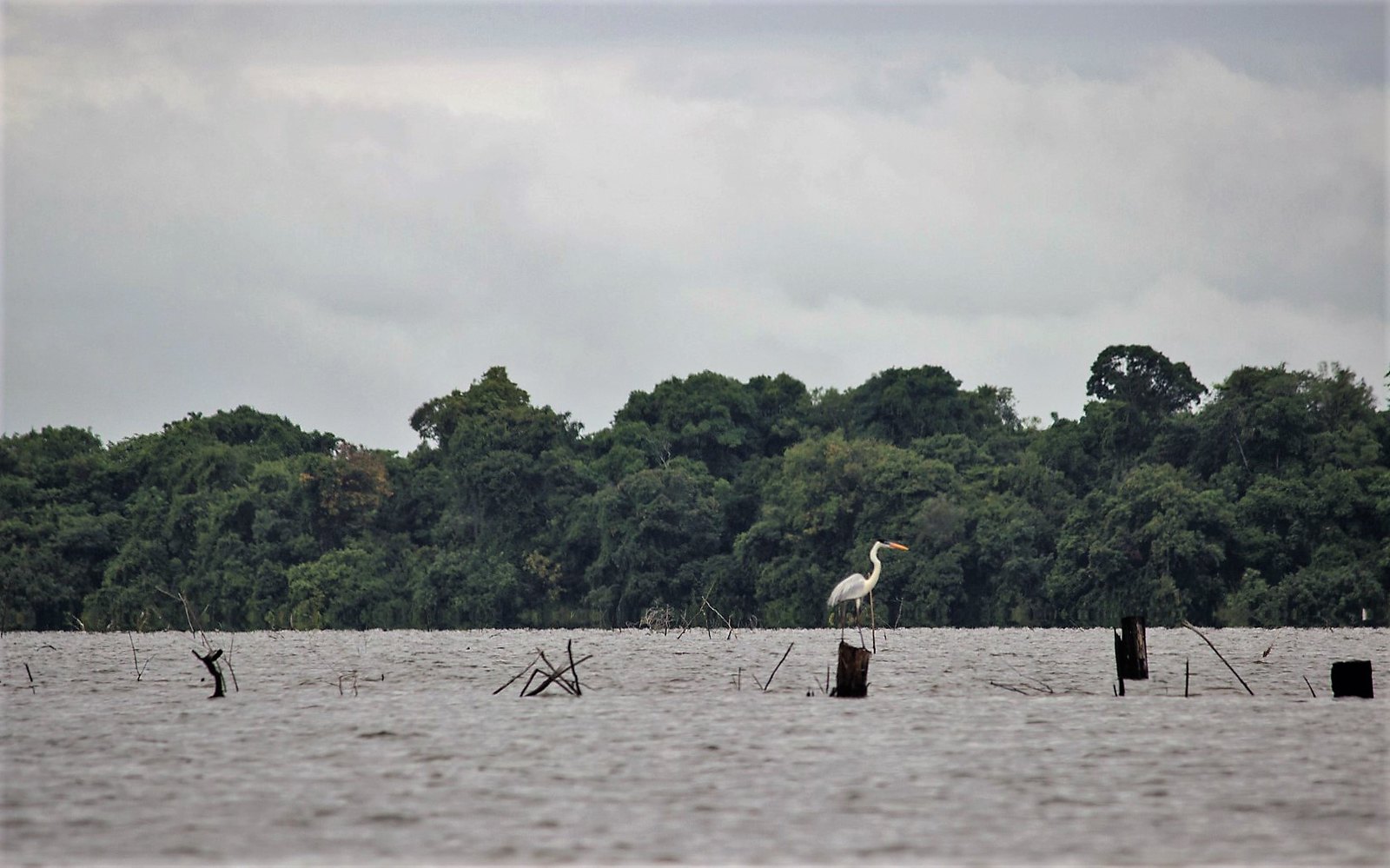
Foto: Amazon Watch / Maíra Irigaray.
A busca por justiça e reparação
Ao longo dos anos, o Ministério Público Federal do Pará, a Defensoria Pública e organizações da sociedade civil impetraram dezenas de ações judiciais em tribunais brasileiros para contestar as diversas irregularidades do projeto, bem como seus impactos. A maioria das ações permanece sem solução, algumas há mais de 10 anos.
Essas ações não obtiveram sucesso porque o governo federal tem reiteradamente anulado decisões favoráveis às comunidades afetadas, recorrendo a um mecanismo pelo qual o presidente do Supremo Tribunal Federal pode suspender uma decisão judicial com base unicamente em argumentos genéricos como "interesse nacional" ou "ordem econômica".
Diante da falta de respostas eficazes em nível nacional, a AIDA — juntamente com uma coalizão de organizações aliadas — levou o caso à Comissão Interamericana de Direitos Humanos (CIDH) e, em 2010, solicitou medidas cautelares para proteger a vida, a integridade e a saúde das comunidades indígenas afetadas.
Em 1º de abril de 2011, a CIDH concedeu essas medidas e solicitou ao Estado brasileiro a suspensão das licenças ambientais e de quaisquer obras de construção até que as condições relativas à consulta prévia e à proteção da saúde e integridade das comunidades fossem atendidas.
E, em 16 de junho de 2011, apresentamos uma denúncia formal à CIDH — juntamente com o Movimento Xingu Vivo Para Siempre, a Coordenação das Organizações Indígenas da Amazônia Brasileira, a Diocese de Altamira, o Conselho Missionário Indígena, a Sociedade Pará de Defesa dos Direitos Humanos e a Global Justice — contra o Estado brasileiro por sua responsabilidade internacional nas violações de direitos humanos contra os povos afetados neste caso. A denúncia foi apresentada em dezembro de 2015.
Em 3 de agosto de 2011, a CIDH modificou as medidas cautelares para solicitar — em vez da suspensão de licenças e obras — a proteção dos povos que vivem em isolamento voluntário, a saúde das comunidades indígenas e a regularização e proteção das terras ancestrais.
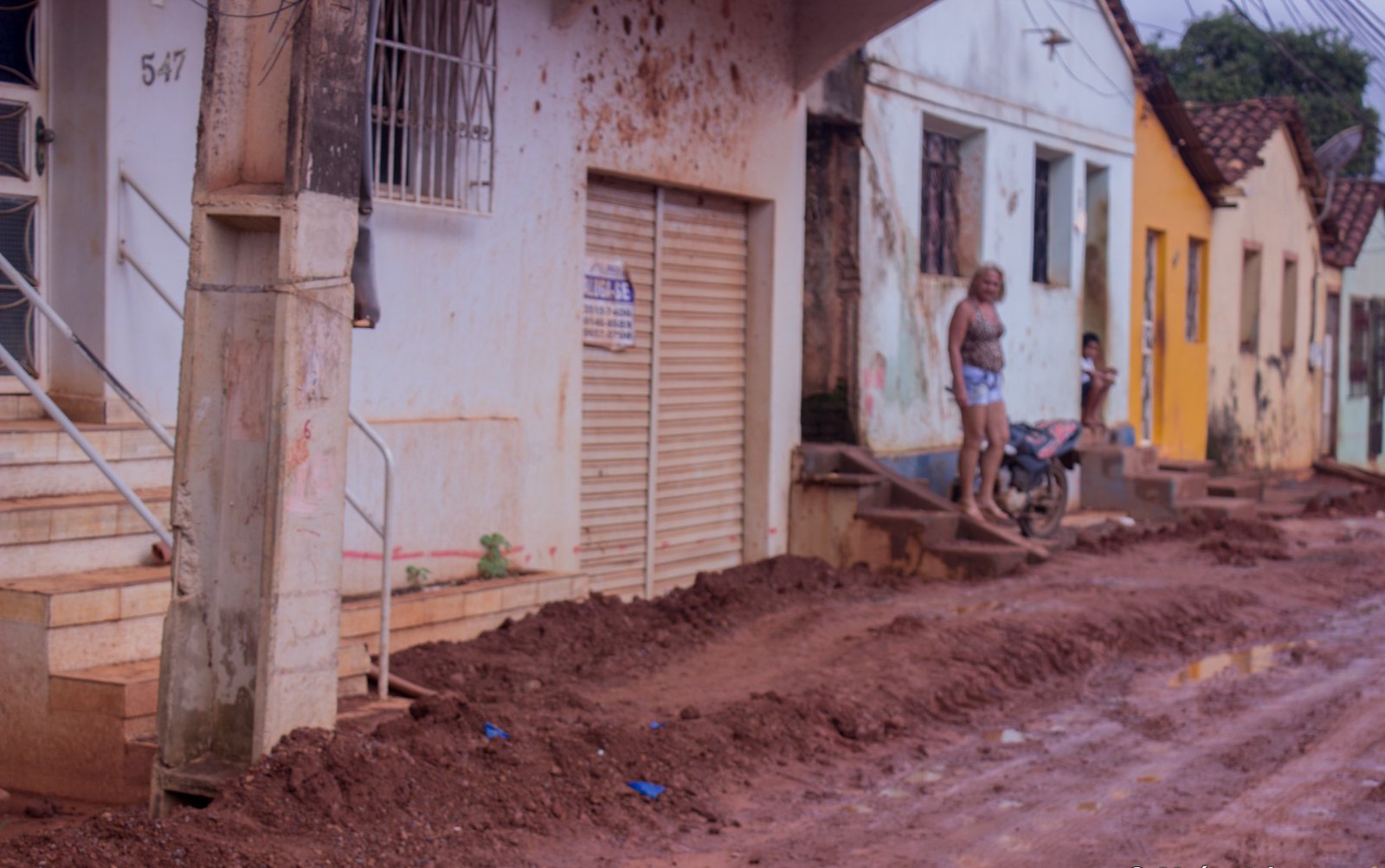
Foto: Amazon Watch / Maíra Irigaray.
Situação atual
As medidas de proteção concedidas pela CIDH permanecem em vigor, mas o Estado brasileiro não as cumpriu integralmente, relatando apenas ações genéricas. As comunidades documentaram as contínuas violações de seus direitos. A situação que motivou o pedido dessas medidas — o risco à vida, à segurança e aos meios de subsistência das comunidades — persiste e se agravou com a usina hidrelétrica operando em plena capacidade e com as recentes secas extremas na Amazônia.
Além do ocorrido em Belo Monte, existe o risco de maiores danos sociais e ambientais decorrentes da implementação de outro megaprojeto de mineração na Volta Grande do Xingu. Lá, a empresa canadense Belo Sun pretende construir a maior mina de ouro a céu aberto do Brasil.
Os impactos sinérgicos e cumulativos da usina e da mina não foram avaliados. O Estado excluiu povos indígenas, comunidades ribeirinhas e comunidades camponesas do processo de licenciamento ambiental do projeto. Apesar disso, dos protestos indígenas e de outras irregularidades em torno do projeto, o governo do estado do Pará autorizou formalmente a mina em abril de 2026.
Belo Monte, assim como outras usinas hidrelétricas, agrava a emergência climática ao gerar emissões de gases de efeito estufa em seu reservatório. Além disso, é ineficiente diante das secas prolongadas e intensas causadas pela crise, pois perde capacidade de geração de energia.
O caso perante a Comissão Interamericana
Em outubro de 2017, a CIDH anunciou que decidiria conjuntamente sobre a admissibilidade (se o caso preenche os requisitos para admissão) e o mérito (se houve, de fato, violação de direitos humanos) da denúncia internacional contra o Estado brasileiro.
Quinze anos após a apresentação da denúncia, as comunidades afetadas e as organizações que as representam ainda aguardam essa decisão. Caso a CIDH conclua que houve violações de direitos humanos e emita recomendações que o Estado brasileiro não cumpra, poderá encaminhar o caso à Corte Interamericana de Direitos Humanos, cujas decisões são vinculativas.
Uma possível decisão da Corte Internacional de Direitos Humanos neste caso estabeleceria um precedente jurídico regional em relação aos direitos dos povos indígenas e ribeirinhos, à participação pública em megaprojetos e à responsabilidade do Estado no contexto da crise climática. Isso é particularmente relevante à luz do Parecer Consultivo nº 32 da Corte, que reafirmou as obrigações dos Estados de proteger pessoas e comunidades em todo o continente da emergência climática.
Partners:
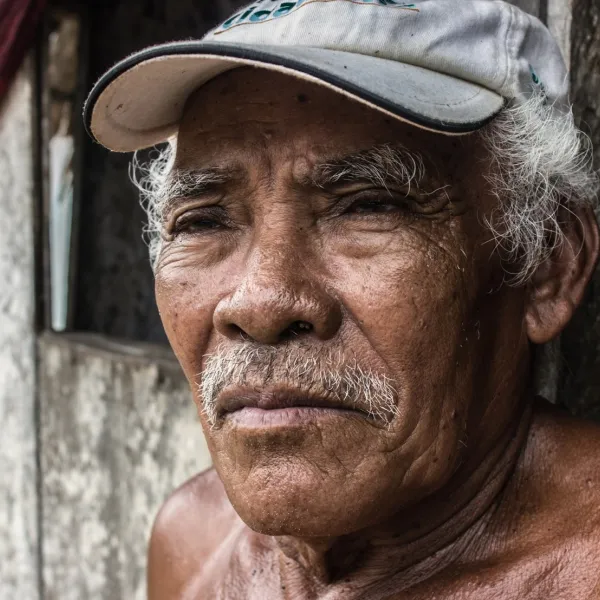
Related projects

Astrid Puentes Lectures at American University
The link between protection of the environment and human rights isn’t always immediately obvious. In fact, international law didn’t begin to establish the human right to a healthy environment until the 1990s. But these are some of the things that can happen when the natural environment is harmed: We can lose our source of food. Our health can suffer. We may lose access to clean water. Our livelihoods can be destroyed if the land we farm or the sea we fish no longer supports a harvest. If a dam floods a village, people lose their homes. In some cases, these losses lead to the loss of a way of life—a culture. International law is clear: the right to food, water, work, home, personal safety, and culture are all protected human rights. That’s why AIDA uses international law to protect the human right to a healthy environment. The relationship between human rights and the environment is gaining wider understanding in the national and international environmental and legal communities. Indeed, American University’s Washington College of Law, in Washington D.C., invited AIDA Co-Executive Director Astrid Puentes Riaño to share her expertise on the subject in June. She gave a weeklong seminar on human rights and the environment in Latin America, available for students attending the summer program. Astrid also spoke on a panel, organized by the Academy of Human Rights of American University and AIDA, about how the two are linked in the specific case of the Belo Monte Dam. Belo Monte is a large hydropower dam under construction in Brazil. The dam will destroy rainforest, kill off plant and animal species, and increase the emission of greenhouse gases, worsening climate change. The human impact is dire. More than 20,000 people will be displaced (independent estimates double this number). Already communities are being stripped of their villages, their cultures, and the cemeteries of their ancestors to make way for the world’s third-largest hydropower dam. Many river dwellers have moved to cities where they find themselves alone and struggling to find new trades. “Our work is a constant David and Goliath battle. Sharing experiences with expert colleagues from the environment and human rights departments at one of the most prominent universities in the US was an honor” said Astrid Puentes Riaño, AIDA’s co-executive director. “It gives us hope that academia is recognizing this link, and is willing to study it. We look forward to continuing this kind of exchange, and to helping train more young lawyers about these issues.”
Read more
Joint letter: Mexico – Detention of environmental and human rights defender Mr. Marco Antonio Suástegui Muñoz
The 57 organizations and persons signatory to the letter, which work for the protection of human rights and the environment, express their deep concern at the detention of Mr. Marco Antonio Suástegui, leader of the Consejo de Ejidos y Comunidades Opositores a la Presa La Parota – CECOP (Council of Communal Lands and Communities Opposing the La Parota Dam), on 17 June by members of the Ministerial Police of the Attorney General of Justice of Guerrero State. We call upon the Mexican State to take effective and urgent measures to guarantee the human rights of Mr. Suástegui and the important work that the human rights defender performs in defence of the Papagayo River. In particular, we consider it fundamental that the State: Take measures to ensure that the competent authorities guarantee the right to a defence and due process of Mr. Marco Antonio Suástegui, and reverse any action taken in the detention procedure and past transfers that tainted by illegalities, Take measures to guarantee his physical and psychological integrity, and Take all necessary measures to secure the work for the defence of human rights and the environment undertaken by Marco Antonio Suástegui, and take an active role in avoiding any act that hinders the actions taken to defend the Papagayo River.
Read moreColombia must choose between gold and water: Al Gore
Colombia faces a pivotal choice for its future. It must choose between protecting its high-altitude moors as its water source for millions of people or authorizing large-scale mining in these fragile ecosystems. AIDA, together with its allied organizations, is working to convince the authorities to choose water and this cause recently won a new ally: Al Gore. The former U.S. vice president, a Nobel Peace Prize laureate for his success at raising awareness about climate change, brought up the issue of mining in the moors, known locally as páramos, in April. “Colombia must choose between the gold in the páramo and profits for a few people, or the drinking water that supplies all of its citizens,” he said at an international summit on the environment in Bucaramanga, a city in northeastern Colombia that gets its water from the Santurbán Páramo. We’ve been calling on the Colombian government to protect this moor and others around the country from mining, given that they provide 85% of the country’s water. Will this happen? By law, the government must keep mining out of the páramos. But to do this, their boundaries must first be mapped. This poses a problem. In April, the government unveiled its map showing that the Santurbán Páramo stretches over 42,000 hectares (104,000 acres). That’s more than the 11,000 hectares of previous estimates. But it’s only about half the 82,000 hectares measured by the Alexander von Humboldt Biological Resources Research Institute, an independent state research center that used a larger scale map than the government. The larger scale provides richer details that show how the moor extends further. The government has not adopted an official measurement, leaving important parts of the moor open to mining, an industry it is promoting to spur economic growth. But at what costs? Large-scale mining will cause irreversible damage to these flora-rich moors that not only supply water to millions of people but also help mitigate the effects of climate change by capturing carbon emissions. Gore was clear on what choice he recommends for Colombia or any country facing questions of economic growth versus environmental protect. “Without a planet, there is no economy that is worth anything,” he said. You can help us spread the message by making a donation and signing our petition so that we can continue the fight to save Colombia’s moors. Thank you!
Read more