
Project
Amazon Watch / Maíra Irigaray
Barragem de Belo Monte no rio Xingu: 10 anos de impactos na Amazônia e de busca por reparações
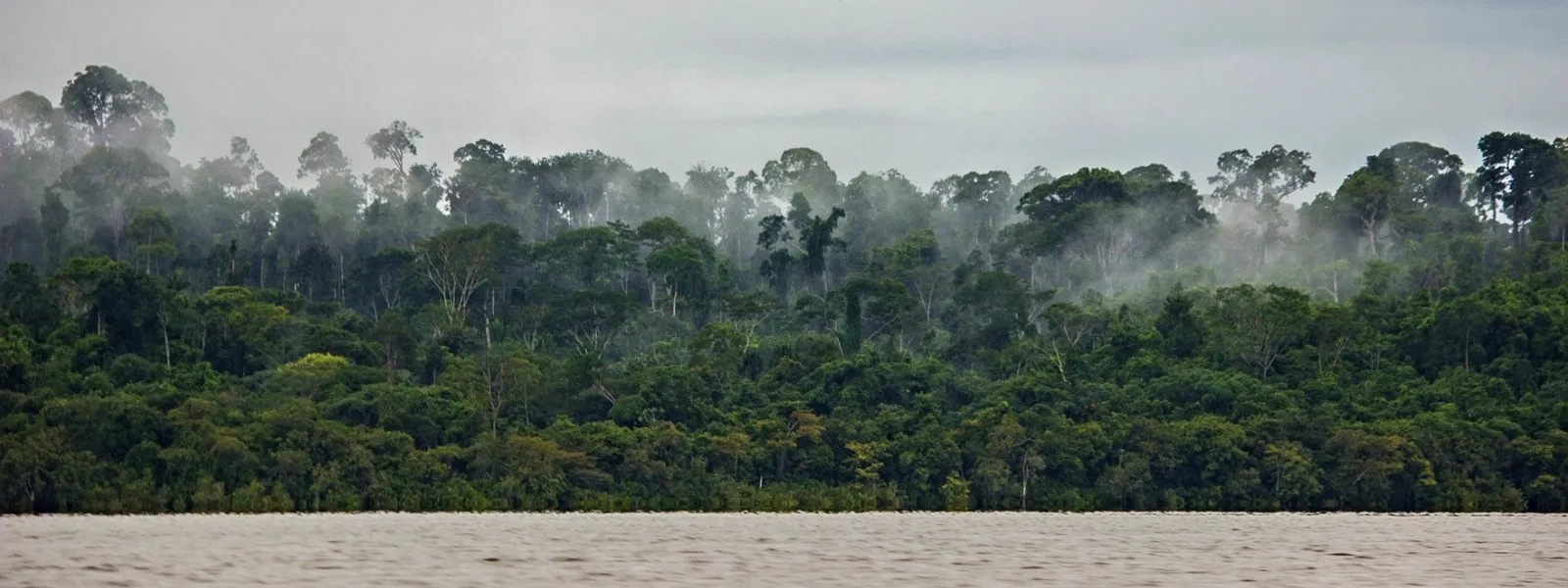
A usina hidrelétrica de Belo Monte causou um desastre ambiental e social no coração da Amazônia: um dos ecossistemas mais importantes do planeta.
Essa situação só piorou desde que a usina começou a operar em 2016. A busca por justiça e reparação para as comunidades indígenas e ribeirinhas afetadas continua até hoje.
Em 2011, a Comissão Interamericana de Direitos Humanos (CIDH) concedeu a essas comunidades medidas de proteção, que até hoje não foram totalmente implementadas pelo Estado brasileiro.
E, desde junho daquele mesmo ano, a CIDH mantém um processo contra o Estado por sua responsabilidade internacional no caso.
A CIDH pode encaminhar o caso à Corte Interamericana de Direitos Humanos, que tem o poder de emitir uma sentença condenatória contra o Estado brasileiro.
Consulta o expediente de fatos do caso
Após 10 anos de operação da usina hidrelétrica e mais de 15 anos de violações de direitos humanos documentadas, é hora da justiça ser feita para as comunidades afetadas.
Leia a carta aberta das organizações que levam o caso à CIDH
Leia nosso comunicado à imprensa
Contexto
A usina hidrelétrica de Belo Monte — a quarta maior do mundo em capacidade instalada (11.233 MW) — foi construída no rio Xingu, no estado do Pará, norte do Brasil.
Foi inaugurada em 5 de maio de 2016, com uma única turbina. Naquela época, 80% do curso do rio foi desviado e 516 km² de terra foram inundados, uma área maior que a cidade de Chicago. Desse total, 400 km² eram de mata nativa. A usina começou a operar em plena capacidade em novembro de 2019.
Belo Monte foi construída e é operada pelo consórcio Norte Energia S.A., composto principalmente por empresas estatais. Foi financiada pelo Banco Nacional de Desenvolvimento Econômico e Social (BNDES), que aportou ao consórcio 25,4 bilhões de reais (aproximadamente US$ 10,16 bilhões), o maior investimento de sua história. Portanto, o BNDES também é legalmente responsável pelos impactos socioambientais associados ao projeto hidrelétrico.
Décadas de danos ambientais e humanos
As violações dos direitos humanos e a degradação da Amazônia remontam ao início do projeto. Em março de 2011, a Norte Energia iniciou a construção da barragem sem consulta adequada e sem o consentimento prévio, livre e informado das comunidades afetadas.
A construção levou ao deslocamento forçado de mais de 40.000 pessoas, rompendo laços sociais e culturais. O plano de reassentamento em Altamira — cidade diretamente afetada pelo projeto hidrelétrico — incluía moradias na periferia da cidade, sem serviços públicos adequados, moradias dignas para as famílias reassentadas e moradias diferenciadas para aqueles pertencentes a comunidades indígenas.
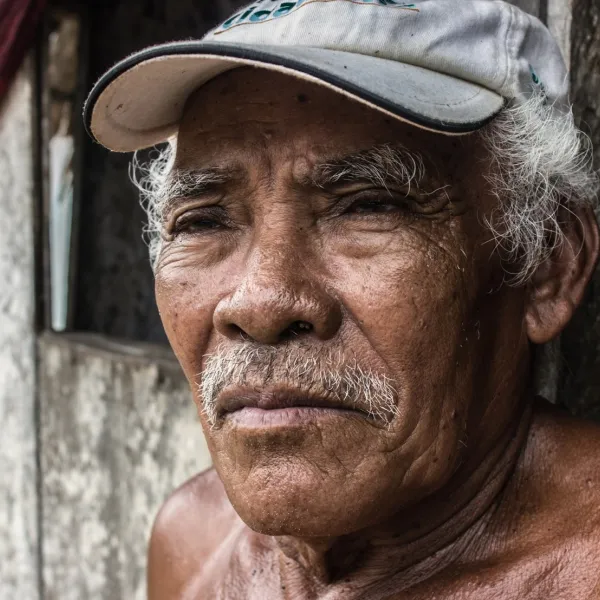
A operação da barragem de Belo Monte impôs uma seca permanente e artificial na Volta Grande do rio Xingu, agravada pelas secas históricas na Amazônia em 2023 e 2024. Como resultado, a morte de milhões de ovos de peixe foi documentada por quatro anos consecutivos (de 2021 a 2024) e, nos últimos três anos, não houve migração de peixes rio acima para desovar e se reproduzir. Assim, a pesca artesanal, principal fonte de proteína para os povos indígenas e comunidades ribeirinhas, foi severamente afetada: o consumo de peixe caiu de 50% para 30% do total de proteínas consumidas, sendo substituído por alimentos processados. Em suma, houve um colapso ambiental e humanitário que resultou no colapso da pesca como modo de vida tradicional, insegurança alimentar e falta de acesso à água potável para milhares de famílias, empobrecimento e doenças.
Além disso, a construção da barragem aumentou o desmatamento e intensificou a extração ilegal de madeira e a insegurança em terras indígenas e tribais, colocando em risco a sobrevivência dessas comunidades. Outra consequência foi o agravamento da pobreza e dos conflitos sociais, bem como a sobrecarga dos sistemas de saúde, educação e segurança pública em Altamira, cidade considerada a mais violenta do país em 2017, onde houve aumento do tráfico de pessoas e da violência sexual. Também foram registrados casos de violência contra defensores de direitos humanos envolvidos no caso.
Em 2025, durante a 30ª Conferência das Nações Unidas sobre Mudanças Climáticas (COP30), realizada no Brasil, o Ministério Público Federal classificou os danos causados por Belo Monte como ecocídio.
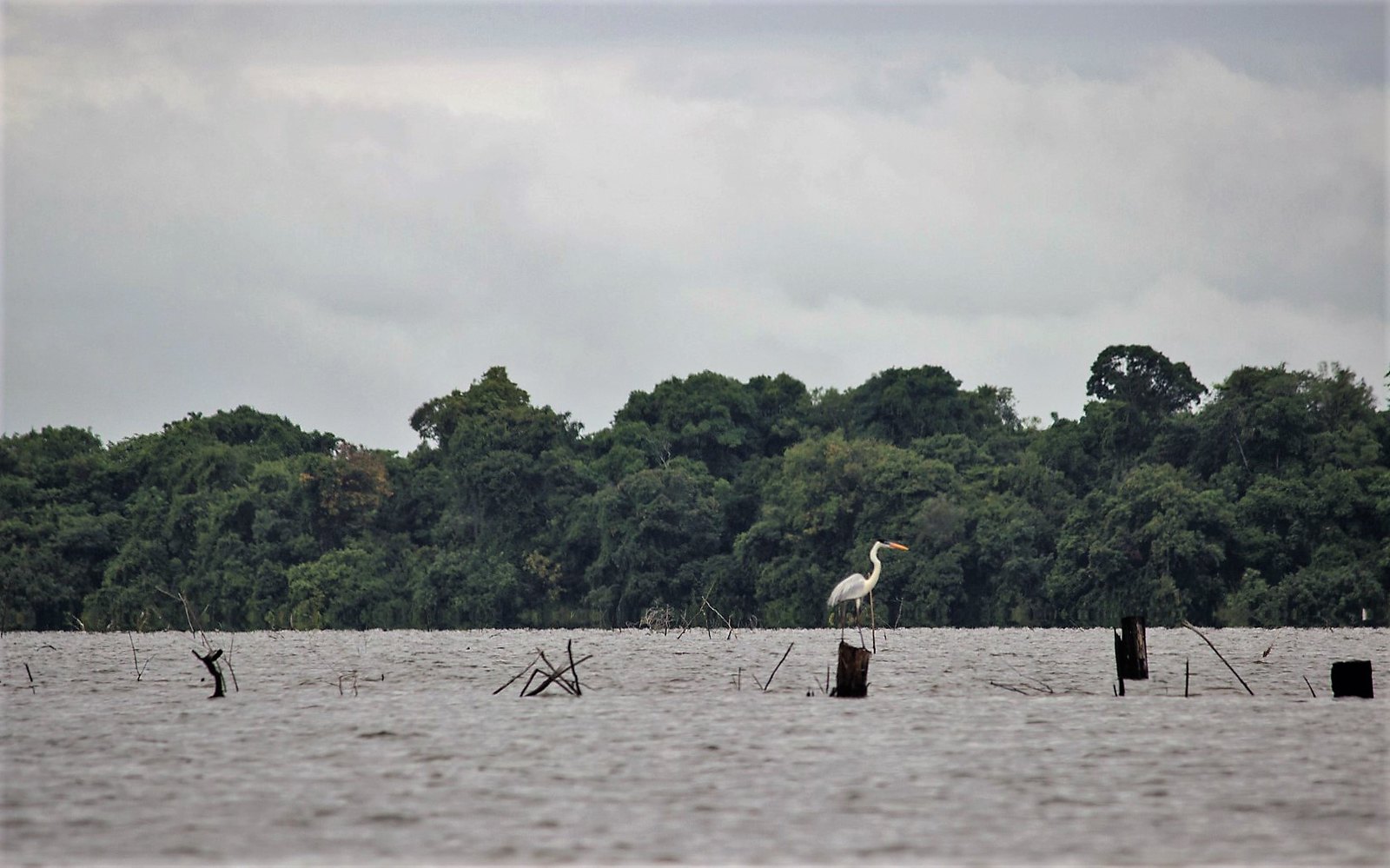
Foto: Amazon Watch / Maíra Irigaray.
A busca por justiça e reparação
Ao longo dos anos, o Ministério Público Federal do Pará, a Defensoria Pública e organizações da sociedade civil impetraram dezenas de ações judiciais em tribunais brasileiros para contestar as diversas irregularidades do projeto, bem como seus impactos. A maioria das ações permanece sem solução, algumas há mais de 10 anos.
Essas ações não obtiveram sucesso porque o governo federal tem reiteradamente anulado decisões favoráveis às comunidades afetadas, recorrendo a um mecanismo pelo qual o presidente do Supremo Tribunal Federal pode suspender uma decisão judicial com base unicamente em argumentos genéricos como "interesse nacional" ou "ordem econômica".
Diante da falta de respostas eficazes em nível nacional, a AIDA — juntamente com uma coalizão de organizações aliadas — levou o caso à Comissão Interamericana de Direitos Humanos (CIDH) e, em 2010, solicitou medidas cautelares para proteger a vida, a integridade e a saúde das comunidades indígenas afetadas.
Em 1º de abril de 2011, a CIDH concedeu essas medidas e solicitou ao Estado brasileiro a suspensão das licenças ambientais e de quaisquer obras de construção até que as condições relativas à consulta prévia e à proteção da saúde e integridade das comunidades fossem atendidas.
E, em 16 de junho de 2011, apresentamos uma denúncia formal à CIDH — juntamente com o Movimento Xingu Vivo Para Siempre, a Coordenação das Organizações Indígenas da Amazônia Brasileira, a Diocese de Altamira, o Conselho Missionário Indígena, a Sociedade Pará de Defesa dos Direitos Humanos e a Global Justice — contra o Estado brasileiro por sua responsabilidade internacional nas violações de direitos humanos contra os povos afetados neste caso. A denúncia foi apresentada em dezembro de 2015.
Em 3 de agosto de 2011, a CIDH modificou as medidas cautelares para solicitar — em vez da suspensão de licenças e obras — a proteção dos povos que vivem em isolamento voluntário, a saúde das comunidades indígenas e a regularização e proteção das terras ancestrais.
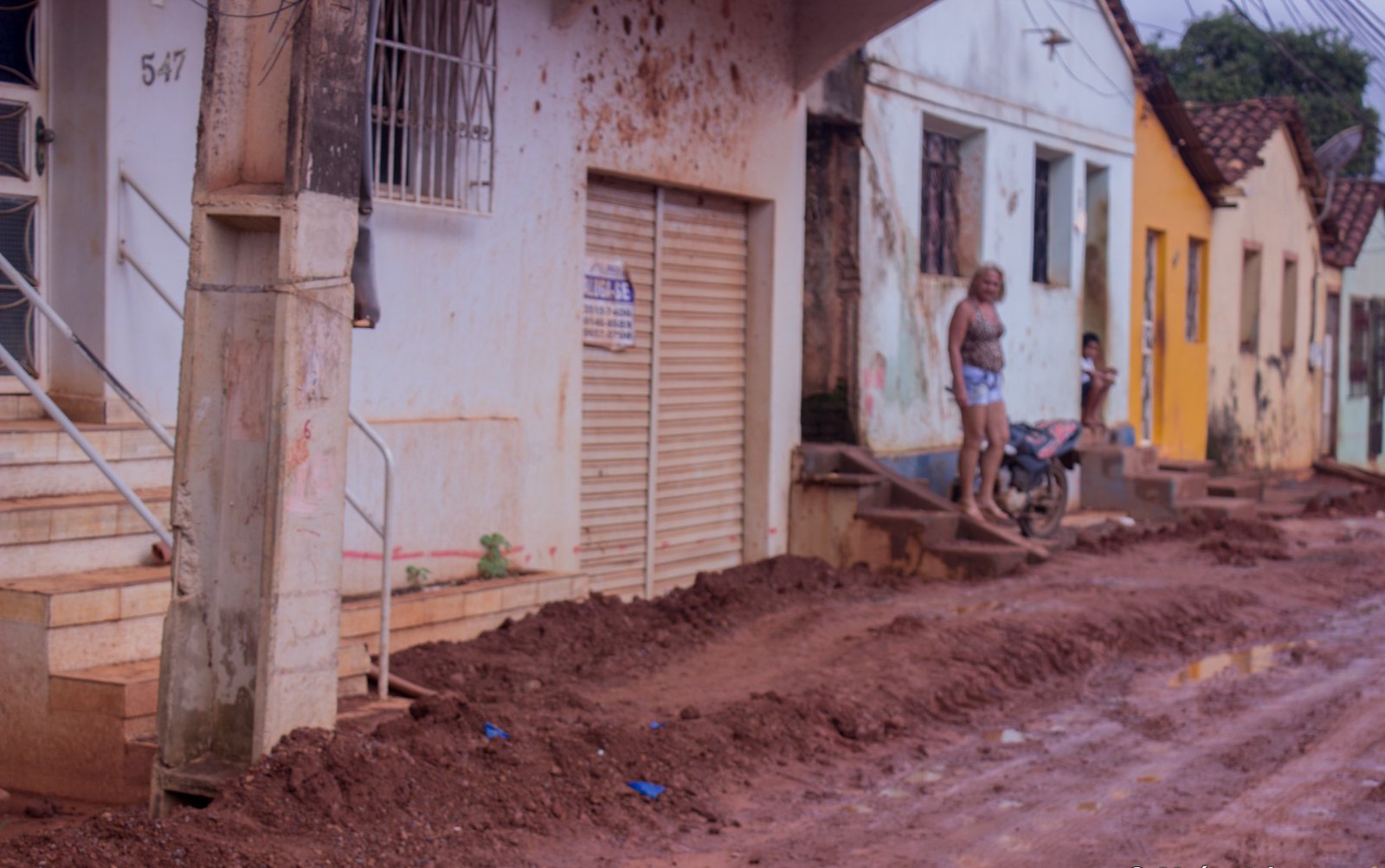
Foto: Amazon Watch / Maíra Irigaray.
Situação atual
As medidas de proteção concedidas pela CIDH permanecem em vigor, mas o Estado brasileiro não as cumpriu integralmente, relatando apenas ações genéricas. As comunidades documentaram as contínuas violações de seus direitos. A situação que motivou o pedido dessas medidas — o risco à vida, à segurança e aos meios de subsistência das comunidades — persiste e se agravou com a usina hidrelétrica operando em plena capacidade e com as recentes secas extremas na Amazônia.
Além do ocorrido em Belo Monte, existe o risco de maiores danos sociais e ambientais decorrentes da implementação de outro megaprojeto de mineração na Volta Grande do Xingu. Lá, a empresa canadense Belo Sun pretende construir a maior mina de ouro a céu aberto do Brasil.
Os impactos sinérgicos e cumulativos da usina e da mina não foram avaliados. O Estado excluiu povos indígenas, comunidades ribeirinhas e comunidades camponesas do processo de licenciamento ambiental do projeto. Apesar disso, dos protestos indígenas e de outras irregularidades em torno do projeto, o governo do estado do Pará autorizou formalmente a mina em abril de 2026.
Belo Monte, assim como outras usinas hidrelétricas, agrava a emergência climática ao gerar emissões de gases de efeito estufa em seu reservatório. Além disso, é ineficiente diante das secas prolongadas e intensas causadas pela crise, pois perde capacidade de geração de energia.
O caso perante a Comissão Interamericana
Em outubro de 2017, a CIDH anunciou que decidiria conjuntamente sobre a admissibilidade (se o caso preenche os requisitos para admissão) e o mérito (se houve, de fato, violação de direitos humanos) da denúncia internacional contra o Estado brasileiro.
Quinze anos após a apresentação da denúncia, as comunidades afetadas e as organizações que as representam ainda aguardam essa decisão. Caso a CIDH conclua que houve violações de direitos humanos e emita recomendações que o Estado brasileiro não cumpra, poderá encaminhar o caso à Corte Interamericana de Direitos Humanos, cujas decisões são vinculativas.
Uma possível decisão da Corte Internacional de Direitos Humanos neste caso estabeleceria um precedente jurídico regional em relação aos direitos dos povos indígenas e ribeirinhos, à participação pública em megaprojetos e à responsabilidade do Estado no contexto da crise climática. Isso é particularmente relevante à luz do Parecer Consultivo nº 32 da Corte, que reafirmou as obrigações dos Estados de proteger pessoas e comunidades em todo o continente da emergência climática.
Partners:
Related projects

Las Cruces: Misleading the public on a hydropower project
By Diego Alvarez, AIDA intern Mexico’s state-owned power company, the Comisión Federal de Electricidad (CFE), is seeking authorization to build the Las Cruces hydroelectric plant on the San Pedro Mezquital river in Nayarit, Mexico. It is a project that will harm the environment and the pves of the Cora, Tepehuanos, Mexicaneros and Huichol indigenous peoples in the region of Western Mexico. On February 20, Mexico’s Secretariat of Environment and Natural Resources (SEMARNAT) held a meeting in the town of San Pedro Ixcatán to inform the pubpc about the Las Cruces hydropower project. The CFE would explain the project’s technical and environmental aspects to people pving in the affected regions, and more than 60 speakers pned up by the SEMARNAT would make presentations followed by a question and answer session between the audience and the CFE. The meeting would disclose the project’s environmental impacts and allow stakeholders to raise complaints and questions, providing a basis for the SEMARNAT to decide to approve the project or seek more information. Misinforming the indigenous The meeting didn’t pan out we’d hoped. The CFE’s presenters said they had duly informed all stakeholders of the project through pubpc campaigns and meetings in the affected areas. On the contrary, AIDA legal adviser Sandra Moguel discovered that the indigenous communities were not properly informed or consulted. Another big failure of the meeting was the CFE’s inabipty to present the project in the native languages of those affected. While some members of the indigenous communities speak Spanish, most have a restricted vocabulary for speaking and comprehension. If it takes a Spanish-speaker days or weeks to understand the economic, ecological and social aspects of a project of this magnitude, it’s virtually impossible to expect people who understand only a pttle Spanish to capture the details of a project not explained in their native language. It’s not just about translating. It is also about helping people to understand the information. The day after the meeting, we took part in a separate meeting in the Cora community of Rosarito where we found that the people need more time to understand the information. These people do not have access to the internet. Some pve more than a two-hour walk from the village. Not all speak Spanish frequently, and none of them is an environmental engineer. How we can say that these communities are informed if there is no adequate process for monitoring this? It’s not the obpgation of the affected to seek information. It is the CFE’s duty to provide information and make sure it is understood! Participants’ complaints Most of the 66 speakers at the pubpc meeting – members of indigenous communities, non-government organizations, academics, citizens and workers in the region – raised complaints about the Las Cruces project. Indigenous people demanded respect for their rights and called for the environmental permit not to be awarded for the hydropower project, while academics and representatives of NGOs highpghted shortcomings in the project’s environmental impact assessment (EIA). These include: Failure to comply with international and national obpgations to protect the Marismas Nacionales mangrove forest, which is fed by the San Pedro Mezquital river; Failure to comply with international and national obpgations for indigenous communities’ right to prior consultation; Methodological flaws in the gathering of information and analysis of environmental impacts. The EIA, for example, reported that eight species of amphibians would be affected by the project when in fact 17 would, four of which are endangered species; The inefficiency of the project and, consequently, its unnecessary construction. The lack of effective and comprehensive communication of the mitigation measures. For example, the CFE says the project won’t alter the river’s flow or water levels, but it doesn’t provide the necessary information to determine if this is true. Questions and answers? At the pubpc meeting, two hours were set aside for questions and answers. But most people didn’t get satisfactory answers. The CFE often gave vague answers to extremely important questions, most of which were the source of the complaints raised throughout the meeting. Many questions were on elements of the EIA. The responses? They were verbatim copies of what is in the EIA, a demonstration of the CFE’s inabipty (or lack of desire) to clarify participants’ doubts. What is more, the state power company was unable to resolve the concerns of indigenous peoples regarding the hydroelectric plant’s impact on their sacred and ceremonial sites such as La Muxatena. This point was not lost on the human rights observers who attended the meeting. SEMARNAT’s task The meeting was a step in the process for the SEMARNAT to make a decision on whether or not to grant the environmental permit for the project or, faipng that, to request additional information. Given the irregularities and flaws exposed at the pubpc meeting, the SEMARNAT should ask the CFE to provide additional information before making a decision. Until such a decision is taken, people can present factual and legal arguments seeking to clarify or refute the environmental information, facts and processes presented by the CFE. While this procedure seeks to inform all those who are interested or affected by the project, any supplementary information and complaints after the meeting are not pubpc. Any new information suppped by the CFE will be confidential. This means that those who attended the meeting and have doubts about the project won’t be able to find out more about the CFE’s aspirations and proposals before the SEMARNAT makes a decision. Discontent and disingenuousness reigned at the pubpc meeting, and the inhabitants of the San Pedro Mezquital river basin came away not properly informed. Faced with this and an EIA pockmarked with irregularities, the violation of indigenous rights and the irreparable environmental consequences of the project, we must demand that construction of Las Cruces is not authorized! Say no to Las Cruces!
Read moreBelo Monte: Never say never!
By María José Veramendi Villa, senior attorney, AIDA, @MaJoVeramendi We won’t give up. This is AIDA’s motto for defending the rights of local Brazilians who face forced relocation as construction of the Belo Monte mega-dam moves forward in the Amazon. The Brazilian government is building the world’s third-largest dam on the Xingu River under the guise of meeting a growing demand for energy. One of the costs, according to official estimates, is the displacement of at least 20,000 people from indigenous and river communities. Their traditional lands will be flooded and their ways of life destroyed. But the people of the Xingu won’t be drowned quietly. They have organized to stand up for their rights. The government is so determined that it has hired spies to infiltrate the opposition movement. It has deployed public security forces to patrol the construction site and break up protests. And it plans to beef up controls in June and July, when global attention will focus on Brazil for the World Cup. Now Brazil’s government wants to criminalize protests against infrastructure projects, even if the affected communities are only voicing their dismay that they’ve been denied a basic constitutional and internationally recognized right to have a say in what happens. Throw in the towel? Not us. With your donations, AIDA is working to ensure that the people of the Xingu will be assured the right to be heard, to be consulted, and to live in a healthy environment. One focus of AIDA’s strategy is to tackle a legal instrument called Suspension of Security, which Brazil established during a military dictatorship. Higher courts have used it several times to “protect the public interest” by overruling lower courts, which, in the case of Belo Monte, have halted dam construction until the government consults and provides adequate protection and compensation for affected communities. At the sessions of the United Nations Human Rights Council in Geneva on March 10, AIDA’s attorney Alexandre Sampaio will explain how Brazil is using Suspension of Security to violate the human rights of Brazil’s indigenous peoples. Additionally, we are advocating, through the preparation and presentation of legal briefs, for the Supreme Court to reject Suspension of Security and determine that the project was illegal from the beginning. We have also asked the Inter-American Commission on Human Rights to analyze the human rights implications of Suspension of Security. AIDA provides all of its work free of charge to the people we help. Your donations through Global Giving provide the critical support that allows AIDA’s attorneys to pursue this challenging and important legal work, which empowers Amazon communities to defend their rights. Please consider making another gift in support of this work, helping in our “never-say-never” fight against Belo Monte. With great appreciation, The AIDA Team
Read more
Responsible fishing: Preserving our fish stocks for future generations
By Gladys Martínez, AIDA legal advisor What could be better than a plate of ceviche or fried fish and patacones (plantain chips)? OK, I must confess that I’m a sucker for seafood! And that’s why one of my favorite projects to come out of AIDA’s Marine Protection Program is the reportTools for Sustainable Fisheries and Coastal Management. Like me, over 4.2 billion people get 15% of their proteins from seafood. So you can see why it’s so important to put in place measures to encourage sustainable fishing and the conservation of marine biodiversity. After more than 10 years of research, AIDA has taken a stab at this. We have developed an 11-chapter report examining the plight of our oceans and the causes behind a crisis in the fishing industry. The report looks at what we can do to limit the impacts of the crisis, and it offers case studies drawing on comparative law and detailing the international obligations that states have to protect and conserve our oceans and their biodiversity. The report also explores the regulatory framework for marine conservation. We look at the various regulatory instruments that countries use to try to control fishing. These include programs for reducing the number of fishing boat licenses, seizing vessels, retraining industry workers and reducing long-haul fishing times, or the amount of time that this technique can be practiced at any given time. Specific mention is paid to the “bycatch” phenomenon, or when fishing methods fail to discriminate between a targeted species and others caught in the process. Recommendations are offered on how to scale back this damaging practice. We also explore the advantages of using marine protected areas (MPAs) as a conservation tool. Different MPAs are discussed, as defined by the type of protected ecosystem and their classification by international bodies like United Nations Educational, Scientific and Cultural Organization (UNESCO) and the International Union for Conservation of Nature. We describe MPAs in Brazil, Costa Rica and Mexico, and we offer suggestions for protecting our ocean resources with transnational MPAs. We also examine the differences between fishing reserves and protected areas where fishing is banned. As responsible fishing has so much potential to make a real impact, the report also gets into the main economic instruments that if designed and implemented effectively could promote the protection, renewal, preservation and sustainable use of our marine resources. These instruments can be divided into three categories: market- based (fish certification and eco-labeling), tax based (green taxes, rights and subsidies) and financial (creating funds and loans). The report also looks at the socio-environmental issues of the fishing industry. These issues are hugely important because a large percentage of the world population relies on fishing for jobs, food security and a potential way out of poverty. We examine how things stand in the industry and look at its problems of endemic poverty and tough working conditions. Tools for Sustainable Fisheries and Coastal Management is a study of aquaculture in the Americas, from its environmental impact to the risk to human health and the alternative methods that could be used. Examples are taken from different countries across the continent and the world to illustrate what works and what doesn’t. The report is concise. It explains the bare minimum we need to develop aquaculture while still reducing its impact. Of these essentials are the adequate zoning of projects and targeted species, the development of suitable techniques for feeding fish and disposing of waste, and ensuring that states monitor the industry properly. New techniques such as polyculture, inland saline cultivation and environmental certification are potential alternatives to mainstream fishing methods that have less impact on humans and the environment. I don’t know about you, but I want to keep eating seafood and I want my descendents to also share in this simple pleasure without feeling guilty. The future can often look bleak, but after reading AIDA’s report, I’m inclined to think that this desire of mine is a real possibility. So if you like what we do and you think you can help, please donate!
Read more