
Project
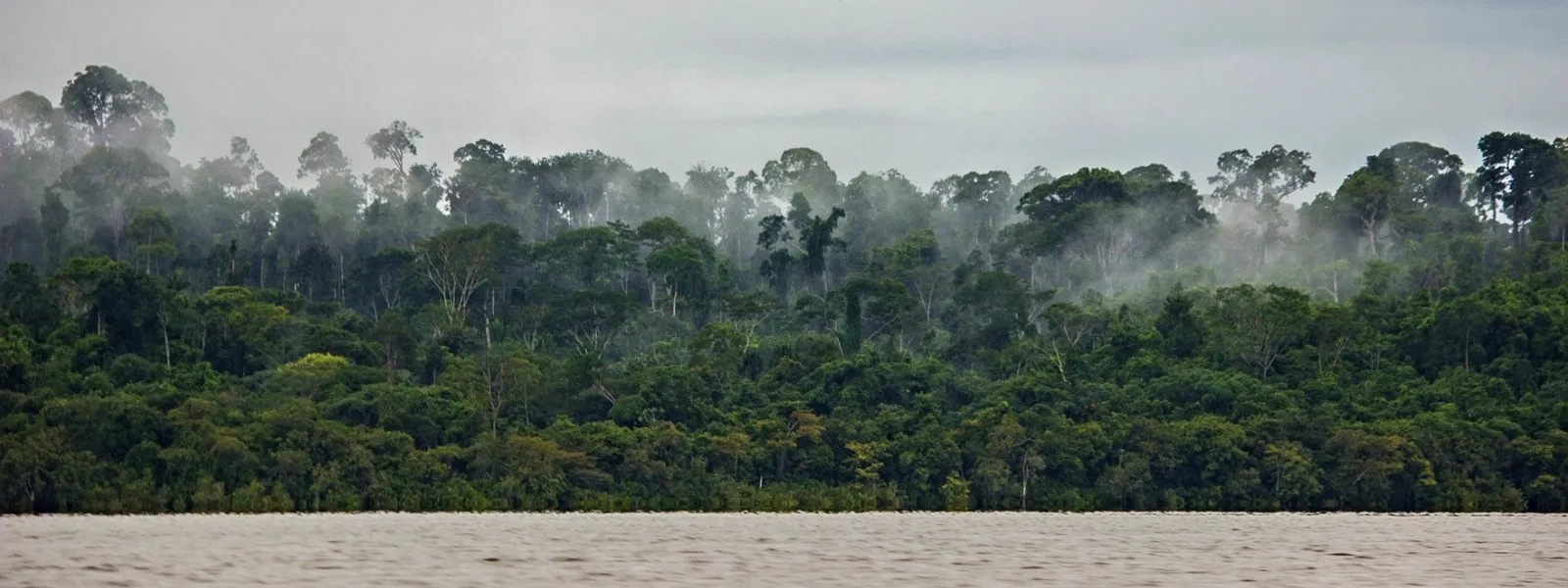
Amazon Watch / Maíra Irigaray
Barragem de Belo Monte no rio Xingu: 10 anos de impactos na Amazônia e de busca por reparações
A usina hidrelétrica de Belo Monte causou um desastre ambiental e social no coração da Amazônia: um dos ecossistemas mais importantes do planeta.
Essa situação só piorou desde que a usina começou a operar em 2016. A busca por justiça e reparação para as comunidades indígenas e ribeirinhas afetadas continua até hoje.
Em 2011, a Comissão Interamericana de Direitos Humanos (CIDH) concedeu a essas comunidades medidas de proteção, que até hoje não foram totalmente implementadas pelo Estado brasileiro.
E, desde junho daquele mesmo ano, a CIDH mantém um processo contra o Estado por sua responsabilidade internacional no caso.
A CIDH pode encaminhar o caso à Corte Interamericana de Direitos Humanos, que tem o poder de emitir uma sentença condenatória contra o Estado brasileiro.
Consulta o expediente de fatos do caso
Após 10 anos de operação da usina hidrelétrica e mais de 15 anos de violações de direitos humanos documentadas, é hora da justiça ser feita para as comunidades afetadas.
Leia a carta aberta das organizações que levam o caso à CIDH
Leia nosso comunicado à imprensa
Contexto
A usina hidrelétrica de Belo Monte — a quarta maior do mundo em capacidade instalada (11.233 MW) — foi construída no rio Xingu, no estado do Pará, norte do Brasil.
Foi inaugurada em 5 de maio de 2016, com uma única turbina. Naquela época, 80% do curso do rio foi desviado e 516 km² de terra foram inundados, uma área maior que a cidade de Chicago. Desse total, 400 km² eram de mata nativa. A usina começou a operar em plena capacidade em novembro de 2019.
Belo Monte foi construída e é operada pelo consórcio Norte Energia S.A., composto principalmente por empresas estatais. Foi financiada pelo Banco Nacional de Desenvolvimento Econômico e Social (BNDES), que aportou ao consórcio 25,4 bilhões de reais (aproximadamente US$ 10,16 bilhões), o maior investimento de sua história. Portanto, o BNDES também é legalmente responsável pelos impactos socioambientais associados ao projeto hidrelétrico.
Décadas de danos ambientais e humanos
As violações dos direitos humanos e a degradação da Amazônia remontam ao início do projeto. Em março de 2011, a Norte Energia iniciou a construção da barragem sem consulta adequada e sem o consentimento prévio, livre e informado das comunidades afetadas.
A construção levou ao deslocamento forçado de mais de 40.000 pessoas, rompendo laços sociais e culturais. O plano de reassentamento em Altamira — cidade diretamente afetada pelo projeto hidrelétrico — incluía moradias na periferia da cidade, sem serviços públicos adequados, moradias dignas para as famílias reassentadas e moradias diferenciadas para aqueles pertencentes a comunidades indígenas.
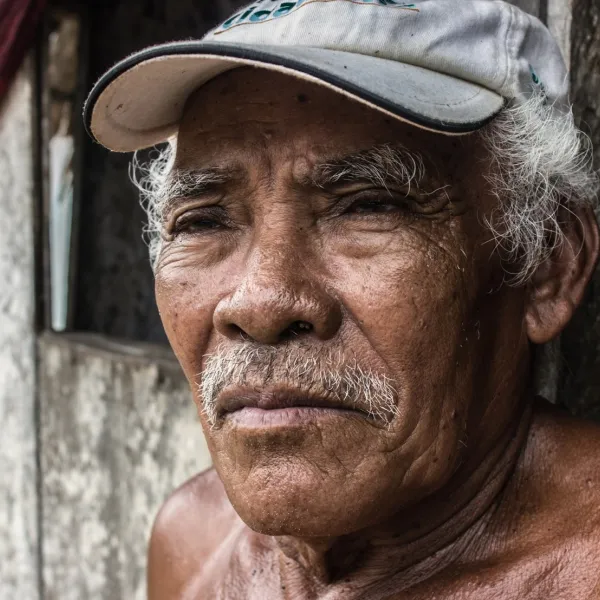
A operação da barragem de Belo Monte impôs uma seca permanente e artificial na Volta Grande do rio Xingu, agravada pelas secas históricas na Amazônia em 2023 e 2024. Como resultado, a morte de milhões de ovos de peixe foi documentada por quatro anos consecutivos (de 2021 a 2024) e, nos últimos três anos, não houve migração de peixes rio acima para desovar e se reproduzir. Assim, a pesca artesanal, principal fonte de proteína para os povos indígenas e comunidades ribeirinhas, foi severamente afetada: o consumo de peixe caiu de 50% para 30% do total de proteínas consumidas, sendo substituído por alimentos processados. Em suma, houve um colapso ambiental e humanitário que resultou no colapso da pesca como modo de vida tradicional, insegurança alimentar e falta de acesso à água potável para milhares de famílias, empobrecimento e doenças.
Além disso, a construção da barragem aumentou o desmatamento e intensificou a extração ilegal de madeira e a insegurança em terras indígenas e tribais, colocando em risco a sobrevivência dessas comunidades. Outra consequência foi o agravamento da pobreza e dos conflitos sociais, bem como a sobrecarga dos sistemas de saúde, educação e segurança pública em Altamira, cidade considerada a mais violenta do país em 2017, onde houve aumento do tráfico de pessoas e da violência sexual. Também foram registrados casos de violência contra defensores de direitos humanos envolvidos no caso.
Em 2025, durante a 30ª Conferência das Nações Unidas sobre Mudanças Climáticas (COP30), realizada no Brasil, o Ministério Público Federal classificou os danos causados por Belo Monte como ecocídio.
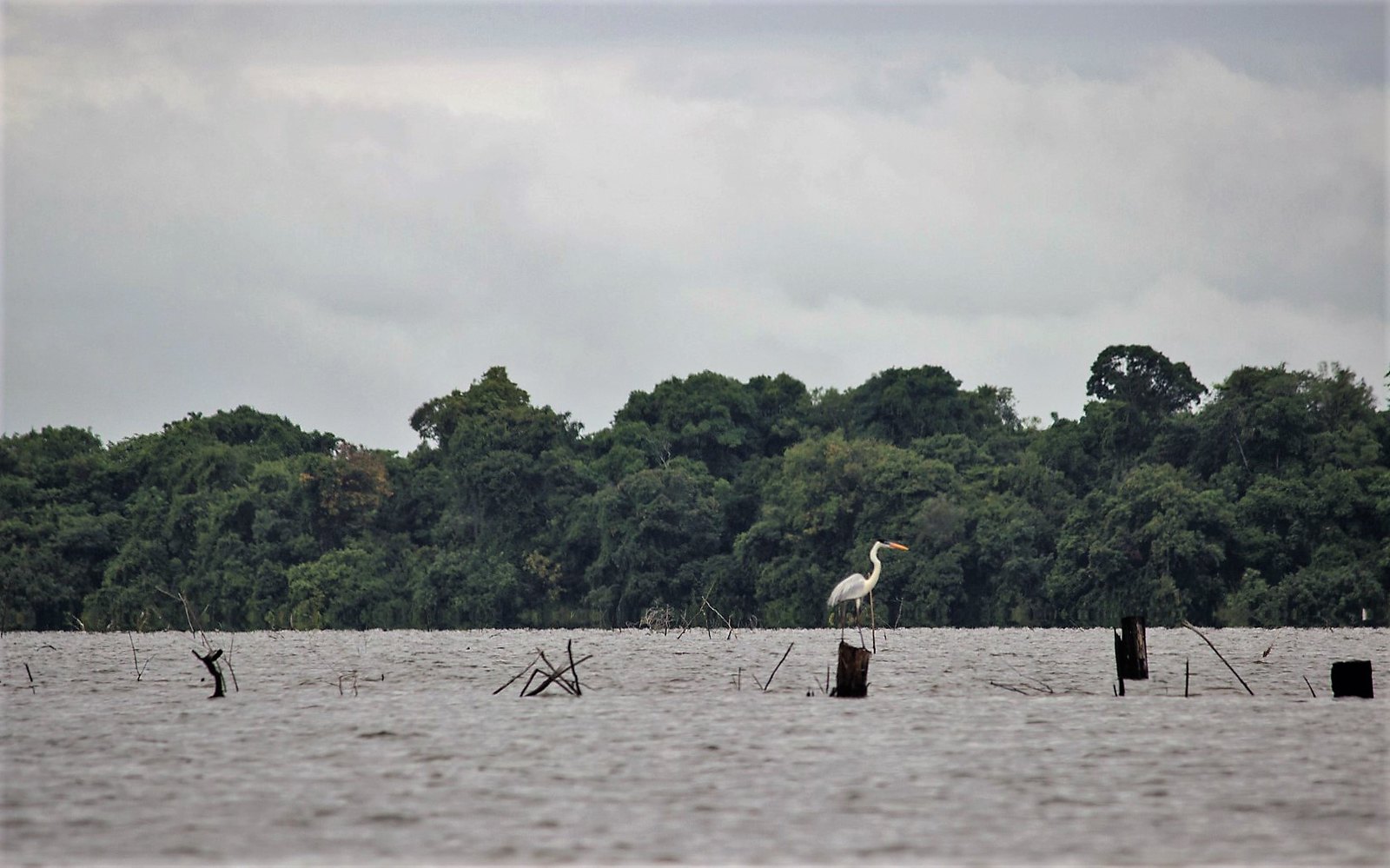
Foto: Amazon Watch / Maíra Irigaray.
A busca por justiça e reparação
Ao longo dos anos, o Ministério Público Federal do Pará, a Defensoria Pública e organizações da sociedade civil impetraram dezenas de ações judiciais em tribunais brasileiros para contestar as diversas irregularidades do projeto, bem como seus impactos. A maioria das ações permanece sem solução, algumas há mais de 10 anos.
Essas ações não obtiveram sucesso porque o governo federal tem reiteradamente anulado decisões favoráveis às comunidades afetadas, recorrendo a um mecanismo pelo qual o presidente do Supremo Tribunal Federal pode suspender uma decisão judicial com base unicamente em argumentos genéricos como "interesse nacional" ou "ordem econômica".
Diante da falta de respostas eficazes em nível nacional, a AIDA — juntamente com uma coalizão de organizações aliadas — levou o caso à Comissão Interamericana de Direitos Humanos (CIDH) e, em 2010, solicitou medidas cautelares para proteger a vida, a integridade e a saúde das comunidades indígenas afetadas.
Em 1º de abril de 2011, a CIDH concedeu essas medidas e solicitou ao Estado brasileiro a suspensão das licenças ambientais e de quaisquer obras de construção até que as condições relativas à consulta prévia e à proteção da saúde e integridade das comunidades fossem atendidas.
E, em 16 de junho de 2011, apresentamos uma denúncia formal à CIDH — juntamente com o Movimento Xingu Vivo Para Siempre, a Coordenação das Organizações Indígenas da Amazônia Brasileira, a Diocese de Altamira, o Conselho Missionário Indígena, a Sociedade Pará de Defesa dos Direitos Humanos e a Global Justice — contra o Estado brasileiro por sua responsabilidade internacional nas violações de direitos humanos contra os povos afetados neste caso. A denúncia foi apresentada em dezembro de 2015.
Em 3 de agosto de 2011, a CIDH modificou as medidas cautelares para solicitar — em vez da suspensão de licenças e obras — a proteção dos povos que vivem em isolamento voluntário, a saúde das comunidades indígenas e a regularização e proteção das terras ancestrais.
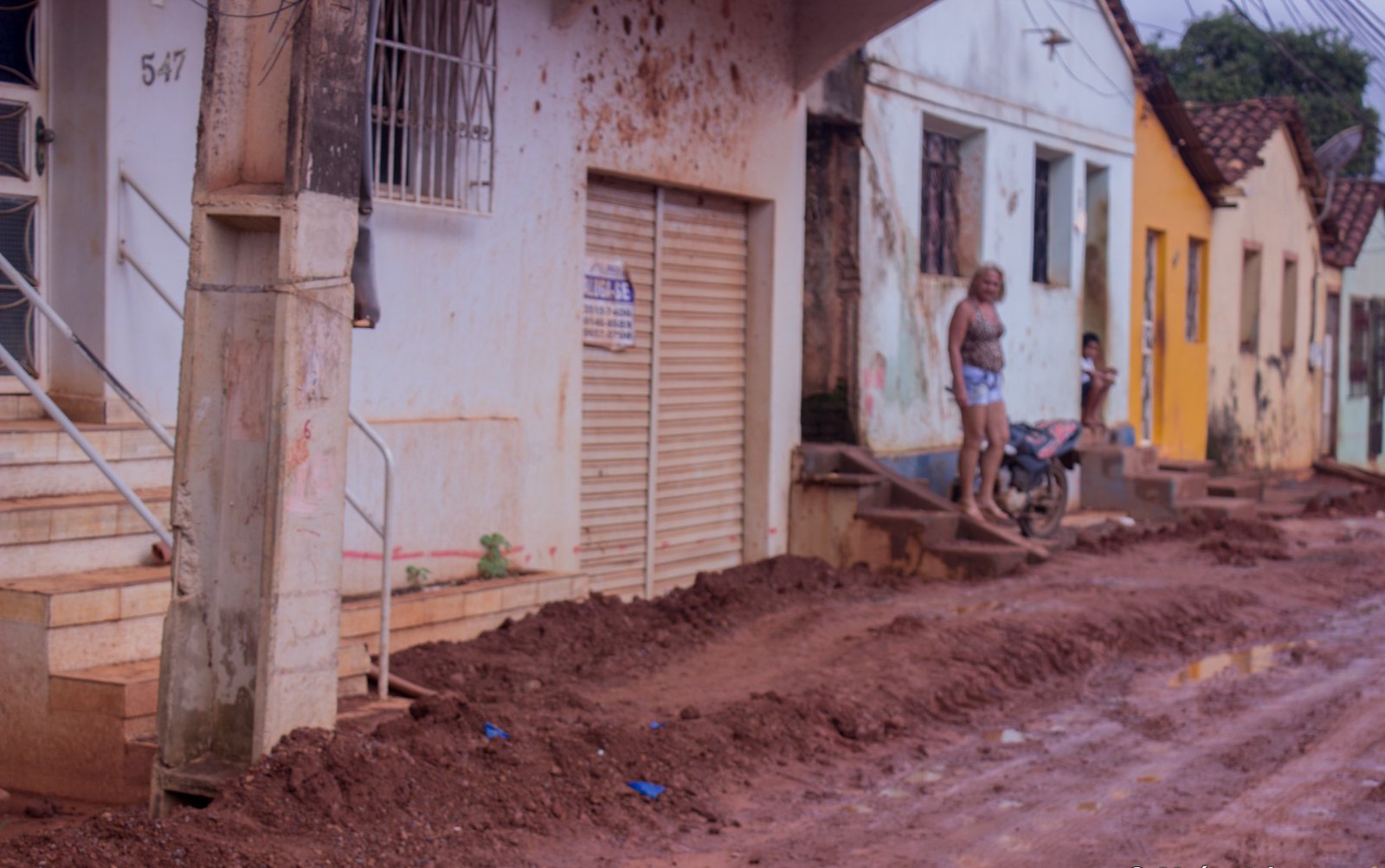
Foto: Amazon Watch / Maíra Irigaray.
Situação atual
As medidas de proteção concedidas pela CIDH permanecem em vigor, mas o Estado brasileiro não as cumpriu integralmente, relatando apenas ações genéricas. As comunidades documentaram as contínuas violações de seus direitos. A situação que motivou o pedido dessas medidas — o risco à vida, à segurança e aos meios de subsistência das comunidades — persiste e se agravou com a usina hidrelétrica operando em plena capacidade e com as recentes secas extremas na Amazônia.
Além do ocorrido em Belo Monte, existe o risco de maiores danos sociais e ambientais decorrentes da implementação de outro megaprojeto de mineração na Volta Grande do Xingu. Lá, a empresa canadense Belo Sun pretende construir a maior mina de ouro a céu aberto do Brasil.
Os impactos sinérgicos e cumulativos da usina e da mina não foram avaliados. O Estado excluiu povos indígenas, comunidades ribeirinhas e comunidades camponesas do processo de licenciamento ambiental do projeto. Apesar disso, dos protestos indígenas e de outras irregularidades em torno do projeto, o governo do estado do Pará autorizou formalmente a mina em abril de 2026.
Belo Monte, assim como outras usinas hidrelétricas, agrava a emergência climática ao gerar emissões de gases de efeito estufa em seu reservatório. Além disso, é ineficiente diante das secas prolongadas e intensas causadas pela crise, pois perde capacidade de geração de energia.
O caso perante a Comissão Interamericana
Em outubro de 2017, a CIDH anunciou que decidiria conjuntamente sobre a admissibilidade (se o caso preenche os requisitos para admissão) e o mérito (se houve, de fato, violação de direitos humanos) da denúncia internacional contra o Estado brasileiro.
Quinze anos após a apresentação da denúncia, as comunidades afetadas e as organizações que as representam ainda aguardam essa decisão. Caso a CIDH conclua que houve violações de direitos humanos e emita recomendações que o Estado brasileiro não cumpra, poderá encaminhar o caso à Corte Interamericana de Direitos Humanos, cujas decisões são vinculativas.
Uma possível decisão da Corte Internacional de Direitos Humanos neste caso estabeleceria um precedente jurídico regional em relação aos direitos dos povos indígenas e ribeirinhos, à participação pública em megaprojetos e à responsabilidade do Estado no contexto da crise climática. Isso é particularmente relevante à luz do Parecer Consultivo nº 32 da Corte, que reafirmou as obrigações dos Estados de proteger pessoas e comunidades em todo o continente da emergência climática.
Partners:
Related projects
Mexico takes action to protect its wetlands from unsustainable development
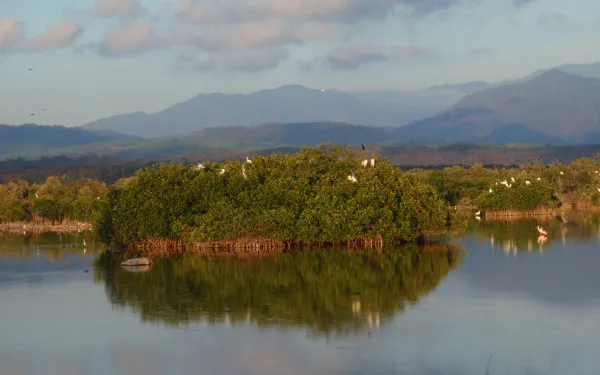
AIDA and the members of the National Wetlands Committee have won a big victory after years of legal work to protect Mexico’s estuaries, coral reefs, mangroves and other wetlands. On February 4, 2014, Mexico’s Natural Protected Areas Commission (CONANP) announced a national wetlands policy, a legal framework we had been calling for since 2009. “It’s not a panacea, but it’s a good start,” says Sandra Moguel, an AIDA attorney who participated on the National Wetlands Committee, a CONANP -led group that helped develop the policy. Mexico is rich in wetlands. The country ranks second after the U.K. in the number of protected wetland areas under the Ramsar Convention, an international treaty for the conservation and sustainable use of these ecosystems. Centuries-old coral reefs serve as breeding pens for fish that feed the populace and delight divers. Mangrove forests house endangered species and perform increasingly important ecosystem services: they absorb carbon emissions and buffer the coastline against storms made harsher by a warmer climate. But many coral reefs, mangroves, estuaries, and rivers have suffered from poorly planned development. On the Sea of Cortez, for example, plans for mega-resorts have kept us busy defending Cabo Pulmo’s coral reefs, and now a proposed port expansion is threatening reefs in Veracruz. To protect these and other wetlands, we have had to draw on a jumble of laws and policies. Not any more. Now we have a specific instrument that is in line with the laws and policies for the protection of wetlands. The new policy sets actions, goals and priorities for the management and protection of wetlands. It is a vast improvement. And while a national wetlands policy is a Ramsar requirement, Mexico’s policy stands out from many others in the world for creating not just principles and guidelines, but also an action plan to make them happen. For example, the government will soon set and sustain minimum water levels to preserve mangroves. Other actions will guarantee the reasonable use of wetlands. Fishing, tourism, and other activities that rely on wetlands must be carried out sustainably. If damages occur, the state must ensure ecosystem restoration. A key element that AIDA pushed for is the principle of environmental progress. The new policy stops the government from continuing to modify and reduce natural protected areas to make way for large infrastructure projects or to benefit private interests. Now the authorities must preserve and promote environmental progress by respecting protected-area status and by improving safeguards. We are thrilled. This principle could help AIDA in our legal battle to stop construction of the Las Cruces hydropower project on the San Pedro Mezquital river. The dam would reduce water flows and sediments needed to feed and sustain mangroves in Marismas Nacionales, a protected wetlands area on the Sea of Cortez. Construction of the dam would clearly reverse environmental progress. The new policy has its weak spots—for example, it doesn’t set dates for reviewing the progress of the action plan, and the actions could be supplemented for more effect—but comparatively, it is at the forefront of wetlands policies in Latin America. “Mexico is setting an example,” Moguel says. “Let’s hope that this encourages other countries to follow suit.” Your contributions helped us press for and contribute to the development of the new policy, and with your continued help we will be able to aid Mexico in its efforts to protect its vital wetlands.
Read more
Indigenous leader condemns Brazil’s rights abuses at United Nations
Speakers highlight violations stemming from Amazon dams at Human Rights Council. Geneva, Switzerland. In a groundbreaking event at the 25th United Nations Human Rights Council, the national coordinator of Brazil’s Association of Indigenous Peoples (APIB) Sônia Guajajara exposed an alarming disregard for indigenous peoples’ rights by the Brazilian government as it rushes to promote an unprecedented wave of large dam construction across the Amazon basin with devastating impacts on their territories and livelihoods. In her testimony, Ms. Guajajara argued that the violation of indigenous rights to prior consultations concerning the federal government’s dam-building plans has set a troubling precedent for the rule of law and the future of Brazil’s indigenous peoples. The side event, entitled ‘Indigenous peoples’ right to consultation on large dam projects in Brazil’, also featured Alexandre Andrade Sampaio, a Brazilian lawyer with the Interamerican Association for Environmental Defense (AIDA), who critiqued the use of a legal mechanism known as “Security Suspension” (Suspensão de Segurança) that allows chief justices, upon request from the government, to indefinitely suspend legal rulings in favor of indigenous peoples’ rights. Among the most egregious use of this legal artifice that was originally created during Brazil’s military dictatorship, is the suspension of court decisions on the illegality of large hydroelectric dam projects, such as Belo Monte, where the federal government has failed to ensure indigenous peoples’ right to prior consultations, as enshrined in the Brazilian constitution. According to Sampaio, the Security Suspension also constitutes an obstacle to Brazil’s compliance with international agreements concerning free, prior, and informed consultation and consent (FPIC), including Convention 169 of the International Labor Organization ILO), ratified by the Brazilian Congress in 2002, and the 2007 UN Declaration on Rights of Indigenous Peoples (UNDRIP). “The alliance of economic interests and political power represent a major crisis for the implementation of indigenous rights in today’s Brazil,” said Ms. Guajajara. “However, even if the government denies our rights, it cannot deny its responsibility to this convention.” “The Suspension of Security Violates Human rights. The very people that could dismiss it are the same ones who personally benefit from its existence,” said Mr. Sampaio. “That is why it is important for the international community to turn its eyes to this matter and request the Brazilian government adopt effective measures that lead to the respect of human rights.” Joint declarations were submitted to the UN General Assembly by a coalition of Brazilian and international groups, including NGO France Libertés. In discussing growing threats to indigenous rights, both documents highlight the Brazilian government’s plans to build a massive complex of up to 29 large dams along the Amazon’s Tapajós River and its tributaries in the next ten years. Lesser-known than the controversial Belo Monte project on the neighboring Xingu River, the Tapajós complex would provoke flooding and other devastating consequences for indigenous peoples and other traditional populations both upstream and downstream of planned dams, including elimination of migratory fish that are a dietary stable and a basis of local economies. The federal government’s rush to construct a series of large dams in the Tapajós region, in the absence of prior consultations with indigenous peoples, has led to growing protests from local tribes, such as the Munduruku, Kayabi and Apiaká people. “We are watching a dark history repeat itself on the rivers of the Amazon where Belo Monte’s tragedy threatens to be reproduced on the Tapajós,” said Christian Poirier of Amazon Watch. “While the Brazilian government claims to respect its indigenous peoples, it is in fact working to dismantle their rights to open their lands and rivers to unconstrained exploitation.” Prior to the side event the delegates met with Ambassador Regina Dunlop of Brazil’s Permanent Mission to the United Nations in order to present their grievances. While the Ambassador stated that the information would be more relevant if presented to government representatives in Brasilia, Ms. Guajajara and Mr. Sampaio countered that these criticisms are frequently ignored by government decision makers until problems are exposed in international forums, such as the United Nations. “Brazil’s reputation is at stake on this international stage,” said Sônia Guajajara. “We are here to bring visibility to the unacceptable prejudice and discrimination suffered by indigenous peoples and to demand that it stops.” The side event in Geneva was organized by France Liberté (Fondation Danielle Mitterand) with support from Amazon Watch and International Rivers.
Read moreIndigenous leader condemns Brazil’s rights abuses at United Nations
Speakers highlight violations stemming from Amazon dams at Human Rights Council. Geneva, Switzerland. In a groundbreaking event at the 25th United Nations Human Rights Council, the national coordinator of Brazil’s Association of Indigenous Peoples (APIB) Sônia Guajajara exposed an alarming disregard for indigenous peoples’ rights by the Brazilian government as it rushes to promote an unprecedented wave of large dam construction across the Amazon basin with devastating impacts on their territories and livelihoods. In her testimony, Ms. Guajajara argued that the violation of indigenous rights to prior consultations concerning the federal government’s dam-building plans has set a troubling precedent for the rule of law and the future of Brazil’s indigenous peoples. The side event, entitled ‘Indigenous peoples’ right to consultation on large dam projects in Brazil’, also featured Alexandre Andrade Sampaio, a Brazilian lawyer with the Interamerican Association for Environmental Defense (AIDA), who critiqued the use of a legal mechanism known as “Security Suspension” (Suspensão de Segurança) that allows chief justices, upon request from the government, to indefinitely suspend legal rulings in favor of indigenous peoples’ rights. Among the most egregious use of this legal artifice that was originally created during Brazil’s military dictatorship, is the suspension of court decisions on the illegality of large hydroelectric dam projects, such as Belo Monte, where the federal government has failed to ensure indigenous peoples’ right to prior consultations, as enshrined in the Brazilian constitution. According to Sampaio, the Security Suspension also constitutes an obstacle to Brazil’s compliance with international agreements concerning free, prior, and informed consultation and consent (FPIC), including Convention 169 of the International Labor Organization ILO), ratified by the Brazilian Congress in 2002, and the 2007 UN Declaration on Rights of Indigenous Peoples (UNDRIP). “The alliance of economic interests and political power represent a major crisis for the implementation of indigenous rights in today’s Brazil,” said Ms. Guajajara. “However, even if the government denies our rights, it cannot deny its responsibility to this convention.” “The Suspension of Security Violates Human rights. The very people that could dismiss it are the same ones who personally benefit from its existence,” said Mr. Sampaio. “That is why it is important for the international community to turn its eyes to this matter and request the Brazilian government adopt effective measures that lead to the respect of human rights.” Joint declarations were submitted to the UN General Assembly by a coalition of Brazilian and international groups, including NGO France Libertés. In discussing growing threats to indigenous rights, both documents highlight the Brazilian government’s plans to build a massive complex of up to 29 large dams along the Amazon’s Tapajós River and its tributaries in the next ten years. Lesser-known than the controversial Belo Monte project on the neighboring Xingu River, the Tapajós complex would provoke flooding and other devastating consequences for indigenous peoples and other traditional populations both upstream and downstream of planned dams, including elimination of migratory fish that are a dietary stable and a basis of local economies. The federal government’s rush to construct a series of large dams in the Tapajós region, in the absence of prior consultations with indigenous peoples, has led to growing protests from local tribes, such as the Munduruku, Kayabi and Apiaká people. “We are watching a dark history repeat itself on the rivers of the Amazon where Belo Monte’s tragedy threatens to be reproduced on the Tapajós,” said Christian Poirier of Amazon Watch. “While the Brazilian government claims to respect its indigenous peoples, it is in fact working to dismantle their rights to open their lands and rivers to unconstrained exploitation.” Prior to the side event the delegates met with Ambassador Regina Dunlop of Brazil’s Permanent Mission to the United Nations in order to present their grievances. While the Ambassador stated that the information would be more relevant if presented to government representatives in Brasilia, Ms. Guajajara and Mr. Sampaio countered that these criticisms are frequently ignored by government decision makers until problems are exposed in international forums, such as the United Nations. “Brazil’s reputation is at stake on this international stage,” said Sônia Guajajara. “We are here to bring visibility to the unacceptable prejudice and discrimination suffered by indigenous peoples and to demand that it stops.” The side event in Geneva was organized by France Liberté (Fondation Danielle Mitterand) with support from Amazon Watch and International Rivers.
Read more