
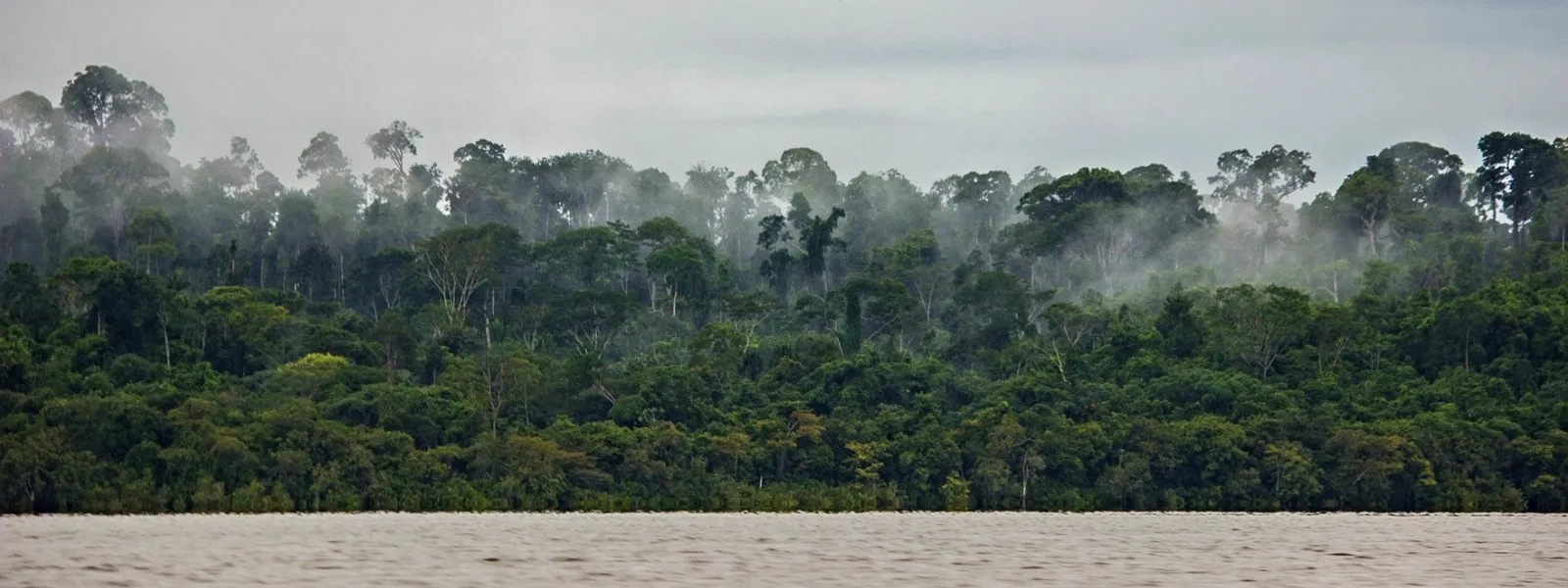
Project
Amazon Watch / Maíra Irigaray
Barragem de Belo Monte no rio Xingu: 10 anos de impactos na Amazônia e de busca por reparações
A usina hidrelétrica de Belo Monte causou um desastre ambiental e social no coração da Amazônia: um dos ecossistemas mais importantes do planeta.
Essa situação só piorou desde que a usina começou a operar em 2016. A busca por justiça e reparação para as comunidades indígenas e ribeirinhas afetadas continua até hoje.
Em 2011, a Comissão Interamericana de Direitos Humanos (CIDH) concedeu a essas comunidades medidas de proteção, que até hoje não foram totalmente implementadas pelo Estado brasileiro.
E, desde junho daquele mesmo ano, a CIDH mantém um processo contra o Estado por sua responsabilidade internacional no caso.
A CIDH pode encaminhar o caso à Corte Interamericana de Direitos Humanos, que tem o poder de emitir uma sentença condenatória contra o Estado brasileiro.
Consulta o expediente de fatos do caso
Após 10 anos de operação da usina hidrelétrica e mais de 15 anos de violações de direitos humanos documentadas, é hora da justiça ser feita para as comunidades afetadas.
Leia a carta aberta das organizações que levam o caso à CIDH
Leia nosso comunicado à imprensa
Contexto
A usina hidrelétrica de Belo Monte — a quarta maior do mundo em capacidade instalada (11.233 MW) — foi construída no rio Xingu, no estado do Pará, norte do Brasil.
Foi inaugurada em 5 de maio de 2016, com uma única turbina. Naquela época, 80% do curso do rio foi desviado e 516 km² de terra foram inundados, uma área maior que a cidade de Chicago. Desse total, 400 km² eram de mata nativa. A usina começou a operar em plena capacidade em novembro de 2019.
Belo Monte foi construída e é operada pelo consórcio Norte Energia S.A., composto principalmente por empresas estatais. Foi financiada pelo Banco Nacional de Desenvolvimento Econômico e Social (BNDES), que aportou ao consórcio 25,4 bilhões de reais (aproximadamente US$ 10,16 bilhões), o maior investimento de sua história. Portanto, o BNDES também é legalmente responsável pelos impactos socioambientais associados ao projeto hidrelétrico.
Décadas de danos ambientais e humanos
As violações dos direitos humanos e a degradação da Amazônia remontam ao início do projeto. Em março de 2011, a Norte Energia iniciou a construção da barragem sem consulta adequada e sem o consentimento prévio, livre e informado das comunidades afetadas.
A construção levou ao deslocamento forçado de mais de 40.000 pessoas, rompendo laços sociais e culturais. O plano de reassentamento em Altamira — cidade diretamente afetada pelo projeto hidrelétrico — incluía moradias na periferia da cidade, sem serviços públicos adequados, moradias dignas para as famílias reassentadas e moradias diferenciadas para aqueles pertencentes a comunidades indígenas.
A operação da barragem de Belo Monte impôs uma seca permanente e artificial na Volta Grande do rio Xingu, agravada pelas secas históricas na Amazônia em 2023 e 2024. Como resultado, a morte de milhões de ovos de peixe foi documentada por quatro anos consecutivos (de 2021 a 2024) e, nos últimos três anos, não houve migração de peixes rio acima para desovar e se reproduzir. Assim, a pesca artesanal, principal fonte de proteína para os povos indígenas e comunidades ribeirinhas, foi severamente afetada: o consumo de peixe caiu de 50% para 30% do total de proteínas consumidas, sendo substituído por alimentos processados. Em suma, houve um colapso ambiental e humanitário que resultou no colapso da pesca como modo de vida tradicional, insegurança alimentar e falta de acesso à água potável para milhares de famílias, empobrecimento e doenças.
Além disso, a construção da barragem aumentou o desmatamento e intensificou a extração ilegal de madeira e a insegurança em terras indígenas e tribais, colocando em risco a sobrevivência dessas comunidades. Outra consequência foi o agravamento da pobreza e dos conflitos sociais, bem como a sobrecarga dos sistemas de saúde, educação e segurança pública em Altamira, cidade considerada a mais violenta do país em 2017, onde houve aumento do tráfico de pessoas e da violência sexual. Também foram registrados casos de violência contra defensores de direitos humanos envolvidos no caso.
Em 2025, durante a 30ª Conferência das Nações Unidas sobre Mudanças Climáticas (COP30), realizada no Brasil, o Ministério Público Federal classificou os danos causados por Belo Monte como ecocídio.
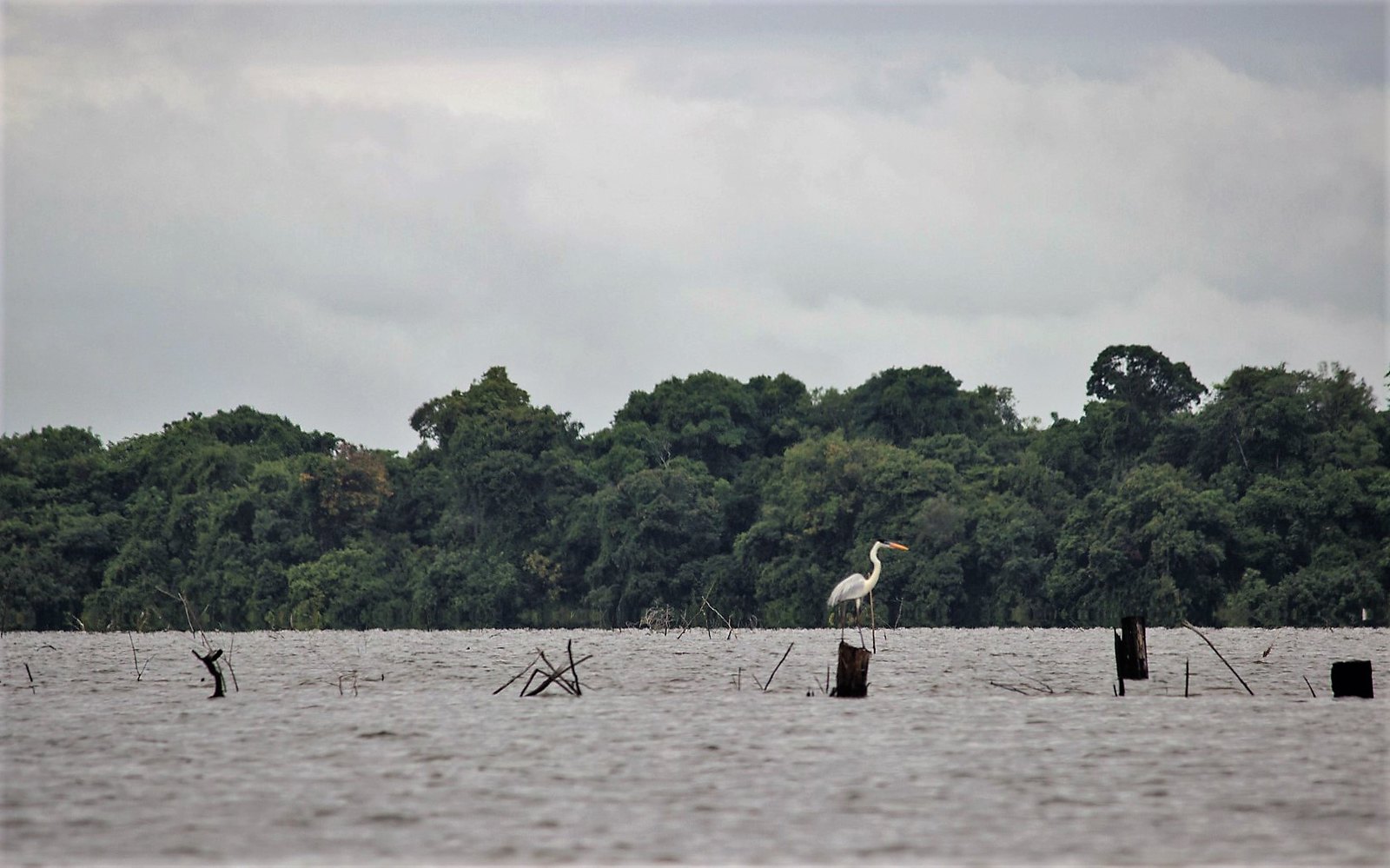
Foto: Amazon Watch / Maíra Irigaray.
A busca por justiça e reparação
Ao longo dos anos, o Ministério Público Federal do Pará, a Defensoria Pública e organizações da sociedade civil impetraram dezenas de ações judiciais em tribunais brasileiros para contestar as diversas irregularidades do projeto, bem como seus impactos. A maioria das ações permanece sem solução, algumas há mais de 10 anos.
Essas ações não obtiveram sucesso porque o governo federal tem reiteradamente anulado decisões favoráveis às comunidades afetadas, recorrendo a um mecanismo pelo qual o presidente do Supremo Tribunal Federal pode suspender uma decisão judicial com base unicamente em argumentos genéricos como "interesse nacional" ou "ordem econômica".
Diante da falta de respostas eficazes em nível nacional, a AIDA — juntamente com uma coalizão de organizações aliadas — levou o caso à Comissão Interamericana de Direitos Humanos (CIDH) e, em 2010, solicitou medidas cautelares para proteger a vida, a integridade e a saúde das comunidades indígenas afetadas.
Em 1º de abril de 2011, a CIDH concedeu essas medidas e solicitou ao Estado brasileiro a suspensão das licenças ambientais e de quaisquer obras de construção até que as condições relativas à consulta prévia e à proteção da saúde e integridade das comunidades fossem atendidas.
E, em 16 de junho de 2011, apresentamos uma denúncia formal à CIDH — juntamente com o Movimento Xingu Vivo Para Siempre, a Coordenação das Organizações Indígenas da Amazônia Brasileira, a Diocese de Altamira, o Conselho Missionário Indígena, a Sociedade Pará de Defesa dos Direitos Humanos e a Global Justice — contra o Estado brasileiro por sua responsabilidade internacional nas violações de direitos humanos contra os povos afetados neste caso. A denúncia foi apresentada em dezembro de 2015.
Em 3 de agosto de 2011, a CIDH modificou as medidas cautelares para solicitar — em vez da suspensão de licenças e obras — a proteção dos povos que vivem em isolamento voluntário, a saúde das comunidades indígenas e a regularização e proteção das terras ancestrais.
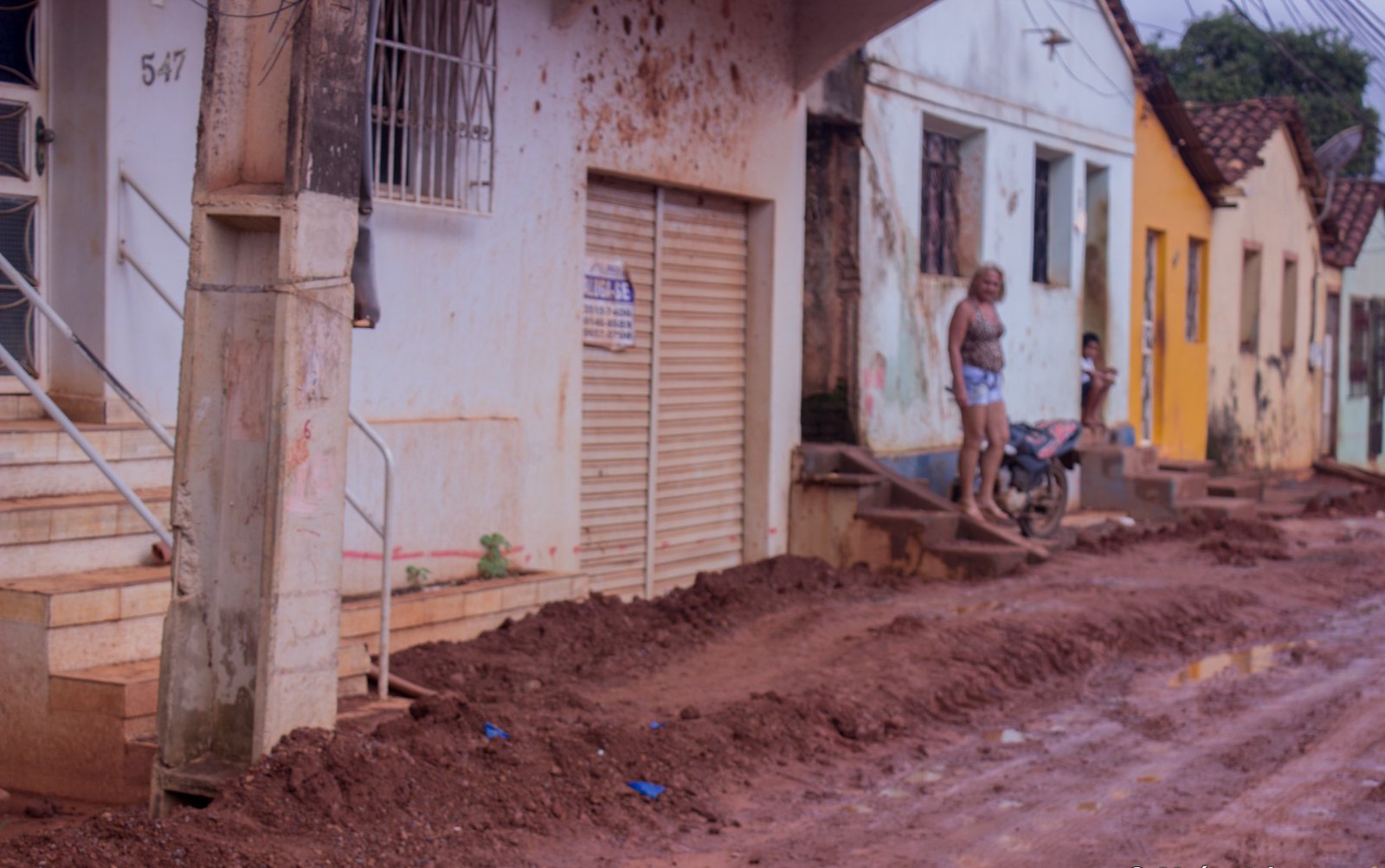
Foto: Amazon Watch / Maíra Irigaray.
Situação atual
As medidas de proteção concedidas pela CIDH permanecem em vigor, mas o Estado brasileiro não as cumpriu integralmente, relatando apenas ações genéricas. As comunidades documentaram as contínuas violações de seus direitos. A situação que motivou o pedido dessas medidas — o risco à vida, à segurança e aos meios de subsistência das comunidades — persiste e se agravou com a usina hidrelétrica operando em plena capacidade e com as recentes secas extremas na Amazônia.
Além do ocorrido em Belo Monte, existe o risco de maiores danos sociais e ambientais decorrentes da implementação de outro megaprojeto de mineração na Volta Grande do Xingu. Lá, a empresa canadense Belo Sun pretende construir a maior mina de ouro a céu aberto do Brasil.
Os impactos sinérgicos e cumulativos da usina e da mina não foram avaliados. O Estado excluiu povos indígenas, comunidades ribeirinhas e comunidades camponesas do processo de licenciamento ambiental do projeto. Apesar disso, dos protestos indígenas e de outras irregularidades em torno do projeto, o governo do estado do Pará autorizou formalmente a mina em abril de 2026.
Belo Monte, assim como outras usinas hidrelétricas, agrava a emergência climática ao gerar emissões de gases de efeito estufa em seu reservatório. Além disso, é ineficiente diante das secas prolongadas e intensas causadas pela crise, pois perde capacidade de geração de energia.
O caso perante a Comissão Interamericana
Em outubro de 2017, a CIDH anunciou que decidiria conjuntamente sobre a admissibilidade (se o caso preenche os requisitos para admissão) e o mérito (se houve, de fato, violação de direitos humanos) da denúncia internacional contra o Estado brasileiro.
Quinze anos após a apresentação da denúncia, as comunidades afetadas e as organizações que as representam ainda aguardam essa decisão. Caso a CIDH conclua que houve violações de direitos humanos e emita recomendações que o Estado brasileiro não cumpra, poderá encaminhar o caso à Corte Interamericana de Direitos Humanos, cujas decisões são vinculativas.
Uma possível decisão da Corte Internacional de Direitos Humanos neste caso estabeleceria um precedente jurídico regional em relação aos direitos dos povos indígenas e ribeirinhos, à participação pública em megaprojetos e à responsabilidade do Estado no contexto da crise climática. Isso é particularmente relevante à luz do Parecer Consultivo nº 32 da Corte, que reafirmou as obrigações dos Estados de proteger pessoas e comunidades em todo o continente da emergência climática.
Partners:
Related projects

Report from COP19: Warsaw, Poland
A terrifying nightmare came true before their eyes. Waves of up to seven meters (23 feet), propelled by winds that reached 315 kilometers per hour (196 miles per hour), caught the inhabitants of the Philippines off guard, devouring everything in their path. Typhoon Haiyan was the most devastating of the climate shocks that frequently hit the Asian country. “We can stop this madness.” With those words, Yeb Saño, the Philippine’s climate change commissioner, demanded “climate justice“ for his people during the inauguration of the 19th Conference of the Parties (COP19) on climate change in Warsaw, Poland. The tragedy was palpable in his eyes and voice. The effects of climate change are unmistakable. Ocean levels and temperatures are rising, and this is provoking storms surges of such intensity that they’re impossible to ignore. No more time can be wasted in coming up with the financing needed to fight this problem. And we must set the rules for the effective use of these funds. AIDA is pushing for this. At the COP19, we worked with other civil society organizations to encourage the governments of developing countries to draft an action plan next year designed to fulfill a vital commitment: making US$100 billion available to developing countries from 2020 for fighting climate change. Part of these funds will be channeled through the Green Climate Fund (GCF). AIDA has assisted in putting pressure on the governments of developed countries to provide certainty about the contributions they will make to this financing mechanism. We also have taken part in the creation of GCF by participating at meetings of its Board of Directors. Our short-term goal is to ensure that the role of civil society is effective and meaningful in the GCF decision-making process. Long term, we want the GCF to support effective actions for climate change mitigation and adaptation that will not only help reduce emissions but also benefit the most vulnerable communities that already are being affected by the phenomenon. Our presence at the COP19 also made it possible for AIDA to form alliances with groups from different sectors – civil society, youth, indigenous peoples, among others – in order to develop and strengthen a joint position ahead of the COP20 to be held in Peru. We hope that the COP20 will set the foundation for a new and hopefully successful climate agreement at the COP21 in Paris. We also worked with partner organizations to develop a briefing paper (in Spanish) on short-lived climate pollutants (SLCPs), which we distributed in Warsaw. As SLCPs remain in the atmosphere less time than CO2, reducing these contaminants is a valuable opportunity for a short-term solution to global warming and an important element that should enter into the new climate agreement. With your support we will continue fighting to prevent typhoons and other natural disasters from becoming a way of life.
Read more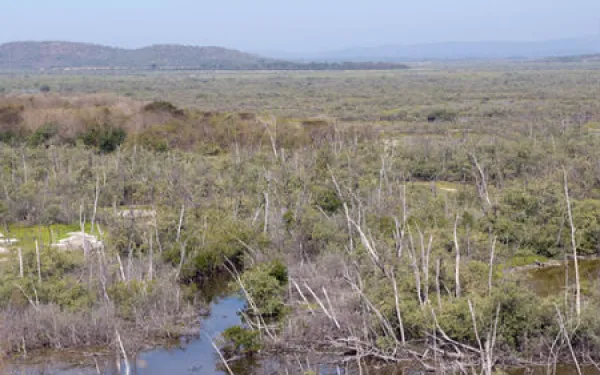
Latin America and its little-known biodiversity
By Tania Paz, general assistant, AIDA, @TaniaNinoshka Latin America and the Caribbean stretches over more than two billion hectares, or about 15% of the earth’s total land surface area. The region possesses the richest persity of species and ecoregions in the world. It is home to one third of the world’s renewable water resources and close to 30% of the world’s total runoff, or the free flow of surface water into a drainage basin, according to the Economic Commission for Latin America and the Caribbean (ECLAC, 2002). Even so, there are still many ecosystems that we don’t know much about despite their important role in maintaining the health and wellbeing of the environment and human society. These include mangrove forests, glaciers and páramos. Mangroves According to Mexico’s National Commission for the Knowledge and Use of Biopersity (CONABIO, in Spanish), mangroves are plant formations grouped into a distinct biome known as mangal, or a tree or shrub with branches that reach down and take root in the ground. They are a unique plant species for their resistance to salt and for growing in tropical coastal environments near estuaries and coastal lagoons. They are the transition between terrestrial and marine ecosystems. Mangrove forests form a natural protective barrier that prevents wind and tide erosion. They play an important role in the environment by filtering water and allowing it to flow into underground aquifers, and they act as carbon sinks that helpmitigate the effects of climate change. The major threats to mangrove ecosystems stem from urban, industrial, tourism and agricultural development given that they compete for land with these fragile ecosystems and cause heavy pollution. This is happening in Marismas Nacionales and Laguna Huizache-Caimanero, where a mega-tourism resort is threatening a wetland ecosystem that protects Mexico’s last remaining mangrove forests and 60 endangered species. Páramos Páramos (in Spanish) are wetlands found between 2,500 and 3,600 meters above sea level in a climate of high rainfall and dry winds. Páramos are known as water factories for their capacity to generate clean water. They also act as a climate regulator with capacity to absorb carbon dioxide. Colombia is home to the largest surface area of páramo ecosystems in the world, holding 98% of páramo plant species. These ecosystems also are home to an immense persity of flora and fauna, including the spectacled bear and Andean condor, the world’s largest flying land bird. Rich in precious metals, the páramos are threatened by mining developments, both existing and planned. In Colombia, for example, miners are looking to undertake extractive activities in the Santurbán páramo, which would put in peril a vital source of fresh water for millions of Colombians. AIDA is leading a campaign (in Spanish) that calls for a proper demarcation of the Santurbán páramo’s territorial boundaries in an effort to stop mining development, an activity prohibited in officially declared páramo zones. Glaciers Glaciers are large bodies of dense ice, snow and rocks. They can stretch down or across mountainsides -- depending on their weight -- as they flow into the water system. They can melt, evaporate or break up into icebergs. In Latin America, 70% of the earth’s tropical glaciers are found high in the Andes mountain range of Bolivia, Ecuador and Peru (OLCA, 2013, in Spanish). Glaciers regulate water supplies by releasing water in the form of meltwater in the hot and dry seasons and by storing it as ice during cold and wet periods. In Ecuador, the city of Quito gets 50% of its water from glacier reservoirs and likewise Bolivia’s La Paz gets 30% from glacier catchment areas. Glacier melt, caused by the effects of climate change, is the greatest threat to the glaciers. Since 1970 the Andean glaciers have lost 20% of their volume, according to a report by Peru’s National Meteorology and Hydrology Service (SENAMHI, in Spanish). See the documentary La Era del Deshielo (The Age of the Thawing) by Señal Colombia. Source: YouTube Glacier melt is putting the water production of Andean countries at risk. In Peru, for example, the volume of surface ice that has been lost as a consequence of melting equates to seven billion cubic meters of water, a quantity that represents around 10 years worth of water supplies for the city of Lima. If all the world’s glaciers melted, sea levels could rise by some 66 meters, causing catastrophic impacts on coastal cities (OLCA, 2013, in Spanish). Como vemos, América Latina es una región totalmente rica en biopersidad que juega un papel importante en el mundo y en la continuidad de la especie humana. La belleza y riqueza del continente quedan expresadas en la letra de América, canción de Nino Bravo: “Cuando Dios hizo el Edén, pensó en América”. ¡Defendamos y preservemos nuestro Edén!
Read moreMexico’s government is held internationally accountable for authorizing tourism infrastructure in the Gulf of California
The Commission for Environmental Cooperation (CEC) called on Mexican authorities to respond by January 8, 2014 to a complaint of breaching environmental legislation in the permits for four mega resorts. Mexico City, Mexico. The Commission for Environmental Cooperation (CEC) requested an explanation from the Mexican government for authorizing tourism projects in the Gulf of California. The international organization, established under the North American Free Trade Agreement, made the determination after reviewing a citizen petition submitted by Mexican and U.S. organizations[i] denouncing the systematic violation of Mexican environmental law in permits for the construction of four mega resorts that put at risk fragile coral reefs, mangroves and wetlands. The Interamerican Association for Environmental Defense (AIDA) and Earthjustice filed the petition[ii] with the CEC in April on behalf of 11 Mexican and international organizations. In the petition, the four resort projects are presented as an example of how Mexico’s Secretariat of Environment and Natural Resources (SEMARNAT) endorsed massive tourism infrastructure in the Gulf of California in violation of norms for environmental impact assessment, the protection of endangered species and the conservation of coastal ecosystems. The CEC Secretariat determined that the Mexican government has until January 8, 2014 to provide a response on why it issued the permits, specifically in relation to these aspects: use of the best available information, assessing the cumulative impacts and destruction of ecosystems, the lack of precautionary and preventive measures, and the omission of the power to suspend works. The CEC also requested information on the implementation of the resolutions and recommendations of the Ramsar Convention, an intergovernmental treaty for the protection of wetlands of international importance like those in the Gulf of California. “It is a breakthrough in national and international law because it recognizes these provisions as part of the implementation of the obligations in the international treaties ratified by Mexico,” said Sandra Moguel, an AIDA legal adviser. The Secretariat acknowledged, in particular, the resolutions adopted by the contracting parties to the Ramsar Convention, which establish standards for the environmental impact assessment and protection of wetlands. The Secretariat also acknowledged the recommendations of the Ramsar Missions that visited the Marismas Nacionales and Cabo Pulmo, concluding that large-scale tourism developments were not appropriate because of the vulnerability of these ecosystems[iii]. It asked Mexico to explain its failure to perform an environmental impact assessment in accordance with these provisions. “The CEC called for accountability from the Mexican government with respect to the abuse of discretion in considering technical reviews, as is the case with the Playa Espíritu project that lacked environmental viability according to the CONANP (National Commission on Protected Areas),” said Eduardo Nájera, director of COSTASALVAjE, one of the petitioning organizations. “It is urgent that the new administration of SEMARNAT doesn’t not make the same mistakes as their predecessors, and that it carry out a transparent and non-arbitrary environmental impact assessment, especially in the case of projects that could put in danger wetlands of priority international importance such as Marismas Nacionales, Cabo Pulmo and the Bahía de la Paz,” said Carlos Eduardo Simental, director of the Ecological Network for the Development of Esquinapa (REDES), another petitioner.Finally, Carolina Herrera, a Latin America specialist for the Natural Resources Defense Council (NRDC), said that she expects that once it receives Mexico’s response, “the CEC will elaborate a detailed investigation of what happened in order to press Mexico to not relax its own environmental protection measures in favor of unsustainable coastal development.” See the CEC determination. [i] Ecological Network for the Development of Esquinapa (REDES), Friends for the Conservation of Cabo Pulmo (ACCP), Mexican Center for Environmental Defense, Natural Resources Defense Council (NRDC), COSTASALVAjE, SUMAR, Niparajá Natural History Society, Los Cabos Coastkeeper, Alliance for the Sustainability of the Northwestern Coast (ALCOSTA), Greenpeace Mexico and AIDA. [ii] For more information about the citizen submission mechanism, please see this link. [iii] These missions are a technical assistance facility of Ramsar whose primary purpose is to assist parties that have wetlands meriting priority attention due to changing ecological characteristics.
Read more