
Project
Amazon Watch / Maíra Irigaray
Barragem de Belo Monte no rio Xingu: 10 anos de impactos na Amazônia e de busca por reparações
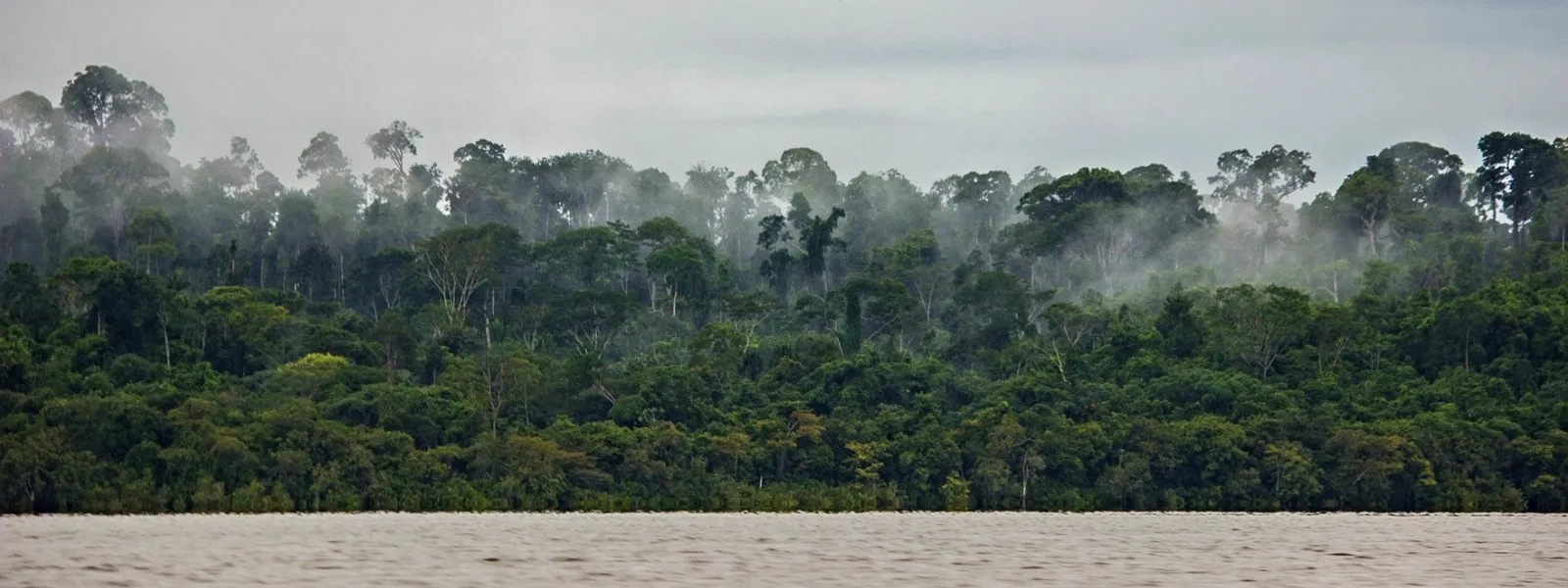
A usina hidrelétrica de Belo Monte causou um desastre ambiental e social no coração da Amazônia: um dos ecossistemas mais importantes do planeta.
Essa situação só piorou desde que a usina começou a operar em 2016. A busca por justiça e reparação para as comunidades indígenas e ribeirinhas afetadas continua até hoje.
Em 2011, a Comissão Interamericana de Direitos Humanos (CIDH) concedeu a essas comunidades medidas de proteção, que até hoje não foram totalmente implementadas pelo Estado brasileiro.
E, desde junho daquele mesmo ano, a CIDH mantém um processo contra o Estado por sua responsabilidade internacional no caso.
A CIDH pode encaminhar o caso à Corte Interamericana de Direitos Humanos, que tem o poder de emitir uma sentença condenatória contra o Estado brasileiro.
Consulta o expediente de fatos do caso
Após 10 anos de operação da usina hidrelétrica e mais de 15 anos de violações de direitos humanos documentadas, é hora da justiça ser feita para as comunidades afetadas.
Leia a carta aberta das organizações que levam o caso à CIDH
Leia nosso comunicado à imprensa
Contexto
A usina hidrelétrica de Belo Monte — a quarta maior do mundo em capacidade instalada (11.233 MW) — foi construída no rio Xingu, no estado do Pará, norte do Brasil.
Foi inaugurada em 5 de maio de 2016, com uma única turbina. Naquela época, 80% do curso do rio foi desviado e 516 km² de terra foram inundados, uma área maior que a cidade de Chicago. Desse total, 400 km² eram de mata nativa. A usina começou a operar em plena capacidade em novembro de 2019.
Belo Monte foi construída e é operada pelo consórcio Norte Energia S.A., composto principalmente por empresas estatais. Foi financiada pelo Banco Nacional de Desenvolvimento Econômico e Social (BNDES), que aportou ao consórcio 25,4 bilhões de reais (aproximadamente US$ 10,16 bilhões), o maior investimento de sua história. Portanto, o BNDES também é legalmente responsável pelos impactos socioambientais associados ao projeto hidrelétrico.
Décadas de danos ambientais e humanos
As violações dos direitos humanos e a degradação da Amazônia remontam ao início do projeto. Em março de 2011, a Norte Energia iniciou a construção da barragem sem consulta adequada e sem o consentimento prévio, livre e informado das comunidades afetadas.
A construção levou ao deslocamento forçado de mais de 40.000 pessoas, rompendo laços sociais e culturais. O plano de reassentamento em Altamira — cidade diretamente afetada pelo projeto hidrelétrico — incluía moradias na periferia da cidade, sem serviços públicos adequados, moradias dignas para as famílias reassentadas e moradias diferenciadas para aqueles pertencentes a comunidades indígenas.
A operação da barragem de Belo Monte impôs uma seca permanente e artificial na Volta Grande do rio Xingu, agravada pelas secas históricas na Amazônia em 2023 e 2024. Como resultado, a morte de milhões de ovos de peixe foi documentada por quatro anos consecutivos (de 2021 a 2024) e, nos últimos três anos, não houve migração de peixes rio acima para desovar e se reproduzir. Assim, a pesca artesanal, principal fonte de proteína para os povos indígenas e comunidades ribeirinhas, foi severamente afetada: o consumo de peixe caiu de 50% para 30% do total de proteínas consumidas, sendo substituído por alimentos processados. Em suma, houve um colapso ambiental e humanitário que resultou no colapso da pesca como modo de vida tradicional, insegurança alimentar e falta de acesso à água potável para milhares de famílias, empobrecimento e doenças.
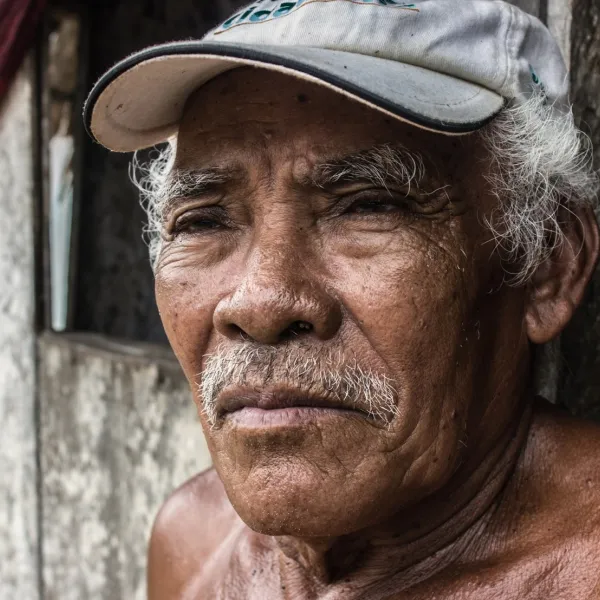
Além disso, a construção da barragem aumentou o desmatamento e intensificou a extração ilegal de madeira e a insegurança em terras indígenas e tribais, colocando em risco a sobrevivência dessas comunidades. Outra consequência foi o agravamento da pobreza e dos conflitos sociais, bem como a sobrecarga dos sistemas de saúde, educação e segurança pública em Altamira, cidade considerada a mais violenta do país em 2017, onde houve aumento do tráfico de pessoas e da violência sexual. Também foram registrados casos de violência contra defensores de direitos humanos envolvidos no caso.
Em 2025, durante a 30ª Conferência das Nações Unidas sobre Mudanças Climáticas (COP30), realizada no Brasil, o Ministério Público Federal classificou os danos causados por Belo Monte como ecocídio.
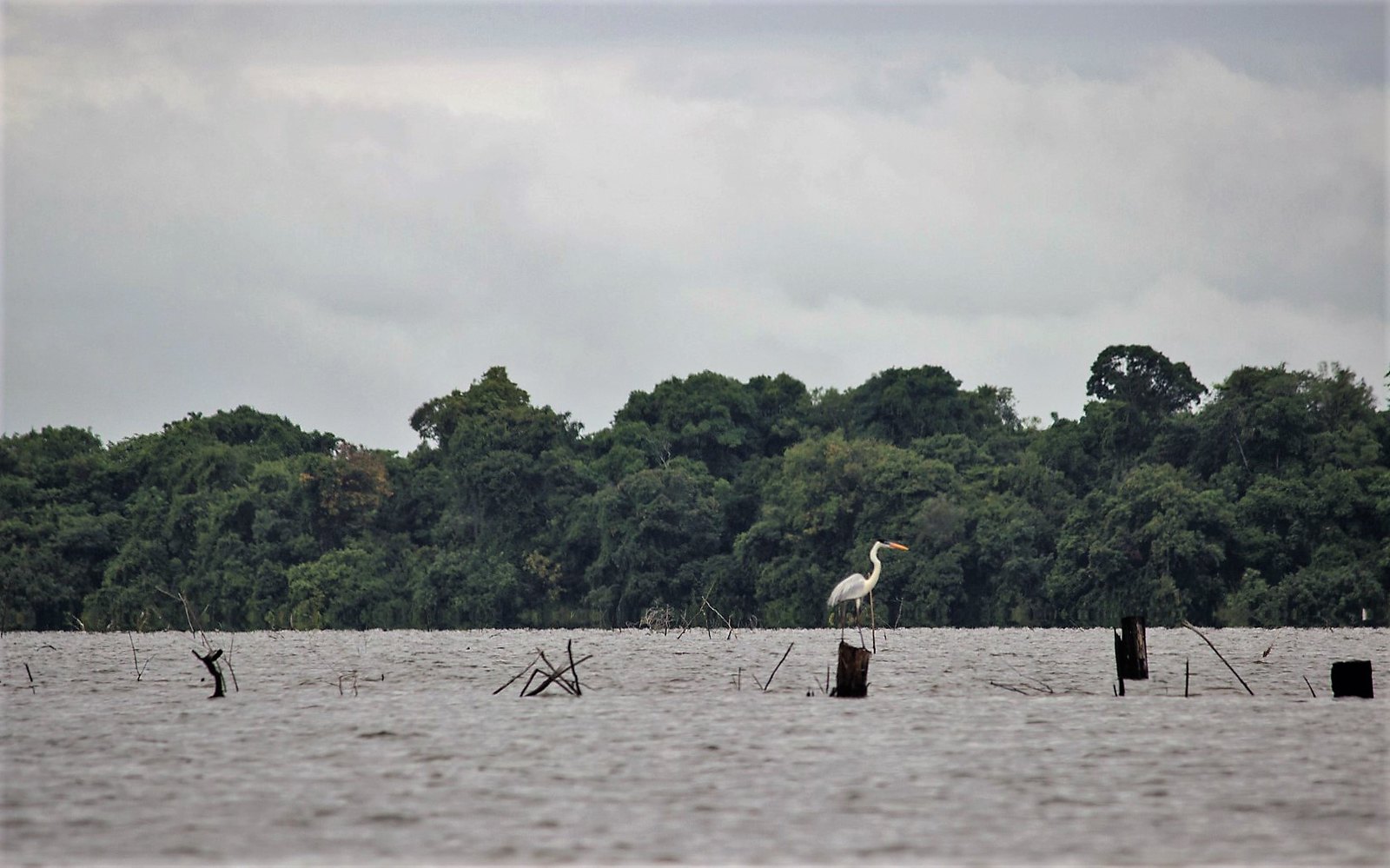
Foto: Amazon Watch / Maíra Irigaray.
A busca por justiça e reparação
Ao longo dos anos, o Ministério Público Federal do Pará, a Defensoria Pública e organizações da sociedade civil impetraram dezenas de ações judiciais em tribunais brasileiros para contestar as diversas irregularidades do projeto, bem como seus impactos. A maioria das ações permanece sem solução, algumas há mais de 10 anos.
Essas ações não obtiveram sucesso porque o governo federal tem reiteradamente anulado decisões favoráveis às comunidades afetadas, recorrendo a um mecanismo pelo qual o presidente do Supremo Tribunal Federal pode suspender uma decisão judicial com base unicamente em argumentos genéricos como "interesse nacional" ou "ordem econômica".
Diante da falta de respostas eficazes em nível nacional, a AIDA — juntamente com uma coalizão de organizações aliadas — levou o caso à Comissão Interamericana de Direitos Humanos (CIDH) e, em 2010, solicitou medidas cautelares para proteger a vida, a integridade e a saúde das comunidades indígenas afetadas.
Em 1º de abril de 2011, a CIDH concedeu essas medidas e solicitou ao Estado brasileiro a suspensão das licenças ambientais e de quaisquer obras de construção até que as condições relativas à consulta prévia e à proteção da saúde e integridade das comunidades fossem atendidas.
E, em 16 de junho de 2011, apresentamos uma denúncia formal à CIDH — juntamente com o Movimento Xingu Vivo Para Siempre, a Coordenação das Organizações Indígenas da Amazônia Brasileira, a Diocese de Altamira, o Conselho Missionário Indígena, a Sociedade Pará de Defesa dos Direitos Humanos e a Global Justice — contra o Estado brasileiro por sua responsabilidade internacional nas violações de direitos humanos contra os povos afetados neste caso. A denúncia foi apresentada em dezembro de 2015.
Em 3 de agosto de 2011, a CIDH modificou as medidas cautelares para solicitar — em vez da suspensão de licenças e obras — a proteção dos povos que vivem em isolamento voluntário, a saúde das comunidades indígenas e a regularização e proteção das terras ancestrais.
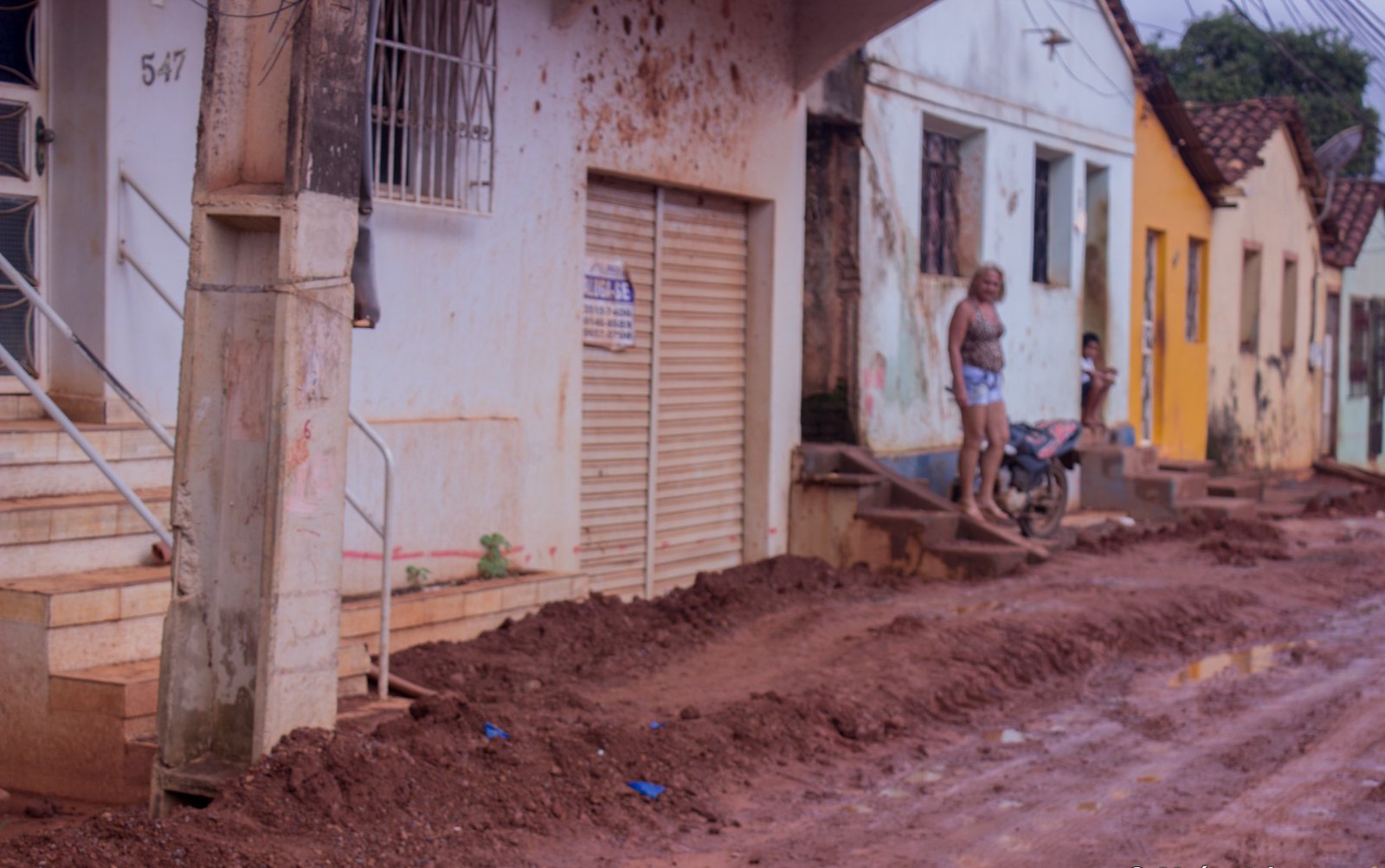
Foto: Amazon Watch / Maíra Irigaray.
Situação atual
As medidas de proteção concedidas pela CIDH permanecem em vigor, mas o Estado brasileiro não as cumpriu integralmente, relatando apenas ações genéricas. As comunidades documentaram as contínuas violações de seus direitos. A situação que motivou o pedido dessas medidas — o risco à vida, à segurança e aos meios de subsistência das comunidades — persiste e se agravou com a usina hidrelétrica operando em plena capacidade e com as recentes secas extremas na Amazônia.
Além do ocorrido em Belo Monte, existe o risco de maiores danos sociais e ambientais decorrentes da implementação de outro megaprojeto de mineração na Volta Grande do Xingu. Lá, a empresa canadense Belo Sun pretende construir a maior mina de ouro a céu aberto do Brasil.
Os impactos sinérgicos e cumulativos da usina e da mina não foram avaliados. O Estado excluiu povos indígenas, comunidades ribeirinhas e comunidades camponesas do processo de licenciamento ambiental do projeto. Apesar disso, dos protestos indígenas e de outras irregularidades em torno do projeto, o governo do estado do Pará autorizou formalmente a mina em abril de 2026.
Belo Monte, assim como outras usinas hidrelétricas, agrava a emergência climática ao gerar emissões de gases de efeito estufa em seu reservatório. Além disso, é ineficiente diante das secas prolongadas e intensas causadas pela crise, pois perde capacidade de geração de energia.
O caso perante a Comissão Interamericana
Em outubro de 2017, a CIDH anunciou que decidiria conjuntamente sobre a admissibilidade (se o caso preenche os requisitos para admissão) e o mérito (se houve, de fato, violação de direitos humanos) da denúncia internacional contra o Estado brasileiro.
Quinze anos após a apresentação da denúncia, as comunidades afetadas e as organizações que as representam ainda aguardam essa decisão. Caso a CIDH conclua que houve violações de direitos humanos e emita recomendações que o Estado brasileiro não cumpra, poderá encaminhar o caso à Corte Interamericana de Direitos Humanos, cujas decisões são vinculativas.
Uma possível decisão da Corte Internacional de Direitos Humanos neste caso estabeleceria um precedente jurídico regional em relação aos direitos dos povos indígenas e ribeirinhos, à participação pública em megaprojetos e à responsabilidade do Estado no contexto da crise climática. Isso é particularmente relevante à luz do Parecer Consultivo nº 32 da Corte, que reafirmou as obrigações dos Estados de proteger pessoas e comunidades em todo o continente da emergência climática.
Partners:
Related projects
Can COP19 move the Green Climate Fund closer to reality?
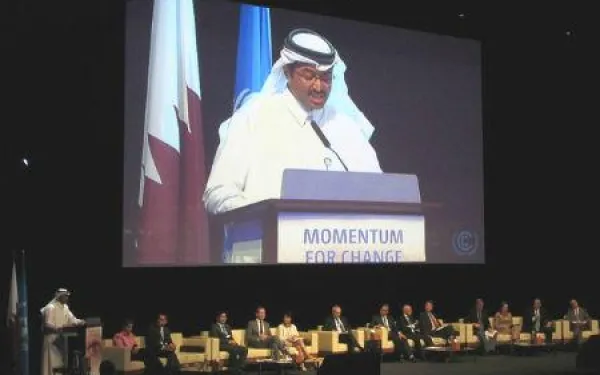
By Andrea Rodríguez, AIDA's legal advisor, and Marcus Pearson, AIDA's volunteer (article published in Respond/RTCC Magazine) The Green Climate Fund was created as an effective response to the impacts of climate change by channeling financial resources from developed to developing countries. Will this happen? The Conference of the Parties in November will provide an opportunity for developing countries to lobby for significant financial commitments from the developed world to ensure the long-term viability of the GCF. The Green Climate Fund (GCF) was created in 2010 at the 16th Conference of the Parties (COP16) to the United Nations Framework Convention on Climate Change (UNFCCC). Its mission is to channel public and private financial resources to developing countries to help them mitigate and adapt to the impacts of climate change through low-emission and climate-resilient programs. But nearly four years later, the GCF has yet to disburse any funds. The GCF board has held four meetings with only limited results. At the first meeting in Geneva in August 2012, the board selected two interim co-chairs: Mr. Zaheer Fakir of South Africa and Mr. Ewen McDonald of Australia. It also formed committees, designated the World Bank as Interim Trustee, and agreed to invite observer organizations to participate, albeit in a restricted capacity. A lack of consensus stalled decisions at the October 2012 meeting in South Korea, where the only notable motion was making Songdo, South Korea the GCF’s headquarters. More advances came at the February 2013 meeting in Berlin. The board adopted procedural rules to govern its actions, regulate board member selection and define the participation and role of civil society observers. This laid the groundwork for the GCF to carry out its mission. At the June 2013 meeting in South Korea, the board then discussed the GCF’s business model framework (BMF) and the policies, guidelines and organizational structures needed to commence operations. The board also chose the governance structure of the private sector facility (PSF) [i] and appointed Ms. Hela Cheikhrouhou of Tunisia as executive director of the GCF Secretariat. The fifth meeting in Paris could address the many outstanding issues still needed to bring the GCF into effective operation. To do so, the Board must overcome its perceived ineffectiveness. Civil society concerns Civil society organizations (CSOs) are concerned about the GCF’s decision-making process and future. Perhaps the greatest issue is the uncertainty of funding. The GCF board has started to identify project areas and define criteria to allocate resources, but developed countries have yet to pledge meaningful funds. Concrete commitments are essential to ensuring the availability of predictable resources needed to achieve long-term results to mitigate and protect against the impacts of climate change. CSOs also fear that a lack of transparency and accountability will hamstring the GCF. Transparency does not seem to be a priority for the board. For example, the board has decided against webcasting its meetings even though the UNFCCC commonly does so, helping to cut costs and carbon emissions associated with travel. If the GCF already broadcasts meetings to observers in an overflow room, why not webcast? CSOs fear the board does not want to make its meetings open to the public. Lack of public accountability remains a concern particularly because of the small opportunity given to civil society to participate in the decision- making process. The GCF will mobilize financial resources from both public and private sectors, and civil society oversight is needed to ensure that policies do not respond to the investment interests of the private sector but to the needs of the most vulnerable. Moreover, the board is not granting CSOs meaningful opportunities for participation. The GCF publishes documents before meetings without sufficient time for many CSOs to review and comment on proposals[ii]. Meanwhile, only two CSO representatives may actively participate at board meetings in person and even so may not be allowed to talk or approach board members[iii]. These practices call into question the GCF’s legitimacy. Globally, CSOs play a vital role in developing climate change policy by informing decision makers about local issues and needs, and by providing examples of best practices for resource allocation. Given that the GCF stresses accountability in its mandate, CSOs should have access to government representatives and information in open and transparent meetings. COP19: An opportunity for the GCF? The COP19 this November in Warsaw will show the world whether the GCF can become an effective engine for climate change funding in developing countries. At this conference, developing countries must seek firm financial commitments for climate adaptation and mitigation. Only guaranteed funding will enable the board to make effective decisions regarding resource distribution or provide developing nations with a clear picture of how much funding is available. The GCF Board must also seek -- and receive -- guidance because many COP attendees will benefit from GCF resources. Countries can use the COP to provide advice on GCF policies, share their priority needs for funding, and recommend criteria to guarantee access to resources. The COP will also give CSO representatives a chance to raise questions and highlight counterproductive practices. Conclusions The COP presents a prime opportunity for developed nations to commit to the GCF’s stated goals and pledge desperately needed financing. Parties and CSOs must use the COP – GCF’s monitoring body – as a tool to improve GCF accountability, inclusivity and transparency so that the GCF can truly work to benefit vulnerable populations in developing countries. The COP should be a benchmark for advancing the GCF rather than just another event for developed countries to congratulate themselves on timorous steps forward. [i] The PSF will enable the GCF to directly and indirectly finance private sector mitigation and adaptation activities at the national, regional and international level. [ii] For the June meeting in South Korea, documents were published less than two weeks before the meeting, rather than 21 days as outlined in the additional rules of procedure decision taken in Berlin. [iii] As was the case on the last day of the meeting in Songdo.
Read more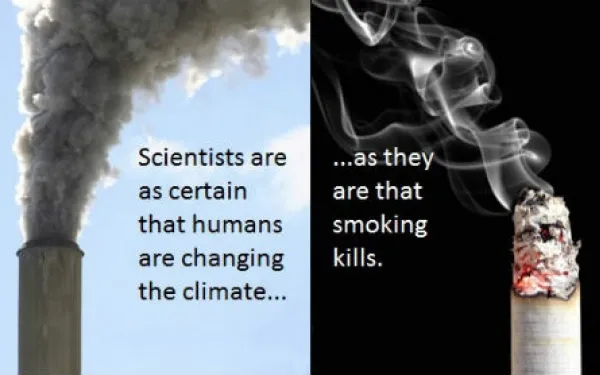
Climate change is real and will have a serious impact on human rights
By Héctor Herrera, AIDA legal advisor and coordinator of the Colombian Environmental Justice Network, @RJAColombia The impact of human-induced global climate change is already being felt, and going forward it will have a profound effect on the global population. Many people already believe the phenomenon exists, and they know about its likely impacts. But many others ignore the problem or deny it. In fact, the Climate Name Change initiative has compiled a list of policymakers who still deny climate change in the United States, a country with the greatest emissions of greenhouse gases in the Western Hemisphere. Watch the video Climate Name Change. Source: YouTube New and compelling evidence of climate change was published this year in the first part of the fifth report by the Intergovernmental Panel on Climate Change (IPCC), which was commissioned by the governments of 195 countries and with input from over 800 international scientists. The most recent IPCC report found that: · The warming of the climate system is ‘unequivocal,’ · The odds that humans are the principal cause of climate change are at least 95%, · The Earth’s average surface temperature rose 0.85ºC between the years 1880 and 2012, · The Earth’s sea level rose 0.19 meters between 1901 and 2010, · Average global temperatures could rise between 1.5ºC and 4.5ºC by the year 2100, and · Sea levels could rise between 26 and 82 centimeters by 2100. There is scientific unanimity on climate change, and it will have a negative impact on human rights. It is worth noting that in 2008 the General Assembly of the Organization of American States (OAS) requested the Inter-American Commission on Human Rights (IACHR) to investigate the link between climate change and human rights. Within this framework, AIDA published the report “A Human Crisis: Climate Change and Human Rights in Latin America,” which explains how the impact of global warming affects people’s ability to exercise their basic human rights in Latin America. It concludes that the IACHR should recognize the negative impacts of climate change on human rights and make recommendations to the OAS member states to fulfill their obligations to protect and guarantee human rights as global warming becomes more pronounced. The report mentions that the harmful effects of global warming include the loss of resources such as clean water as well as more extreme floods and storms, rising sea levels, more intense forest fires and droughts, and an increase in the spread of heat- and vector-borne diseases. These impacts, the document states, will have a profound effect on fundamental human rights such as the rights to a healthy environment, food, water, housing and a dignified life. AIDA says that in the face of such a scenario it is important to recognize that some communities are more vulnerable than others because they suffer from poverty or discrimination. The responsibility to take care of these communities is shared between different governments to varying degrees, which is to say that more responsibility falls on the states that have historically polluted the most. In sum, the report recommends that governments and other relevant bodies including intergovernmental organizations and international financial institutions adopt and promote measures to prevent human rights violations brought about by climate change. Althoughthese actions are executed on an institutional level, there are still many things we can do on a personal level. We can become informed of the problem, learn how to mitigate the effects of climate change and reduce greenhouse gas emissions, and apply these principles to our everyday lives. For example, you can ride a bike, reduce your electricity consumption or lessen your red meat intake. In short, the scientific community is certain that human-induced climate change is a reality. As AIDA notes in its report, the impact of global warming will seriously affect human rights in Latin America and around the globe. Now is the time to act! To learn more, visit the section on climate change on AIDA’s website.
Read more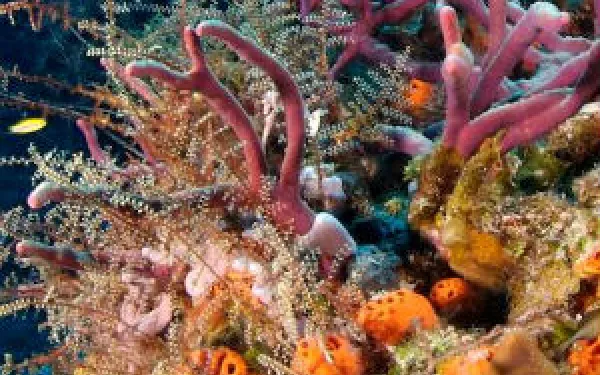
The International Coral Reef Initiative and the role of AIDA
By Sandra Moguel, legal advisor, AIDA, @sandra_moguel Made up of government representatives, scientists and civil society members, the International Coral Reef Initiative (ICRI) meets annually to discuss and make decisions on priority issues regarding the protection of international coral reefs. This year the meeting was held in Belize from October 14 to 17, hosted by ICRI Secretariat co-chairs Australia and Belize. The ICRI describes itself as an informal partnership between nations and organizations. It was created out of concern for the degradation of coral reefs, mainly as a consequence of human activities including land pollution, anchoring and more. Its objectives are to: 1) Encourage the adoption of best practices in the sustainable management of coral reefs and associated ecosystems; 2) Build capacity; and 3) Raise awareness at all levels on the plight of coral reefs around the world. Although ICRI decisions are not binding among members, they have been crucial in highlighting the important role of coral reefs and similar ecosystems in guaranteeing environmental sustainability, food security and social and cultural welfare. In its own documents, the United Nations has recognized the work and cooperation efforts of the ICRI in the international area. Much of AIDA’s work runs in parallel with the ICRI’s efforts. AIDA’s Marine Biopersity and Coastal Protection Program aims to ensure that Latin American coral reefs are legally protected and managed in a way that safeguards their biological integrity. This was reason enough for us to apply for ICRI membership so we could take part in this platform for dialogue. By participating in Belize, AIDA sought to identify opportunities to expand our work in high-priority countries and islands in the Americas. We also think it is important that the ICRI should take into account our expertise in international law and our partnerships with participating organizations. It is also key to apply a legal framework to the ICRI discussion, and there are some interesting ad hoc committees involved in the initiative that could explore this aspect. We are particularly interested in the economic value of coral reefs and similar ecosystems, a topic that also addresses the issue of compensation. Another interest is in the law enforcement committee that performs research on the assessment of the evidence and standardization of rules in different countries. Colombia, Costa Rica, Granada, Panama and the Marine Ecosystem Services Partnership (MESP) all attended the ICRI meeting in Belize as new members. Ricardo Gómez, Mexico’s representative to the ICRI, made a formal presentation of his paper entitled Regional Strategy for the Control of Invasive Lionfish in the Wider Caribbean[1]. In addition, the International Union for Conservation of Nature (IUCN) presented its paper Status and Trends of Caribbean Coral Reefs: 1970-2012, edited by Jeremy Jackson, Mary Donovan and others. The paper looks at the changing patterns in coral reefs such as overfishing, coastal pollution, global warming and invasive species. The analysis concludes that rising tourism and overfishing are the most apparent causes of coral decline over the past 40 years. Coastal pollution is undoubtedly increasing, but no specific data are available to properly estimate its effects. Global warming also is a threat, but its effect was found to be of limited importance for now in the study. As a result of the study, the delegates approved a motion to ban fish traps, spearfishing and parrotfish fishing throughout the wider Caribbean and its adjacent ecosystems, and provide economic alternatives for affected fishermen. It also prompted a proposal to increase co-management agreements between government and civil society. At the meeting the delegates also discussed a simplification and standardization for monitoring the reefs and to make the results available in a database to facilitate adaptive management. It would be accompanied by a data exchange for local managers to benefit from others’ experiences. At the closing of the event, the delegates revised the ICRI Action Plan and held a ceremony to transfer the Secretariat responsibilities to Japan and possibly Thailand, which will be in charge of the administration of the ICRI in 2014. I really enjoyed working with my colleague and friend Haydée Rodríguez, another legal advisor at AIDA, who I talk with on a daily basis even though we live in different countries. I very much enjoyed discussing the scientific and management aspects of the coral reefs with experts in the protected marine environments of different countries. Although faced with similar problems, they resolve them in different ways because the same solutions cannot always be replicated in different contexts. In my point of view, the biggest challenge the ICRI faces is financing its platform. I also think it’s important to invite new members to encourage a greater representation from the government, scientific and civil society communities. [1] ReadEl Pez León y la necesidad de combatir especies invasoras(in Spanish, 20-noviembre-2012).
Read more