

Project
Amazon Watch / Maíra Irigaray
Barragem de Belo Monte no rio Xingu: 10 anos de impactos na Amazônia e de busca por reparações
A usina hidrelétrica de Belo Monte causou um desastre ambiental e social no coração da Amazônia: um dos ecossistemas mais importantes do planeta.
Essa situação só piorou desde que a usina começou a operar em 2016. A busca por justiça e reparação para as comunidades indígenas e ribeirinhas afetadas continua até hoje.
Em 2011, a Comissão Interamericana de Direitos Humanos (CIDH) concedeu a essas comunidades medidas de proteção, que até hoje não foram totalmente implementadas pelo Estado brasileiro.
E, desde junho daquele mesmo ano, a CIDH mantém um processo contra o Estado por sua responsabilidade internacional no caso.
A CIDH pode encaminhar o caso à Corte Interamericana de Direitos Humanos, que tem o poder de emitir uma sentença condenatória contra o Estado brasileiro.
Consulta o expediente de fatos do caso
Após 10 anos de operação da usina hidrelétrica e mais de 15 anos de violações de direitos humanos documentadas, é hora da justiça ser feita para as comunidades afetadas.
Leia a carta aberta das organizações que levam o caso à CIDH
Leia nosso comunicado à imprensa
Contexto
A usina hidrelétrica de Belo Monte — a quarta maior do mundo em capacidade instalada (11.233 MW) — foi construída no rio Xingu, no estado do Pará, norte do Brasil.
Foi inaugurada em 5 de maio de 2016, com uma única turbina. Naquela época, 80% do curso do rio foi desviado e 516 km² de terra foram inundados, uma área maior que a cidade de Chicago. Desse total, 400 km² eram de mata nativa. A usina começou a operar em plena capacidade em novembro de 2019.
Belo Monte foi construída e é operada pelo consórcio Norte Energia S.A., composto principalmente por empresas estatais. Foi financiada pelo Banco Nacional de Desenvolvimento Econômico e Social (BNDES), que aportou ao consórcio 25,4 bilhões de reais (aproximadamente US$ 10,16 bilhões), o maior investimento de sua história. Portanto, o BNDES também é legalmente responsável pelos impactos socioambientais associados ao projeto hidrelétrico.
Décadas de danos ambientais e humanos
As violações dos direitos humanos e a degradação da Amazônia remontam ao início do projeto. Em março de 2011, a Norte Energia iniciou a construção da barragem sem consulta adequada e sem o consentimento prévio, livre e informado das comunidades afetadas.
A construção levou ao deslocamento forçado de mais de 40.000 pessoas, rompendo laços sociais e culturais. O plano de reassentamento em Altamira — cidade diretamente afetada pelo projeto hidrelétrico — incluía moradias na periferia da cidade, sem serviços públicos adequados, moradias dignas para as famílias reassentadas e moradias diferenciadas para aqueles pertencentes a comunidades indígenas.
A operação da barragem de Belo Monte impôs uma seca permanente e artificial na Volta Grande do rio Xingu, agravada pelas secas históricas na Amazônia em 2023 e 2024. Como resultado, a morte de milhões de ovos de peixe foi documentada por quatro anos consecutivos (de 2021 a 2024) e, nos últimos três anos, não houve migração de peixes rio acima para desovar e se reproduzir. Assim, a pesca artesanal, principal fonte de proteína para os povos indígenas e comunidades ribeirinhas, foi severamente afetada: o consumo de peixe caiu de 50% para 30% do total de proteínas consumidas, sendo substituído por alimentos processados. Em suma, houve um colapso ambiental e humanitário que resultou no colapso da pesca como modo de vida tradicional, insegurança alimentar e falta de acesso à água potável para milhares de famílias, empobrecimento e doenças.
Além disso, a construção da barragem aumentou o desmatamento e intensificou a extração ilegal de madeira e a insegurança em terras indígenas e tribais, colocando em risco a sobrevivência dessas comunidades. Outra consequência foi o agravamento da pobreza e dos conflitos sociais, bem como a sobrecarga dos sistemas de saúde, educação e segurança pública em Altamira, cidade considerada a mais violenta do país em 2017, onde houve aumento do tráfico de pessoas e da violência sexual. Também foram registrados casos de violência contra defensores de direitos humanos envolvidos no caso.
Em 2025, durante a 30ª Conferência das Nações Unidas sobre Mudanças Climáticas (COP30), realizada no Brasil, o Ministério Público Federal classificou os danos causados por Belo Monte como ecocídio.
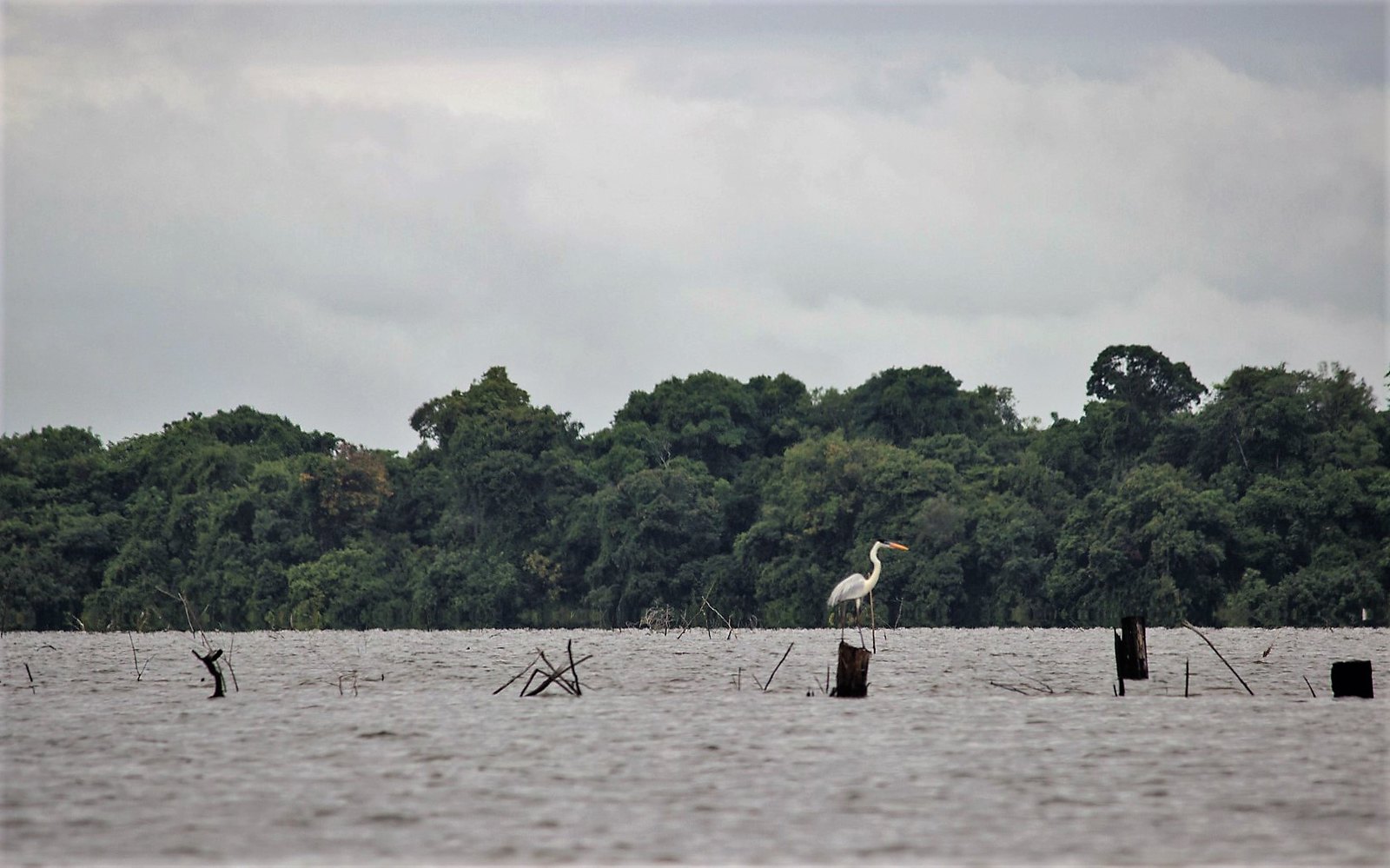
Foto: Amazon Watch / Maíra Irigaray.
A busca por justiça e reparação
Ao longo dos anos, o Ministério Público Federal do Pará, a Defensoria Pública e organizações da sociedade civil impetraram dezenas de ações judiciais em tribunais brasileiros para contestar as diversas irregularidades do projeto, bem como seus impactos. A maioria das ações permanece sem solução, algumas há mais de 10 anos.
Essas ações não obtiveram sucesso porque o governo federal tem reiteradamente anulado decisões favoráveis às comunidades afetadas, recorrendo a um mecanismo pelo qual o presidente do Supremo Tribunal Federal pode suspender uma decisão judicial com base unicamente em argumentos genéricos como "interesse nacional" ou "ordem econômica".
Diante da falta de respostas eficazes em nível nacional, a AIDA — juntamente com uma coalizão de organizações aliadas — levou o caso à Comissão Interamericana de Direitos Humanos (CIDH) e, em 2010, solicitou medidas cautelares para proteger a vida, a integridade e a saúde das comunidades indígenas afetadas.
Em 1º de abril de 2011, a CIDH concedeu essas medidas e solicitou ao Estado brasileiro a suspensão das licenças ambientais e de quaisquer obras de construção até que as condições relativas à consulta prévia e à proteção da saúde e integridade das comunidades fossem atendidas.
E, em 16 de junho de 2011, apresentamos uma denúncia formal à CIDH — juntamente com o Movimento Xingu Vivo Para Siempre, a Coordenação das Organizações Indígenas da Amazônia Brasileira, a Diocese de Altamira, o Conselho Missionário Indígena, a Sociedade Pará de Defesa dos Direitos Humanos e a Global Justice — contra o Estado brasileiro por sua responsabilidade internacional nas violações de direitos humanos contra os povos afetados neste caso. A denúncia foi apresentada em dezembro de 2015.
Em 3 de agosto de 2011, a CIDH modificou as medidas cautelares para solicitar — em vez da suspensão de licenças e obras — a proteção dos povos que vivem em isolamento voluntário, a saúde das comunidades indígenas e a regularização e proteção das terras ancestrais.
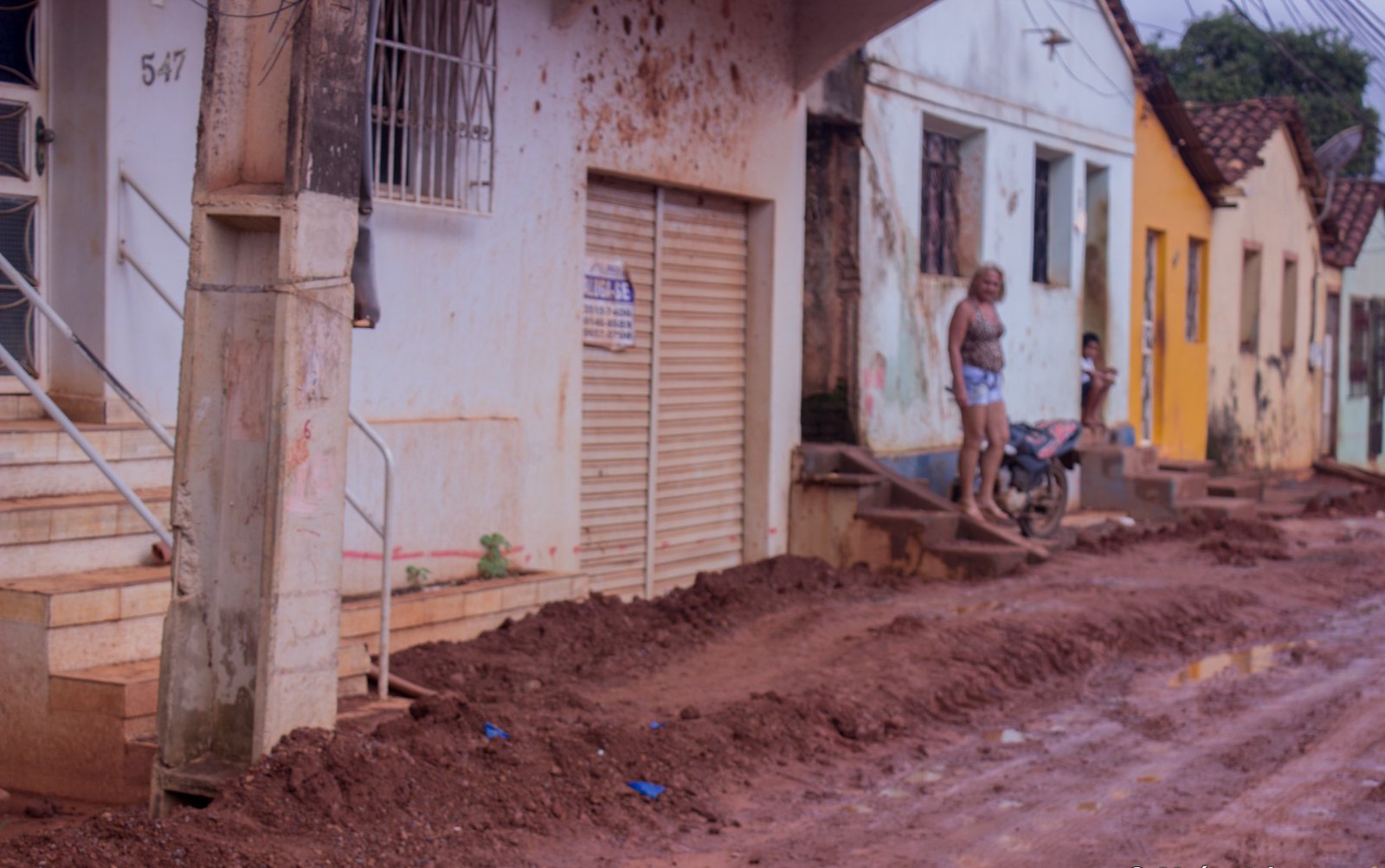
Foto: Amazon Watch / Maíra Irigaray.
Situação atual
As medidas de proteção concedidas pela CIDH permanecem em vigor, mas o Estado brasileiro não as cumpriu integralmente, relatando apenas ações genéricas. As comunidades documentaram as contínuas violações de seus direitos. A situação que motivou o pedido dessas medidas — o risco à vida, à segurança e aos meios de subsistência das comunidades — persiste e se agravou com a usina hidrelétrica operando em plena capacidade e com as recentes secas extremas na Amazônia.
Além do ocorrido em Belo Monte, existe o risco de maiores danos sociais e ambientais decorrentes da implementação de outro megaprojeto de mineração na Volta Grande do Xingu. Lá, a empresa canadense Belo Sun pretende construir a maior mina de ouro a céu aberto do Brasil.
Os impactos sinérgicos e cumulativos da usina e da mina não foram avaliados. O Estado excluiu povos indígenas, comunidades ribeirinhas e comunidades camponesas do processo de licenciamento ambiental do projeto. Apesar disso, dos protestos indígenas e de outras irregularidades em torno do projeto, o governo do estado do Pará autorizou formalmente a mina em abril de 2026.
Belo Monte, assim como outras usinas hidrelétricas, agrava a emergência climática ao gerar emissões de gases de efeito estufa em seu reservatório. Além disso, é ineficiente diante das secas prolongadas e intensas causadas pela crise, pois perde capacidade de geração de energia.
O caso perante a Comissão Interamericana
Em outubro de 2017, a CIDH anunciou que decidiria conjuntamente sobre a admissibilidade (se o caso preenche os requisitos para admissão) e o mérito (se houve, de fato, violação de direitos humanos) da denúncia internacional contra o Estado brasileiro.
Quinze anos após a apresentação da denúncia, as comunidades afetadas e as organizações que as representam ainda aguardam essa decisão. Caso a CIDH conclua que houve violações de direitos humanos e emita recomendações que o Estado brasileiro não cumpra, poderá encaminhar o caso à Corte Interamericana de Direitos Humanos, cujas decisões são vinculativas.
Uma possível decisão da Corte Internacional de Direitos Humanos neste caso estabeleceria um precedente jurídico regional em relação aos direitos dos povos indígenas e ribeirinhos, à participação pública em megaprojetos e à responsabilidade do Estado no contexto da crise climática. Isso é particularmente relevante à luz do Parecer Consultivo nº 32 da Corte, que reafirmou as obrigações dos Estados de proteger pessoas e comunidades em todo o continente da emergência climática.
Partners:
Related projects
Green financing: Sources, preparation and the allocation of resources
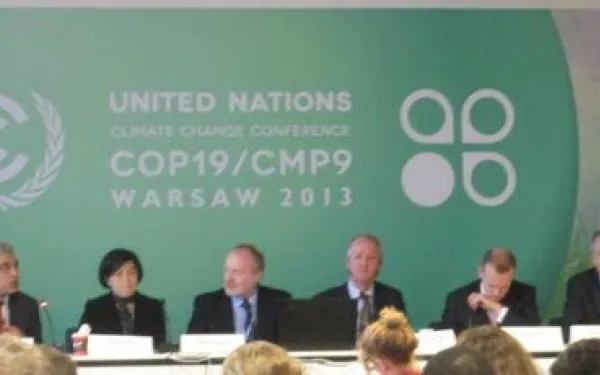
By Andrea Rodríguez, legal advisor, AIDA,@arodriguezosuna, and Mónica Valtierra, AIDA volunteer Warsaw, Poland. The financing needed to fight climate change was a key issue at the side events of the Warsaw Climate Change Conference (COP19). Discussions dug deep into the issues of the sourcing of funds, the preparation to secure financing and how to turn financial support into real solutions. persifying the financial resources of the Green Climate Fund (GCF) The World Business Council for Sustainable Development (WBCSD) and the Climate Markets and Investment Association (CMIA) organized an event to discuss the theme of financial persification and the tools necessary to mobilize GCF funds. Giles Dickson, vice president of environmental policies and global advocacy at the multinational energy and transport conglomerate Alstom, said that for the private sector to provide capital, the GCF needs mechanisms for providing incentives and a framework for making investments through loans. It is important to break the myth that the private sector will use public resources to its own benefit, given that the true intention is to contribute to financial instruments in which the public sector is involved, he said. Jeanne Ng, director of environmental affairs at Hong Kong-based electric company CLP Group, said the private sector already has financed renewable energy projects without public resources. For this reason, she said it is important for the GCF to take into account these efforts and include them within its objectives, and also to make sure that public resources don’t go to projects that already are getting financing. Talking about the inclusion of the private sector in funding GCF investments, Ng said the Fund needs the help of private institutions to market low-carbon products. Vikram Widge, head of climate finance and policy at the International Finance Corp. (IFC), the private sector arm of the World Bank, said the GCF must play a participative role in capitalizing financial resources and generating profits. The financial instruments must guarantee the stability of private resources and the development of countries, he said. Alstom’s Dickson said private sector participation could come through three channels: in projects on the local and municipal level, in promoting new technologies and through the development of projects supported by private companies. This will only happen if governments put in place economic policies that guarantee positive results, he said. Readiness support The question of readiness support was the focus of discussion at another side event called Rolling up the sleeves for the Green Climate Fund: Expectations and experience from building GCF readiness, where representatives from different countries expressed their views: South Africa. Zaheer Fakir, chief policy advisor at South Africa’s Department of Environmental Affairs, said it is important to have a leader country to run the Fund’s projects, some of which are designed for specific environmental problems. There are solutions that cannot be replicated in each country because they rely on the institutional capacity of each country, he said. It’s not just about giving money to national entities. This is because there are concerns of money-laundering and also because some entities already have direct access to financial resources. The funding must go to projects that have the potential for transformation and for which the end goal should not be exclusively limited to the reduction of greenhouse gas emissions, he added. On the same topic, Richard Calland, an associate professor of public law at the University of Cape Town, presented a study on the preparation capacity of each country. It mentioned three indispensible prerequisites: the country must be relative, responsive and reasonable. In identifying the local difficulties in terms of planning, he proposed that each country form financial partnerships with research institutions. This is not about the ability to deploy financial resources, but rather to use the maximum capacity possible, he said. Lastly, on the subject of access of financial resources, he called on people to consider the possible modalities, fiduciary standards and safeguards. Germany. Norbert Gorben mentioned that Germany is considering the possibility next year of participating in the GCF and contributing to it 14 billion Euros through bilateral schemes and multilateral organizations. He said the Fund’s board should ask the GCF Secretariat to begin action on implementing programs and mobilizing resources as soon as possible. Ina von Frantzius, a policy advisor on climate policy and financing at the Federal Ministry for Economic Cooperation and Development, said Germany wants to offer specific help to each country that needs it. Peru. Gabriel Quijandria, vice minister of the strategic development of natural resources at the Ministry of the Environment, said that together with the Ministry of Finance he is working on a program to modernize the state. The two ministries have discussed establishing a national body charged with implementing and managing the country’s funds once the GCF starts to operate. The preparation for the program, he said, was not an easy concept to fathom, but one that requires the right attitude. In order to define the program, it is necessary to understand and pay attention to the perspective of poor communities, he said. As an example, he cited farmers who take out international insurance against the effects of climate phenomena such as El Niño. The allocation of resources The financing of projects by the Global South to countries in the Global South is a growing trend in the developing world. In most cases, the resources come from the private sector in these countries and are funneled to projects related to public policy. This issue was addressed at another side event at the COP19 in Warsaw called Developing Countries in the Driving Seat for Accelerating Green Finance. On this topic, Monique Barbut, head of the United Nations Convention to Combat Desertification (UNCCD), said the priority is to know exactly where the money goes. Some 60% of the financial resources for climate projects come from the private sector, with a large part of this money going toward renewable energy projects. This is not yet enough to combat climate change. Approximately 48% of government funds are allocated to adaptation projects related to sustainable use of the land, she said. On the importance of resource allocation, she clarified that this depends on the generation of social benefits. Funding sustainability projects can lead to less migration, poverty and insecurity for vulnerable communities, she explained. Zaheer Fakir, the representative of the South African government, also spoke about leadership. In his opinion, countries in the Global South are more interested in doing more to combat climate change than the countries in the Global North, and so they are more open to the idea of offering their money to help. “We cannot sit and wait for the multilateral process to be agreed upon” because it is now when countries are suffering extreme poverty, unemployment, uneducated youth and other problems that impel us to go home and do something about it rather than wait around. “How can we improve the lives of our citizens at home?” asked Fakir. It is a question of “being green,” of involving communities, indigenous groups and all levels of society in green projects, he said. More than the source of funding , it is important that money is invested in the adequate technology for resolving climactic problems in a country, said Nick Beglinger, president of Zurich-based clean technology business association Swisscleantech. Businesses can make money while also helping the environment, he said. He added that it is also necessary to start innovating in green finance. He suggested reviewing the use of the public money in pension funds in order to reach the common goals of the government and society, because pensioners are the ideal investors for long-term plans. On this issue, there is not much difference between developed and developing countries, he said, adding that the pisions between the Global South and North should be eliminated in order for the financing mechanisms to function in an efficient way regardless of the origin of the funds.
Read more
Climate change funding: Needs and expectations
By Andrea Rodríguez, legal advisor, AIDA, @arodriguezosuna, and Mónica Valtierra, AIDA volunteer Warsaw, Poland. In the discussions about the financial resources needed to tackle climate change, the plenary session of the Conference of the Parties (COP 19) in Warsaw focused on three topics: long-term financing, a report by the Standing Committee on Finance, and another report of the Green Climate Fund (GCF) of the COP. Long-term financing The Philippines. The Philippine representative said long-term financing is crucialfor developing countries and that the outcome of the agreements reached in 2015 will depend on how far those countries are willing to go to see them through. He said: “There needs to be clarity on the specific amount [of resources required] and which projects will receive the finances. But until now the situation can only be described as disastrous.” Egypt. The Egyptian delegate, on behalf of an African group of nations, said: “The agreements will depend on the climate fund’s progress in realizing its goals, the ability of countries to keep the global temperature from rising at less than 2°C this century, and mobilizing US$100 billion. These are the urgent issues. European Union. The EU reaffirmed its commitment to mobilize climate change finances with the expectation that the Green Climate Fund will increase its funding in the area of adaptation. Malpes. The Malpes’ delegate spoke about the need to strike a balance between the funding granted for global warming mitigation and what is put toward climate change adaptation. It is an essential issue for developing countries, he said. Colombia. Colombia’s delegate called for continued efforts to secure climate change funding because up until now there has been very little action taken in this regard. The commitment of US$100 billion in funding for climate change mitigation and adaptation is another a pressing task, he added. The Standing Committee report The Philippines. The Standing Committee has a great deal of work to do, especially with regard to the issues of transparency and access to information, the delegate said on behalf of the G77. “We need to strengthen the mechanisms in place for monitoring, verification and reporting purposes before 2015,” and fully address the issue of additional financing, he said. Egypt. Along the same vein of the Philippines, this delegation emphasized the urgent need to provide support for the verification, monitoring and reporting mechanisms. Bolivia. The Bolivian delegate spoke about access to funds, which he said is “the cornerstone of addressing the impact of climate change.” It requires the support of all countries, he added. Green Climate Fund (GCF) report to the COP The co-chairs of the GCF said the organization must be ambitious and have ever-increasing efforts. They repeated earlier calls to strike a balance between the funds put toward mitigation and adaptation to climate change, and to mobilize financial resources before mid-2014. On this topic, the countries said the following: The Philippines. There are high expectations for the GCF, said the delegate. But three years after the COP meeting in Cancun, Mexico, it is time to start moving the money. Egypt. The mobilization of funds should be optimized as soon as possible and the Fund must concentrate on sustainable financing for climate change, this delegation said. India. According to this delegation, the agreements to be reached in 2015 depend on the climate funding that exists at that time. He reiterated the idea of finding an equilibrium between the resources for mitigation and adaptation of the Fund. Zambia. “Fifty percent of the funds should be put toward adaptation measures,” which will also support programs set up to reduce poverty in vulnerable groups, said the Zambian delegate. Malpes. On the importance of mobilizing financial resources promptly, this delegate called for the funds to be available before the COP 20 in Lima. Uganda. This delegate reminded the audience that climate change is not waiting for the mobilization of resources to begin.
Read moreAlmost 16,000 people urge Colombian President Santos to demarcate the Santurbán páramo
In a petition to the Presidency and the Ministry of Environment, thousands of people are calling on the government to define the boundaries of this fragile ecosystem at a scale of 1:25,000 as required by Colombian legislation. Bogota, Colombia—The Interamerican Association for Environmental Defense (AIDA) sent to Colombian President Juan Manuel Santos and his minister of environment and sustainable development, Luz Helena Sarmiento, the signatures of 15,901 individuals calling for the demarcation of the Santurbán páramo to be based on proper scientific criteria at a scale of 1:25,000. The Santurbán páramo, located in the Colombian departments of Santander and Norte de Santander, provides water to nearly two million people, mainly in the cities of Bucaramanga and Cúcuta. The signatures collected over Change.org, the world’s largest petition platform, follow a previous request (in Spanish) by AIDA and prestigious Colombian environmentalists for the government to properly define the borders of the páramo in compliance with national legislation and international standards. This would prevent harmful activities such as large-scale mining from irreversibly damaging this fragile high-altitude wetland ecosystem. Páramos are "water factories" that contain a unique biodiversity and help mitigate climate change. In Colombia, home to the greatest number of páramos in the world, delimitation of this ecosystem is required under national law. That makes this petition even more important because the delimitation of the rest of the country’s páramos could depend on the outcome of the Santurbán decision. The petition promoted by AIDA includes a letter to President Santos and Minister Sarmiento. In the letter, the signatories call on the minister to recognize the entire páramo (more than 82,000 hectares) in the definition of its borders, not just the fraction (11,000 hectares) declared as a Regional Natural Park. For this to happen, the petition calls on the government to apply the parameters already established by Colombian scientists and provides legal arguments to support this requirement. Together with the signatures, AIDA has included a document that analyzes the legal reasons why the government should fully delimit this area (Available in Spanish, here). “Heeding the call of the thousands of signatories in the hemisphere is urgently needed because the risk to the páramos from mining is imminent," said Astrid Puentes Riaño, AIDA co-executive director. "Delineating Santurbán to a scale other than the ratio of 1:25,000 prescribed by the National Development Plan goes against the law. If the minister delimits the moor at a less detailed scale, the decision could be challenged in court.” AIDA's action comes as the Committee for the Defense of Santurbán Páramo holds a protest to protect this valuable ecosystem on November 15 in Bucaramanga. The petition and letter can be read at Change.org.
Read more