
Project
Amazon Watch / Maíra Irigaray
Barragem de Belo Monte no rio Xingu: 10 anos de impactos na Amazônia e de busca por reparações
A usina hidrelétrica de Belo Monte causou um desastre ambiental e social no coração da Amazônia: um dos ecossistemas mais importantes do planeta.
Essa situação só piorou desde que a usina começou a operar em 2016. A busca por justiça e reparação para as comunidades indígenas e ribeirinhas afetadas continua até hoje.
Em 2011, a Comissão Interamericana de Direitos Humanos (CIDH) concedeu a essas comunidades medidas de proteção, que até hoje não foram totalmente implementadas pelo Estado brasileiro.
E, desde junho daquele mesmo ano, a CIDH mantém um processo contra o Estado por sua responsabilidade internacional no caso.
A CIDH pode encaminhar o caso à Corte Interamericana de Direitos Humanos, que tem o poder de emitir uma sentença condenatória contra o Estado brasileiro.
Consulta o expediente de fatos do caso
Após 10 anos de operação da usina hidrelétrica e mais de 15 anos de violações de direitos humanos documentadas, é hora da justiça ser feita para as comunidades afetadas.
Leia a carta aberta das organizações que levam o caso à CIDH
Leia nosso comunicado à imprensa
Contexto
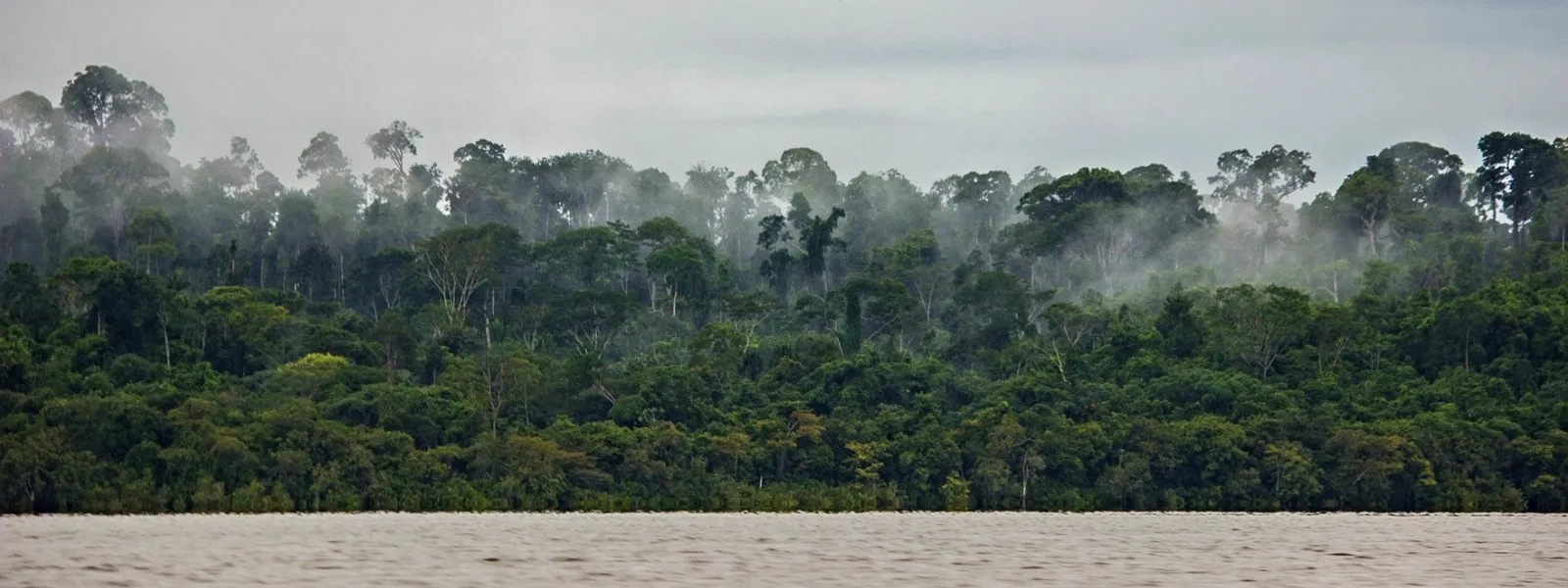
A usina hidrelétrica de Belo Monte — a quarta maior do mundo em capacidade instalada (11.233 MW) — foi construída no rio Xingu, no estado do Pará, norte do Brasil.
Foi inaugurada em 5 de maio de 2016, com uma única turbina. Naquela época, 80% do curso do rio foi desviado e 516 km² de terra foram inundados, uma área maior que a cidade de Chicago. Desse total, 400 km² eram de mata nativa. A usina começou a operar em plena capacidade em novembro de 2019.
Belo Monte foi construída e é operada pelo consórcio Norte Energia S.A., composto principalmente por empresas estatais. Foi financiada pelo Banco Nacional de Desenvolvimento Econômico e Social (BNDES), que aportou ao consórcio 25,4 bilhões de reais (aproximadamente US$ 10,16 bilhões), o maior investimento de sua história. Portanto, o BNDES também é legalmente responsável pelos impactos socioambientais associados ao projeto hidrelétrico.
Décadas de danos ambientais e humanos
As violações dos direitos humanos e a degradação da Amazônia remontam ao início do projeto. Em março de 2011, a Norte Energia iniciou a construção da barragem sem consulta adequada e sem o consentimento prévio, livre e informado das comunidades afetadas.
A construção levou ao deslocamento forçado de mais de 40.000 pessoas, rompendo laços sociais e culturais. O plano de reassentamento em Altamira — cidade diretamente afetada pelo projeto hidrelétrico — incluía moradias na periferia da cidade, sem serviços públicos adequados, moradias dignas para as famílias reassentadas e moradias diferenciadas para aqueles pertencentes a comunidades indígenas.
A operação da barragem de Belo Monte impôs uma seca permanente e artificial na Volta Grande do rio Xingu, agravada pelas secas históricas na Amazônia em 2023 e 2024. Como resultado, a morte de milhões de ovos de peixe foi documentada por quatro anos consecutivos (de 2021 a 2024) e, nos últimos três anos, não houve migração de peixes rio acima para desovar e se reproduzir. Assim, a pesca artesanal, principal fonte de proteína para os povos indígenas e comunidades ribeirinhas, foi severamente afetada: o consumo de peixe caiu de 50% para 30% do total de proteínas consumidas, sendo substituído por alimentos processados. Em suma, houve um colapso ambiental e humanitário que resultou no colapso da pesca como modo de vida tradicional, insegurança alimentar e falta de acesso à água potável para milhares de famílias, empobrecimento e doenças.
Além disso, a construção da barragem aumentou o desmatamento e intensificou a extração ilegal de madeira e a insegurança em terras indígenas e tribais, colocando em risco a sobrevivência dessas comunidades. Outra consequência foi o agravamento da pobreza e dos conflitos sociais, bem como a sobrecarga dos sistemas de saúde, educação e segurança pública em Altamira, cidade considerada a mais violenta do país em 2017, onde houve aumento do tráfico de pessoas e da violência sexual. Também foram registrados casos de violência contra defensores de direitos humanos envolvidos no caso.
Em 2025, durante a 30ª Conferência das Nações Unidas sobre Mudanças Climáticas (COP30), realizada no Brasil, o Ministério Público Federal classificou os danos causados por Belo Monte como ecocídio.
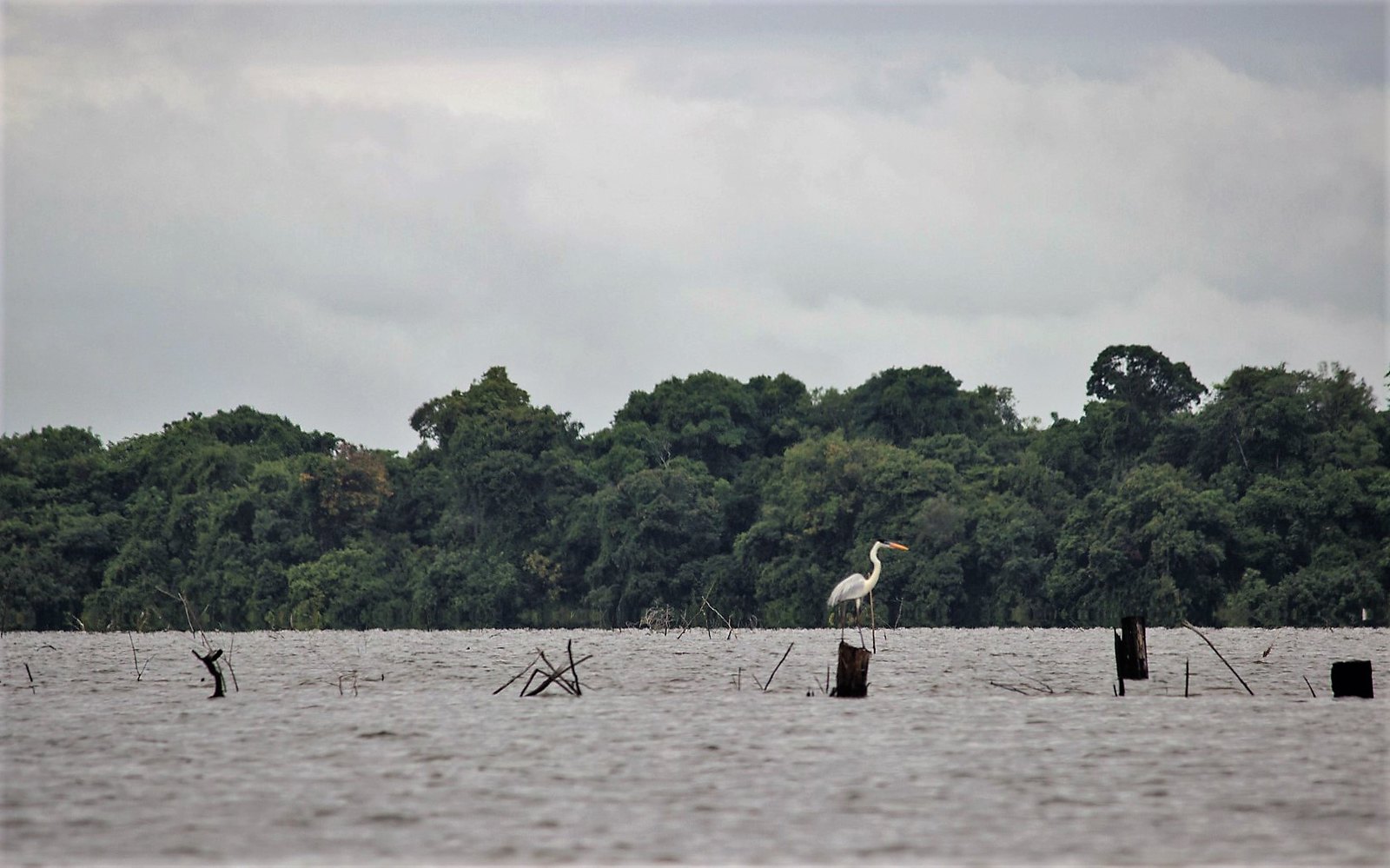
Foto: Amazon Watch / Maíra Irigaray.
A busca por justiça e reparação
Ao longo dos anos, o Ministério Público Federal do Pará, a Defensoria Pública e organizações da sociedade civil impetraram dezenas de ações judiciais em tribunais brasileiros para contestar as diversas irregularidades do projeto, bem como seus impactos. A maioria das ações permanece sem solução, algumas há mais de 10 anos.
Essas ações não obtiveram sucesso porque o governo federal tem reiteradamente anulado decisões favoráveis às comunidades afetadas, recorrendo a um mecanismo pelo qual o presidente do Supremo Tribunal Federal pode suspender uma decisão judicial com base unicamente em argumentos genéricos como "interesse nacional" ou "ordem econômica".
Diante da falta de respostas eficazes em nível nacional, a AIDA — juntamente com uma coalizão de organizações aliadas — levou o caso à Comissão Interamericana de Direitos Humanos (CIDH) e, em 2010, solicitou medidas cautelares para proteger a vida, a integridade e a saúde das comunidades indígenas afetadas.
Em 1º de abril de 2011, a CIDH concedeu essas medidas e solicitou ao Estado brasileiro a suspensão das licenças ambientais e de quaisquer obras de construção até que as condições relativas à consulta prévia e à proteção da saúde e integridade das comunidades fossem atendidas.
E, em 16 de junho de 2011, apresentamos uma denúncia formal à CIDH — juntamente com o Movimento Xingu Vivo Para Siempre, a Coordenação das Organizações Indígenas da Amazônia Brasileira, a Diocese de Altamira, o Conselho Missionário Indígena, a Sociedade Pará de Defesa dos Direitos Humanos e a Global Justice — contra o Estado brasileiro por sua responsabilidade internacional nas violações de direitos humanos contra os povos afetados neste caso. A denúncia foi apresentada em dezembro de 2015.
Em 3 de agosto de 2011, a CIDH modificou as medidas cautelares para solicitar — em vez da suspensão de licenças e obras — a proteção dos povos que vivem em isolamento voluntário, a saúde das comunidades indígenas e a regularização e proteção das terras ancestrais.
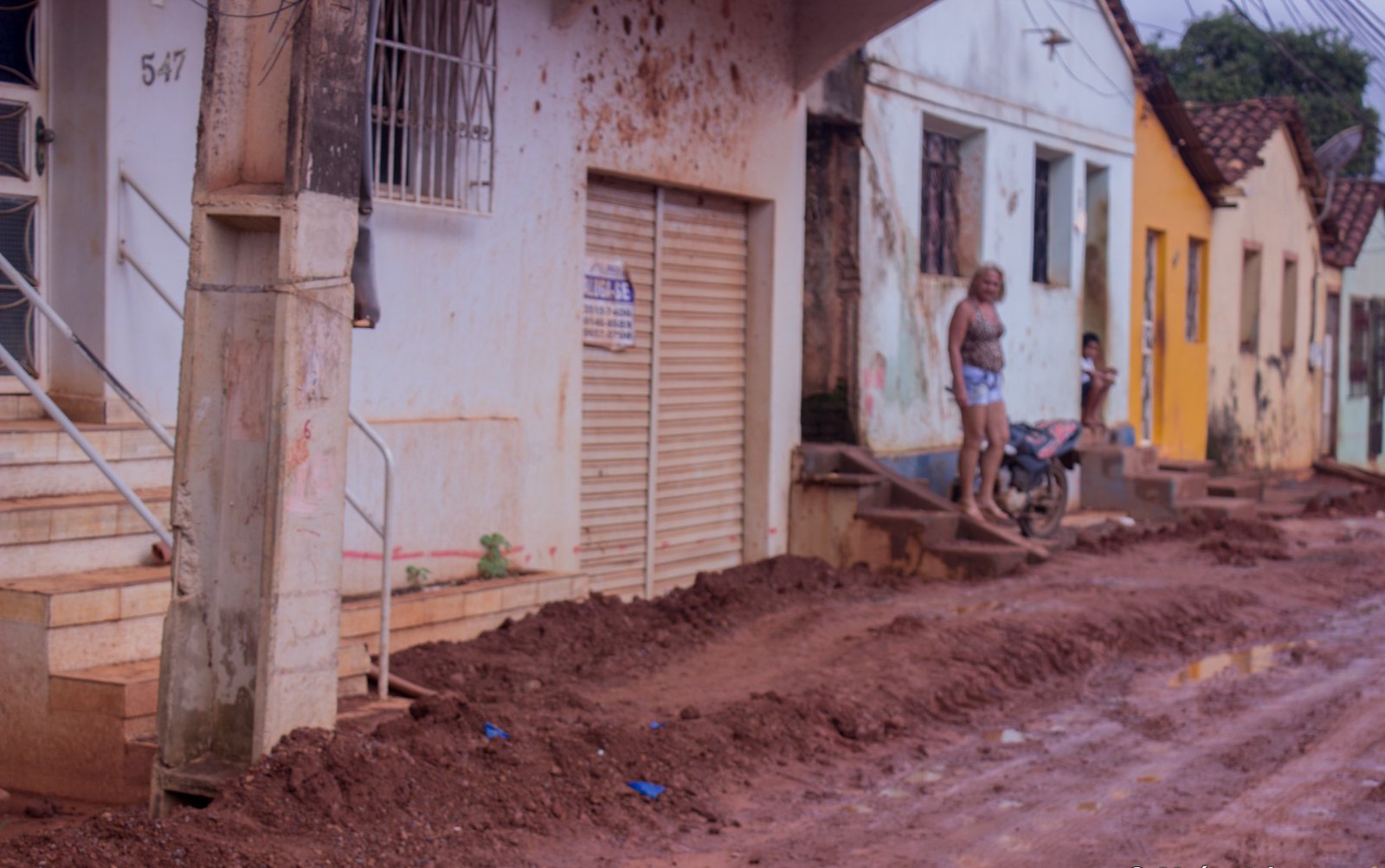
Foto: Amazon Watch / Maíra Irigaray.
Situação atual
As medidas de proteção concedidas pela CIDH permanecem em vigor, mas o Estado brasileiro não as cumpriu integralmente, relatando apenas ações genéricas. As comunidades documentaram as contínuas violações de seus direitos. A situação que motivou o pedido dessas medidas — o risco à vida, à segurança e aos meios de subsistência das comunidades — persiste e se agravou com a usina hidrelétrica operando em plena capacidade e com as recentes secas extremas na Amazônia.
Além do ocorrido em Belo Monte, existe o risco de maiores danos sociais e ambientais decorrentes da implementação de outro megaprojeto de mineração na Volta Grande do Xingu. Lá, a empresa canadense Belo Sun pretende construir a maior mina de ouro a céu aberto do Brasil.
Os impactos sinérgicos e cumulativos da usina e da mina não foram avaliados. O Estado excluiu povos indígenas, comunidades ribeirinhas e comunidades camponesas do processo de licenciamento ambiental do projeto. Apesar disso, dos protestos indígenas e de outras irregularidades em torno do projeto, o governo do estado do Pará autorizou formalmente a mina em abril de 2026.
Belo Monte, assim como outras usinas hidrelétricas, agrava a emergência climática ao gerar emissões de gases de efeito estufa em seu reservatório. Além disso, é ineficiente diante das secas prolongadas e intensas causadas pela crise, pois perde capacidade de geração de energia.
O caso perante a Comissão Interamericana
Em outubro de 2017, a CIDH anunciou que decidiria conjuntamente sobre a admissibilidade (se o caso preenche os requisitos para admissão) e o mérito (se houve, de fato, violação de direitos humanos) da denúncia internacional contra o Estado brasileiro.
Quinze anos após a apresentação da denúncia, as comunidades afetadas e as organizações que as representam ainda aguardam essa decisão. Caso a CIDH conclua que houve violações de direitos humanos e emita recomendações que o Estado brasileiro não cumpra, poderá encaminhar o caso à Corte Interamericana de Direitos Humanos, cujas decisões são vinculativas.
Uma possível decisão da Corte Internacional de Direitos Humanos neste caso estabeleceria um precedente jurídico regional em relação aos direitos dos povos indígenas e ribeirinhos, à participação pública em megaprojetos e à responsabilidade do Estado no contexto da crise climática. Isso é particularmente relevante à luz do Parecer Consultivo nº 32 da Corte, que reafirmou as obrigações dos Estados de proteger pessoas e comunidades em todo o continente da emergência climática.
Partners:
Related projects
Lives of no return: Stories behind the construction of Belo Monte
By María José Veramendi Villa, senior attorney, AIDA, @MaJoVeramendi When you start the descent by plane to the city of Altamira in Pará, Brazil, the darkness of the night is interrupted by the bright lights of worksites a few kilometers outside the city where construction of the Belo Monte dam is underway. That’s when things turn bleak. On a recent trip to the area I was able to see how the situation of thousands of residents – the indigenous, riverine and city dwellers of Altamira - continues to deteriorate. Their communities and livelihoods are being irreversibly affected and their human rights systematically violated by the construction of the hydropower plant. When night becomes day From the plane, the lights from the worksites are just momentary flashes. But for the indigenous and riverine communities closest to them, those lights have brought a radical change to their lifestyles. José Alexandre lives with his family in Arroz Cru, a waterfront community located on the left bank of the Volta Grande, or Big Bend, of the Xingu River in the municipality of Vitória do Xingu. The community is in front of the Pimental worksite. His entire life has been spent in the area, where hunting and fishing are major activities. But everything changed when construction of the dam started.
Read more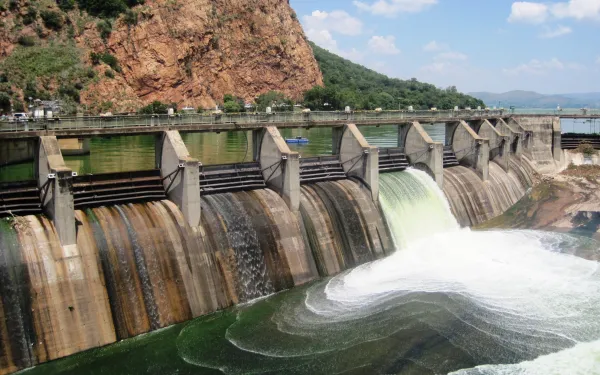
The link between international environmental law, human rights and large dams
The article is an update and reissue of two chapters of the report Large Dams in the Americas: Is the Cure Worse than the Disease, written by Jacob Kopas and Astrid Puentes Riaño. The article identifies “the main obligations, standards, decisions and international law applicable to large hydropower plants that our governments should use in the planning, implementation, operation and closure of these projects." The article is divided into two parts. Chapter I offers an overview of the main standards, the legal framework of international human rights and environmental law as well as the decisions and international jurisprudence applicable to the cases of large dams. In Chapter II, this framework is applied to the cases of human rights abuses caused by the degradation of the environment through the development of a large dam.
Read more
Short-Lived Climate Pollutants: A great opportunity to put the brakes on climate change
By Florencia Ortuzar, legal advisor, AIDA While many of us are alarmed by climate change and its already tangible effects, concern becomes even greater when learning the fact that all the CO2 accumulated in the atmosphere cannot be removed, even if we were to shut down all the sources of emissions today. This reality was confirmed in the Fifth Assessment Report on the state of the climate, issued by the Intergovernmental Panel on Climate Change (IPCC). The explanation for this is simple: CO2, in contrast to other gases and pollutants, remains in the atmosphere for millennia after being released. It is stuck in the atmosphere for what is eternal for human standards, implying that its greenhouse effect does not end even with an immediate halt in emissions. The good news is that CO2 is not the only cause of global warming. There are other pollutants that, unlike CO2, only stay in the atmosphere for a relatively short time. These “other” agents are responsible for 40-45% of global warming, and they remain in the atmosphere for a minimum of a few hours to a maximum of a few decades. They are called short-lived climate pollutants, or SLCPs. Like CO2, SLCP emissions have a negative impact on humans and ecosystems. So a reduction in these pollutants would bring immediate relief to the worst affected by climate change and would bring important benefits to the environment and people. The main SLCPs Although all SLCPs contribute significantly to climate change and share the trait of being short-lived, each has its unique characteristics and emission sources. Black carbon or soot, is a particulate substance produced by the incomplete combustion of fossil fuels, mainly from motor vehicles, domestic stoves, fires and factories. The dark particles heat the atmosphere as they absorb light, and when the particles land on snow and ice they accelerate melting. Black carbon also affects human health by causing respiratory problems such as lung cancer and asthma. Tropospheric ozone is a gas formed by the reaction of the sun with other gases called "precursors," which can be man made or naturally occurring. One of these precursors is methane, another SLCP. Tropospheric ozone is associated with diseases including bronchitis, emphysema, asthma and permanent scarring of the lung tissue. Studies also show that this gas has a direct impact on vegetation, reducing crop yields and the ability of plants to absorb CO2. Methane is a powerful greenhouse gas, and 60% of its emissions come from human activities like rice farming, coal mining, landfill and oil combustion. Two important sources of methane include cattle farming, whose effect has dangerously increased with industrial meat production (Spanish), and large dams, especially those in tropical areas. Hydrofluorocarbons (HFCs) are man-made gases used in the production of air conditioners, refrigerators and aerosols. They have replaced chlorofluorocarbons (CFCs), which were banned under the Montreal Protocol. Although HFCs represent a small proportion of the greenhouse gases emitted into the atmosphere, their use is growing at an alarming speed of an average of 10-15% each year, according to a United Nations Environment Programme (UNEP) report. Everyone wins According to the IPCC, the reduction of these pollutants could avert a rise in average global temperatures by approximately 0.5 degrees Celsius by 2050, cutting the current rate of global warming in half and helping to protect some of the areas most susceptible to climate change like the Arctic, the high Himalayan regions and Tibet. The mitigation of SLCPs is also crucial for decelerating glacial melting and rising sea levels, a serious situation for the world’s population that lives in coastal areas. The reduction of SLCPs would also bring important socio-environmental benefits. Black carbon and tropospheric ozone harm human health and reduce crop yields. This in turn affects ecosystems, food security, human welfare and the entire natural cycle that keeps the planet healthy. Some talking points Given that SLCPs stem from different sources, effective mitigation requires a series of comprehensive actions that deal with each pollutant separately. Fortunately, the road is already laid out. Many of the technologies, laws and institutions needed to cut SLCP emissions already exist. In the case of black carbon, new technologies are inexpensive and available. Developed countries have already reduced emissions significantly through the use of green technologies. Ideas include the modernization of domestic cooking systems in the region, introducing the use of solar cookers and new transport systems with improved exhaust filters to reduce greenhouse gas emissions. The amount of methane in the atmosphere, which affects the level of tropospheric ozone, is largely dependent on industrial activities. To reduce emissions, effective regulations should be implemented to control the industries that emit the most methane, including intensive cattle farming, mining, hydrocarbons and large dams. For HFCs, an alternative already exists. There need to be regulations that encourage people to substitute HFCs for greener alternatives, no matter the commercial barriers. Some countries have proposed incorporating HFCs in the Montreal Protocol, an international agreement recognized as one of the most successful initiatives to significantly and rapidly reduce CFC emissions, addressing a similar challenge, to the one we face today. To find out more about SLCPs, you can read a briefing paper (Spanish) put together by AIDA, CEDHA, CEMDA and RedRacc.
Read more