
Project
Amazon Watch / Maíra Irigaray
Barragem de Belo Monte no rio Xingu: 10 anos de impactos na Amazônia e de busca por reparações
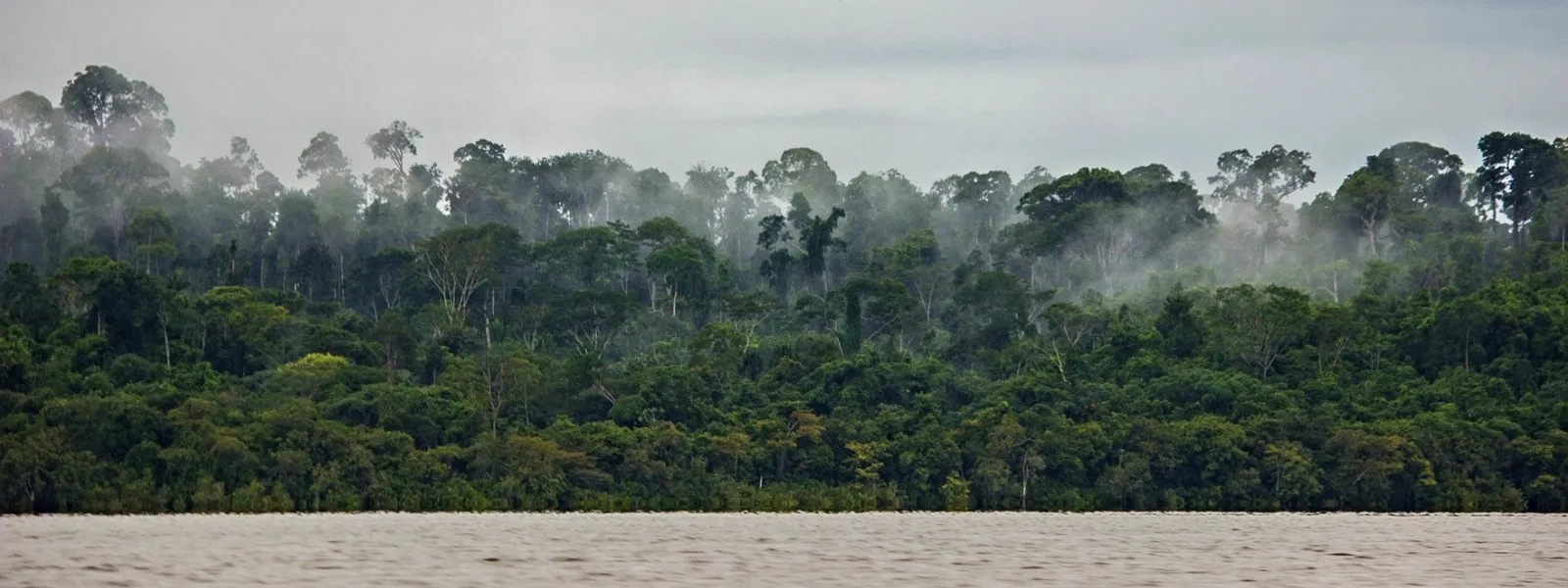
A usina hidrelétrica de Belo Monte causou um desastre ambiental e social no coração da Amazônia: um dos ecossistemas mais importantes do planeta.
Essa situação só piorou desde que a usina começou a operar em 2016. A busca por justiça e reparação para as comunidades indígenas e ribeirinhas afetadas continua até hoje.
Em 2011, a Comissão Interamericana de Direitos Humanos (CIDH) concedeu a essas comunidades medidas de proteção, que até hoje não foram totalmente implementadas pelo Estado brasileiro.
E, desde junho daquele mesmo ano, a CIDH mantém um processo contra o Estado por sua responsabilidade internacional no caso.
A CIDH pode encaminhar o caso à Corte Interamericana de Direitos Humanos, que tem o poder de emitir uma sentença condenatória contra o Estado brasileiro.
Consulta o expediente de fatos do caso
Após 10 anos de operação da usina hidrelétrica e mais de 15 anos de violações de direitos humanos documentadas, é hora da justiça ser feita para as comunidades afetadas.
Leia a carta aberta das organizações que levam o caso à CIDH
Leia nosso comunicado à imprensa
Contexto
A usina hidrelétrica de Belo Monte — a quarta maior do mundo em capacidade instalada (11.233 MW) — foi construída no rio Xingu, no estado do Pará, norte do Brasil.
Foi inaugurada em 5 de maio de 2016, com uma única turbina. Naquela época, 80% do curso do rio foi desviado e 516 km² de terra foram inundados, uma área maior que a cidade de Chicago. Desse total, 400 km² eram de mata nativa. A usina começou a operar em plena capacidade em novembro de 2019.
Belo Monte foi construída e é operada pelo consórcio Norte Energia S.A., composto principalmente por empresas estatais. Foi financiada pelo Banco Nacional de Desenvolvimento Econômico e Social (BNDES), que aportou ao consórcio 25,4 bilhões de reais (aproximadamente US$ 10,16 bilhões), o maior investimento de sua história. Portanto, o BNDES também é legalmente responsável pelos impactos socioambientais associados ao projeto hidrelétrico.
Décadas de danos ambientais e humanos
As violações dos direitos humanos e a degradação da Amazônia remontam ao início do projeto. Em março de 2011, a Norte Energia iniciou a construção da barragem sem consulta adequada e sem o consentimento prévio, livre e informado das comunidades afetadas.
A construção levou ao deslocamento forçado de mais de 40.000 pessoas, rompendo laços sociais e culturais. O plano de reassentamento em Altamira — cidade diretamente afetada pelo projeto hidrelétrico — incluía moradias na periferia da cidade, sem serviços públicos adequados, moradias dignas para as famílias reassentadas e moradias diferenciadas para aqueles pertencentes a comunidades indígenas.
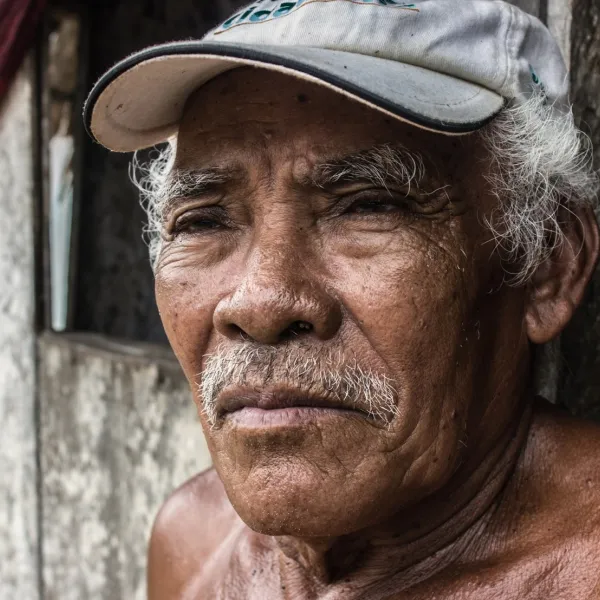
A operação da barragem de Belo Monte impôs uma seca permanente e artificial na Volta Grande do rio Xingu, agravada pelas secas históricas na Amazônia em 2023 e 2024. Como resultado, a morte de milhões de ovos de peixe foi documentada por quatro anos consecutivos (de 2021 a 2024) e, nos últimos três anos, não houve migração de peixes rio acima para desovar e se reproduzir. Assim, a pesca artesanal, principal fonte de proteína para os povos indígenas e comunidades ribeirinhas, foi severamente afetada: o consumo de peixe caiu de 50% para 30% do total de proteínas consumidas, sendo substituído por alimentos processados. Em suma, houve um colapso ambiental e humanitário que resultou no colapso da pesca como modo de vida tradicional, insegurança alimentar e falta de acesso à água potável para milhares de famílias, empobrecimento e doenças.
Além disso, a construção da barragem aumentou o desmatamento e intensificou a extração ilegal de madeira e a insegurança em terras indígenas e tribais, colocando em risco a sobrevivência dessas comunidades. Outra consequência foi o agravamento da pobreza e dos conflitos sociais, bem como a sobrecarga dos sistemas de saúde, educação e segurança pública em Altamira, cidade considerada a mais violenta do país em 2017, onde houve aumento do tráfico de pessoas e da violência sexual. Também foram registrados casos de violência contra defensores de direitos humanos envolvidos no caso.
Em 2025, durante a 30ª Conferência das Nações Unidas sobre Mudanças Climáticas (COP30), realizada no Brasil, o Ministério Público Federal classificou os danos causados por Belo Monte como ecocídio.
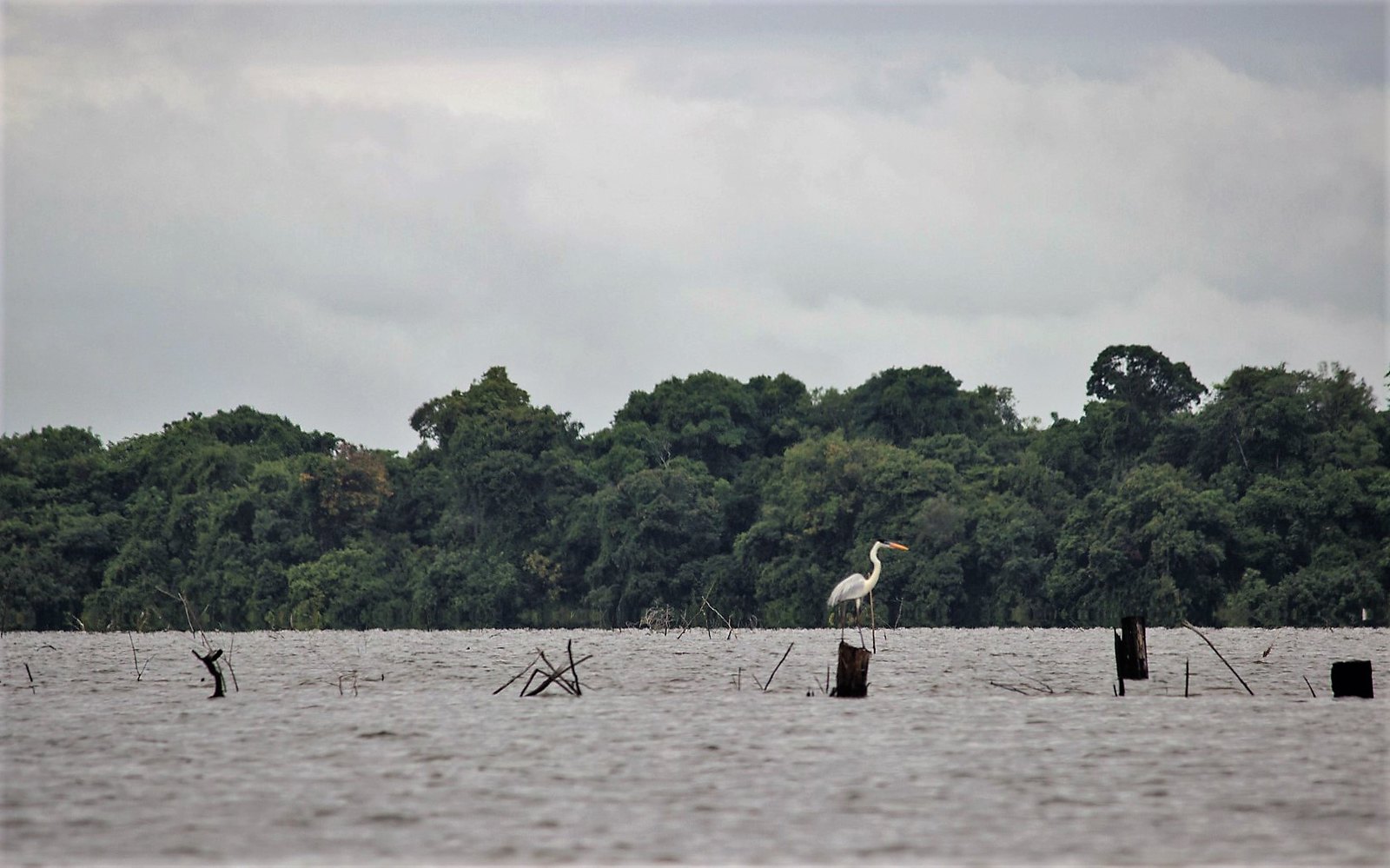
Foto: Amazon Watch / Maíra Irigaray.
A busca por justiça e reparação
Ao longo dos anos, o Ministério Público Federal do Pará, a Defensoria Pública e organizações da sociedade civil impetraram dezenas de ações judiciais em tribunais brasileiros para contestar as diversas irregularidades do projeto, bem como seus impactos. A maioria das ações permanece sem solução, algumas há mais de 10 anos.
Essas ações não obtiveram sucesso porque o governo federal tem reiteradamente anulado decisões favoráveis às comunidades afetadas, recorrendo a um mecanismo pelo qual o presidente do Supremo Tribunal Federal pode suspender uma decisão judicial com base unicamente em argumentos genéricos como "interesse nacional" ou "ordem econômica".
Diante da falta de respostas eficazes em nível nacional, a AIDA — juntamente com uma coalizão de organizações aliadas — levou o caso à Comissão Interamericana de Direitos Humanos (CIDH) e, em 2010, solicitou medidas cautelares para proteger a vida, a integridade e a saúde das comunidades indígenas afetadas.
Em 1º de abril de 2011, a CIDH concedeu essas medidas e solicitou ao Estado brasileiro a suspensão das licenças ambientais e de quaisquer obras de construção até que as condições relativas à consulta prévia e à proteção da saúde e integridade das comunidades fossem atendidas.
E, em 16 de junho de 2011, apresentamos uma denúncia formal à CIDH — juntamente com o Movimento Xingu Vivo Para Siempre, a Coordenação das Organizações Indígenas da Amazônia Brasileira, a Diocese de Altamira, o Conselho Missionário Indígena, a Sociedade Pará de Defesa dos Direitos Humanos e a Global Justice — contra o Estado brasileiro por sua responsabilidade internacional nas violações de direitos humanos contra os povos afetados neste caso. A denúncia foi apresentada em dezembro de 2015.
Em 3 de agosto de 2011, a CIDH modificou as medidas cautelares para solicitar — em vez da suspensão de licenças e obras — a proteção dos povos que vivem em isolamento voluntário, a saúde das comunidades indígenas e a regularização e proteção das terras ancestrais.
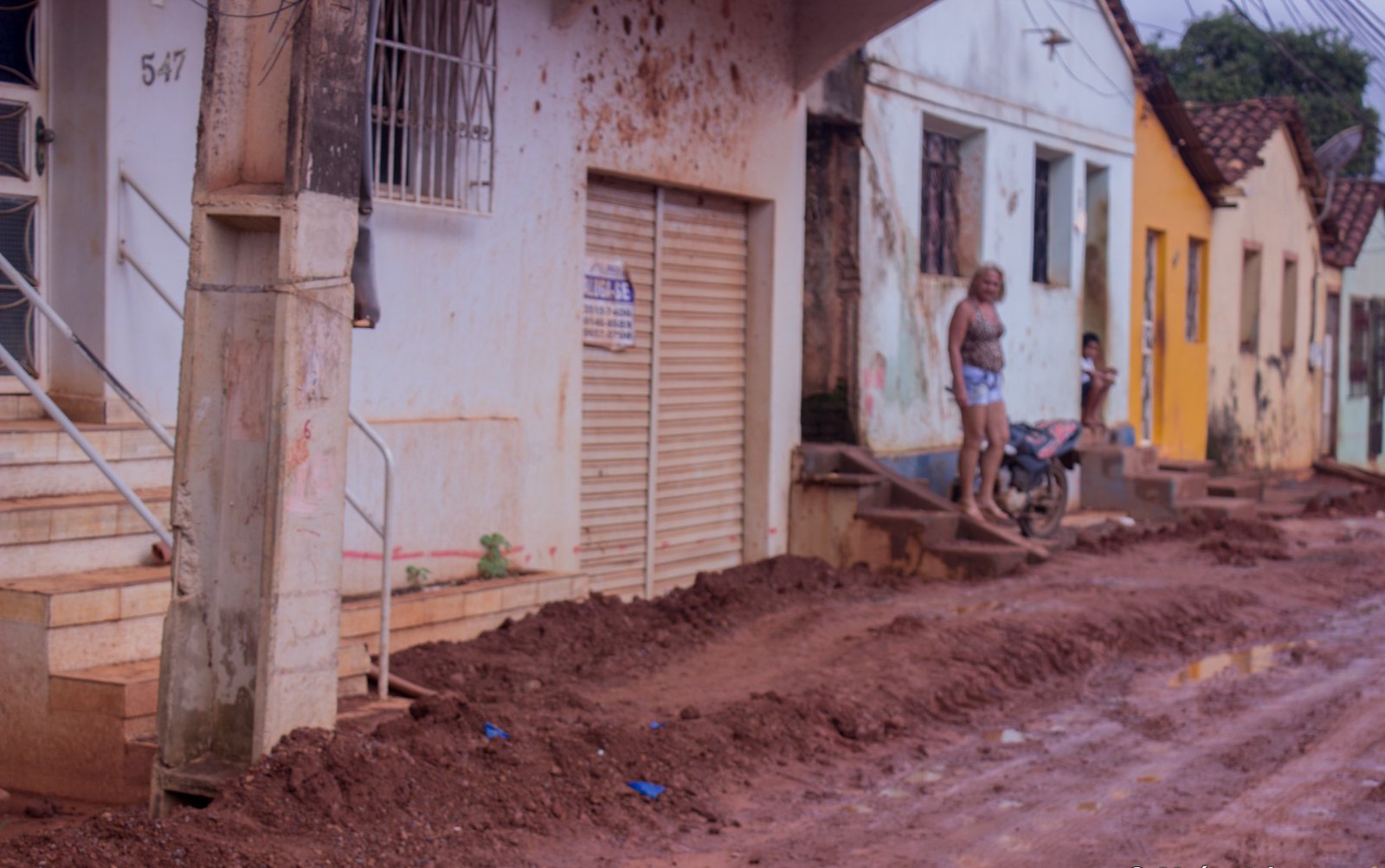
Foto: Amazon Watch / Maíra Irigaray.
Situação atual
As medidas de proteção concedidas pela CIDH permanecem em vigor, mas o Estado brasileiro não as cumpriu integralmente, relatando apenas ações genéricas. As comunidades documentaram as contínuas violações de seus direitos. A situação que motivou o pedido dessas medidas — o risco à vida, à segurança e aos meios de subsistência das comunidades — persiste e se agravou com a usina hidrelétrica operando em plena capacidade e com as recentes secas extremas na Amazônia.
Além do ocorrido em Belo Monte, existe o risco de maiores danos sociais e ambientais decorrentes da implementação de outro megaprojeto de mineração na Volta Grande do Xingu. Lá, a empresa canadense Belo Sun pretende construir a maior mina de ouro a céu aberto do Brasil.
Os impactos sinérgicos e cumulativos da usina e da mina não foram avaliados. O Estado excluiu povos indígenas, comunidades ribeirinhas e comunidades camponesas do processo de licenciamento ambiental do projeto. Apesar disso, dos protestos indígenas e de outras irregularidades em torno do projeto, o governo do estado do Pará autorizou formalmente a mina em abril de 2026.
Belo Monte, assim como outras usinas hidrelétricas, agrava a emergência climática ao gerar emissões de gases de efeito estufa em seu reservatório. Além disso, é ineficiente diante das secas prolongadas e intensas causadas pela crise, pois perde capacidade de geração de energia.
O caso perante a Comissão Interamericana
Em outubro de 2017, a CIDH anunciou que decidiria conjuntamente sobre a admissibilidade (se o caso preenche os requisitos para admissão) e o mérito (se houve, de fato, violação de direitos humanos) da denúncia internacional contra o Estado brasileiro.
Quinze anos após a apresentação da denúncia, as comunidades afetadas e as organizações que as representam ainda aguardam essa decisão. Caso a CIDH conclua que houve violações de direitos humanos e emita recomendações que o Estado brasileiro não cumpra, poderá encaminhar o caso à Corte Interamericana de Direitos Humanos, cujas decisões são vinculativas.
Uma possível decisão da Corte Internacional de Direitos Humanos neste caso estabeleceria um precedente jurídico regional em relação aos direitos dos povos indígenas e ribeirinhos, à participação pública em megaprojetos e à responsabilidade do Estado no contexto da crise climática. Isso é particularmente relevante à luz do Parecer Consultivo nº 32 da Corte, que reafirmou as obrigações dos Estados de proteger pessoas e comunidades em todo o continente da emergência climática.
Partners:
Related projects
Legal ways to protect the environment in Colombia
By Héctor Herrera, AIDA legal advisor and coordinator of the Colombian Environmental Justice Network, @RJAColombia Our activities make an impact on biodiversity and the environment every day. The trouble is that our impact is getting increasingly harsher such as with climate change and the extinction of species like the Colombian Grebe (Podicepsandinus, in Spanish). In Colombia, in response to the above situation, the law has been improved to help protect the environment. The Colombian Constitution, for example, recognizes the importance of protecting the environment and the right to a healthy environment in Article 79, while national environmental laws and in other legal instruments offer more help. The following are some of the most important legal proceedings in Colombia designed to achieve and protect the right to a healthy environment. Action of "tutela" This legal remedy was created with the 1991 Constitution to provide immediate protection for fundamental rights such as the right to life. To protect the right to a healthy environment, the Constitutional Court of Colombia ruled in Sentence T-1527 in 2000: “While the right to a healthy environment is not considered a fundamental right in our constitution, it is a collective right that can be protected by popular actions. It can be protected through the exceptional mechanism of the action of tutela when actions or omissions by public authorities or private individuals threaten or violate fundamental rights, such as to life, health, physical integrity, or if it affects the public right to a healthy environment. It is thus a fundamental right by connection."[1] Compared to other legal proceedings, the action of tutela is simpler and swifter in its procedures. Popular Action This action is enshrined in Article 88 of the Colombian Constitution. It provides protections for collective interests and rights associated with public health and the environment. Article 88 was further developed in Law 472 of 1998, whose Article 4 contains a non-exhaustive list of collective rights and interests that can be protected by this legal proceeding. These include the enjoyment of a healthy environment, the existence of ecologic balance and access to public services. The goal of this popular action is to eliminate hazards, threats or violations to collective rights, and restore things to their previous state when possible. This action is preventive, restorative and compensational in nature. An emblematic case involving popular action was taken by the Corporación para el Desarrollo Sostenible del Archipiélago de San Andrés, Providencia y Santa Catalina (CORALINA) before the Dispute Tribunal of San Andrés, Providencia and Santa Catalina. CORALINA demanded protection for the right to a healthy environment, the existence of ecological balance, and the rational management and use of natural resources as well as the protection and attention to regional species and ecosystems to permit a sustainable development of the community and the environment. The tribunal ruled in favor of CORALINA in a sentence that can be consulted here (in Spansih). Group Action This action is contained in Article 88 of the Colombian Constitution and should be considered in combination with Article 79, which stipulates the right to a healthy environment. Unlike popular action, which seeks to prevent damage to a public right, group action seeks economic compensation for damages caused to a group of people with homogeneous characteristics with respect to the activity that caused the damage. A symbolic case was the group action taken by peasants and fishermen affected by an oil spill on the Trans-Andean pipeline, which is operated by Colombia’s state oil company Ecopetrol, in 2000 on the Rosario river in Nariño, a southeastern department on border with Ecuador. The oil spill caused serious environmental damage. For a detailed explanation and better understanding of this subject, you can consult the legal sources for the aforementioned proceedings. These include the Political Constitution, Law 472 of 1998, and the jurisprudence of the Constitutional Court (in Spanish). [1] Sentence T-1527 of 2000 MP Alfredo Beltrán Sierra.
Read more
Scientists call for investigation of Gulf of California coastal development
By Carolina Herrera, Latin America specialist for the Natural Resources Defense Council (NRDC) This post was originally published in Switchboard. Twenty-seven scientists have expressed concern that the construction of large-scale tourism resorts along the coast of Mexico’s Gulf of California threatens the region’s remarkable marine ecosystems. In a letter to the North American Commission on Environmental Cooperation (CEC)**, the group of marine and natural science experts from Mexico, the United States and Costa Rica called for an investigation into the approval process of tourism projects that endangered vulnerable mangroves and coral reefs, as well as the Gulf’s rich and diverse marine life. The CEC is currently evaluating a petition presented by eleven organizations from Mexico and the United States, including NRDC, which highlights a failure to uphold Mexican environmental protections during the authorization process of four large scale coastal tourism resorts. The recent letter is the latest instance of scientific and environmental experts raising concerns that mega-resorts similar to the Cabo Cortés development that was proposed near Cabo Pulmo National Park can harm critical marine habitat. The group of scientists includes leading experts on the Gulf of California from over fifteen institutions who have spent years studying the region, including oceanographer and National Geographic Society Explorer in Residence Dr. Sylvia Earle, whose initiatives have highpghted that the Gulf of California is a “hope spot” – a place that is critical to the health of the ocean. In their letter to the CCA, the scientists write that they are "concerned that the rapid expansion of massive tourism infrastructure threatens the integrity of important sites for biodiversity in Mexico."They also note that they are alarmed by projects receiving approval despite disturbing trends such as environmental impact assessments that overlook scientific information or even use erroneous data.The letter is available here. Using the best available information during the impact assessments of proposed projects is required by Mexican law. The failure to do so is just one of the problems documented in the citizen petition that NRDC and our partners joined in April 2013. The petition highpghts four cases where projects received approvals despite environmental reviews that failed to comply with existing laws and regulations.The groups who submitted the petition – now joined by the 27 scientists – want the CEC to initiate a thorough investigation into the situation and develop a factual record on the lack of enforcement of environmental protections during the approval process of four projects: Entre Mares and Paraíso del Mar, both planned on the Bay of La Paz which is considered some of the most productive waters of the Gulf of California and is a key site for nesting birds. Playa Espíritu that would impact the Marismas Nacionales reserve, the most extensive and well-preserved mangrove forest on the western coast of Mexico. Cabo Cortés, which was proposed just north of and adjacent to Cabo Pulmo National Park which shelters one of the most important coral reefs in the American Pacific and is recognized as a both a UNESCO World Heritage Site and Ramsar Wetland of International Importance. In the case of Cabo Cortés, for example, key authorizations were granted even though the environmental impact statement was woefully insufficient and reasoned that the project would not affect the park because the local water currents only flowed from south to north. This conclusion was based on pmited data and ignored years of scientific articles proving that the currents in the area in fact flowed in multiple directions, varying with the seasons. The recent scientists’ letter is not the first time that international experts weigh in on the risk that mega-resort style projects represent for Cabo Pulmo National Park and other similarly fragile regions of the Gulf of California. In November 2011, a joint mission from Ramsar, UNESCO and IUCN visited the parkto assess the potential impact of the Cabo Cortés proposal. Their final report noted that the evaluation of the project did not take into consideration all the indirect and cumulative impacts of the project and that given its scale and scope the project represented a threat under Ramsar Convention guidelines. Similarly, in September 2012, theIUCN’s World Conservation Congress issued a resolution urging Mexico to guarantee the protection of Cabo Pulmo, including from risky large-scale tourism and real-estate developments. The same resolution also called on Mexico to ensure that environmental laws are strictly appped when it comes to projects that could have a direct or indirect impact on the health of surrounding ecosystems. A chance to do the thing right in the future The Cabo Cortés proposal that threatened the ecosystem and local community of Cabo Pulmo was fortunately eventually halted by former President Feppe Calderón in June 2012. But two short months after the cancellation was announceda very similar project was temporarily proposed on the same site, indicating that interest in developing the lands near the park had not disappeared. In the event that yet another project is proposed near Cabo Pulmo, or near other ecologically fragile areas of the Gulf, it will be critical for the Mexican regulators to do their job right and ensure that the environmental impact review upholds all laws and meets the highest technical and scientific standards. The CEC has an important job to do now. By developing and making pubpc a comprehensive factual record on the past failures to effectively implement Mexico’s environmental protections in the Gulf of Capfornia, it will help shed pght on how Mexico can strengthen its review process to prevent future high impact projects from harming some of the Gulf’s most iconic areas. Join the 27 scientists who have spoken up to protect Cabo Pulmo and other natural treasures in the Gulf of California bytaking action and asking the CEC to investigate the lack of enforcement of environmental laws. **The Commission on Environmental Cooperation is an international body established under the North American Free Trade Agreement to promote cooperation among Canada, Mexico and the U.S. on environmental issues of continental concern.
Read more
New Hope for Environmental Justice in IFI Projects
In its budget bill for 2014, the US Congress has taken bold steps to promote environmental justice within international financial institutions. Among other measures, the bill instructs the US representatives in these institutions to oppose large dams and logging projects that affect primary tropical forests, and to seek justice for the victims of human rights violations in IFI projects such as the Chixoy Dam in Guatemala. With input from other groups, International Rivers and AIDA published a factsheet which summarizes the provisions of the budget bill and the opportunities it creates for NGOs. The factsheet is addressed at partner groups monitoring and campaigning against IFI projects.
Read more