
Project
Amazon Watch / Maíra Irigaray
Barragem de Belo Monte no rio Xingu: 10 anos de impactos na Amazônia e de busca por reparações
A usina hidrelétrica de Belo Monte causou um desastre ambiental e social no coração da Amazônia: um dos ecossistemas mais importantes do planeta.
Essa situação só piorou desde que a usina começou a operar em 2016. A busca por justiça e reparação para as comunidades indígenas e ribeirinhas afetadas continua até hoje.
Em 2011, a Comissão Interamericana de Direitos Humanos (CIDH) concedeu a essas comunidades medidas de proteção, que até hoje não foram totalmente implementadas pelo Estado brasileiro.
E, desde junho daquele mesmo ano, a CIDH mantém um processo contra o Estado por sua responsabilidade internacional no caso.
A CIDH pode encaminhar o caso à Corte Interamericana de Direitos Humanos, que tem o poder de emitir uma sentença condenatória contra o Estado brasileiro.
Consulta o expediente de fatos do caso
Após 10 anos de operação da usina hidrelétrica e mais de 15 anos de violações de direitos humanos documentadas, é hora da justiça ser feita para as comunidades afetadas.
Leia a carta aberta das organizações que levam o caso à CIDH
Leia nosso comunicado à imprensa
Contexto
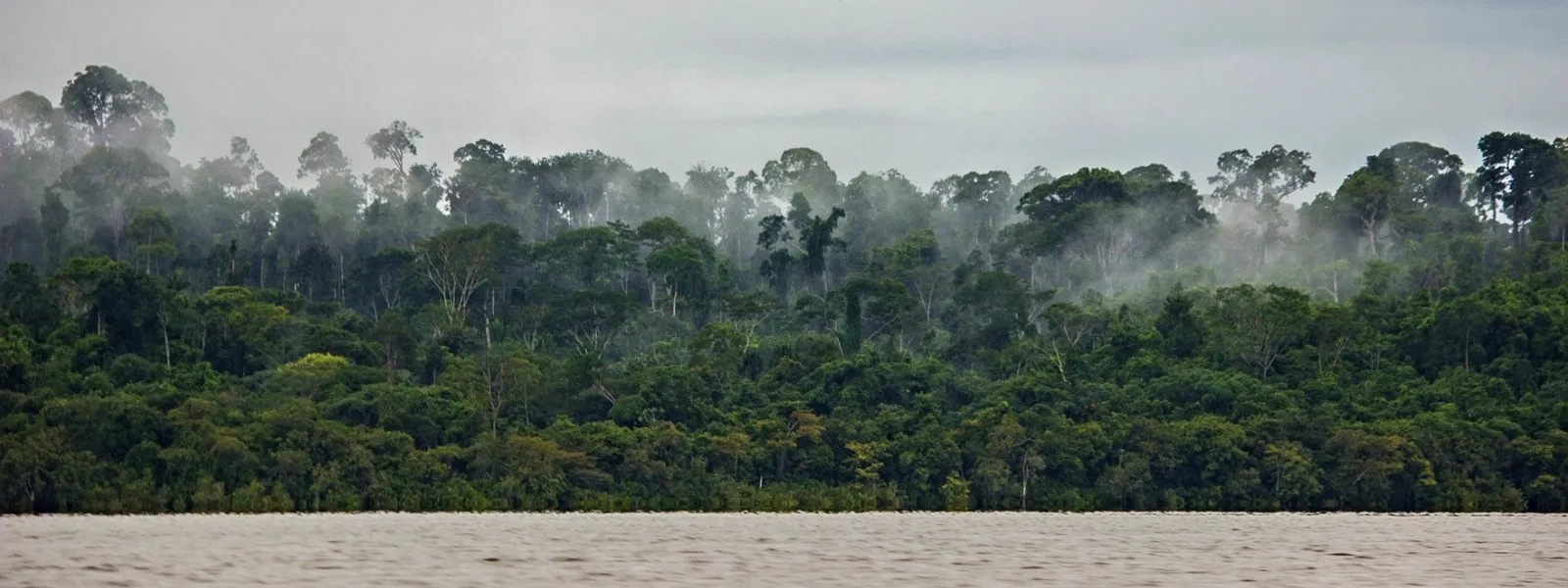
A usina hidrelétrica de Belo Monte — a quarta maior do mundo em capacidade instalada (11.233 MW) — foi construída no rio Xingu, no estado do Pará, norte do Brasil.
Foi inaugurada em 5 de maio de 2016, com uma única turbina. Naquela época, 80% do curso do rio foi desviado e 516 km² de terra foram inundados, uma área maior que a cidade de Chicago. Desse total, 400 km² eram de mata nativa. A usina começou a operar em plena capacidade em novembro de 2019.
Belo Monte foi construída e é operada pelo consórcio Norte Energia S.A., composto principalmente por empresas estatais. Foi financiada pelo Banco Nacional de Desenvolvimento Econômico e Social (BNDES), que aportou ao consórcio 25,4 bilhões de reais (aproximadamente US$ 10,16 bilhões), o maior investimento de sua história. Portanto, o BNDES também é legalmente responsável pelos impactos socioambientais associados ao projeto hidrelétrico.
Décadas de danos ambientais e humanos
As violações dos direitos humanos e a degradação da Amazônia remontam ao início do projeto. Em março de 2011, a Norte Energia iniciou a construção da barragem sem consulta adequada e sem o consentimento prévio, livre e informado das comunidades afetadas.
A construção levou ao deslocamento forçado de mais de 40.000 pessoas, rompendo laços sociais e culturais. O plano de reassentamento em Altamira — cidade diretamente afetada pelo projeto hidrelétrico — incluía moradias na periferia da cidade, sem serviços públicos adequados, moradias dignas para as famílias reassentadas e moradias diferenciadas para aqueles pertencentes a comunidades indígenas.
A operação da barragem de Belo Monte impôs uma seca permanente e artificial na Volta Grande do rio Xingu, agravada pelas secas históricas na Amazônia em 2023 e 2024. Como resultado, a morte de milhões de ovos de peixe foi documentada por quatro anos consecutivos (de 2021 a 2024) e, nos últimos três anos, não houve migração de peixes rio acima para desovar e se reproduzir. Assim, a pesca artesanal, principal fonte de proteína para os povos indígenas e comunidades ribeirinhas, foi severamente afetada: o consumo de peixe caiu de 50% para 30% do total de proteínas consumidas, sendo substituído por alimentos processados. Em suma, houve um colapso ambiental e humanitário que resultou no colapso da pesca como modo de vida tradicional, insegurança alimentar e falta de acesso à água potável para milhares de famílias, empobrecimento e doenças.
Além disso, a construção da barragem aumentou o desmatamento e intensificou a extração ilegal de madeira e a insegurança em terras indígenas e tribais, colocando em risco a sobrevivência dessas comunidades. Outra consequência foi o agravamento da pobreza e dos conflitos sociais, bem como a sobrecarga dos sistemas de saúde, educação e segurança pública em Altamira, cidade considerada a mais violenta do país em 2017, onde houve aumento do tráfico de pessoas e da violência sexual. Também foram registrados casos de violência contra defensores de direitos humanos envolvidos no caso.
Em 2025, durante a 30ª Conferência das Nações Unidas sobre Mudanças Climáticas (COP30), realizada no Brasil, o Ministério Público Federal classificou os danos causados por Belo Monte como ecocídio.
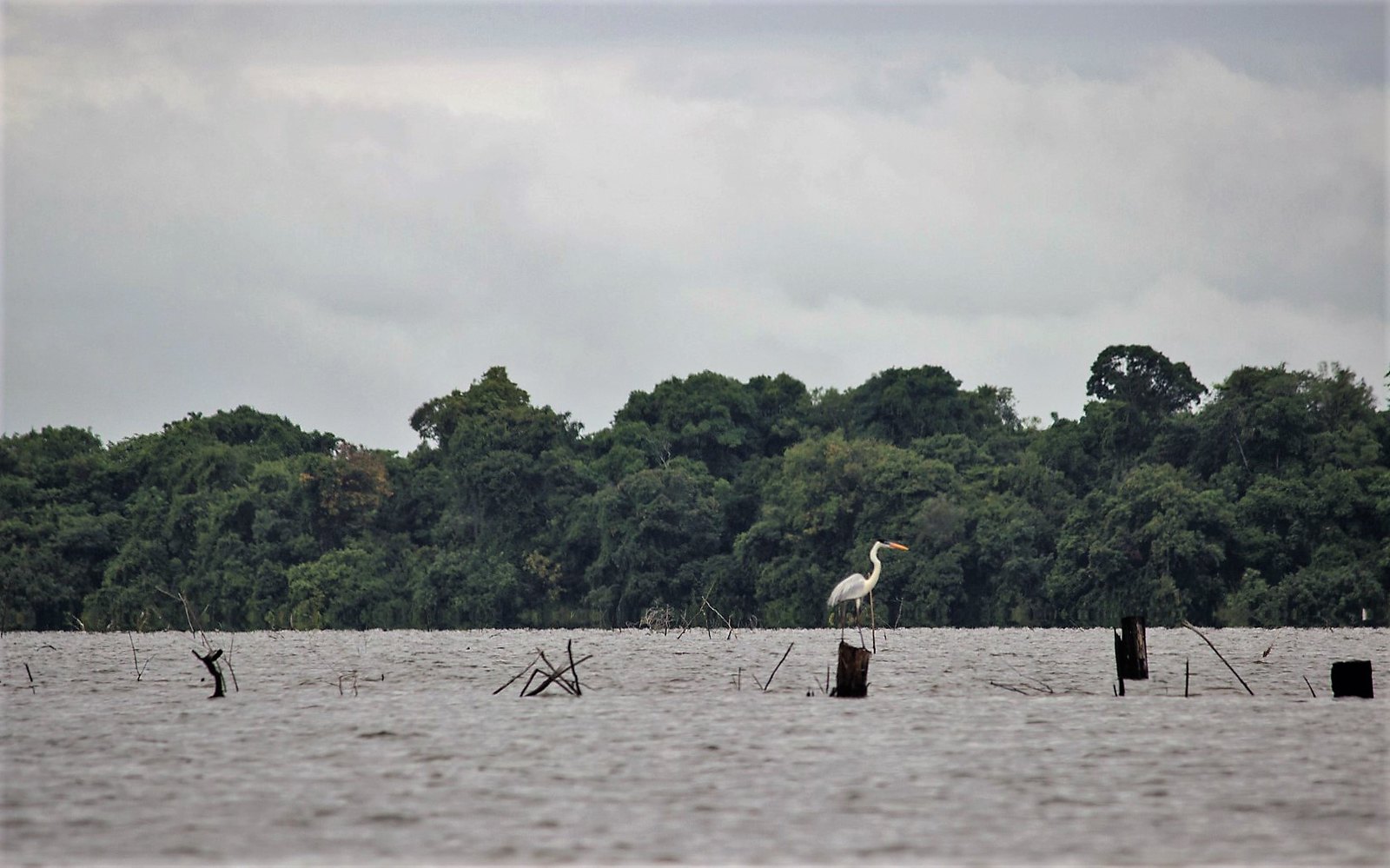
Foto: Amazon Watch / Maíra Irigaray.
A busca por justiça e reparação
Ao longo dos anos, o Ministério Público Federal do Pará, a Defensoria Pública e organizações da sociedade civil impetraram dezenas de ações judiciais em tribunais brasileiros para contestar as diversas irregularidades do projeto, bem como seus impactos. A maioria das ações permanece sem solução, algumas há mais de 10 anos.
Essas ações não obtiveram sucesso porque o governo federal tem reiteradamente anulado decisões favoráveis às comunidades afetadas, recorrendo a um mecanismo pelo qual o presidente do Supremo Tribunal Federal pode suspender uma decisão judicial com base unicamente em argumentos genéricos como "interesse nacional" ou "ordem econômica".
Diante da falta de respostas eficazes em nível nacional, a AIDA — juntamente com uma coalizão de organizações aliadas — levou o caso à Comissão Interamericana de Direitos Humanos (CIDH) e, em 2010, solicitou medidas cautelares para proteger a vida, a integridade e a saúde das comunidades indígenas afetadas.
Em 1º de abril de 2011, a CIDH concedeu essas medidas e solicitou ao Estado brasileiro a suspensão das licenças ambientais e de quaisquer obras de construção até que as condições relativas à consulta prévia e à proteção da saúde e integridade das comunidades fossem atendidas.
E, em 16 de junho de 2011, apresentamos uma denúncia formal à CIDH — juntamente com o Movimento Xingu Vivo Para Siempre, a Coordenação das Organizações Indígenas da Amazônia Brasileira, a Diocese de Altamira, o Conselho Missionário Indígena, a Sociedade Pará de Defesa dos Direitos Humanos e a Global Justice — contra o Estado brasileiro por sua responsabilidade internacional nas violações de direitos humanos contra os povos afetados neste caso. A denúncia foi apresentada em dezembro de 2015.
Em 3 de agosto de 2011, a CIDH modificou as medidas cautelares para solicitar — em vez da suspensão de licenças e obras — a proteção dos povos que vivem em isolamento voluntário, a saúde das comunidades indígenas e a regularização e proteção das terras ancestrais.
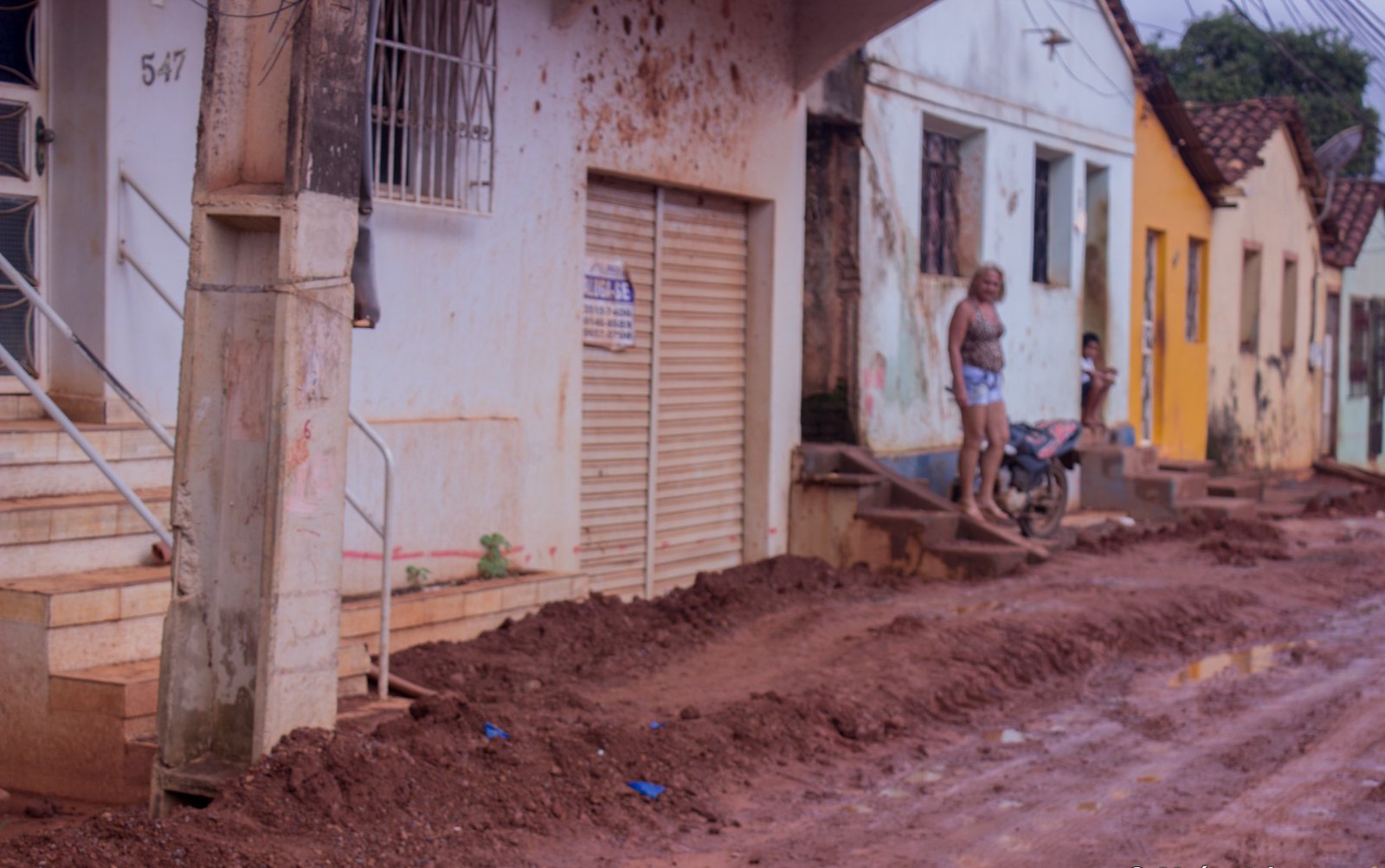
Foto: Amazon Watch / Maíra Irigaray.
Situação atual
As medidas de proteção concedidas pela CIDH permanecem em vigor, mas o Estado brasileiro não as cumpriu integralmente, relatando apenas ações genéricas. As comunidades documentaram as contínuas violações de seus direitos. A situação que motivou o pedido dessas medidas — o risco à vida, à segurança e aos meios de subsistência das comunidades — persiste e se agravou com a usina hidrelétrica operando em plena capacidade e com as recentes secas extremas na Amazônia.
Além do ocorrido em Belo Monte, existe o risco de maiores danos sociais e ambientais decorrentes da implementação de outro megaprojeto de mineração na Volta Grande do Xingu. Lá, a empresa canadense Belo Sun pretende construir a maior mina de ouro a céu aberto do Brasil.
Os impactos sinérgicos e cumulativos da usina e da mina não foram avaliados. O Estado excluiu povos indígenas, comunidades ribeirinhas e comunidades camponesas do processo de licenciamento ambiental do projeto. Apesar disso, dos protestos indígenas e de outras irregularidades em torno do projeto, o governo do estado do Pará autorizou formalmente a mina em abril de 2026.
Belo Monte, assim como outras usinas hidrelétricas, agrava a emergência climática ao gerar emissões de gases de efeito estufa em seu reservatório. Além disso, é ineficiente diante das secas prolongadas e intensas causadas pela crise, pois perde capacidade de geração de energia.
O caso perante a Comissão Interamericana
Em outubro de 2017, a CIDH anunciou que decidiria conjuntamente sobre a admissibilidade (se o caso preenche os requisitos para admissão) e o mérito (se houve, de fato, violação de direitos humanos) da denúncia internacional contra o Estado brasileiro.
Quinze anos após a apresentação da denúncia, as comunidades afetadas e as organizações que as representam ainda aguardam essa decisão. Caso a CIDH conclua que houve violações de direitos humanos e emita recomendações que o Estado brasileiro não cumpra, poderá encaminhar o caso à Corte Interamericana de Direitos Humanos, cujas decisões são vinculativas.
Uma possível decisão da Corte Internacional de Direitos Humanos neste caso estabeleceria um precedente jurídico regional em relação aos direitos dos povos indígenas e ribeirinhos, à participação pública em megaprojetos e à responsabilidade do Estado no contexto da crise climática. Isso é particularmente relevante à luz do Parecer Consultivo nº 32 da Corte, que reafirmou as obrigações dos Estados de proteger pessoas e comunidades em todo o continente da emergência climática.
Partners:
Related projects
Organizations come out in defense of the Veracruz Reef System
Technical and legal arguments are submitted in support of a lawsuit against modifying the boundaries of the Veracruz Reef System National Park in eastern Mexico, a site protected by international obligations to preserve the natural barrier against storms and hurricanes. Veracruz, Mexico. Six civil society organizations have submitted to a Mexican court an amicus curiae brief containing legal and technical arguments that strengthen arguments in a lawsuit against a government decree to modify and reduce the boundaries of the Veracruz Reef System National Park. The proposed modification puts conservation of this internationally important wetland at stake. The organizations submitted the friend of the court brief to the Third Tribunal of the District of Veracruz on April 25. They are the Interamerican Association of Environmental Defense (AIDA), the Mexican Center for Environmental Law (CEMDA), the Strategic Human Rights Litigation Center (Litiga OLE), Pathways and Encounters for Sustainable Development (SENDAS), Pobladores A.C. and the Veracruz Assembly of Environmental Initiatives and Defense (LAVIDA). The Veracruz Reef System in eastern Mexico was declared a natural protected area in 1992 to safeguard its diversity of species and a rational use of its resources, and to encourage research into the ecosystem and its balance. In 2004, the Veracruz Reef System was included as a wetland of international importance under the Ramsar Convention, an international treaty to protect wetlands. The amicus curiae (friend of the court) brief highlights the importance of the reef system for Mexico and the region. “Coral reefs are natural barriers against large waves and storms like Hurricane Karl, which hit Veracruz in 1992,” said Sandra Moguel, a legal advisor to AIDA. “Reefs also provide abundant fishing and valuable information for medical research. They’re great spots for recreation and they help to sustain marine life.” The legal brief also argues that the decree, from Mexico’s National Commission on Protected Areas (CONANP), threatens regional biodiversity, violates the human right to a healthy environment, and breaches Mexico’s international obligations to protect this ecosystem. “The local population is more exposed to suffer the impacts of hurricanes and other climate phenomena, because the decree removes the Punta Gorda and Bahía de Vergara reefs from the national park,” said Xavier Martínez Esponda, regional director of CEMDA for the Gulf of Mexico. The organizations’ brief explains how CONANP’s decree infringes specific national laws and international treaties. For example, the Organization of American States’ Convention on Nature Protection and Wild Life Preservation in the Western Hemisphere states that natural park limits can only be modified by legislative authorities. CONANP is not such an authority. The decree also violates the Ramsar Convention, given that the modification of the national park’s defined boundaries did not follow the procedures established by that intergovernmental treaty for the protection of wetlands of international importance. The brief concludes by making it clear that CONANP’s decree is a regressive measure that erases the benefits of environmental protection attained with the creation of the protected area in 1992. “Setbacks like this can cause irreparable damage,” said Moguel.
Read more
Frustration to hope: Finding the drive to continue from those you help
By María José Veramendi Villa, senior attorney, AIDA, @MaJoVeramendi I can get frustrated in my work as an environmental and human rights lawyer. It is frustrating to explain that the work we do on cases of human rights violations may not produce immediate results. It is frustrating to know that our work is a struggle that can take years to find justice for victims and induce change in state policies and our societies. It is frustrating to watch programs designed to protect human rights come under the influence of political interests. The dearth of resources for pursuing these cases is also frustrating. So too are the long waits for justice – or injustice. So what do we do when we get discouraged? My answer is to return to the origins, the basics and the very reason for our struggle and commitment: the victims. I relearned this lesson in March. On a trip to Washington D.C., I met two Brazilian fighters for the cause of their communities: Alaíde Silva and Josías Manhuary Munduruku. Alaíde had traveled for days from Buriticupu, a municipality in the northeastern state of Maranhão, and Josías from Jacareacanga, a municipality in the northern state of Pará, to participate in a hearing (in Spanish and Portuguese) before the Inter-American Commission on Human Rights. They came to present information on how Brazilian judges are continuing to use a law from the country’s 1964-85 dictatorship to violate their right to access to justice. The law is called Security Suspension. It allows the federal government to request the suspension of judicial rulings. The government has used Security Suspension to invalidate rulings that favor the rights of indigenous peoples and other communities against the development of mega-projects like the Belo Monte hydropower dam in the Amazon. The government can do this on the basis that any adverse rulings to “development” projects are threats to national security or to social and economic order. At the hearing, Josías described an imminent threat to the Munduruku indigenous community of 11,000 people in 118 villages. The Brazilian government plans to build a hydropower complex (in Spanish) on the Tapajós River and its tributaries—and has not followed a law requiring it to consult the Munduruku and to obtain their prior, free and informed consent. He said flooding from the project threatens to devastate his people’s land and the survival of their community and culture. He explained how a judge revoked a favorable court decision for his people, allowing the project to continue in open violation of their rights. “We want respect for our land, our river, our sacred sites, our cemetery. And want to be consulted!” Josías said. Alaíde spoke about a similar plight. He explained how Vale, a Brazilian mining company, is enlarging the Carajás Railroad to the detriment of 1.7 million people in 27 municipalities in Maranhão and Pará and in at least 100 indigenous, Afro-descendants, peasant and urban communities on the banks of the railway. The railroad stretches 900 kilometers from the Carajás mines in Pará to the Ponta da Madeira Maritime Terminal in Maranhão. It transports iron, manganese, copper and coal. With the expansion, Vale will duplicate 115 kilometers of the line to increase transport capacity and the flow of minerals. Alaíde said the impacts are vast. These range from the noise pollution caused by the grinding of the train wheels on the tracks and from the train horn, to the running over of people and animals, to the displacement of communities, villages and families without fair compensation. Alaíde provided details on how Vale terrorizes the population, co-opts leaders, intimidates people and spies on social movements, all in the name of meeting its own interests. As with Tapajós, Security Suspension was used to revoke a court ruling that had favored the communities. That decision had ordered Vale to suspend construction and conduct an environmental impact assessment with a detailed analysis of all the existing indigenous and Afro-descendant communities along the railroad. But with Security Suspension, this ruling was overturned with the argument that suspending the project would affect the economic interests of the state. These are just two examples of the impact of Security Suspension. There are many more instances in which the rights of communities and people have been affected by major “development” projects justified by “economic interest, public order and safety.” We hope that cases like these will expose the impact that Security Suspension has on the human rights of hundreds of people and communities, and we hope that this will drive international organizations to call on Brazil to change this legal instrument. Thanks to everyone who worked so hard to make the hearing possible. Thanks to our colleagues in Brazil without whose work and commitment Alaíde and Josías would never have been able to make the long journey. And thanks to these two Brazilian human rights fighters for a lesson that drives away the fog of frustration and allows the sun to shine again. I want to dedicate this post to my dear former colleague Joelson Cavalcante, who recently left this world to become a being of light. With him I visited the Xingu River in the Brazilian Amazon for the first time, and I will never forget his happiness and his big smile when, after a year outside his country, he could once again swim in those waters. In his memory, the fight continues.
Read more
COP20: A chance to fight climate change
The world is poised for more poverty, hunger and disease as flooding, heat waves, storms and droughts increase. This is how the newest report of the the United Nations Intergovernmental Panel on Climate Change describes humanity´s near future. That’s why AIDA is helping Latin American policymakers to influence decisions about climate change responses at the highest levels of international law. We’re building their capacity for influence by developing recommendations and disseminating information. This year Latin America has the best opportunity yet to put its needs on the international climate change agenda. In December, Lima will host the main session of climate negotiations, the 20th Conference of the Parties to the UN Framework Convention on Climate Change (COP20). The event’s mission is to advance the draft of a new binding climate agreement to be signed at the Paris climate conference in 2015. To make the most of this opportunity, AIDA is supporting policymakers – government officials, negotiators and members of international financial institutions – and civil society organizations. Our objectives are to help them participate more effectively in the climate negotiations, to educate them about options for improvements in international law, and to encourage them to create solutions and press their governments to take immediate action. In March, we took part in Climate Change: Progress and Prospects, an international forum held in the Peruvian Congress. Peru is considering creating a climate change bill, and at the event we shared our experiences in international climate finance. We highlighted the need for Latin American institutions to improve their ability to access funds for climate change adaptation and mitigation projects. We’re also advocating a commitment to long-term financing as a chief component of the new climate agreement that will be discussed at COP20. If countries know that economic resources will become and remain available, they can plan viable actions to help communities most vulnerable to climate change. In February, AIDA and our partner organizations held a webinar on the Green Climate Fund (GCF), a financial mechanism of the UN Framework Convention on Climate Change. The GCF was founded to mobilize large amounts of public and private money to support climate change responses in developing countries. AIDA is closely monitoring the GCF to make sure that its contribution is effective. Your renewed support will help us to do even more to generate effective international actions that reduce the severity of climate change. As we actively prepare for COP20 and continue our efforts to promote sustainable energy alternatives at the regional level, we will keep you informed of our progress. Thank you!
Read more