
Project
Shutterstock.
Pollution of the Motagua River in Guatemala: The Poqomam Maya people’s quest for environmental justice
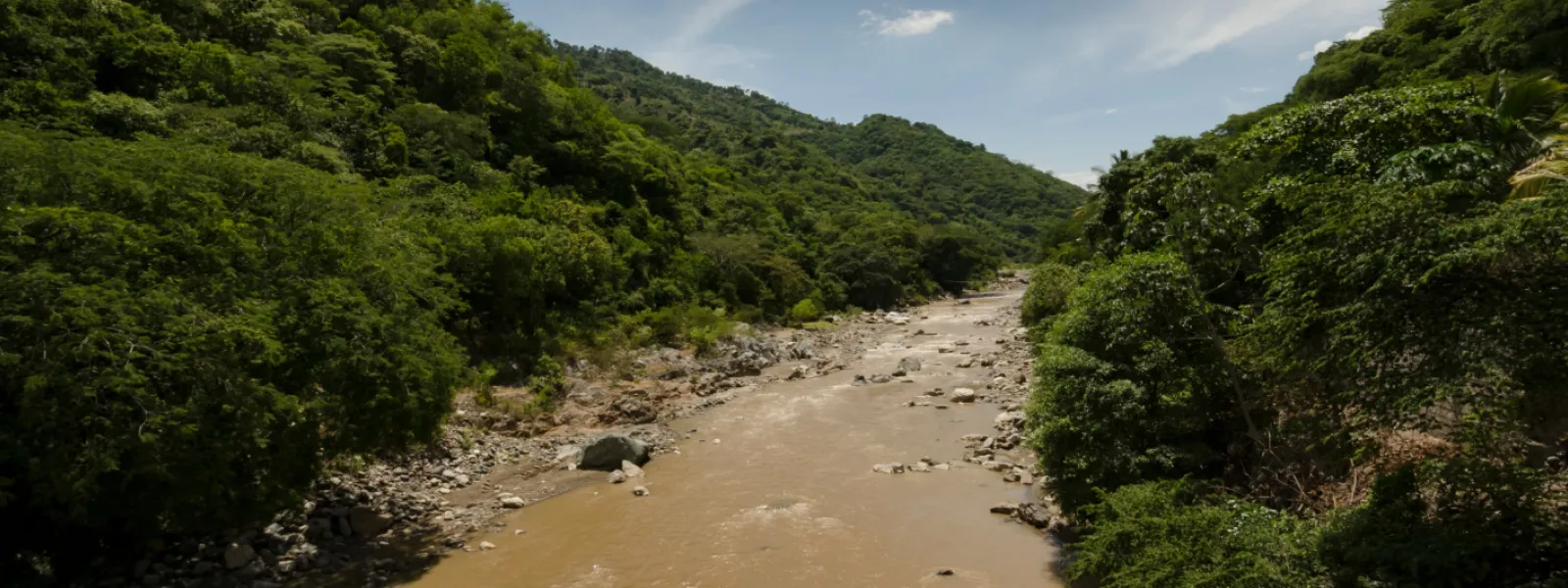
The Motagua River basin—Guatemala’s largest and most important river—is severely polluted with wastewater, solid waste, and other types of debris.
This is a cross-border issue because the Motagua’s polluted waters flow into the Caribbean Sea, reach the coast of Honduras, and threaten the Mesoamerican Reef System.
For decades, this has violated the rights to health, water, development, and a healthy environment of all the people living in the river basin.
In June 2025, the Poqomam Maya community of Santa Cruz Chinautla—supported by AIDA, the Indigenous Peoples’ Law Firm, and allied organizations—achieved an unprecedented legal victory to halt degradation in the basin. In response to the lawsuit it filed, a Guatemalan court ordered the municipality of Chinautla to comply with a series of obligations to curb the pollution of the area’s rivers and soil.
The government's response to the ruling has so far been limited to technical working group meetings. Meanwhile, the community continues to work toward the proper implementation of the ruling and to take other actions to defend its territory and its rights.
Background
The Motagua River, which is 486 km long, flows through 96 municipalities and 14 departments in Guatemala. It originates in Quiché, a department located in the northwest, and empties into the Caribbean Sea.
Polluting activities occur throughout the entire basin, including sub-basins and micro-basins. The largest volume of pollution comes from Guatemala City, the country’s capital, and is carried by the waters of the Las Vacas River, which in turn receives a large amount of waste from the Chinautla River.
The Chinautla River, which flows through the municipality of the same name, carries solid waste from a landfill located in Zone 3 of the capital—where trash from at least 14 municipalities in the department of Guatemala is dumped—as well as sewage generated by some 500,000 people living in the northern part of the capital, which undergoes no prior treatment.
Other sources of pollution include the numerous illegal dumps in the municipality of Chinautla, the waste that private vehicles and garbage trucks dump along the banks of its rivers, as well as the sand-mining companies—which began setting up operations in the area between 1996 and 1997—whose activities weaken the rivers' basins, causing solid waste to be more easily carried away by the river currents.
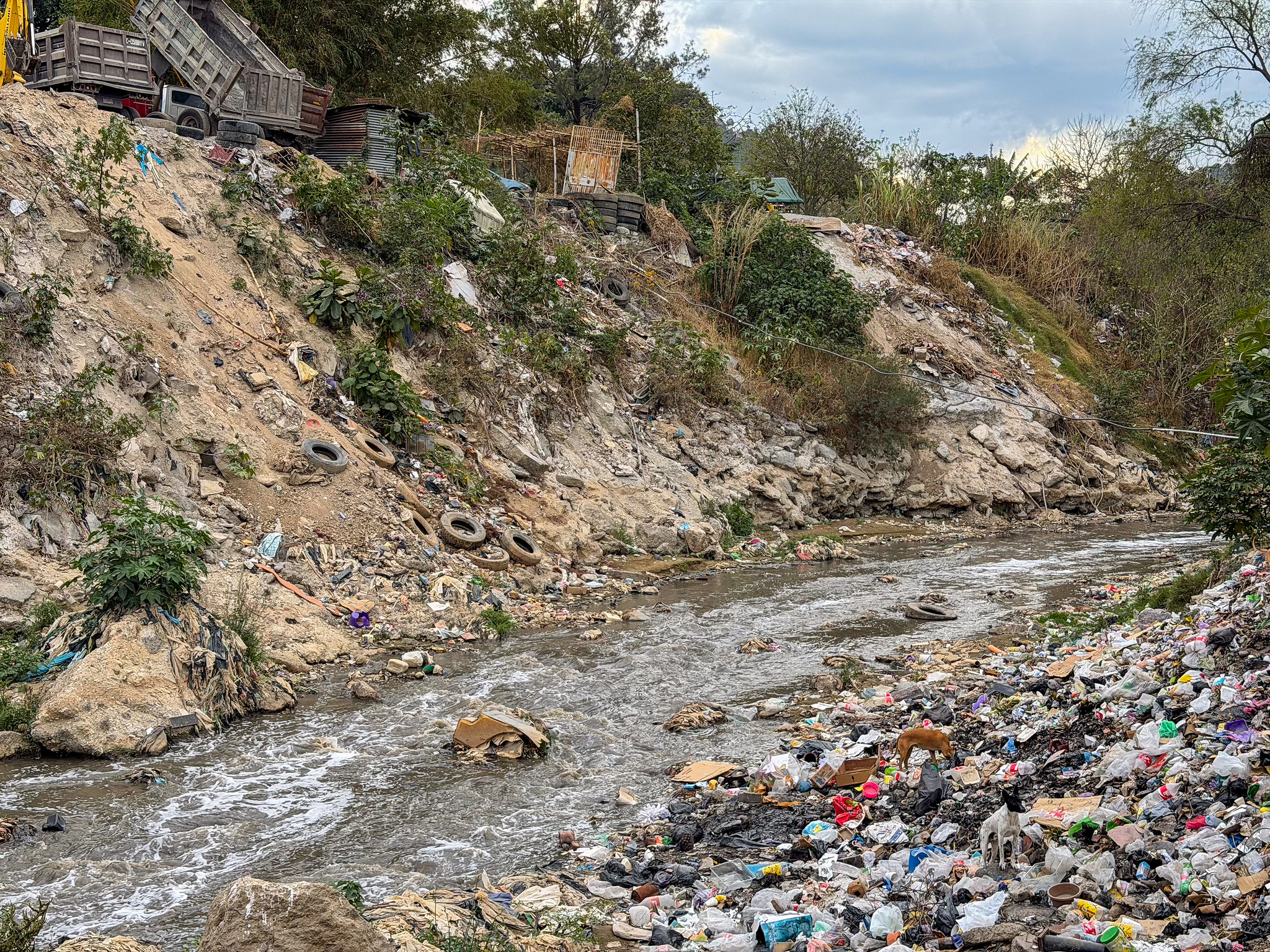
Photo: Mayela Sánchez García.
The situation extends beyond national borders. Every year, the Motagua River discharges some 20,000 metric tons of plastic into the Caribbean Sea, making it one of the rivers that contributes the most plastic pollution to the ocean worldwide, according to estimates contained in a 2025 report by the Inter-American Commission on Human Rights (IACHR).
The river flows into the Mesoamerican Reef at its mouth, so pollution also threatens to degrade one of the largest and most biodiverse transboundary reefs on the planet, which spans the territorial waters of Belize, Guatemala, Honduras, and Mexico.
In addition, the contaminated water reaches the coast of Honduras and spreads into Amatique Bay, located along the eastern coast of Guatemala, affecting the Caribbean Sea.
The roots of this chronic, cross-border problem are structural. Data from the Integrated Environmental Management of the Motagua River Basin project, funded by the United Nations Development Program (UNDP), show that in Guatemala, 66% of municipal solid waste is not collected, and there is no guarantee that the remaining 34% is disposed of properly. Furthermore, of all landfills nationwide, 88.32% are illegal or lack municipal authorization.
In other words, the core issues that need to be addressed are the mismanagement of solid waste and water resources in Guatemala; noncompliance with existing regulations on wastewater discharge and the disposal and treatment of solid waste and residues; and the lack of a water law.
The Poqomam Maya people's quest for justice
The rivers of Santa Cruz Chinautla, a community of the Poqomam Maya people located just twelve kilometers from Guatemala City, have become conduits of pollution that are degrading the Motagua River.
For decades, the local population has seen its health and livelihoods—including pottery, one of the main economic activities and a source of identity—damaged due to the lack of waste management in the municipality of Chinautla and the urban area of the country’s capital, as well as the activities of sand-mining companies.
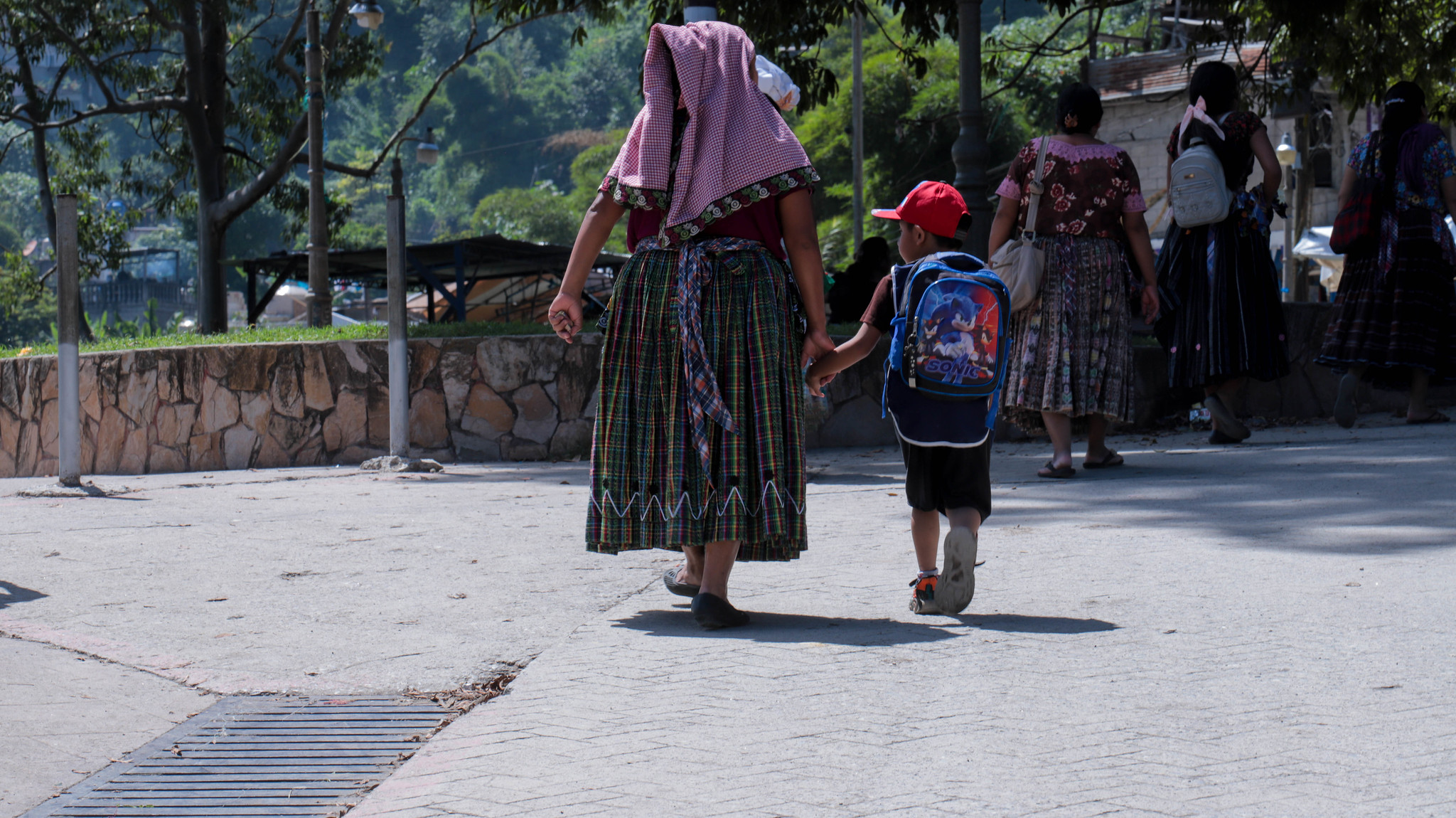
Photo: Mario Winter.
Voices for the Motagua River: Olga Vázquez.
Voices for the Motagua River: Nazario Pascual.
In early 2000, the Maya community organized to stop sand mining on their territory. At that time, the companies held mining permits that remained valid through 2021 and 2022. And although the permits expired, some companies continued to operate after requesting extensions. In June 2022, the indigenous authorities of the Poqomam people began a sit-in protest in front of the Piedrinera San Luis company, which they maintained for four years.
In July 2024, the Special Rapporteur on Economic, Social, Cultural, and Environmental Rights of the IACHR visited Santa Cruz Chinautla. During his visit, traditional authorities and community members spoke about the environmental, water-related, health, economic, and cultural impacts of the pollution in their rivers.
That same year, in October, the community—with support from AIDA, the Indigenous Peoples’ Law Firm, and partner organizations—filed a lawsuit (petition for amparo) against the municipality of Chinautla over its failure to take measures to address the contamination of its rivers and soil caused by improper solid waste management and the existence of illegal landfills.
AIDA’s scientific team, together with local residents and community authorities, collected key information on illegal landfills in the area. This community science initiative supported the litigation by highlighting the severity of the pollution, demonstrating the ongoing use of such practices, and providing evidence of the municipal authorities’ failure to fulfill their legal obligations regarding waste management.
Learn more about this community science initiative.
In June 2025, the Poqomam community won the support of the Guatemalan justice system when a constitutional court ordered the municipality of Chinautla to effectively address the claims in the lawsuit aimed at stopping the pollution of the rivers and soil in Santa Cruz Chinautla.
This is the first time a Guatemalan court has recognized a community's right to a healthy environment and its central role in finding solutions.
Find out the details of the legal victory.
Current situation
Since the ruling was issued, the municipality of Chinautla has held a series of “technical working groups” with representatives from the central government, civil society, and the community. A smaller group of technical experts was later created to develop a work plan with clear goals. Several months have passed without the municipality convening these working groups.
Furthermore, in December 2025, the IACHR noted in its report Human Rights Situation in Guatemala that the Motagua River basin is facing a severe pollution crisis that has had profound impacts on biodiversity and has resulted in systematic violations of the human rights of local communities, including the Maya Poqomam people.
And in May 2026, the Ministry of the Environment and Natural Resources revoked the license of the sand mining company Piedrinera San Luis for "failure to comply with environmental commitments."
AIDA continues to monitor the implementation of the court ruling to ensure the right to a healthy environment for the Poqomam Maya community and all those living in the Motagua River basin. Meanwhile, the residents of Santa Cruz Chinautla remain organized and mobilized to improve their environment and defend their rights.
Related projects
Letter to OAS Member States on the Financial Crisis at the IACHR
AIDA joins more than 300 organizations in calling on Member States of the Organization of American States to act swiftly in the face of the financial crisis affecting the Inter-American Commission on Human Rights. Our letter calls for urgent action to guarantee the immediate funding of the important human rights institution, as well as for the creation of a sustainable fund to guarantee ongoing financing. Read it below: OAS Member States, The Coalition for Human Rights in the Americas, and the members of other regional and global networks from civil society, express our deep concern over the severe financial crisis currently affecting the Inter-American Commission of Human Rights (IACHR). We endorse this statement in order to appeal all Member States of the Organization of American States (OAS) to take the necessary actions to guarantee the immediate and proper funding of the IACHR in order to fulfill its mandate. In addition, we urgently call for the creation of a sustainable fund to finance the Organs of the Inter-American Human Rights System (IHRS), in order to address the precarious situation, which both the Commission and Inter-American Court of Human Rights have been going through since in the last few years. The Inter-American Commission is mandated to promote the observance and protection of human rights in the Americas, and acts as a consultative organ to the OAS in this area. It is the only regional mechanism that supervises the obligations of all Member States of the OAS in this area, and constitutes the last resort for defending against violations of fundamental rights in the continent. The IACHR is an international referent, due to its great labour of protecting thousands of human rights defenders, who live threatened and criminalized in the Americas. This organ watches over the indigenous people and afro-descendant people’s rights, women and children, and the LGTBI community rights as well, among other vulnerable populations. The role of the IACHR, not only in the area of human rights protection, but also in the implementation of measures to promote their accomplishment, affects almost a billion people across the region. In spite of that, the Inter-American Commission has historically suffered from a structural lack of funds, which are currently reaching the point of effectively compromising the Commission's ability to fulfill its basic functions, including its mandate assigned by the OAS Member States. The Commission itself has announced that on July 31st of 2016 the contracts of 40 percent of its personnel will expire, and at this time the Commission does not have the funds—or the expectation of receiving the funds—to be able to renew them. In addition, the IACHR has reported that it has been forced to suspend the country visits it had planned for this year, as well as the 159th and 160th Period of Sessions, which had been scheduled for July and October of this year. In contrast with other human rights protection organs, either national or international, the financing received by the IACHR from the regular OAS fund, meaning from the Member States, is contradictory with the countries' wish to aspire to build a more democratic region. In 2016, the regular budget provided by the fund was around $5,4287.9 million dollars, which is 6.44 percent of the annual budget of the OAS – by comparison, the Council of European member States provides 41.5 percent of its annual budget to the promotion and protection of human rights. Even though the OAS General Assembly has approved in the past resolutions committing to address this matter, these changes have not materialized with the required increase of resources, that would allow both the Commission and Court – whose budget will be reduced in a third part by the end of the year, if nothing changes – to have with the proper funding to successfully fulfill their mandates. In addition, the aim of this petition is not only for the IACHR to be able to carry out with the scheduled activities for the current year, to renew the contracts of 40 percent of its staff and to conduct the 159th and 160th Period of Sessions, but also to create a structure for this purpose that converts the funding of those organs into a sustainable practice, significantly increasing the budget that the OAS provides to the Inter-American Human Rights System. The signing Civil Society organizations see in this crisis a unique opportunity to reinforce the OAS Member States' commitment to human rights in the continent. This is why we call on countries to figure out how to secure a strong and stable funding structure, which effectively guarantees the protective devices and tools that the ISHR provides to millions of people in the Americas.
Read more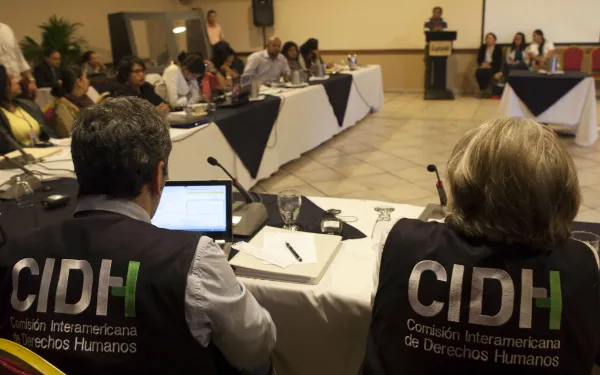
Statement of AIDA, APRODEH and Justiça Global on the financial crisis affecting the Inter-American Commission on Human Rights (IACHR)
The organizations decry the affront to human rights in the region and urges members of the Organization of American States to fulfill their responsibility to adequately fund the Commission. Washington, DC, USA. The Inter-American Commission on Human Rights (IACHR) announced yesterday that a grave financial crisis has led to the suspension of site visits, the cancellation of hearings, and the imminent loss of 40 percent of its staff. The Commission is an autonomous organ of the Organization of American States (OAS). Its mandate is to promote the protection of human rights on the American continent. Together with the Inter-American Court on Human Rights, it forms the Inter-American System for the Protection of Human Rights, which is often the last hope for people and communities whose human rights have been violated and who have failed to find justice in their own country. The Commission called upon OAS Member States to provide funds promised for its operation, and to adopt “a historic and far-reaching decision, one that reflects the States’ commitment to the defense of human rights in the region” at the General Assembly in June. In response to this urgent situation, the Interamerican Association for Environmental Defense (AIDA), the Asociación Pro Derechos Humanos (APRODEH) from Peru and Justiça Global from Brazil, stated: “The imminent loss of nearly half the Commission’s staff is a serious threat to human rights in the region and reflects the lack of political will of Member States to support the Inter-American Commission’s mandate. “Thousands of victims of human rights violations in the hemisphere have placed their trust and their last hopes for justice in the Commission. This is the case for people poisoned by heavy metals in La Oroya, Peru, as well as for communities that have lost their way of life due to the Belo Monte Dam in Brazil. Both groups have cases long pending before the Commission, and bravely continue to seek justice for the violation of their rights. “By not properly financing an organization that they themselves created, the States are establishing another obstacle for these people in their search for justice. “We call on Member States of the OAS to make a voluntary emergency contribution that will allow the Commission to keep its staff, make its planned visits, and undertake the hearings planned for July and October. “The States of the region have a responsibility to the Inter-American System. It is our hope that they honor it, not through speeches and resolutions filled with good intentions, but with concrete actions and immediate financing.”
Read more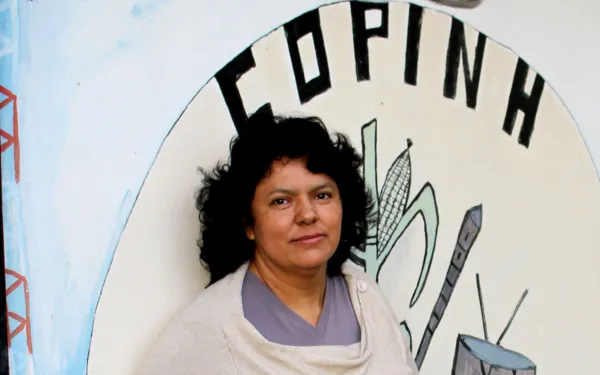
Correspondence with the World Bank Regarding Berta Cáceres and Large Dams
On May 11th, more than 300 organizations from around the world sent a letter to Dr. Jim Yong Kim, President of the World Bank, to respond to a statement he made during an event at the Union Theological Seminary in New York. In response to a question about the impacts of large dam projects as illustrated by the murder of Berta Cáceres in Honduras he stated, among other things, that “you cannot do the work we’re trying to do and not have some of these ‘incidents’ happen.” The organizations signing this letter consider these statements from the World Bank President unacceptable and urge him to immediately rectify his actions and make a public apology. Dr. Kim’s statement is available on video (minute 53). CONSULT the letter sent to the World Bank President in ENGLISH and SPANISH. On May 11th, the World Bank responded to the letter from organizations in a public brief on Honduras and indigenous peoples, which can be found on their website. On May 13th, a drafting committee from the coalition of organizations answered the World Bank, taking note of the President's condemnation of the murder of Berta Cáceres. The also noted that the reference the President of the World Bank made to the grave human rights violations caused by dams, such a involuntary displacement, is worrying and must be addressed. They reiterated the existence of alternatives to large hydroelectric projects and the need to implement such solutions. The organizations concluded: "In honor of your commitment to “hear the voices of the Berta Caceres of the world” we look forward to the World Bank Group moving towards energy alternatives that are respectful of the human rights of people and communities; that are more efficient, less expensive and actually respectful of the planet. That is the main way to achieve real prosperity for all."
Read more