
Project
Shutterstock.
Pollution of the Motagua River in Guatemala: The Poqomam Maya people’s quest for environmental justice
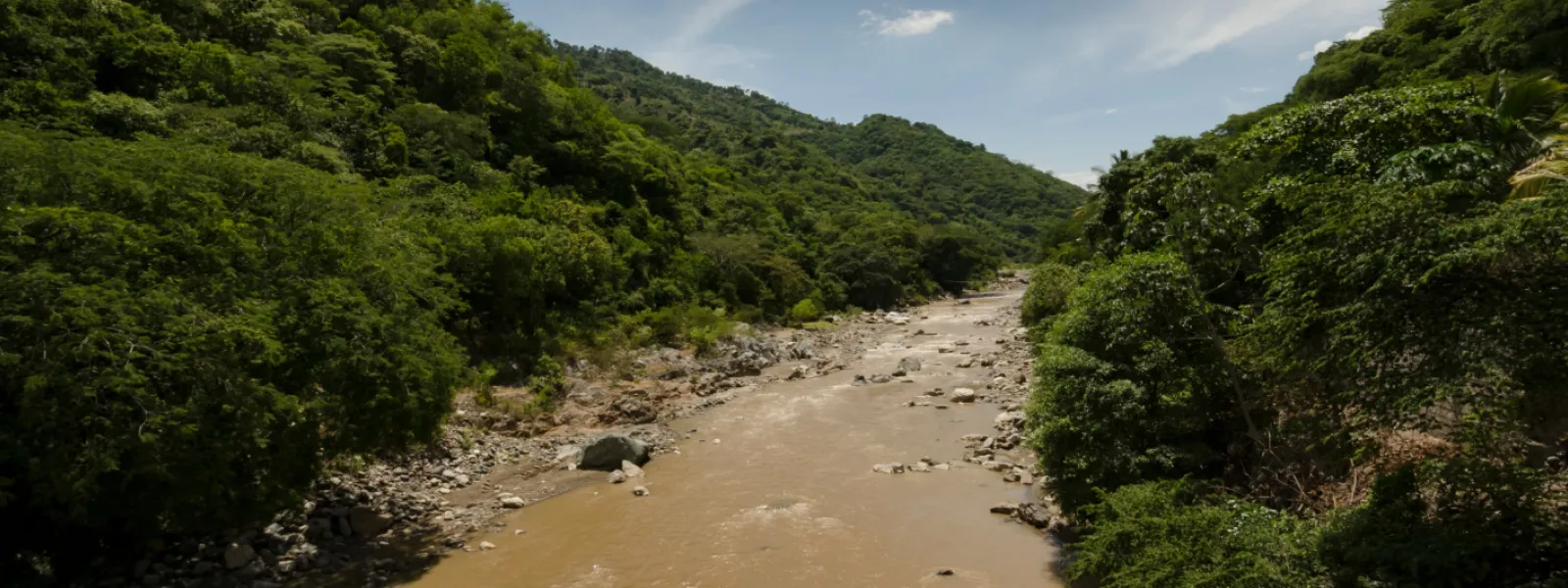
The Motagua River basin—Guatemala’s largest and most important river—is severely polluted with wastewater, solid waste, and other types of debris.
This is a cross-border issue because the Motagua’s polluted waters flow into the Caribbean Sea, reach the coast of Honduras, and threaten the Mesoamerican Reef System.
For decades, this has violated the rights to health, water, development, and a healthy environment of all the people living in the river basin.
In June 2025, the Poqomam Maya community of Santa Cruz Chinautla—supported by AIDA, the Indigenous Peoples’ Law Firm, and allied organizations—achieved an unprecedented legal victory to halt degradation in the basin. In response to the lawsuit it filed, a Guatemalan court ordered the municipality of Chinautla to comply with a series of obligations to curb the pollution of the area’s rivers and soil.
The government's response to the ruling has so far been limited to technical working group meetings. Meanwhile, the community continues to work toward the proper implementation of the ruling and to take other actions to defend its territory and its rights.
Background
The Motagua River, which is 486 km long, flows through 96 municipalities and 14 departments in Guatemala. It originates in Quiché, a department located in the northwest, and empties into the Caribbean Sea.
Polluting activities occur throughout the entire basin, including sub-basins and micro-basins. The largest volume of pollution comes from Guatemala City, the country’s capital, and is carried by the waters of the Las Vacas River, which in turn receives a large amount of waste from the Chinautla River.
The Chinautla River, which flows through the municipality of the same name, carries solid waste from a landfill located in Zone 3 of the capital—where trash from at least 14 municipalities in the department of Guatemala is dumped—as well as sewage generated by some 500,000 people living in the northern part of the capital, which undergoes no prior treatment.
Other sources of pollution include the numerous illegal dumps in the municipality of Chinautla, the waste that private vehicles and garbage trucks dump along the banks of its rivers, as well as the sand-mining companies—which began setting up operations in the area between 1996 and 1997—whose activities weaken the rivers' basins, causing solid waste to be more easily carried away by the river currents.
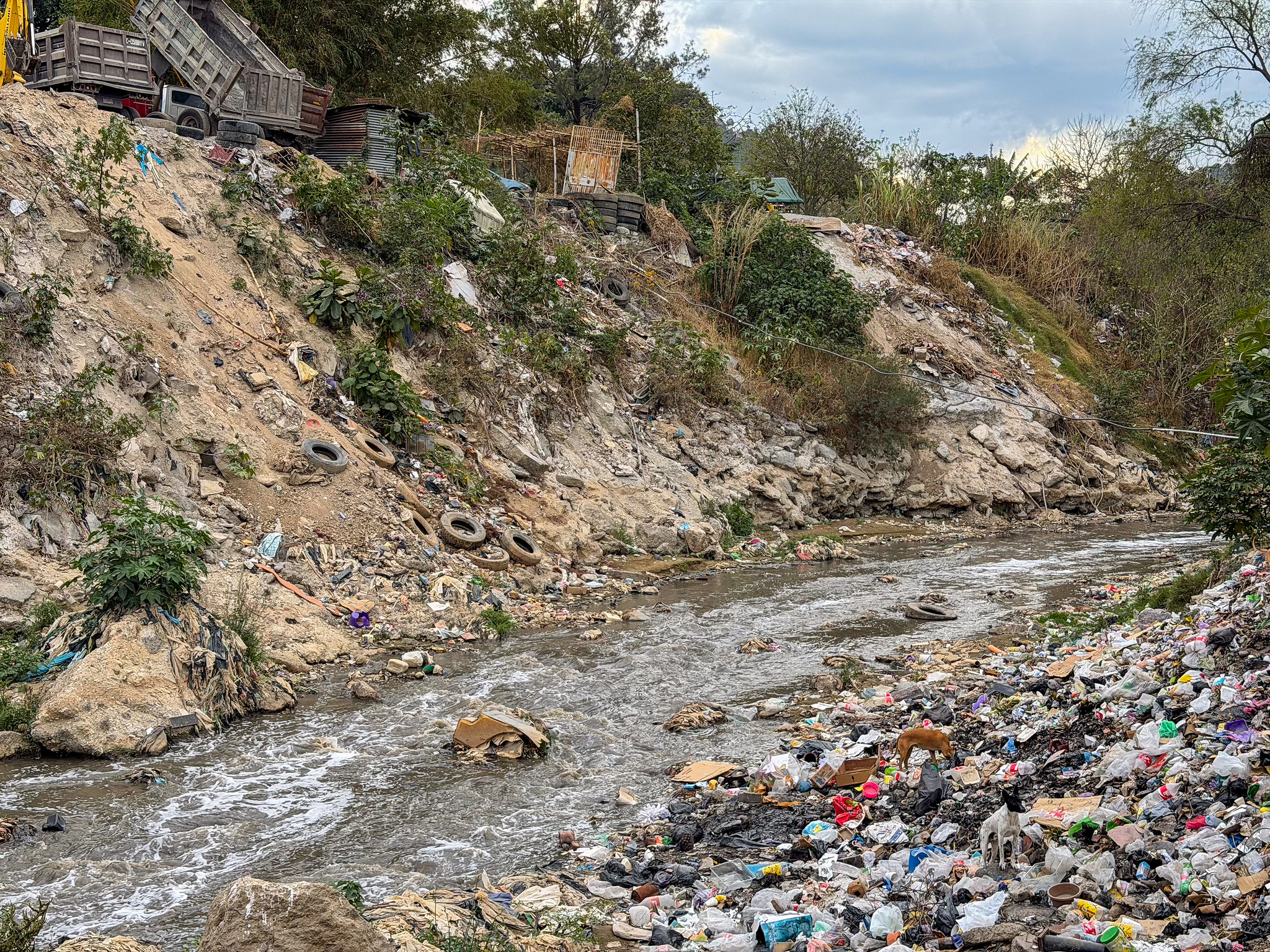
Photo: Mayela Sánchez García.
The situation extends beyond national borders. Every year, the Motagua River discharges some 20,000 metric tons of plastic into the Caribbean Sea, making it one of the rivers that contributes the most plastic pollution to the ocean worldwide, according to estimates contained in a 2025 report by the Inter-American Commission on Human Rights (IACHR).
The river flows into the Mesoamerican Reef at its mouth, so pollution also threatens to degrade one of the largest and most biodiverse transboundary reefs on the planet, which spans the territorial waters of Belize, Guatemala, Honduras, and Mexico.
In addition, the contaminated water reaches the coast of Honduras and spreads into Amatique Bay, located along the eastern coast of Guatemala, affecting the Caribbean Sea.
The roots of this chronic, cross-border problem are structural. Data from the Integrated Environmental Management of the Motagua River Basin project, funded by the United Nations Development Program (UNDP), show that in Guatemala, 66% of municipal solid waste is not collected, and there is no guarantee that the remaining 34% is disposed of properly. Furthermore, of all landfills nationwide, 88.32% are illegal or lack municipal authorization.
In other words, the core issues that need to be addressed are the mismanagement of solid waste and water resources in Guatemala; noncompliance with existing regulations on wastewater discharge and the disposal and treatment of solid waste and residues; and the lack of a water law.
The Poqomam Maya people's quest for justice
The rivers of Santa Cruz Chinautla, a community of the Poqomam Maya people located just twelve kilometers from Guatemala City, have become conduits of pollution that are degrading the Motagua River.
For decades, the local population has seen its health and livelihoods—including pottery, one of the main economic activities and a source of identity—damaged due to the lack of waste management in the municipality of Chinautla and the urban area of the country’s capital, as well as the activities of sand-mining companies.
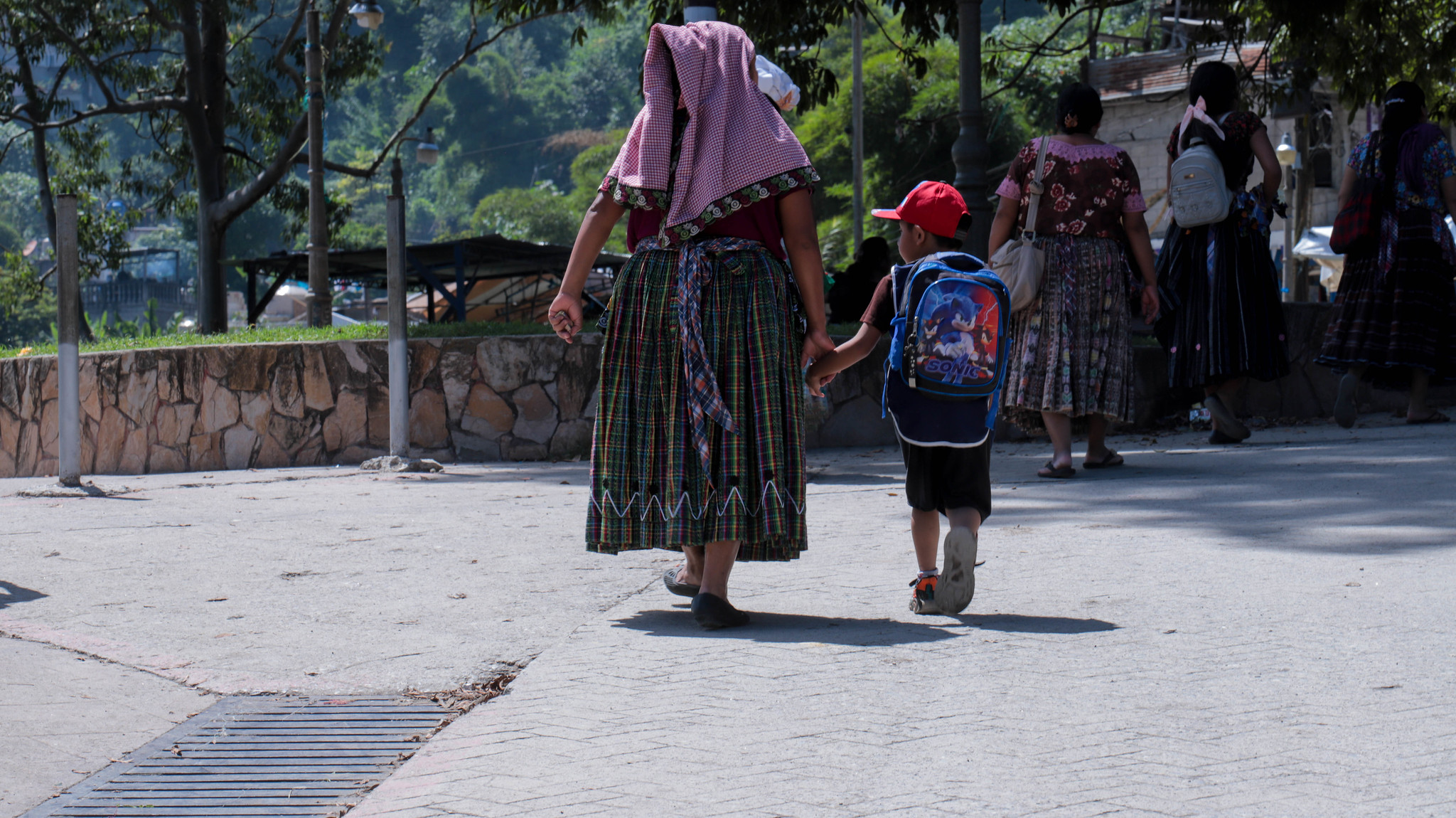
Photo: Mario Winter.
Voices for the Motagua River: Olga Vázquez.
Voices for the Motagua River: Nazario Pascual.
In early 2000, the Maya community organized to stop sand mining on their territory. At that time, the companies held mining permits that remained valid through 2021 and 2022. And although the permits expired, some companies continued to operate after requesting extensions. In June 2022, the indigenous authorities of the Poqomam people began a sit-in protest in front of the Piedrinera San Luis company, which they maintained for four years.
In July 2024, the Special Rapporteur on Economic, Social, Cultural, and Environmental Rights of the IACHR visited Santa Cruz Chinautla. During his visit, traditional authorities and community members spoke about the environmental, water-related, health, economic, and cultural impacts of the pollution in their rivers.
That same year, in October, the community—with support from AIDA, the Indigenous Peoples’ Law Firm, and partner organizations—filed a lawsuit (petition for amparo) against the municipality of Chinautla over its failure to take measures to address the contamination of its rivers and soil caused by improper solid waste management and the existence of illegal landfills.
AIDA’s scientific team, together with local residents and community authorities, collected key information on illegal landfills in the area. This community science initiative supported the litigation by highlighting the severity of the pollution, demonstrating the ongoing use of such practices, and providing evidence of the municipal authorities’ failure to fulfill their legal obligations regarding waste management.
Learn more about this community science initiative.
In June 2025, the Poqomam community won the support of the Guatemalan justice system when a constitutional court ordered the municipality of Chinautla to effectively address the claims in the lawsuit aimed at stopping the pollution of the rivers and soil in Santa Cruz Chinautla.
This is the first time a Guatemalan court has recognized a community's right to a healthy environment and its central role in finding solutions.
Find out the details of the legal victory.
Current situation
Since the ruling was issued, the municipality of Chinautla has held a series of “technical working groups” with representatives from the central government, civil society, and the community. A smaller group of technical experts was later created to develop a work plan with clear goals. Several months have passed without the municipality convening these working groups.
Furthermore, in December 2025, the IACHR noted in its report Human Rights Situation in Guatemala that the Motagua River basin is facing a severe pollution crisis that has had profound impacts on biodiversity and has resulted in systematic violations of the human rights of local communities, including the Maya Poqomam people.
And in May 2026, the Ministry of the Environment and Natural Resources revoked the license of the sand mining company Piedrinera San Luis for "failure to comply with environmental commitments."
AIDA continues to monitor the implementation of the court ruling to ensure the right to a healthy environment for the Poqomam Maya community and all those living in the Motagua River basin. Meanwhile, the residents of Santa Cruz Chinautla remain organized and mobilized to improve their environment and defend their rights.
Related projects
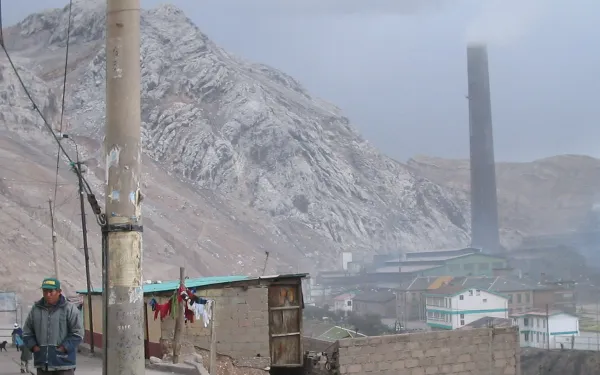
IACHR urges Peru to protect 14 additional people affected by pollution in La Oroya
The Commission did so by extending the precautionary measures originally granted in 2007. The decision arrives six years after it was requested, and confirms the severity of health deterioration in La Oroya. It also confirms that the life and integrity of affected people are at risk, and require urgent and adequate protection by the Peruvian State. Washington DC, USA. The Inter-American Commission on Human Rights (IACHR) urged the Peruvian government to protect the life and integrity of 14 additional people affected by toxic pollution in the city of La Oroya. They join the 65 people already protected by precautionary measures granted by the international body in 2007. The decision reaffirms that the health of the beneficiaries has deteriorated severely, they continue to be at risk, and their government must provide prompt and adequate care. The Interamerican Association of Environmental Defense (AIDA)—together with the Asociación Pro Derechos Humanos (APRODEH), the Centro de Derechos Humanos y Ambiente (CEDHA) and Earthjustice—represents the victims who benefit from the precautionary measures before the Commission. We express our satisfaction with the Commission’s decision, which arrives six years after it was originally requested. A metal smelter operated by Doe Run Peru is the source of the heavy metal contamination in La Oroya. The Commission has established that the lack of integral and specialized medical care, as well as health deterioration over time, could affect the right to life and integrity of the beneficiaries of the precautionary measures, which now number 79. “The extension of the precautionary measures reaffirms the urgent and serious situation threatening the life and integrity of the people of La Oroya. We hope the State fully complies with the provisions in favor of all of the beneficiaries, providing them with adequate and specialized medical attention,” said María José Veramendi Villa, AIDA attorney. The Commission’s decision states that the government of Peru must conduct the medical evaluations necessary to determine the levels of lead, cadmium and arsenic in the blood of affected people, in order to provide them with appropriate medical care, in accordance with international standards. The government must also report on the actions taken to investigate the facts that led to the extension of the precautionary measures, in order to avoid their repetition. Our case on the human rights violations committed against the affected people remains pending the final decision of the Commission. AIDA and APRODEH expect that the report will hold the Peruvian government responsible for said violations.
Read more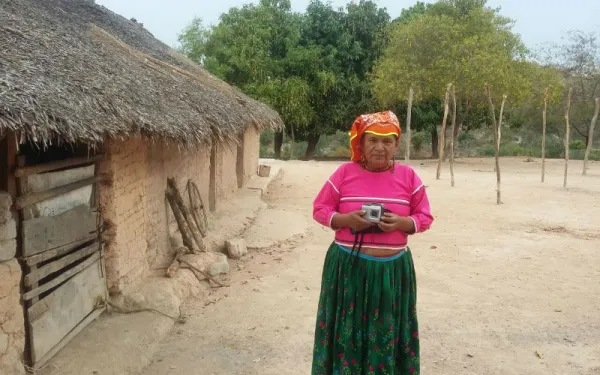
Marcelina, the voice of the San Pedro Mezquital
At 57 years old, Marcelina López has a very active life. She sews her own clothes, makes beautiful jewelry, raises chickens, sells eggs, cooks, is a midwife and organizes the women of her community; all while faithfully conserving her traditions, those of the indigenous Wixárika people. Perhaps what distinguishes Marcelina most is her great character and conviction, qualities that have rooted her deeply in a grand cause: the defense of Mexico’s San Pedro Mezquital River, threatened by Las Cruces Dam. At AIDA we’re deeply moved by the commitment of Marcelina and honored to be part of the same fight. Just like her, we want the San Pedro—the only free-flowing river left in the western Sierra Madre Mountains—to run free. We’ve been inspired to know more about this incredible woman, and to understand why she does what she does. Colors of the Sierra Madre Marcelina lives in a house made of mud, built high upon a hill, in a small community in the state of Nayarit. To go anywhere from her house, she has to walk an hour and a half through the mountains. She travels everywhere on foot. There’s no doubt Marcelina is a special woman. Everyone in the region knows her; she is unmistakable. She has the look of a wise indigenous woman, the bright colors of her clothes equal only to those of the beaded necklaces she wears each day. She herself colors the beads; they are a symbol of the importance of her culture. She often wears a head wrap, which gives her an air of certainty and connotes rich ancestral wisdom. Though her profound presence can seem serious, Marcelina is a very sweet and loving person. Over the years, Marcelina has not been immune to violence and machismo, in its many expressions. She has had to fight to have her voice recognized in agrarian assemblies, and, for a time, had to provide for her children as a single mother. Her people, the Wixárika—known in Spanish as the Huicholes—are a majority group in Nayarit. They live in the western central region of Mexico, in the Sierra Madre Mountains; they primarily populate the states of Nayarit and Jalisco, but are also represented in parts of Durange and Zacatecas. In their native tongue, belonging to the family of Uto-Aztecan languages, wixárika means “people.” For the Wixárika, ceremonies are fundamental to the social wellbeing of the group. It is through these sacred rituals that they ask for rain, give thanks for the harvest, bless its fruits, and pray for health and vitality. Their ceremonies are, in short, where they celebrate and honor life. For Marcelina and her people, the San Pedro Mezquital is the pillar of social, spiritual and economic life. Its waters support their subsistence farming and fishing activities; 14 of their sacred sites are spread along its length. What’s more, the river feeds Marismas Nacionales, one of the most important mangrove forests in all of Mexico. This important source of life and culture is threatened now by the construction of Las Cruces Dam, a project being proposed by the Federal Electricity Commission. The megaproject would be located 65 kilometers north of the city of Tepic. It would have a capacity of 240 MW, divided between three generators. The dam would effectively stand as a 188-meter high concrete curtain. Speaking for the river In her excellent Spanish, accented with clear links to her indigenous roots, Marcelina has on various occasions stood before microphones and cameras to defend the San Pedro River and the lives of those who depend upon it. “The construction of this dam will have a severe impact on our culture and our spirituality. Many of our ceremonial centers are located along this river,” she explained. “It is there that we leave our offerings of thanks; it there that we pray, not just for our own community, but for the entire world.” When asked why she decided to be part of the movement in defense of the San Pedro, Marcelina responded: “As an indigenous women, I’m hurt that they want to take away our river. What’s happening? Why didn’t they consult us indigenous people [about the project]? Where is their respect? Why are we treated this way?” Her questions remain unanswered. The construction of Las Cruces will have negative impacts on the land, its natural resources, and the way of life of the indigenous people who depend upon it. The dam will flood 4,506 hectares; the town of San Blasito, sections of communal land, at least 14 sacred sites, and one ceremonial center, will all be under water. “We are the roots of Mexico,” Marcelina concluded. “It’s not easy for us to change our sacred sites; they’re like a tree rooted deep in the soil. Down these rivers run the blood of our gods.”
Read more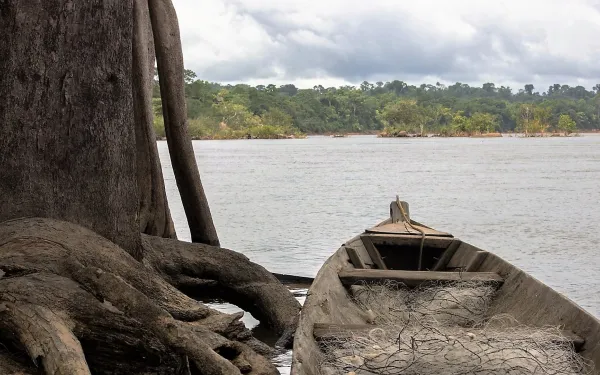
Brazil inaugurated Belo Monte: There’s nothing to celebrate!
The Brazilian government grandly inaugurated the Belo Monte Dam, which sits on the Xingu River in the midst of the Amazon. As an organization that legally represents affected indigenous and riverine communities, as well as residents of the city of Altamira, we consider there to be no reason to celebrate. The dam has been built by overlooking national and international standards that safeguard the environment and human rights. GET TO KNOW MORE about this injustice through the words of our senior attorney María José Veramendi Villa!
Read more