

Press Center
A raw materials transition instead of a raw materials rush: Civil society calls for a change of course in raw materials policy
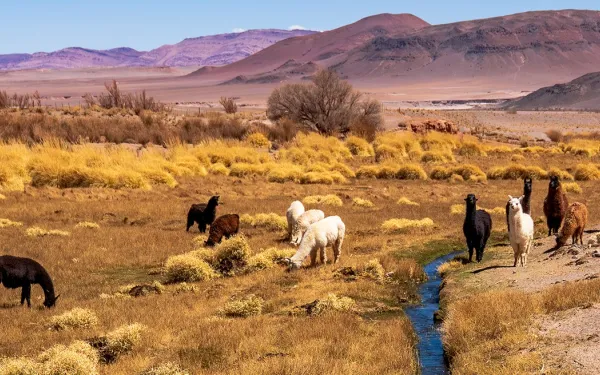
Berlin. From today until October 8th, more than 35 organizations from Germany and numerous other countries will share their perspectives at events on raw material extraction and global justice during Alternative Raw Materials Week. With 25 events on the circular economy, human rights, and environmental protection, the week is intended as a civil society intervention in current international raw materials policy. The highlight will be the Raw Materials Summit on October 6, 2026.While Germany and the EU are securing their supply of critical raw materials and pushing ahead with new raw materials projects, a broad coalition of civil society organizations warns against sacrificing environmental, human rights, and participatory standards in the pursuit of faster raw materials supply.Hannah Pilgrim, coordinator of the Raw Materials Working Group and initiator of Alternative Raw Materials Week: "The federal government is setting completely the wrong priorities with its raw materials policy. It cannot keep up in a race against China or the U.S. Instead, it should focus on a sustainable raw materials policy that prioritizes reducing external dependencies by cutting raw materials consumption and expanding the circular economy. To be taken seriously by raw materials-rich partner countries, it must defend hard-won standards in the areas of human rights and the environment.Through the Alternative Raw Materials Week, we bring together voices that need to be heard more clearly in the current debate: from mining regions, academia, labor unions, and international civil society.”Víctor Quintanilla-Sangueza, Content Coordinator of the Interamerican Association for Environmental Defense (AIDA): “European raw materials policy poses significant risks to the people of Latin America because of the serious environmental and social impacts associated with mining lithium, copper, and other raw materials. That is why we join critical forums for debate—such as the one facilitated by the Alternative Raw Materials Week—to amplify the voices of affected communities. We are countering the prevailing narrative of the energy transition with one that puts life at the center. We are questioning who is setting the rules for transition processes in the Global North and who is bearing the costs. We conduct this work in collaboration with communities and organizations in Latin America, including the Andean Wetlands Alliance”.During Alternative Raw Materials Week, various international guests from Argentina, Bolivia, the Democratic Republic of the Congo, and Portugal will be available for interviews. Here is a selection:Pía Marchegiani - FARN, ArgentinaNik Völker - MiningWatch Portugal Check the events calendarPress contactsAK Rohstoffe | [email protected] | + 49 (0)30 41 93 41 82Press | [email protected] | +49 1577 7764 847
Read more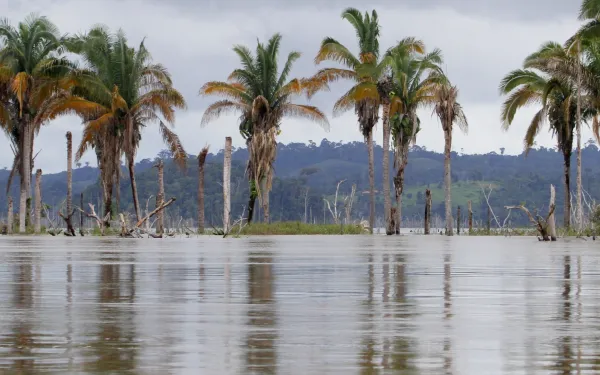
Ten years of Belo Monte: The time for justice has come
Ten years after its inauguration, the Belo Monte Hydroelectric Plant (UHE) in Pará returns to the center of public debate, this time under the scrutiny of the Inter-American Human Rights System. More than an anniversary, this milestone reinforces the urgency of an effective institutional response:justice cannot continue to be postponed.The case, currently pending before the Inter-American Commission on Human Rights (IACHR), brings together a substantial body of evidence regarding human rights violations associated with the Belo Monte UHE. Filed by a coalition of civil society organizations, including the Inter-American Association for the Defense of the Environment (AIDA), Global Justice, Coordenação das Organizações Indígenas da Amazônia Brasileira (COIAB), Movimento Xingu Vivo para Sempre (MXVPS), and the Conselho Indigenista Missionário (CIMI), the petition consolidates allegations of violations of the rights to life, health, prior consultation, and a healthy environment. The case is at an advanced stage of review and could soon be referred to the Inter-American Court of Human Rights.A decade on, the socio-environmental impacts remain significant and largely unmitigated. The Volta Grande do Xingu—a stretch of approximately 130 km directly affected by the artificial reduction in river flow—represents the project’s most serious liability. The alteration of the hydrological regime, compounded by extreme events associated with climate change, has compromised local ecosystems, disrupted the reproductive cycle of species, reduced navigability, and threatened the food and water security of populations that depend directly on the river.Indigenous communities, riverine populations, and artisanal fishers face the ongoing deterioration of their ways of life, including reduced fish availability and impacts on fishing livelihoods. Additional harms include inadequate resettlements, increased violence, mental health impacts, and threats to cultural practices and traditional ways of life.Unlike the debates that characterized the project’s implementation phase, today’s discussion is shaped by the climate emergency and new international regulatory standards. Advisory Opinion OC-32 of the Inter-American Court of Human Rights provides clear guidelines on states’ obligations to protect human rights in the face of the climate crisis, recognizing the right to a healthy environment as a foundational principle. In this context, the Belo Monte Hydroelectric Plant case is a significant test of how energy development, environmental protection, and the rights of local populations can—and must—be reconciled.The organizations monitoring the case highlight non-compliance with precautionary measures issued by the Commission as a key reason to advance to the Court. The legal merit of the case, combined with its international significance, positions the case as ready for adjudication."More than a decade after the start of the Belo Monte hydroelectric project, the impacts on the Xingu River continue and are worsening, exacerbated by pressure for new projects and the climate crisis. The communities remain mobilized for justice and confident in the Inter-American Commission’s efforts to bring the case before the Court—the final step to ensure full reparations and the protection of the territory and its ways of life," said Marcella Torres, legal coordinator of AIDA’s Human Rights Program.According to Melisanda Trentin, coordinator of Socio-Environmental and Climate Justice at Justiça Global, the Belo Sun mining project is moving forward in the Volta Grande do Xingu region with consultation flaws identical to those of the Belo Monte project. “What is at stake in the region is the accumulation of harm and violations of human and environmental rights. A river with reduced flow, communities facing food insecurity and altered ways of life, and now a new project that repeats the same violations denounced in the Inter-American System for over 10 years,” she points out.For the signatory organizations, the ten-year mark represents a critical window for justice. The Belo Monte case is no longer an isolated episode— it stands as a benchmark for the concrete application of environmental justice in the Amazon, amid growing climate pressure and demands for state accountability.ABOUT - Belo Monte is the fourth-largest hydroelectric power plant in the world, built on the Xingu River in the state of Pará, in the heart of the Amazon. With an installed capacity of 11,233 MW, it was inaugurated on May 5, 2016. Its operation diverts 80% of the Xingu River’s flow through a canal 500 meters wide and 75 km long. The flooded area between the canal and the reservoir covers 516 km², larger than the city of Chicago, of which 400 km² was native forest.#JutiçaNoXingu See the statement from the petitioners in the Belo Monte case before the IACHR Read what the petitioning organizations in the case have to say:Coordination of Indigenous Organizations of the Brazilian Amazon (COIAB)"There is no legal certainty without respect for the inherent rights of indigenous peoples. In the Amazon, this defense goes beyond the legal realm: it is a commitment to life, to the integrity of territories, and to the planet’s climate balance. The harm that the construction of the Belo Monte Dam has caused to indigenous populations and the environment has become a reality and is irreversible. COIAB’s Legal Advisory Office works to ensure that the Constitution, international treaties, and the self-determination of indigenous peoples are effectively respected at all levels of decision-making," states Gabriele Baré, coordinator of COIAB’s Legal Advisory Office.Movimento Xingu Vivo Para Sempre "Belo Monte uprooted people from the riverbanks and scattered the Xingu people far and wide, away from the river, their community, and the daily life they knew and loved. The riverine dwellers ceased to be who they were; the fisherwomen ceased to be who they were; they became nothing, many of them wandering the outskirts of cities. These people lost their identity and, with it, their soul. All that remained was emptiness and loneliness. The impact of the loss of their way of life cannot be compensated, but it must be acknowledged so that some form of redress can be made," says Ana Laide Barbosa, an educator with the Xingu Vivo para Sempre Movement.Observatory of Isolated Indigenous Peoples (OPI)"The construction of the Belo Monte hydroelectric dam has exacerbated threats and pressures on the indigenous peoples of the Middle Xingu region in a manner similar to what occurred during the dictatorship with the opening of the Trans-Amazonian Highway in the same region. Recently contacted peoples such as the Parakanã and the Arara have suffered from alarming rates of invasions and illegal deforestation on their lands, and the refuge of the isolated indigenous groups of Ituna Itatá has become one of the most deforested areas in Brazil. At the same time, the diversion of the Xingu River’s waters causes ecocidal damage to the indigenous peoples of Volta Grande; and harmful impact compensation policies have had disintegrating and ethnocidal effects on nearly all the peoples. “For all these reasons, the hydroelectric dam has become yet another example of the colonial relationship established by the Brazilian state with the Amazonian peoples and a debt of reparation that must be acknowledged and addressed," says Helena Palmquist, deputy coordinator of the Observatory of Isolated and Recently Contacted Indigenous Peoples (OPI).
Read more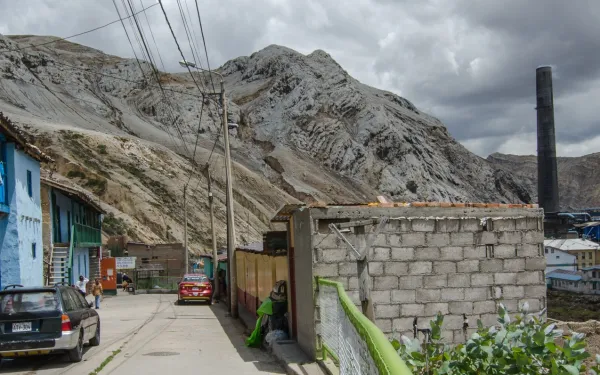
Families in La Oroya are calling on the Peruvian government to take four urgent actions to ensure effective compliance with the Inter-American Court’s ruling
In the absence of significant progress, they are calling on the government to identify the entities responsible for implementing each measure ordered by the Court, to provide comprehensive and specialized health care, to ensure the mitigation of pollution from the La Oroya Metallurgical Complex, and to immediately pay compensation to the victims of the case. La Oroya, Peru. Given the minimal progress made in complying with the ruling issued two years ago by the Inter-American Court of Human Rights, families affected by decades of pollution in La Oroya are demanding that the government urgently take four necessary steps to ensure the effective implementation of the ruling in the short term.On March 22, 2024, the international court issued a ruling holding the Peruvian government responsible for human rights violations against a group of 80 residents of La Oroya and ordering it to take comprehensive remediation measures. However, implementation of the ruling remains in its early stages, primarily due to the government’s lack of political will and its constant shifting of arguments to delay the process. Progress to date has been limited to publicizing the ruling, making payments to the Victims’ Fund established by the Court, and launching criminal investigations into the stigmatization and persecution of victims for their environmental defense work.Furthermore, in the two years since the ruling was issued, the La Oroya Metallurgical Complex, having resumed operations, has once again caused pollution levels in the city to exceed those recommended by the World Health Organization. "The reactivation of the Metallurgical Complex in March 2024, without complying with current environmental standards, once again puts the health of the entire population of La Oroya at risk. Today, neither the victims in this case nor the rest of the city’s residents are guaranteed access to healthcare in the face of pollution. Furthermore, there is no clarity on when this situation will end, which creates significant uncertainty due to the government’s failure to act," stated Rosa Peña, senior attorney at the Inter-American Association for Environmental Defense (AIDA), the organization bringing the case before the Court alongside the Pro Human Rights Association (APRODEH) of Peru. In light of this situation, the group of victims in the case is calling on the Peruvian government to move forward with implementing the ruling through four urgent actions:Issue a resolution determining jurisdiction that clearly defines which entity is responsible for each court order, and establishes a budget and specific implementation deadlines.Adopt and implement a specialized protocol for comprehensive health care, developed with the active participation of victims and with sufficient funding.Suspend operations at the Metallurgical Complex until an environmental management plan is in place that complies with the standards established by the Court; and evaluate transitional measures for property owners and workers to prevent further social impacts.Pay compensation to the victims as ordered by the Court. After more than 20 years of struggle, the landmark ruling in the case has yet to translate into better living conditions for the victims or into reparations for the harm they suffered. "It is deeply concerning that, two years after the ruling was issued, the government has not yet determined which agencies will be responsible for enforcing each of its provisions. This situation makes it impossible to even establish a forum for direct coordination on behalf of the victims and the general population of La Oroya and the country regarding mining and metallurgical activities. Let us not forget that the Court also ordered public policies at the national level to protect the environment and health in Peru," said Christian Huaylinos of APRODEH’s legal department.Although Peru’s political instability has played a role, the main obstacle to steady progress in implementing the binding international ruling has been the government’s lack of determination. Press contactLorena Zárate | AIDA | [email protected] | +52 553902 7481
Read more
Neither AngloGold Ashanti nor Mineros S.A.: Cajamarca is a municipality free of large-scale mining
Even if the companies change, the decision of Cajamarca's citizens remains the same: to defend their territory against large-scale mining. Bogotá / Cajamarca. Following the announcement by Mineros S.A. that it has signed an agreement to acquire 100% of the shares of AngloGold Ashanti Colombia S.A.S. in the La Colosa mining project in Cajamarca, the Legal Coalition for the Defense of Cajamarca (1) reiterates a clear message: Cajamarca has already decided, and its territory must remain free of large-scale mining. For more than a decade, we have been engaged in mobilization, legal defense, and advocacy efforts to protect Cajamarca from the La Colosa mining project promoted by AngloGold Ashanti. Thanks to this collective defense of the territory and environmental regulations, exploration activities for this project are currently suspended. Since 2017, the citizens of Cajamarca have spoken out emphatically through a public consultation, in which 98% of voters rejected mining activities in the municipality. This result has full legal effect, as confirmed by two Colombian judges, and represented a milestone in participation and environmental democracy in Colombia, as well as a clear expression of the territory's desire to protect water, the municipality's agricultural vocation, and the region's strategic ecosystems. In this context, the change of ownership of the project from AngloGold Ashanti to Mineros S.A. does not change the reality of the territory or the position of the communities. Although the companies may change, Cajamarca's decision remains the same: to defend its territory against large-scale mining. Furthermore, neither of these two companies has the necessary environmental permits to reactivate the La Colosa project, yet they insist on disregarding the community's autonomous and legitimate decisions. The announcement of this transaction comes just days after the Cajamarca City Council approved a municipal agreement initiated by citizens that declared 33 properties belonging to AngloGold Ashanti as areas of public utility and social interest. This decision reaffirms the municipality's institutional commitment to protecting the territory. The organizations that have signed this statement reiterate that Cajamarca is not and will not be a mining territory. Whether it be AngloGold, Mineros S.A., or any other company, large-scale mining has no place in the municipality. We will continue to take all necessary social, legal, and political actions to defend the territory and ensure that Cajamarca's decision is respected. #LaConsultaSeRespeta (1) The Coalition is made up of the Cajamarca Youth Socio-Environmental Collective (COSAJUCA), the SIEMBRA Socio-Legal Center, the Mining Studies Research Group at the University of Antioquia, the Inter-American Association for Environmental Defense (AIDA), the Public Action Group Legal Clinic (GAP) of the Faculty of Jurisprudence of the University of Rosario, the Legal Clinic on Law and Territory of the Javeriana University, the Colombian Commission of Jurists (CCJ), and Sibelys Mejía Rodríguez (independent researcher).Press contactsRobinson Mejía | COSAJUCA | [email protected] | 300 218 36 41 Sara Sofia Moreno | SIEMBRA | [email protected] | 300 568 33 33 | Lorena Zárate | AIDA | [email protected] | +52 553902 7481Laura Becerra | CCJ | [email protected] | 313 475 5815
Read more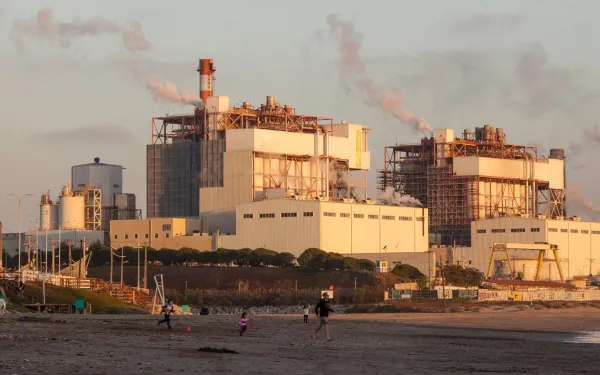
Organizations and communities call on the IACHR to take action against human rights violations caused by fossil fuel projects
At a public hearing, they highlighted the impacts and risks to Latin American communities resulting from decades of extraction, commercialization, and use of coal, oil, and gas, as well as from irresponsible closure and exit of projects in the context of the energy transition.Guatemala City. Representatives of organizations and communities in Latin America called on the Inter-American Commission on Human Rights (IACHR) to address human rights violations resulting from the operation and closure of fossil fuel projects (coal, gas, and oil) in the region.They did so at a public hearing in which—based on emblematic cases in Colombia, Chile, Ecuador, and the Dominican Republic—they presented evidence to the Commission of human rights violations and risks of violations resulting from decades of extraction, commercialization, and use of fossil fuels without complying with socio-environmental standards. They also warned of violations already occurring in the irresponsible closure and exit from projects within the framework of energy transition policies.The cases presented included the Carbones de Cerrejón project in La Guajira, northern Colombia, which is the largest open-pit coal mine in Latin America; the Punta Catalina Thermoelectric Power Plant, located in the southern region of the Dominican Republic and fueled by Colombian coal; the Quintero and Puchuncaví Thermoelectric Complex, located in a bay in Chile recognized as an environmental sacrifice zone and where 14 polluting industries converge; the Norgener thermoelectric power plant in Tocopilla, Chile, whose closure process included the forced and accelerated burning of 94,000 tons of coal that were in storage; and oil exploitation in the Amazon, including that installed in the Yasuní National Park in Ecuador, declared a Biosphere Reserve by UNESCO.The hearing—held during the 195th Session of the IACHR—was granted to the Interamerican Association for Environmental Defense (AIDA), the Waorani Nationality (Ecuador), the La Guajira le Habla al País Platform (Colombia) (1), communities of Tocopilla and the association Mujeres de Zona de Sacrificio Quintero-Puchuncaví en Resistencia (Chile), and the National Committee to Combat Climate Change (Dominican Republic).During the session, organizations and communities also presented information demonstrating that Latin America lacks regulatory frameworks to ensure the closure and exit of fossil fuel projects with a human rights approach. In this context, and based on the cases described and the trends identified, they requested that the Commission:Establish standards to guide States in fulfilling their obligations to respect and guarantee human rights throughout the entire project life cycle, ensuring early identification of impacts, prevention of harm, definition of responsibilities, and reparation for damages.Define standards and criteria to guide States in adopting preventive, corrective, and impact mitigation measures in relation to human rights, including comprehensive closure plans, the safe dismantling of infrastructure, environmental remediation, and the monitoring of risks to health and ecosystems.Promote regulatory frameworks that require companies to plan for project closure, including establishing responsibilities for environmental and social liabilities, financial guarantees for closure, and mechanisms to prevent the abandonment of operations or the transfer of assets without fulfilling closure obligations.Incorporate differentiated approaches that address the disproportionate impacts on indigenous peoples, Afro-descendant communities, rural communities, and other groups in vulnerable situations.Strengthen guarantees of access to information, effective participation, and access to environmental justice throughout the project cycle, ensuring that affected communities participate in an informed manner in the design, implementation, and oversight of closure and transition processes.Guide States in the creation of oversight, monitoring, and accountability mechanisms to monitor operational, closure, and post-closure processes; define corporate and State responsibilities; and prevent asset transfers or other corporate restructuring as a means of evading responsibilities.Urge States to anticipate and manage the social, economic, cultural, and environmental risks of the gradual replacement of fossil fuels, including measures to address the economic dependence of territories, protect communities' livelihoods, and avoid the impacts of abrupt or poorly managed closure processes.Organizations and communities argued before the IACHR that there is a growing regional risk that the closure and exit processes of fossil fuel projects will be carried out irresponsibly. In several cases, companies abandon operations, cede or transfer assets, return concessions, and cease operations without ensuring the proper management of the socio-environmental impacts generated over many years. These practices can leave impacts unaddressed or unrepaired, while blurring the responsibilities of public and private actors, thereby deepening the risks to human rights and territories.They emphasized that Amazonian states must adopt regional cooperation measures and guarantee the comprehensive protection of the Amazon—one of the most important ecosystems on the planet due to its biodiversity and role in climate regulation—in the face of the closure and exit of hydrocarbon extraction projects. (1) The platform is made up of Wayuu indigenous communities and Afro-descendants from La Guajira, the Center for Research and Popular Education Program for Peace (Cinep/PPP), Censat Agua Viva, and the José Alvear Restrepo Lawyers' Collective (CAJAR).Press contactLorena Zárate | AIDA | [email protected] | +52 553902 7481
Read more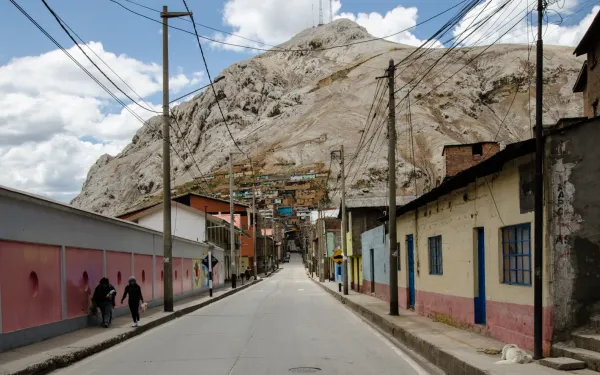
Victims in La Oroya call on the President of Peru to comply with the Inter-American Court ruling after nearly two years of delays
The group of victims recognized by the international court emphasizes the urgency of implementing the ruling on issues related to ending pollution in the city of La Oroya, providing comprehensive and specialized medical care, and paying compensation. La Oroya, Peru. Victims of decades of pollution caused by the operations of the La Oroya Metallurgical Complex sent a letter to the President of the Republic on December 19, 2025, urgently requesting compliance with the Inter-American Court of Human Rights' ruling ordering the Peruvian State to adopt comprehensive measures of justice and reparation. In the letter, part of the group of 80 victims recognized by the international court in the La Oroya v. Peru case, the group emphasizes compliance with the ruling on issues related to pollution prevention in the city, comprehensive and differentiated medical care, and the payment of compensation."Mr. President, do we have to wait another 20 years to obtain some kind of reparation? Since we began this long struggle, seven people from this group of victims have died without obtaining justice. Two of them, including a minor, died as a result of health damage caused by pollution in La Oroya, as the Inter-American Court of Human Rights confirmed in its ruling," the victims point out.Their request comes after almost two years of delays in the effective implementation of the ruling, notified on March 22, 2024, and after the Inter-American Court of Human Rights notified its interpretative judgment in November last year, in which it referred only to certain specific aspects of the original judgment that required further clarification to facilitate its execution. These points relate to health care measures, the relocation of affected persons, follow-up deadlines, compensation, and the acknowledgment of responsibility and a public apology.However, both the victims and the organizations supporting their struggle emphasize that, as established by the Inter-American Court, all orders in the original judgment are in force and fully enforceable from the moment they were issued in March 2024, with no legal impediment to immediate compliance.An essential step in achieving this is the urgent publication of the resolution determining jurisdiction by the Attorney General's Office."The victims have resorted to all legal and institutional mechanisms to access justice and see their rights restored. Today, preventing the population of La Oroya from continuing to be exposed to environmental pollution, guaranteeing comprehensive health care for those who have been affected by toxic metals, and ensuring the payment of compensation ordered by the Court are necessary and fully implementable steps for the Peruvian State to comply not only with its international obligations, but also with its fundamental duty to protect the life, health, and dignity of the people who inhabit its territory," said Rosa Peña, senior attorney at the Interamerican Association for Environmental Defense (AIDA). Christian Huaylinos, from the legal department of the Pro Human Rights Association (APRODEH), highlighted the importance of implementing the ruling throughout the country: "Several of the provisions ordered by the Court are relevant at the national level, meaning that they benefit Peruvian citizens in general in relation to pollution from mining and metallurgical activities. These include harmonizing national-level air quality regulations, guaranteeing respect for human rights and due diligence, and designing and implementing an air and water quality information system in areas of Peru with greater mining and metallurgical activity. In this regard, achieving timely and efficient compliance by the State represents the significance of the case for the benefit of all Peruvians."The victims emphasize that, given the clarifications made by the Inter-American Court in its interpretative judgment, there is no justification for the institutional delays that for more than two decades have prevented access to justice and reparation for the families affected by the pollution generated by the La Oroya Metallurgical Complex.This case has become one of the most important precedents in Latin America for protecting the rights to a healthy environment, clean air, and health, especially for communities exposed to highly polluting business operations. After more than 20 years of struggle, the victims hope that the Peruvian State will finally guarantee the justice and reparation ordered by the Inter-American Human Rights System. The victims, the population of La Oroya, and the organizations involved in the case reiterate their willingness to collaborate with the responsible institutions to ensure the effective implementation of all measures and to move toward comprehensive reparation and non-repetition.Press contactVíctor Quintanilla (Mexico), AIDA, [email protected], +521 5570522107
Read more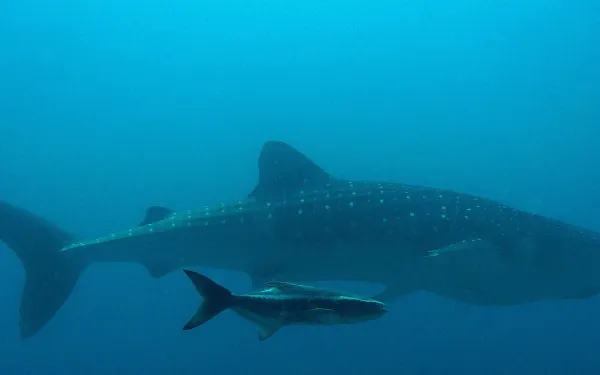
Historic High Seas Treaty enters into force, launching a new era of global ocean governance
New York. Today the High Seas Treaty, formally the Agreement on the Conservation and Sustainable Use of Marine Biological Diversity of Areas Beyond National Jurisdiction (BBNJ), has officially entered into force, marking a historic milestone for global ocean protection and multilateral cooperation.Covering nearly half the planet, the High Seas lie beyond national borders and form part of the global commons. The United Nations Treaty establishes, for the first time, a legal framework to protect biodiversity in these international waters and to ensure the benefits of their resources are shared fairly among nations. "The entry into force of the BBNJ Agreement today stands as a monument to multilateralism and to the years of dedication, dialogue and cooperative action by countless committed people around the world. Global challenges, such as the climate and biodiversity crises, affect all of us. As such, global cooperation is not a choice, it is a necessity. This Treaty embodies hope, resolve, and a shared commitment to a brighter future for the ocean and our planet," said Singapore’s Ambassador for International Law Rena Lee, who served as President of the Treaty negotiations and was pivotal in guiding states to its successful adoption in 2023.With entry into force, the Treaty now provides the tools to create marine protected areas (MPAs) on the High Seas, set clear obligations on how to ensure ocean resources are used sustainably, capacity building and access to technology and tools is prioritised, and mechanisms are established to ensure fair benefit-sharing. This will play a crucial role in achieving global biodiversity and climate goals, including the target to protect 30% of the ocean by 2030.Following two decades of discussions and negotiations, the Treaty text was finalised in March 2023. Sixty country ratifications were required for it to enter into force- a milestone that was reached on 19 September 2025. Today, 120 days later, the Treaty officially becomes international law, and its first Conference of Parties (CoP), the Treaty’s decision-making body, is set to meet within a year."The High Seas are full of life- from tiny plankton all the way up to the great whales that rely on them. We’re only just beginning to understand how important this vast, interconnected world is for the health of our entire planet. Whether it’s underwater mountains, deep-sea plains and trenches, the icy polar waters, or the open-ocean highways that migratory species travel, the High Seas are as vital as they are immense. With the High Seas Treaty now coming into force, we finally have the tools to safeguard this extraordinary part of our planet. Protecting it really does mean protecting our future," said Rebecca Hubbard, Director of the High Seas Alliance.Several legal obligations apply from today. While some of them are dependent on the set up of the Treaty’s institutions and mechanisms, there are some actionable examples from day one, including any planned activity under a Party’s control that could affect the High Seas or seabed must follow the Treaty’s environmental impact assessment processes, and governments need to publicly notify such activities. Parties must also promote the Treaty’s objectives when participating in other bodies such as those that govern shipping, fisheries and seabed mining.Ultimately the Treaty’s true power will depend on how it is collectively implemented and upheld in the years ahead. A broader membership will make it more impactful. With 82 (1) parties already on board, momentum is building and more countries are encouraged to join ahead of CoP1. Meanwhile, the Treaty’s institutional architecture- its bodies and decision-making processes- is currently being shaped through the UN Preparatory Commission, which must deliver strong proposals for adoption at CoP1 so the Treaty can start functioning as soon as possible. Countries are also encouraged to begin identifying important High Seas sites that require protection, so proposals can be brought forward at future CoPs. "At this halfway point of this critical decade, one of the world’s most ambitious ocean initiatives is entering a new era of systemic change in ocean governance. This reflects a renewed commitment to our ocean, its wildlife, the millions of people that rely on its health, and the global goals set for 2030. The High Seas Treaty shows us that meaningful progress is achieved through vision, perseverance and leadership. As we begin a new year, The Earthshot Prize is committed to backing this landmark Treaty and ensuring it moves beyond words to become a practical and enforceable safeguard for our remarkable blue planet," said Jason Knauf, CEO of The Earthshot Prize. (1) As of 14 January 2026, there are 82 ratifications of the BBNJ Agreement. More states may ratify in the coming days. Please check the most up-to-date number on the UN website.AIDA's quote"AIDA welcomes the entry into force of the High Seas Treaty, a landmark achievement for global ocean governance and protection. The Agreement enables progress toward the effective implementation of the principle of the common heritage of humankind and strengthens capacity building and technology transfer, key elements for ensuring equitable participation across all regions, particularly in Latin America. AIDA will continue to support the Treaty’s implementation and global engagement, for the benefit of the ocean and the communities that depend on it". – Gladys Martínez de Lemos, Executive Director of the Interamerican Association for Environmental Defense (AIDA).Notes to editorsSince its founding in 2011, the High Seas Alliance, with its 70+ non-governmental members, has been working towards protecting the 50% of the planet that is the High Seas; the global ocean beyond national jurisdiction. This area includes some of the most biologically important, least protected, and most critically threatened ecosystems in the world.The official status of signatures and ratifications can be found on the UN website and the High Seas Alliance’s ratification tracker. Note: The number shown on the High Seas Alliance tracker reflects only the ratifications that count toward entry into force and does not include the EU’s ratification and therefore differs from the UN’s total count. The High Seas Alliance (HSA) sometimes uses the term “High Seas Treaty“ as a short-hand for the BBNJ Agreement. HSA acknowledges that the scope of the BBNJ Agreement encompasses all Areas beyond national jurisdiction, including the seafloor and water column. This choice of wording is intended to ease understanding for broad audiences and does not convey a prioritization among the components or principles of the BBNJ Agreement.In November 2025 the High Seas Treaty was announced as the winner of the prestigious Earthshot Prize in the “Revive our Oceans” category, recognizing the decades-long efforts to put in place a groundbreaking legal framework to protect marine biodiversity in international waters. Media packThe following folder contains the following resources: High Seas Treaty Q&ABriefing Note: Legal Implications of the Impending Entry into Force of the BBNJ AgreementMPA factsheetPrepCom factsheetA cost-benefit analysis of the BBNJ Agreement in the CaribbeanRecording of the Media Briefing “A historic moment: High Seas Treaty’s entry into force” held on 13 January 2026. Video: Celebrating the Entry into Force of the High Seas Treaty
Read more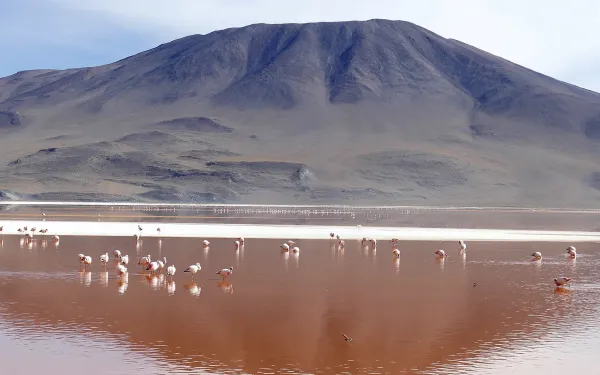
“Choose Europe”: Prioritizing minerals, not rights
The Raw Materials Week in Brussels, Belgium, has come to an end. This annual event, organized by the European Commission, aims to discuss how to ensure "sustainable and secure" access to raw materials in and for Europe, with the goal of strengthening international alliances to meet its defense, digitalization, and security goals.The European Commission emphasized that Europe is highly dependent on mineral imports from Latin America, which deepens the region’s historical pressures and the resulting need for stronger socio-environmental protections. However, from the Andean Wetlands Alliance, we maintain the week’s debates revealed an approach increasingly disconnected from human rights, community voices, and the global socio-environmental crisis.This shift in priorities is part of a broader political turn marked by geopolitical tensions around access to critical minerals and new energy sources, as well as by the rise of conservative forces and authoritarianism. A trend is emerging within the EU toward the privatization of human rights and environmental standards, along with the weakening of social and environmental safeguards through deregulatory processes. An example of this is the debate on the possible weakening of the Corporate Sustainability Due Diligence Directive.The dominant narrative this week was shaped by concepts such as “competitiveness” and “defense” as the guiding axes of European policies. Within the framework of a geopolitical rivalry between China and the United States, Europe seeks to reduce its dependence on its long-standing Western ally under the slogan “Choose Europe,” which titled this year’s edition. In this context, the European Commission continued to promote access to minerals through an approach centered on the security of its supply chains, without assessing its policies in light of planetary boundaries or human rights. This approach contradicts the commitments associated with the energy transition that originally motivated the discussions on “critical minerals.” Today, we ask to what extent the cost of “choosing Europe” will continue to be borne by local communities in Latin America and other peripheral regions affected by mining expansion.Today, we ask to what extent the cost of "choosing Europe" will continue to be borne by local communities in Latin America and in other peripheral regions affected by mining expansion.This edition had the least debate compared to the last years on the need to integrate human rights into European mineral policies. Indeed, accreditation for access to the official event was limited, and the forum's official agenda lacked a space for communities and civil society from the Global South to express their perspectives on mineral value chains like lithium, and to influence the debates that will shape the decisions affecting them. Instead, discussions focused primarily on investment opportunities for corporations and governments.From the Andean Wetlands Alliance, we highlight that the expansion of the extractive frontier contradicts the climate and biodiversity commitments endorsed by the EU and risks deepening existing asymmetries between the two regions. For this reason, we reaffirm our position on the need for a paradigm shift in EU raw materials policies, so that they become inclusive, transparent, and sustainable, ensuring the participation of communities and organizations located at the extractive frontier of transition minerals. Likewise, in the context of the ecological and democratic polycrisis, we stress the need for the EU to adopt concrete targets to effectively reduce mineral demand and to strengthen compliance with international human rights and environmental treaties.Press KitPress contactsVíctor Quintanilla, AIDA (regional), [email protected], +521 5570522107Rocío Wischñevsky, FARN (Argentina), [email protected], +541159518538Manuel Fontenla, Asamblea PUCARÁ (Argentina), [email protected], +54 9 3834790609Oscar Campanini, CEDIB (Bolivia), [email protected], +591 70344801Juan Francisco Donoso, Formando Rutas, [email protected], +4915780743628
Read more
AIDA Celebrates Historic High Seas Treaty and Calls for Effective Implementation
The Interamerican Association for Environmental Defense (AIDA) celebrates the Treaty on the High Seas (BBNJ Agreement) reaching the 60 ratifications required for its entry into force, which is set for January 17, 2026. This marks a historic milestone for ocean protection and the well-being of millions of people across Latin America and around the world.“From Latin America, we celebrate the entry into force of the High Seas Treaty—a global milestone that brings us closer to achieving sustainable, equitable, and fair ocean governance. AIDA also recognizes the vital role of Latin American ocean champions who ratified the Agreement, as well as the active participation of the region throughout the negotiations and leading up to this historic moment,” said María José González-Bernat, Director of AIDA's Ocean Program.“We will continue working alongside governments, civil society organizations, academia, Indigenous Peoples, and local communities to ensure the effective implementation of this treaty, which is essential to protecting our collective future,” she added.AIDA has played an active role throughout the process, co-leading Latin American civil society contributions as part of the High Seas Alliance to help secure a strong agreement that reflects the realities, expectations, and challenges of the region.In addition, AIDA has provided technical support to regional delegations participating in the sessions of the Preparatory Committee, a United Nations body tasked with advancing the issues to be addressed at the first Conference of the Parties (COP) of the agreement, scheduled 120 days after its entry into force.The High Seas Treaty—formally known as the Agreement on the Conservation and Sustainable Use of Marine Biological Diversity of Areas Beyond National Jurisdiction (BBNJ Agreement)—offers numerous benefits, including the creation and effective management of marine protected areas on the high seas to conserve the ocean’s rich biodiversity.It also requires that any new high-seas activities undergo environmental impact assessments that account for the cumulative effects of multiple activities on a single ecosystem.Beyond the milestone of reaching 60 ratifications, it is essential that all countries—not just the initial 60—adhere to the agreement to ensure fair, equitable, and sustainable governance of high-seas biodiversity. This is critical for the treaty’s effective implementation, including achieving its conservation objectives and ensuring all countries can participate in its benefits.At AIDA, we will continue to focus on Latin America to ensure that the High Seas Treaty leads to concrete actions for the protection and sustainable use of the high seas—a shared responsibility of all governments.Find out what the members of the High Seas Alliance think.Press contactVíctor Quintanilla, [email protected]
Read more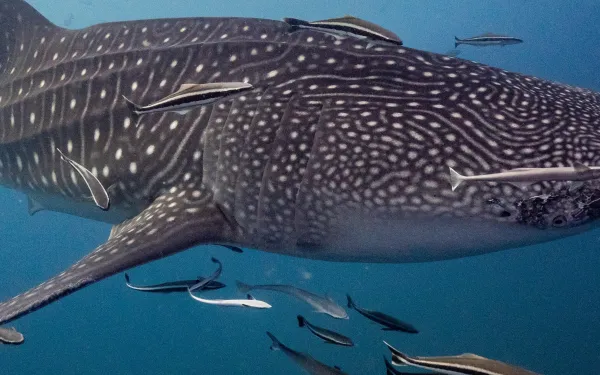
Historic milestone for global ocean protection: 60th ratification triggers entry into force of High Seas Treaty
Following the deposit of ratification instruments by four new countries this week at the United Nations–Sri Lanka, St. Vincent and the Grenadines, Sierra Leone and Morocco- the High Seas Treaty has reached the milestone of 60 state ratifications needed to trigger its entry into force. Formally known as the Agreement under the United Nations Convention on the Law of the Sea on the Conservation and Sustainable Use of Marine Biological Diversity of Areas Beyond National Jurisdiction (or BBNJ Agreement), the Treaty will become legally effective 120 days from today (17 January 2026).“This historic moment is the culmination of years of dedication and global diplomacy by governments and stakeholders” said Rebecca Hubbard, Director of the High Seas Alliance. “The High Seas Treaty is a powerful testament to multilateralism- showing what the world can achieve when we come together for the common good for our ocean, which covers more than 70% of the planet. Today marks an important step when promises start becoming action.”The Treaty is the first legally binding international agreement safeguarding marine life in the High Seas, which covers two-thirds of the world’s ocean and plays a critical role in ensuring a healthy planet. It provides new tools to halt biodiversity loss and ocean degradation through enabling the creation of marine protected areas (MPAs) in international waters and ensuring environmental impact assessments of planned human activities. It will also boost equity for developing countries through increasing knowledge and technology access, strengthening capacity, and ensuring the equitable access and sharing of the benefits of marine genetic resources.These provisions are vital to achieving climate and biodiversity global goals, including the Kunming-Montreal Global Biodiversity Framework (GBF) 30×30 target to protect 30% of the planet’s land and ocean by 2030.Adopted in June 2023, after nearly two decades of discussion and negotiations, the Treaty opened for signature on 20 September 2023. Palau became the first country to ratify on 22 January 2024, and since then States from every region have joined. In addition to the 60 ratifications, 142 countries plus the European Union have signed, signaling their intent to ratify.Under the Treaty, the first Conference of the Parties (CoP) must convene within a year of entry into force, likely toward the end of 2026. Preparatory work is already underway at the UN to build the institutions and processes in time for CoP1 that will ensure the Treaty’s ambition and long-term effectiveness. Governments and stakeholders are also laying the groundwork for developing High Seas MPA proposals to protect critical biodiversity sites once the Treaty is operational. These include the Salas y Gómez and Nazca Ridges, the Lord Howe Rise and South Tasman Sea, the Sargasso Sea and the Thermal Dome in the Eastern Pacific.“Achieving 60 ratifications is not the finish line–it’s just the starting block,” said Rebecca Hubbard. “The Treaty’s true strength lies in universal participation. While we must celebrate this incredible progress, we urge all remaining nations to join this historic Agreement and help us go from 60 to global ahead of the first CoP.”Further ratifications are expected during the upcoming UN General Assembly High-Level Week in New York (beginning 22 September 2025). Notes to editorThe official status of signatures and ratifications can be found on the UN website and the High Seas Alliance’s ratification tracker. Note: The number shown on the High Seas Alliance tracker reflects only the ratifications that count toward entry into force and does not include the EU’s ratification and therefore differs from the UN’s total count. The High Seas Alliance (HSA) sometimes uses the term "High Seas Treaty" as a short-hand for the BBNJ Agreement. HSA acknowledges that the scope of the BBNJ Agreement encompasses all Areas beyond national jurisdiction, including the seafloor and water column. This choice of wording is intended to ease understanding for broad audiences and does not convey a prioritization among the components or principles of the BBNJ Agreement.
Read more